
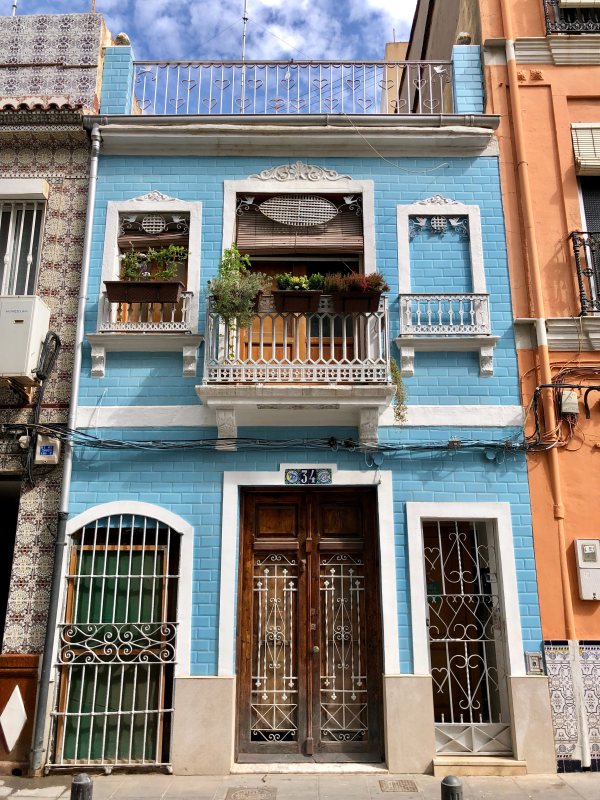






The last couple of days of our honeymoon were spent in Bilbao. Hotel Tayko overlooks the river and is in a brilliant location on the edge of Casco Vieja (the old town). Complementary macaroons and an upgrade to a bigger room with bath (heaven!) made it all the more special. I could get used to this!
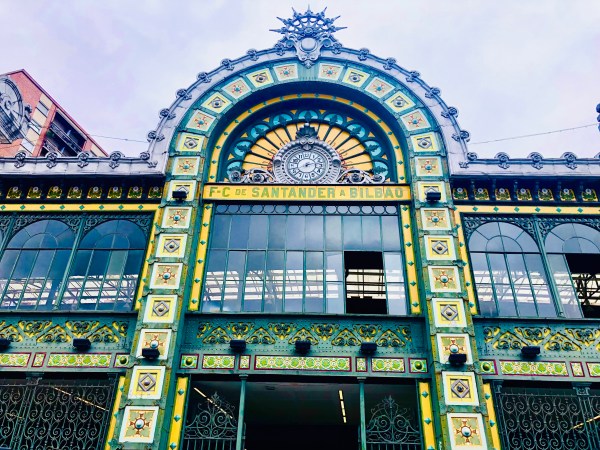
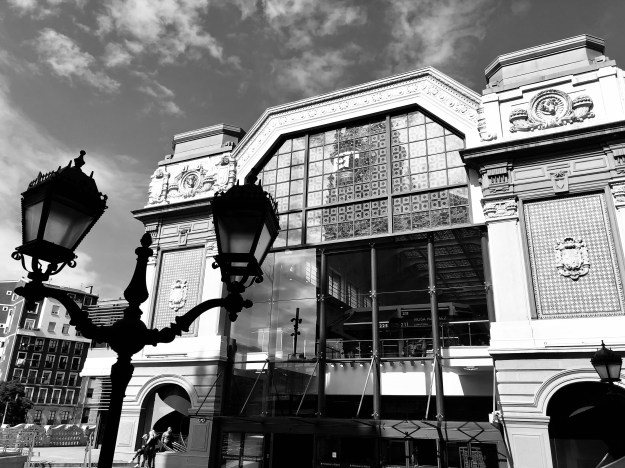
After availing ourselves of the treats and lounging decadently in our soft robes, we made our way to Catedral de Santiago, a glorious mix of Gothic Revival and renaissance architecture. We then had a quick dash around the local delis (buying too much ham and txakoli); and took in the handsome art-nouveau facade of Concordia station, before strolling along the Ria del Nervión to the Guggenheim for our evening meal at Nerua.
This was our biggest splurge of the holiday. Currently listed No.32 in The World’s 50 Best Restaurants, the stark white modernist room belies the friendliness of the staff (we discovered our particular chef for the night used to work at Hackney Picturehouse: small world!) and the playful inventiveness of the cooking. I’m going to try to avoid talking about food too much this time, though. I’ll just say it was delicious. 🙂
Nine courses later, we retraced our steps along the river, passing under Louise Bourgeois’ gigantic Maman (genuinely a bit scary in the dark) and the handsomely-illuminated Zubizuri bridge, before stopping for a nightcap in a full-to-bursting craft beer bar near the hotel.


The next day, after tortilla at Café Iruña (a bit of an institution, filled with Moorish tiles and waiters who think they’re in 1920s Paris), we were back at the Guggenheim. This time, to actually look around the gallery. Since opening in 1997, the instantly-recognisable titanium edifice has been a catalyst for significant regeneration across the whole city. Tourist numbers have risen as Bilbao’s seedier and historically more industrial areas have been given a facelift, in the wake of its opening.
Frank Gehry’s creation didn’t disappoint. As the sun danced off its gleaming surfaces, we first took in the exterior sculptures and installations: Jeff Koons’ colourful 12 metre tall Puppy and his controversial Tulips; Fujiko Nakaya’s mist; and Anish Kapoor’s Tall Tree and the Eye. All brilliant. Worth lingering over, exploring in different light and from different angles. Inside, it’s a slightly different story. I felt it was the architecture that continued to amaze, more than the exhibits. Although, I loved Richard Serra’s giant rusty Matter of Time sculpture.


If you buy the Artean Pass, you’ll save money on a dual visit to nearby Museo de Bellas Artes. Like many, it seems, I favour the latter’s permanent collections over the Guggenheim’s. An eclectic mix of pieces from the likes of Gauguin, El Greco, Francis Bacon, and Basque artists Eduardo Chillida and Ignacio Zuloaga. My favourite was Juan Muñoz’s Hanging Figures (pictured below). To mark its 110th anniversary, the gallery is currently presenting an exhibition called ABC: The alphabet of the Bilbao Museum, which is wonderful – rather than ordering works chronologically or through schools of art, they are grouped into themes under each letter of the alphabet (D = Desire, for example; W = War). Loved it!

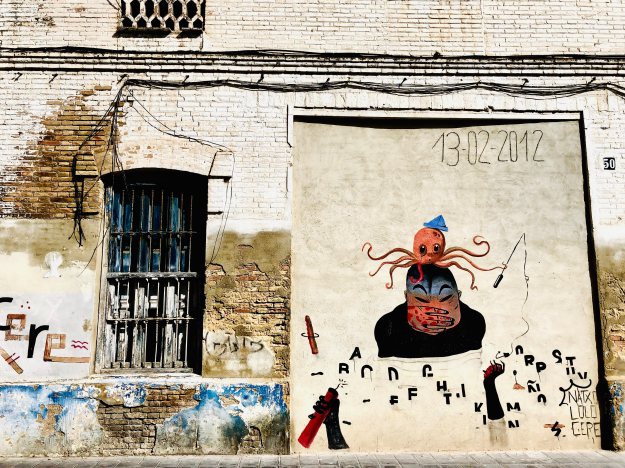
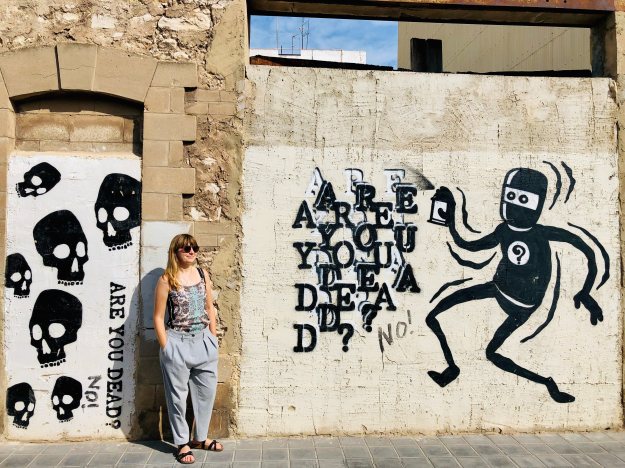
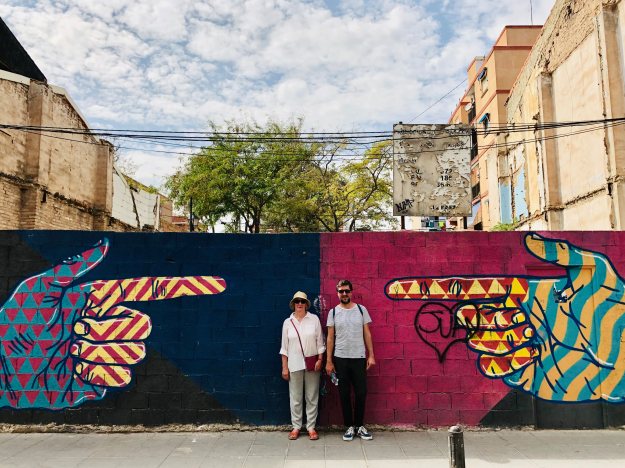
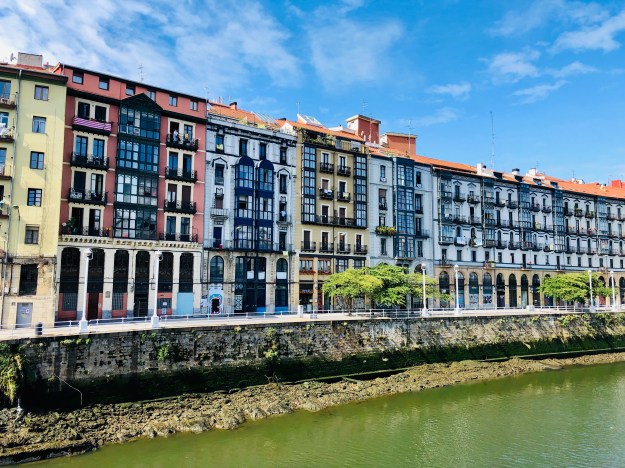
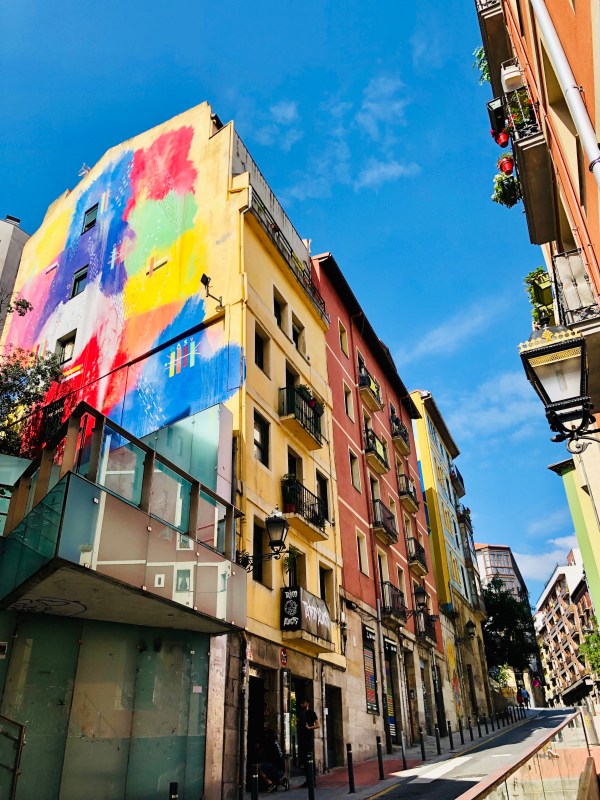
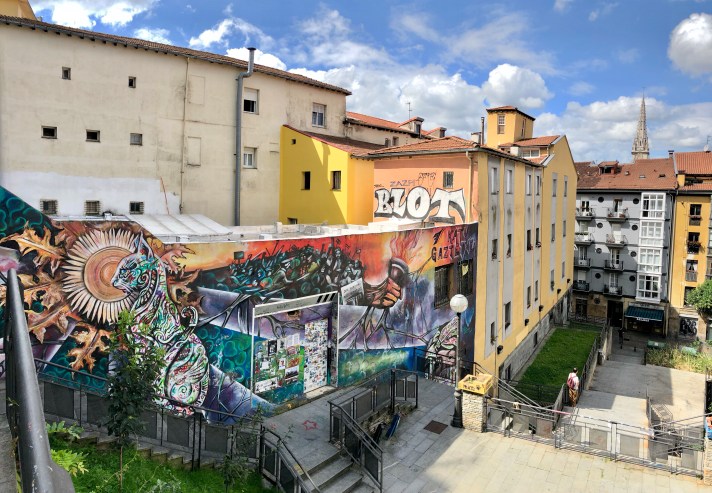
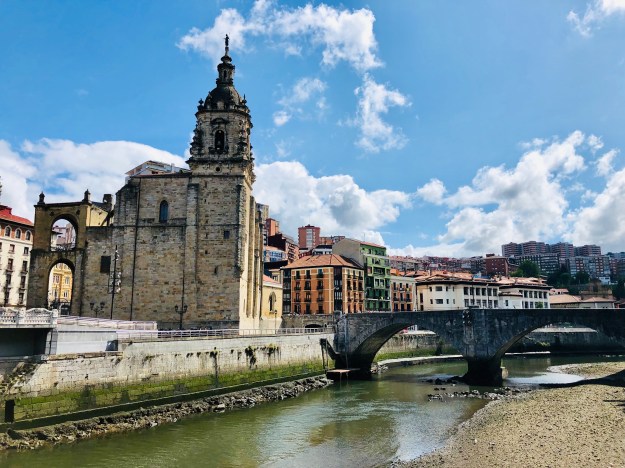
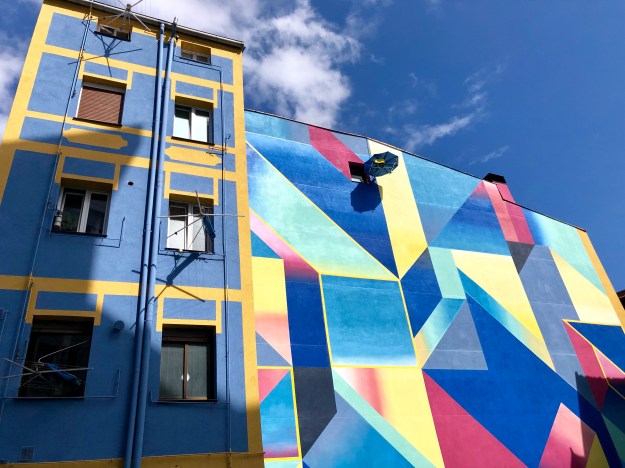
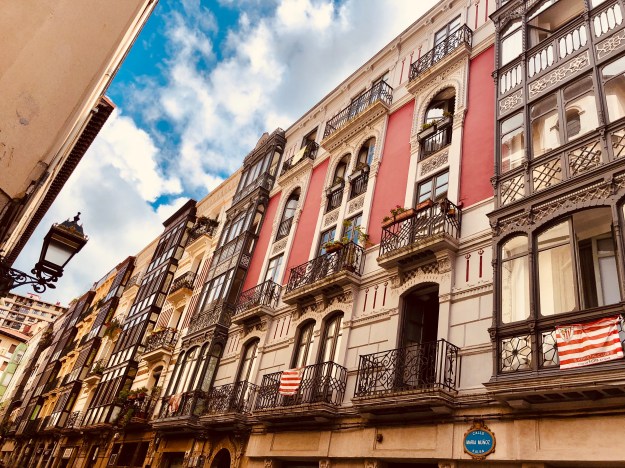
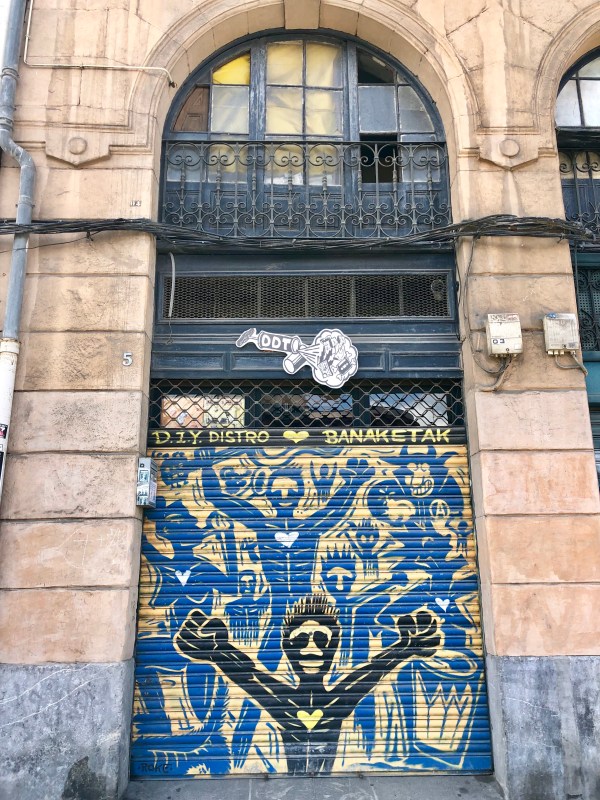
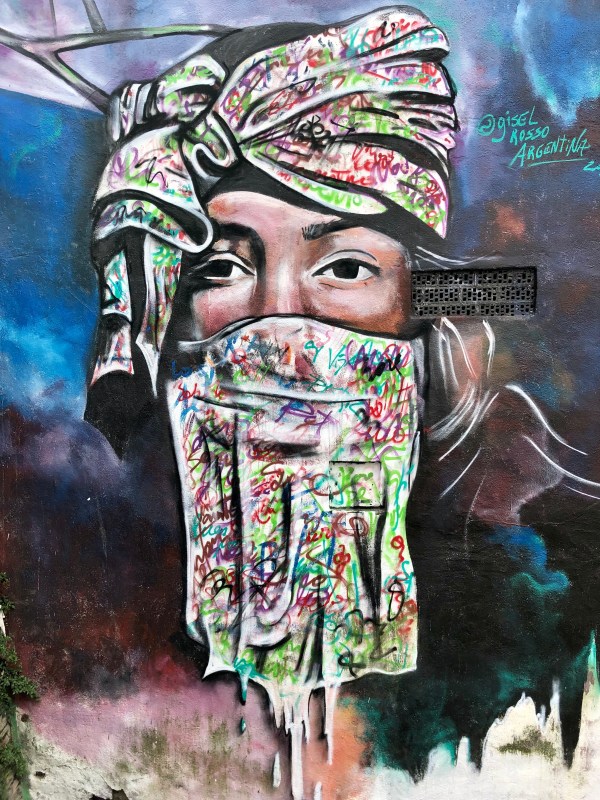
Our final day was spent exploring the seven original 14th century streets (Las Sietre Calles) of Casco Viejo, as well as Ribera food market, the riverside, San Anton Eliza church, and the “hip and artsy” Las Cortes quarter (see some examples of the area’s amazing street art in my last photo blog).
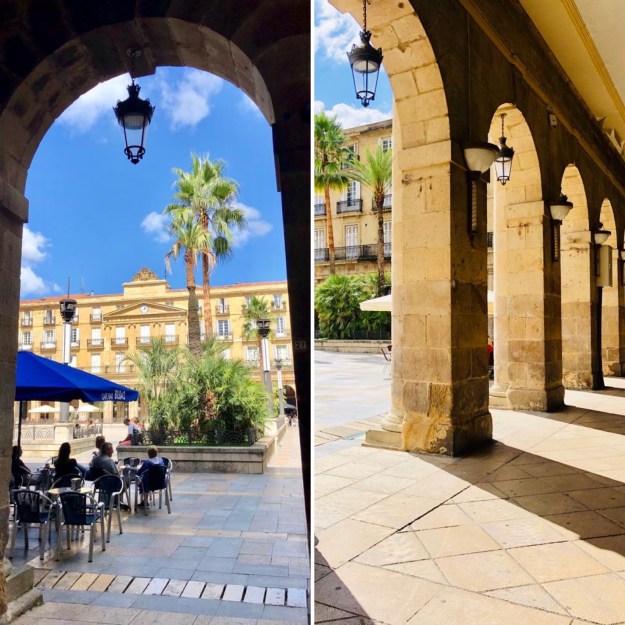
When our legs started aching and our tummies rumbled, we stopped in Plaza Nueva for a pintxos lunch, sampling bites from Casa Victor Montes, Culmen, and – our favourite – Gure Toki. I think I mentioned in my San Sebastián blog, the best dishes are often the ones you order from the menu rather than take from the counter top (although those are usually delicious too). You can also order media raciones (half-portions) or full plates. But doing so fills you up quickly, so we tended to stick to tapa-sized bites. Having said that, my favourite dish that lunchtime was the half-portion of rare chuleton steak we shared. My mouth is watering at the memory. Dammit, I said I wasn’t going to bang on about food again. Sorry!








I have newly acquired a husband. And to celebrate we took ourselves off to San Sebastián and Bilbao, in northern Spain. It was a break centred first-and-foremost on good food. So I make no apologies for the grotesquely smug photos to follow.


The city is famous for its pintxos bars: small tapas usually skewered to bread (the word deriving from the verb ‘to pierce’). On two of our three nights there, we ambled happily from bar to bar, slugging back txakoli (the local wine) and ordering a gout-inducing number of dishes.
Highlights included the grilled octopus with paprika-aioli at Atari; the risotto con queso Idiazabal (cheesy-rice to you and me) from Borda Berri; the beef rib “brownie” at A Fuego Negro; and the divine dipped ice-creams from Loco Polo.


Our favourite bar, however, was La Cuchara de San Telmo. Would really recommend heading there for a long lunch and pretty much working through the entire menu. We didn’t quite do that, but left feeling stuffed and happy after demolishing the black pudding, razor clams, piquillo peppers, seared tuna, and kokotxa (hake throats, a regional delicacy). The bar is small and friendly, and only a stone’s throw from the very pretty Basílica de Santa María del Coro. Having washed the food down with a couple of large carafes of wine, it proved difficult to move.
An afternoon climb up Monte Urgull was almost a necessity. Working off the calories, we plodded up to Sagrado Corazón (the “Sacred Heart”) statue to take in the stunning views over Bahía de la Concha and Isla de Santa Clara.

During our time in the city, we also visited Buen Pastor Cathedral, wandered the cobblestoned old town (Alde Zaharra), lazed on the beach, drank local craft beer, strolled the bank of the Urumea river, and caught the sunset at Bahía de Ondarreta.
Donostia is small, though. You really don’t need more than a couple of days there. So on our third day, after a fantastic breakfast of perfectly-squidgy tortilla and rich, fatty jamón ibérico at Azkena (within La Bretxa market), we caught a bus to Hondarribia. A tiny coastal town in Guipuzcoa province on the French border, with a pleasant beach and medieval old town. We walked the fortified wall, sat in squares surrounded by colourful Basque houses, tried (but failed) to get into the baroque church, and had a refreshing (if slightly chilly) swim in the sea.

And – of course – indulged in a multi-course lunch at Gran Sol. It’s worth a visit to this award-winning tapas bar on Calle San Pedro. Try the squid ink and chicken broth, ham croquetas and txerribeltz (pork and beets)…or pretty much anything else on the menu! It’s probably some of the prettiest food you’ll ever eat.
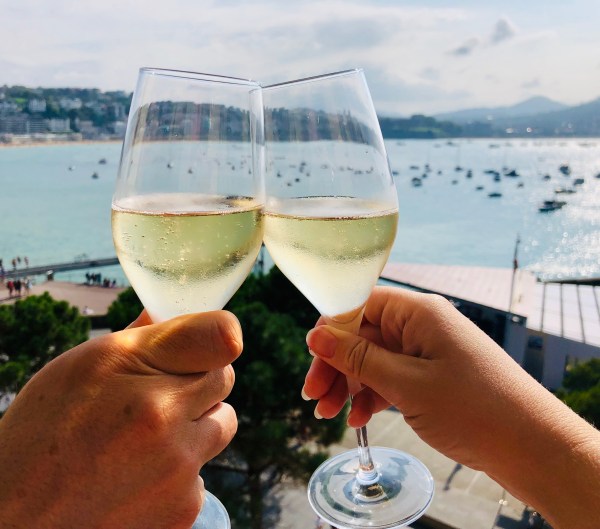
Here’s some final photos of the newlyweds enjoying the view from their hotel room (free upgrade: winner!).


I haven’t even mentioned breakfast churros (a must!), or our special honeymoon “treat” meal at Restaurante Kokotxa. Oh wait, there – I just did.
Next time, Part 2: Bilbao.
I’ve been a fan of Dale Chihuly since I wondered into a fantastic exhibition at the Halcyon Gallery in 2011. And of course, everyone adores his Rotunda Chandelier at the V&A. So I was happy to queue with the hoards of other fans on a sunny Saturday in June to see Reflections on Nature at Kew Gardens.
Photographs can’t really do the works justice; I’d definitely encourage packing a picnic and heading over. The trail takes in the newly renovated Temperate House and spruced up Great Pagoda; and with the summer flowers starting to come through, it’s a good time to visit. I plan to return later in the year too, to see the sculptures illuminated at night.


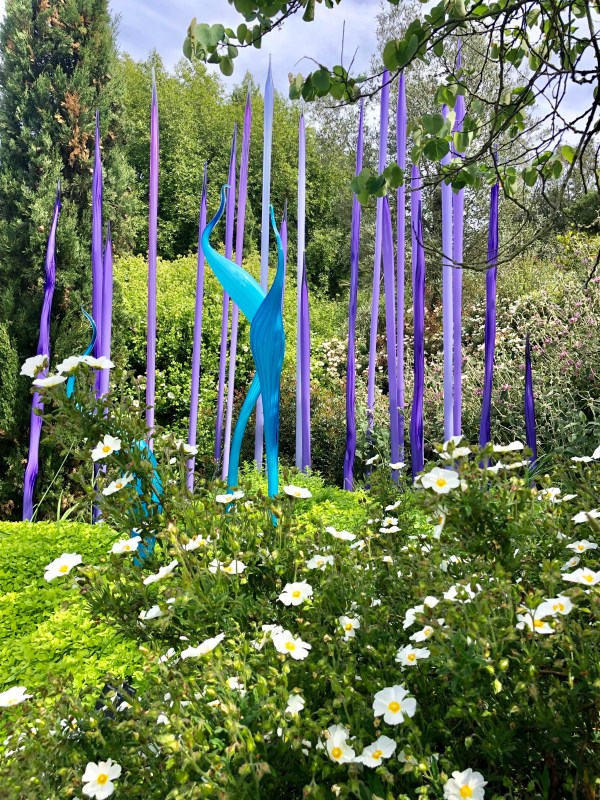


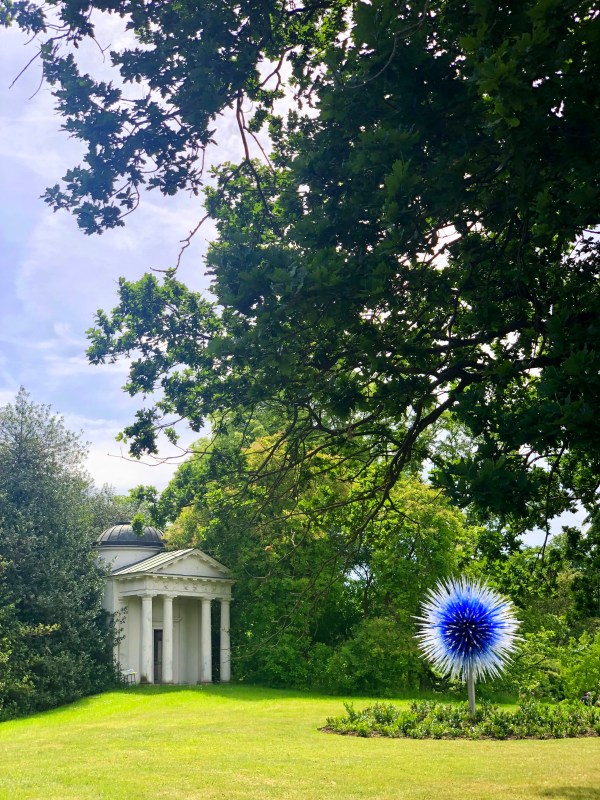

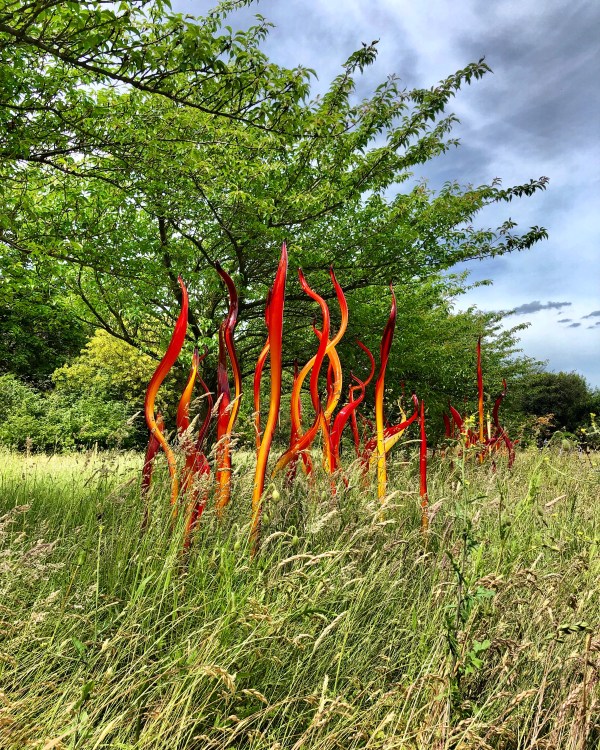
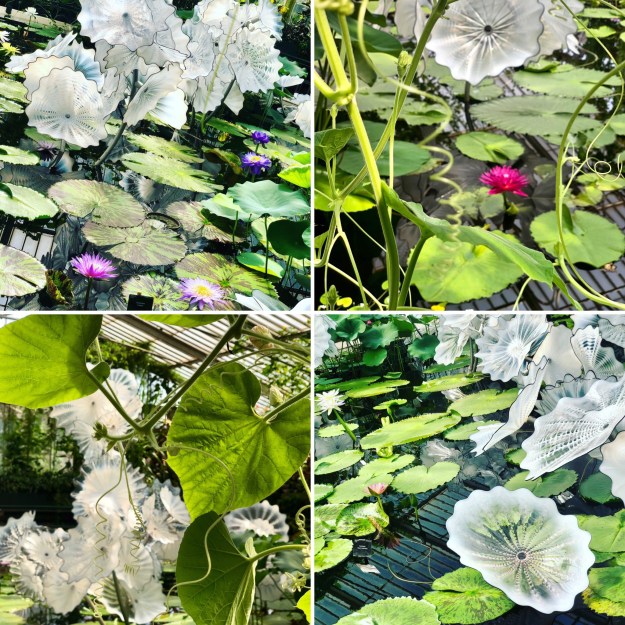
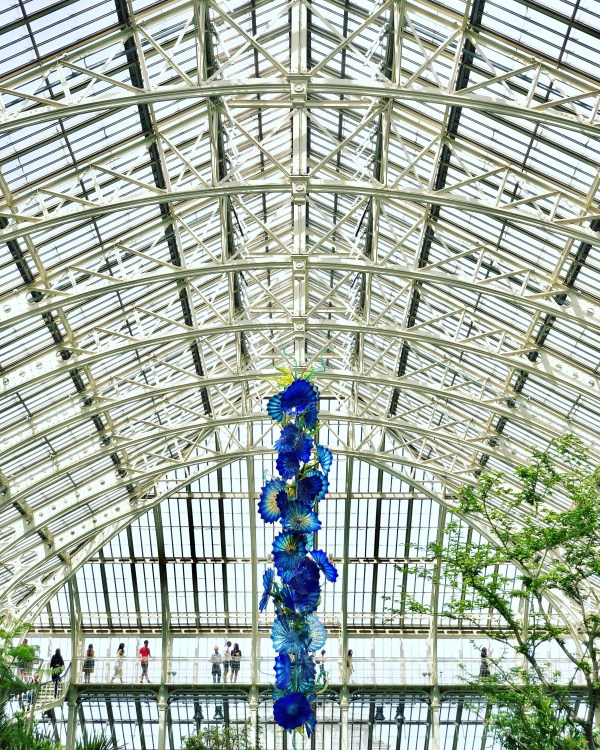
If you’re reading this before Part 1, you have to ask yourself ‘Why?’. The title should really provide the clue. Come on, people. Anyhow, where was I? Ah yes, the posh bit….
One sunny morning saw us catching the Rampart-St.Claude Street Car to the Warehouse District, where we stopped for a pleasant lunch at Maypop (apparently the crispy fried bourbon oysters were the highlight – I wouldn’t know, since they’ve decided they disagree with me. And I used to think we got along so well!). Switching to the St. Charles Street Car, we continued into the Garden District. This is where you’ll find the homes of the rich and famous (alive and dead): Sandra Bullock, John Goodman, Michel Musson (uncle of Degas), Archie Manning (former Saints quarterback*), Nicholas Cage, Jefferson Davis (first and only President of the short-lived Confederate States of America) and Beyonce & Jay-Z all live/have lived in the area. You can also find the home where Anne Rice wrote Interview with a Vampire, as well as various historic buildings such as the Women’s Opera Guild. The architecture is a mixture of Gothic Revival, Italianate and Creole, with a few Reconstruction-era and Swiss Germanic properties (Bullock’s) thrown in. As well as ogling intricate wrought iron fences, doric columns and the like, you can also browse the pretty independent shops along Magazine street.
And you can find some amazing restaurants in the Garden District. If you’re looking for down-and-dirty, then the alligator hotdogs and chilli fries at Dat Dog are pretty special, whilst the best gumbo and blue crab beignets can be had at La Petite Grocery. On a previous visit, we also dined at Shaya, a fantastic modern Israeli place. Both of the latter two have won coveted James Beard awards in recent years.
I seem to have omitted The French Quarter so far. The buzzing heart of the city, Vieux Carre is a story of two halves: part elegant townhouses, leafy squares, antique shops and art galleries; part mad, boozy, vulgar nights out on Bourbon Street (the clean-up operation each morning is pretty epic). We happily avoided the latter side, choosing instead to frequent bars in calmer parts of the city. I spent many a happy morning stroll around the Quarter though, taking the short walk from our homestay to Jackson Square, meandering between Decatur, Royal, Chartres and Dauphine Streets, admiring the handsome buildings, gawping at St. Louis Cathedral, and smiling at institutions like Marie Laveau’s House of Voodoo and Lafitte’s Blacksmith Shop (one of the oldest surviving structures in New Orleans). We also had a successful shopping trip in the Quarter on our final day, stuffing our suitcases full of purchases.
The culinary highlight of the holiday was, unexpectedly, in the Quarter. Longway Tavern is a brilliant bar and restaurant on Toulouse Street, with a captivating open-air courtyard and some of the best cocktails around. I’d recommend their shrimp toast and the pork chop, if they’re still on the menu. And you MUST try a muffuletta for lunch from Central Grocery. The king of sandwiches!
Finally, it’s worth getting out of the city (if you can tear yourself away) to head into the Louisiana wetlands. We had a fantastic morning kayaking in Shell Bank Bayou in Manchec Swamp. My photos from that excursion can be found here.
And I haven’t even talked about the main reason we were in the city: the 50th Anniversary of the New Orleans Jazz and Heritage Festival. I won’t wax lyrical, but suffice to say we had an amazing three days. As well as catching a range of lesser-known bluegrass, jazz, soul, gospel and funk acts on the various stages, following Mardi Gras Indian tribes as they paraded the grounds, and eating my body weight in food (soft-shell crab po’boy; crawfish monica; red beans & rice; beignets piled high with icing sugar; and redfish baquet…to name just a few), we joined the hoards for Kamasi Washington, Chris Stapleton, Tank & the Bangas, John Cleary, Buddy Guy and Diana Ross (the latter surprisingly good, choosing a crowd-pleasing set covering all of her hits and managing at least five costume changes in 90 minutes). For me, the highlight was Trombone Shorty’s festival-closing set, featuring the Neville Brothers. Nothing better than jumping around to ‘Hurricane Season’ as the sun sets.
*Who dat? Who dat? Who dat say dey gonna beat dem Saints?


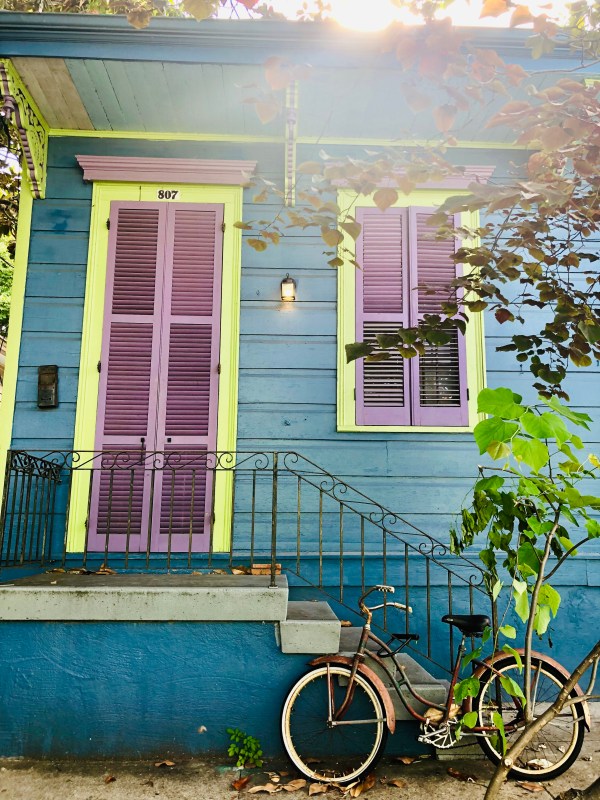
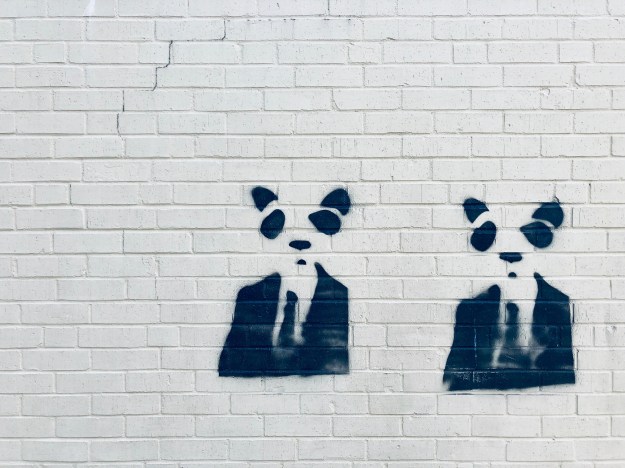

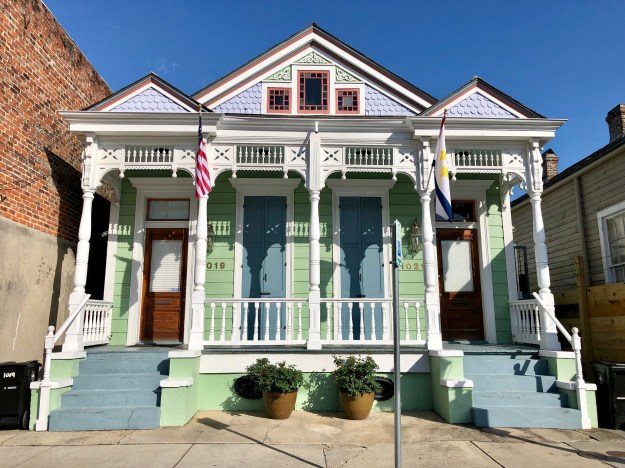


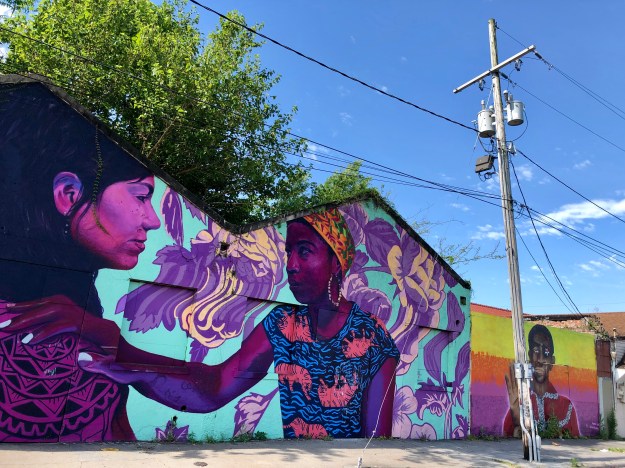
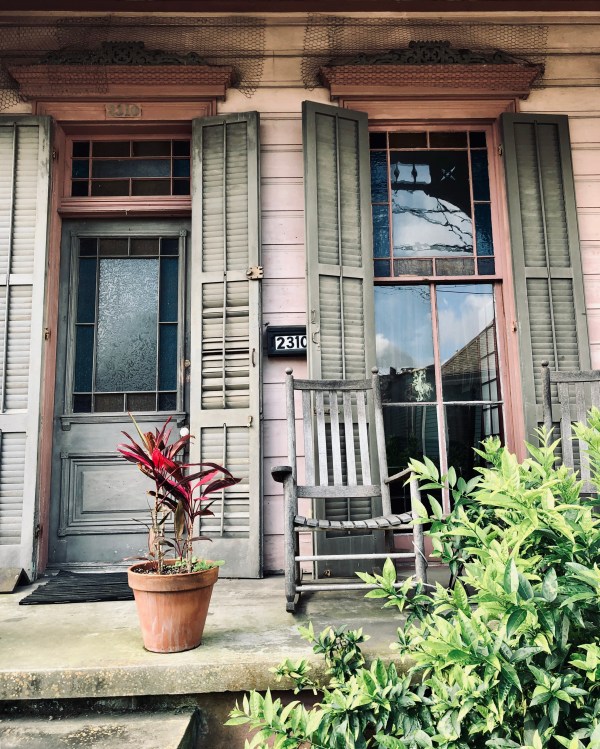


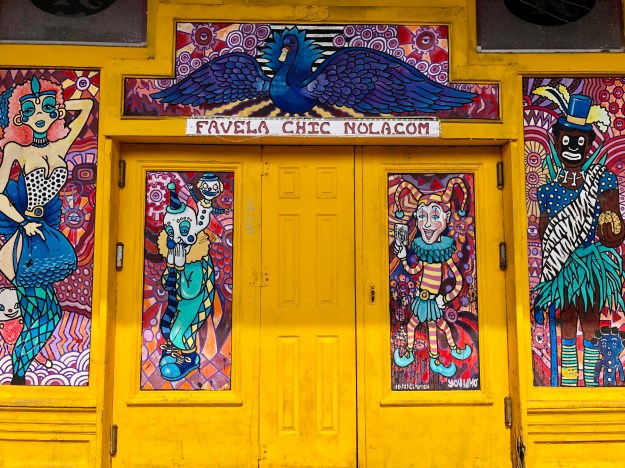

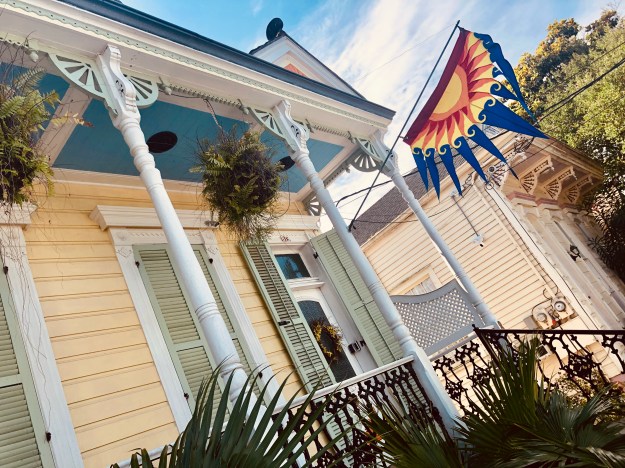


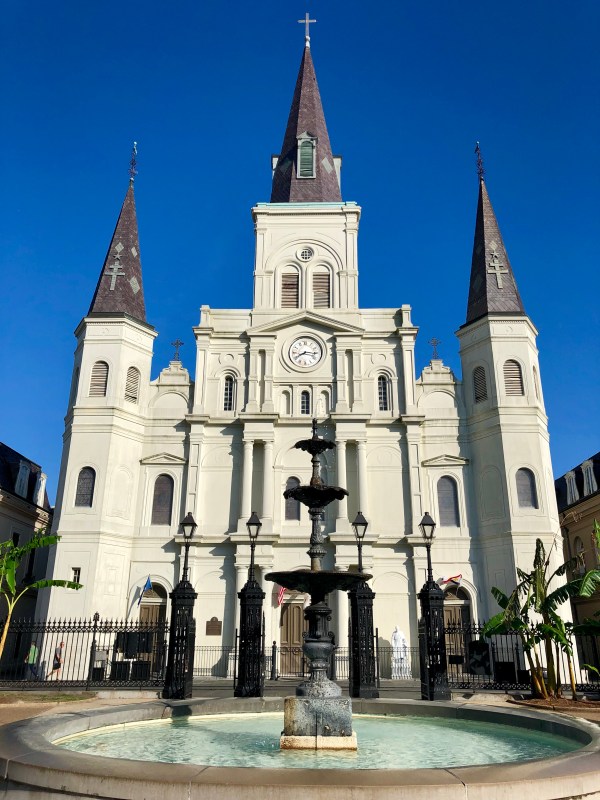
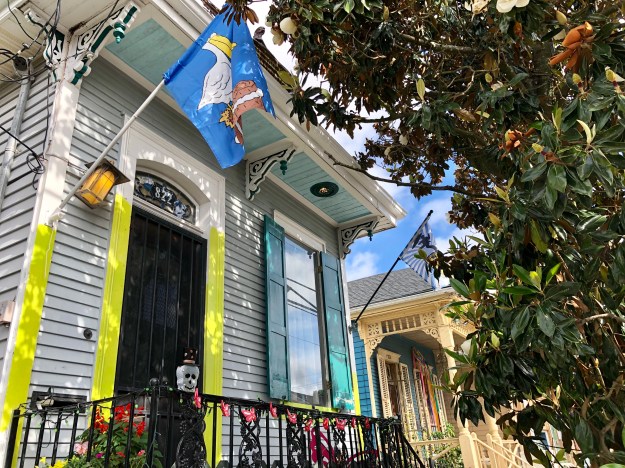

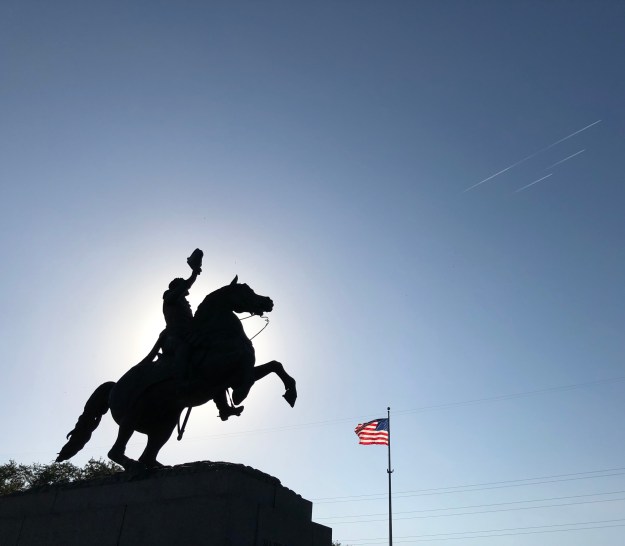


I don’t know how to begin to explain quite how much I love New Orleans. It’s gotten under my skin in a way no other city ever has. Of all the magical, exciting, beautiful, wonderful places I’ve visited in the world, my heart belongs to NOLA. If America would only provide more reasonable annual leave entitlement…I’d move there tomorrow! As it is, I’ll have to settle for regular visits every few years. This was my third, and probably my favourite so far. The sun shone, pretty much relentlessly, for the whole trip (bar a short-lived thunderstorm early one morning) and the city popped with colour. Wandering around the streets, listening to the trills of jazz, blues, zydeco and gospel emanating from open doorways, you can’t help but have a smile on your face. And snap away on your camera every few steps. It is just the most photogenic place.
We stayed, as always, in the delightfully laid-back neighbourhood (faubourg) of Marigny. Once a Creole plantation, the area became the second historic zoned area of the city after the Vieux Carre (French Quarter). It’s full of Classical Revival and Creole houses, rocking chairs swaying gently on their front porches; flags proudly displaying the fleur-de-lis (the symbol of post-Katrina pride in the city); Mardi Gras beads hanging from pretty much every railing and tree branch; and enough cute coffee shops, bars, and restaurants to shake a stick at.
Particular culinary delights in the area include: the okra with bagna cauda at Bywater American Bistro (BAB); the short rib steak at The Franklin; the smoked catfish dip at Bacchanal; and the lump crab eggs benedict at Paladar 511. The gumbo ya-ya at St. Roch’s Market was ok too, though not the best version we had on the trip (see Part 2 for that recommendation). Incidentally, I know there’s dispute over the name of this staple of the New Orleans diet – gumbo ya-ya meaning “everyone talks at once” and referring to a loud community or political gathering. But given that’s the term used on many respected restaurants’ menus, I ain’t gonna argue. In terms of where to drink, the handsome courtyard at The Elysian Bar is a great place for cocktails and their wine list is curated by the people at Bacchanal, itself boasting the best outdoor seating in the city…with live music every night and the best festoon lighting action around.
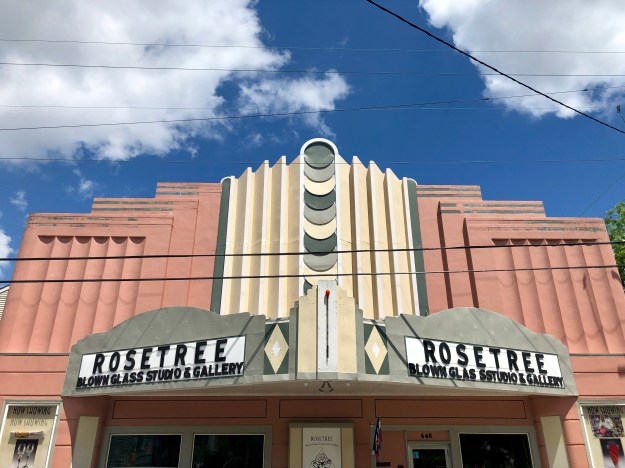
Further out of our ‘hood, we explored Algiers for the first time – the only ward of New Orleans located on the west bank of the Mississippi. It’s a very short boat ride from the bottom of Canal Street, aboard one of the country’s oldest ferry lines, and is well worth a visit. Wandering around the cute parish, you begin to think you’re on a film set. Everything is pristine and peaceful, and the mishmash of bright homes, small wooden churches, art-deco theatres, and quirky dive bars is beguiling. We ambled round, stopping in the friendly One Stone cafe for a spot of lunch and delicious cinnamon morning bun, trying to decide if Algiers had taken the crown from Marigny (conclusion: no…but it was a close call!).
I’ll stop there for now, and cover some other highlights in Part 2. Here’s a (severely edited – honest!) first selection of photos from the trip…starting with a picture of the house on Mandeville Street in which we stayed.


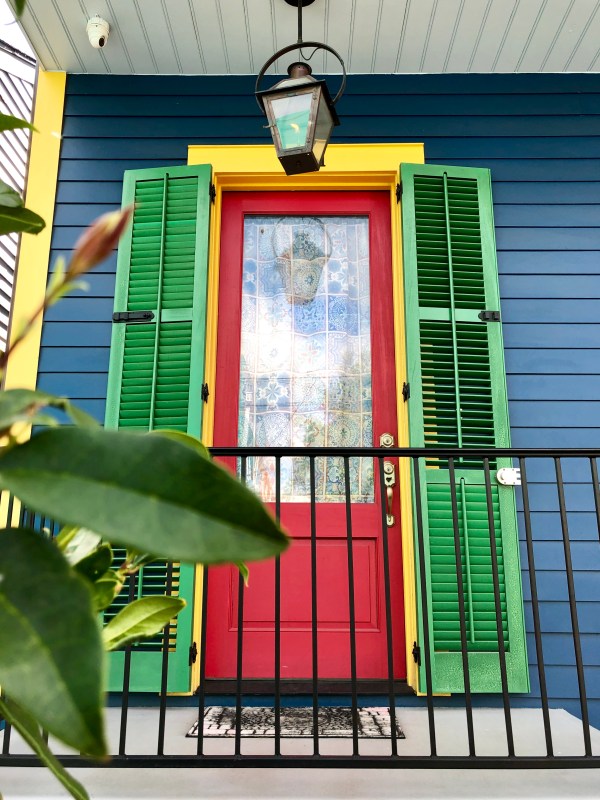
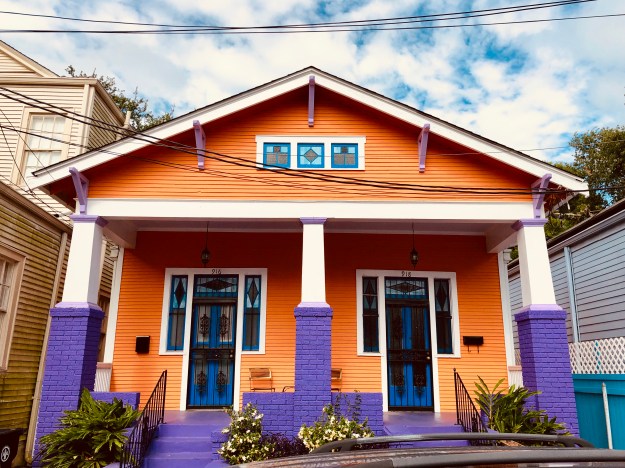
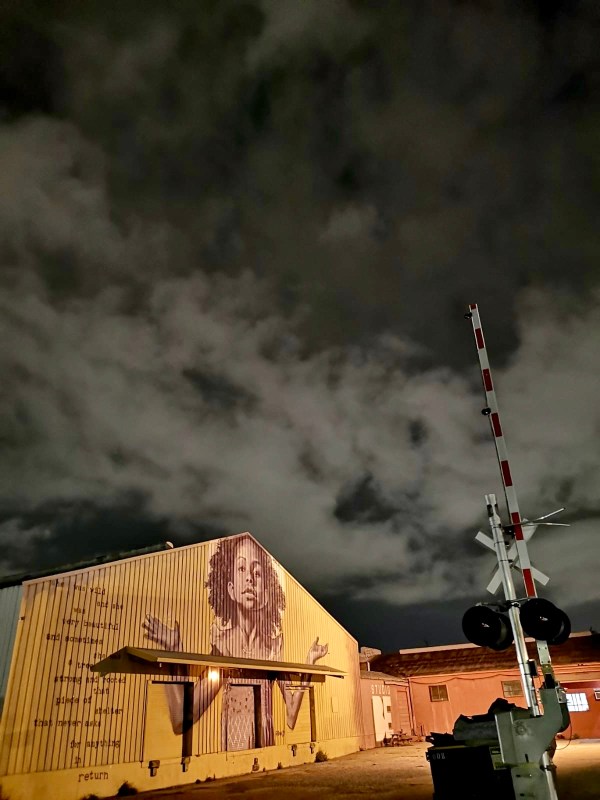

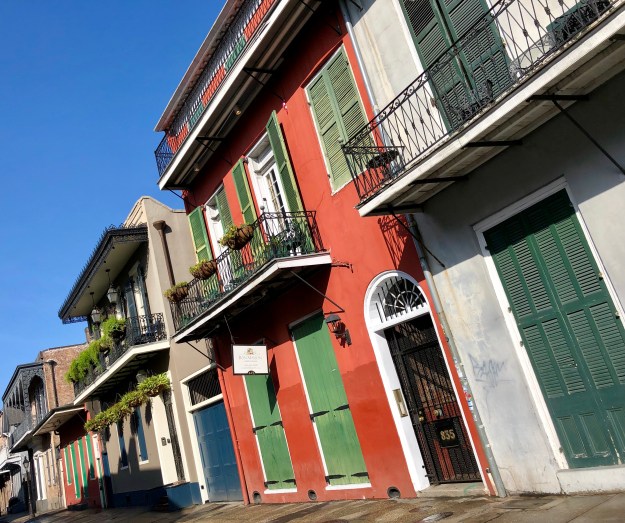


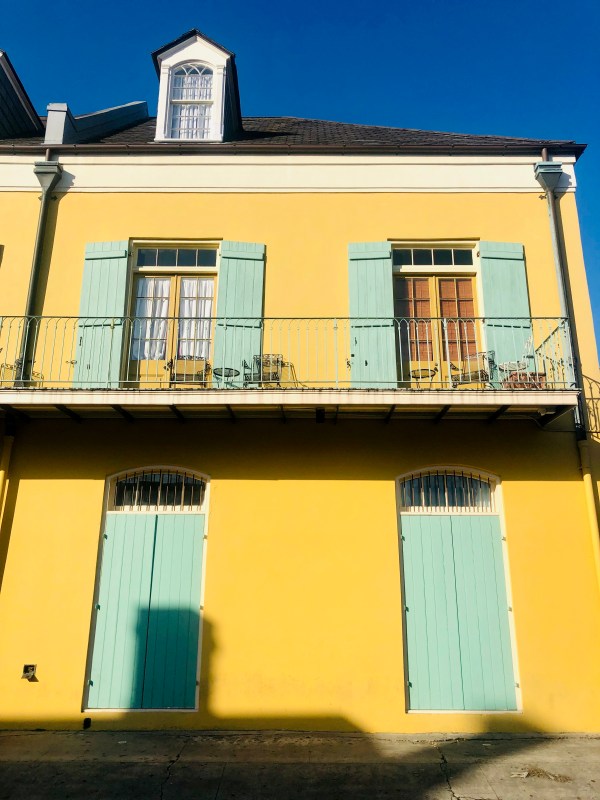


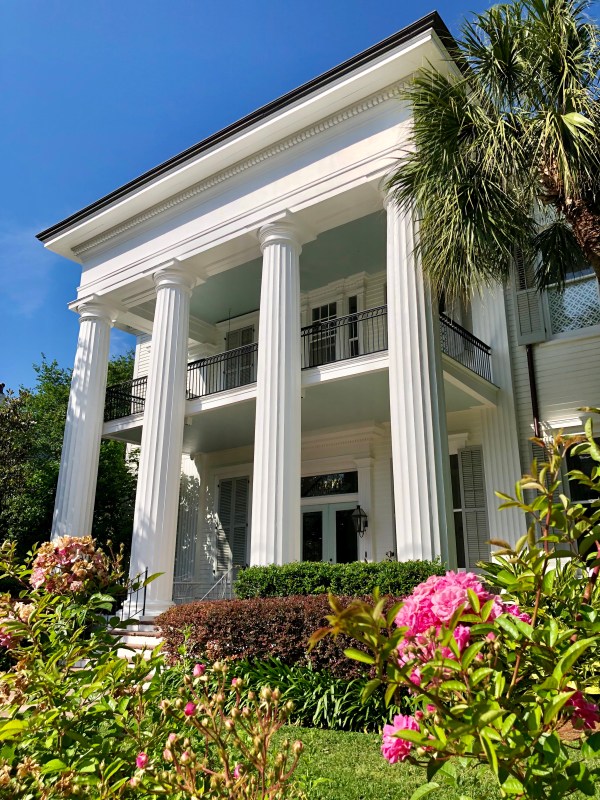


Credit: Street Art of girl on trail track – Chris Adnitt
I love a good “immersive sculptural experience”, me. Doesn’t everyone? So when a trip to visit family in Sheffield last weekend coincided with artist Phlegm’s time-limited installation, I was pleased as punch.
Phlegm is a Welsh-born but Sheffield-based muralist, cartoonist and street artist who first developed his illustrations in self-published comics. As well as being able to spot his creations around the Steel City, you’ve also at various times been able to catch him in Shoreditch. He’s bold and exciting; his work dripping with Tim Burton-esque macabre.
The gigantic creations that formed part of this particular event were littered throughout an abandoned warehouse, not far from Kelham Island. We cannily avoided the two-hour queue by arriving just in time to sneak in with the first tranche of the day. You get about half an hour inside, all-in-all, but need every second of that to explore the various nooks and crannies of the factory (itself an impressively atmospheric wonder, soon to be gutted and turned into flats) and gawp in awe at the huge sculptures.
It was difficult to do the exhibition justice on film, and properly convey the scale, but here are a few snaps of his fabulous work.
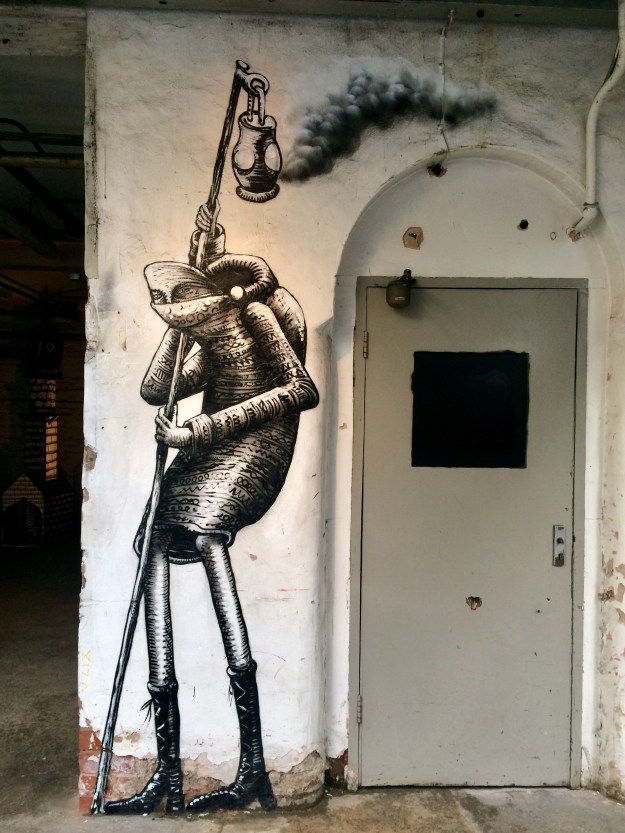
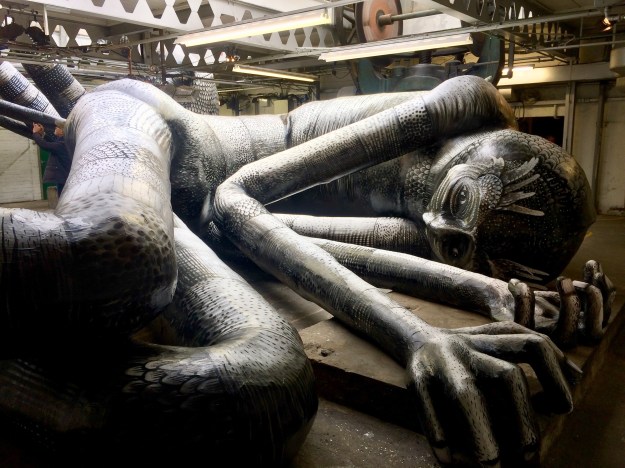


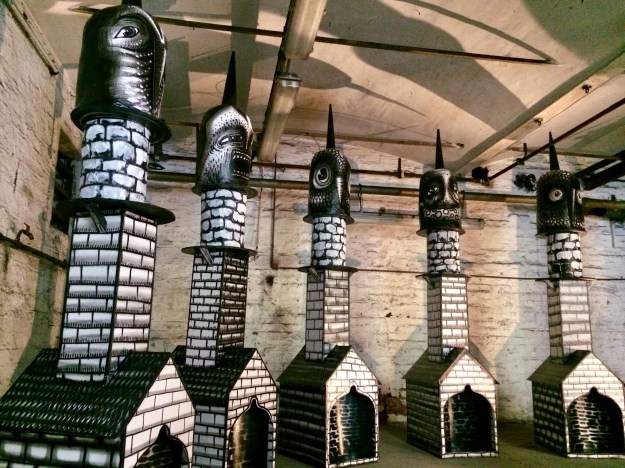

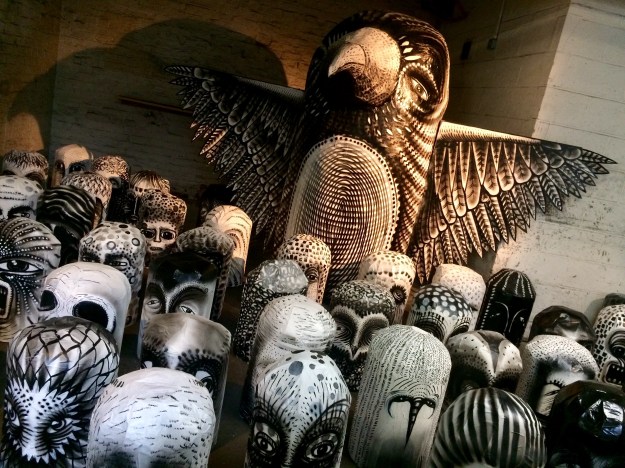

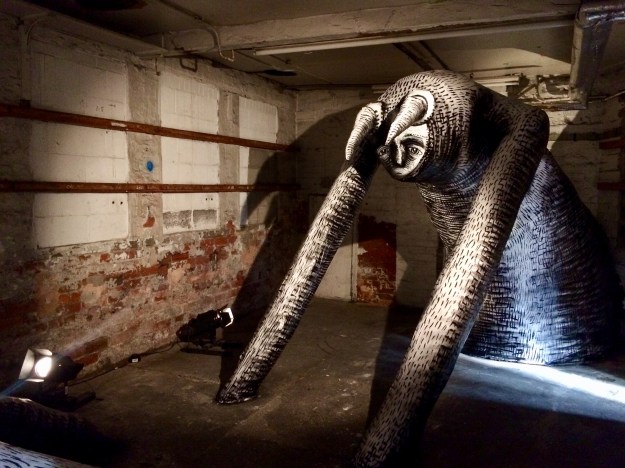

[Second photo (foot): Credit – Alison Groombridge]
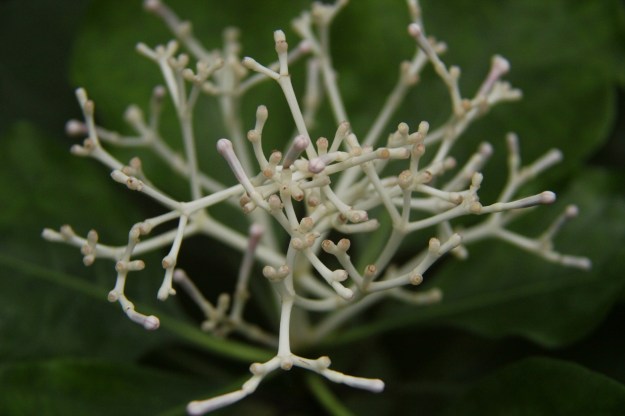
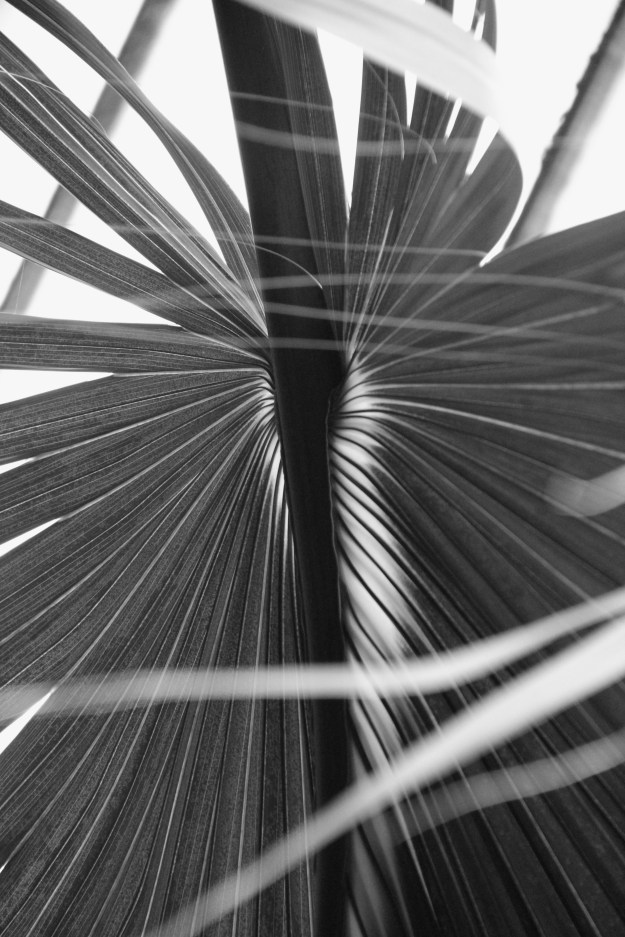
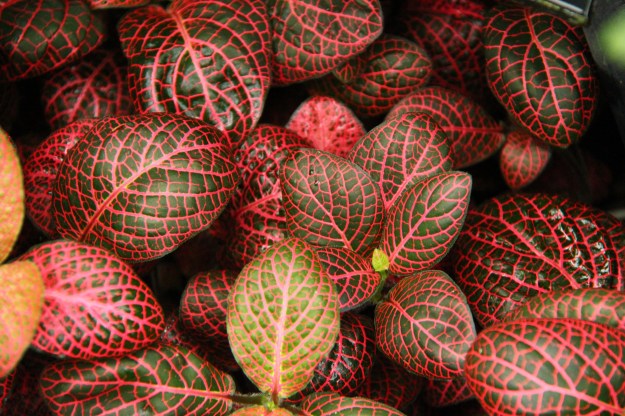
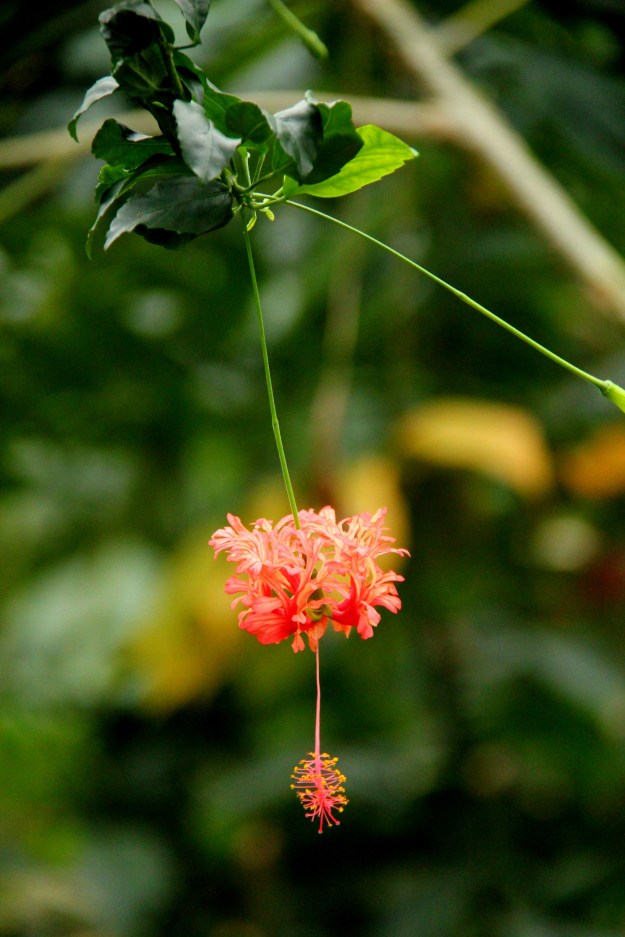
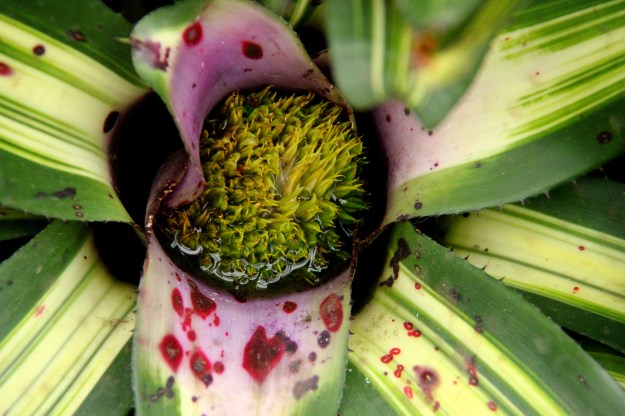
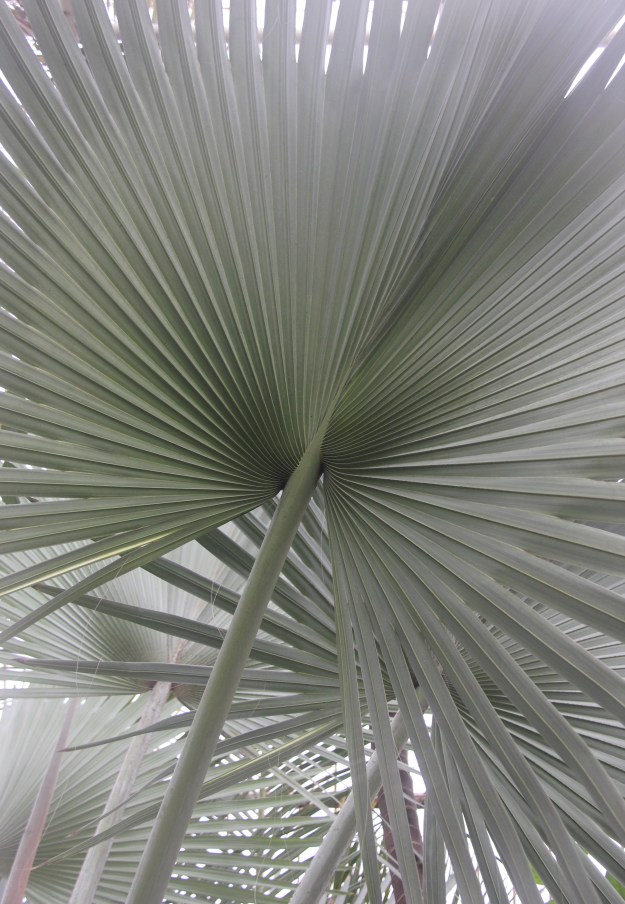
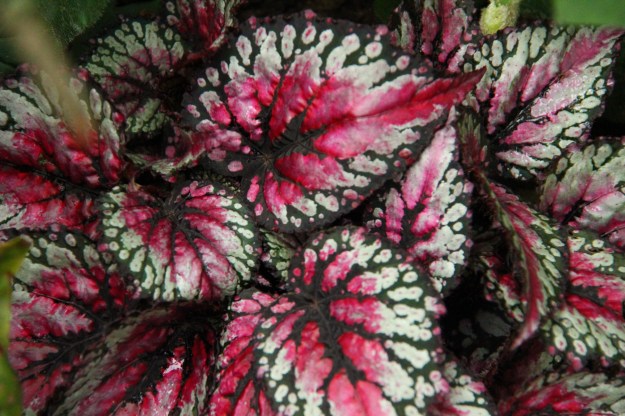
A little collection of winter foliage – and even some splashes of colour – as we prepare to welcome in spring. A reminder that, whilst our politics may be a dismal and dreary affair, switching off the news and getting out can lift the soul….even in January!

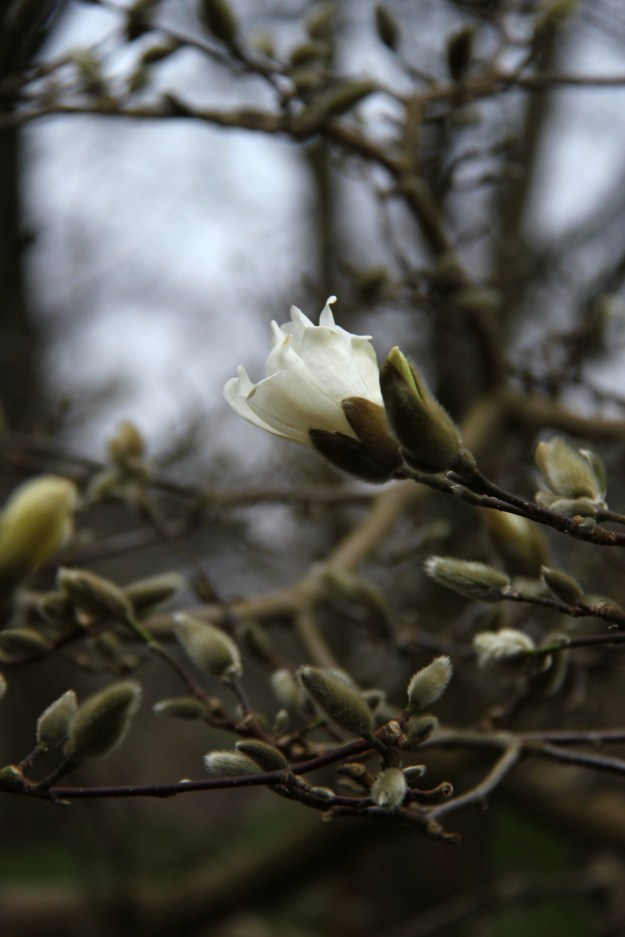




I’m at the intersection of nowhere
and lost in the vicinity
of a city that’s just
a pretty mirage
– Jerm IX




 Victoria's Secret Blog