Author Archives: victoriassecretblog

Unknown's avatar

About victoriassecretblog

I'm Vix, a 40-something year-old Yorkshire girl now living in London. I wish I could say here that my interests include tandem skydiving and extreme oyster-shucking, but they're actually the more prosaic usual suspects: photography (amateur); cinema (anything from art house to blockbuster); eating out (tapas being my favourite); and comedy (watching, not performing). This is my first foray into blogging. Hope you like it!

València

It feels much longer ago than it actually was, but back in September we had a really lovely weekend in València with my mother(s)-in-law Judy and Alison, brother-in-law Chris and his partner Ching. I’d never been before, and now it’s leapfrogged up my list of Spanish cities. The home of paella boasts great architecture, a long stretch of beachfront, vibrant markets, interesting galleries, great bars, and – importantly – fabulous street art.

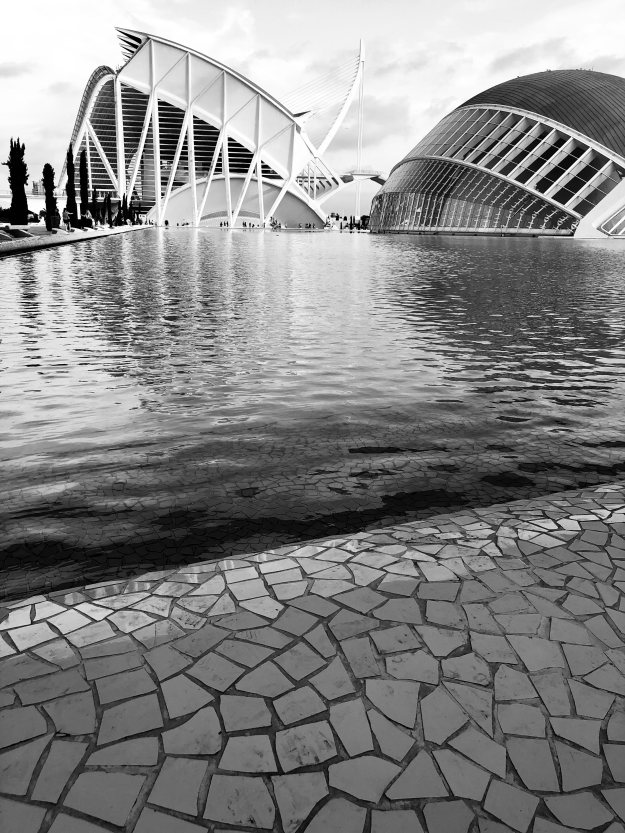
The weekend started with a long stroll along Jardines del Túria, created when the city wisely decided to divert the Túria river following a catastrophic flood in the 1950s. The 350,000 square metres of dry riverbed have been cleared and landscaped, filled now with pretty gardens, fountains and ponds, around which people laze post-work or whizz around on roller-blades and bikes. The area also hosts Ciutat de les Arts y les Ciències, an arts and science park filled with Santiago Calatrava’s exciting modern architecture: the Oceanogràfic (aquarium), Hemisfèric (planetarium), and Palau de las Artes Reina Sofia (opera house and auditorium), amongst others.

Valencia0048(2)

Valencia0048(3)

Valencia0023

Food-wise, we enjoyed traditional rabbit and seafood paellas at Restaurante Levante, the socarrat crunch at the bottom of the pan particularly good. And some decent tapas at Taberna La Sénia. But it was my discovery of vermouth that was the real game-changer. For those unfamiliar, it’s a fortified wine flavoured with botanicals…and it’s delicious. It’s since become my favourite go-to apéritif.

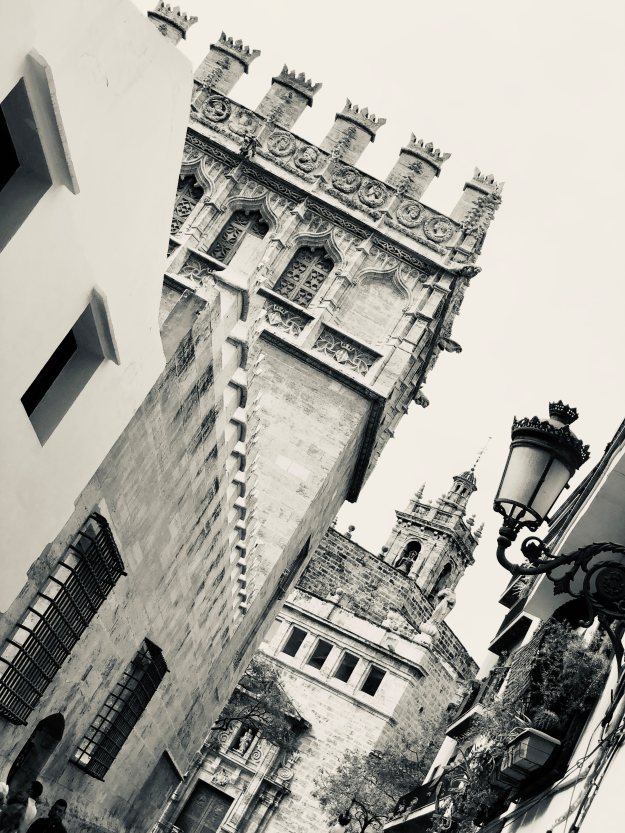
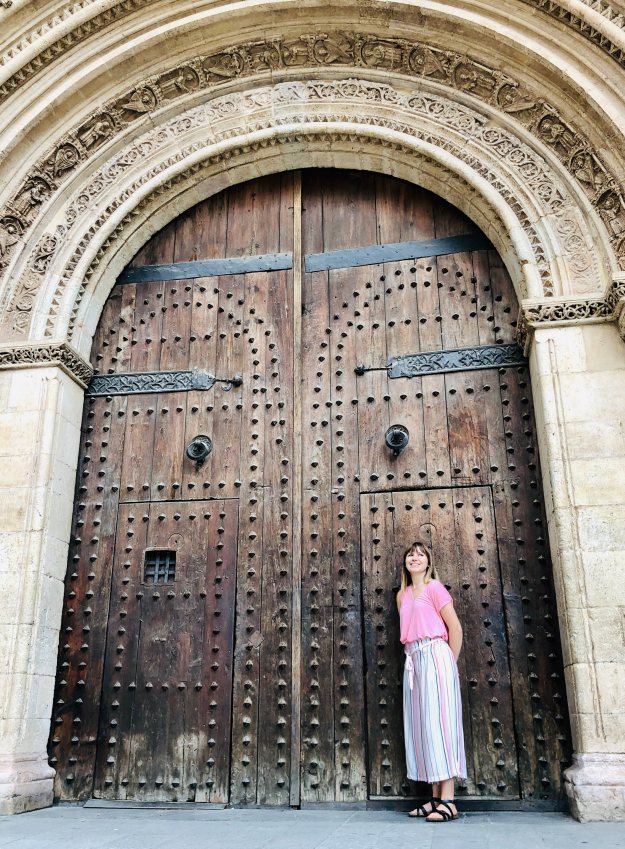
Our Air BnB – a great apartment on Carrer de Correus – was a stone’s throw from the central municipal square of Plaza del Ayuntamiento. So the next morning saw us exploring the civic buildings, town hall and central post office, with it’s ornate elliptical glass dome. Before heading over to La Lonja, the Gothic silk exchange. Now a UNESCO World Heritage site, it’s worth popping in here to see the beautiful twisted-columned main hall and citrus-tree filled central courtyard.
Valencia0068

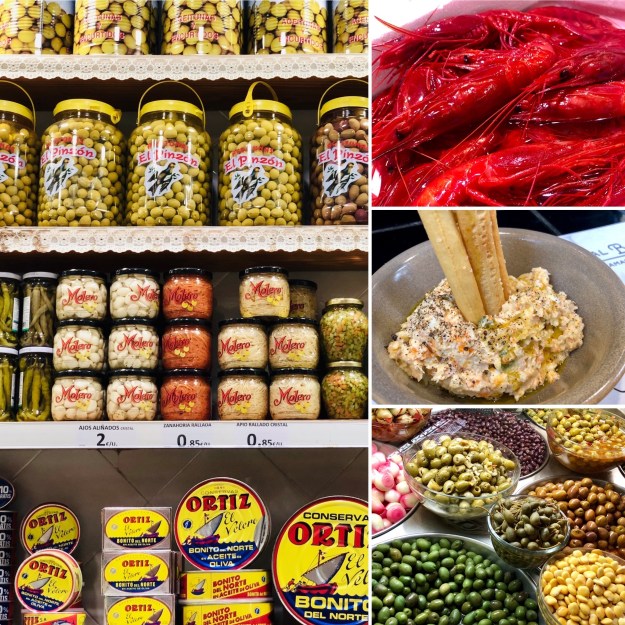
The modernista marvel of Mercado Central was our next stop. Inaugurated by King Alfonso XIII in 1928, the covered market has a surface area of over 8,000 square meters, filled with drying hams, fresh fish, churros and coffee stalls, and colourful delis bursting with olives, artichokes and other delights. We ate at Bar Central: mixed reviews, given a lot of the menu items had run out by the time Paul and I made it to the front of the queue. Our companions, however, enjoyed beef cheek, cockles, veal, boquerones and great red prawns. You win some, you lose some.
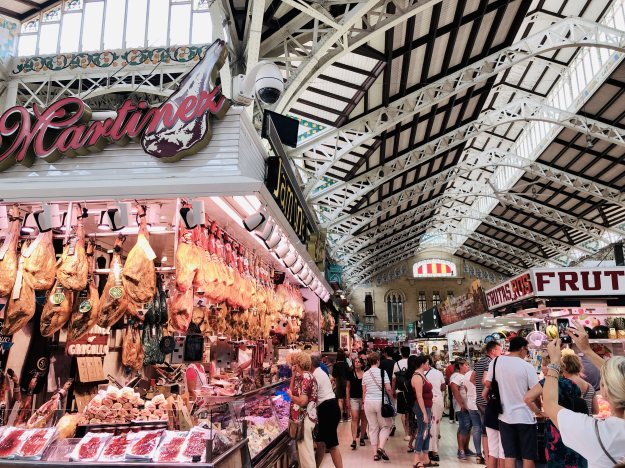
Valencia0087(2)

Valencia0082

Valencia0095(1)

Next stop: La Cathedral. Make sure to pick up an audio guide for greater appreciation of the frescoes, chapels, reliquaries and artwork. The impressive central dome has a particularly incredible fresco – only relatively recently discovered – of an angelic host against a blue starry night. Built over a mosque, which itself was built over a Visigoth church, the cathedral’s pièce de résistance is Capilla del Santo Caliz (the Chapel of the Holy Grail). Yes, the Holy Grail. The cup of a carpenter. Of course, a quick google search reveals dozens of other contenders for the final resting place of Christ’s chalice. But the chapel is stunning and you can willingly suspend disbelief for a few moments.
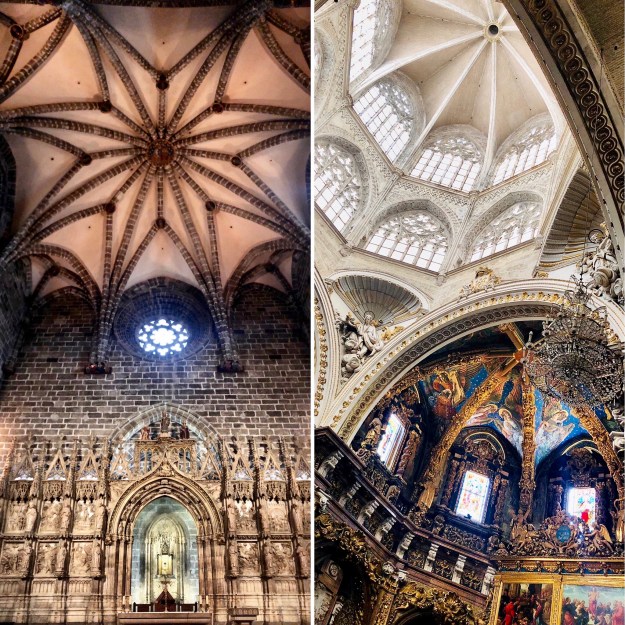
Valencia0111(2)

Valencia0232

Before leaving the cathedral, it’s worth climbing the 200+ spiral stairs of El Miguelete bell tower for views down into Plaza de la Virgen, the once Roman forum, and out across the whole city.

By now, we were in need of a pit-stop. So, after a quick bit of shopping, we located a traditional-looking Horchatería. Horchata is a kind of thin milkshake made from pressed chufas (tiger nuts) – not to everyone’s taste, but I really enjoyed mine.

Valencia0102(1)

Ching

Our evening was spent in Bar Almudín, a cosy wine bar on Carrer de l’Almodí, and a great restaurant called Entrevins on Calle de la Paz. My octopus and rabbit leg were both delicious. A great place to celebrate Alison’s 50th birthday.

Day 3 was a busy one. Starting with churros and chocolate from a little cafe near the market, we headed first to the 16th century Renaissance seminary-come-gallery Museo del Patriarca. It houses manuscripts by Thomas More, as well as paintings by El Greco and Caravaggio.
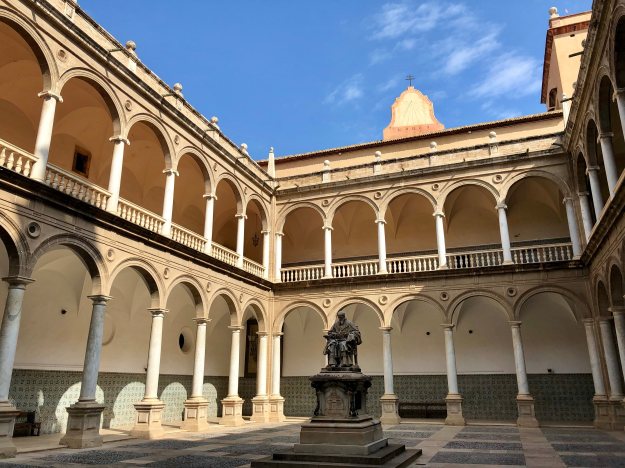
Valencia0143

A short walk away is the ostentatious Museo Nacional de Cerámica, with its highly-decorated facade and history of ceramics from the baroque period to modern day. I preferred the modern stuff, which included a collection of Picasso’s plates. Hailing a taxi, we next headed for lunch at Panorama, located on the pier overlooking Playa de la Arenas and the palm-fringed Paseo Marítimo promenade. The beachfront is about 3km from the city centre, and well worth the short ride.

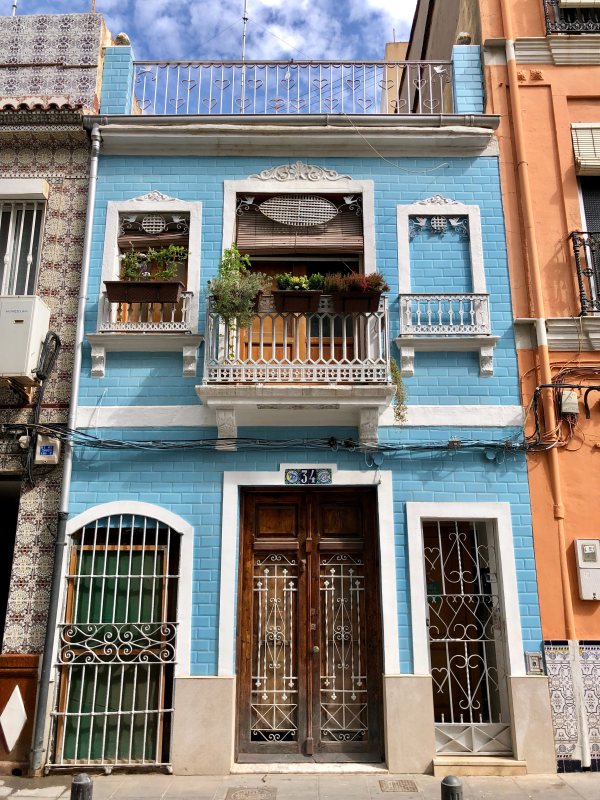
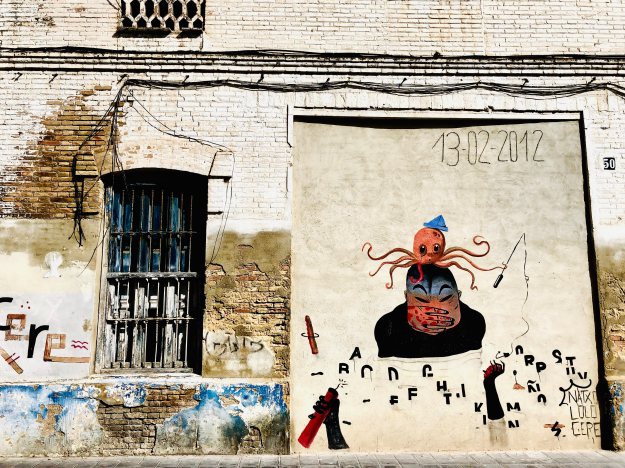
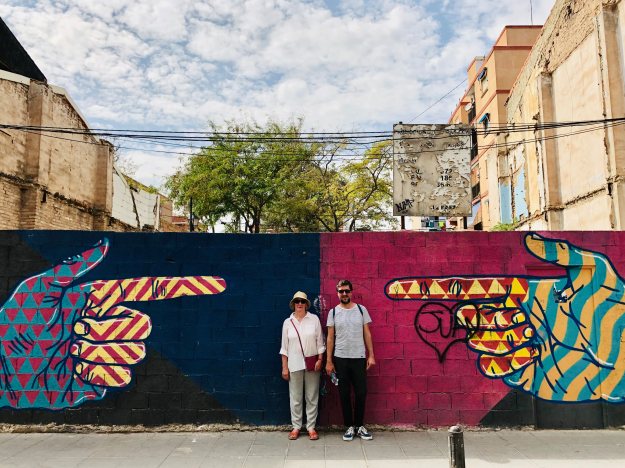
After a few glasses of wine in the sun, some lobster ravioli and a tasty “deconstructed” ham and cheese croquette (presented, intriguingly, in a martini glass), we began a self-organised tour of El Cabanyal, the maritime barrio found behind the heritage port area (click on the link to see my separate photo blog).  The area is full of pretty tiled fisherman’s houses along narrow lanes. I loved it, not least because of the great street art. We walked from Museo de Arroz to Mercado Municipal de Cabañal, calling into Bodega Casa Montaña on the way for a sherry and nibble of ham. The bar is an institution, lined with barrels of sherry and vermouth and old fiesta and bull-fighting posters. 

Back in the centre of town, I spent a bit of time shopping around L’Eixample and replaced some of my stolen jewellery (we were burgled not long after our honeymoon, unfortunately) from the little craft stalls in Mercado de Colón, another colourfully-tiled modernist edifice. A thoroughly enjoyable day!
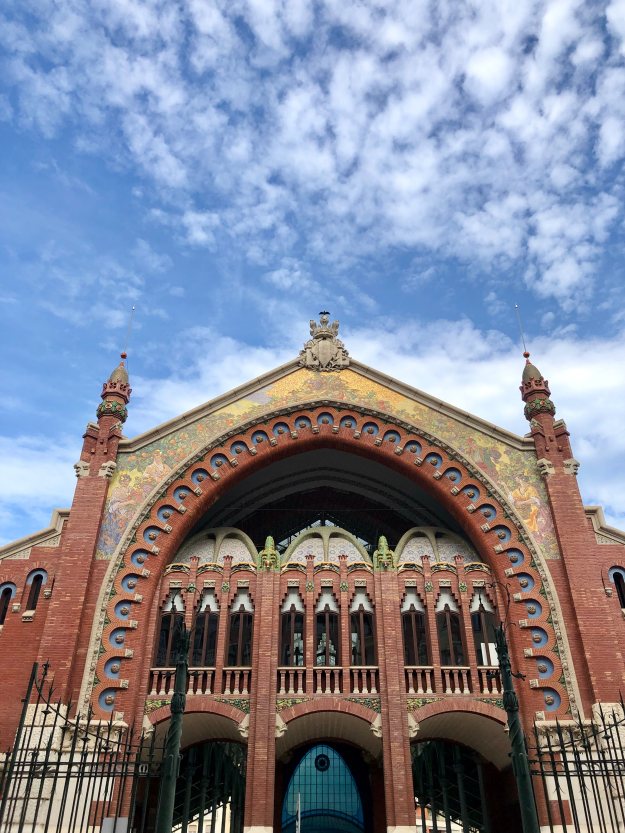
Valencia0226

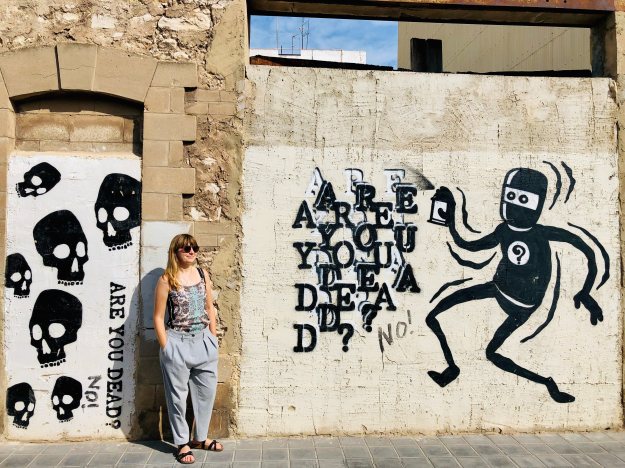
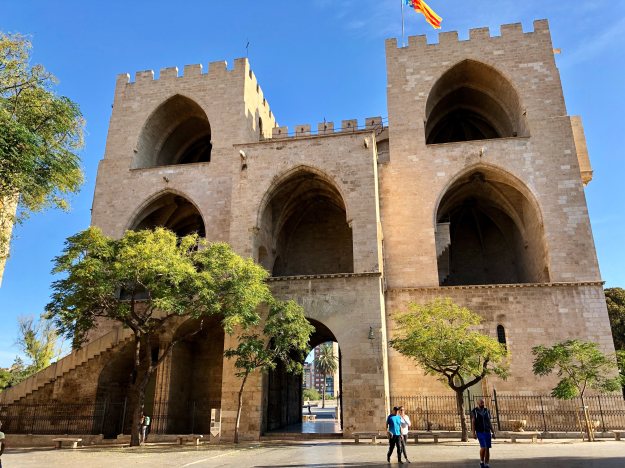
Our final morning in the city was spent exploring Barrio del Carmen. The “bohemian” area north of the cathedral is simply fantastic. If you’d thought El Cabanyal was a haven for street art enthusiasts…well, you ain’t seen nothing yet. The barrio is absolutely chock-full of amazing murals, graffiti and street art. I was like a child in a sweet shop. Links to separate photo blogs of the area’s highlights will follow shortly. We started our walking tour at Torres de Serranos, one of the impressive 14th century stone gateways to the city, and winded our way up, down and around the crumbling urban museum until we arrived back at Mercado Central. Leave yourself a few hours to properly do the area justice.

And that was it. A quick jamón ibérico bocadito from Beher, and then it was time to head to the airport. I can’t imagine we won’t be back at some point though. A great place for a long weekend break.
Valencia0237

Valencia0116


Basque Country Part 2: Bilbao

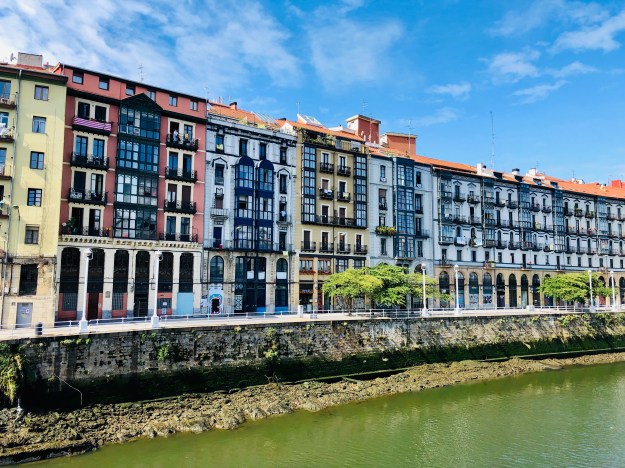
The last couple of days of our honeymoon were spent in Bilbao. Hotel Tayko overlooks the river and is in a brilliant location on the edge of Casco Vieja (the old town). Complementary macaroons and an upgrade to a bigger room with bath (heaven!) made it all the more special. I could get used to this!

Honeymoon-127

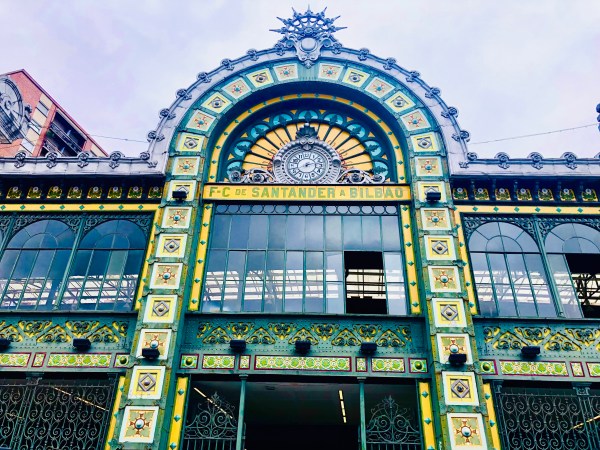
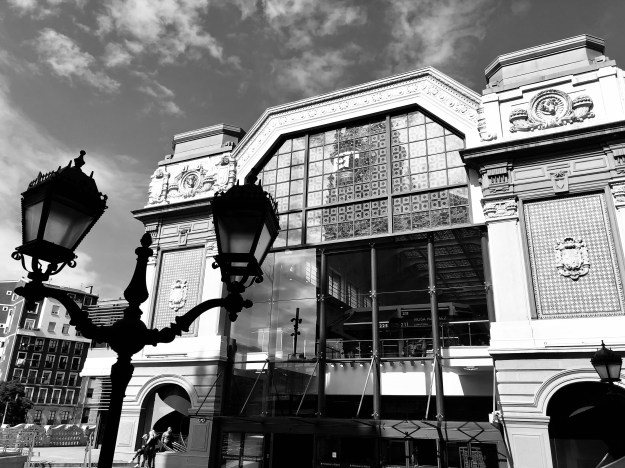
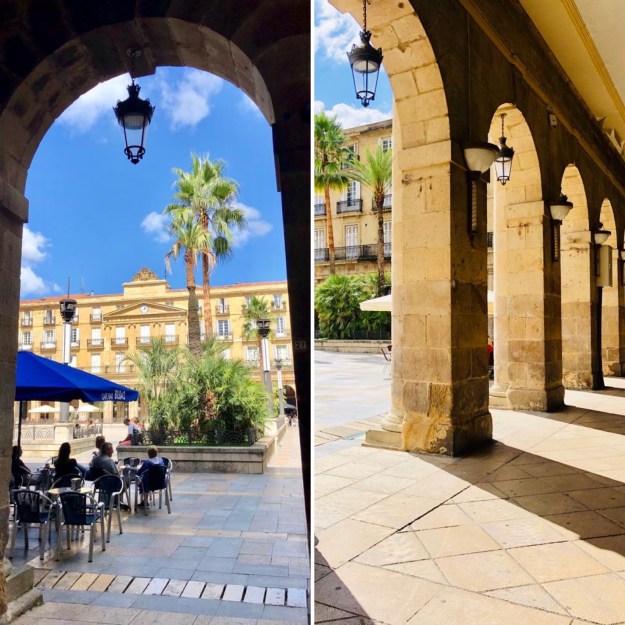
After availing ourselves of the treats and lounging decadently in our soft robes, we made our way to Catedral de Santiago, a glorious mix of Gothic Revival and renaissance architecture. We then had a quick dash around the local delis (buying too much ham and txakoli); and took in the handsome art-nouveau facade of Concordia station, before strolling along the Ria del Nervión to the Guggenheim for our evening meal at Nerua.

This was our biggest splurge of the holiday. Currently listed No.32 in The World’s 50 Best Restaurants, the stark white modernist room belies the friendliness of the staff (we discovered our particular chef for the night used to work at Hackney Picturehouse: small world!) and the playful inventiveness of the cooking. I’m going to try to avoid talking about food too much this time, though. I’ll just say it was delicious. 🙂

Nine courses later, we retraced our steps along the river, passing under Louise Bourgeois’ gigantic Maman (genuinely a bit scary in the dark) and the handsomely-illuminated Zubizuri bridge, before stopping for a nightcap in a full-to-bursting craft beer bar near the hotel

4D53CB65-D5D4-44D0-8727-3E282DE4BA5F

Honeymoon-140

The next day, after tortilla at Café Iruña (a bit of an institution, filled with Moorish tiles and waiters who think they’re in 1920s Paris), we were back at the Guggenheim. This time, to actually look around the gallery. Since opening in 1997, the instantly-recognisable titanium edifice has been a catalyst for significant regeneration across the whole city. Tourist numbers have risen as Bilbao’s seedier and historically more industrial areas have been given a facelift, in the wake of its opening. 

Frank Gehry’s creation didn’t disappoint. As the sun danced off its gleaming surfaces, we first took in the exterior sculptures and installations: Jeff Koons’ colourful 12 metre tall Puppy and his controversial Tulips; Fujiko Nakaya’s mist; and Anish Kapoor’s Tall Tree and the Eye. All brilliant. Worth lingering over, exploring in different light and from different angles. Inside, it’s a slightly different story. I felt it was the architecture that continued to amaze, more than the exhibits. Although, I loved Richard Serra’s giant rusty Matter of Time sculpture.

Honeymoon-169

E65B1362-33DD-47D0-B9D7-5280737C6F9E

If you buy the Artean Pass, you’ll save money on a dual visit to nearby Museo de Bellas Artes. Like many, it seems, I favour the latter’s permanent collections over the Guggenheim’s. An eclectic mix of pieces from the likes of Gauguin, El Greco, Francis Bacon, and Basque artists Eduardo Chillida and Ignacio Zuloaga. My favourite was Juan Muñoz’s Hanging Figures (pictured below). To mark its 110th anniversary, the gallery is currently presenting an exhibition called ABC: The alphabet of the Bilbao Museum, which is wonderful – rather than ordering works chronologically or through schools of art, they are grouped into themes under each letter of the alphabet (D = Desire, for example; W = War). Loved it!

Honeymoon-177

Our final day was spent exploring the seven original 14th century streets (Las Sietre Calles) of Casco Viejo, as well as Ribera food market, the riverside, San Anton Eliza church, and the “hip and artsy” Las Cortes quarter (see some examples of the area’s amazing street art in my last photo blog).

When our legs started aching and our tummies rumbled, we stopped in Plaza Nueva for a pintxos lunch, sampling bites from Casa Victor Montes, Culmen, and – our favourite – Gure Toki. I think I mentioned in my San Sebastián blog, the best dishes are often the ones you order from the menu rather than take from the counter top (although those are usually delicious too). You can also order media raciones (half-portions) or full plates. But doing so fills you up quickly, so we tended to stick to tapa-sized bites. Having said that, my favourite dish that lunchtime was the half-portion of rare chuleton steak we shared. My mouth is watering at the memory. Dammit, I said I wasn’t going to bang on about food again. Sorry!

Honeymoon-197

Honeymoon-199

716463B3-868F-4DD6-8CFE-F669AE466BD5


Fushimi Inari Taisha

A photographic ode to my favourite shrine in Japan.*

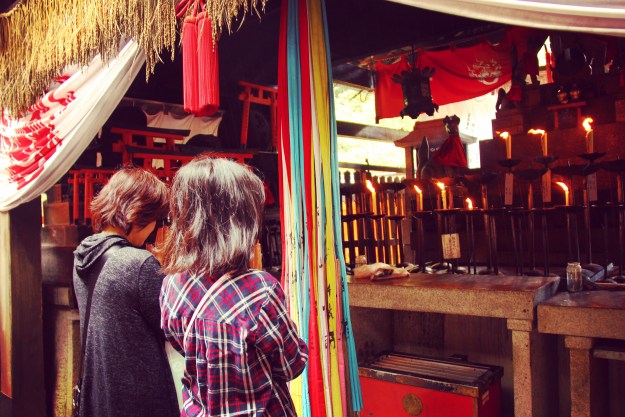
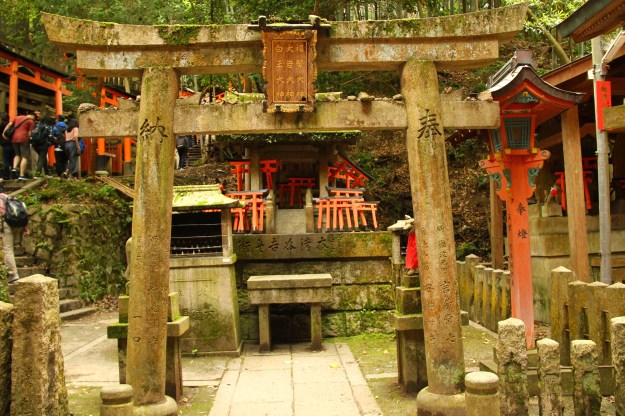
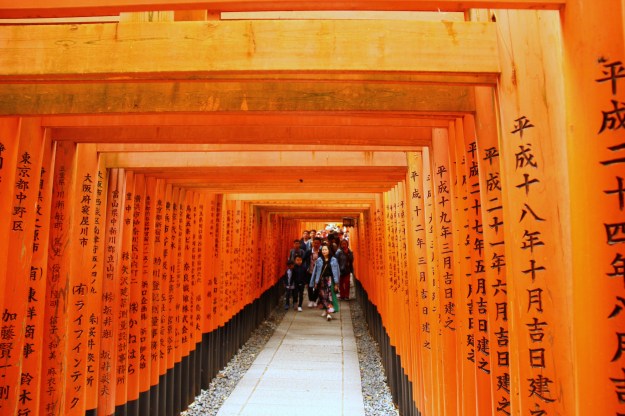
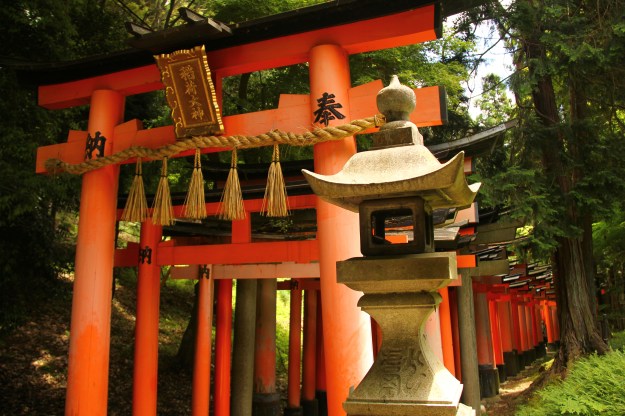
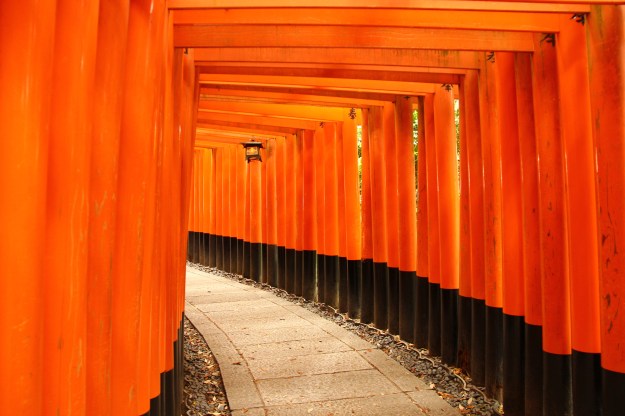
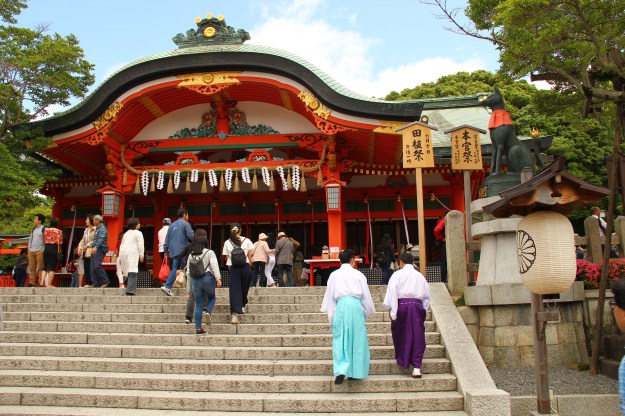
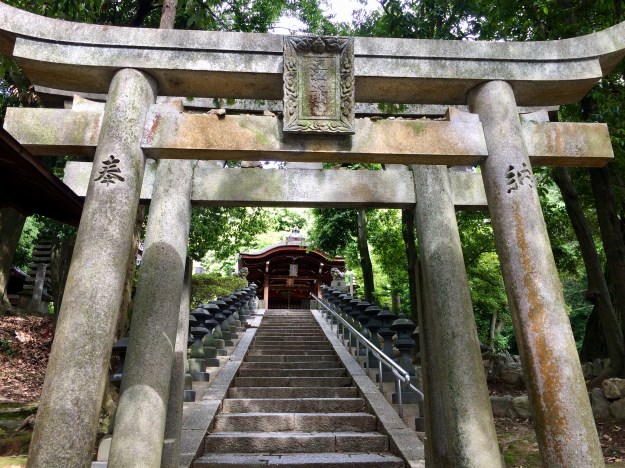
Fushimi Inari Taisha is fabulous. End of. Worth going all the way to east Asia for alone. An important Shinto shrine in southern Kyoto, it is recognisable the world over for its thousands of bright red torii gates, which criss-cross a network of trails into the hills behind its main hall.

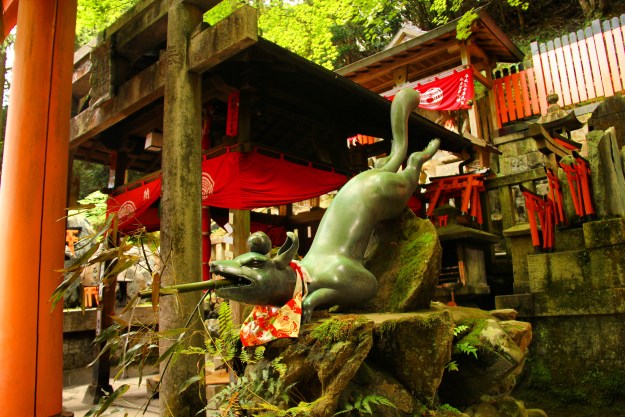
I’d allow at least 3 hours to follow the tunnels of gates uphill into the forest of sacred Mount Inari. Maybe longer in peak season. But it’s time well spent. Dedicated to the Shinto god of rice, the trails are a magical climb, twisting and winding in a seemingly never-ending route through the woods. The course is littered with offerings of grain sacks and sake bottles, and statues of foxes appear frequently. As Inari’s messangers, the foxes have been guarding the keys to the granary since the 8th century, when the first torii was constructed. And over the years, businessmen have donated more and more gates (and continue to do so), resulting in the 4km of tunnels you see today.

I’m not going to pretend that the experience is calm and meditative. At least, it wasn’t when we visited late morning, joining the throngs of tourists plodding up the hillside. If (or, more accurately, when) I go again, I want to try dusk or dawn and hopefully avoid the crowds. There are various little shrines to dip into on the journey up, though, which provide respite, and don’t be tempted to turn back once you’ve reached the lookout point. 15 minutes beyond the observation deck you’ll find one of the best sub-shrines in the complex, and it’ll be completely peaceful as the masses have substantially thinned out by then.

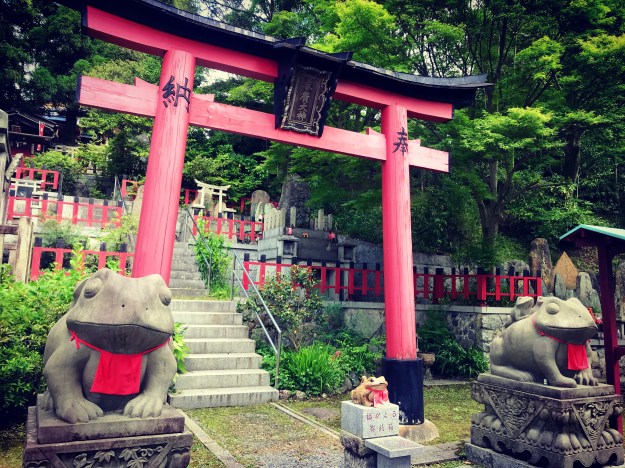
Back down on the main avenue, you’ll find the giant Romon Gate and honden (main hall), and if you’re lucky you might catch some open air theatre or – in our case – a fan show. Before you go, be sure to seek out Fuku Kaeru, the Fortune Frog shrine near the exit. Kaeru means “Come back” or “Return” in Japanese. For sure!

*Disclaimer: I reserve the right to declare a new favourite shrine at a future date…

BBB-Kyoto-Gate

Blog-Kyoto-005

BBB-Kyoto-194

BBB-Kyoto-208

BBB-Kyoto-227

BBB-Kyoto-198

BBB-Kyoto-217

BBB-Kyoto-213

BBB-Kyoto-201

Blog-Kyoto-006

Blog-Kyoto-008

BBB-Kyoto-229


The Eternal City

I’m bored. A particularly nasty chest infection has seen me bedridden for over a week; the cabin fever sending me delirious. But I’ve finally started to turn a corner, and can now go a whole three minutes before my body attempts – once again – to expel my guts by way of a hacking cough the sound of a dying baby seal. To celebrate, I decided to create a new blog post. Remembering I’d not yet done justice to last year’s trip to Japan.

Japan had been top of my holiday wish-list for as long as I could remember; and whenever I thought of the far-off island it was the ancient capital of Kyoto I was imagining. Its very names evokes images of wooden temples, geisha, cobbled streets, ritualistic tea ceremonies, shrines, rickshaws, pristine gardens, onsen baths, vibrant markets… This is what I’d longed to see. And so when Paul suggested it would be the perfect place to celebrate our 10-year anniversary, I was ecstatic.

In May 2018, at the tail-end of the cherry-blossom season, we boarded a sleek, Concord-esque bullet train from Tokyo to ‘The Eternal City’. I’m not usually a big fan of train travel, but the Shinkansen is a whole different ball game. Ridiculously efficient, über-clean and, of course, super-fast, the bullet train is a pleasure to ride. With hardly enough time to get through a chapter of my book, we were disembarking and making our way to Kinse Inn, our homestay in Shimogyoku ward.

BBB-Kyoto-179.JPG

Blog-Kyoto-010

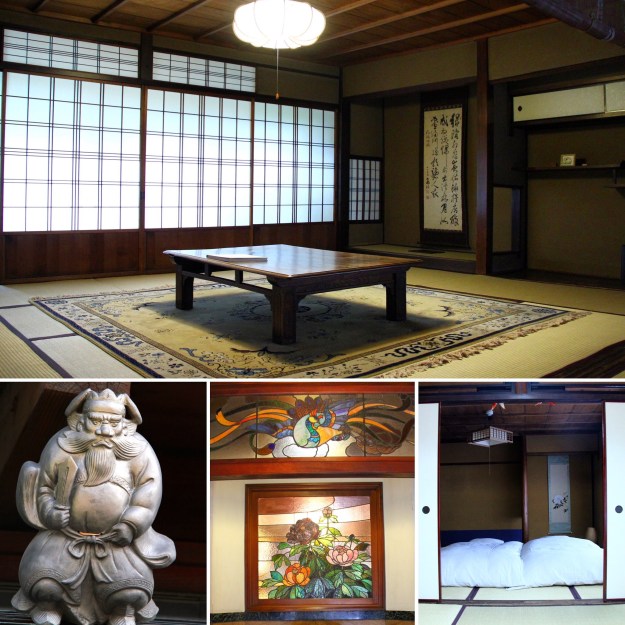
I fell in love with the traditional ryokan upon first sight. An ex-brothel, the beautiful wooden building has been in owner Kojiro’s family for close to 300 years. The squeaky ‘nightingale’ floors, shoji screen doors, tatami mats and calligraphy art were just perfect. You get the entire top floor of the building to yourself, with the ground floor boasting a charming cafe, whisky bar and lounge area. As I say: perfect. That is, if you can get used to sleeping on the hard wooden floor. Authenticity can give you back-ache!

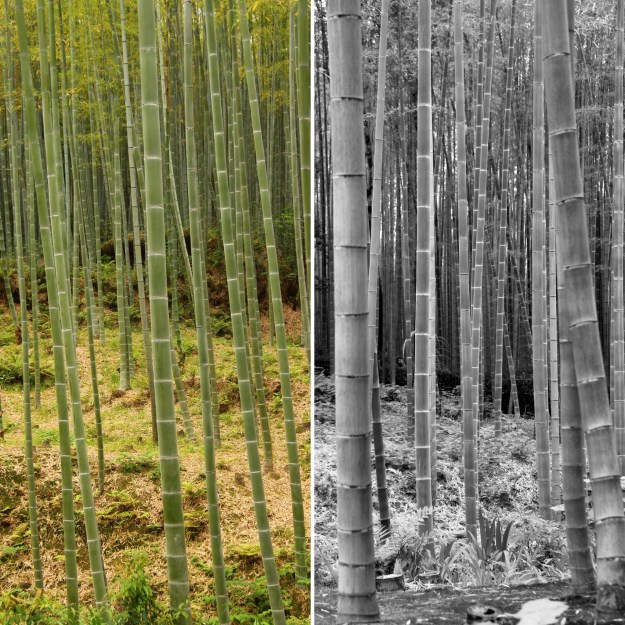
After a quick cup of their freshly-roasted coffee, we headed to Arashiyama – a quiet neighbourhood at the base of the city’s western mountains – for our first afternoon of sight-seeing. First up, the bamboo grove and Nonomiya shrine. It’s not a large area (it certainly doesn’t warrant a rickshaw ride, although many – mainly Japanese – tourists seemed to think this necessary), but the densely-packed grove is at once peaceful and eerie.

Blog-Kyoto-001

Blog-Kyoto-003

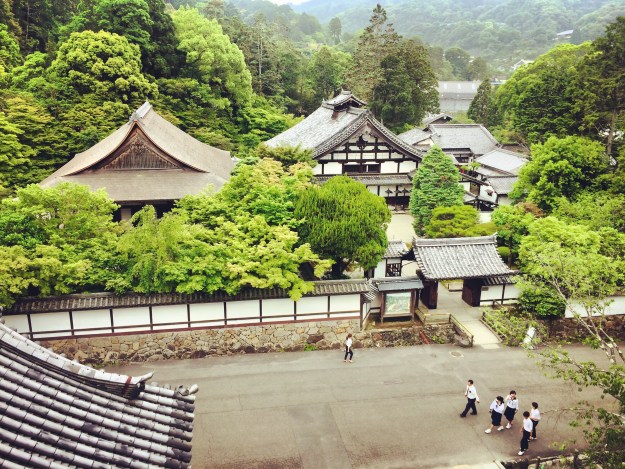
After a quick katsu pastry and some steamed gyoza, Tenryu-ji (the “Temple of the Heavenly Dragon”) was our next stop. Head temple, no less, of a particular branch of Rinzai Zen Buddhism. Legend has that it was built to appease the emperor’s spirit, after a priest dreamt of a dragon rising from the nearby river. The creature is depicted in gorgeous screen work throughout, and its Hōjō (main hall) is one of the oldest in Japan; probably my favourite of all those we saw on the trip. The complex also boasts one of the most renowned landscaped gardens in the country, now one of the city’s 17 UNESCO World Heritage sites. 

BBB-Kyoto-042

Close by – and it seems somewhat overlooked – is Ōkōchi Sansō Villa, the former home and garden of famous samurai film actor Denjirō Ōkōchi. The views from up amongst the garden trails and out across the Arashiyama mountains are stunning, and the entrance price gets you a matcha tea and sesame sweet in the traditional wooden teahouse to boot. I’d definitely recommend seeking it out.

Blog-Kyoto-014

A stroll around the pond, taking in tiny Mikami-Jinja shrine, and then we were ready to head back for some dinner. See my dedicated food blog (29 Seasons of Tofu) for an account of that evening’s foray into the weird and wonderful world of conveyor-belt sushi. An aged Nikka whisky (for him) and a not-so-local rum (for me) back at our ryokan rounded out a great first day in the city.

Another packed day of sights followed. Some (i.e. Paul) might argue too packed. There was a point on day 2 when I was told in no uncertain terms that if I didn’t permit a beer stop then our relationship might well be over. It’s hardly my fault, I remember countering: the Emperors of Japan ruled from Kyoto for eleven hundred years and decided in their wisdom to build over 1000 Buddhist temples and 400 Shinto shrines in one bloomin’ city. Paul stared at me. Beer was duly tracked down.

But I get ahead of myself. We started by catching the underground to Keage, at the northern end of the Higashiyama Mountains. Stealthily tagging on to the end of an English-speaking guided tour at petite Konchi-in, we learned of the importance of the crane and turtle motifs within Buddhism. The crane representing the soaring heights of life’s good things; the turtle the depths of the bad. It is important, we were told, to keep them in balance. Built in the early 15th century by a shōgun, the pretty temple is actually “just” a sub-temple of the sprawling Nanzen-ji complex next door.

Blog-Kyoto-013

You need to allow a couple of hours, at least, to do this complex justice. The giant Sanmon gate (one of the three biggest in Japan) is a sight to behold. The 22 metre high Zen gate has a gabled clay-tile roof, five giant pillars and three entrances. At its centre, a statue of Buddha with a jewelled crown is accompanied by 16 Arhat statues. Arhat are those who have gained insight into the true nature of existence and have achieved nirvana. Mortuary tablets of high-ranked courtiers are also enshrined within, covered by paintings of phoenixes and heavenly maidens.

Try not to ape our faux pas by walking into a wedding at the Rinzai School of Buddhism on your way up to the main hall. Oops. Still, the guests were very polite. Once in the correct location, the temple’s Hōjō has a wonderful ceiling painting of a dragon, and the Leaping Tiger Garden behind is classically Zen and flawless, with gardeners literally extracting tiny errant weeds with tweezers. Dating from the 13th century, the temple was originally a villa for Emperor Kameyama and is considered one of the most important in the world.

However, if you walk uphill past the cemetery, under the red-brick aqueduct and through a woodland trail, you’ll find the much more charming Nanzen-ji Oku-no-in shrine. Nestled in a forested glen by a beautiful waterfall and bridge, you are likely to get the shrine all to yourself, as it seems tourists tend not to bother making the trip. Though you may see a pilgrim or two praying.

By the time we got to Eikan-do, Paul was flagging and starting to complain about the aforementioned lack of pit-stops. I was determined to fit this one in before lunch though. Bedecked in colourful streamers and spread over a large area in a series of covered walkways (garyurō) and halls, this was one of my favourite temples. The pièce de résistance is the two storey Tahō-tō pagoda, to which you climb via steep steps in specially-provided slippers. You can see over most of Kyoto from the top.

Blog-Kyoto-011

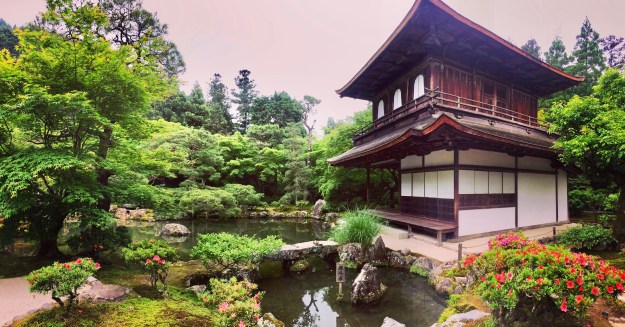
Paul finally got a (late) soba noodle lunch and beer. And then – lest anyone consider me a slave driver – a rather nice ice-cream to boot, as we ambled down the Path of Philosophy. The canalside walk is apparently gorgeous in peak blossom season, but given most of the flowers had past their best it didn’t wow as I’d expected. It does, though, take you straight to one of the city’s most popular and arresting sights: Ginkaku-ji (the “Silver Pavilion”). The pavilion, a national treasure though its shōgun never completed its intended silver facade, looks out across a tranquil carp pond, alongside an old Shoin hall filled with Nanga style paintings.

Blog-Kyoto-012

Enough, you say? Yes. For one day at least. Our evening was spent enjoying a long kaiseki meal in central Nakagyo ward. And after dinner, we had cocktails in the decadent but staid Bar K-ya, before happening upon the wonderful, fun L’Esca Moteur Bar on Saitocho (again, you can read about our Japanese food and drink odyssey in my parallel food blog).

Having learned my lesson from the day before (I do sometimes learn), I made sure we started day 3 with a hearty breakfast at Vermillion Cafe, close to our first destination: Fushimi Inari Tashi. This amazing shrine deserved a post of its own, so click on the link to be re-directed there.

Blog-Kyoto-002

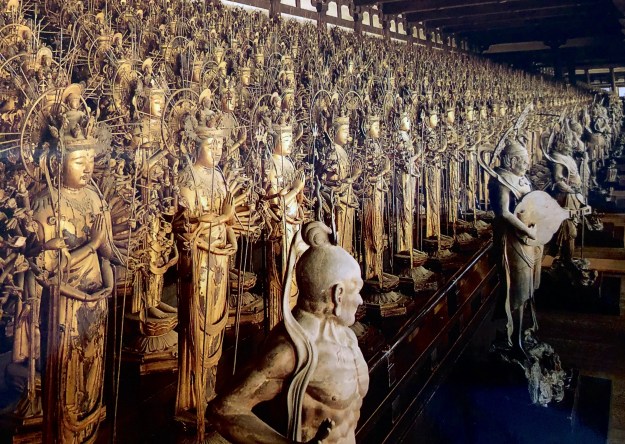
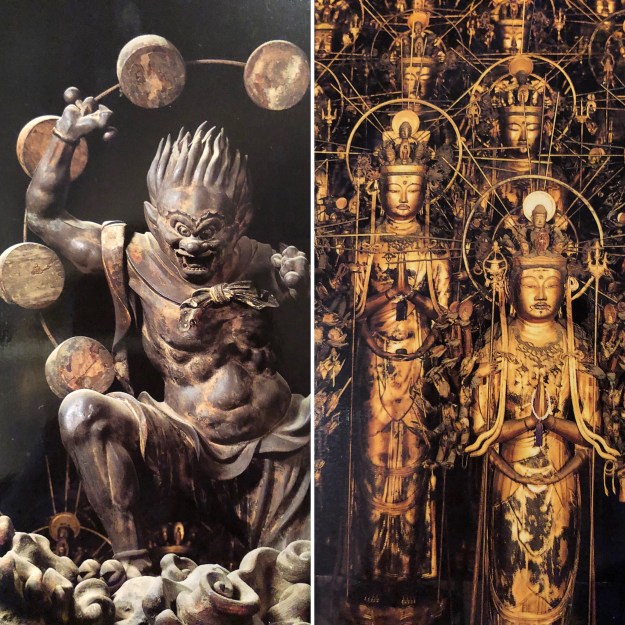
After a quick lunch of takoyaki (octopus balls) from a street vendor, we next headed to Sanjūsangen-dō temple (otherwise known as Rengeō-in, “the hall of the Lotus King”) back in the Higashiyama district. At almost 400 feet long, this holy building – founded in the 12th century by a samurai for the Emperor Goshirakawa – is one of the longest halls in the world. It houses 1001 human-sized wooden images of Kannon – the Buddhist Goddess of Mercy – painted in gold leaf with crystal eyes. Each Bodhisattva has eleven faces and hundreds of arms.

Along the main corridor there are stone statues of 28 Spirits, flanked by the Wind-God (Fūjin) and Thunder God (Raijin). The whole effect is truly awe-inspiring, having taken over a hundred years to create.

BBB-Kyoto-240(2)

BBB-Kyoto-240(3)

With some time to spare before our tofu dinner extravaganza, we had a (longer-than-it-looked-on-the-map) stroll to Tōfukuji temple. I feel this could have easily been a favourite, if it wasn’t facing such stiff competition by this point in the trip. The moss garden is particularly lovely, and there is an impressively large garyurō overlooking the valley around back.
BBB-Kyoto-253

On our fourth day in the city we moved out of our ryokan and into the Granbell Hotel in Gion. As sad as we were to leave the brothel, it felt positively luxurious to have a ‘proper’ bed with soft mattress. And the boutique hotel was in a fantastic location, with a cute bar and its own communal onsen (hot spring baths). Paul chickened out of getting naked with strangers, but I loved the spa-like ritual. And to be honest, I had the women’s bath to myself most of the time anyway.
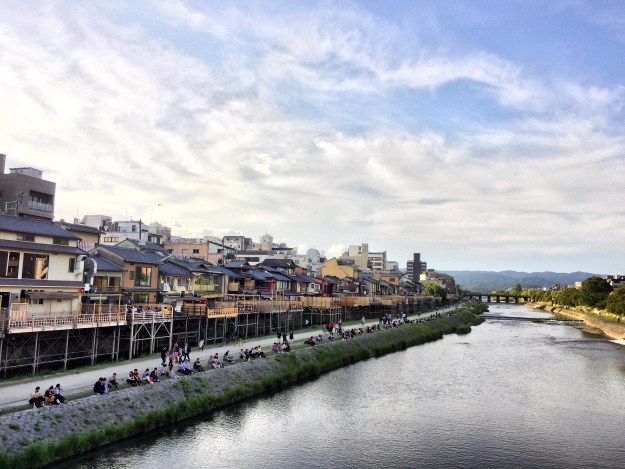
Most of day 4 was spent in Himeji (covered in a separate post) and day 5 in nearby Nara (ditto). But the evenings were spent exploring Gion and its surrounds. Wandering cautiously around Hanamikoji Dori, the main Geisha district; drinking copious amounts of sake in the likes of Jam and Bar Ichi; and sampling izakaya (Japanese pub grub) on Kiyamachi-Dori, one of the main nightlife strips running alongside the Takase canal. Illuminated by lanterns at night, this road is a great place to linger over shochu high-balls. I’d recommend casual Torikizoku, where you can also try the chicken liver yakitori, cod innards and pickled cucumber. Other notable drinking establishments include Out Loop-Way Blues Bar for rum, Finlandia for whisky, and hard-to-find Jeff Bar in a stilted shack on the edge of the Kamogawa river.

BBB-Kyoto-004

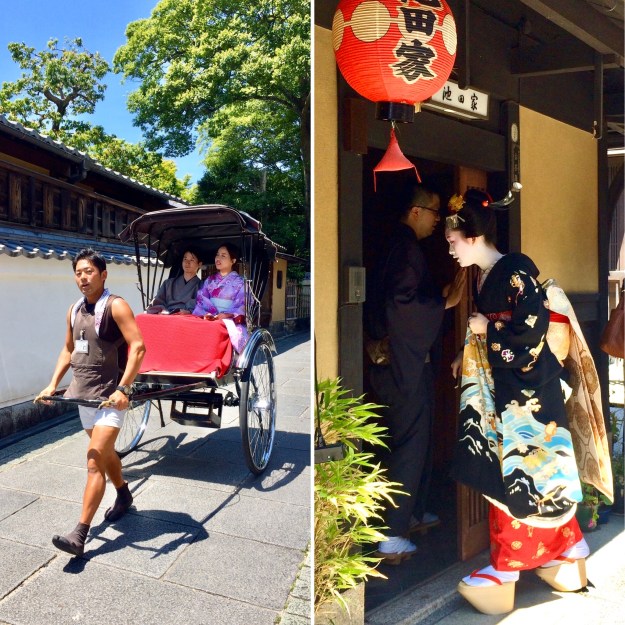
I said that we moved cautiously around the geisha quarters. This in an effort to be respectful. Though it didn’t prevent me absentmindedly bumping into a young maiko on Pontochō, the narrow alley running between Shijo-dori and Sanjo-dori. She literally growled at me in disgust: you are not meant to touch. My bad.

Maiko are apprentice geisha, “Women of Dance” who are educated in arts and music, but who – it seems – spend the vast majority of their time simply pouring drinks and giggling at their older male companions. I admit to finding geisha culture both utterly fascinating and appalling at the same time. Their elegant white make-up, elaborate silk kimono, and shimada hairstyles adorned with expensive pins, combs and ornaments are truly beautiful. But, despite assurances to the contrary, the difference between geisha and prostitutes can feel ambiguous. Modern geisha still live in traditional geisha houses called okiya in areas called hanamachi (“flower streets”), particularly during their apprenticeships. It’s a strangely self-sacrificial existence, anachronistic in vibrant, contemporary Japan. But, again, therein lies its allure. You can’t help but be excited to catch a rare glimpse of a fully-trained and attired geisha hurrying into a teahouse.

Blog-Kyoto-015

Our final day was spent eating and souvenir shopping in Nishiki market and walking the quiet residential streets of Gion. Including pedestrianised Ishibei-koji lane, considered to be one of the most beautiful streets in the city, with its traditional wooden houses and seeming complete lack of modern technology. Nearby Ninen-zaka is lined with expensive sweet shops – where delicate black sesame buns are treated with the reverence of jewellery – as well as kitsch ‘Hello Kitty’ boutiques. And Sannen-zaka is a lovely preserved street with craft stalls, rickshaws and little cafes.

BBB-Kyoto-334

In the afternoon, we were lucky enough to visit Yayoi Kusama’s ‘Pumpkin Forever’ exhibition at the wonderful Kuryu-Sanko Do Art Gallery. She’s one of my favourite artists, and being able to walk straight into an extensive retrospective of her work without queuing or needing to buy a ticket three months in advance was a revelation. The flyer from the exhibition has since been framed and hung in our hallway. Love it!

And there endeth our time in The Eternal City. It was onward to Mount Kōya after that. I will continue the story of our trip once I’m fully recovered from the evil germs. In the meantime, you can find more of my photos from Japan at:

River


Basque Country Part 1: Donostia

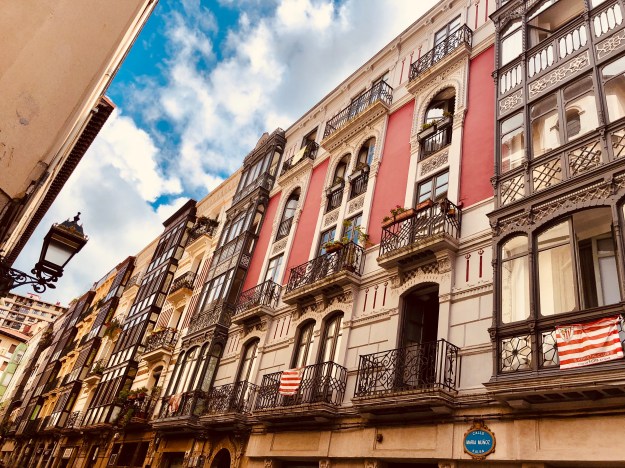
I have newly acquired a husband. And to celebrate we took ourselves off to San Sebastián and Bilbao, in northern Spain. It was a break centred first-and-foremost on good food. So I make no apologies for the grotesquely smug photos to follow.

The city is famous for its pintxos bars: small tapas usually skewered to bread (the word deriving from the verb ‘to pierce’). On two of our three nights there, we ambled happily from bar to bar, slugging back txakoli (the local wine) and ordering a gout-inducing number of dishes.

Highlights included the grilled octopus with paprika-aioli at Atari; the risotto con queso Idiazabal (cheesy-rice to you and me) from Borda Berri; the beef rib “brownie” at A Fuego Negro; and the divine dipped ice-creams from Loco Polo.

Our favourite bar, however, was La Cuchara de San Telmo. Would really recommend heading there for a long lunch and pretty much working through the entire menu. We didn’t quite do that, but left feeling stuffed and happy after demolishing the black pudding, razor clams, piquillo peppers, seared tuna, and kokotxa (hake throats, a regional delicacy). The bar is small and friendly, and only a stone’s throw from the very pretty Basílica de Santa María del Coro. Having washed the food down with a couple of large carafes of wine, it proved difficult to move.

An afternoon climb up Monte Urgull was almost a necessity. Working off the calories, we plodded up to Sagrado Corazón (the “Sacred Heart”) statue to take in the stunning views over Bahía de la Concha and Isla de Santa Clara.

Honeymoon-053

During our time in the city, we also visited Buen Pastor Cathedral, wandered the cobblestoned old town (Alde Zaharra), lazed on the beach, drank local craft beer, strolled the bank of the Urumea river, and caught the sunset at Bahía de Ondarreta.

Donostia is small, though. You really don’t need more than a couple of days there. So on our third day, after a fantastic breakfast of perfectly-squidgy tortilla and rich, fatty jamón ibérico at Azkena (within La Bretxa market), we caught a bus to Hondarribia. A tiny coastal town in Guipuzcoa province on the French border, with a pleasant beach and medieval old town. We walked the fortified wall, sat in squares surrounded by colourful Basque houses, tried (but failed) to get into the baroque church, and had a refreshing (if slightly chilly) swim in the sea.

Honeymoon-068

And – of course – indulged in a multi-course lunch at Gran Sol. It’s worth a visit to this award-winning tapas bar on Calle San Pedro. Try the squid ink and chicken broth, ham croquetas and txerribeltz (pork and beets)…or pretty much anything else on the menu! It’s probably some of the prettiest food you’ll ever eat.  

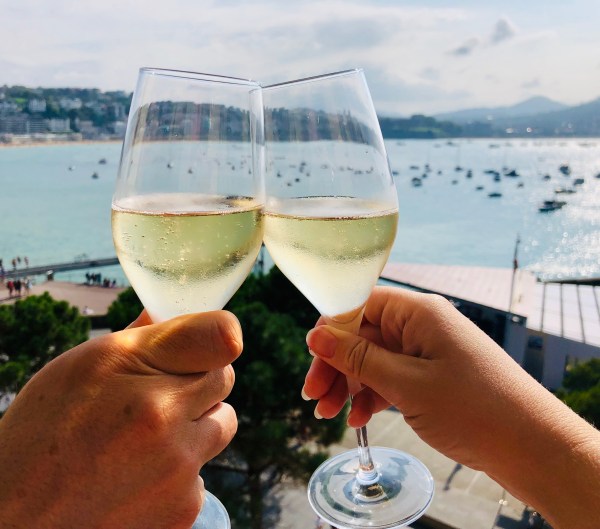
Here’s some final photos of the newlyweds enjoying the view from their hotel room (free upgrade: winner!).

Honeymoon-006

Honeymoon-095

Honeymoon-038

I haven’t even mentioned breakfast churros (a must!), or our special honeymoon “treat” meal at Restaurante Kokotxa. Oh wait, there – I just did.

Next time, Part 2: Bilbao.


Reflections on Nature

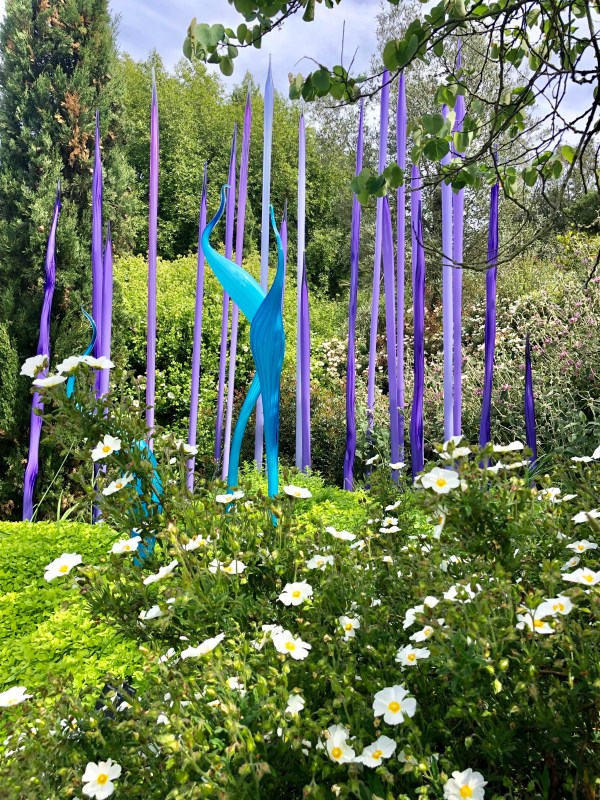
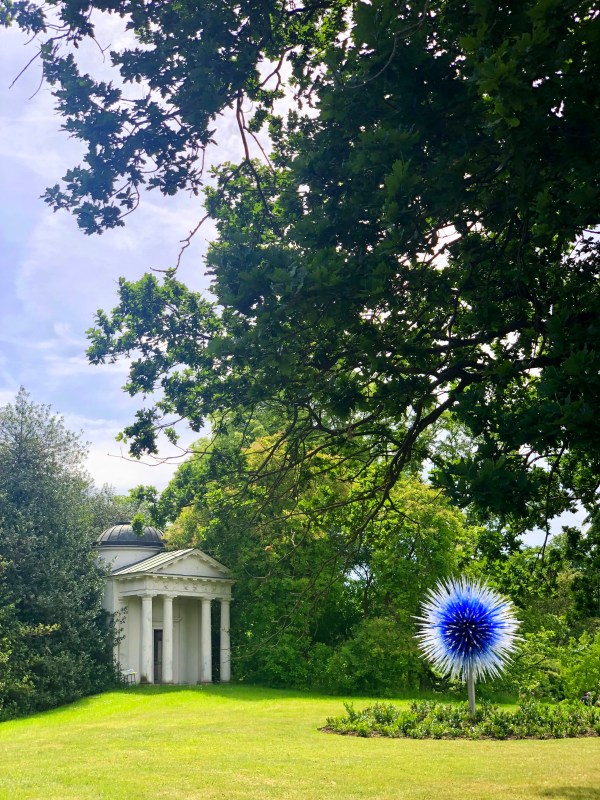
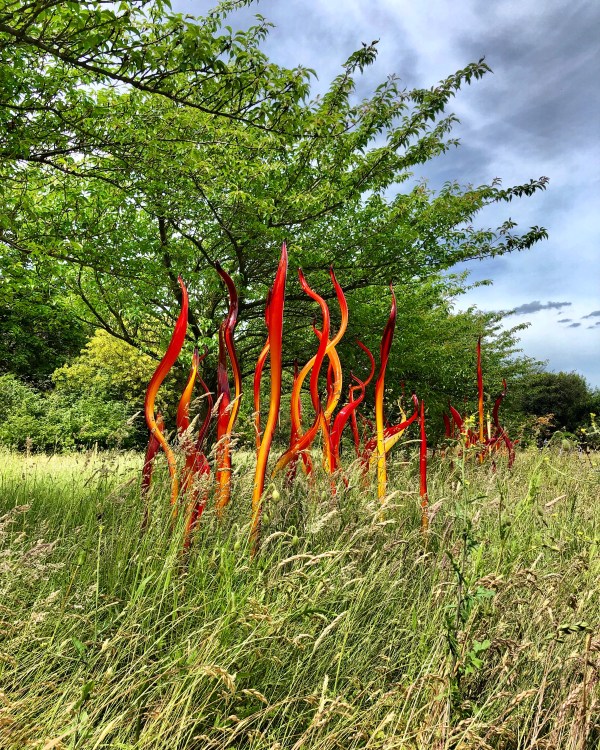
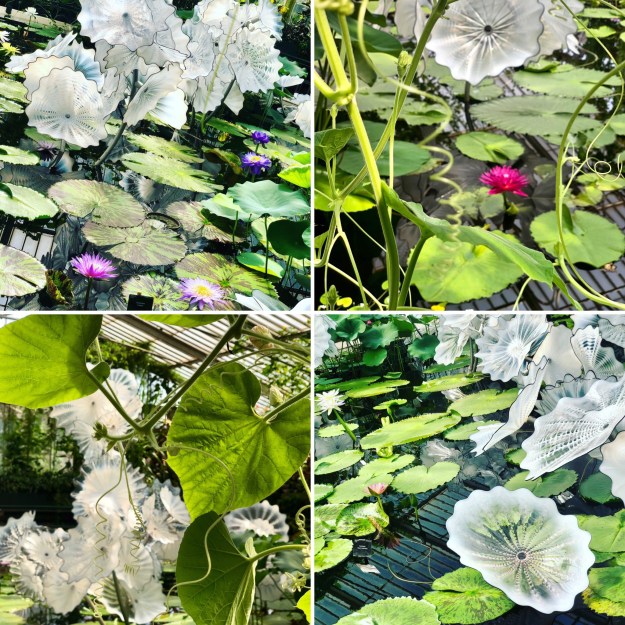
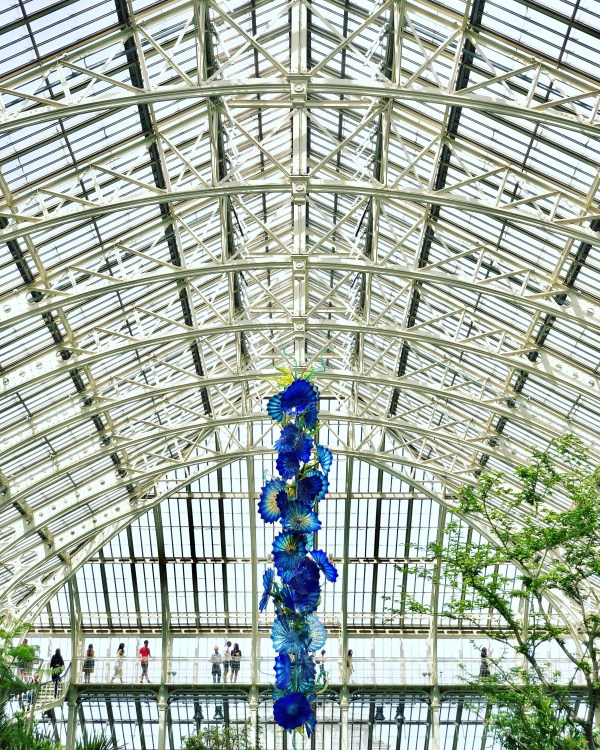
I’ve been a fan of Dale Chihuly since I wondered into a fantastic exhibition at the Halcyon Gallery in 2011. And of course, everyone adores his Rotunda Chandelier at the V&A. So I was happy to queue with the hoards of other fans on a sunny Saturday in June to see Reflections on Nature at Kew Gardens.

Photographs can’t really do the works justice; I’d definitely encourage packing a picnic and heading over. The trail takes in the newly renovated Temperate House and spruced up Great Pagoda; and with the summer flowers starting to come through, it’s a good time to visit. I plan to return later in the year too, to see the sculptures illuminated at night.

Chihuly-006

Chihuly-029

Chihuly-014

Chihuly-008

Chihuly-015

Chihuly-012

Chihuly-000

swap

Chihuly-013

Chihuly-030

Chihuly-010


The Crescent City (Part 2)

If you’re reading this before Part 1, you have to ask yourself ‘Why?’. The title should really provide the clue. Come on, people. Anyhow, where was I? Ah yes, the posh bit….

One sunny morning saw us catching the Rampart-St.Claude Street Car to the Warehouse District, where we stopped for a pleasant lunch at Maypop (apparently the crispy fried bourbon oysters were the highlight – I wouldn’t know, since they’ve decided they disagree with me. And I used to think we got along so well!). Switching to the St. Charles Street Car, we continued into the Garden District. This is where you’ll find the homes of the rich and famous (alive and dead): Sandra Bullock, John Goodman, Michel Musson (uncle of Degas), Archie Manning (former Saints quarterback*), Nicholas Cage, Jefferson Davis (first and only President of the short-lived Confederate States of America) and Beyonce & Jay-Z all live/have lived in the area. You can also find the home where Anne Rice wrote Interview with a Vampire, as well as various historic buildings such as the Women’s Opera Guild. The architecture is a mixture of Gothic Revival, Italianate and Creole, with a few Reconstruction-era and Swiss Germanic properties (Bullock’s) thrown in. As well as ogling intricate wrought iron fences, doric columns and the like, you can also browse the pretty independent shops along Magazine street.

And you can find some amazing restaurants in the Garden District. If you’re looking for down-and-dirty, then the alligator hotdogs and chilli fries at Dat Dog are pretty special, whilst the best gumbo and blue crab beignets can be had at La Petite Grocery. On a previous visit, we also dined at Shaya, a fantastic modern Israeli place. Both of the latter two have won coveted James Beard awards in recent years.

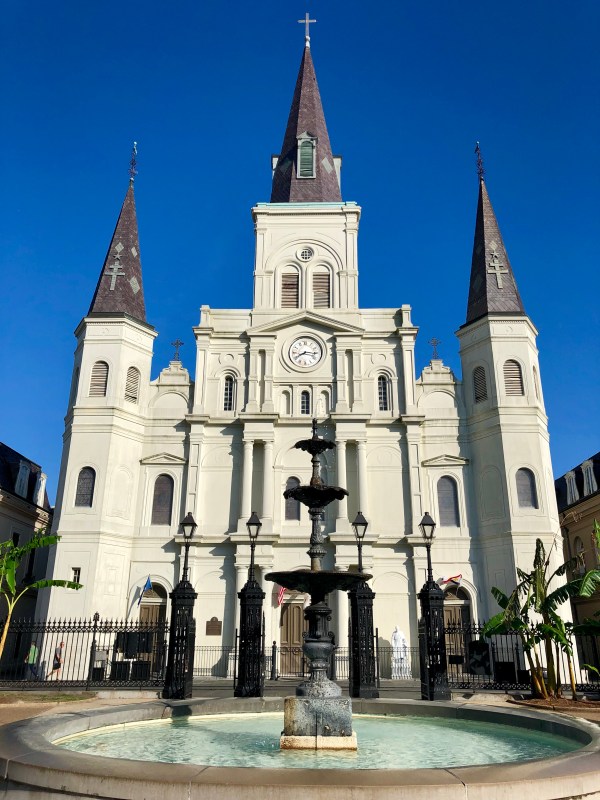
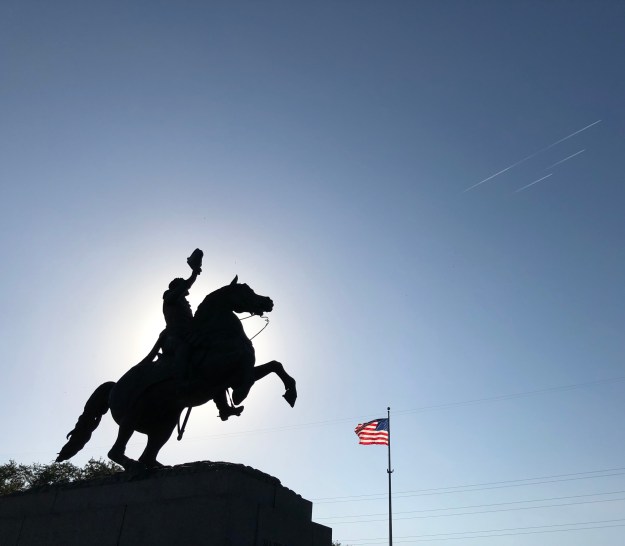
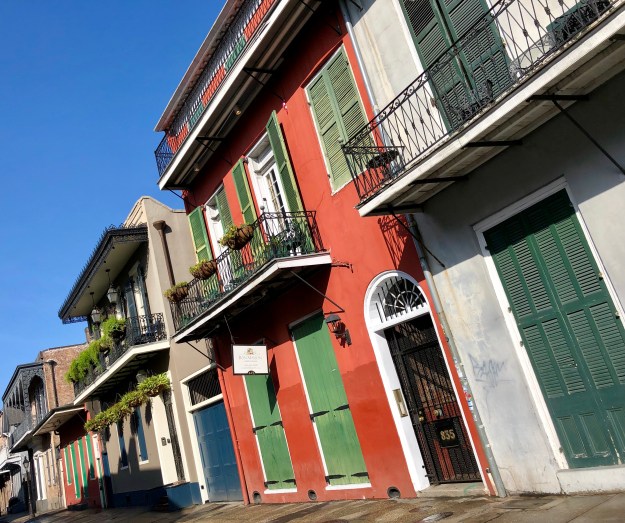
I seem to have omitted The French Quarter so far. The buzzing heart of the city, Vieux Carre is a story of two halves: part elegant townhouses, leafy squares, antique shops and art galleries; part mad, boozy, vulgar nights out on Bourbon Street (the clean-up operation each morning is pretty epic). We happily avoided the latter side, choosing instead to frequent bars in calmer parts of the city. I spent many a happy morning stroll around the Quarter though, taking the short walk from our homestay to Jackson Square, meandering between Decatur, Royal, Chartres and Dauphine Streets, admiring the handsome buildings, gawping at St. Louis Cathedral, and smiling at institutions like Marie Laveau’s House of Voodoo and Lafitte’s Blacksmith Shop (one of the oldest surviving structures in New Orleans). We also had a successful shopping trip in the Quarter on our final day, stuffing our suitcases full of purchases.

The culinary highlight of the holiday was, unexpectedly, in the Quarter. Longway Tavern is a brilliant bar and restaurant on Toulouse Street, with a captivating open-air courtyard and some of the best cocktails around. I’d recommend their shrimp toast and the pork chop, if they’re still on the menu. And you MUST try a muffuletta for lunch from Central Grocery. The king of sandwiches!

Finally, it’s worth getting out of the city (if you can tear yourself away) to head into the Louisiana wetlands. We had a fantastic morning kayaking in Shell Bank Bayou in Manchec Swamp. My photos from that excursion can be found here.

And I haven’t even talked about the main reason we were in the city: the 50th Anniversary of the New Orleans Jazz and Heritage Festival. I won’t wax lyrical, but suffice to say we had an amazing three days. As well as catching a range of lesser-known bluegrass, jazz, soul, gospel and funk acts on the various stages, following Mardi Gras Indian tribes as they paraded the grounds, and eating my body weight in food (soft-shell crab po’boy; crawfish monica; red beans & rice; beignets piled high with icing sugar; and redfish baquet…to name just a few), we joined the hoards for Kamasi Washington, Chris Stapleton, Tank & the Bangas, John Cleary, Buddy Guy and Diana Ross (the latter surprisingly good, choosing a crowd-pleasing set covering all of her hits and managing at least five costume changes in 90 minutes). For me, the highlight was Trombone Shorty’s festival-closing set, featuring the Neville Brothers. Nothing better than jumping around to ‘Hurricane Season’ as the sun sets.

*Who dat? Who dat? Who dat say dey gonna beat dem Saints?

NO-032

NO-050

NO-076

NO-284

NO-213

NO-049

IMG_2796

NO-196

NO-210

NO-068

NO-195

NO-112

NO-029

NO-362

NO-080

NO-074

NO-380

NO-079

NO-013

NO-222

NO-220

NO-014

IMG_2735

NO-028

weeping angel

The Crescent City (Part 1)

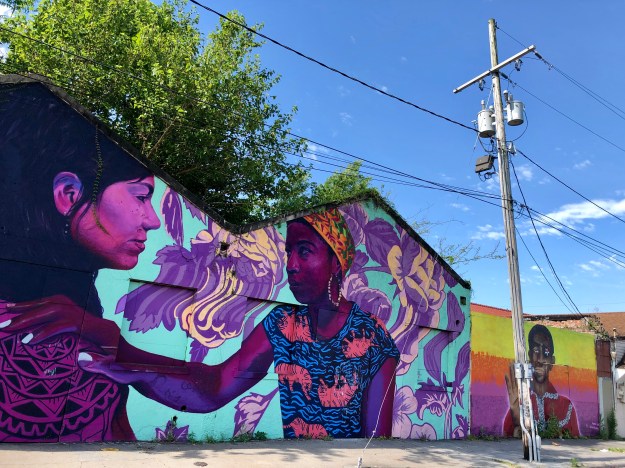
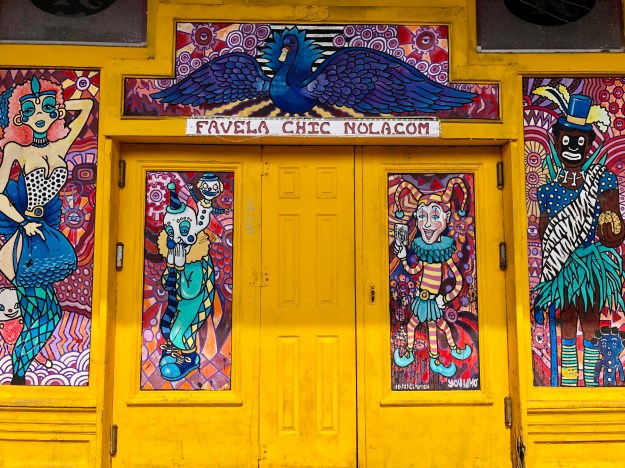
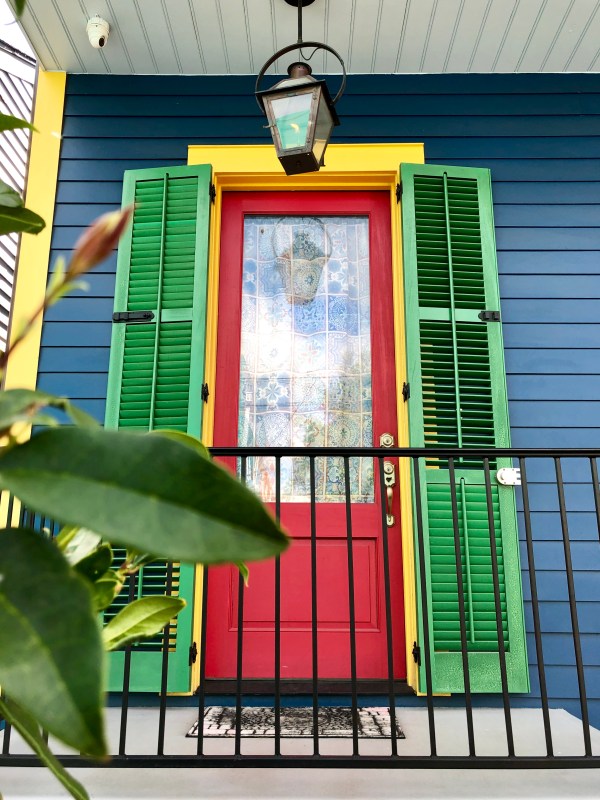
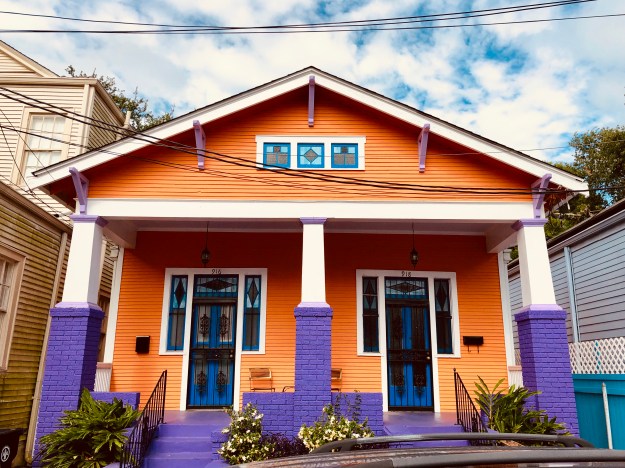
I don’t know how to begin to explain quite how much I love New Orleans. It’s gotten under my skin in a way no other city ever has. Of all the magical, exciting, beautiful, wonderful places I’ve visited in the world, my heart belongs to NOLA. If America would only provide more reasonable annual leave entitlement…I’d move there tomorrow! As it is, I’ll have to settle for regular visits every few years. This was my third, and probably my favourite so far. The sun shone, pretty much relentlessly, for the whole trip (bar a short-lived thunderstorm early one morning) and the city popped with colour. Wandering around the streets, listening to the trills of jazz, blues, zydeco and gospel emanating from open doorways, you can’t help but have a smile on your face. And snap away on your camera every few steps. It is just the most photogenic place.

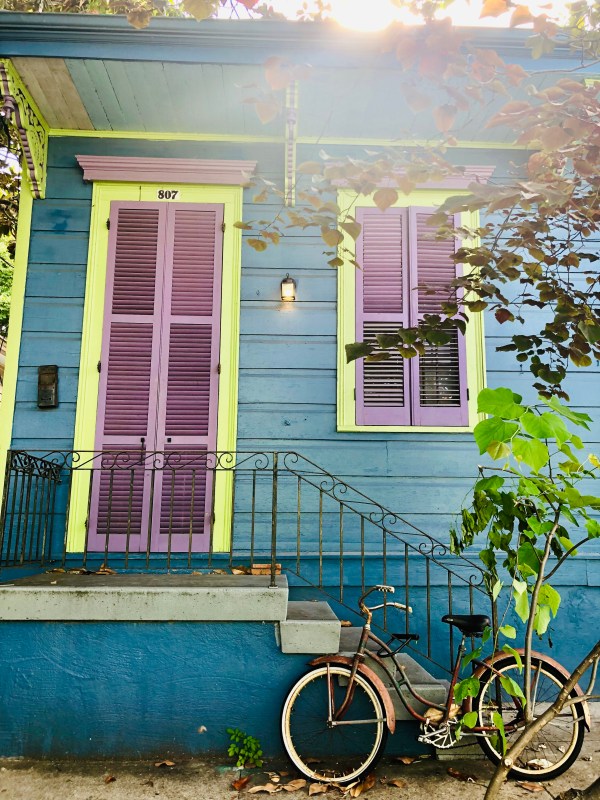
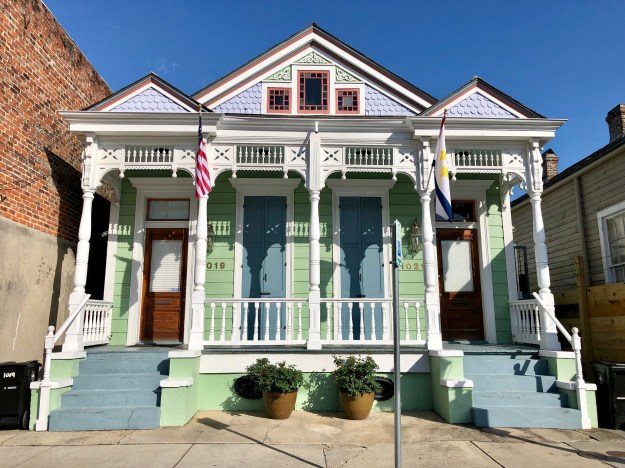
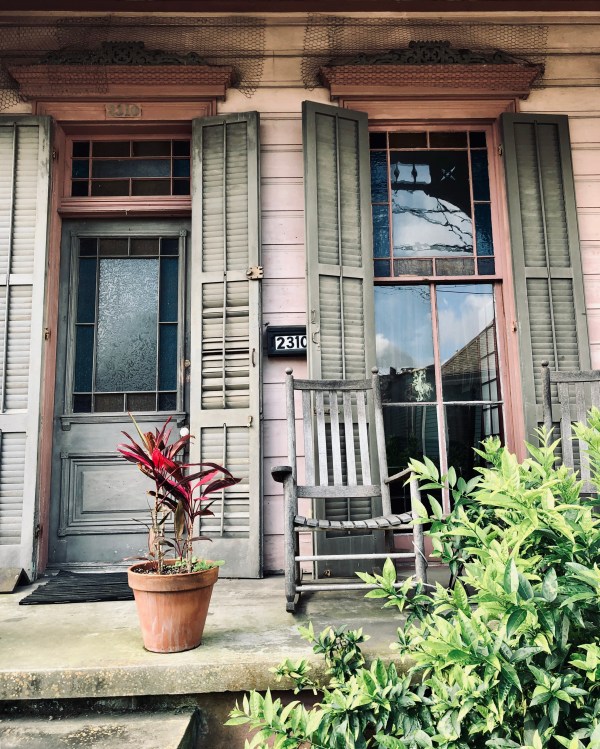
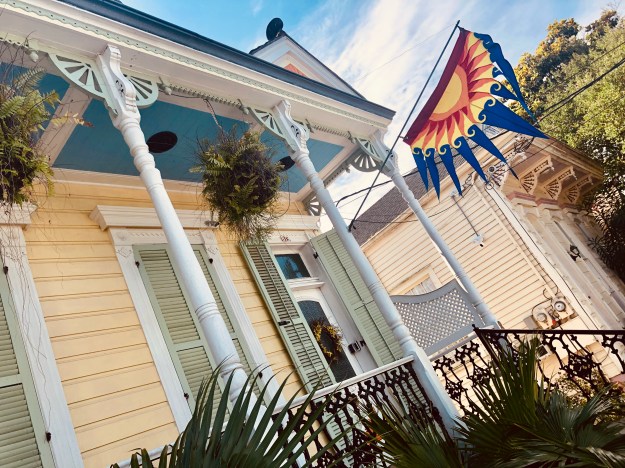
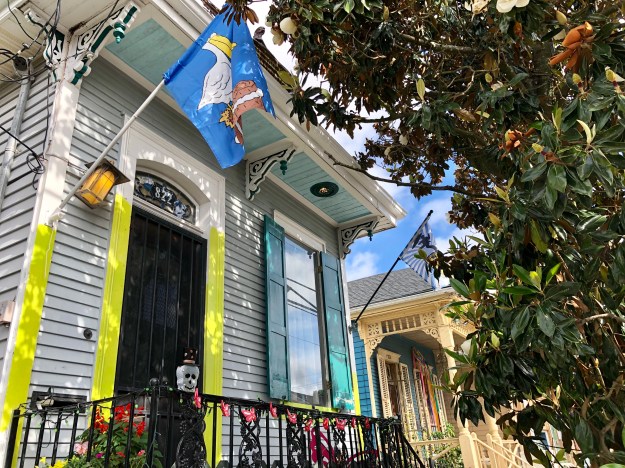
We stayed, as always, in the delightfully laid-back neighbourhood (faubourg) of Marigny. Once a Creole plantation, the area became the second historic zoned area of the city after the Vieux Carre (French Quarter). It’s full of Classical Revival and Creole houses, rocking chairs swaying gently on their front porches; flags proudly displaying the fleur-de-lis (the symbol of post-Katrina pride in the city); Mardi Gras beads hanging from pretty much every railing and tree branch; and enough cute coffee shops, bars, and restaurants to shake a stick at.

Particular culinary delights in the area include: the okra with bagna cauda at Bywater American Bistro (BAB); the short rib steak at The Franklin; the smoked catfish dip at Bacchanal; and the lump crab eggs benedict at Paladar 511. The gumbo ya-ya at St. Roch’s Market was ok too, though not the best version we had on the trip (see Part 2 for that recommendation). Incidentally, I know there’s dispute over the name of this staple of the New Orleans diet – gumbo ya-ya meaning “everyone talks at once” and referring to a loud community or political gathering. But given that’s the term used on many respected restaurants’ menus, I ain’t gonna argue. In terms of where to drink, the handsome courtyard at The Elysian Bar is a great place for cocktails and their wine list is curated by the people at Bacchanal, itself boasting the best outdoor seating in the city…with live music every night and the best festoon lighting action around.

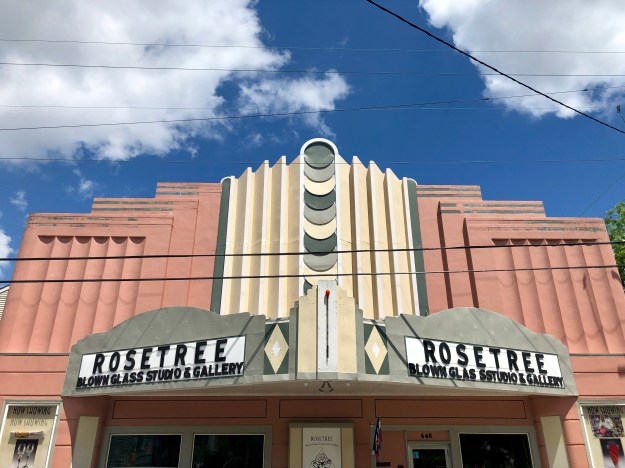
Further out of our ‘hood, we explored Algiers for the first time – the only ward of New Orleans located on the west bank of the Mississippi. It’s a very short boat ride from the bottom of Canal Street, aboard one of the country’s oldest ferry lines, and is well worth a visit. Wandering around the cute parish, you begin to think you’re on a film set. Everything is pristine and peaceful, and the mishmash of bright homes, small wooden churches, art-deco theatres, and quirky dive bars is beguiling. We ambled round, stopping in the friendly One Stone cafe for a spot of lunch and delicious cinnamon morning bun, trying to decide if Algiers had taken the crown from Marigny (conclusion: no…but it was a close call!).

I’ll stop there for now, and cover some other highlights in Part 2. Here’s a (severely edited – honest!) first selection of photos from the trip…starting with a picture of the house on Mandeville Street in which we stayed.

NO-000

NO-096

NO-212

NO-271

NO-218

NO-113

NO-154

NO-206

NO-040

IMG_3471

IMG_2781

NO-007

NO-042

NO-205

NO-070

NO-041

NO-024

IMG_2798

NO-075

NO-215

IMG_2666

NO-083

NO-279

NO-209


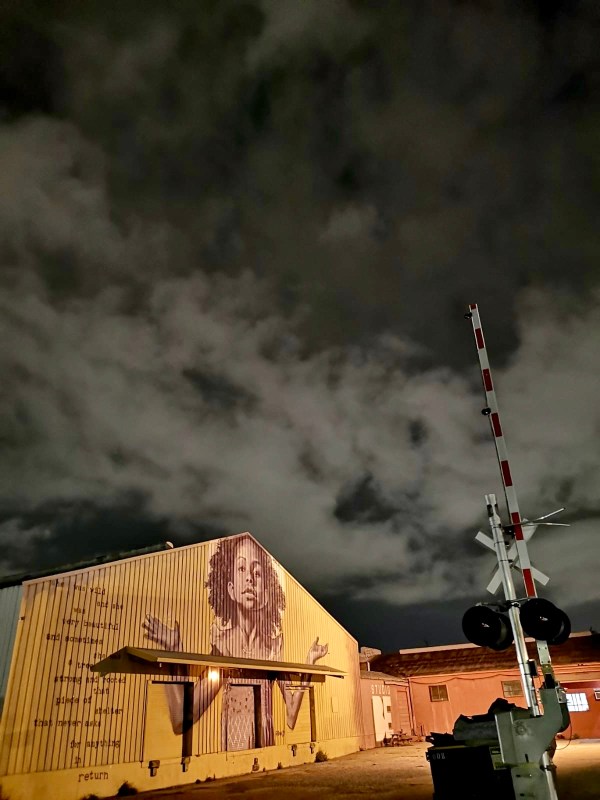
Credit: Street Art of girl on trail track – Chris Adnitt