Tag Archives: Toucan

Resplendent Ending

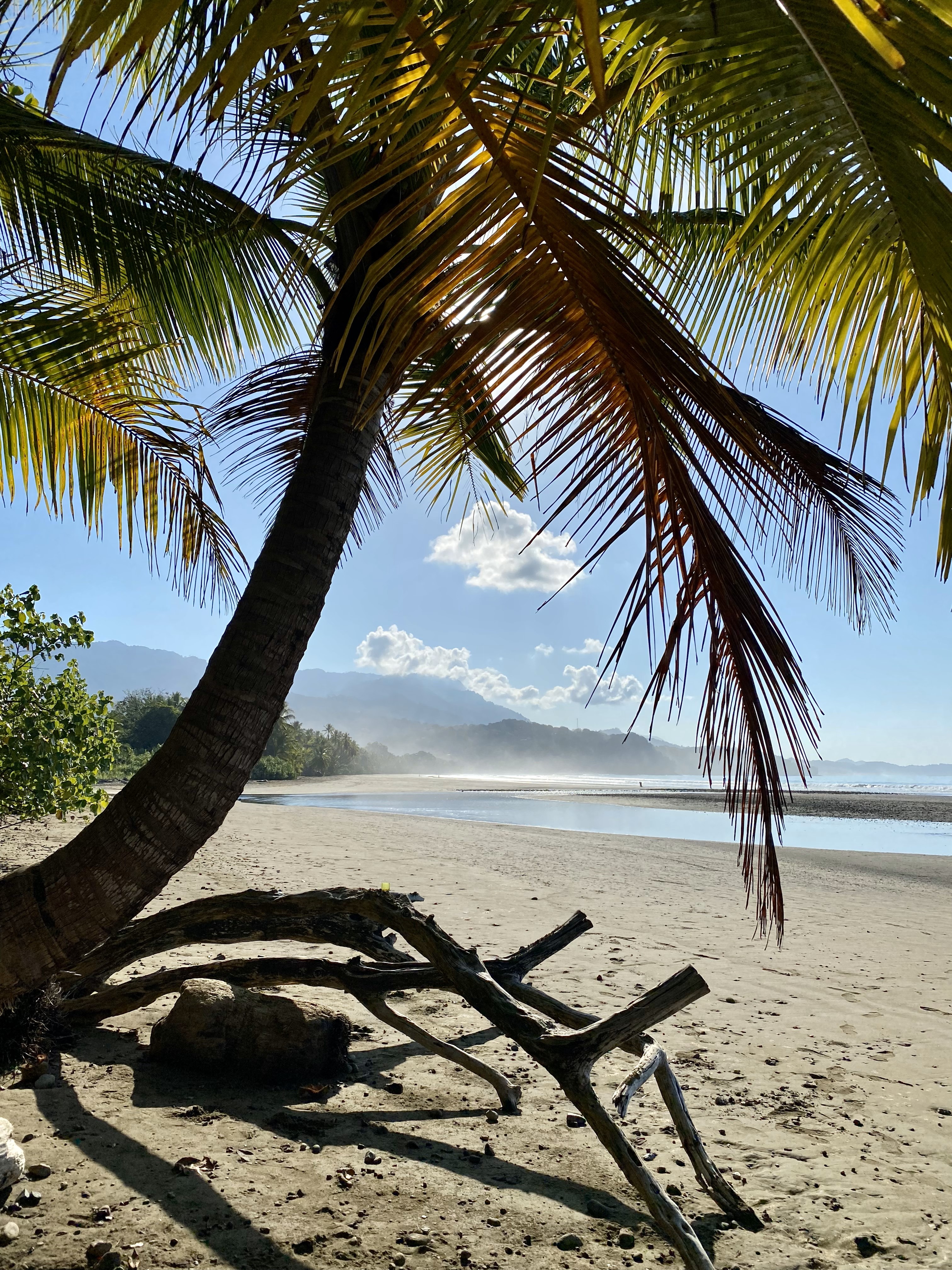
No Costa Rican adventure can be complete without indulging in the tranquillity of its sun-kissed Pacific Coast beaches. Gosh, I sound like a travel agent!  But it was really nice to unwind on the golden sands of Punta Leona, on the Gulf of Nicoya, for a couple of days. Cocktail, book, ice-cream: bliss.

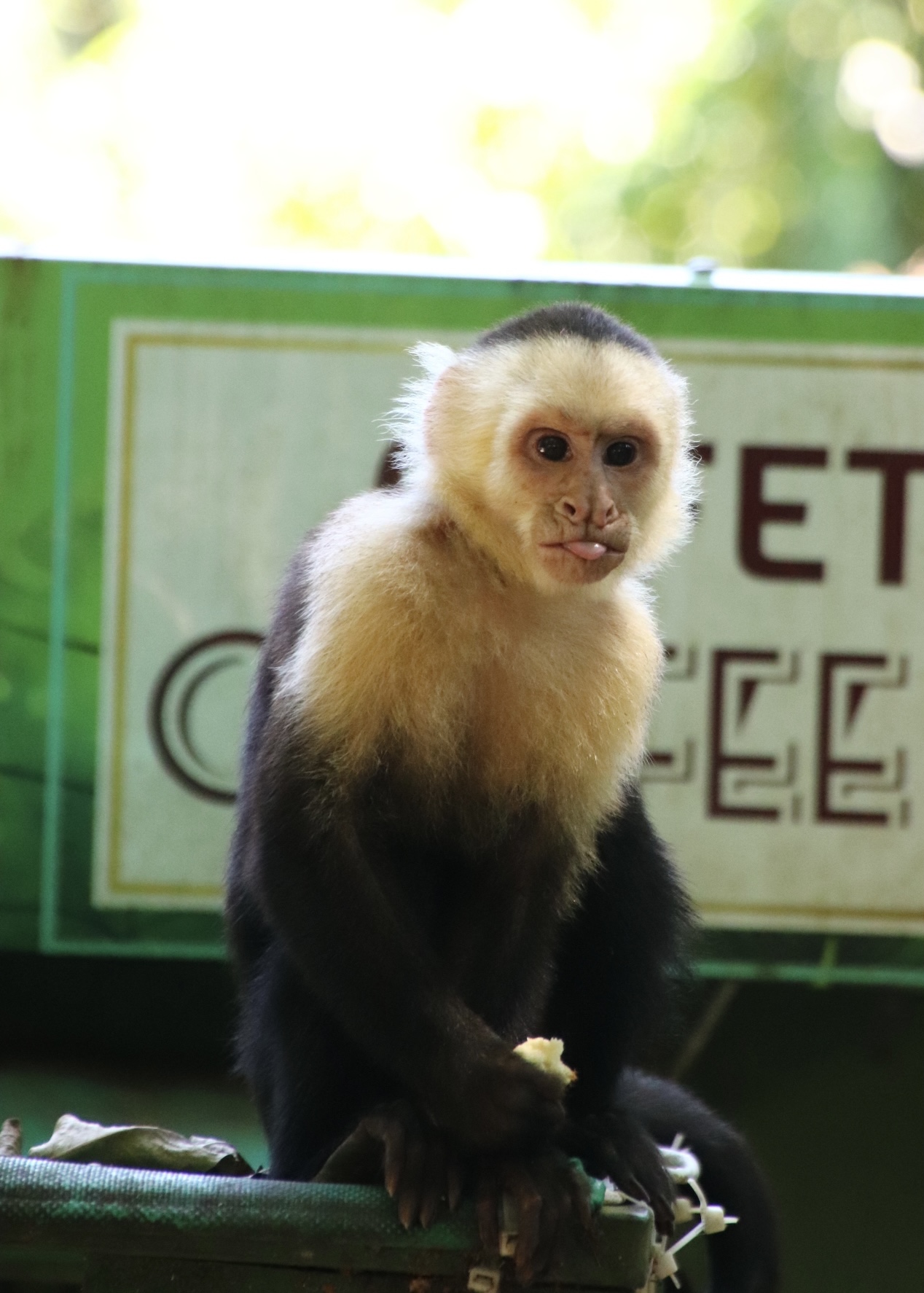
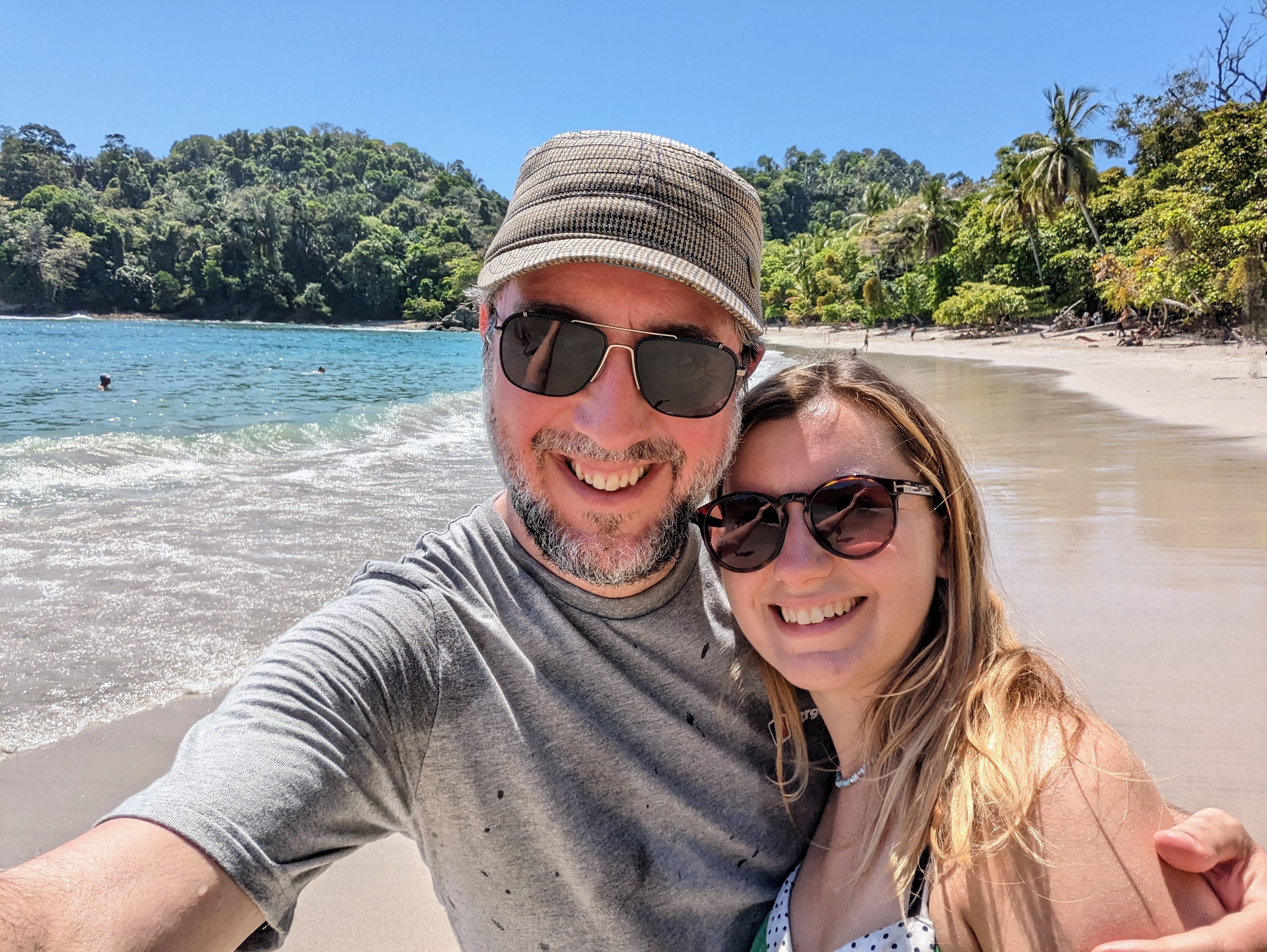
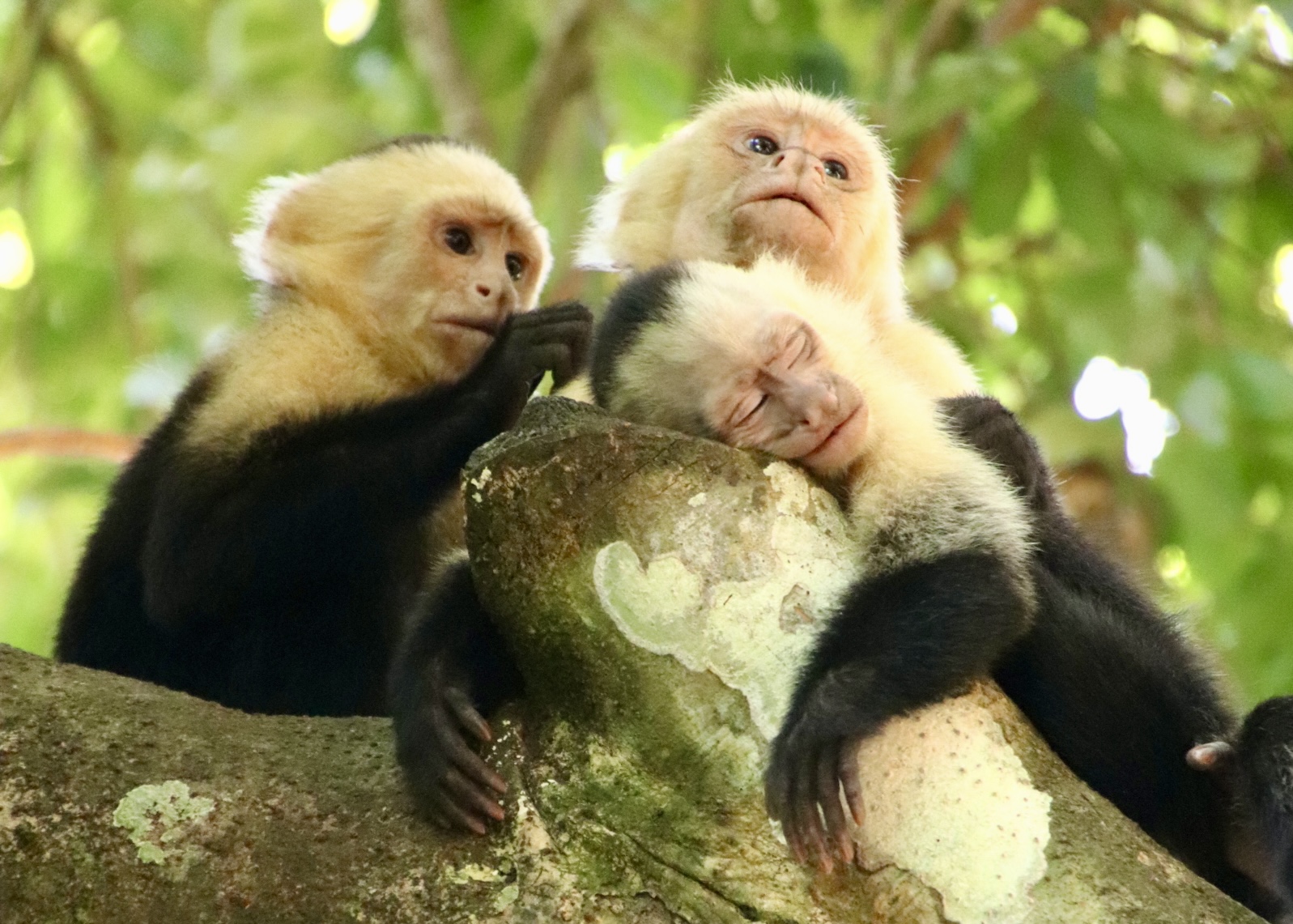
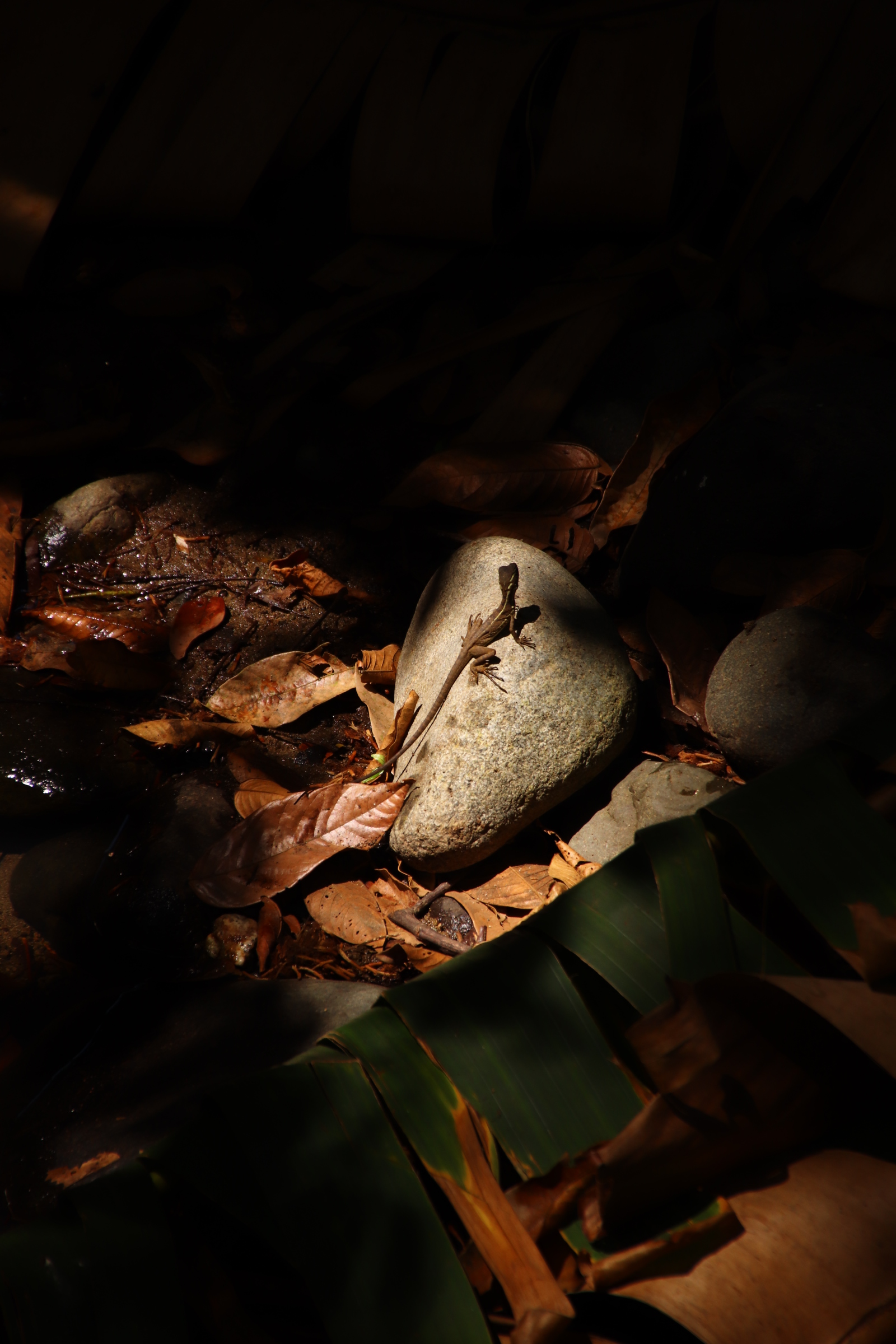
After some proper R&R, we took in two of the most renowned parks in the country. Manuel Antonio, located just a little further down the Pacific Coast, is a natural gem renowned for its breath-taking beauty and abundant wildlife. As you venture into this coastal rainforest, you’re greeted by the park’s most endearing residents – the playful capuchin monkeys. These mischievous creatures are well-known for their entertaining antics, constantly attempting to sneak snacks from visitors or run away with hats and sunglasses. We sat for a while, watching them groom each other and nimbly reach fruit from high branches. Along with the monkeys, the park is also home to three-toed sloths, large green iguanas, and a myriad of bird species. On our particular visit, we also saw some less-striking (but equally impressive) residents: a Broadwing Falcon, a well-camouflaged nightjar, zigzag spiders, brown basilisks and a colony of tent-making bats.
Manuel Antonio was not my favourite though. It’s incredibly popular and so had far more people than we’d been used to seeing. It was also unbearably hot – the sweat poured off us all day, and dehydration threatened. Its crystal-clear waters were, however, glorious. I wish we’d have more time to swim and enjoy the immaculate beaches.

Which brings us neatly and naturally to the question: What was your favourite park then? Thanks for asking. Well, Corcovado of course. Untamed wilderness at its absolute finest. Corcovado is the crown jewel of Costa Rica’s national park system. Accessible only by boat, this remote treasure offers an unrivalled immersion into pristine rainforests and secluded beaches. It is simple stunning. I felt like Indiana Jones…or Bear Grylls…or some do-gooder in Jurassic Park trying to save the diplodocus (but inevitably releasing the raptors to chaotic yet 5-star entertainment effect).
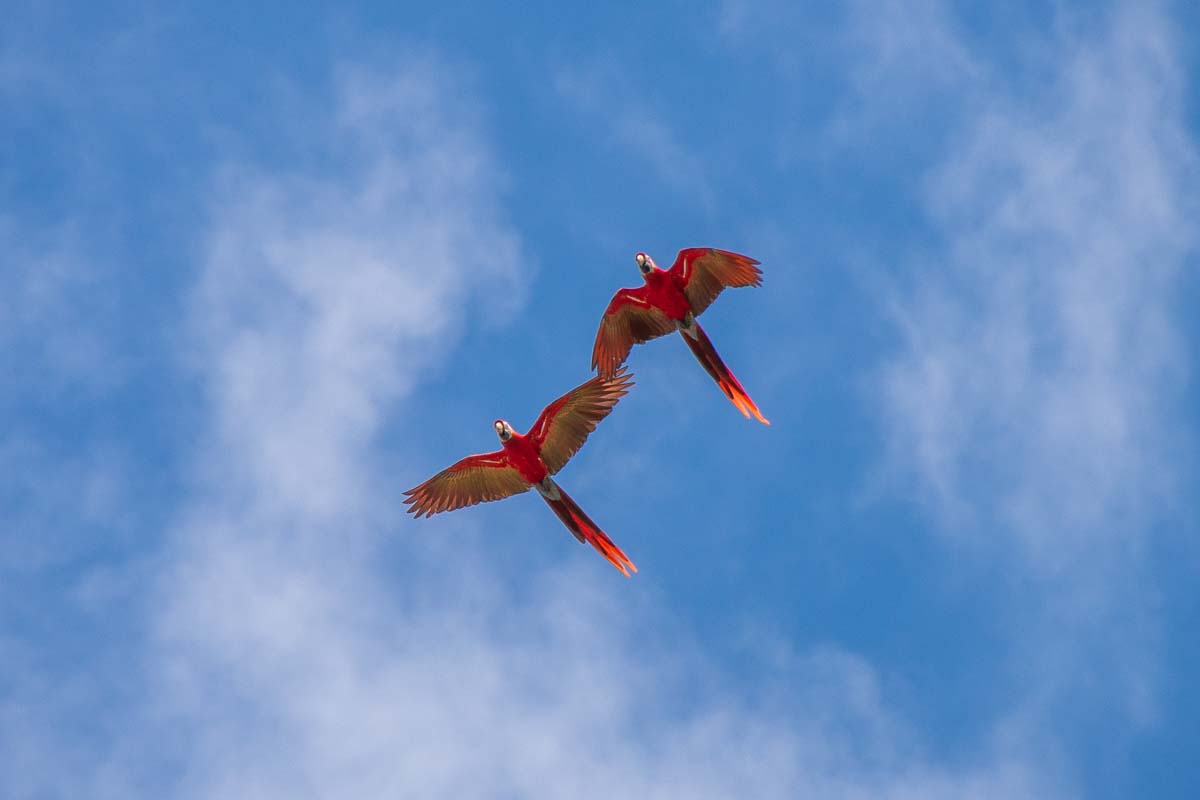
One of the most captivating sights in Corcovado was the presence of vibrant scarlet macaws. With their stunning red, blue, and yellow plumage, these awesome birds added a frequent burst of colour to the lush greenery. I watched in awe as they soared through the canopy or gathered in pairs, displaying their affection with their loud calls and tomfoolery. The macaws’ presence is testament to the park’s successful conservation efforts. And if my habitat was as clean and carefully protected as this, I’d be pretty happy to stay too!

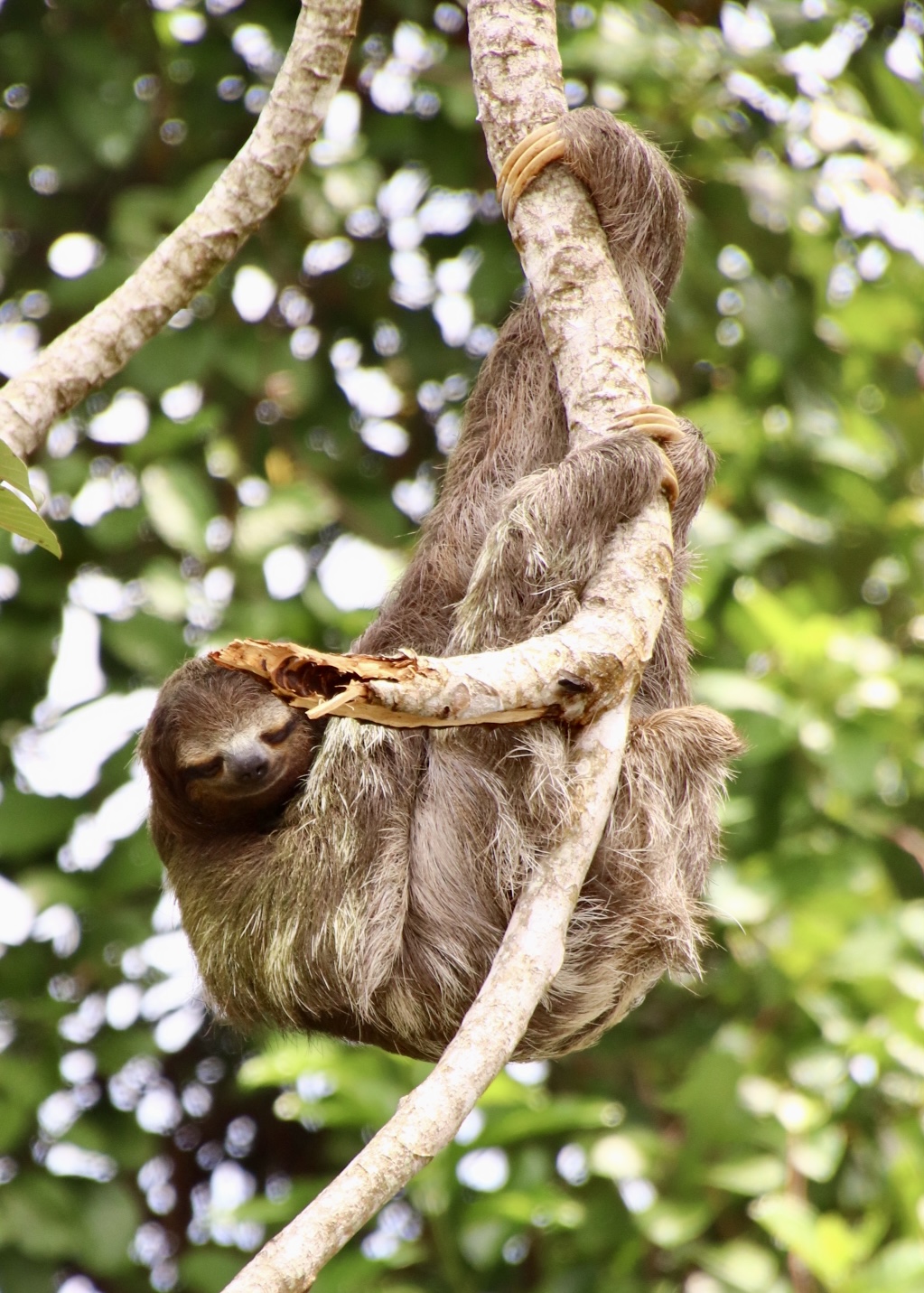
Whilst exploring the dense foliage, creeping under vines and scrambling over branches like Lara Croft (ooh yes, I’ll settle on Lara), I was fortunate enough to spot again the enigmatic sloths high in the trees. It feels like sloths are somewhat the mammal du jour, with children everywhere clutching soft-toy versions and their cute faces adorning t-shirts, mugs and a variety of other merch. But I want to make clear they were mine before they became fashionable! With their slow and deliberate movements, sloths have a unique charm, and speak to the very core of my being. 🙂
After a late lunch of plantain, pineapple, papaya, melon, chicken stew and the ubiquitous gallo pinto, we bid a sad farewell to Corcovado and made our way back on the speedboat. But the surprises continued! Gliding through the sparkling waters, we suddenly found ourselves surrounded by a pod of dolphins. The playful and intelligent creatures danced in the boat’s wake, and we even got to see an infant leaping in the air.

Back from Peninsula de Osa, where the park is located, we spent a day in hippy Dominical, a surfing village with excellent cocktail bars. I was worn out though! After a swim, a piña colada (or three) and a really delicious hibiscus mezcal concoction, it was time for an early night. I slept very very well.

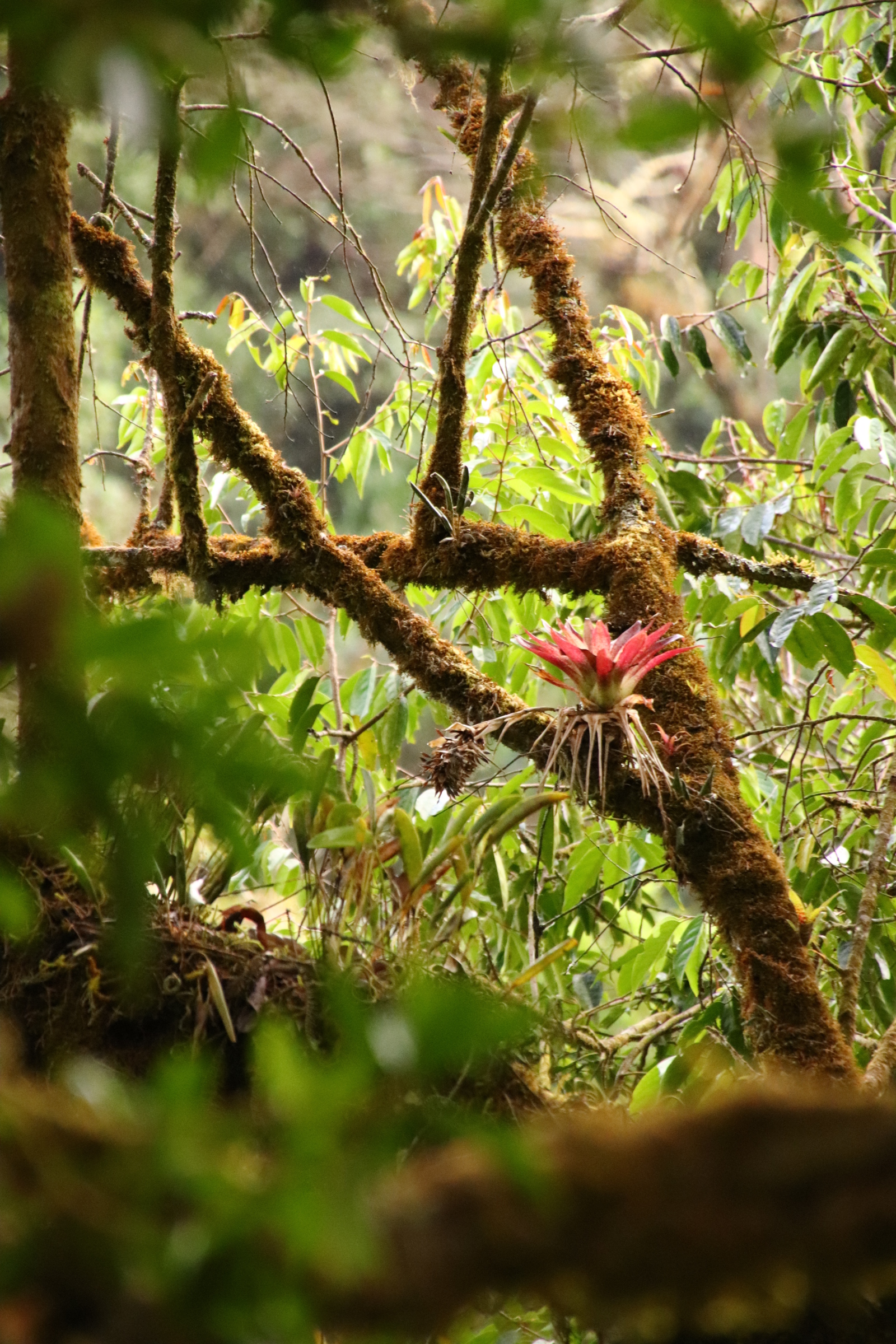
Our last stop was San Gerardo de Dota, nestled in the Talamanca Mountain Range and Los Quetzales National Park. This is one of the lesser-visited parts of the country, but is known for being one of the best places to spot the elusive Resplendent Quetzal (again, part of its name rather than a gushing adjective).

The Resplendent Quetzal, considered one of the most beautiful birds in the world, had a storied place in ancient Mesoamerican mythology and remains a symbol of freedom and beauty. With its iridescent green feathers, crimson chest, and striking tail feathers, the quetzal is a sight to behold and a dream for any bird enthusiast. Some twitchers spend hundreds – thousands! – of pounds on guides to take them through the forest in an attempt to spot the bird. We were fortunate enough to have a rare encounter with these stunning creatures without even really trying.

We were actually on a walk to a local waterfall when we witnessed the remarkable event: a male and female quetzal meticulously building a nest together. The male’s vivid colours shimmered in the dappled sunlight as he diligently searched for the perfect twigs and nesting materials, while the female attended to her house-building duties. Observing this intimate moment left us both with a sense of awe…and me with c.200 photos to edit!

Right, I think I’ve done Costa Rica justice. From the ethereal beauty of Monteverde Cloud Forest, the verdant waterways of Tortuguero, the excitement of Sarapiqui’s rapids…elusive sloths, pristine beaches, volcanoes, dolphins, toucans, and memorable sunsets – this Costa Rican odyssey was an unforgettable journey that will forever stay etched in my heart.

There’ll be some extra posts no doubt focused on specific animals, but for now (and for always): Pura Vida!
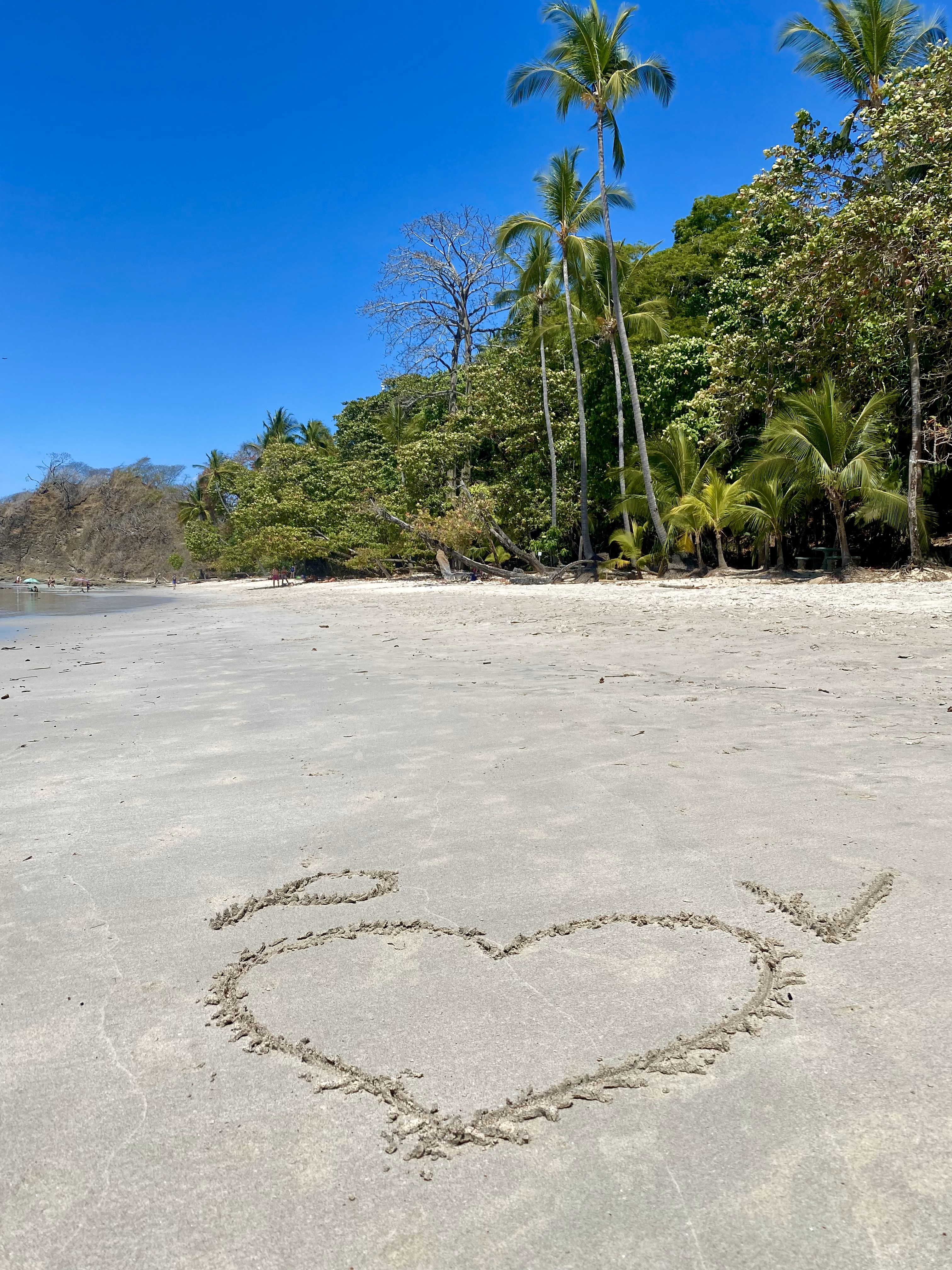
Punto Leona
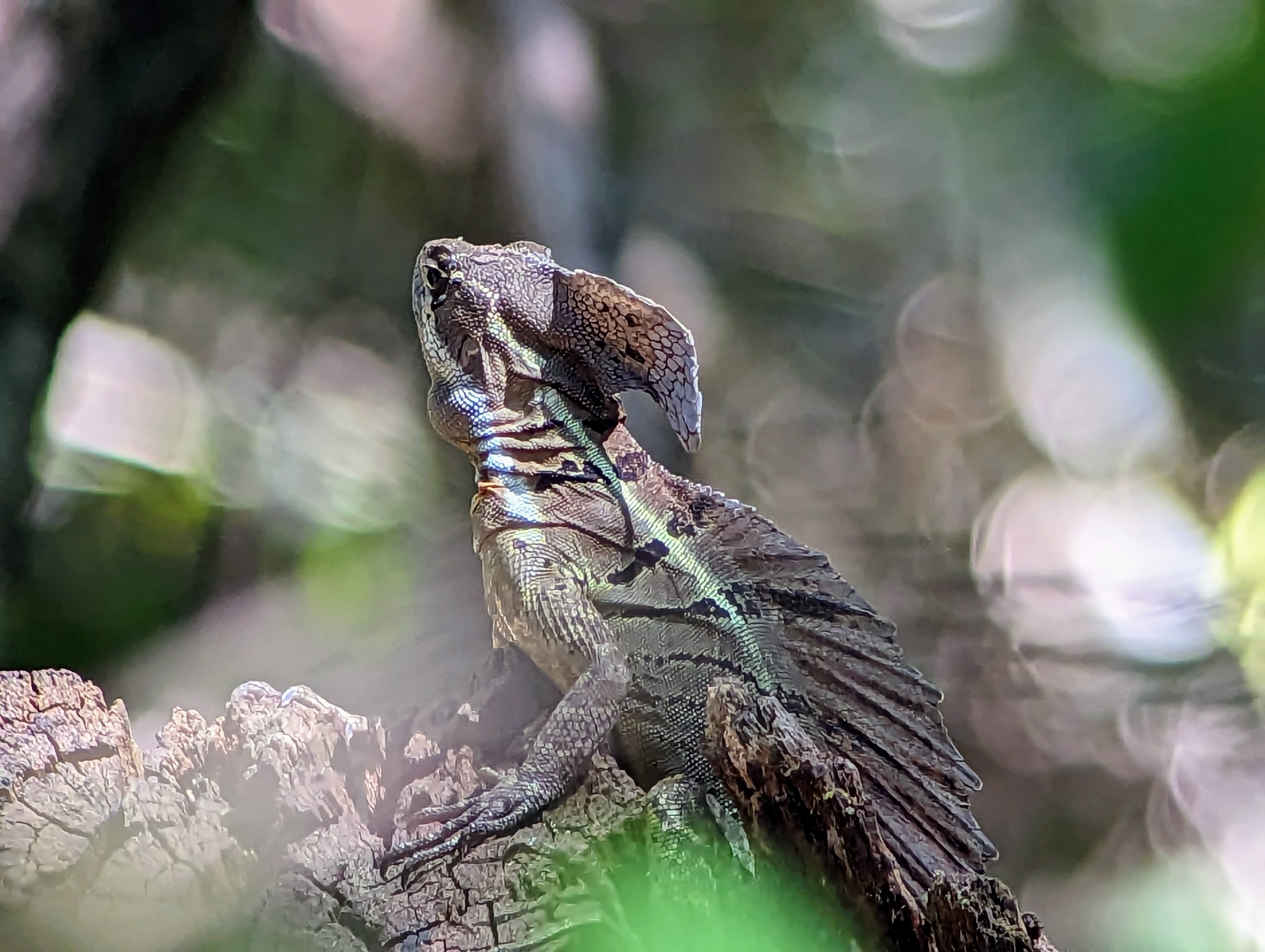
Basilisk

Corcovado jungle
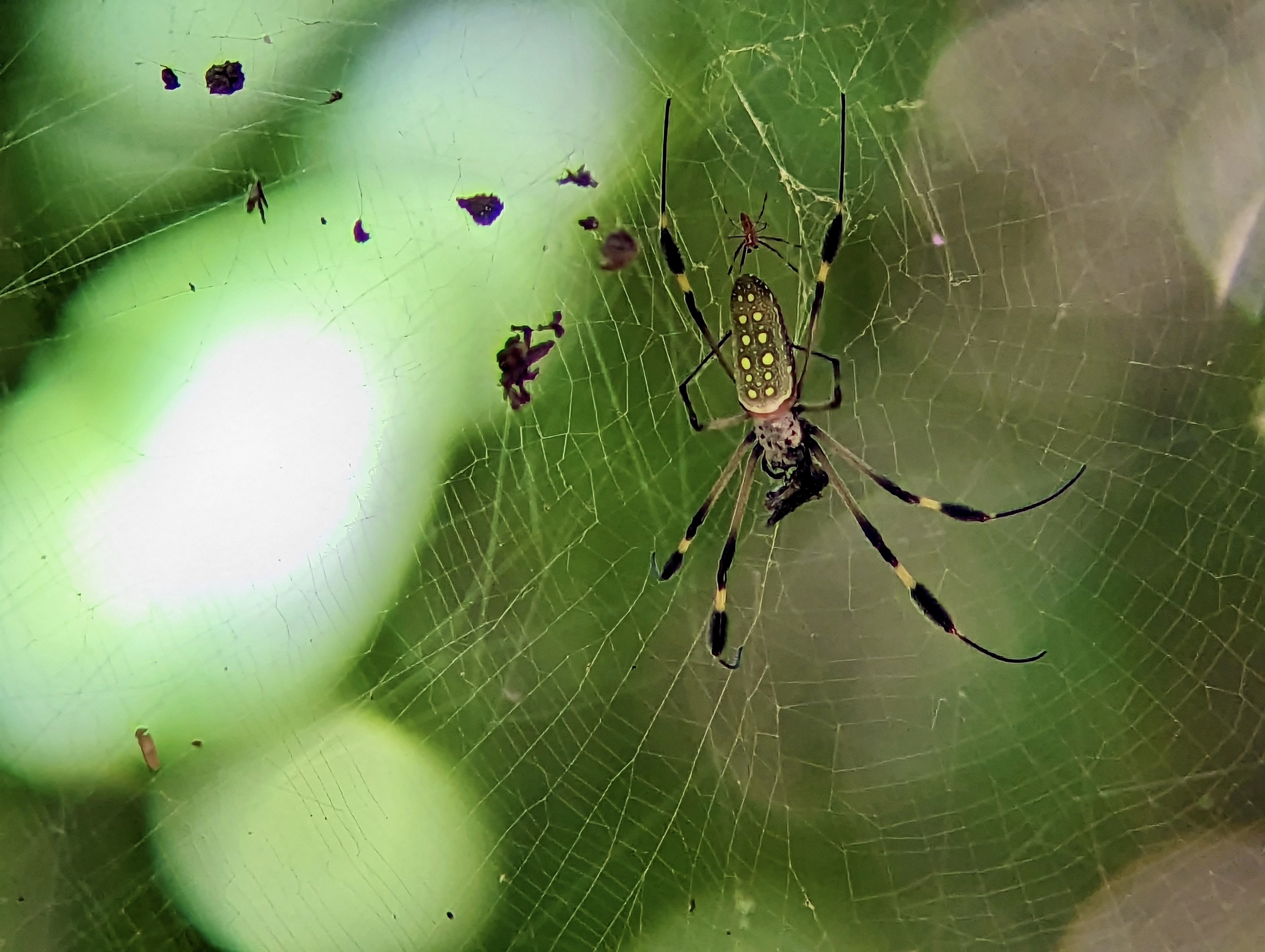
Golden Orb-Weaver
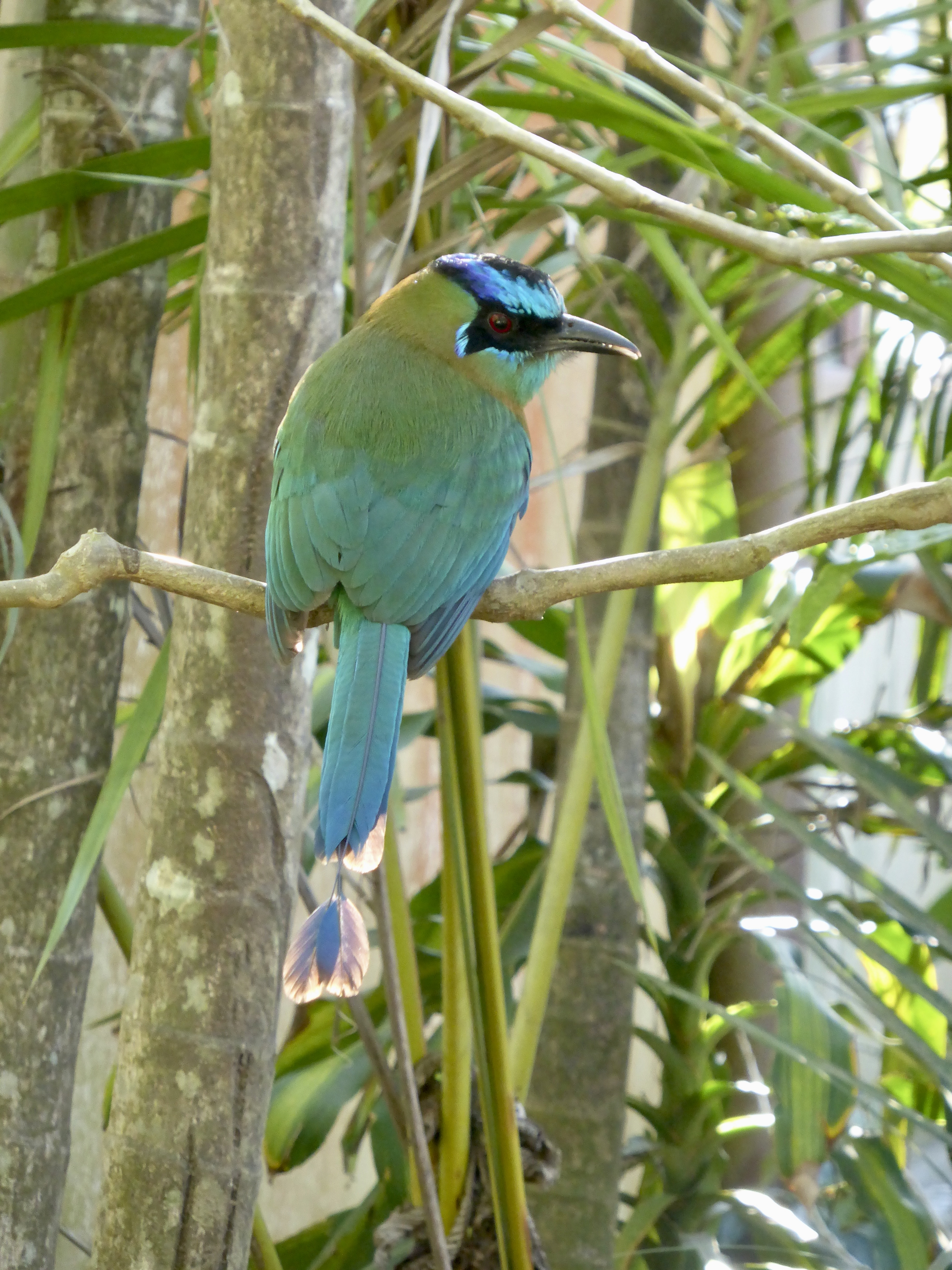
Lesson’s Motmot

Gulf of Nicoya

Three-Toed Sloth

Peninsula de Osa

Rainbow-Billed Toucan
Manuel Antonio
San Gerardo de Dota
Capuchin monkeys
Jesus Christ Lizard

Rivers, ranches and (lots of) rice

Paul and I have just returned from a 10-day stint in Leeds looking after our nephews and niece, whilst my sister and her husband escaped to the sun. It was lovely spending so much time with them and actually not nearly as difficult as we’d feared – the months of anticipation, when all sorts of horrific scenarios had percolated in our minds, happily baring no resemblance to the reality. I’m going to miss bedtime cuddles, hide-and-seek in the woods, snowmen building and story-time. I’m even going to miss “helping” with homework (even though this had limited/mixed success). And the glasses of wine in front of the fire, stroking their ragdoll cat Popcorn, were peaceful and restorative. Although it wasn’t all easy, and I have to say I’m very glad I no longer need to play tea-time bad cop, prizing the Nintendo Switch from a protesting 8-year-old; and my knees are grateful for respite from my niece’s cute but tiring imaginative play sessions, which invariably saw my reluctant tiger being bossed around by her strict zookeeper.

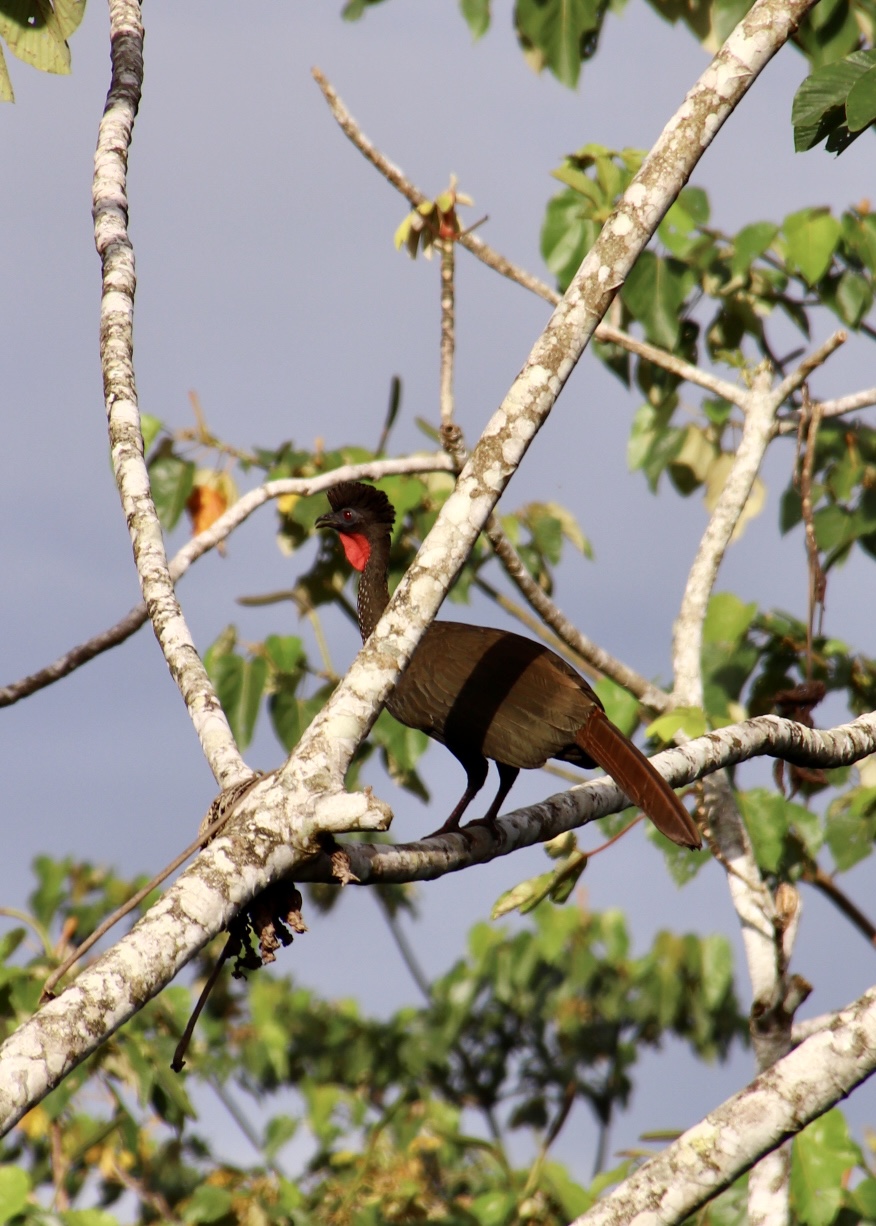
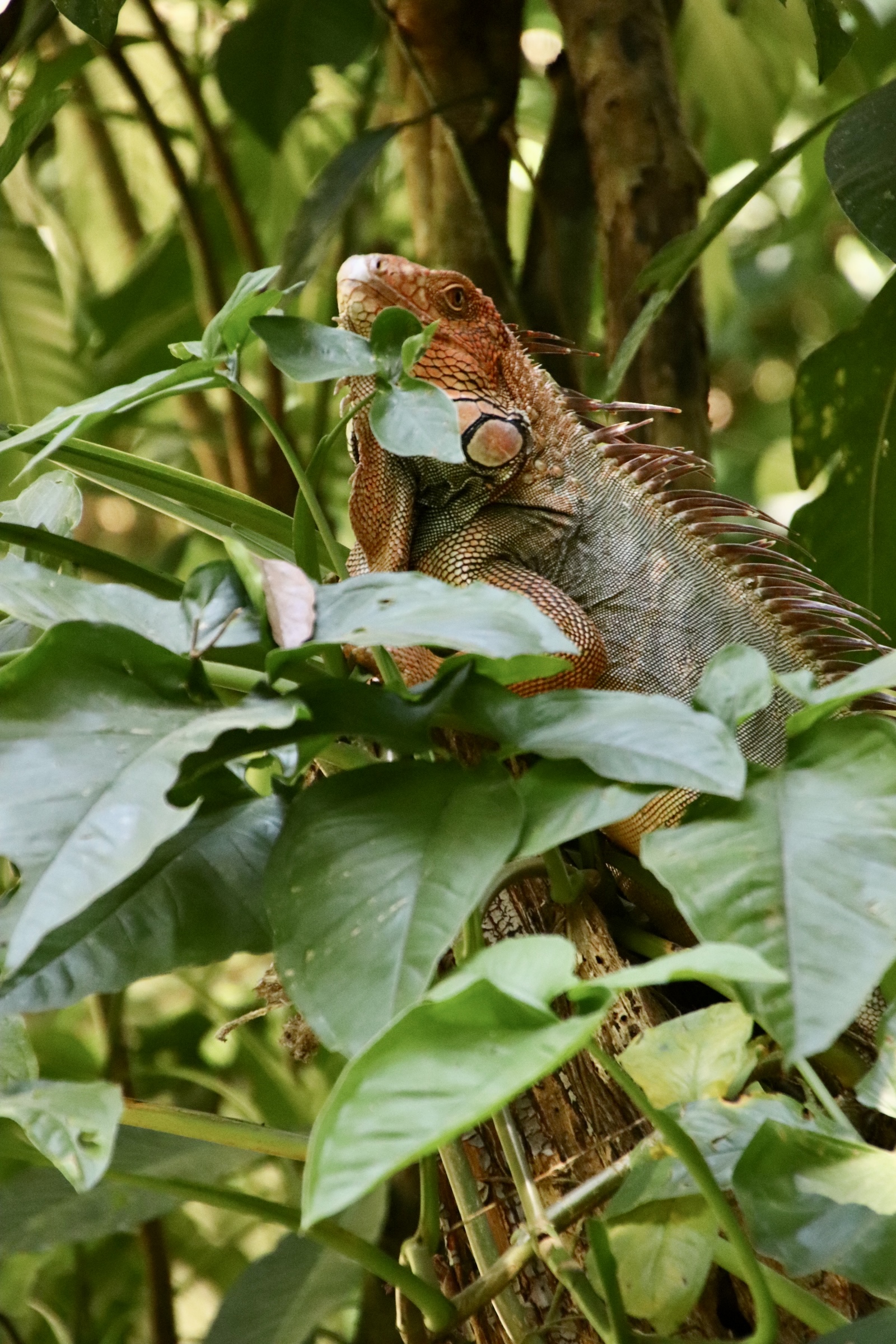
Safely ensconced back in our London flat, I’ve turned my attention back to editing our Costa Rica photos and can now pick up the story where I left off…. So, after Tortuguero we next stopped for a few days in rural Sarapiqui, Heredia Province. Our lodgings were very basic but had a lovely infinity pool overlooking a steep-sided valley and were well-located for La Tirimbina biological reserve (one of the main reasons for visiting). Relaxing in the grounds on our first afternoon, we spotted what looked like a skinny flying turkey (later identified as a Crested Guan), as well as a precarious iguana balancing on the high branch of a kapok tree, a strawberry poison dart frog (locally referred to as “blue jeans”) and a bushy-tailed tayra (related to the marten family).

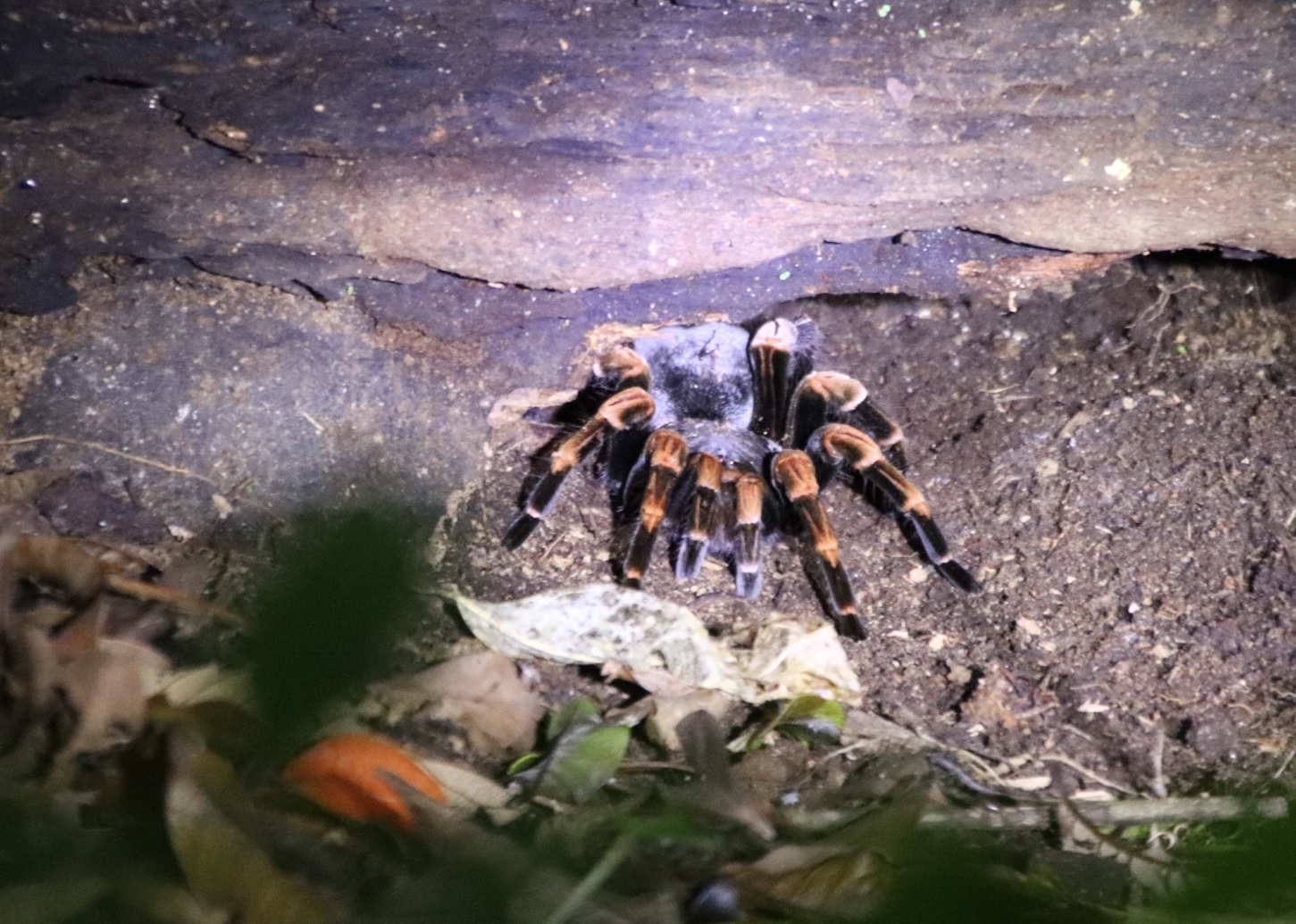
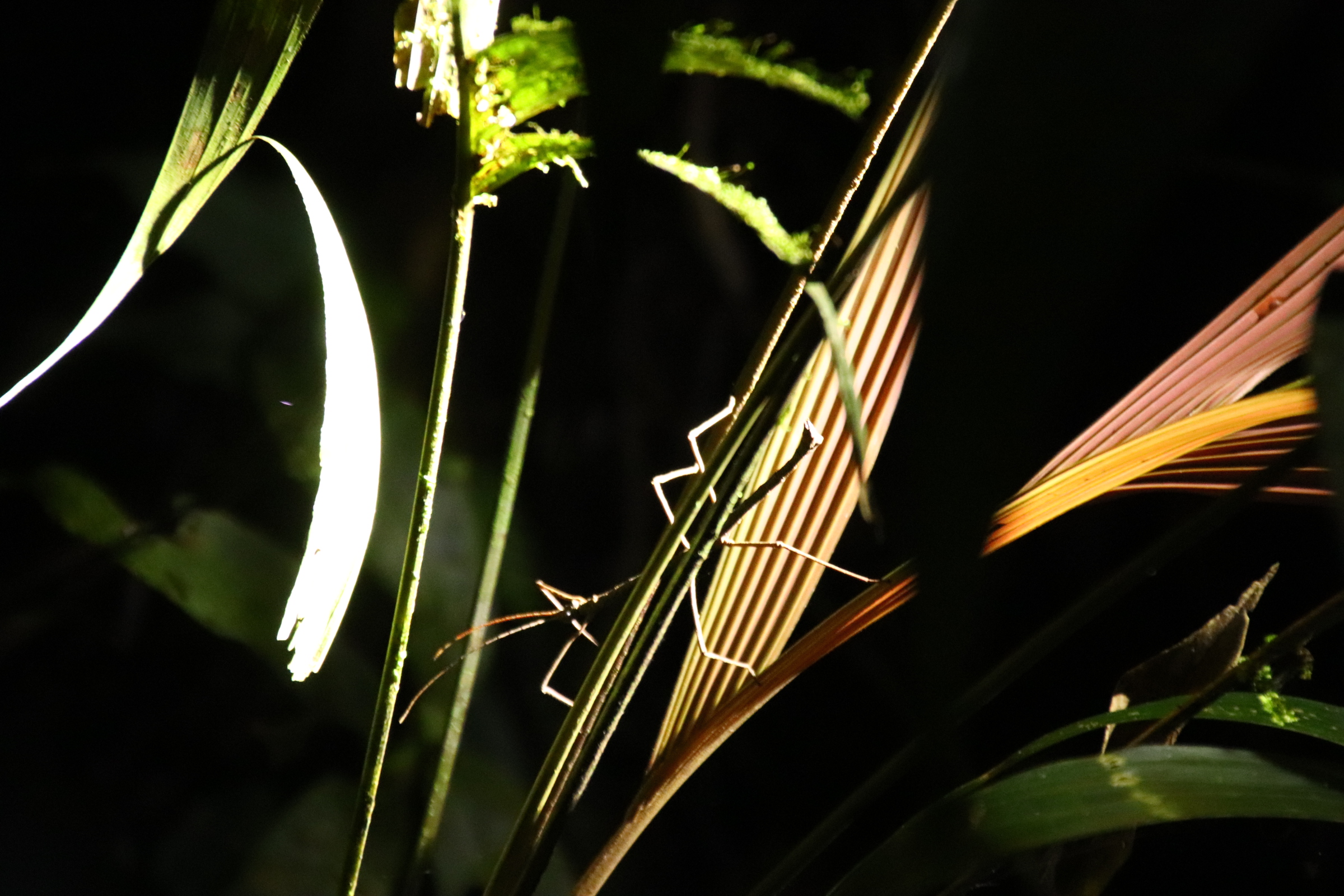
But these wildlife spots were nothing compared to the delights of our night walk in La Tirimbina. Armed with flashlight, enough Deet to floor a professional wrestler, and our darkest clothes, we crossed the country’s second longest suspension bridge – swinging unsteadily over the Río Sarapiquí – and entered the reserve. Tirimbina protects 345 hectares (852 acres) of pre-montane tropical forest, hosting a wide array of different ecosystems and over 9 kilometres of walking trails. Charlene, our friendly and incredibly knowledgeable guide, helped us find scorpions, tarantulas, cane toads, frogs, basilisks, howlers, geckos and stick insects. Her eyesight was phenomenal: I have no idea how she managed to isolate them within the impenetrable blackness. Paul and I got most excited, however, by the sprightly armadillo that crossed our path (twice!) and a fur-de-lance snake, the most venomous in Central and South America, with a bite that can be fatal to humans.

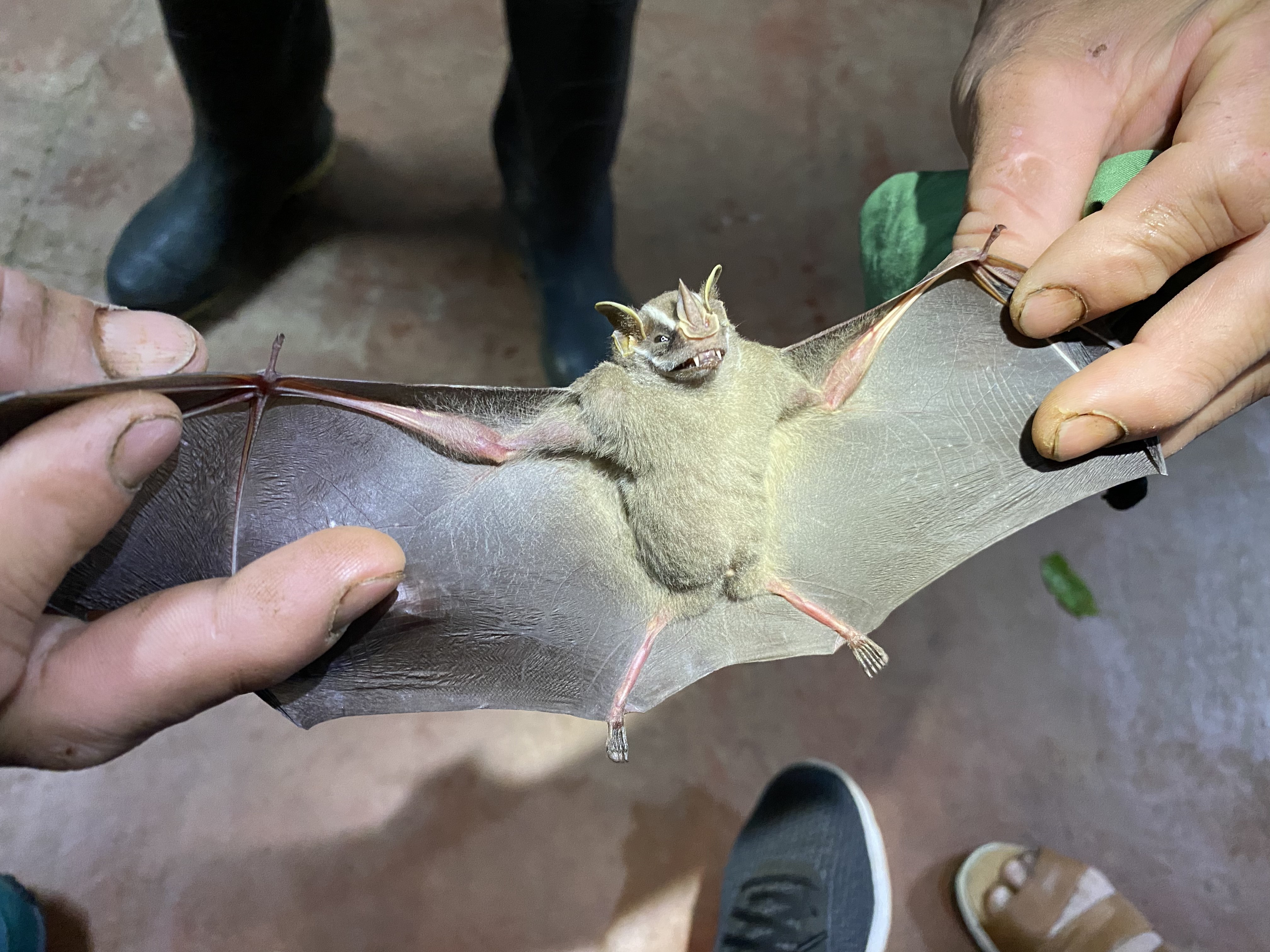
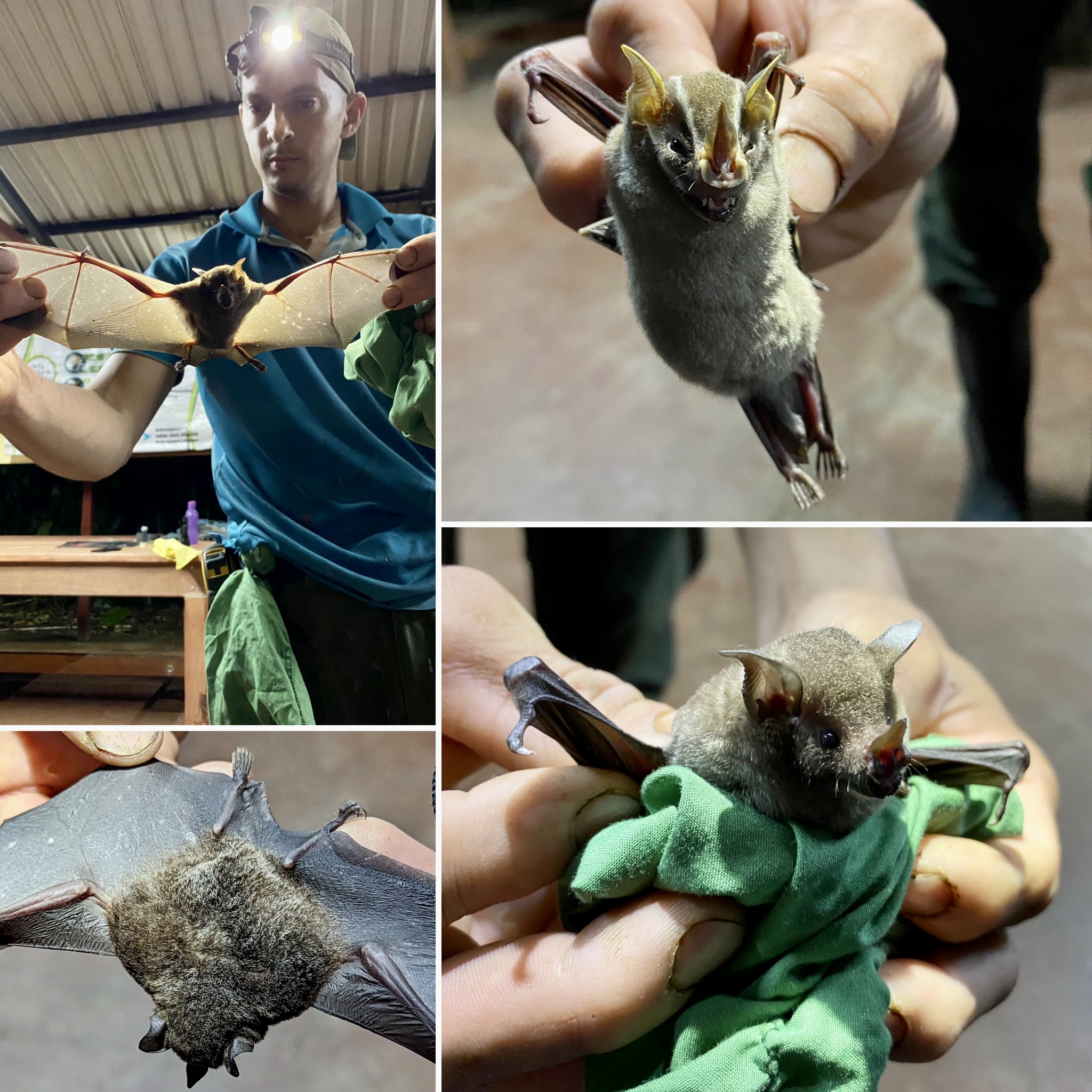
We were so impressed with the forest, we returned the next night to be educated by William on all things bat-related. Costa Rica has more than 100 species of bats, making up 50% of the country’s total mammal population, and 70 of those species can be found at Tirimbina. While some eat insects or feast on blood, most species feed primarily on fruit, pollen and nectar. With the aid of humane ‘mist’ nets, so delicate (and expensive!) that we respectfully kept our distance, the staff captured a range of bats to show us up close: a docile proboscis bat, a common tent-making bat, a Honduran white bat, and the larger frog-eating (or fringe-lipped) bat. Wearing thick leather gloves, our guide gently held each flying mammal so that we could closely observe their wings, spindly arms and odd little faces. And then – allowing time for us to set up the slow-mo functions on our camera phones – released them so we could observe close-up flight. Absolutely fascinating!

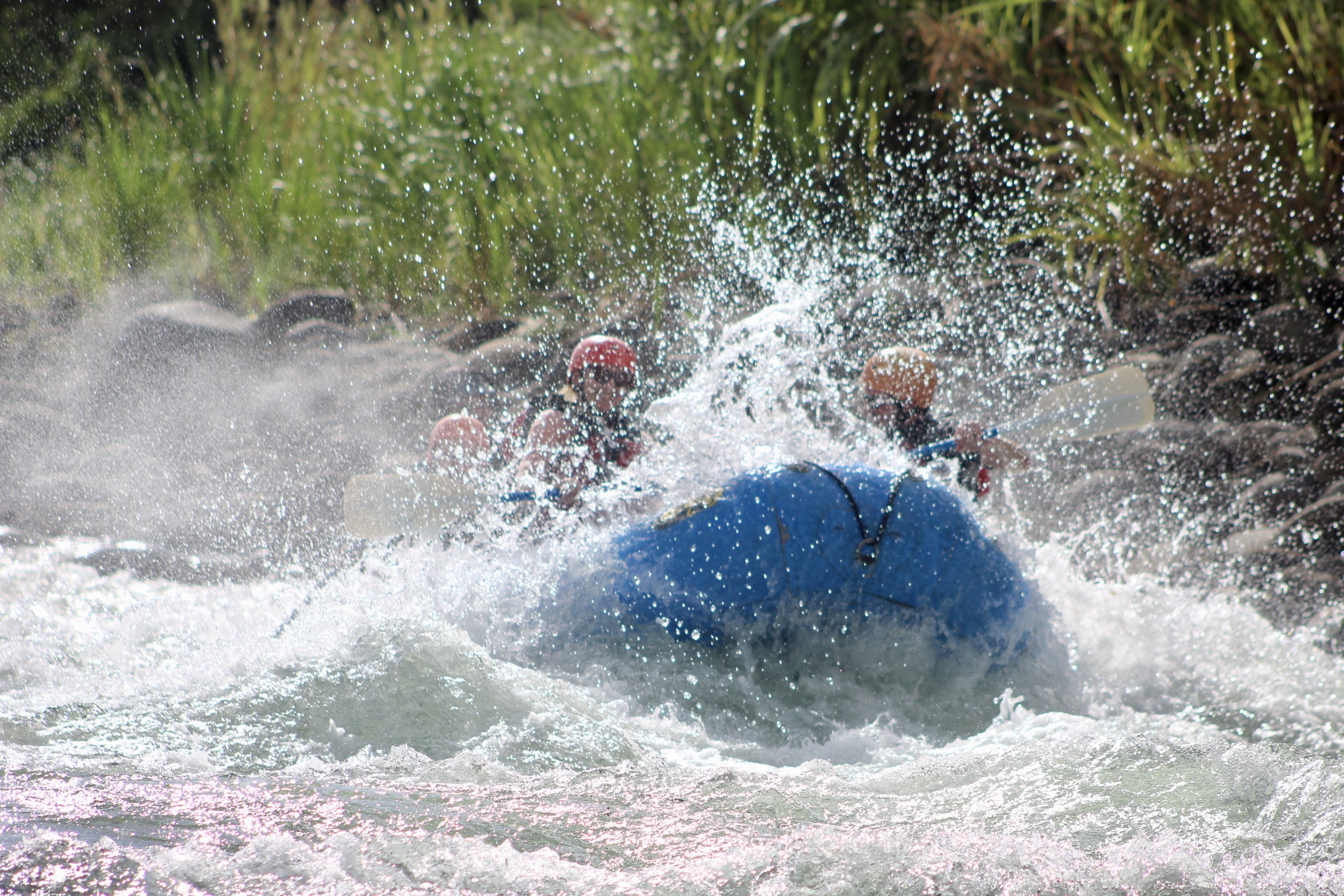
For a change of pace, we booked ourselves on a white-water rafting trip on the Río Sarapiquí the next day. Having never been rafting, I was little trepidatious. But need not have worried, as our guide expertly navigated us along a 13km mixture of class 3+ rapids and calm pristine water surrounded by lush flora and fauna. The company, Aguas Bravas, were very professional – providing all the protective gear and tuition – but also really good fun, encouraging splash fights between boats and seeking the most thrilling routes. Along the journey, we saw two ospreys, a large ringed kingfisher (the biggest in the Americas), and plenty of egrets, herons and sandpipers. We arrived back at the lodge very wet but very happy!

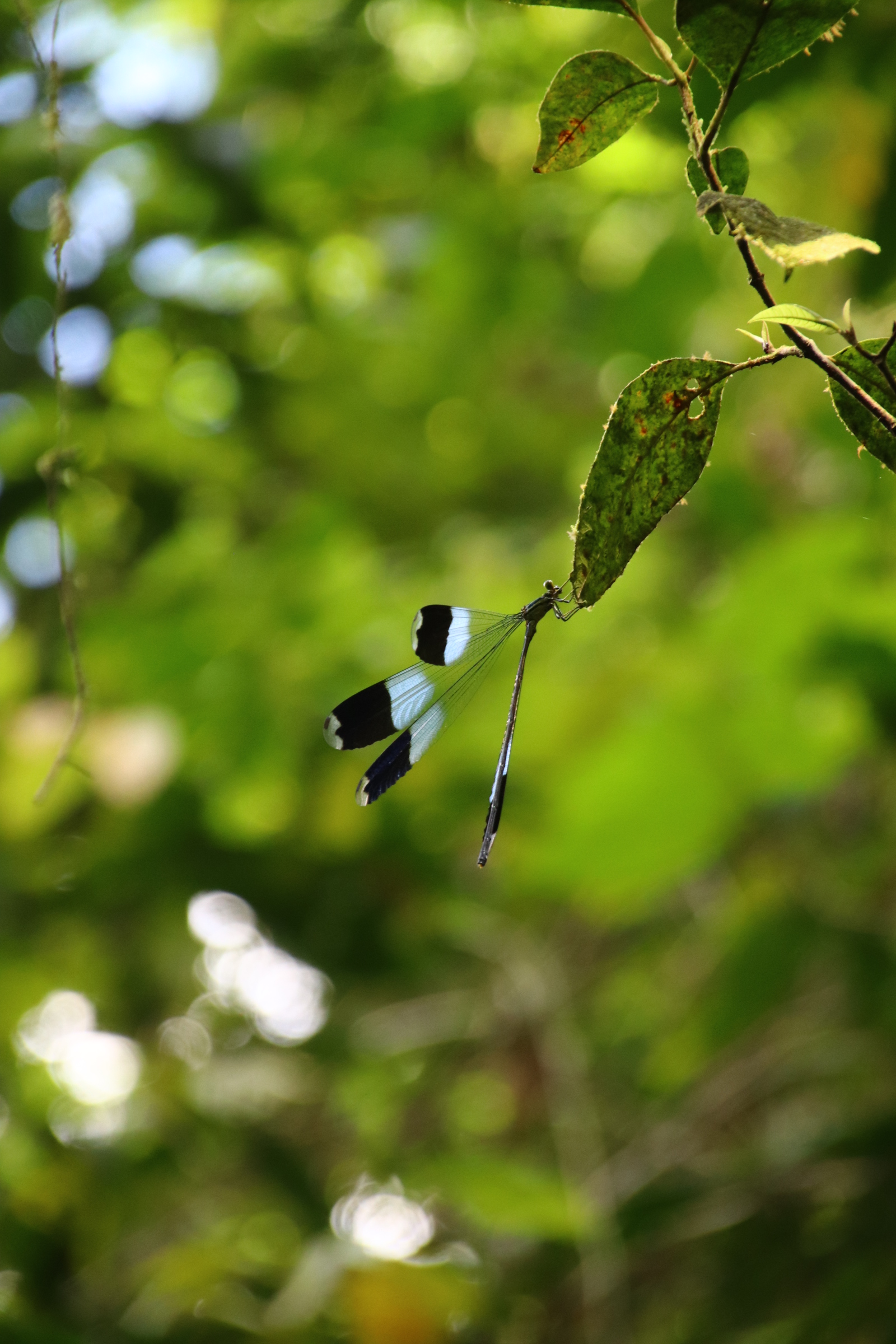
The other highlight of this part of the trip was La Selva research centre and biological reserve. It’s a working field station and our guide, Joel, had spent over a decade there researching plants and insects. The reserve is owned and operated by the Organization for Tropical Studies, a consortium of universities and research institutions from the US, Costa Rica, and Puerto Rico, and is recognised internationally as one of the most productive field stations in the world for tropical forest research. Our short trek, which barely scratched the surface of the 1,500+ hectare reserve, took in primary and secondary forest, as we crossed suspension bridges observing some of the 1,000+ plants and 250 trees in the area. In less than three hours, we ticked off the great tinamou (one of the most primitive birds on the planet), a helicopter damselfly, a two-toed sloth, three very beautiful keel-billed (aka rainbow beaked) toucans, a Central American whiptail lizard, several black river turtles, a red-webbed tree frog, two pale-billed woodpeckers (the Woody Woodpecker variety), and a milk frog (which the guide got particularly excited about).

Leaving Sarapiqui behind on Day 7, we next visited Arenal volcano in the north-western province of Alajuela, taking a short trek over the lava fields to look out over the 85 square kilometre man-made lake. To put that in perspective, the biggest lake in the English Lake District – Windemere – is a measly 17km long and 1.5km wide. The hydroelectric project is a key part of Costa Rica’s green energy policy and when first created the lake provided 70% of the country’s electricity. The Costa Rican people are understandably very proud of their record when it comes to sustainability, conservation and green energy. And it can be no coincidence that the country has ranked first four years’ running in the Happy Planet Index (HPI).

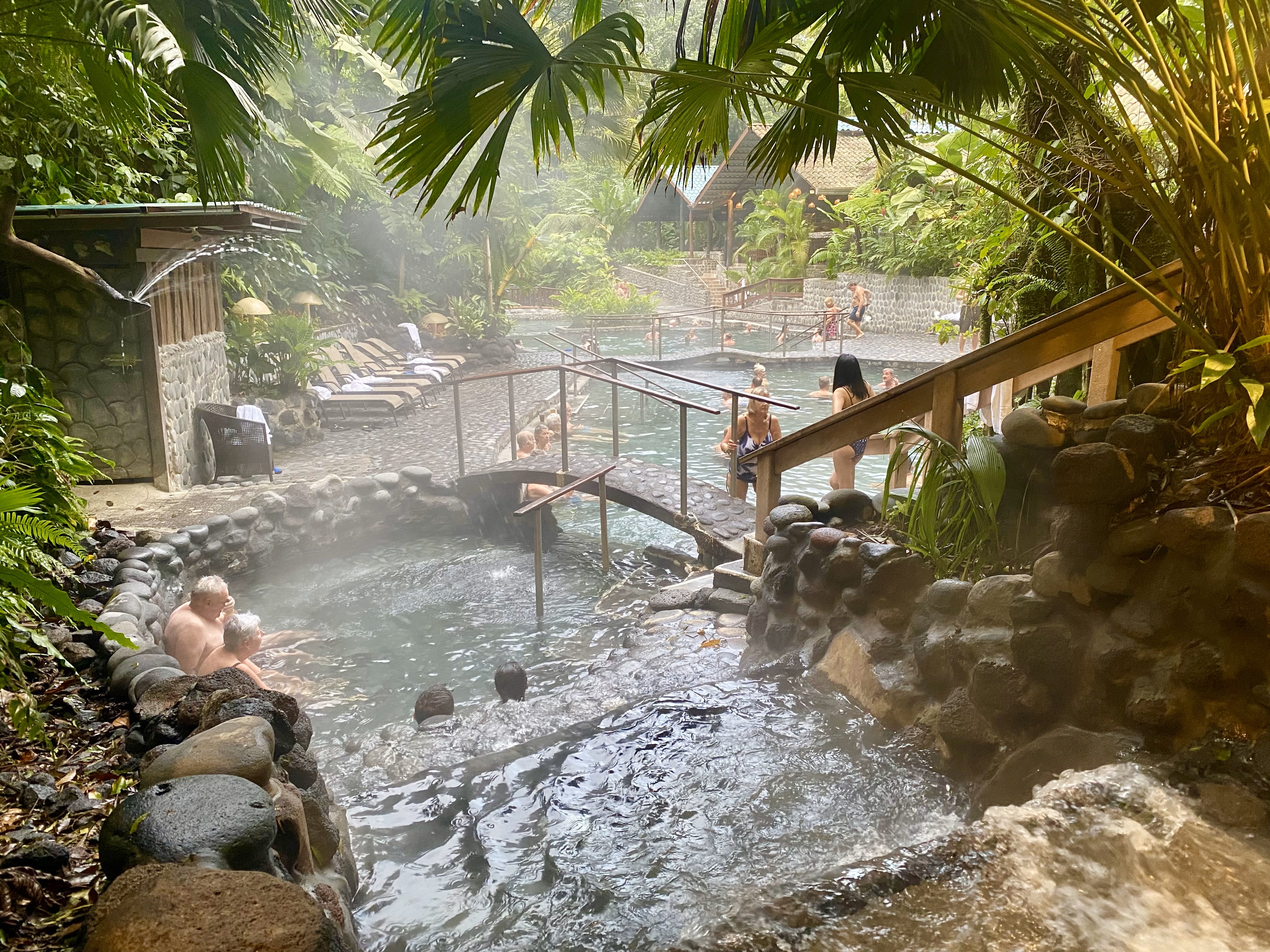
Speaking of happiness, we called into the little town of La Fortuna for some hot wings at a local bar, had a cracking hot chocolate at Cafe Fusión, and bought some rum and plantain chips from the local supermarket, before spending the evening relaxing in the Ecotermales hot springs. We were told that the hyper-thermal magnesia filled waters perfectly and naturally balance quantities of calcium bicarbonates and magnesium, which have analgesic, anti-inflammatory, and muscle relaxing properties. Who knows! But I can tell you I found sitting in the 41°C pools, cocktail in hand, with waterfalls gently massaging my back to be very medicinal indeed.

We crossed the lake by boat the next day, in order to reach the rural hills and valleys of Cabaceras. After a three hour drive, passing homely farmsteads and over serene sun-baked fields, cutting through fords and witnessing the birth of a little calf, we arrived for lunch at Rancho Heliconia. The ranch has a blue flag for sustainable practices and specialises in growing coffee. Its owner, doña Roxana, belongs to one of the original Costa Rican families to settle in Cabaceras; she’s a joyful, imposing, enthusiastic woman who makes you feel like you’re visiting family. Her cheese, produced using traditional methods, was delicious, and we were taught to prepare traditional corn tortillas (the basis of the Costa Rican diet since pre-Columbian times) before sitting down to slow-cooked lamb, spicy chicken, the obligatory rice and beans, and plenty of that scrumptious cheese with a seaweed dressing. Whilst visiting, you’re also encouraged to plant a guanabana tree – one of the native species – as part of a local rewilding project.

Driving onwards to Monteverde, before checking into our hotel we stopped at the Curi-Cancha Reserve for another night walk. This time our guide was not as great – whilst clearly knowledgeable, Eric was quiet and taciturn and we didn’t therefore have a great experience. To be fair to him, I think he’d been working since dawn, the weather had become wet and windy, and the group he was leading was larger than he’d have liked. Anyway, it was still great to see a sleeping orange-bellied trogan, two mottled owls, a green toucanette, tarantula, spotted wood thrush, and a sea of dancing fireflies. We’d see Eric again the next morning – his grumpiness having subsided somewhat – but clearly working two jobs does nothing to alleviate his temperament.

I’m going to pause there again and return to cover our time in Monteverde properly in another post. For now: Pura Vida!

Black crested guan

Mottled owl

Helicopter damselfly

Green iguana