Tag Archives: Caribbean

Pura Vida!

In the indigenous Bribri-Cabécar tradition, spirits make a person sick for violating the established norms or because society has lost its balance. Well, I’m not sure what specific conventions I may have inadvertently infringed, but I certainly felt I was being punished when the dreaded second line materialised on my Covid test less than 48 hours after returning from Costa Rica.

In the various tribal traditions of the rainforest, healers used to dress in animal pelts, carrying carved wooden sticks in the shape of the aiding spirits of alligators, snakes, monkeys and birds. The shaman put tobacco (and other, ahem, plant-based substances) into nasal inhalers; and the healing rites were accompanied with musical interludes from ocarinas, maracas and drums. Mujer chamán, or female healers, would cover themselves in elaborate body paint, evoking the skin of jaguars and reptiles, and dance in earmuffs and thongs.

I tried all of this, of course. But in the end it was the Paxlovid anti-virals, couriered over from Guy’s Hospital, that saw me right. At the time of writing, I have had my first decent night’s sleep since our return from Central America, and writing this blog post feels like a minor victory. Sure, there are plenty more useful things I could be doing with my Sunday, now I’m able. Help my husband with the backlog of washing, for instance. Or get on the phone to Virgin Media to argue against their extortionate £11 price hike (is TiVo really worth it?!). But I’ve chosen to indulge my desire to sift and edit holiday photos. Surprise, surprise. Or at least to make a dent in the process!

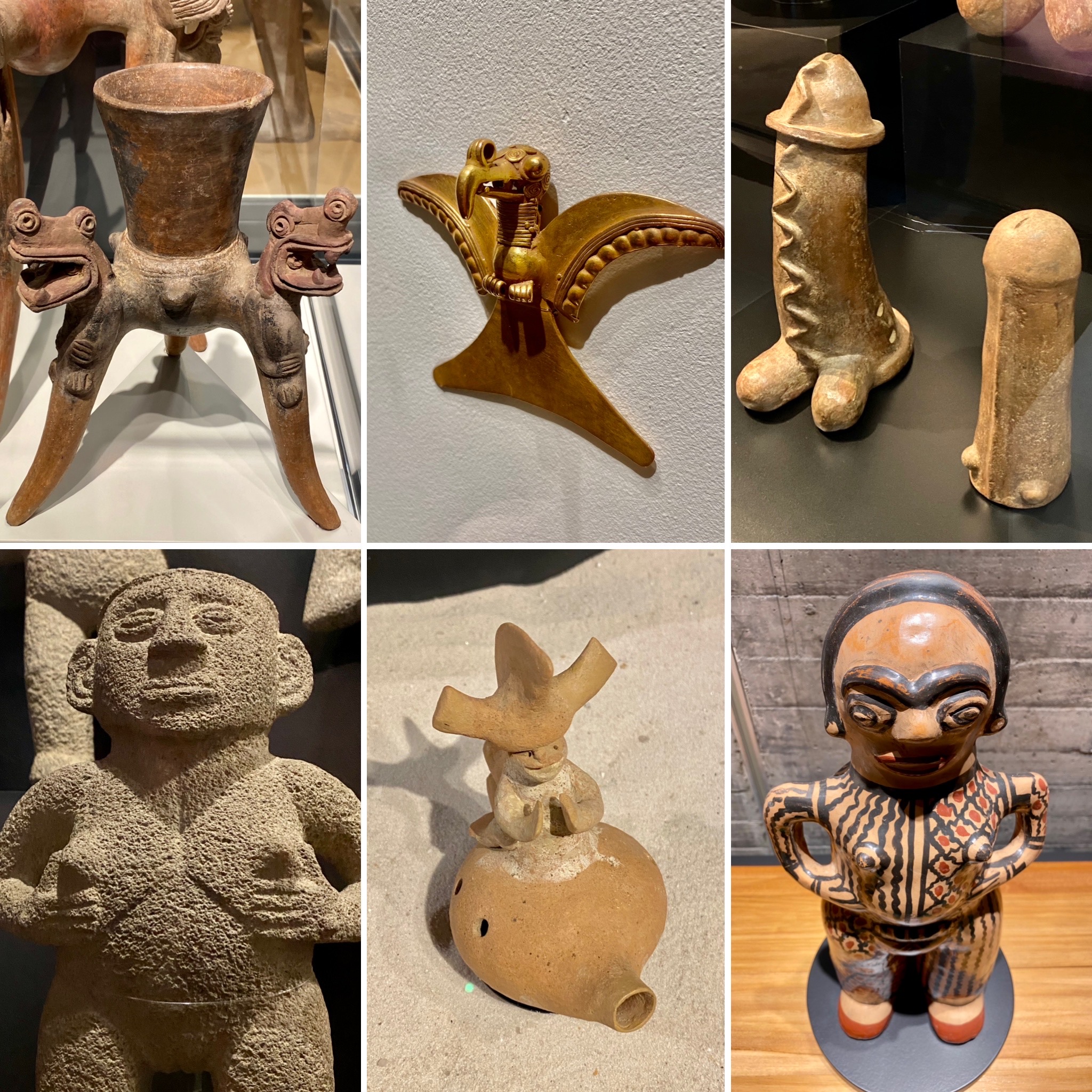
So, where to start? Well, controversially maybe, I’ve decided to start at the beginning. Which was the capital city, San José. But I’m not going to dwell there long, because I’m sorry to say I didn’t like San José all that much. There were some nice parts, and true to form I enjoyed perusing the brightly-coloured murals around the university neighbourhood and old railway. We also really loved both the Pre-Colombian Gold Museum, housed in a brutalist subterranean building next to the diminutive opera house, and the Museo del Jade, which happily happened to have a Salvador Dalí exhibition alongside the world’s largest collection of green mineral. Both collections feature a fascinating and bewildering range of erotic statues, glittering ornaments and cultural artefacts; and you can while away hours in their cool embrace. But, in general, I found the capital uninteresting and a little unloved. Which was a shame.

Before leaving for the Caribbean wetlands, we did however enjoy a noteworthy meal at Jaguar Negro, a predominantly Mexican cantina, where I celebrated my birthday with seared tuna steak, shrimp risotto and cortezas de cerdo (giant pork crackling!), washed down with a tequila and ginger cocktail. Not much to complain at there.
The next morning, though, we were up early to head east to Limón province and start the holiday proper. After a hearty breakfast of gallo pinto (rice & beans, a staple we would come to know intimately throughout our stay), we made our way to La Pavona (an approximate 3 hour journey) to board a motorised passenger boat to Tortuguero. With our luggage safely stored on a different vessel – and with assurances we’d see it at the other end – we sat back and enjoyed the 90 minute ride through scenic mangroves and rivers, watching for wildlife and gently sweating in the 80%+ humidity.

Parque Nacional Tortuguero is one of Costa Rica’s 34 national parks, a staggering number for a country that’s slightly smaller in size than the state of West Virginia (or about the same size as Denmark). It’s a popular area for seeing sea turtles hatching, but you need to visit in the wet season for that; we were there instead to see the abundance of wetland fauna and to experience a genuine “jungle cruise”.

Our home for the next two nights was Laguna Lodge, a basic but charming hotel with sprawling grounds and a great situation – the Caribbean coast easily walkable on one side and an al fresco bar overlooking the titular lagoon on the other. After a short mosey round the local village – where we gaped in awe at a 40ft parade of leaf-cutter ants – and an essential watermelon daiquiri, we felt justified spending the rest of the day relaxing by the pool, as Montezuma oropendolas (a type of weaverbird) and bright yellow kiskadees sang out from the surrounding trees.

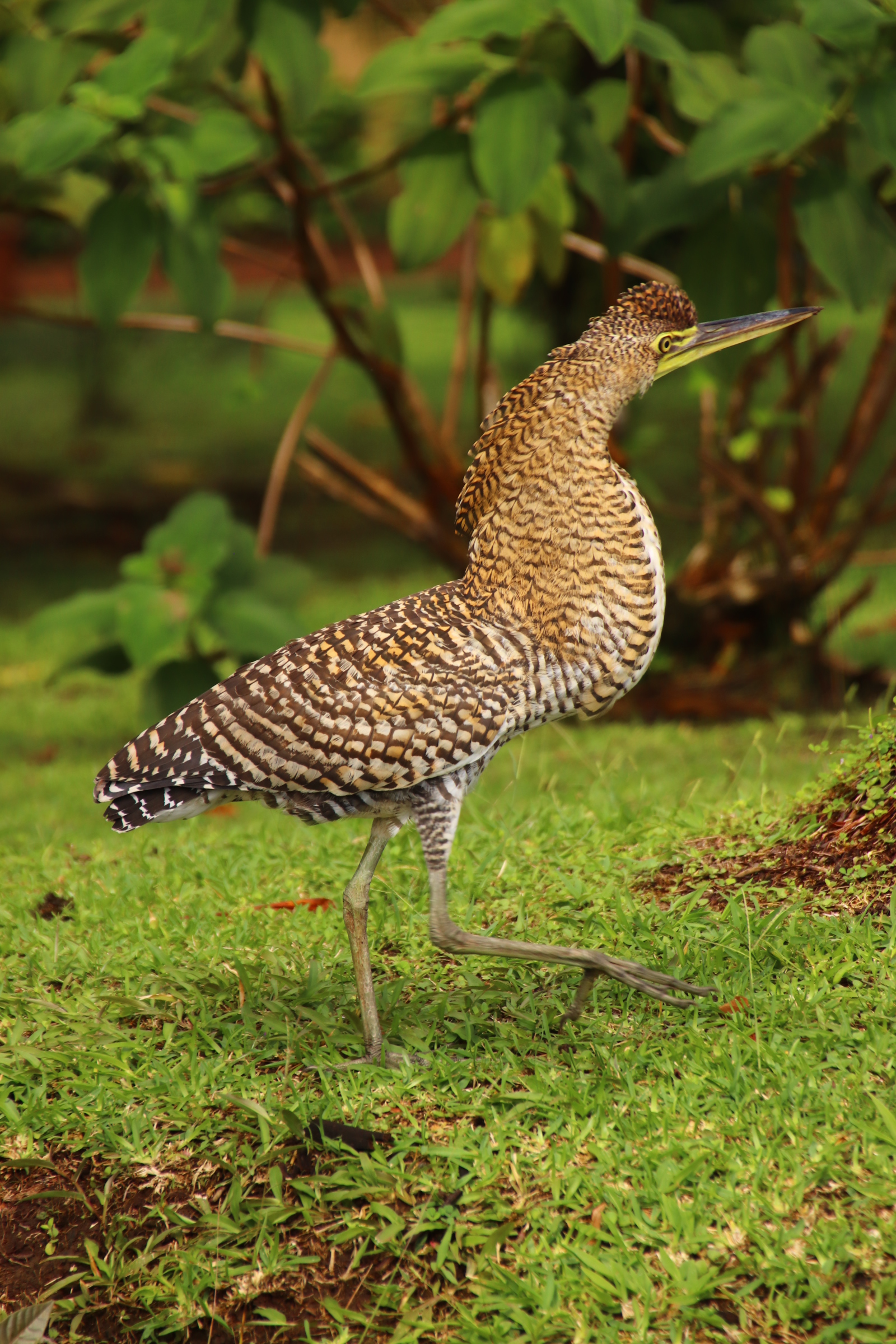
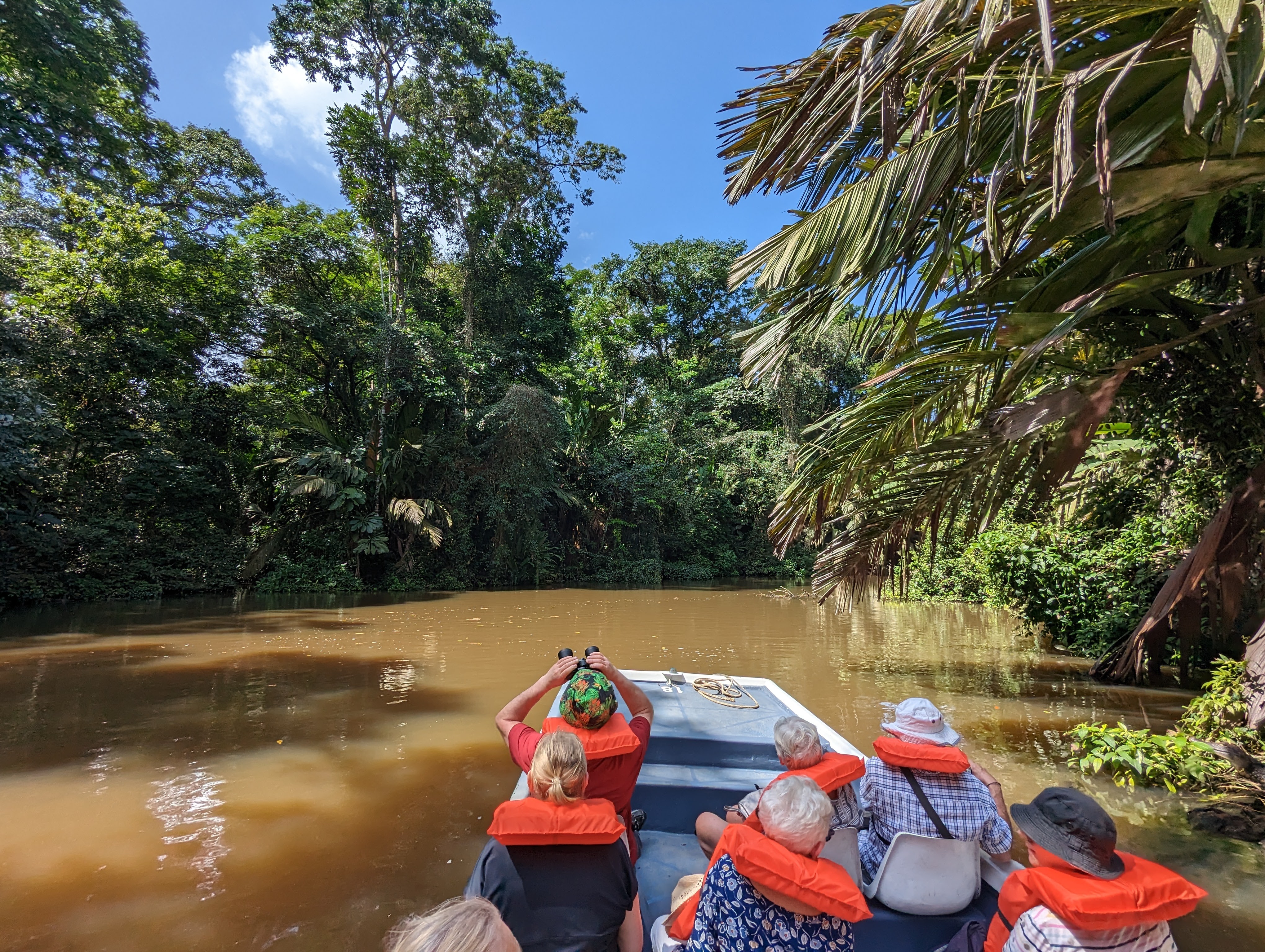
The main event, of course, was the next day’s boat safari along the canals and waterways. Fortified with a salad of papaya, melon and cassava (yum!), we let our guide navigate us through the stunningly lush verdant green river habitats, fringed with palms, wild mango, crabwood, fig and breadnut trees. The protected park comprises 19,000 hectares of rainforest, beach, mangroves and lagoon, with over 300 species of bird, 100 different reptiles, and around 60 species of mammals. We obviously only saw a small part of it, but were surprised at the range and volume of critters to be seen. I’ve pasted some of my favourite snaps of the wildlife below.

Our chaperone, though quiet and somewhat humourless, was clearly incredibly knowledgeable, with an uncanny ability to spot even the tiniest flash of colour, indicating the presence of a lizard, warbler or other rare delight. I loved every second of the trip, gleefully taking in the reserve’s wonders, learning about conservation efforts, and snapping away with my camera. It was disappointing to head back to the hotel’s private dock three hours later, but I consoled myself by immediately getting out my dorky ornithology guide and contentedly ticking things off whilst munching an empanada and sipping ‘toad water’ (agua de sapo, a sludgy but delicious mix of sugar cane, limes and ginger).

After another swim, we got out our binoculars to explore the grounds of the hotel, including a ‘tamed’ area of rainforest in which we almost got lost in what looked suspiciously like a raptor cage from Isla Nublar. Amazonian kingfishers, yellow-throated heroes, and grey cowled wood rails were added to the tally. Later that evening, we were also lucky enough to spot some red-eyed leaf frogs in moist vegetation near our chalet. See my upcoming dedicated frog post for photos!

I’m going to stop there for now, and pick up the story another time. Leaving you with the image of us bouncing away on a boat taxi the next morning, the sun beating down mercilessly on Paul’s encroaching bald patch, joyfully spotting caimans, vultures and iguanas along the marshy banks.
Pinnated bittern

Howler monkey
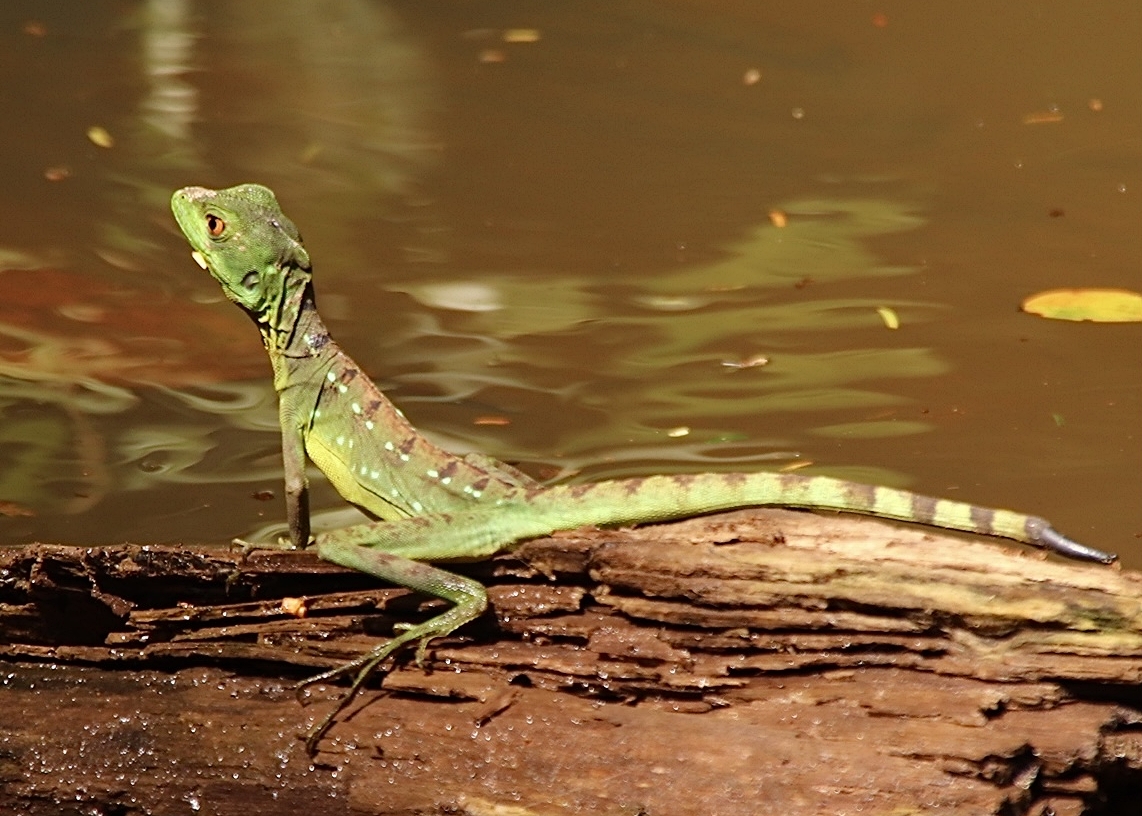
Jesus Christ Basilisk

Little blue heron
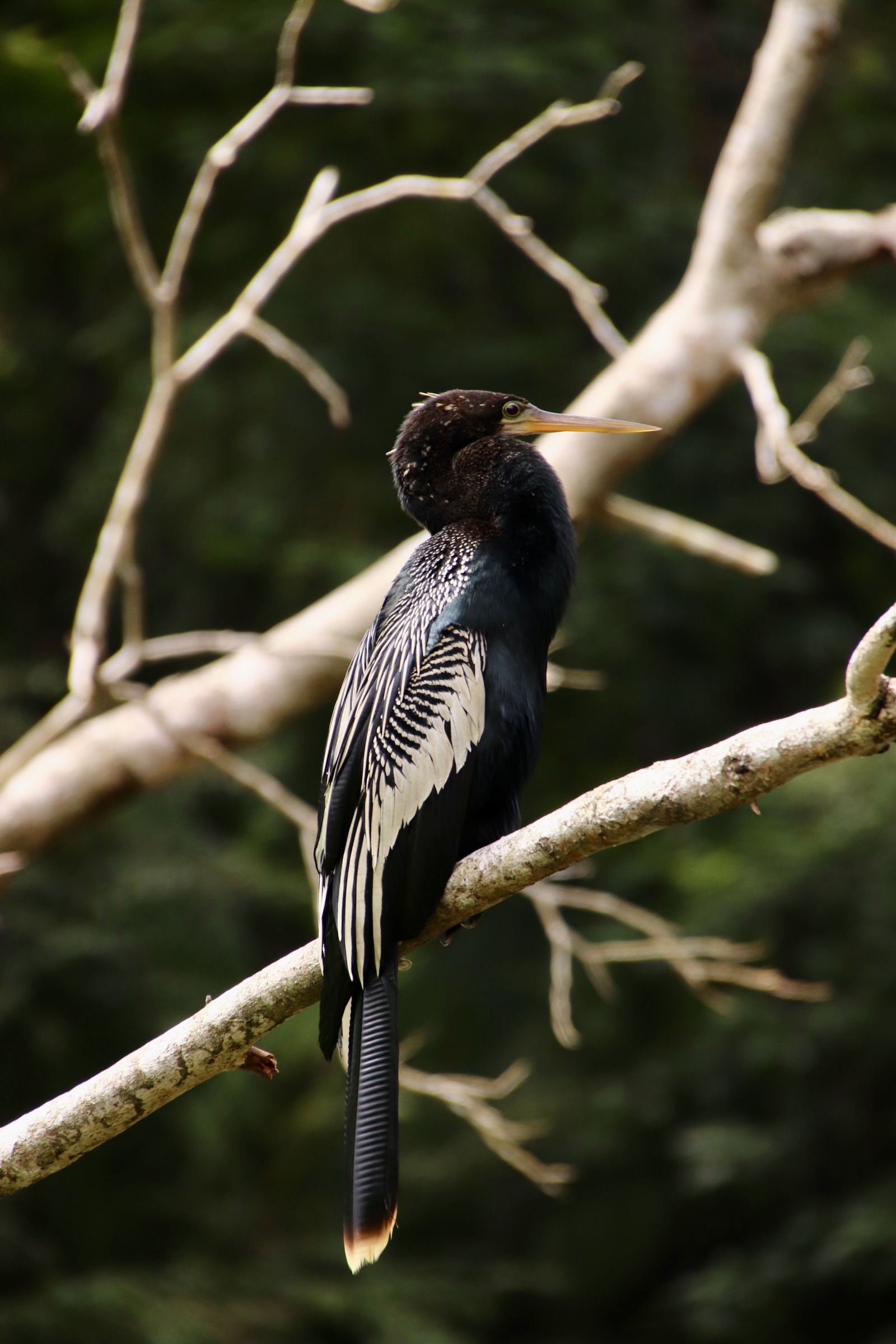
Neotropical cormorant

Caiman

Anhinga

Plumed basilisk
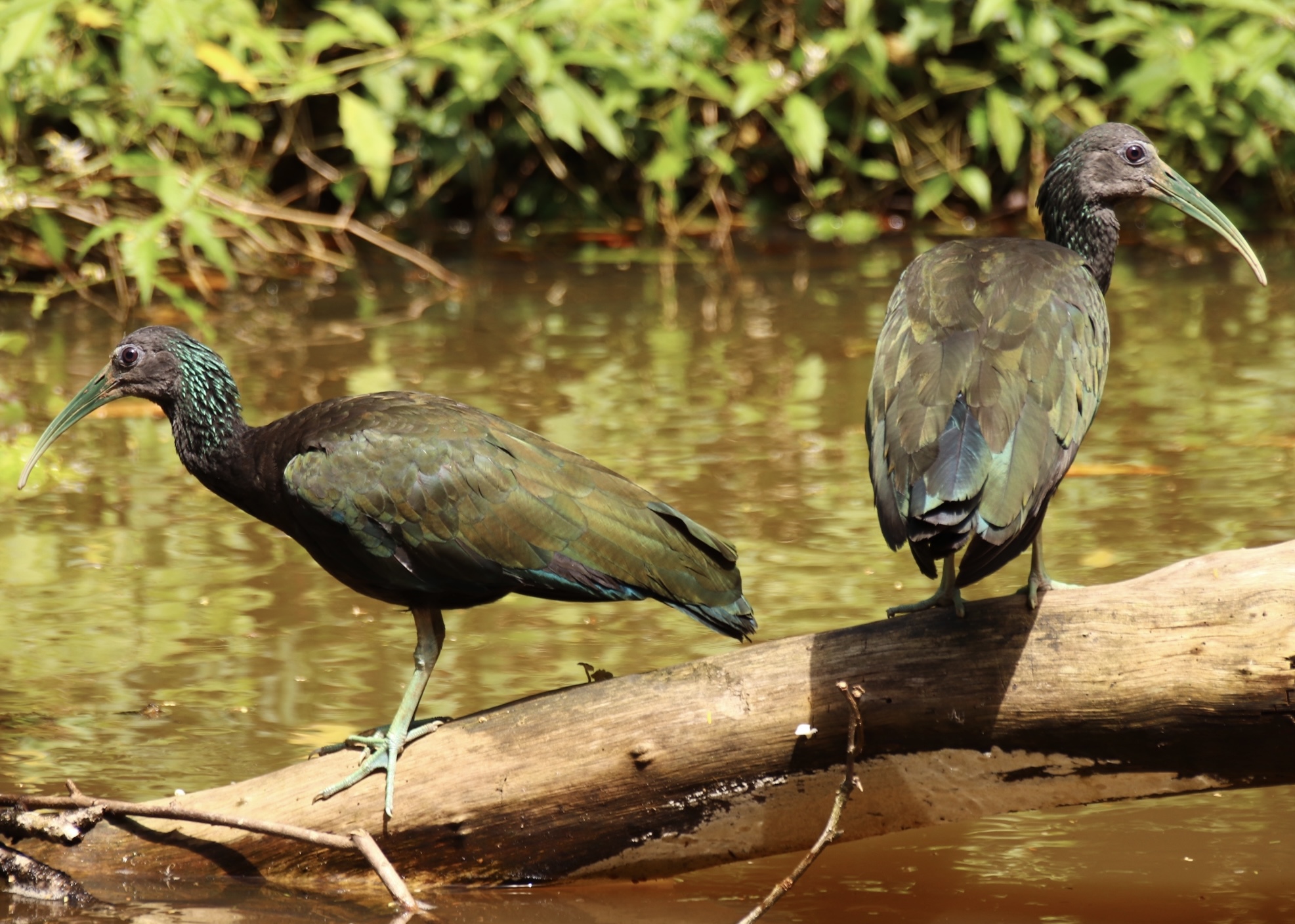
Green ibis (credit: Paul Adnitt)
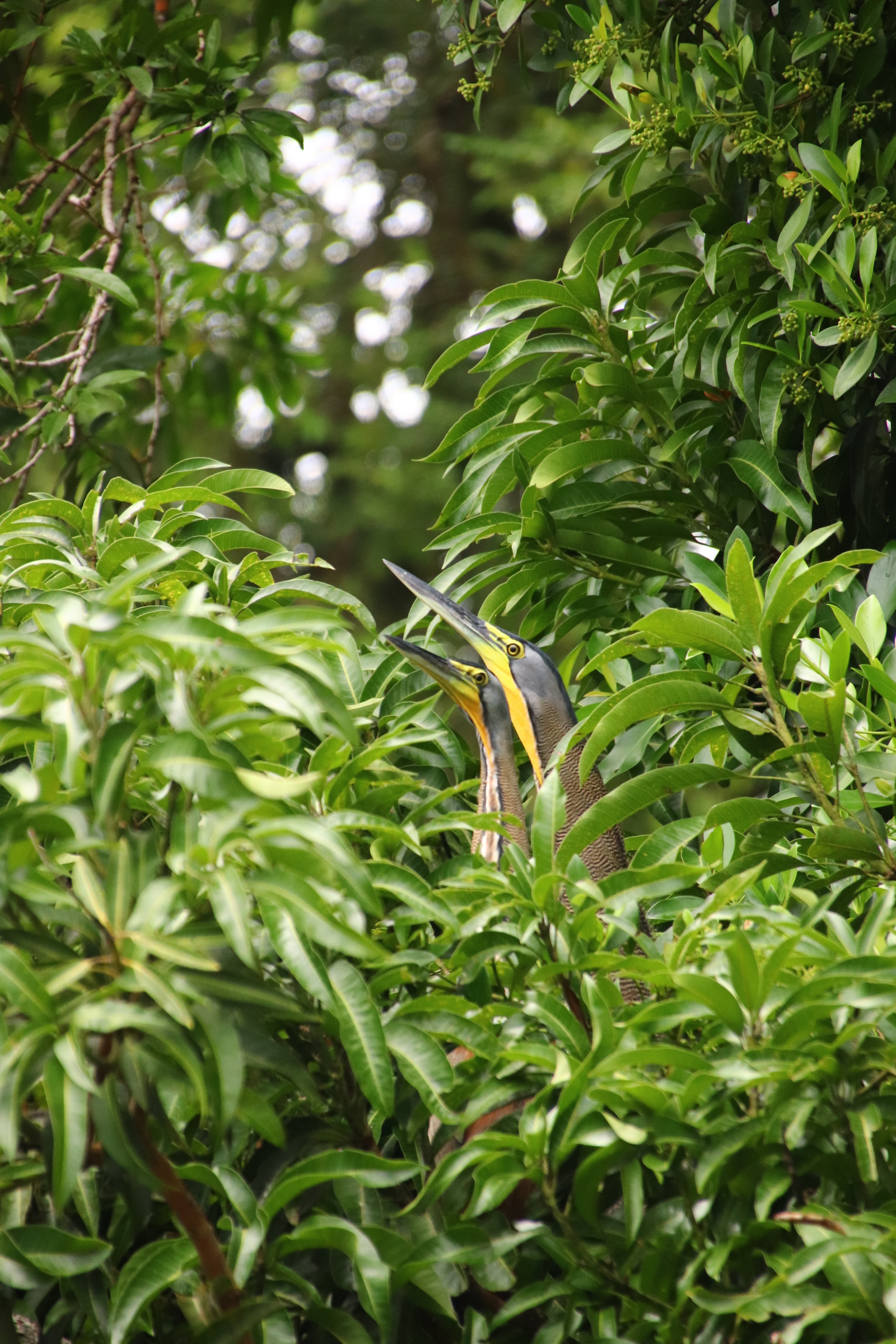
Bare-throated tiger herons
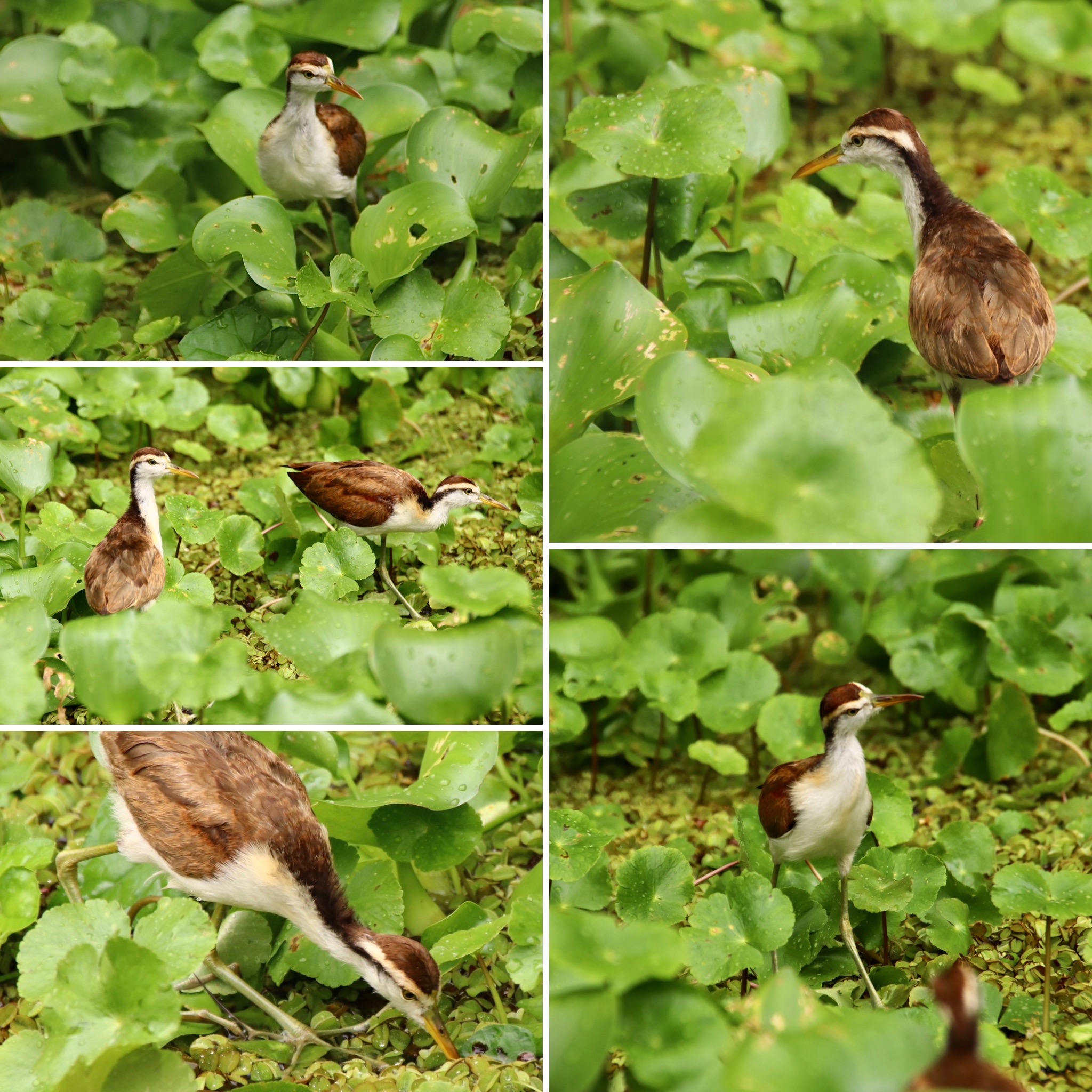
Northern jacana chicks

Montezuma oropendola
Tobacco, Trova and Ché

Havana was the subject of my very first entry on this blog and I said I’d return to Cuba in future posts. Never say I don’t keep to my word. Let’s pick up the story…

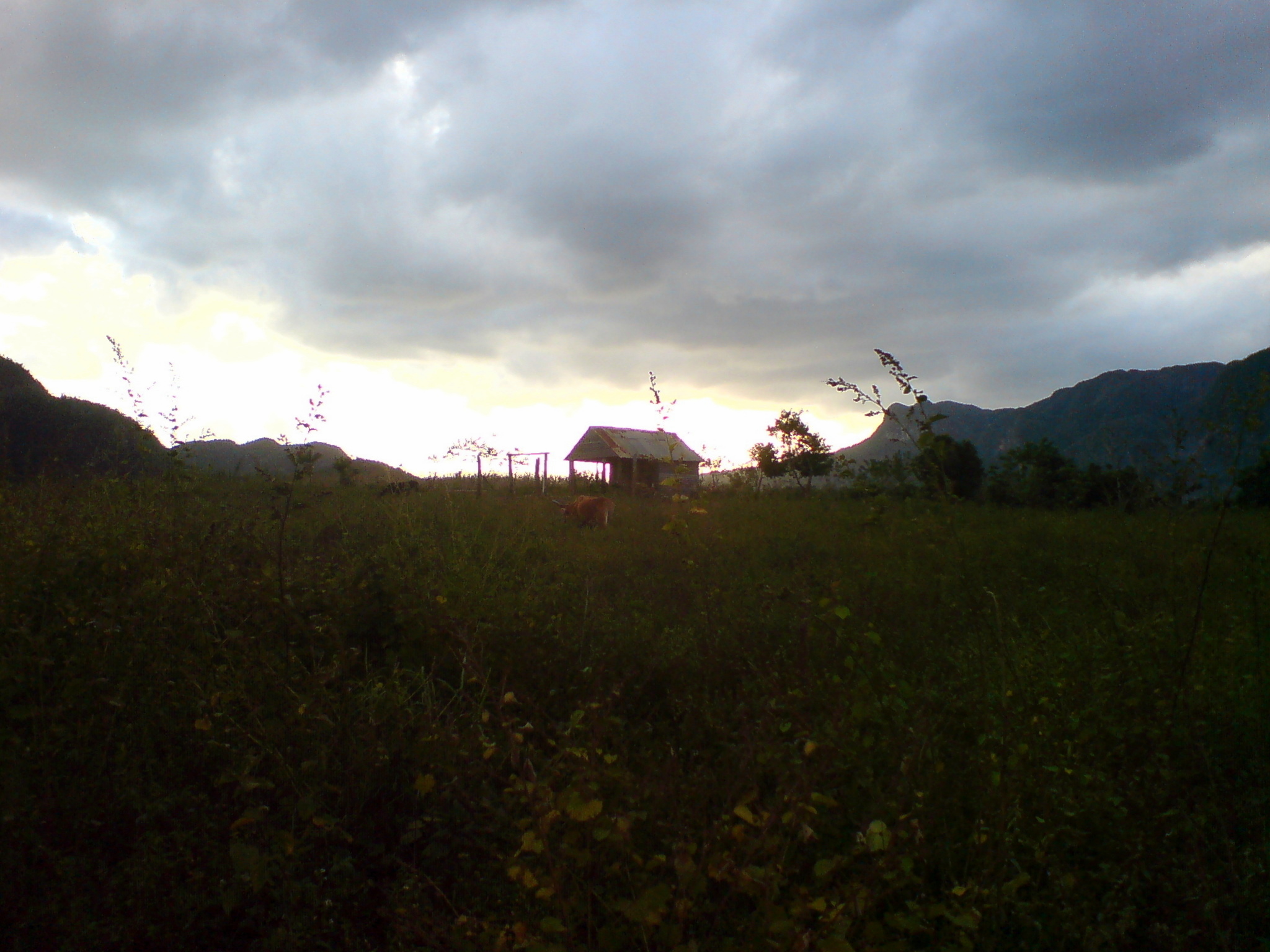
After spending an amazing week in the capital, we joined a tour group called Cuban Adventures for a trip around the north and centre of the island. Our first stop was Viñales in the Pinar del Rio countryside, three hours north of Havana. I think I mentioned previously that – while not always too forthcoming with interesting facts and information – our guide, Jorge, did keep us in plentiful supply of cheap rum. Our first night in Viñales was spent unwisely in the village’s only bar/club, drinking copious quantities of said rum, dancing to trova music with the locals and eating whole tubs of ice-cream. Rather worse-for-wear (I believe he described it as his worst ever hangover), Paul spent the next morning cradling his head on the porch of our wooden homestay, trying to avoid the help of our confused hosts and fending off repeated offers of rice and beans. I, on the other hand, felt inexplicably perky and joined the rest of our eager party on a horse-ride trip through the tobacco plantations and valleys of the Parque Nacional Viñales.

Panorama

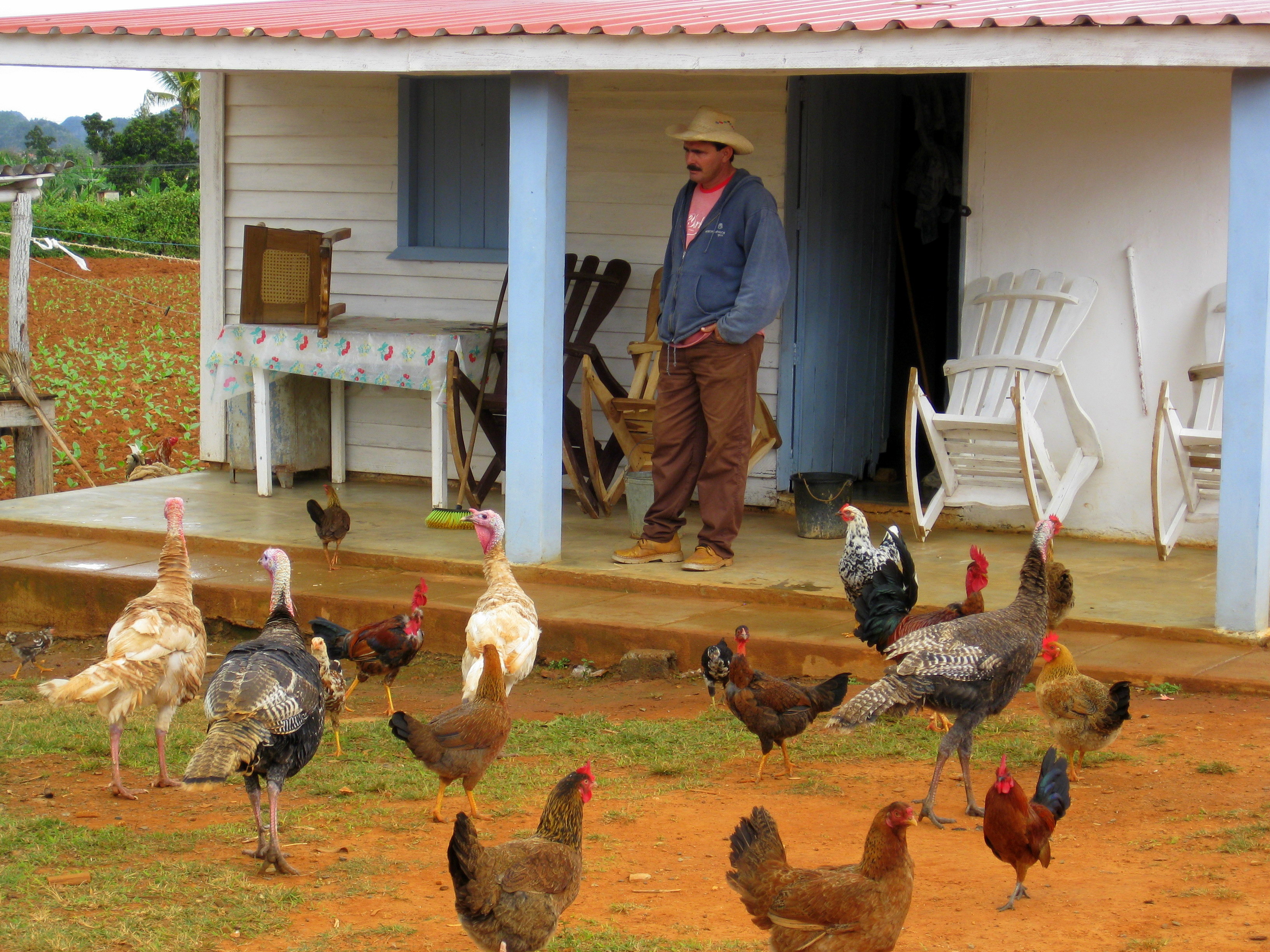
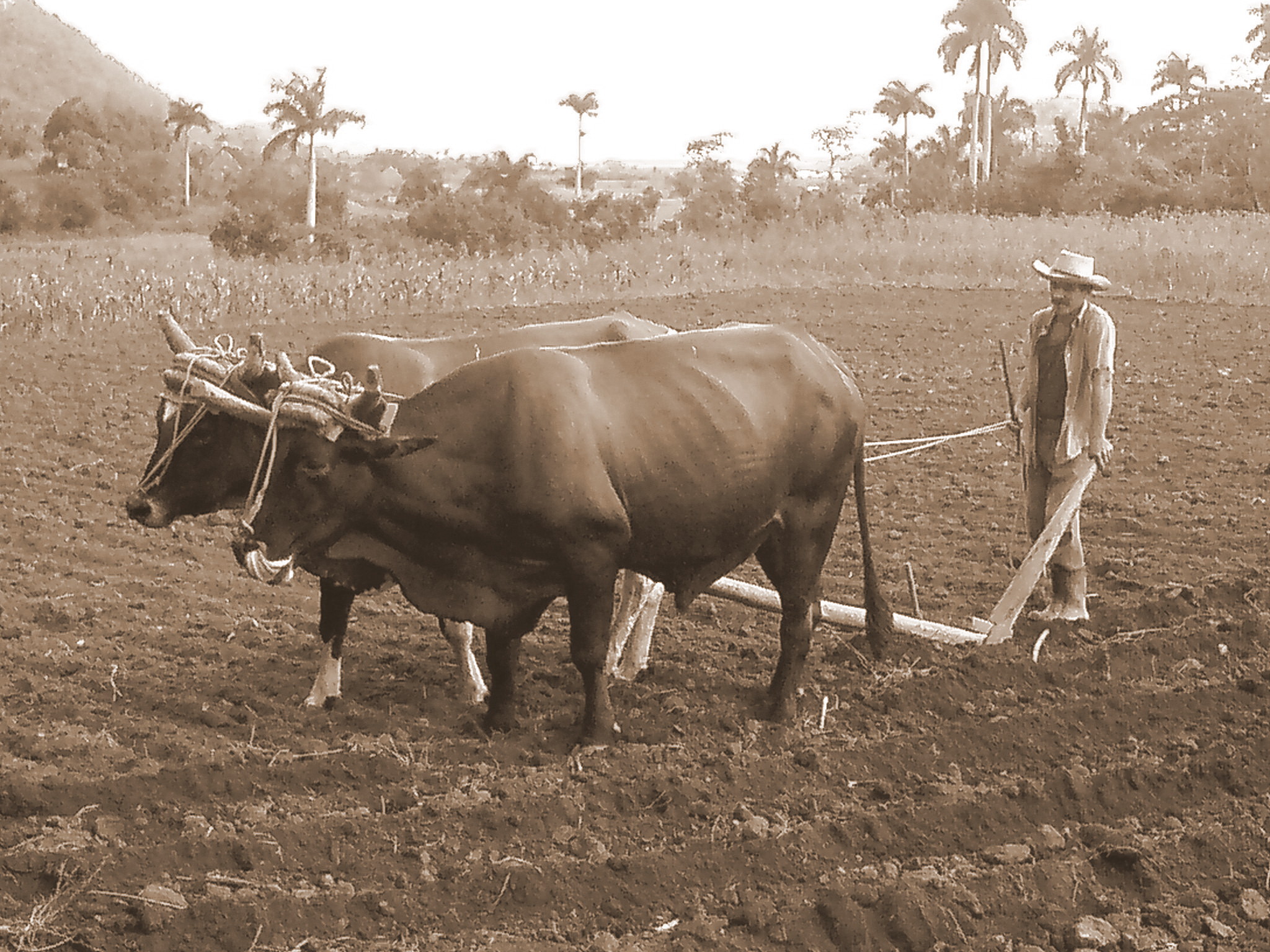
It was such a shame not to experience the stunning scenery with Paul, but my trusty steed kept me company. We cantered through muddy holes, waded through rivers and passed quietly by farmers tilling their fields with oxen, before stopping at a small holding to discuss tobacco growing with the locals. Cuba has the second largest area planted with tobacco in the world, yet the farmers have to give a substantial portion of their profit direct to the government. In fact, it was only relatively recently that they became able to keep any percentage for themselves. And despite being famous across the globe, the two main varieties grown – corojo and criollo – are banned as contraband in the USA. We stopped on the farm long enough to learn how to roll a cigar and get chased by turkeys, then rode on to the Cuevas del Indio (Indian caves) at the foot of the mogotes (the “haystack” like mountains).

Vinales (64)

Vinales (79)

Vinales (106)

Vinales (116)

Vinales (123)

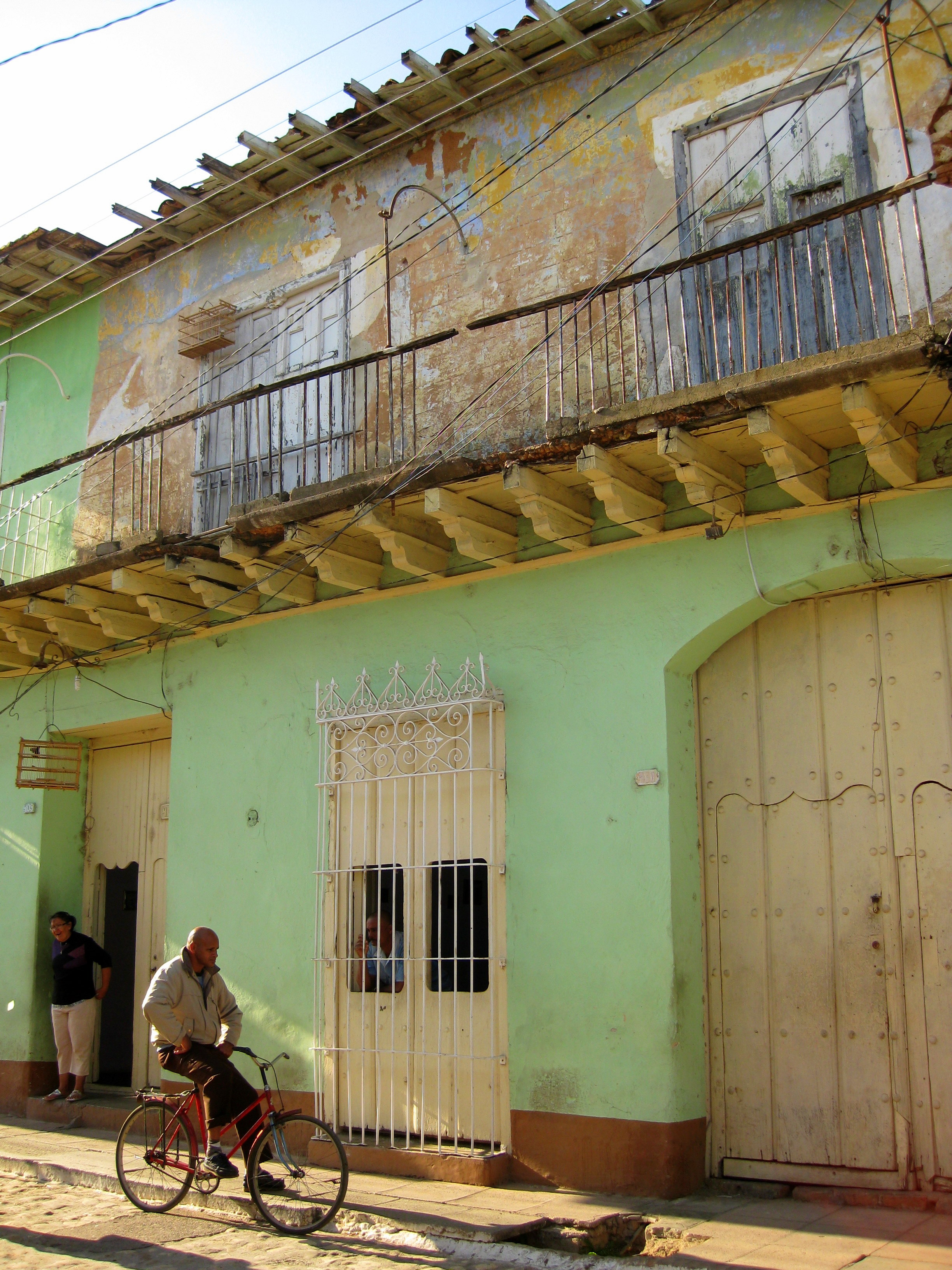
Next on the itinerary was the Bay of Pigs, the famous landing site of the CIA-sponsored counter-revolutionary militia in 1961. A short-lived offensive, which was quickly quashed by Castro’s troops. We had a quick look around the museum, which offered an arguably far from balanced account of the conflict and ongoing US embargo, then proceeded to Cienfuegos. This small city was settled by French immigrants from Louisiana and saw an uprising against Batista during the Cuban Revolution. It has elegant white architecture and enjoys the distinctive feel of the American Deep South (which I can say now, though I hadn’t been at the time). While there, however, we stayed in the least inviting of all our casas particulares, in an area of town with no street-lighting. So I was quite pleased to move on, particularly given our next stop was the vibrant town of Trinidad in Sancti Spíritus. The UNESCO World Heritage site is a delightful place of colourful barrios, friendly people, loud trova bars, stunning colonial architecture and beautiful sun-drenched beaches. I loved it! Our time there felt far too brief; I could have happily spent many more days navigating the cobbled streets, hanging out around the main plaza or sitting listening to street music on the steps near the gorgeous Iglesia y Convento de San Francisco. But I can’t complain: we stayed in a fabulous casa during our stay and ate a feast on the roof terrace in honour of someone’s birthday.

Trinidad 2010 (14)

Trinidad 2010 (47)

Trinidad 2010 (51)

Trinidad 2010 (57) Trinidad 2010 (66)On the way back to Havana we stopped briefly in the town of Santa Clara, site of the last battle of the revolution. There’s a huge statue of Ché Guevara, the instantly recognisable poster-boy of Fidel’s movement, commemorating his death and that of the revolutionaries who died along with him in Bolivia. There’s also a museum dedicated to his life, though – again – it’s somewhat light on balanced fact. And the shops are relatively pricey, charging as they do in the convertible peso (CUC) – reserved for use in the tourist sector – rather than the lower-value CUP used by Cubans. I read recently that Raul Castro is ending this two-tier system, a move that I’m sure is well overdue and will please the resentful owners of our various homestays.

It was good to end the trip with a bit of a history lesson…and a stern telling off for the worst evils of capitalism. I must admit, though, that when we finally boarded the plane home, having enjoyed an extra couple of nights in Havana at Richard Branson’s expense (thanks to the eruption of Eyjafjallajökull), I felt both simultaneously sad at the thought that this amazing country is destined to change so quickly…and somewhat comforted by the same thought.

Habana Vieja

Image

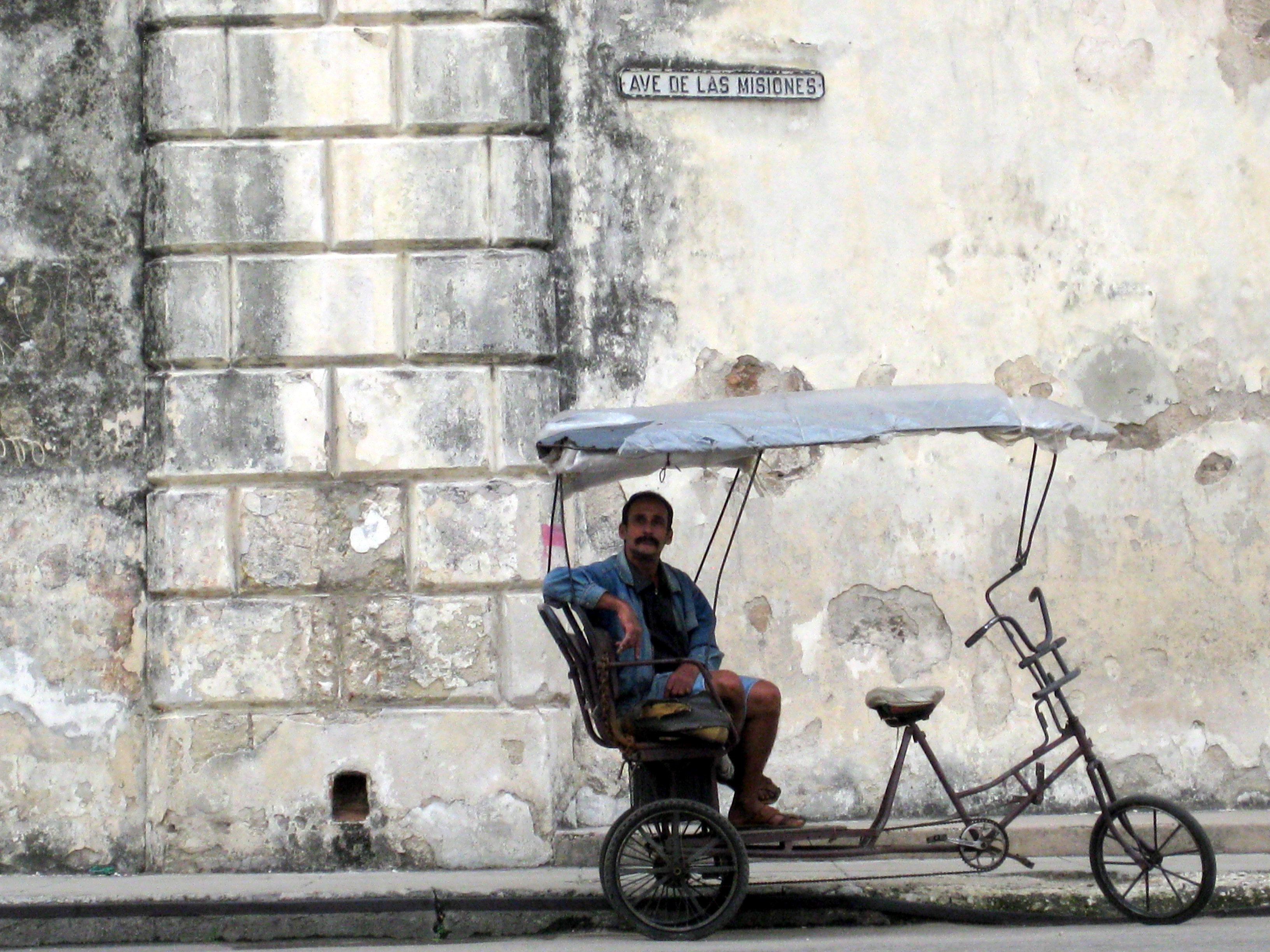
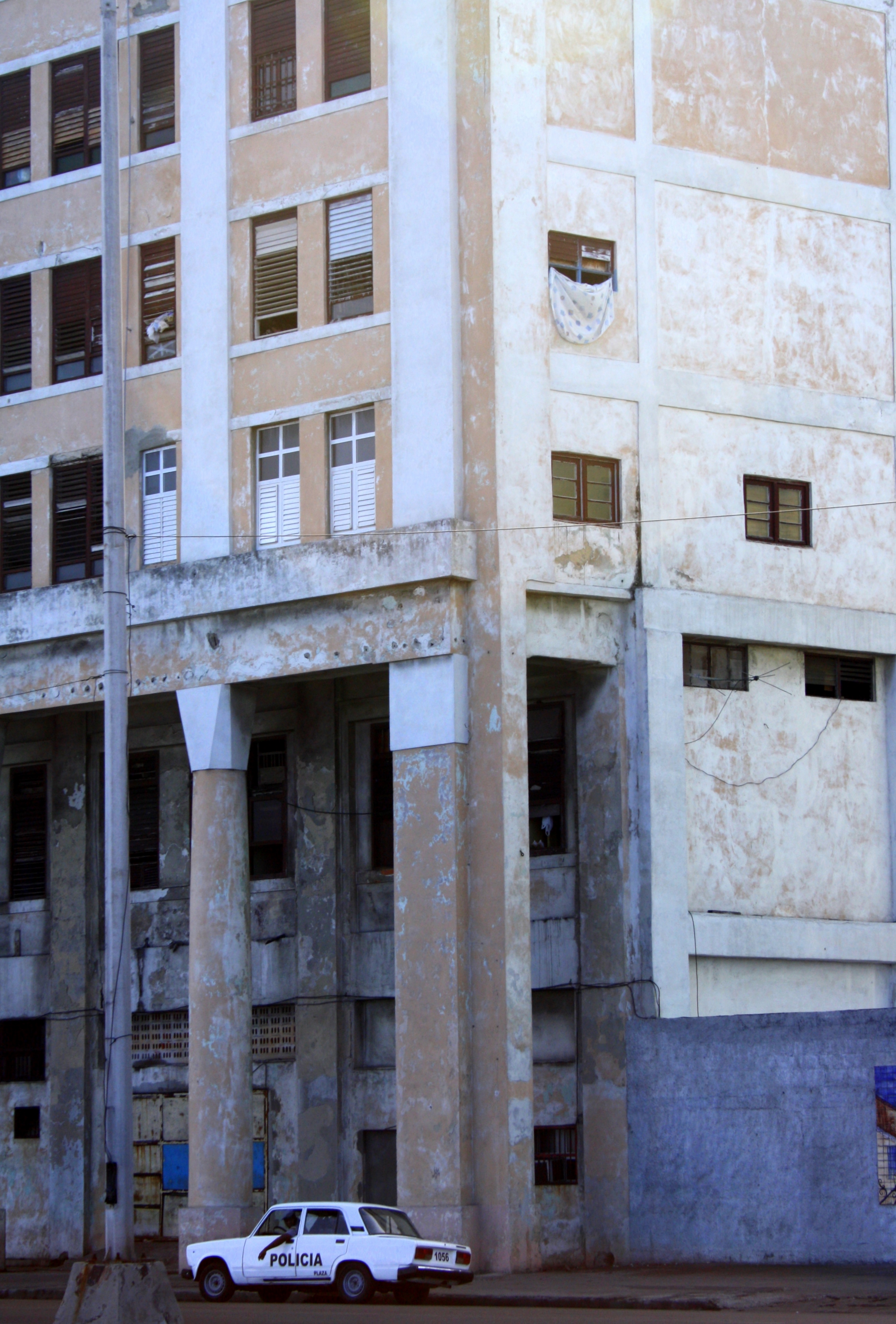
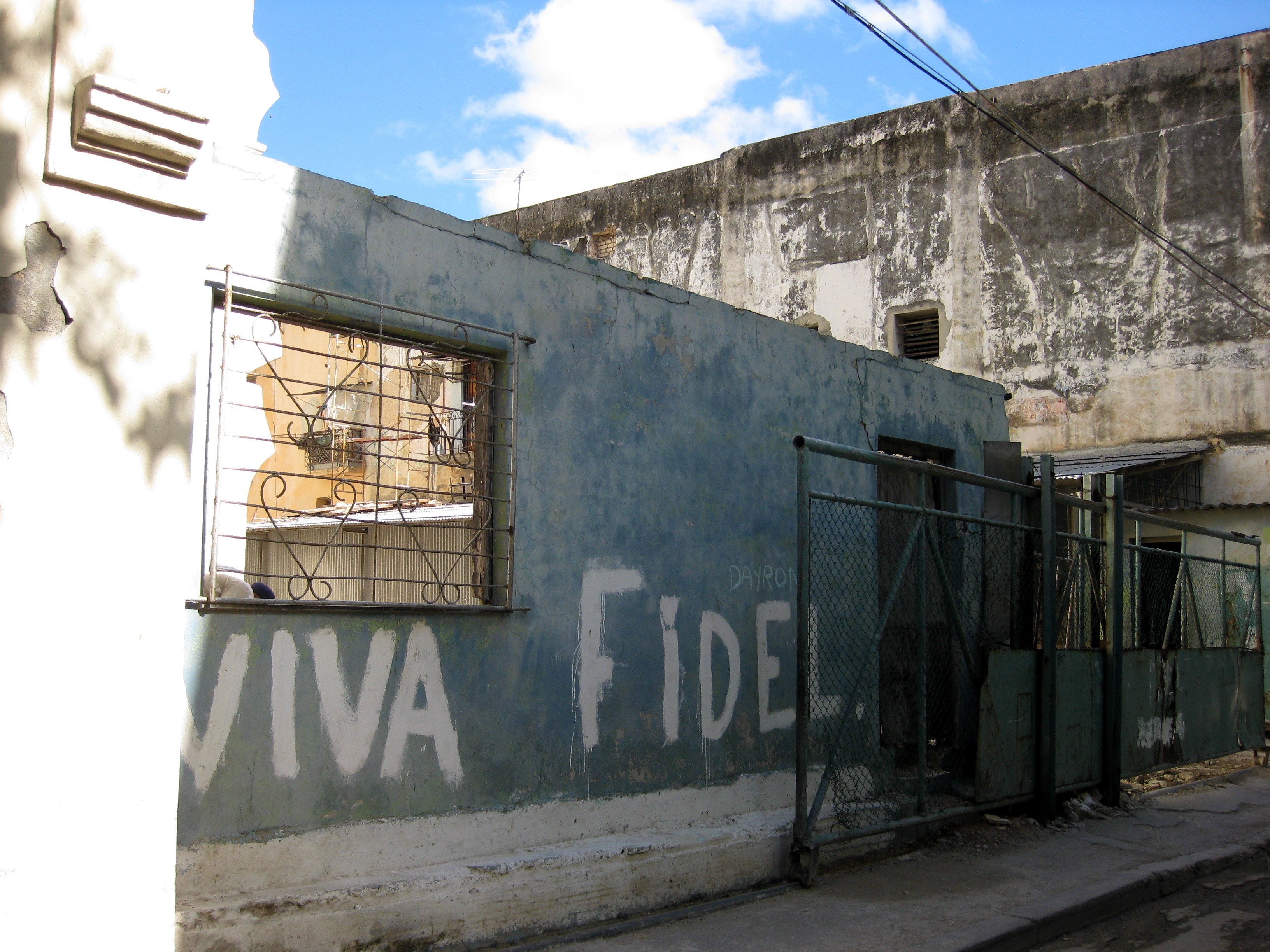
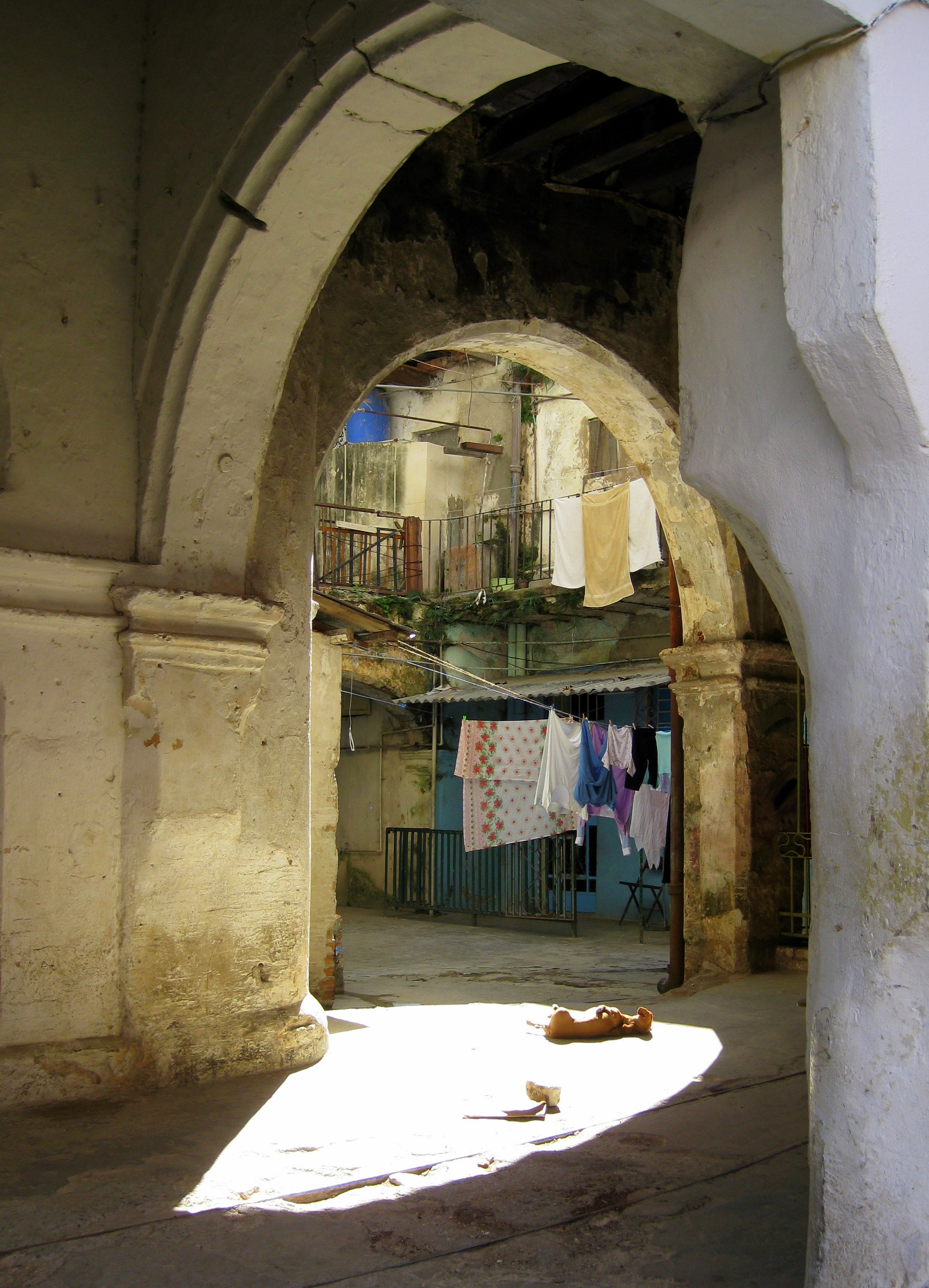
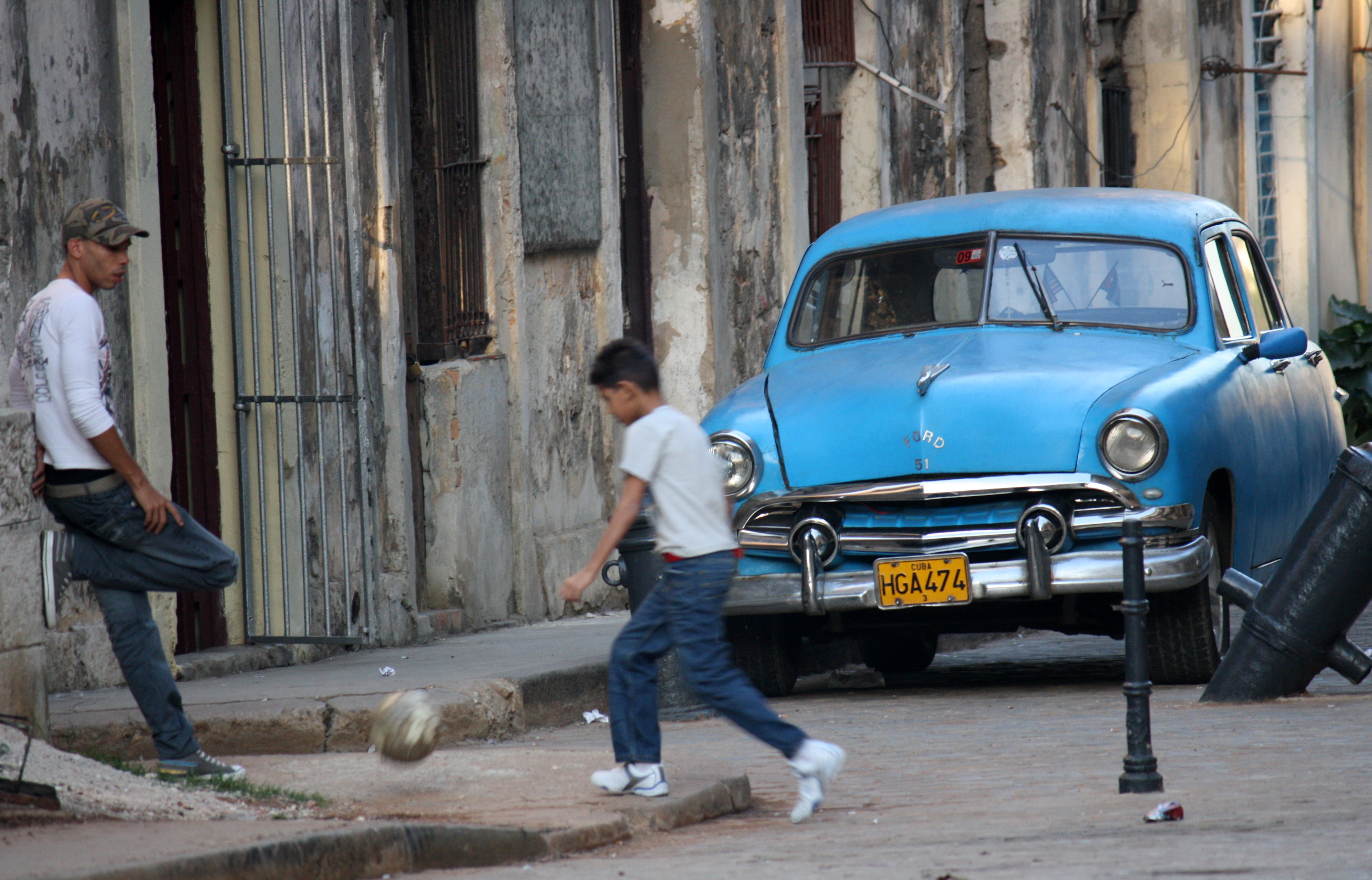
I thought I’d start my blog as I mean to carry on, focusing predominantly on photographs. These are a selection of my favourite pictures from a trip to Havana in the winter of 2009/10. Habana Vieja – the Old Town – is stunningly beautiful and yet at the same time battered and bruised in a way I’ve not experienced in any other city. The streets are alive with colour and Cuban jazz, the bars welcome you with free-flowing rum, and the people are friendly and eager to talk about the future of the country they love.

Havava (9)

The faded grandeur, of which so many wax lyrical, is not limited to isolated patches – the city is a film set of peeling walls, classic cars and street art. The paladares, daily parades and private casas, while found elsewhere in the world, felt alien and exciting, particularly to someone for whom this was her first experience of a communist state. In fact, it was a trip of many firsts: my first trip to an embassy to collect a visa; my first time queuing with locals outside a bank to exchange cash currency; my first time staying in a village homestay; and my first experience of reggaetón (though I wouldn’t particularly have missed my education into this musical form, which has since been denounced by the Cuban state).

However, the food – which I have no doubt will become another regular feature of this blog – was sadly not something to write home about. Despite the country’s fertile soil and tropical climate, the socialist policies of the last century have not encouraged farming or the introduction of interesting ingredients to the Cuban culinary scene. Whilst tasty, we quickly tired of the typical meal of black beans, rice and pork. Strangely, though, locals regularly indulged in the velvety-rich and spicy hot chocolate from the cafés near Plaza Vieja, sometimes queuing for half an hour or more for a table. My favourite place was Museo del Chocolate on Calle Mercaderes. And ice-cream parlours are also a permitted luxury, with the largest – Coppelia – claiming to be the biggest in the world and having separate, restricted access for tourists. But if the restaurants are not the place to hang out, the bars certainly are. With salsa, son, jazz, trova or rap to accompany your daiquiri, cuba libre or mojito, you can’t complain.

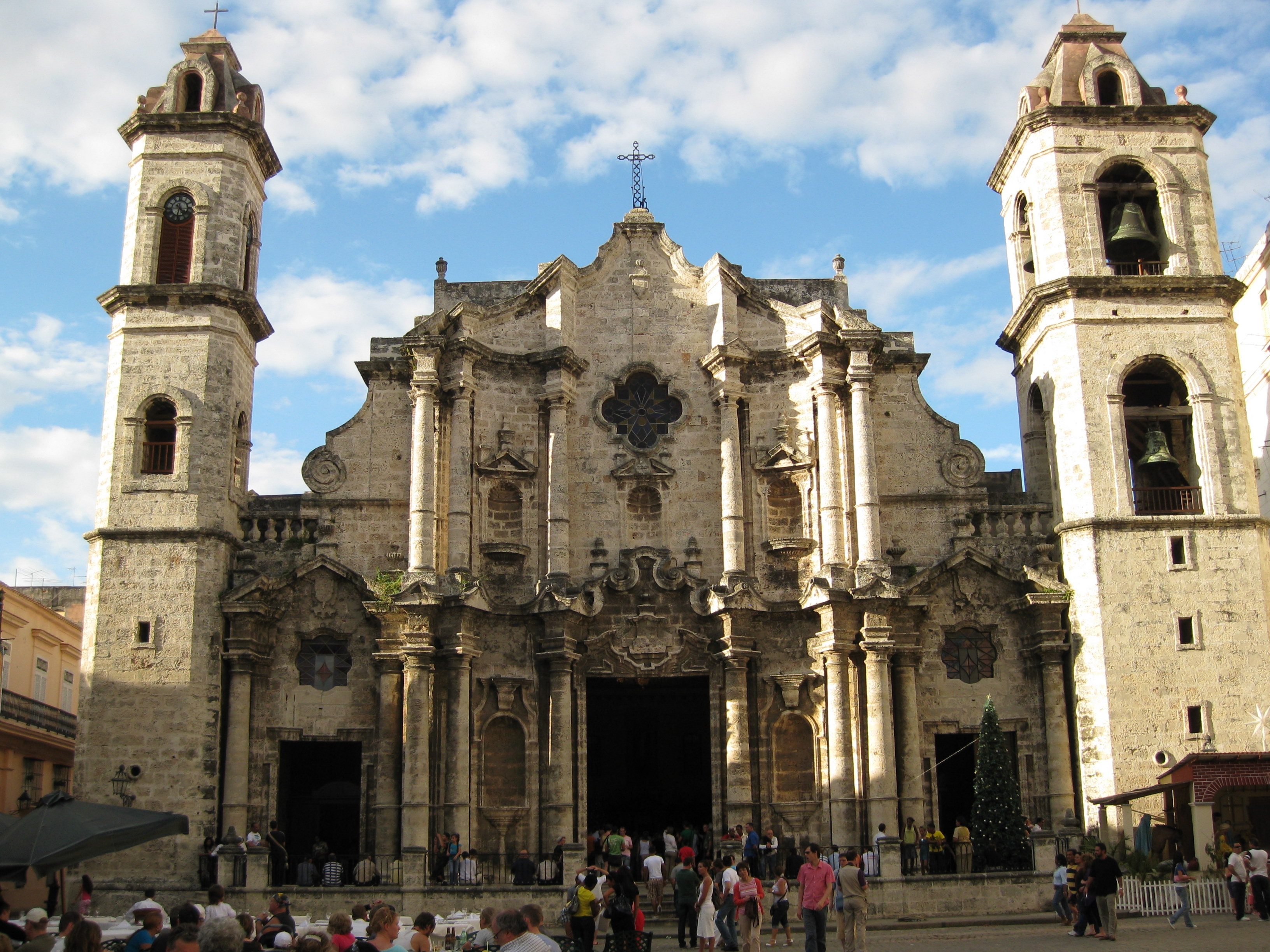
Havava (33)Without turning into TripAdvisor, I’ll end with a few of my recommendations for things to do whilst you’re in Havana, in case helpful at all to anyone thinking of visiting. Obviously, the Plaza de la Catedral is a must (with the beautiful Catedral de la Virgen María de la Concepción Inmaculada de La Habana), as is a walk to the statue of Jose Marti and the Plaza de la Revolution. I’d recommend going up to the Camera Obsura, if only for the views from the tower, and a walk along the seafront promenade is great for people-watching. If there is ballet (a proud cuban tradition) or a concert to see at the Gran Teatro de la Habana, I’d also urge you to go. While the outside of the building is certainly more impressive than the interior, it is a great venue and surprisingly light on tourists. One evening we got tickets to see the flautist Maraca, who was performing with the latin-jazz all stars, and it is probably still the best concert I’ve ever been to. Further afield, we travelled outside of Havana and into the Cuban countryside to Viñales and up the coast to Trinidad, with stop-offs at Cienfuegos and the Che Guevara memorial.

But maybe I’ll do a separate blog on those another time, so I won’t dwell on them here. Just to say, though, that I wouldn’t recommend at present – unless things have changed significantly in the last few years – that you use public transport to get around Cuba. The story of a French tourist getting stuck in Viñales with a choice between a six-day wait for the next bus or a $100 taxi fare back to Havana was enough to convince me to take a tour. It is also worth ensuring you choose a company whose guides provide a regular supply of rum for $3 a bottle (though this did cause Paul to miss a rather wonderful horse-riding trip through the tobacco plantations and valleys of the Parque Nacional Viñales). We went with Cuban Adventures and I’d definitely recommend them. Right, that’s it for my first post.  Hope it was ok!

Havava (61)Travelling Cuban style

Havava (123)Street games

Havava (73)Speaking to the Heavens

Havava (4)Pink Beauty

Havava (151)Patriotic

Havava (170)Nap-Time

Havava (25)Footie & Cars

Havava (98)Setting Sun