A few more snaps of the people, culture and street life of Japan…



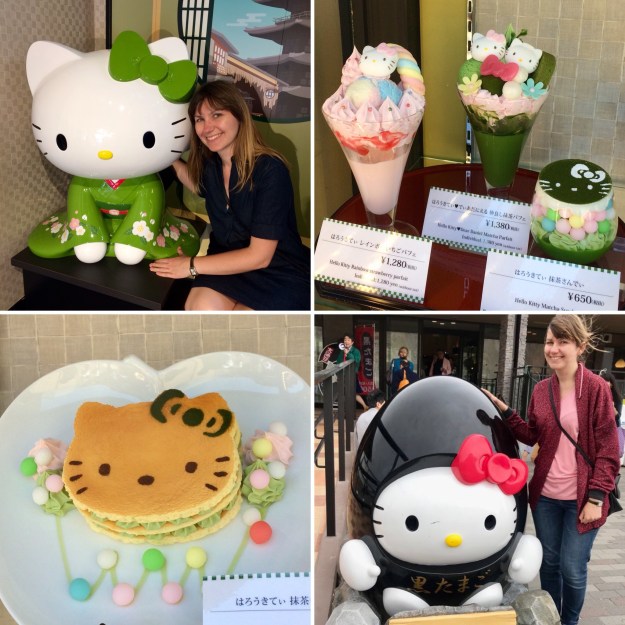




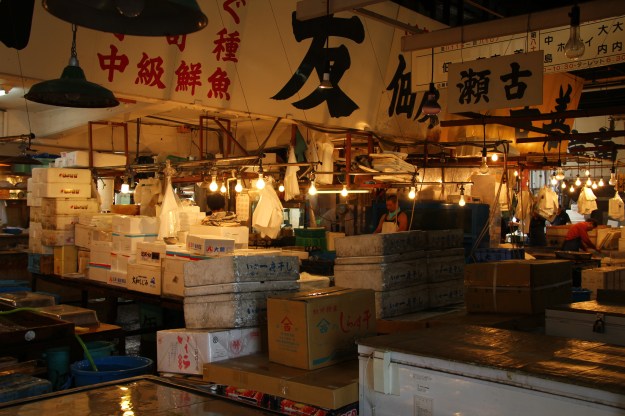

A few more snaps of the people, culture and street life of Japan…
Landing at Haneda airport at 6am is a discombobulating experience. The airport was fairly quiet, neither of us had managed much sleep on the plane, everyone seemed to be wearing surgical face masks (and this was way before the current Covid-19 outbreak), and all the signs were confusing. Luckily, Paul was prepared. Adeptly navigating the building using a site map downloaded back in England, he sourced our pre-ordered portable wi-fi and JR passes with charm and easy. Whilst I groggily bumbled around, trying not to slow him down.
Joining early morning commuters on the monorail to Hamamatsucho, we somehow managed to change onto the Yamanote line and arrive in Shibuya without issue. So far, so good. Having expected to get hideously lost, I have to admit that the hubby’s preparation paid off. With several hours before we could check into our Air BnB, we left our luggage in lockers at the 109 Building (top tip!), posed for photos on the famous scramble crossing and picked up a pastry for breakfast.

Feeling a little more alive, and a lot more amenable to Tokyo, we embarked on our first day of sight-seeing, heading away from the bustle of Shibuya and up to the calm serenity of Meiji Jingū Shrine. It was a really hot day and the route took us alongside and over large expanses of tarmac, but the slog was worth it. The impressive complex is dedicated to the deified spirits of Emperor Meiji and his wife, Empress Shōken, and is a great introduction to the city. Walking under big, stone torii gates and past rows of kazaridaru (sake barrels) – serving as decorative displays honouring the gods – we found ourselves arriving at the shrine just as a wedding procession was passing through.
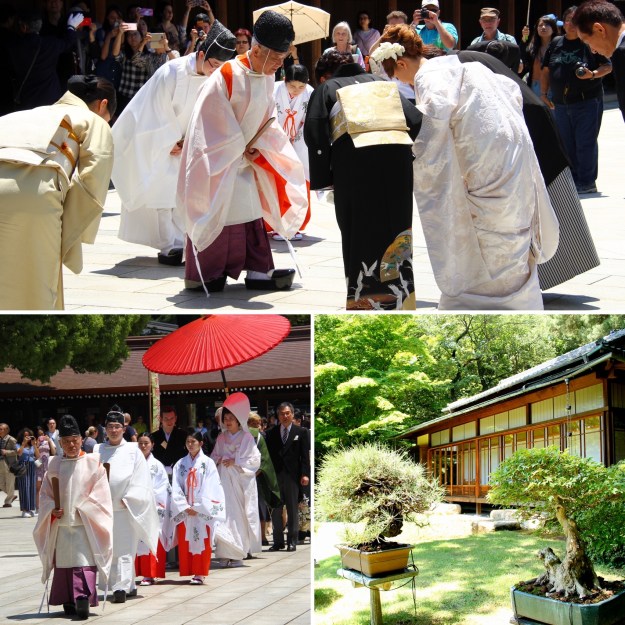
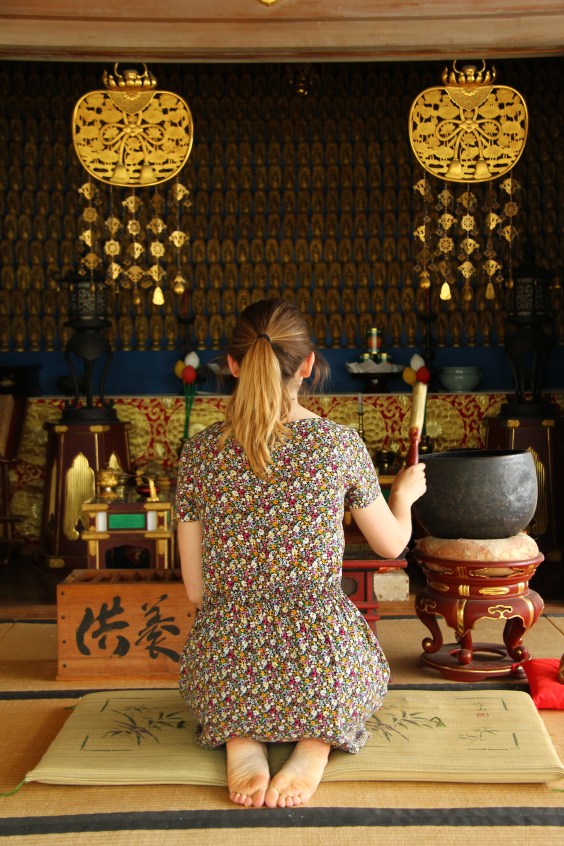
Learning that you need to wash your hands, rinse your mouth and spit out before entering a shrine, and that bow-bow-clap-clap-bow (or ni-rei ni-hakusyu ichi-rei, in Japanese) is the appropriate order when showing gratitude to the gods, we felt duly set up for the rest of our trip! Having explored the buildings, we walked through the gardens and down to the koi pond, noting the requisite heron and turtles. See my Kyoto blog for a fuller explanation of their significance in Japanese lore.
After all that walking, we were hungry again, so walked down Omotesandō (a popular tree-lined shopping street) and tucked into grilled gyoza and miso cucumber at Harajuku Gyouzarou. And, for good measure, some kaarage chicken at Commune 2nd, a nearby street food yard (think Dinerama, if you’re a Londoner).
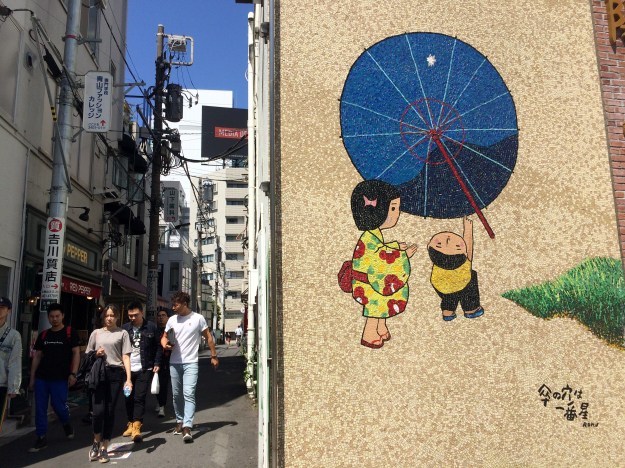
Wandering the cable-strewn backstreets, we popped out at Takeshita Dōri – the teenage epicentre of Tokyo. I can’t quite describe how bonkers this street is: it’s full of candy-floss eating, selfie-posing princesses, mingling with platform-trainer-wearing punks and leather-attired goths, all of them eating bubble-gum pink ice-cream and disappearing into mysterious apartments advertising photo ops with litters of mameshiba puppies. Yeah, me neither! You can find some of my photos of the area at Nihon no seikatsu and in my food blog 29 Seasons of Tofu. It couldn’t be more different to the shrine we’d visited earlier, with it’s solemn, votive-wielding pilgrims. But that’s the beauty of Japan, and of Tokyo in particular: the ultra-modern and the ancient happily co-existing.
Needing a rest, we navigated back to the scramble crossing, picked up our luggage and attempted to find our Air BnB, which – with the aid of our protable wi-fi – we were assured was very close. Another tip for you: do not attempt to short-cut through the Mark City Building to reach…anywhere! After our fourth attempt at finding a top-floor exit and more trips up and down escalators than anyone needs in a lifetime, we finally emerged – sweaty and grouchy – vowing always to take the ‘long route’ from now on. Luckily, the flat really wasn’t far from that point, tucked away on Sakuragaokacho. Like most accommodation in Japan, it was TINY. But had a comfy bed, and that was all that mattered. We would stay in much more impressive home-stays and hotels on the rest of our trip, but had judged – correctly – that Tokyo wasn’t the place to bother. We hardly spent any time at all in the flat.

In the evening, we explored the neighbourhood and ate amazing yakiniku (Japanese barbeque) at Han no Daidokoro Bettei. Again, I won’t repeat what’s in my food blog – so check that out for a full description and photos.
The next morning saw us in Tsukiji Market. What a fantastic place! It’s exactly what I wanted it to be: crowded, vast, smelly, colourful, rough-around-the-edges, and absolutely bursting with fantastic food stalls, offering delicacies I’d never tried before (and some I possibly won’t ever try again!). The fresh, grilled eel slathered in sticky soy was particularly good; as was the octopus and cabbage croquette, black pig dumpling, tamagoyaki (sushi omelette made in traditional tin skillets); scallops in miso; dried pond fish, nikuman (pork bun), tuna sashimi and matcha ice-cream. You need to be a little assertive, pointing clearly at what you’d like and thrusting money at the stallholders. Otherwise, you get shouted over by the hundreds of Japanese locals and tourists who are just as eager to try everything.
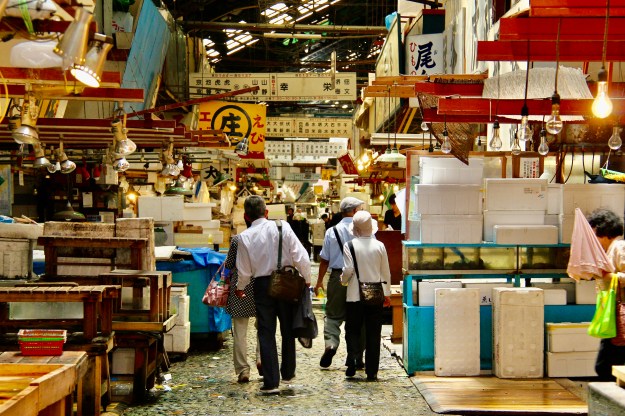
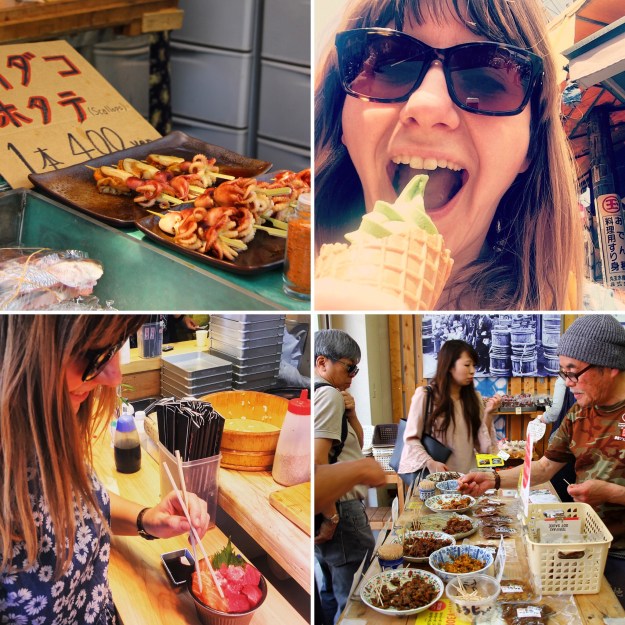
It’s also worth exploring the inner market, where the tuna and other wholesale fish auctions take place each morning. You have to be there super-early to witness it in action – we didn’t make it this time – but it’s definitely worth popping into anyway, to catch the military wash-down and clean-up operation.
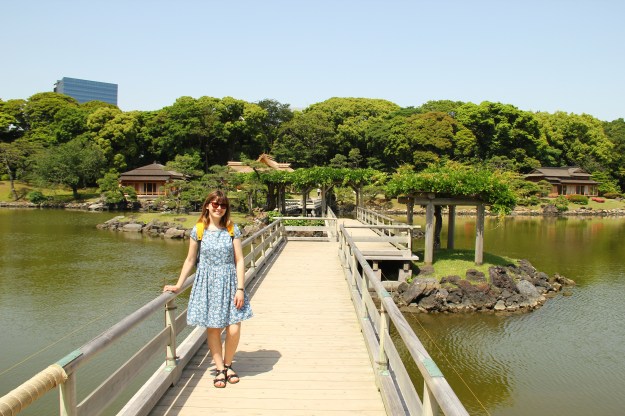
Close to the market are a couple of shrines worth poking your nose in and the beautiful Hama-rikyū Onshi-teien gardens. Like so many of the parks and gardens in Japan, I’d definitely like to return to see at its peak: with autumn foliage or adorned with cheery blossoms. Whilst generally green and lacking flora at this time of year, the Edo-period expanse was a welcome respite and the central pond, traditional tea-house and vantage points over nearby Ginza district were great.
From Hama-rikyū, you can catch a waterbus to Asakusa. Cue Pitch Perfect jokes (you’ll know if you know). The trip up the river is interesting enough in itself, the boat passing by factories, high-rises and gleaming glass edifices – a bit like a trip on the Thames to Canary Wharf. But, it’s the destination that’s the killer: Sensō-ji temple in Asakusa. Completed in 645, it’s Tokyo’s oldest temple – a bright red, busy daily place of worship smack bang in the middle of a commercial district. Legend has it that two brothers “caught” a statue of Kannon, the goddess of mercy, whilst fishing in the Sumida River; and even though they tossed the statue back, it kept returning to them. So the temple was built in honour of Kannon.


You enter through Kaminarimon (the Thunder Gate), proceed down Nakamise – a centuries’ old, 200 meter long shopping street – and reach the second gate, Hozomon, through which you find the main hall, shrine and five-storey pagoda. People flock here to ‘bathe’ in holy smoke from the massive incense burner (the jokoro), believed to heal wounds, and to give thanks to the goddess. I’d have liked to stay longer and see the complex illuminated at sunset, but it had already been a long day…
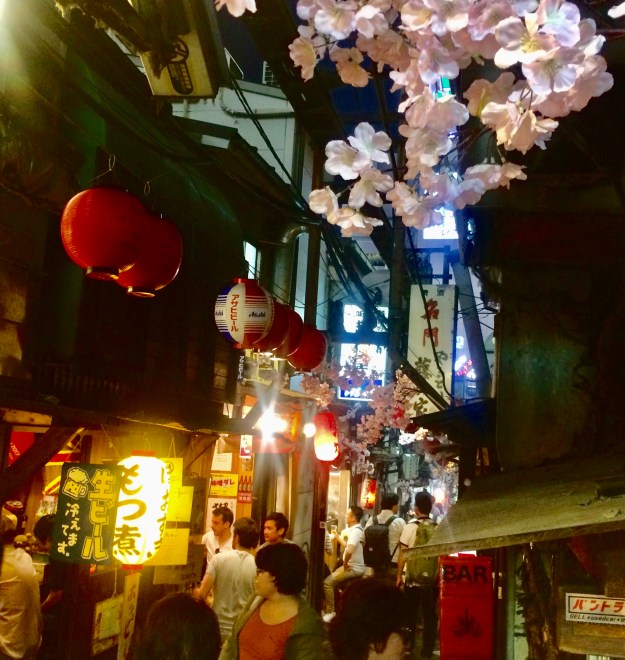
With aching legs, we made our way home to Shibuya, to shower and change for dinner. A very swish and tasty meal at Argile in Ginza (highlights being the crunchy red snapper with dashi and the barbary duck with shitake) was followed by digestifs at Bar Evans and Fire, and an obligatory Japanese whisky in Nonbei Yokocko (‘drinker’s alley’), at a bar so tiny only about three people could fit in at any one time.
Day three in the city, our last before heading off to Kyoto, was mainly spent taking in some modern art and culture in Roppongi. Admiring the stunning National Art Center, visiting a sensational exhibition of Japanese Architecture at the Mori Art Museum, and taking in ‘Tokyo City View’
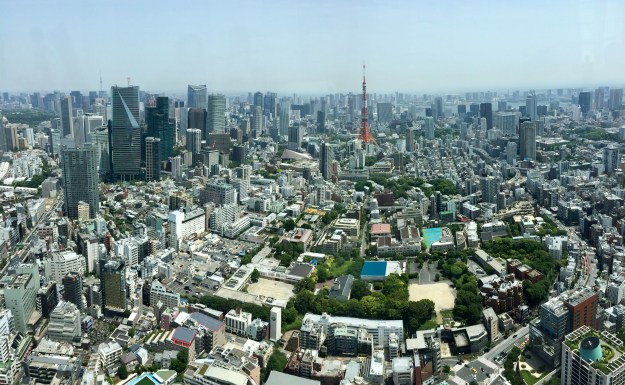
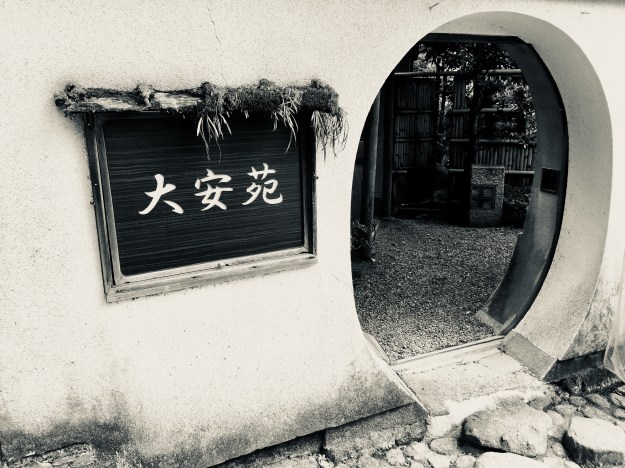
Later in the afternoon we visited the district of Daikanyama, often referred to as the Brooklyn of Tokyo: all cute coffee shops, micro-breweries, chocolate shops and various buildings featured in the Wallpaper guide. If I visit again, I’d choose to stay in this neighbourhood. Whilst there, we also popped into the Kyu Asakura House, a private ‘mansion’ residence built in the early 20th century, surrounded by a roji-style garden with sculpted bonsai, bright moss covered tree roots, stone lanterns, and colourful flowers and shrubs. Would certainly recommend a visit.
Our final evening was spent chasing the elusive perfect yakitori in Omoide-Yokocho (‘Memory Lane’), a maze of little alleys near Shinjuku station (officially the scariest in the world). Then drinking too much rum and whisky in JBS, a tiny bar run by a jazz, soul and blues vinyl enthusiast who doesn’t seem to speak a word of English (or chooses not to). An odd experience, since he seems to close the bar at whatever time he chooses, and admit or refuse people at whim. We were obviously deemed acceptable, but a backpacker who arrived 30 minutes later, and had clearly sought the place out, was turned away. Not complaining though: it adds to the secretive allure of the place. A great way to end our stay in the city.

“You can ask a Northerner for directions, but unless you already know the positions of key piles of rubble, canals, coal mines, railway crossings, and where factories used to stand, you’re better off trying to find it yourself” – Noel Coward








The literal translation of their Greek name (órkhis) is “testicle”. I don’t have a lot more by way of introduction. I saw a poster for this year’s Orchid festival at Kew Gardens and was reminded that I hadn’t posted my photos from last year’s. So here they are…

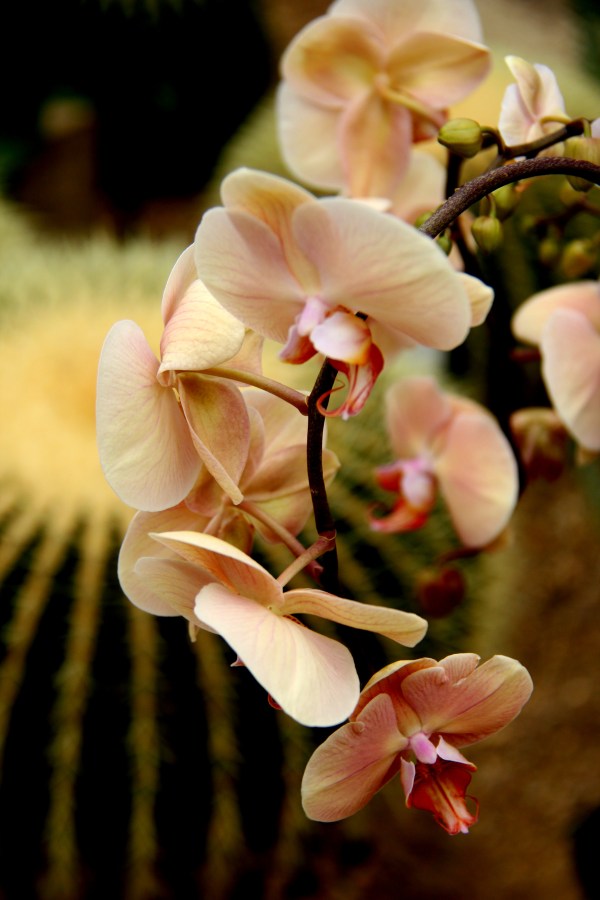


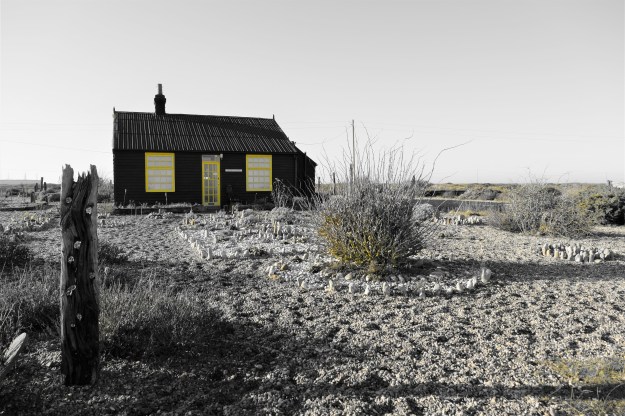
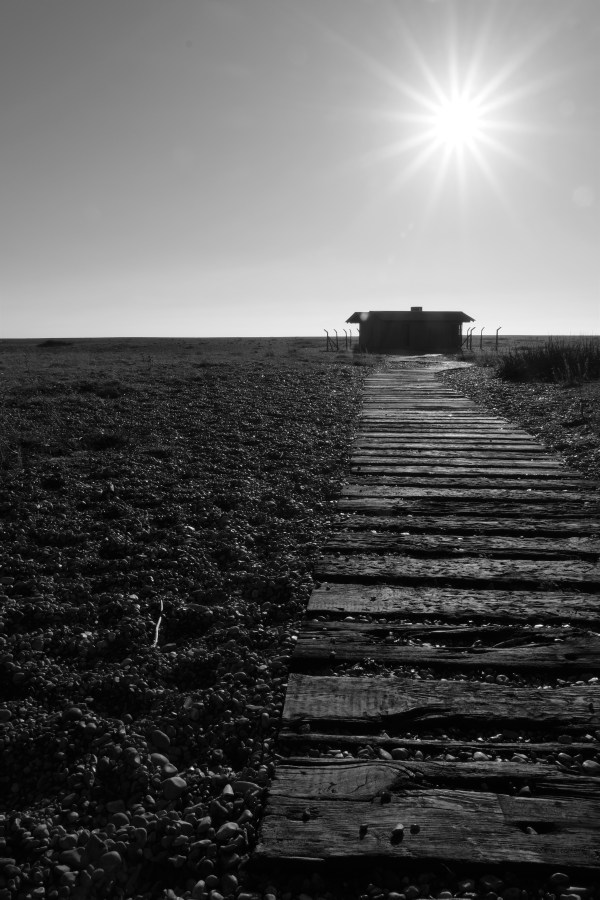




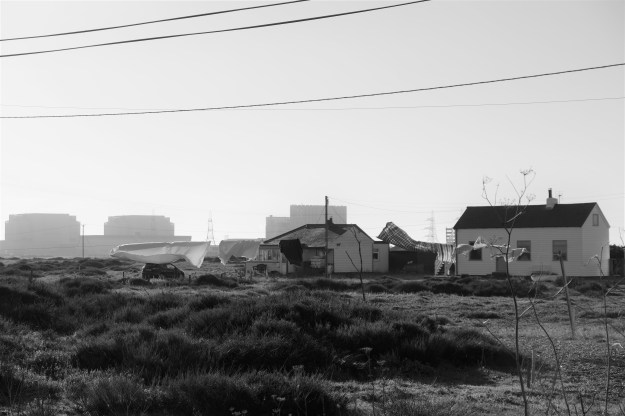











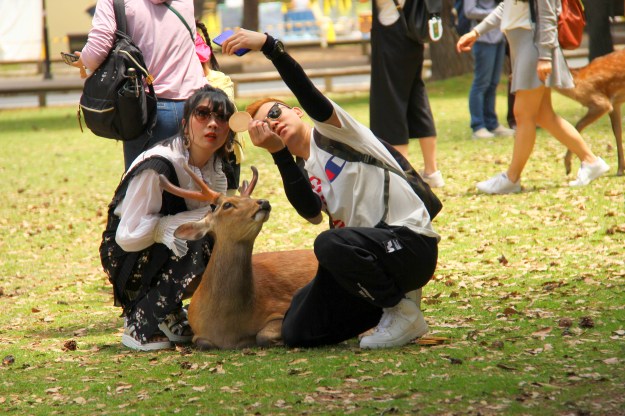
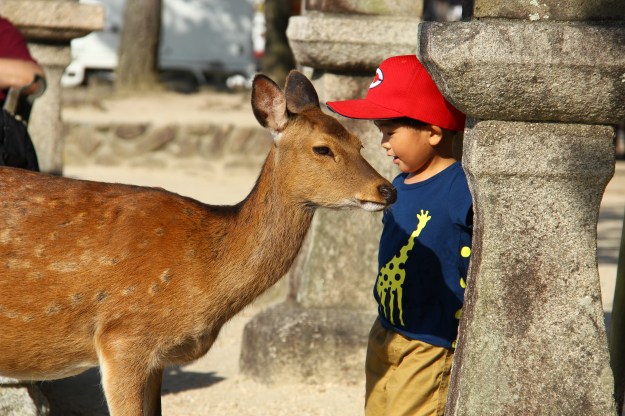
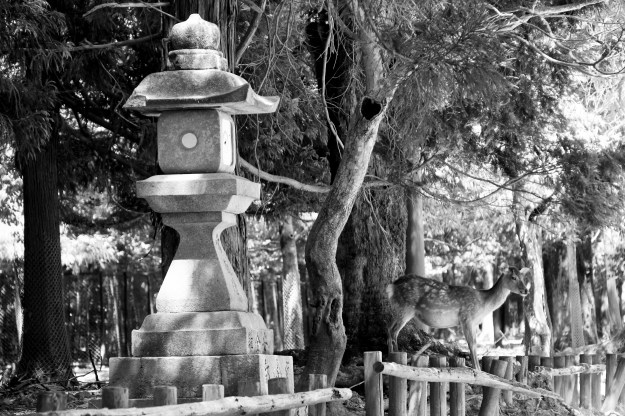
Once the capital of Japan, Nara is home to a collection of important temples, the most significant of which are conveniently located in a large park at the foot of Mount Wakakusa. Arriving late morning on another day trip from Kyoto, we headed straight from the train station to the park on a mission to get to Kōfuku-ji pagoda before the crowds…and were immediately distracted by (i) perfect-looking nigiri (a handy late breakfast snack) and (ii) free roaming deer criss-crossing our path at every turn. The sika deer in Nara are very tame, almost domesticated, and have no qualms about stealing rice crackers – or indeed guidebooks, sunglasses, wallets (pretty much anything) – from tourists.
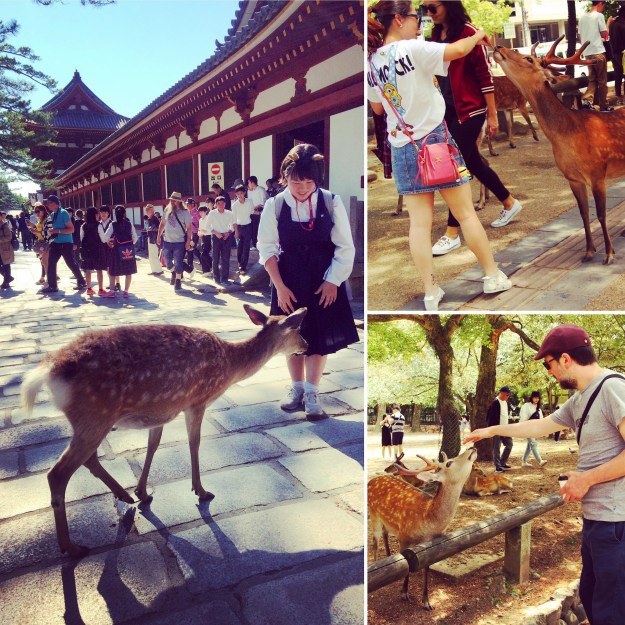
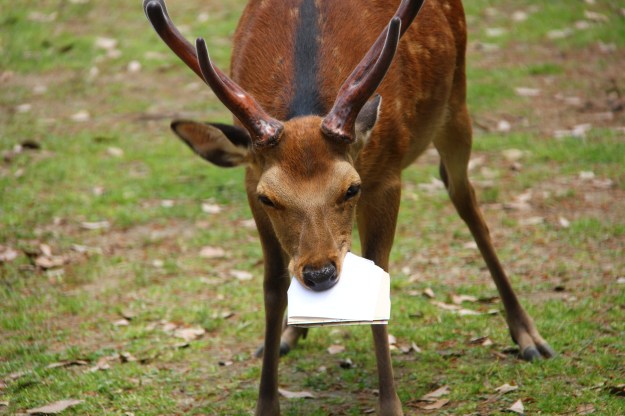
In the Shinto religion, deer are considered messengers of the gods. So it was right to pay them due respect. And pose for selfies.
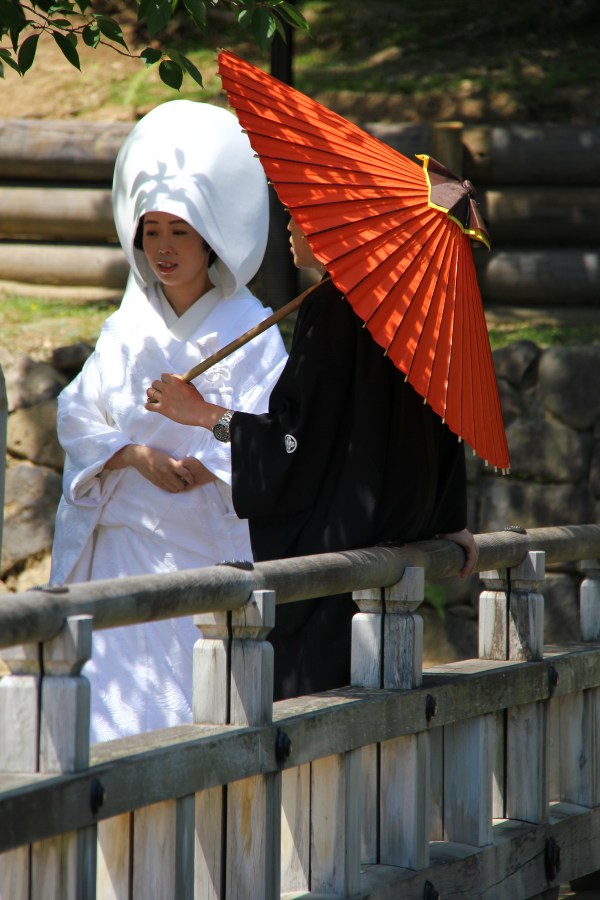
Once we’d extricated ourselves and refocused on our goal, we found and enjoyed looking around the pagoda, Golden Hall and treasures of the Kōfuku-ji complex. The temple has been fully dismantled and relocated numerous times, and is now the national headquarters of the Hossō school of Buddhism. A good start to the day. Walking down through the park to the lake afterwards, we were lucky enough to catch sight of a Japanese couple having their wedding photos taken on floating Ukimido Gazebo. One of two sets of newlyweds we bumped into that day (the others a younger, hipster couple who preferred posing in a green phone booth – see my photos at Nihon no seikatsu).
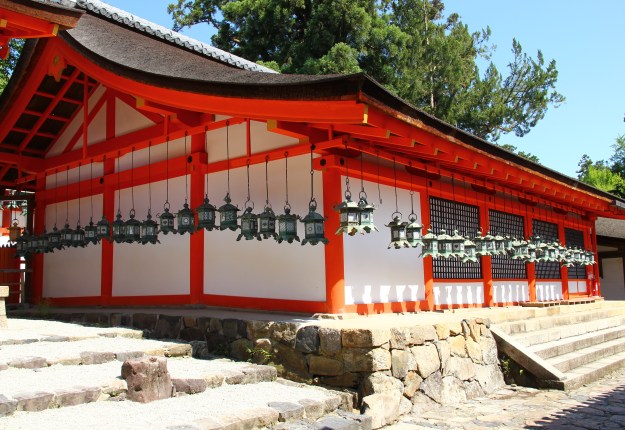
Re-joining the throngs of tourists, after our respite by the turtle pond, we followed the trail of sturdy stone lanterns up through the forest to Kasuga-tiasha shrine. Built in the 8th century, this grand shrine of the Fujiwara family is famous for its 3,000 hanging bronze lanterns. Donated by worshippers, these can be found throughout the grounds and around the four alters dedicated to the deities of wisdom, nation-building, fortune-telling and thunder. The stunning building was one of my favourites of the holiday: all bright vermilion and gold, with twisting, peaceful paths around the trees…and baby deer tripping you up at every opportunity.
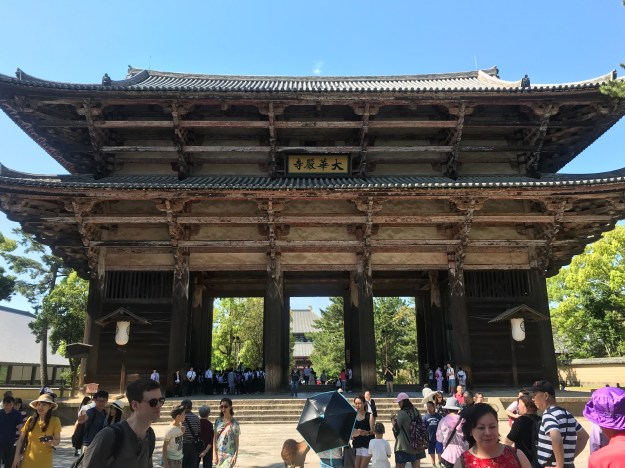
Spotting an exceptionally large crowd of Japanese school children headed towards Tōdai-ji temple, we hot-footed in that direction, managing to overtake and get our shoes off and into the Daibutsuden (Great Buddha hall) before the queue formed. And I’m really glad we did. Housing the world’s largest bronze statue of Buddha, and being itself the world’s largest wooden hall, it is a truly breathtaking sight. All the better for not having excitable thirteen-year-olds getting in the way.
It is said that the temple grew so powerful in the aftermath of its construction in the 8th century that the capital was moved from Nara to Nagaoka in order to lower its influence over government affairs. I can certainly understand why those people working in and around this building would have developed an overly-ripe sense of grandeur. Having gawped at the 15m high statue (and the two equally impressive Bodhisattvas that flank it) for a good long time, I then tried – and failed – to squeeze through a famous pillar with a hole the same size as the Daibutsu’s nostril. A must for any visitor: it’s said that those who can squeeze through the opening will be granted enlightenment in the next life…but it turns out only petite nine-year-olds deserve to be enlightened.


With tired legs, and eager to rest in our hotel’s public baths before a meal at Muraji*, we decided to leave it there (see, I do learn that it’s possible to have too much of a good thing) and navigated around the seemingly ever-hungry deer back to the station. I would definitely recommend squeezing Nara into your itinerary if possible – it’s a very easy trip from Kyoto and I imagine particularly stunning with autumn colours or at the height of cherry blossom season.
*one of the best bowls of ramen you’ll ever try – see my blog 29 Seasons of Tofu for more on our wonderful Japanese food odyssey.
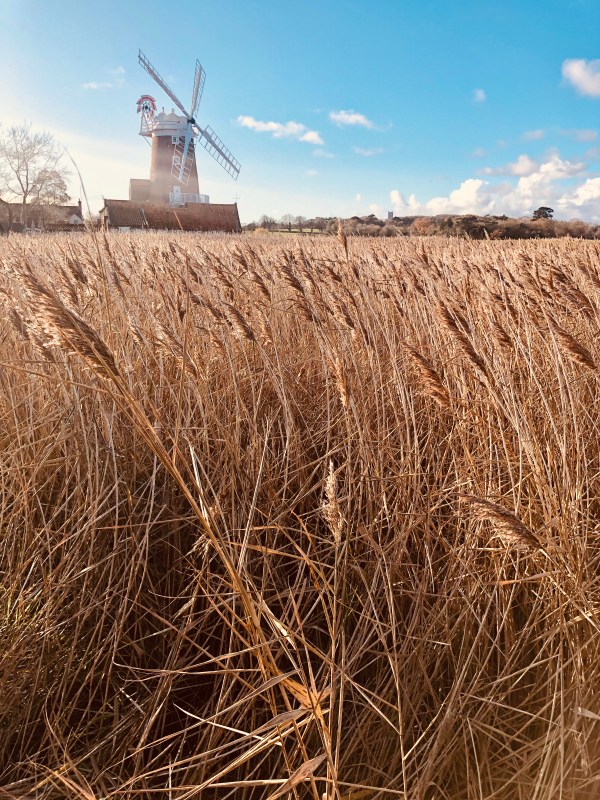
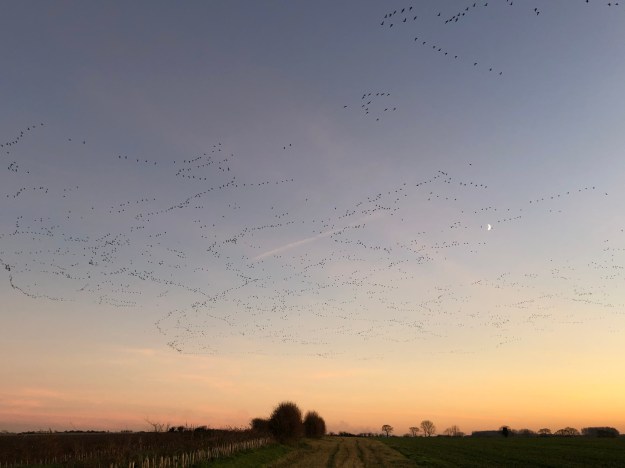
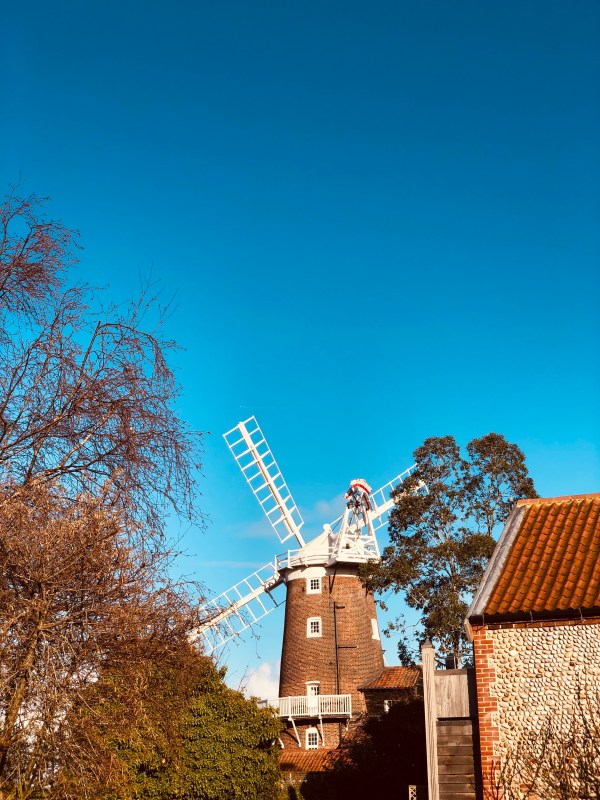
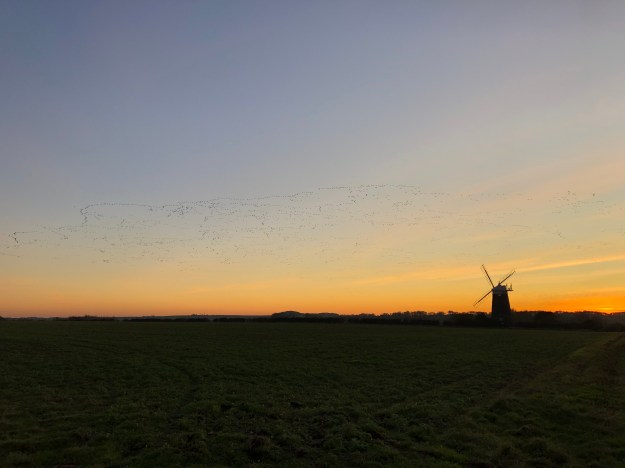
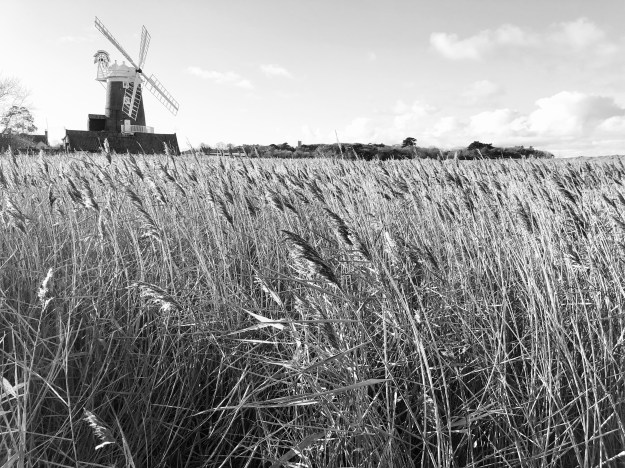
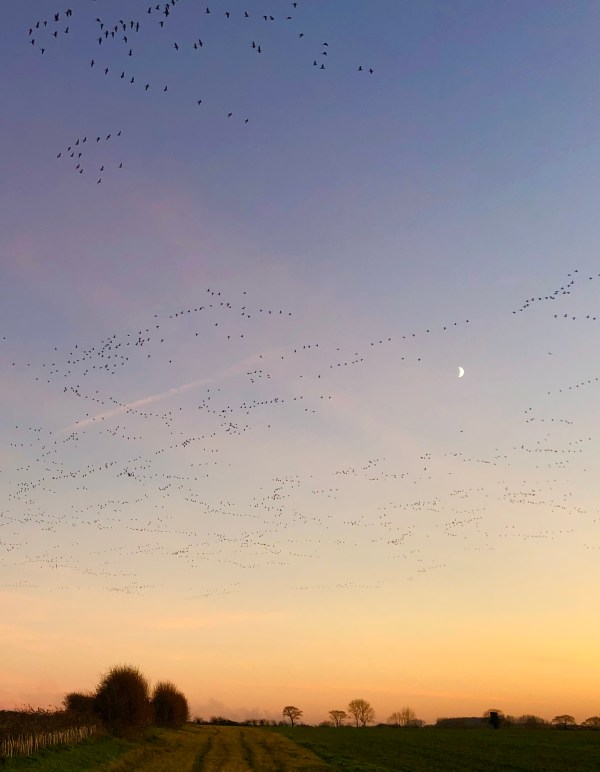
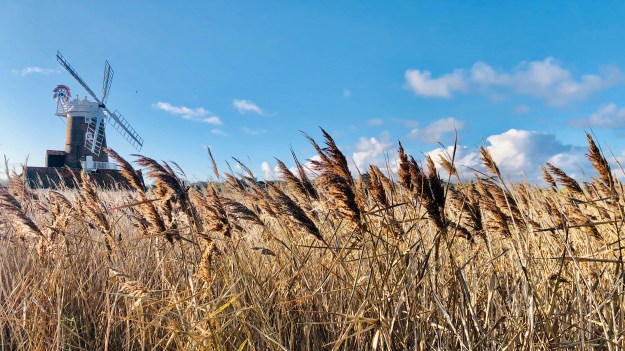
We were so lucky to have such beautiful weather for our weekend in Norfolk. Here are some photos in and around Cley-next-the-sea (that’s not a spelling mistake; for some reason they don’t like the word “to” in Norfolk!). The flocks of birds in the night sky are pink-footed geese – apparently we were privileged to see so many in flight. It really was a spectacle.









Tucking into our bento box of rice cakes, nori, tamagoyaki (sushi omelette) and raw mackerel, we set off on a day trip from Kyoto to Himeji. An easy train ride away, taking little over an hour on the Shinkansen. It was a beautiful sunny day, and great to see so much cherry blossom still in bloom – the trees in Tokyo and Kyoto having, for the most part, long since faded. Better still: the castle had recently undergone a six year restoration programme and so, with the scaffolding now completely cleared, we were lucky enough to see The White Heron in all her splendour.
And the castle truly is impressive – a worthwhile excursion for anyone interested in seeing (yet) another side of this multi-faceted country. There’s been a fort of one sort or another on the site since 1333; evolving over time, the three-storey keep we see today was created by an eminent samurai warrior and politician (Hashiba Hideyoshi) in the 16th century, with the extensive bailey and surrounding city growing around it over the succeeding centuries. It’s considered one of the best examples of Japanese wooden architecture, and was given UNESCO World Cultural Heritage status in 1993. So, yeah: important, like.
I’d compare it to visiting Sterling or Durham in many ways. Himeji is a relatively small and unexciting city in and of itself, with the imposing castle the main feature and primary reason people visit. But while we in the west are used to austere, stone constructs perched on mounds, whether Norman, medieval or renaissance in design, the brightly painted wooden castles of east Asia seem exotic and unusual by contrast. I was certainly awed as we walked up the long approach, flanked by rows of bonsai.


The castle is very plain inside, with not a lot to see but wooden beams. On balance, probably worth joining the queue for the views from the top; but if you can’t be bothered queuing, really don’t feel like you’ve missed out – it’s the exterior you’ve come to gawp at.
It doesn’t take too long to see. So, after walking around the castle walls, taking in the beautiful tiled roofs, crests, gates and moat (and giggling at the dozing actor in full warrior gear – his exposed spear presenting an element of danger in an otherwise happily-pedestrian visit), we headed on to nearby Koko-en Gardens.
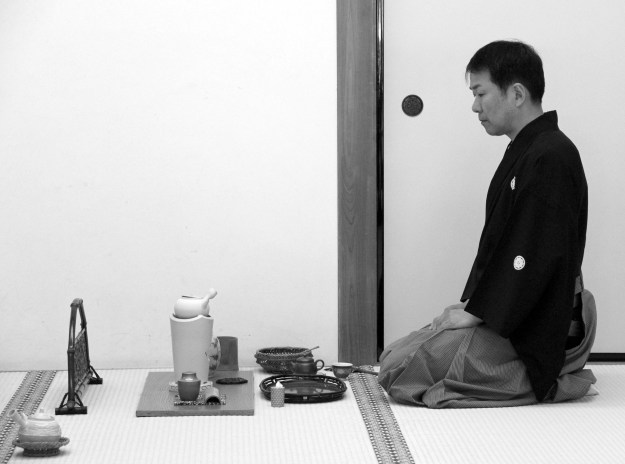
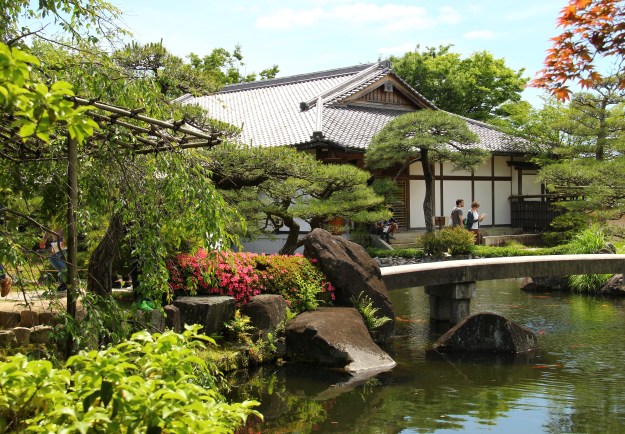
Now, despite what many guidebooks seem to say, Koko-en does not contain recreated samurai houses. Rather, meticulously recreated Edo-period gardens built atop the ruins of old samurai houses. Important difference. No need to be disappointed though: the gardens are really beautiful. The nine different spaces, spread over about three and half hectares of land, were built to commemorate the 100th anniversary of the city. The main Lord’s residence garden has a tea ceremony house, a pine tree garden, bamboo, koi pond, waterfall and flower garden. Very serene and peaceful. You’re also likely to spot herons, interesting insects (large beetles, caterpillars and the like), and – of course – plenty of selfie-taking humans.
Our visit to Himeji only took half a day in total, but it’s worth including in your itinerary and makes for a really easy and interesting break from the city. Some people alternatively use it as a calling-off point on their journey between Kyoto and Hiroshima. Works well either way.


 Victoria's Secret Blog