I Heart LDN

“When a man is tired of London, he is tired of life; for there is in London all that life can afford”  – Dr Samuel Johnson

It’s the 10 year anniversary of my move to London this year, so I thought a post celebrating our wonderful capital was in order!  I remember arriving in 2003, having previously visited only a handful of times, and feeling quite lost.  Having been at university in Durham for 4 years – a city where you quickly come to know every bar and restaurant intimately and can’t fail to walk around without bumping into people you know – I couldn’t imagine ever feeling at home here.

10 years on, I still feel like a tourist.  I don’t know how you can’t.  But I love London now and can’t imagine living anywhere else.  And there are pockets of the city that I do now feel I know; parts that are intimate and homely to me.  I’m particularly fond of the corner of the south-east where I live, an area comprising Dulwich (West, North and East – as an aside, does anyone know where South Dulwich disappeared to?), Forest Hill, Crystal Palace, Herne Hill and Brixton.  There’s the fascinating and eccentric Horniman Museum, large parks (some featuring dinosaurs!), Dulwich Village with its grand houses and picture gallery, and one of the oldest (and best) cinemas in the country: the Ritzy in Brixton.  Some of my favourite places to eat are here: Number 22 in Herne Hill (Spanish); Mediterranea and Yak & Yeti in Crystal Palace (Sardinian and Nepalese respectively); The Begging Bowl (Thai) in Peckham; Bukowski (burgers and ribs), KaoSarn (Thai), Franco Manca (pizza) and pretty much anywhere else in Brixton Village and Market Row… I could go on and on!  Drinks-wise, there’s no shortage of nice pubs either, with Westow House and The White Hart in Crysal Palace; The Commerical in Herne Hill; the Crown and Greyhound in Dulwich Village; the East Dulwich Tavern on Lordship Lane; and the Trinity Arms and Crown and Anchor in Brixton being my favourites.

I adore Greenwich as well.  Not the place to go on a weekend to escape feeling like a tourist, of course, given the constant throng of guidebook-wielders, but I never fail to be in awe of how beautiful it is.  A World Heritage Site, there’s a lot crammed into a small space: the Maritime Museum; the Old Naval College, with its stunningly impressive buildings designed by Sir Christoper Wren; the newly-restored Cutty Sark and riverside walk; the Royal Observatory (isn’t space amazing?); the Prime Meridian (Longitude 0º, in relation to which we measure every place on the planet); and a lookout point with the best vista of the city.  Further, Greenwich has an amazing weekend food and craft market (my favourite stalls selling fresh sushi, pulled pork baps, and Portuguese stews) and a gorgeous park, with a Rose Garden, elusive deer and glimpses of famous landmarks over each hill.  You can walk up and through the park to meet Blackheath Common and dip down into the village, another of my favourite places in London, with its cute coffee shops, pretty village green and beautiful houses.  Between them, they have some great pubs too: the Cutty Sark and Trafalgar Tavern on the bank of the Thames, with their views across to Canary Wharf and the Dome; the Gipsy Moth with its big summer beer garden; and the Princess of Wales, which has the feel of a ‘proper country pub’.  And I recently discovered that the best fish and chips in the capital are to be found at The Guildford Arms.

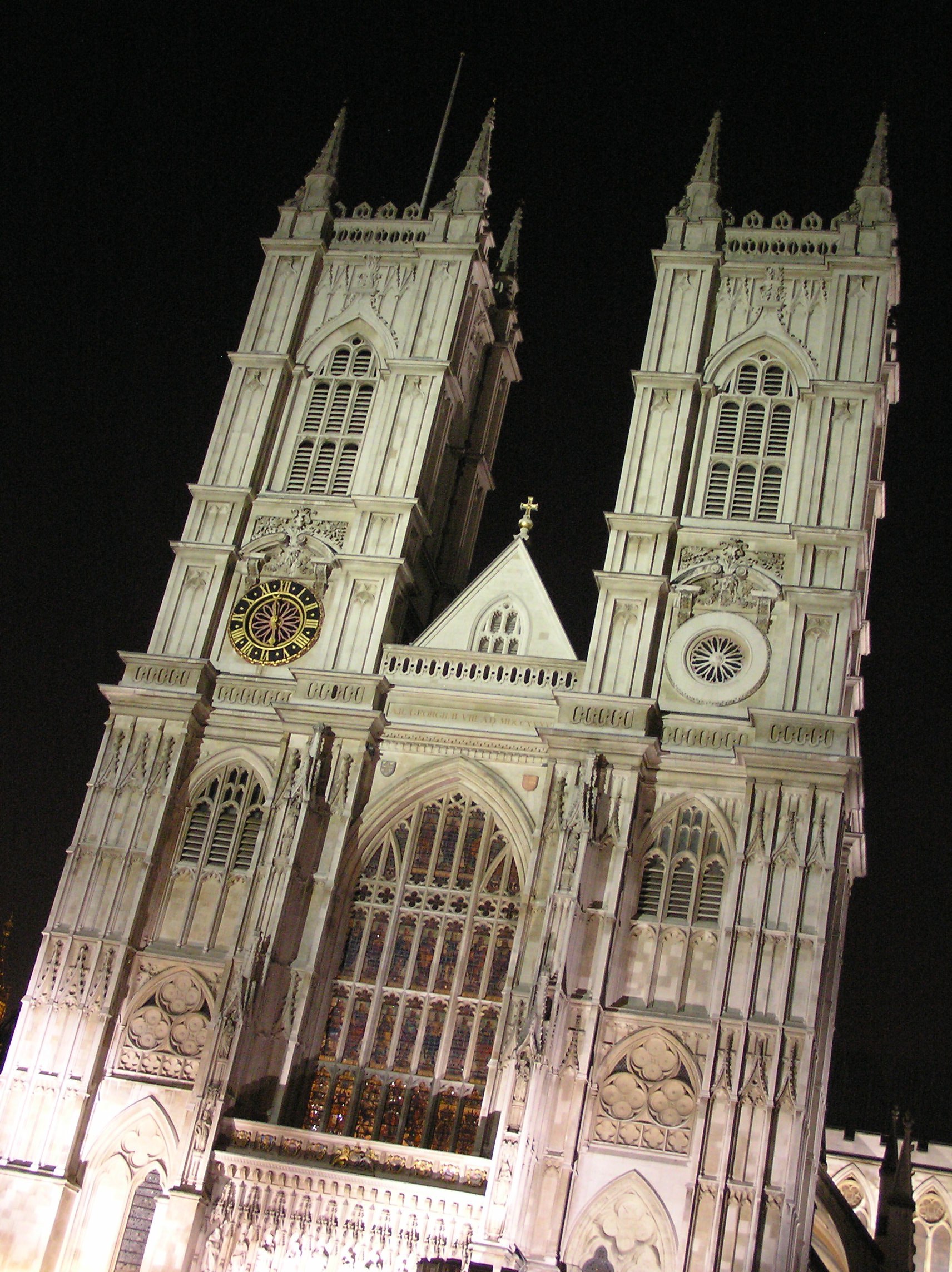
I work in Westminster, so I also have some of the best history and architecture in the country on my doorstep.  I once had a conversation with a guy from Rome who told me that as a child he had walked passed the Colosseum every day en route to school and had pretty much tuned it out, not even noticing it most of the time.  I worry that I’m getting like that, complacent about passing the Houses of Parliament and Westminster Abbey as I walk to the office from the tube every day.  Sometimes I deliberately force myself to stop and look, reminding myself how lucky I am.  I’ve been fortunate that, as a Civil Servant, I’ve been able to go into Parliament on numerous occasions to support Ministers during the passage of Bills, and I regularly eat lunch in the cloistered Cellarium Cafe behind the Abbey.  I similarly have to pinch myself when, in summer, I take a sandwich to St James’ Park and sit by the lake, watching the ducks and pelicans.

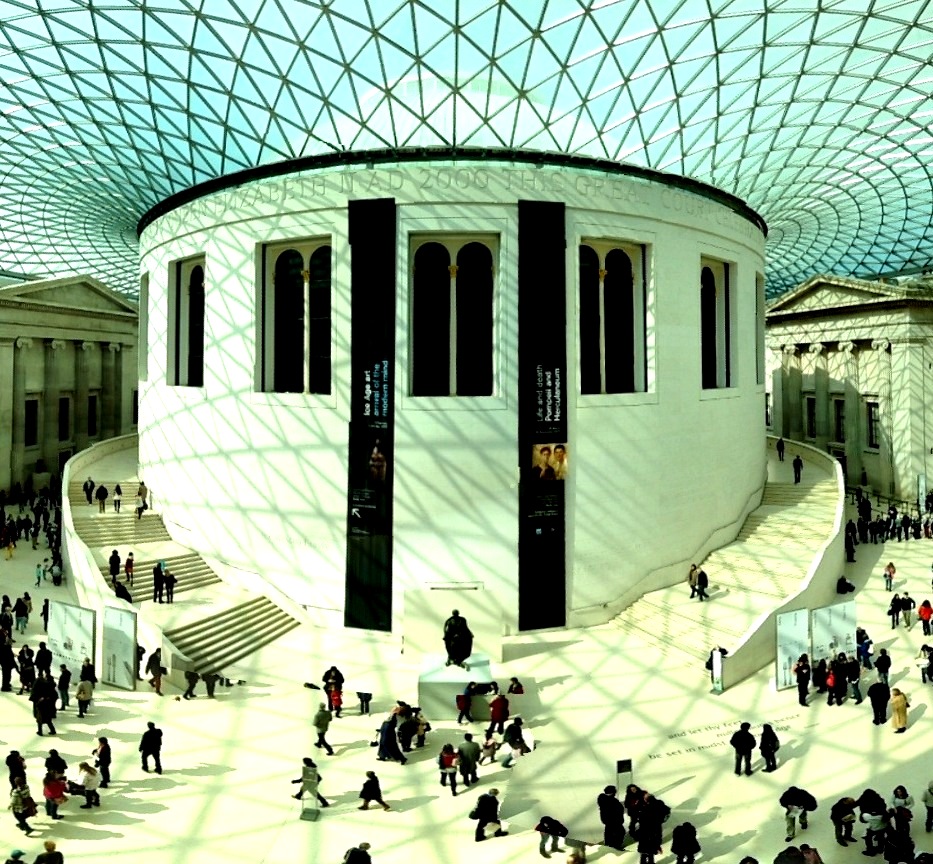
It’s not far to walk from work up the Mall, past Buckingham Palace to Trafalgar Square. There you’ll find the National Gallery and National Portrait Gallery, just two of the numerous free museums and galleries in the city.  I particularly like the NPG – it always has a good exhibition on and the annual photographic portrait prize is worth a visit.  Trafalgar Square itself is a nice place to sit in the summer with an ice-cream, watching people excitedly jump in the fountains at the first sign of sun.  And from there it’s not far to theatre-land and Soho with its array of restaurants.  My current favourite city-centre places are Yalla Yalla (Lebanese) and Spuntino (American sliders and cocktails).  And for a cheap bite, I still really like the ubiquitous Tas (Anatolian), particularly the Bloomsbury Branch which is handily just a stone’s throw from the British Museum (see what I did there?).  There are lots of nice, small, quirky museums to discover in London – The Sir John Soane’s Museum, a grand town house with its unique picture terrace, the Wallis Collection, with its eclectic armour and antique weaponry, and the Wellcome Collection, with its curious medical implements – but the large, busy British Museum remains my favourite.  I love the round Reading Room with its domed ceiling and the Great Court designed by Norman Foster.  I love the ancient Egypt and Mesopotamia collections, the Samurai armour, the Parthenon sculptures, the mosaics, the Rosetta Stone, the Easter Island statue, and Saxon masks.  There’s even a stone tablet on which the clues to the origins of the universe are inscribedunfortunately, someone later used it as an anvil and most of the text is now obscured.  So close!

I’ll have to be permitted some licence now, as I skip to Shoreditch.  I suppose you could walk there from Bloomsbury, but given I’ve already made it this far from Westminster, it’s a big ask.  I won’t pretend to know Shoreditch all that well, but I’ve spent a lot more time there of late and really love taking my camera on walks to see the ever-changing street art.  Works by Eine, Banksy, Roa, Stik and others adorn Fashion, Redchurch, Hanbury, Grimsby, Sclater and Rivington Streets.  Plus there are some nice caffs to stop and rest your feet in.  I’ll do a blog sometime with photos of the artwork.

The last bit of town I have to mention is the stretch from London Bridge to Southbank.  First off, if it’s not clear by now, I really quite like the Shard.  What an amazing piece of architecture!  I’m thinking of getting Renzo Piano to do me a water feature for our garden.  I love the way the light bounces off its glass slopes and how you can see if from miles around, like a sentinel guiding you home.  And the area has a lot more to offer besides.  Borough Market is packed full of amazing fruit and veg traders, cheese stalls, wine shops, game birds, fish and seafood.  And if you go on Thursday-Saturday, you have all the hot food stalls to pick from.  On the edge of the market there’s Tapas Brindisa, a brilliant restaurant (and with sentimental value for me, hosting one of my first dates with Paul).  Try the gordal olives with orange and the arroz negro with squid: delicious!  There are some great restaurants on nearby Bermondsey Street too, like the Garrison Arms – very ‘now’ with its shabby chic décor – and Pizarro – owned by José Pizarro from Brindisa and serving some of the best sherry and tapas in London (after Number 22).

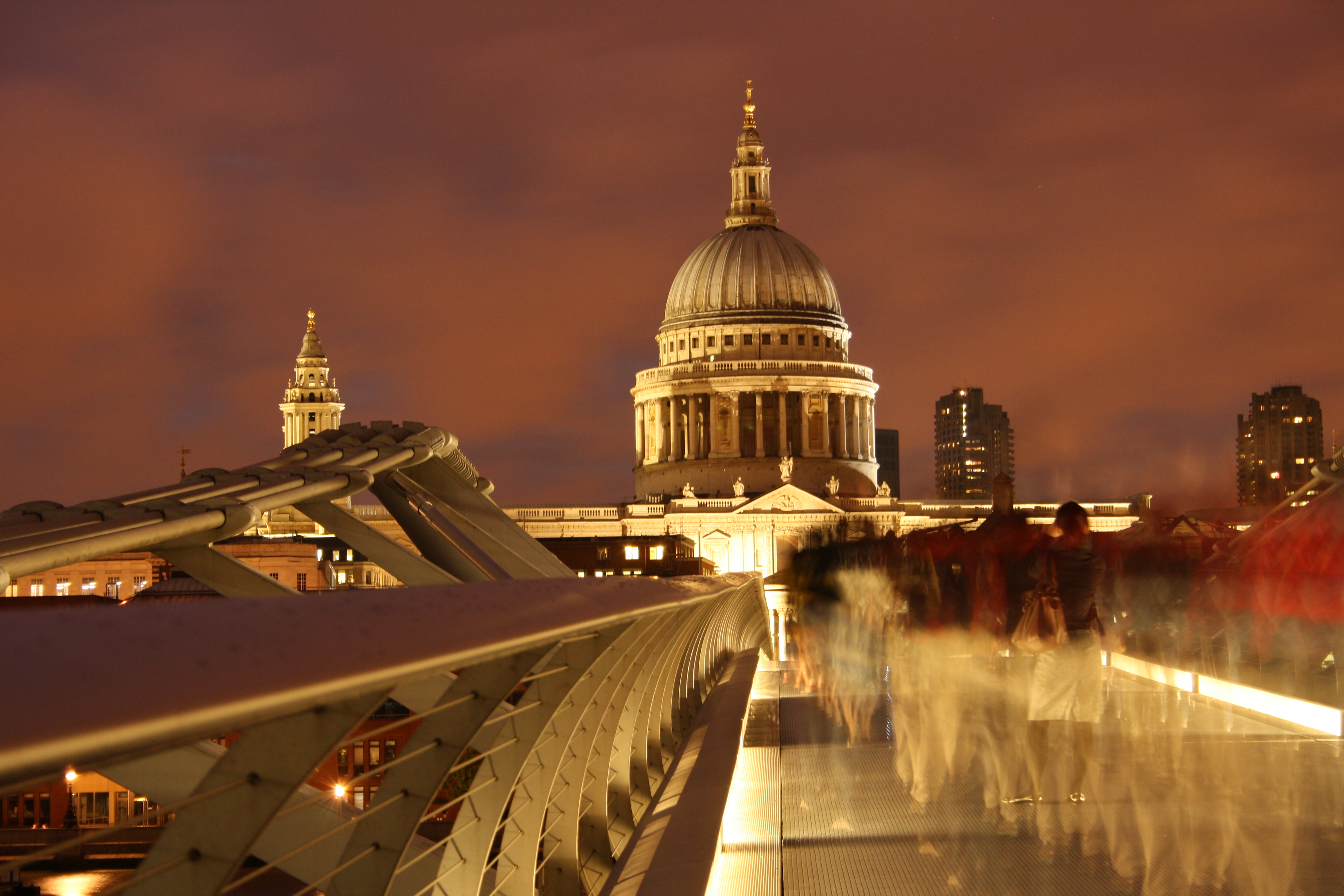
A walk along the river next, past the Tate Modern and Millennium Bridge, with its photogenic view across to St Paul’s Cathedral, and past Gabriel’s Wharf, with its great boutique shops (and chocolate crepes), to the Southbank Centre.  This stretch comprises three main buildings: the Royal Festival Hall, Queen Elizabeth Hall and Hayward Gallery, which together form Europe’s biggest arts complex.  I usually find concrete buildings really ugly, but these are different somehow – possibly as a result of the great experiences I’ve had there and possibly because they look so pretty illuminated at night.  And the Hayward is a great gallery, with fabulous installations and exhibitions.  Along that stretch of river, you can also find the BFI (British Film Institute), which has great screening rooms and a nice bar, as well as the National Theatre, Aquarium and – of course – the London Eye.  I’ve been on the Eye a couple of times (never in the sun), but think it’s more impressive to look at than ride actually. It makes a great addition to the skyline.

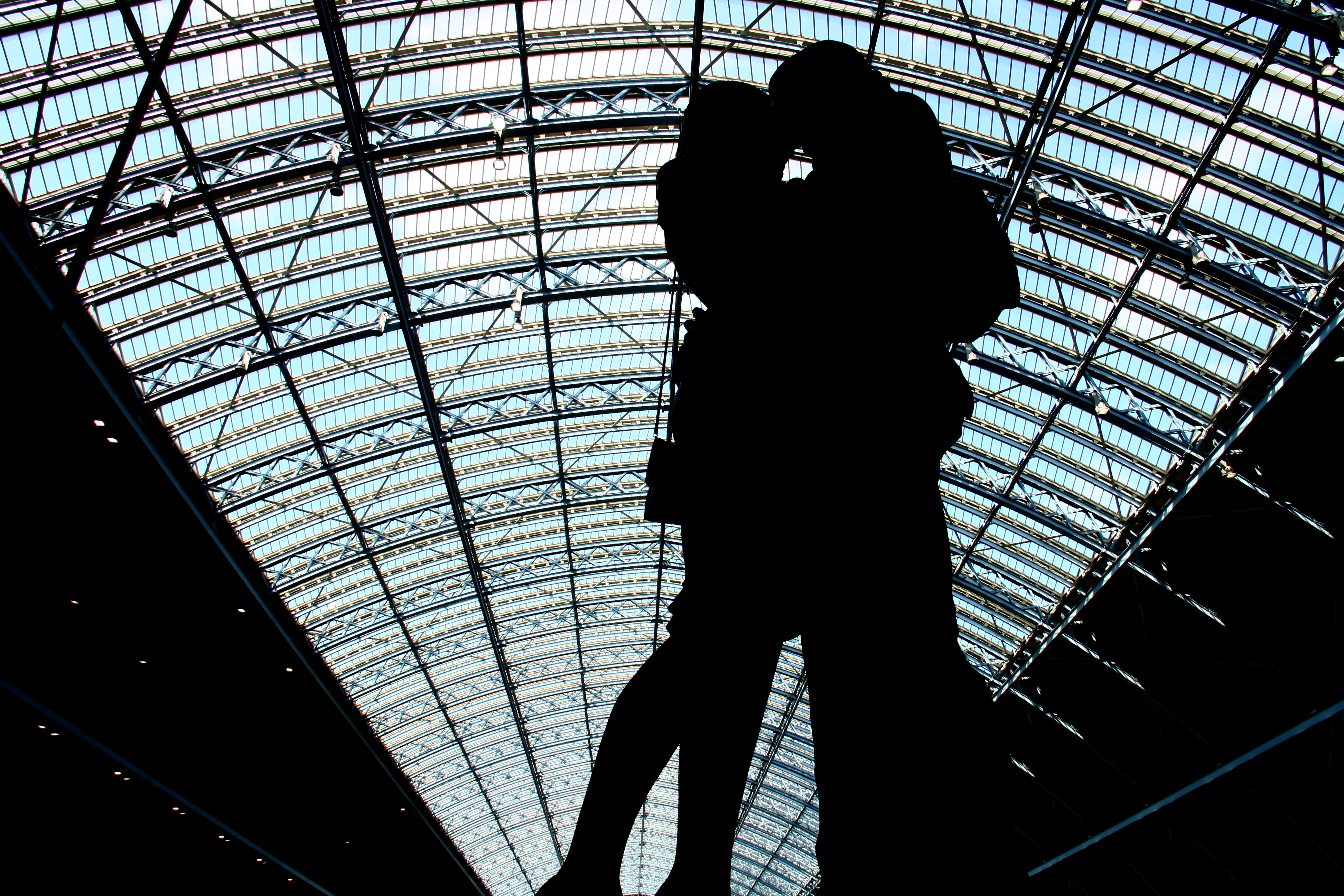
Right, that’s a whistle-stop tour of my favourite bits of London.  And here are some snaps of some of the great landmarks

IMG_9980

Wheel of Fortune

IMG_2594

L’Amour

OLYMPUS DIGITAL CAMERA

T’Abbey

St Pauls and ghosts

Ghost Walk

IMG_8871

A Tale of Two Cities

britishmuseum

Outside In/Inside Out

IMG_0743

Down By the Docks

People Like Us

Here are some of my favourite photos of people.  I’m no Steve McCurry, I know.  But I did find this one hard to narrow down; I’ve got some weird and wonderful ones that I particularly like

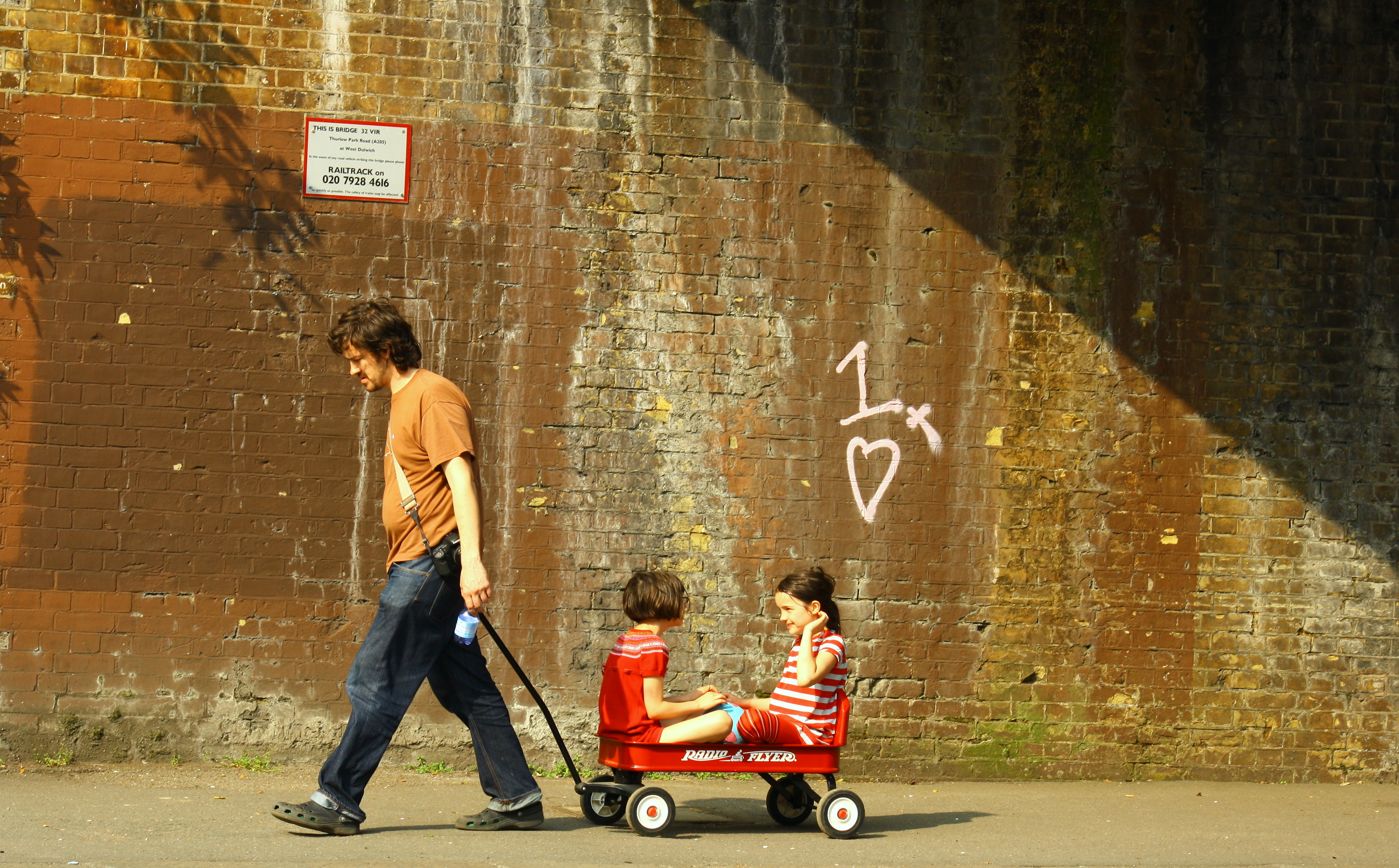
IMG_5189Free Ride (Dulwich: 2011)

Far East holiday Nov 2008 (unedited) 257Bath time (Bangkok: 2008)

IMG_8883

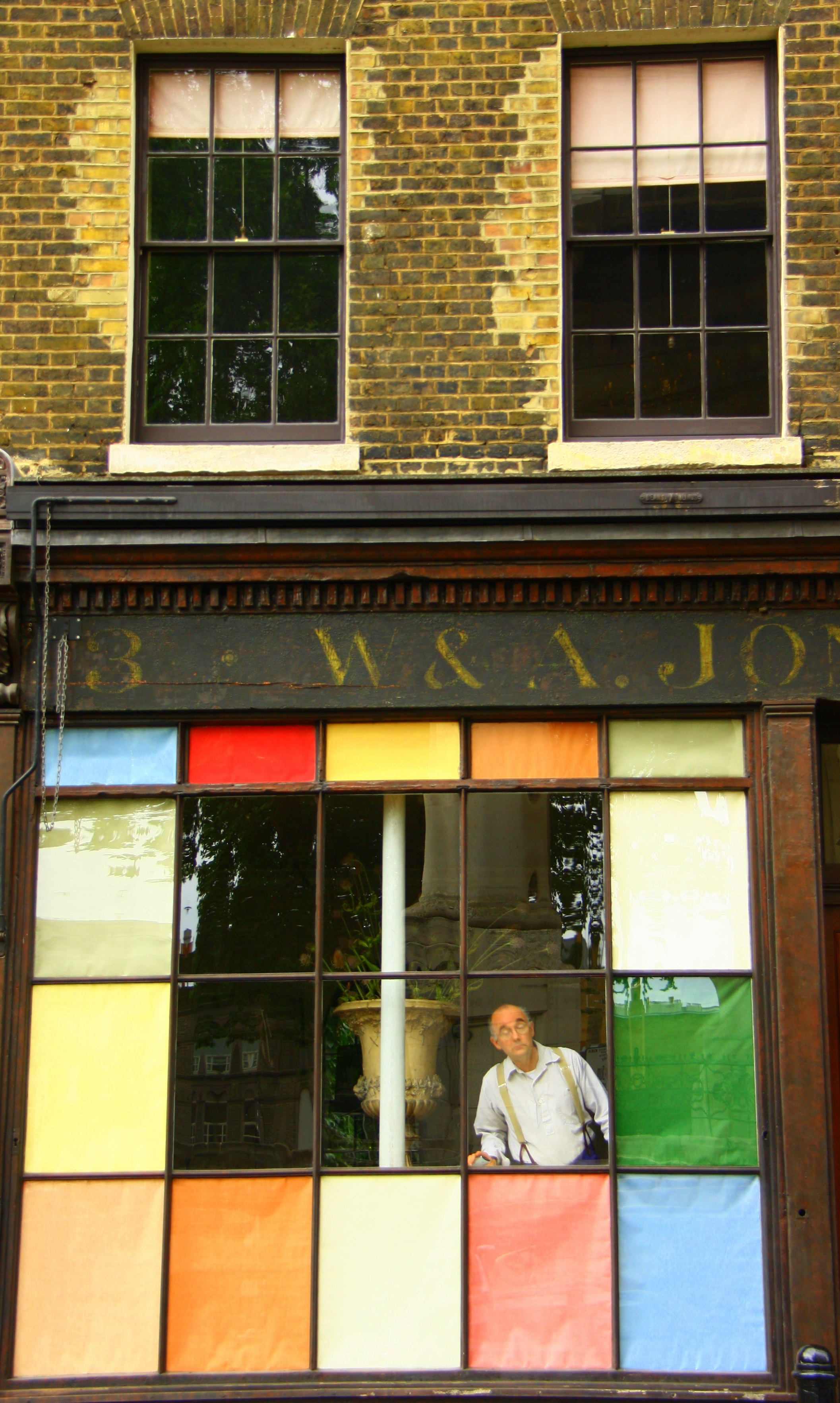
Curiosity (Shoreditch: 2012)

IMG_0963Making Friends (Greenwich: 2013)

IMG_8734Abandon (Olympic Park: 2012)

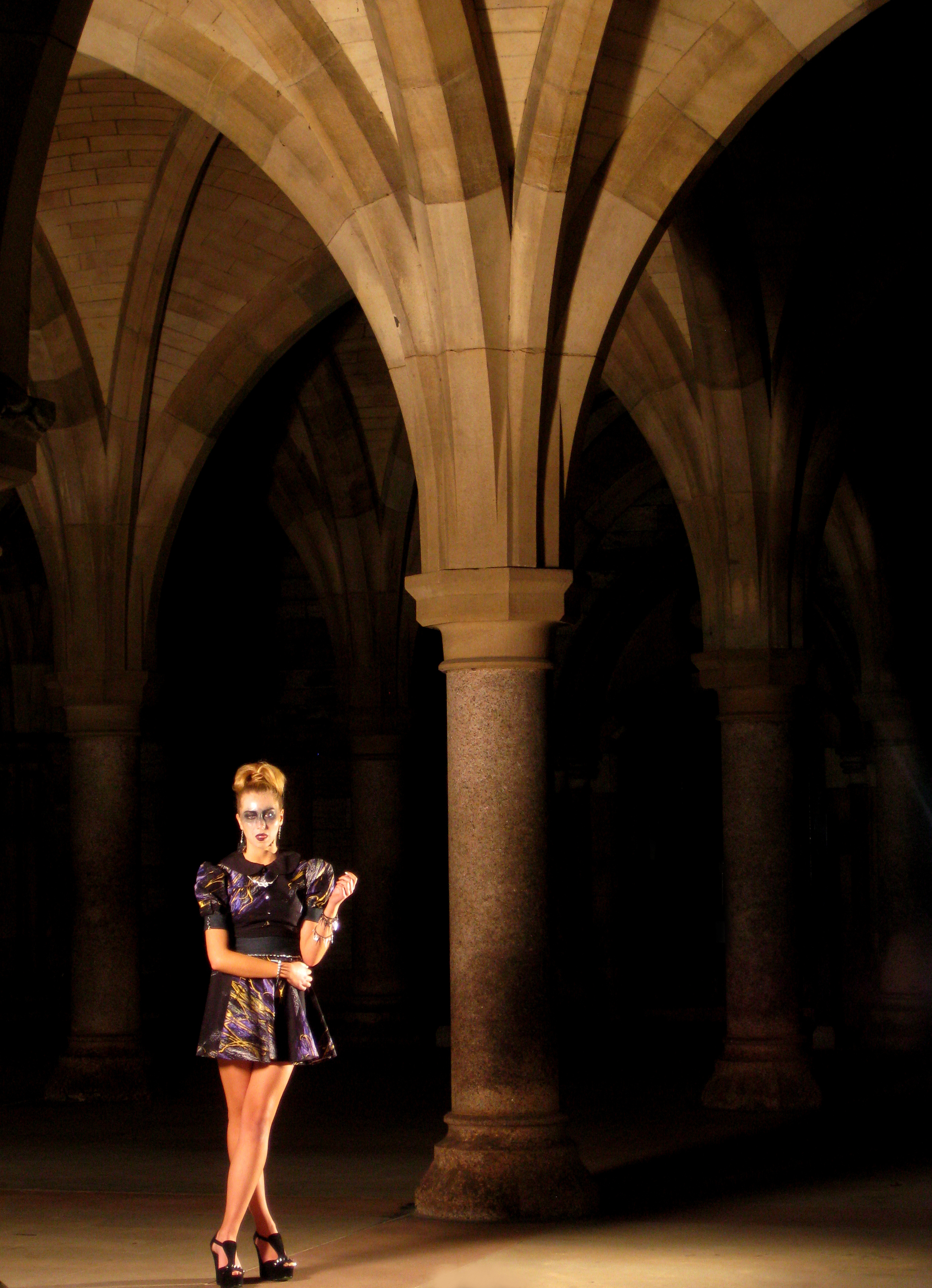
IMG_4894Modelling (Glasgow: 2012)

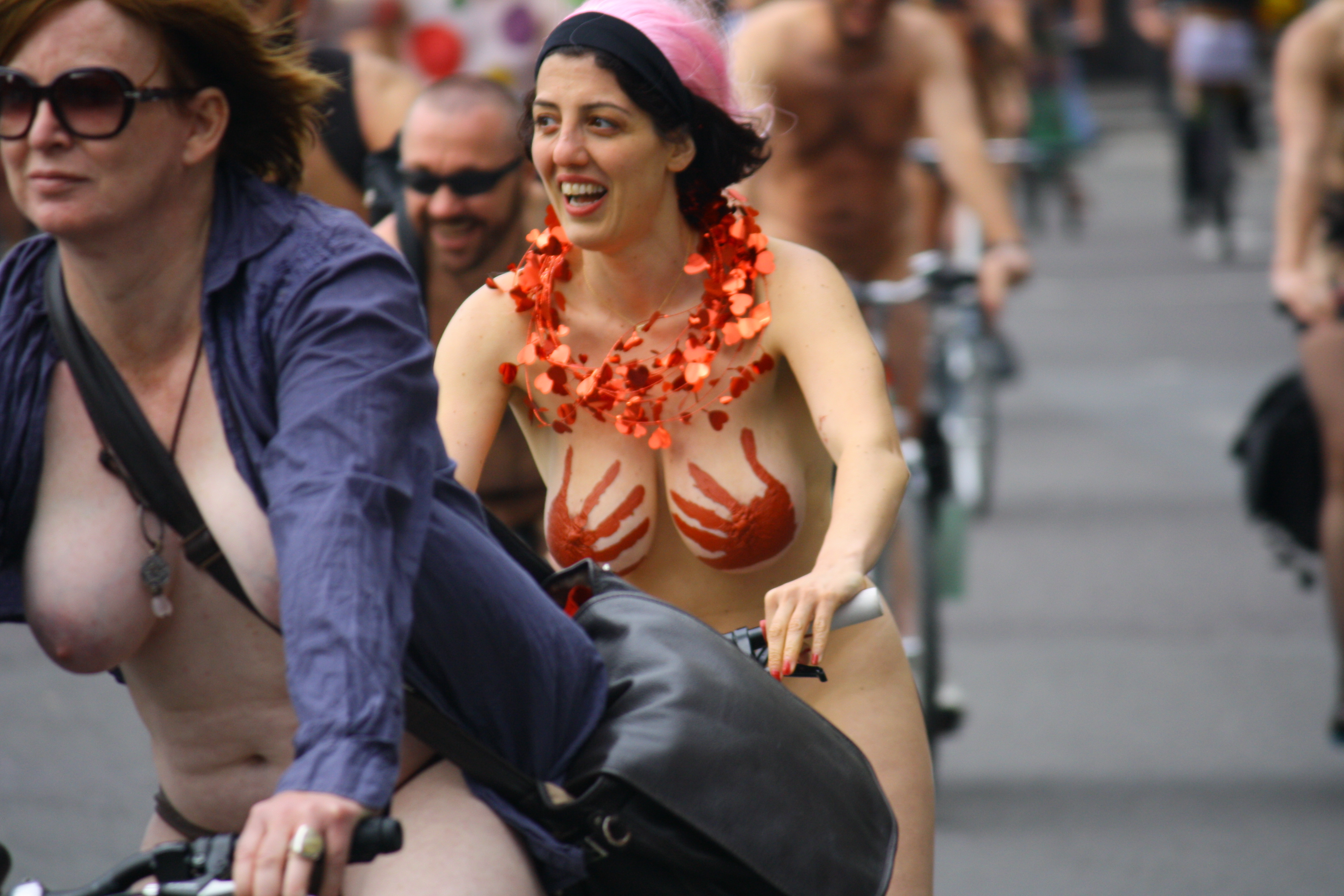
IMG_5597Free and Easy (Trafalgar Square: 2011)

Cafe Life

Waiting and Waiting (Istanbul: 2005)

Andalucía

Seville is big. It’s the fourth largest city in Spain. It was founded by the Romans, occupied by the Moors, and latterly conquered by the Christian King Ferdinand III in the 13th century. The city – like much of Andalucía – is now an exciting mix of Gothic, Moorish and Renaissance architecture. So: it’s big and has lots of interesting things to see. Not a great idea to attempt to cover it in two days, then. But that’s what I did. Actually, my trip – in September 2006 – took in Córdoba and Granada as well. So, it was actually an attempt to cover the highlights of Andalucía in four days. Much better!

We stayed on the outskirts of the old quarter, a 30 minute walk to the imposing Cathedral of St. Mary.  Interestingly, for those of you paying attention, on its completion in the 16th century St. Mary unseated Aya Sofya as the world’s largest cathedral (see previous post for more on Istanbul).  Other interesting facts: it is the burial site of Christopher Columbus and its famous bell tower – the Giralda – was originally a minaret of the mosque that stood on the site.  There are ramps inside the Giralda, rather than stairs, so that the muezzin could ride on horseback to the top to call the people to prayer.  Don’t say I don’t try to teach you things!

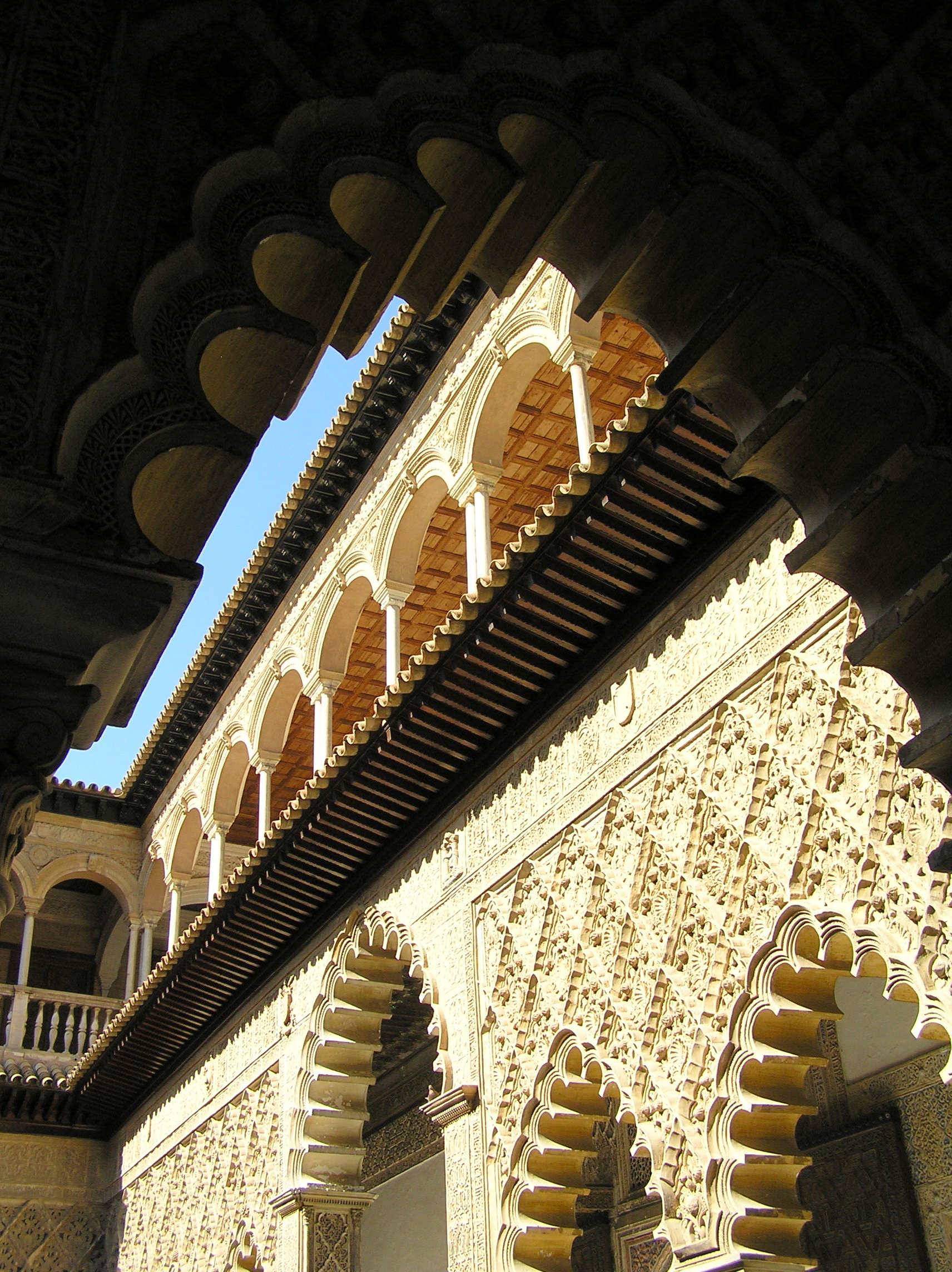
OLYMPUS DIGITAL CAMERAAs impressive as the cathedral is, the Alcázar is more so.  The palace is the oldest still in use in Europe (being used by the Royal Family when they visit the city) and is a beautiful Mudéjar complex.  The Mudéjar were the Moors who remained in Iberia after the Christian conquest and the palace started life as a Moorish fort before being enhanced by subsequent monarchs in renaissance style.  It’s beautiful.  Archways, terraces, courtyards, gardens, and water features make an intricate yet peaceful compound.

We also explored the expansive, and cooling, Parque de Maria Luisa, a lovely area that contains Plaza de España and other monuments of the 1929 Exposición Ibero-Americana (World’s Fair), and we walked along parts of the Guadalquivir River, beside which stands the Torre del Oro watchtower.

OLYMPUS DIGITAL CAMERAAfter all that sight-seeing (well…before, in-between, after, anytime we could really!) we ate in some amazing tapas bars and restaurants.  I can’t remember the names of them all, unfortunately, but I do remember the one I treated my dad to on his 50th birthday.  Bar Eslava, located in a pretty square in the San Lorenzo district, had been recommended by my friend Helen who lived in Seville for a short time.  I admit to being a little dubious when we passed earlier in the day to discover it was very small and completely empty, but I’m glad I kept the faith.  When we returned in the evening, people were queuing out of the door and the staff were run off their feet.  The menu was only in Spanish and we couldn’t decipher a word, so we just put our trust in the waiter and asked him to start by bringing us six things to try.  The best tapas I’ve ever had (sorry Chris!).  Pork cheek in sherry, marinated anchovies, stuffed mushrooms, jamón iberico, and so many more delights that I can’t now recall.  And by the time we’d finished, our food and wine came to about 25 euros in total.  I’d have felt a bit sheepish about choosing the place for ‘treat night’ except we both left with massive beams on our faces, so job done.

OLYMPUS DIGITAL CAMERA

Our trip to Córdoba fell on the hottest day.  Luckily we spent much of our time in the cool and dark Mezquita.  Formerly a mosque and now a Catholic cathedral, the space is a fascinating fusion of the two and its main hall, with its multiple red and white striped arches, is stunning.  Back in the sun, the old town (the largest urban area in the world declared a UNESCO World Heritage site) was a wonderful place to wander around.  The Calleja de las Flores, with its postcard view back down to the Mezquita, was quite crowded, but the rest of the town was reasonably quiet and we enjoyed meandering through the streets and in-and-out of shaded courtyards.

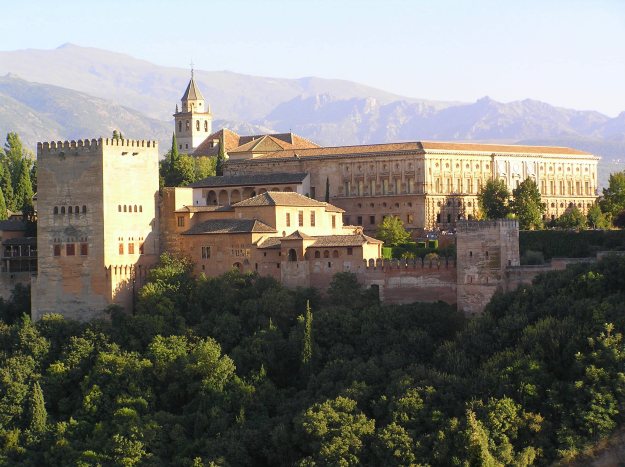
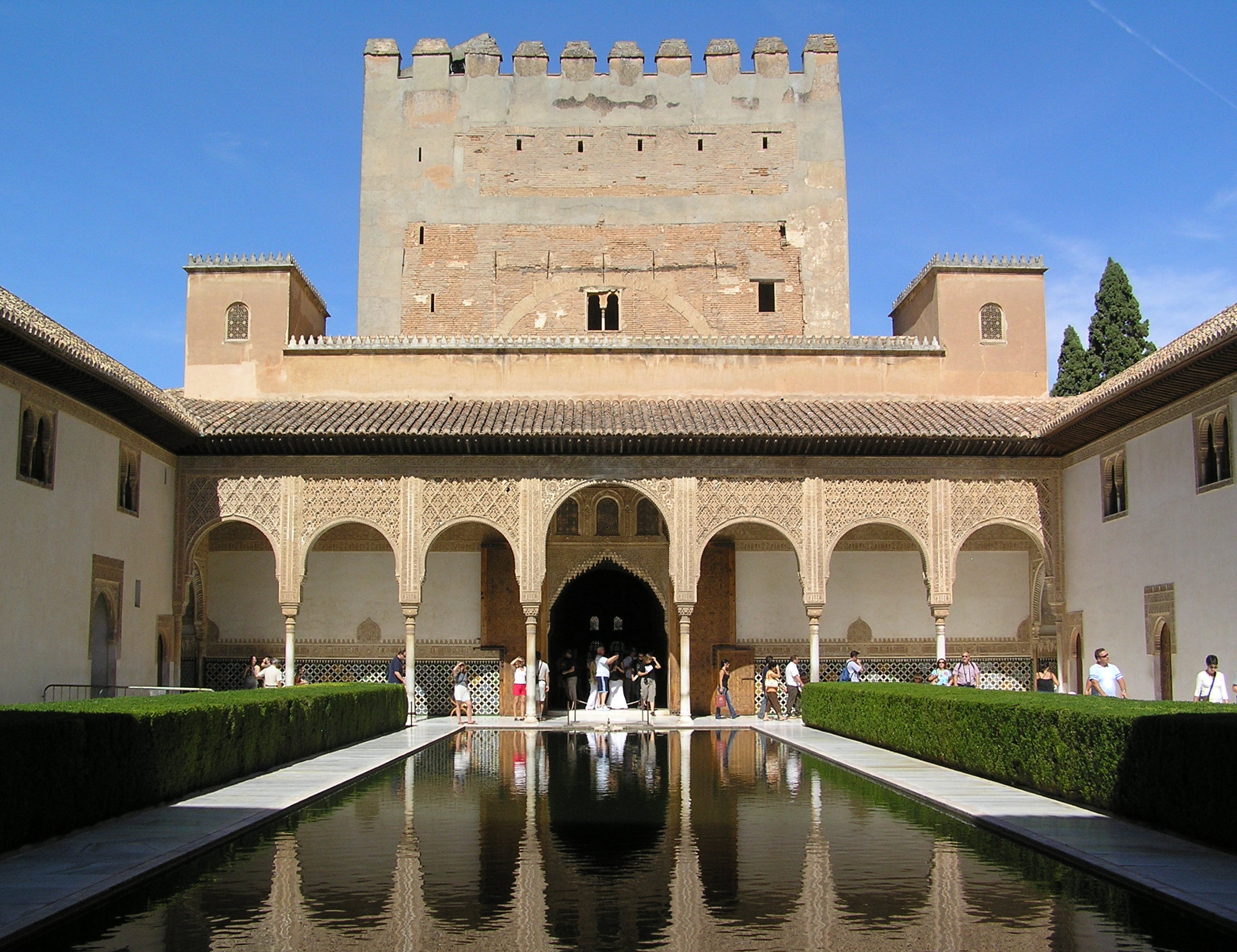
P9300974Which leaves Granada…I saved the best ‘til last!  An early start was needed for the 3 hour train journey, but I’d happily have travelled ten times as far to see the Alhambra.  The Nasrid palace was built mostly in the 14th century, when it was converted into a palace from a fort by Yusuf I, the Sultan of Granada.  The Muslim rulers were attempting to create ‘paradise on earth’, and I’d say they came pretty darn close.  Together with the Generalife palace and gardens, the huge complex is simply breathtaking.  The architecture is hard to beat and the different layers and spaces reveal new delights around every corner, with reflecting pools, archways and fountains providing endless photo opportunities.  I’m not going to pretend I wasn’t clicking away the whole time.

Obviously, for a view of the Alhambra in its entirety you need to be on the other side of the valley.  The Albaicín district on the hill opposite, with its narrow Moorish streets and white-washed homes, has the perfect vantage point: Mirador San Nicholas.  With dusk approaching, I sat looking at the Alhambra dappled in golden light, with the Sierra Nevada mountains as a backdrop.  Heavenly.

OLYMPUS DIGITAL CAMERA


After some seafood paella in a square near the cathedral, we headed back for the train.  What should have been a simple journey – if we’d have walked, as my dad suggested – became much more dramatic when it became clear our bus was headed for the coach station rather than the train station.  Given we were catching the last train of the day, the urgency of correcting our (my!) error was acute.  Stopping numerous times to ask baffled locals for directions, we sprinted in what we hoped was the general direction for about 20 mins, literally leaping on to the train just as it was about to depart.  Indiana Jones eat your heart out!  The train pulled out of the station and promptly stopped ten feet from the end of the platform for close to half an hour while a fault was seen to.  Typical!

OLYMPUS DIGITAL CAMERAThe Tourist Shot

OLYMPUS DIGITAL CAMERACulture Clash

OLYMPUS DIGITAL CAMERAReflecting on Things

Wats and ‘Phants

I spent an amazing three weeks in South-East Asia in the autumn of 2008. Hong Kong and Singapore were fabulous (more on those another time), but it was Thailand that I really fell in love with. It’s hard not to when the food, people, sights and culture are so vibrant and exotic.

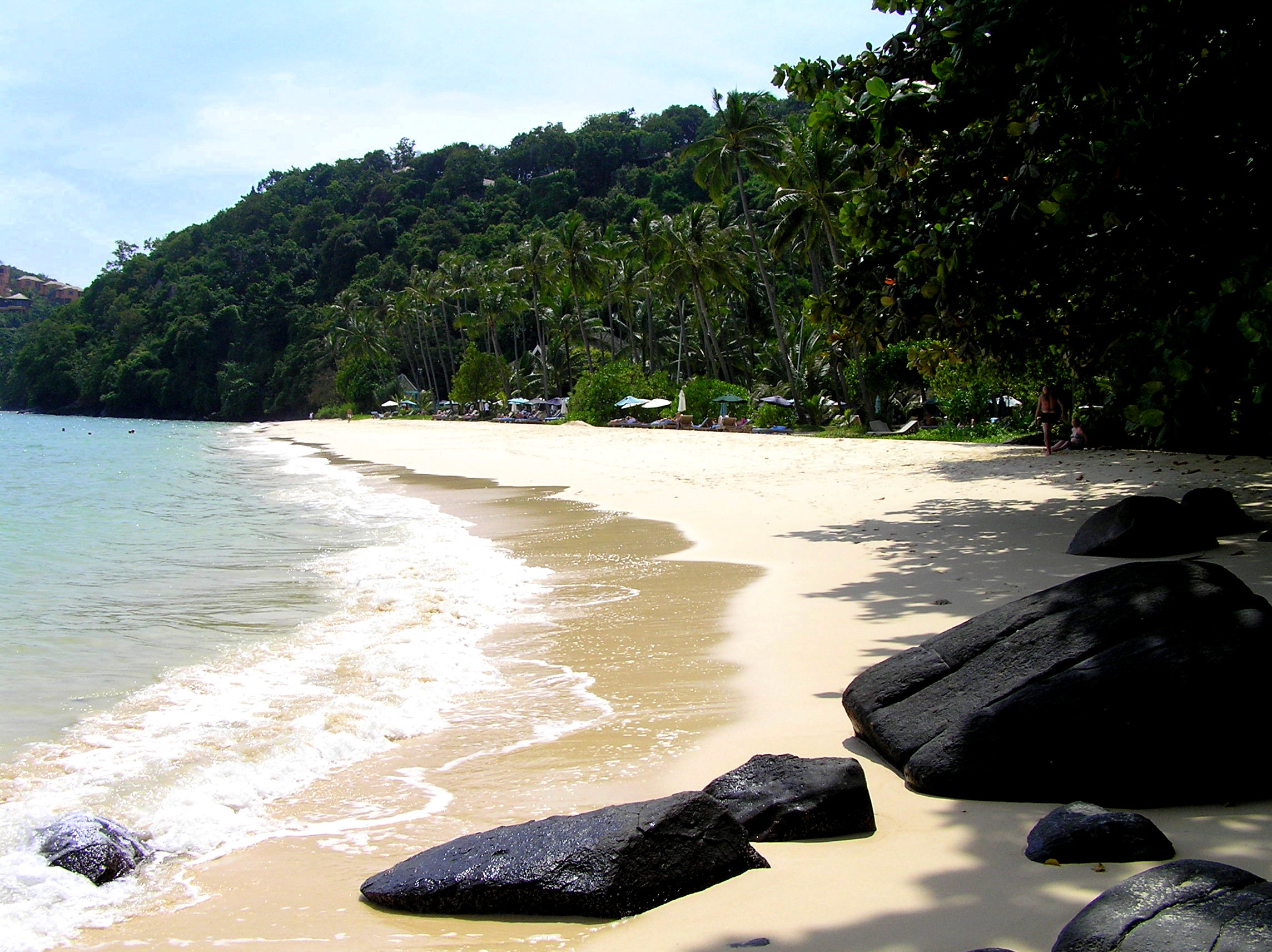
We first flew to the island of Phuket. Our hotel – The Cape Panwa – was in an idyllic, secluded bay of white sand and crystal-clear turquoise water. Heavenly! There was a colonial-style restaurant right on the beach and the hotel had its own jetty into the sea. The food was incredible – giant langoustines, thai curries and delicious cardamom rice pudding – and the beach was the nicest I’ve ever been to. Swimming, sunbathing, reading, and seeking out crabs were the order of the day.

OLYMPUS DIGITAL CAMERA

As tempting as it would have been to lie in a hammock for a week, Phuket has many other attractions. You can’t visit without taking a long tail boat trip into the Andaman Sea to Phang Nga National Park, with its many beautiful islands. We stopped at James Bond Island (so named for featuring in The Man With the Golden Gun) for a look around, spying iguanas on the beach and wading through rock pools. You wouldn’t know that the area had been devastated by the Tsunami in 2004. It’s simply stunning. We also stopped at Ko Panyi, a Muslim fishing village built on stilts by Indonesian fisherman from Java. We visited the small primary school and floating football pitch, and strolled along the raised streets, where hundreds of chillies were hanging from washing lines drying in the sun.

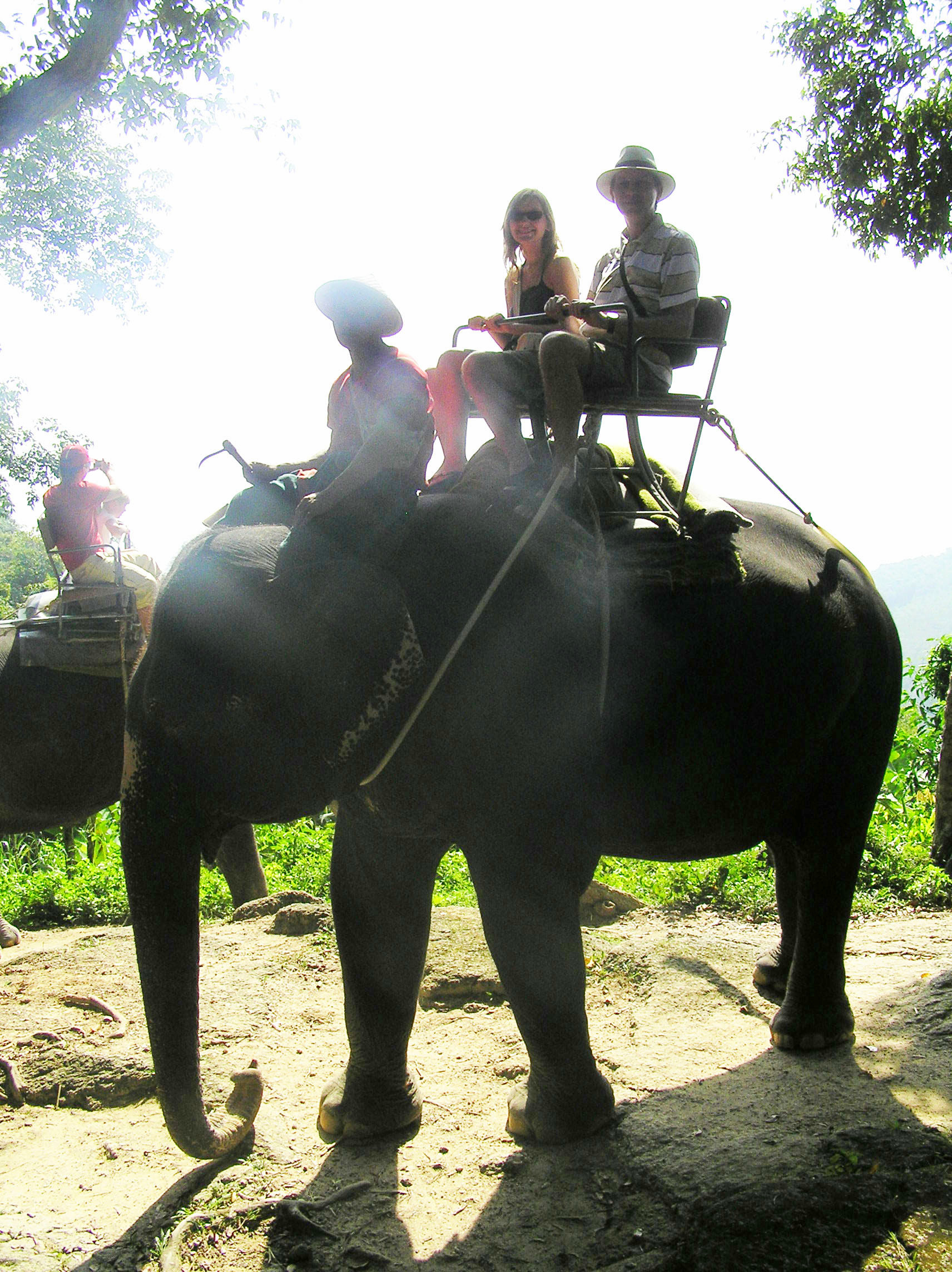
OLYMPUS DIGITAL CAMERAWe also headed into the hills for an elephant trek. This was a real highlight for me. We were able to feed the baby ‘phants with bananas, stroking their trunks as they pulled the fruit from our hands, before climbing onto the backs of their parents for a journey through the jungle rainforests and up to a mountain village. The views over the island were lovely and our elephant was beautiful, giving us a smooth ride. We meandered at a leisurely pace, occasionally stopping for some shade. In the village, we had a cookery lesson – making a spicy red curry – and a ride on a cart pulled by a water buffalo. We were also shown how the villagers make baskets from coconut husks and how to tap rubber trees. Great fun!

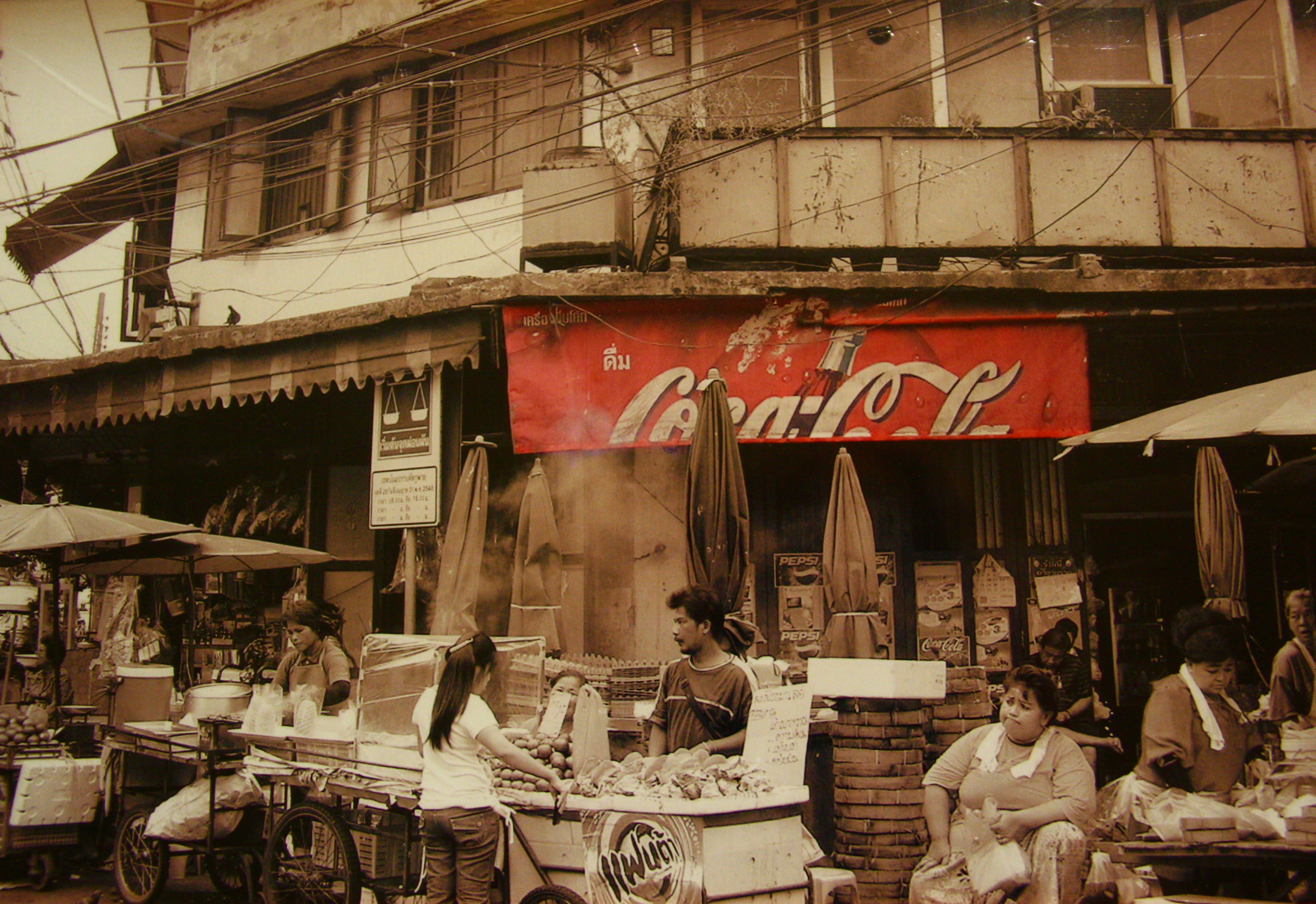
Bidding a fond farewell to paradise, we flew on to the capital: Krungthepmahanakhon Amonrattanakosin Mahintharayutthaya Mahadilokphop Noppharatratchathaniburirom Udomratchaniwetmahasathan Amonphimanawatansathit Sakkathattiyawitsanukamprasit (or Bangkok to you). The city’s ceremonial name translates as “City of angels, great city of immortals, magnificent city of the nine gems, seat of the king, city of royal palaces, home of gods incarnate, erected by Visvakarman at Indra’s behest”. Nice, huh? After checking in at our hotel on Rajdamri Road, we caught a taxi to the riverfront and jumped on a boat down the Chao Phraya. The taxi driver had ripped us off, it transpired, but given I’m used to London prices I didn’t notice. It was only after comparing the price of the return journey that I realised we’d paid about six times too much. Still, you live and learn. The boat trip was lovely, taking us past Wat Arun and many other famous sights, then down tributaries into more residential areas, with the houses perched precariously on stilts driven into the alluvial plains. An Asian buffet atop Baiyoke Tower II, the tallest building in the city, and a stroll through the Ratchathewi and Pathumwan districts concluded the day.

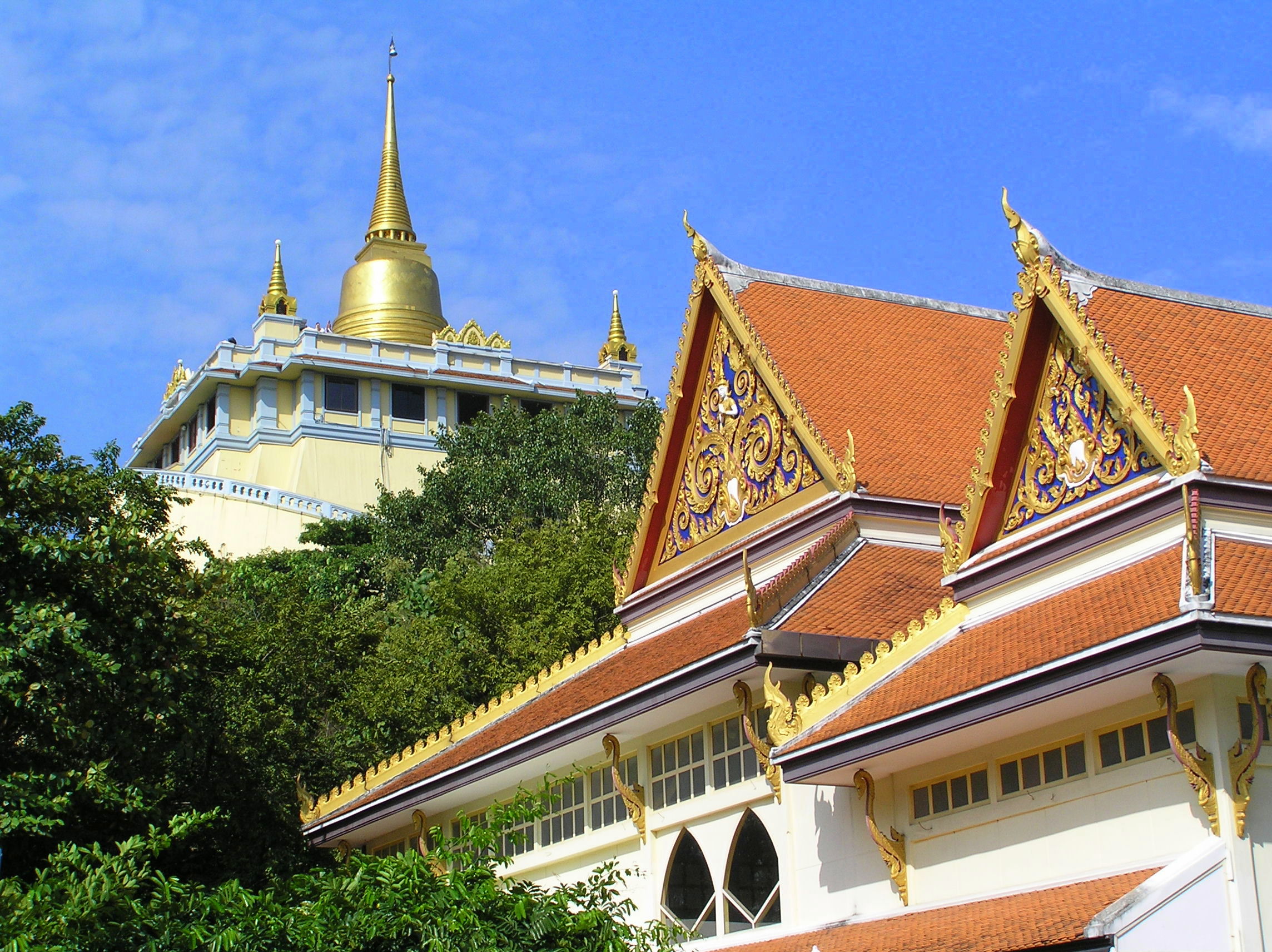
OLYMPUS DIGITAL CAMERAThe next morning we tried to get to Dusit Palace, but – fearful of political unrest and protests against the Prime Minister which were taking place in the area – our taxi driver instead suggested a visit to Wat Saket and The Golden Mount. It’s worth the climb to the top of the Mount for the views over Bangkok, and without the usual throng of tourists the temple is one of the most peaceful in the city. Having waited patiently for us while we wandered around, and only charging us about £3 for doing so (further reinforcing my conviction that yesterday’s driver was a ne’er do well), we went on to the Phra Nakhon district. The Grand Palace was also disappointingly off-limits, the result of a royal birthday or funeral (I forget which), so it’s difficult to say how it would have compared, but Wat Pho was certainly one of the most impressive places I’ve been to.

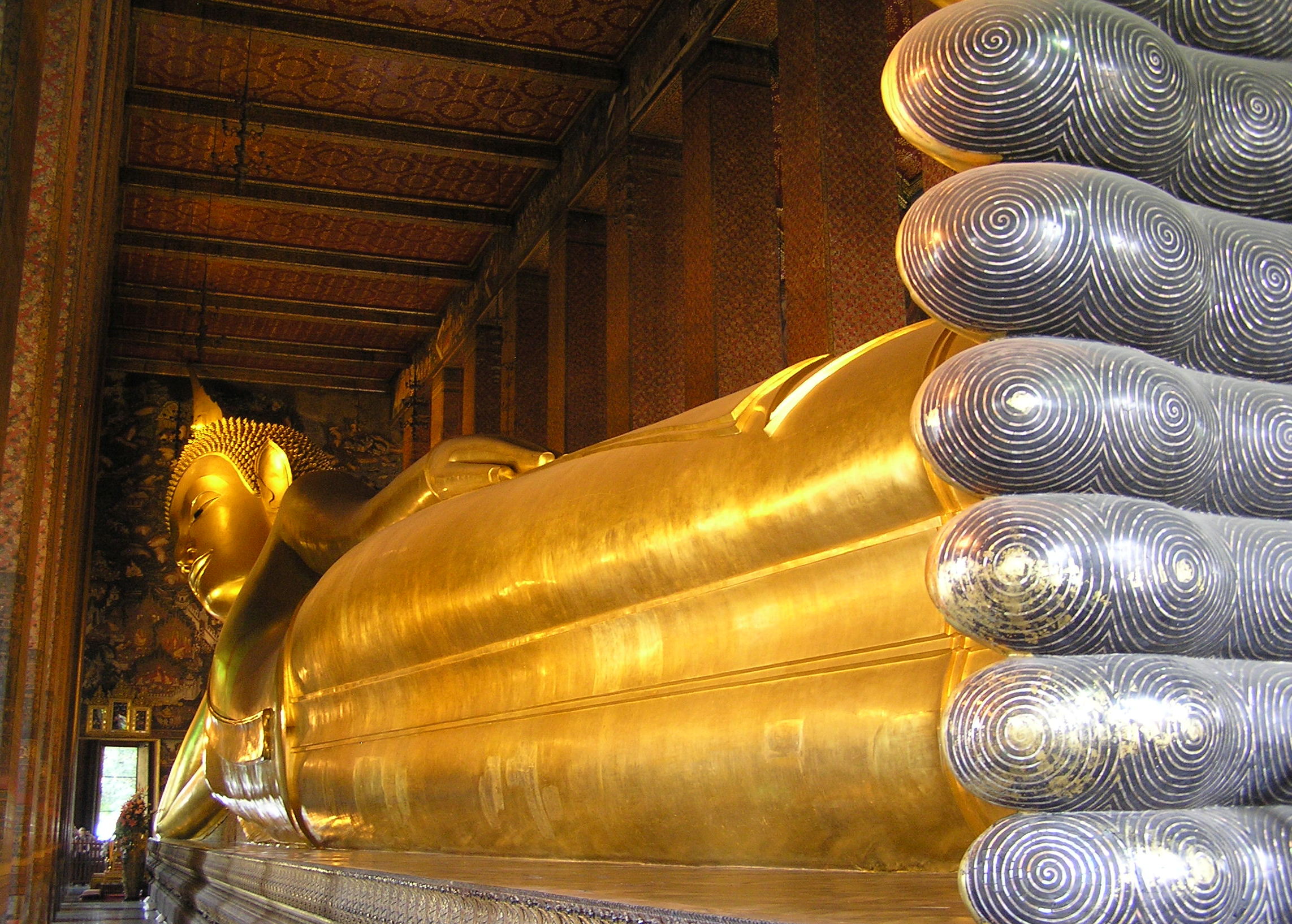
OLYMPUS DIGITAL CAMERAIt’s named after the monastery in India where Buddha is thought to have lived and is home to the gigantic (160 foot) Reclining Buddha as well as over 1,000 other images of ya main man. The large temple complex takes a long time to get round, with its various shrines, gates, statues and courtyards, and we were ready for a sit down in a cafe by the end. Only a short pause though, before we headed into the district of Samphanthawong in Chinatown and to Wat Traimit, home of the largest solid gold statue in the world (Buddha, of course). Here I received a blessing from a Buddhist monk (for a small fee) and we were able to sit in the shade for a while, our legs having started to ache. Time to head back to Thanon Ratchadamri, with its western shopping malls and restaurants, for a bite to eat. An outdoor beer festival was in full swing, so we tried some Thai brew and got a bowl of the spiciest soup I’ve ever tasted thrown in as a free accompaniment. No longer able to feel my tongue or lips, it was time to call it a night.

OLYMPUS DIGITAL CAMERA

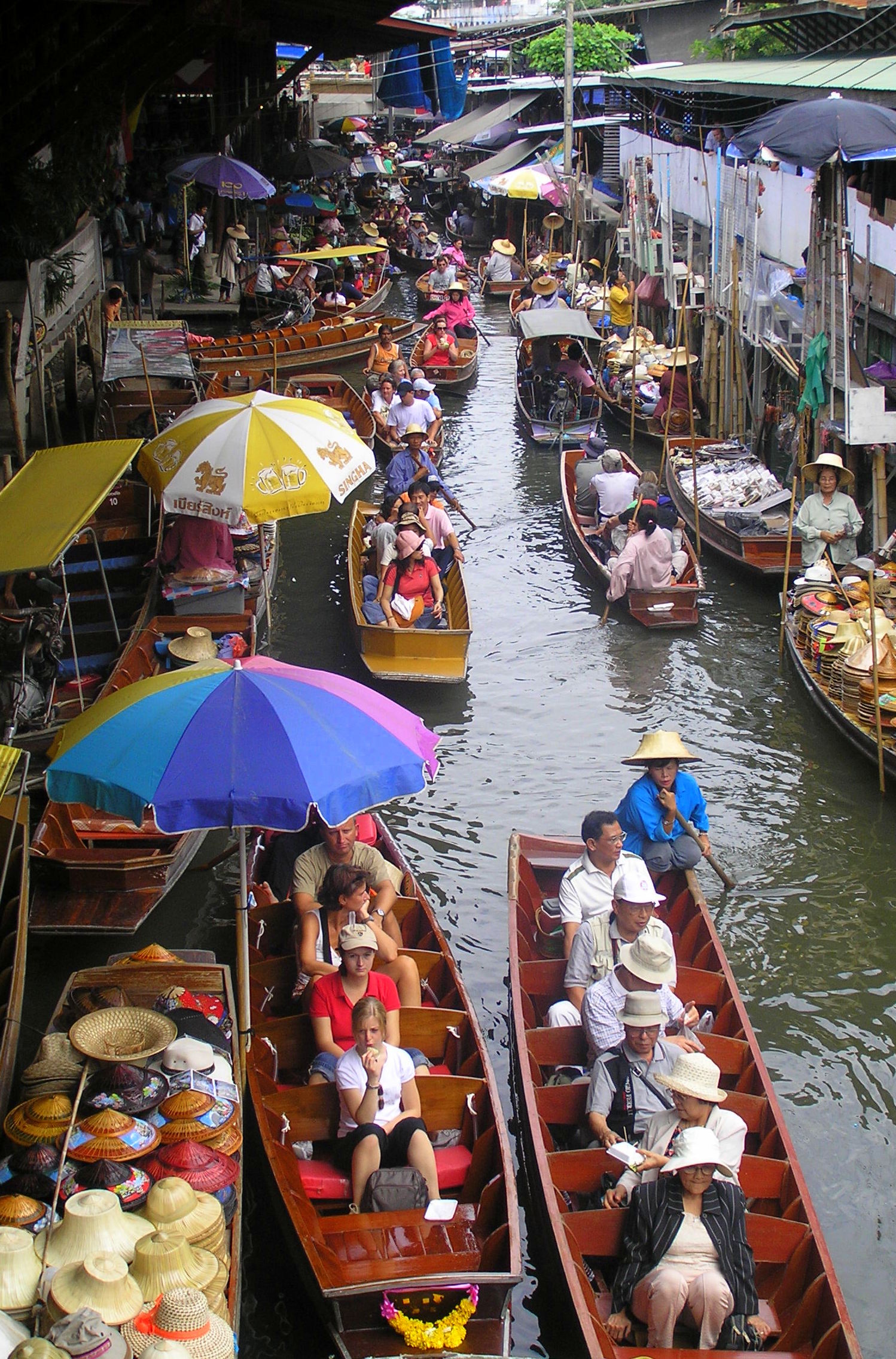
The next morning, we rose at the crack of dawn and drove out of the city, boarding a long tail boat to Damnoen Saduak. Sailing past salt fields and rice paddies, you arrive at the network of canals that form the traditional floating market. It’s really bustling, with women in straw hats paddling in boats laden with mangoes, coconuts, Chinese grapefruit and other exotic fruits and vegetables. Some were also cooking up large cauldrons of broth and curry.  The smells and sounds were fantastic. I didn’t dare barter for anything – it was all too frantic and several of the traders had large snakes around their necks – but it was enough to soak it all in. Next we travelled to Phra Pathom Chedi in the town of Nakhon Pathom and climbed the many steps – in the now searing midday head – to the largest pagoda in Thailand. The pagoda is a huge upside-down bell-shaped structure, surrounded by some of the more uniquely-posed Buddha statues. After that it was on to the Rose Garden cultural centre, where were saw a performance of fingernail dancing, Thai boxing, an elephant parade and a recreation of a traditional Thai wedding ceremony. A great end to our Thailand adventure!

Luckily we flew onward to Hong Kong before the take-over of Bangkok’s Suvarnabhumi Airport by the activists of the People’s Alliance for Democracy, which saw around 3,000 tourists and locals trapped in the terminal for about a week. While I would happily have spent longer in the country, it was most definitely a lucky escape!

OLYMPUS DIGITAL CAMERABig feet, Big shoes

OLYMPUS DIGITAL CAMERAWat Dat

IMG_2687East meets West

OLYMPUS DIGITAL CAMERABetter than Tesco

OLYMPUS DIGITAL CAMERAParadise

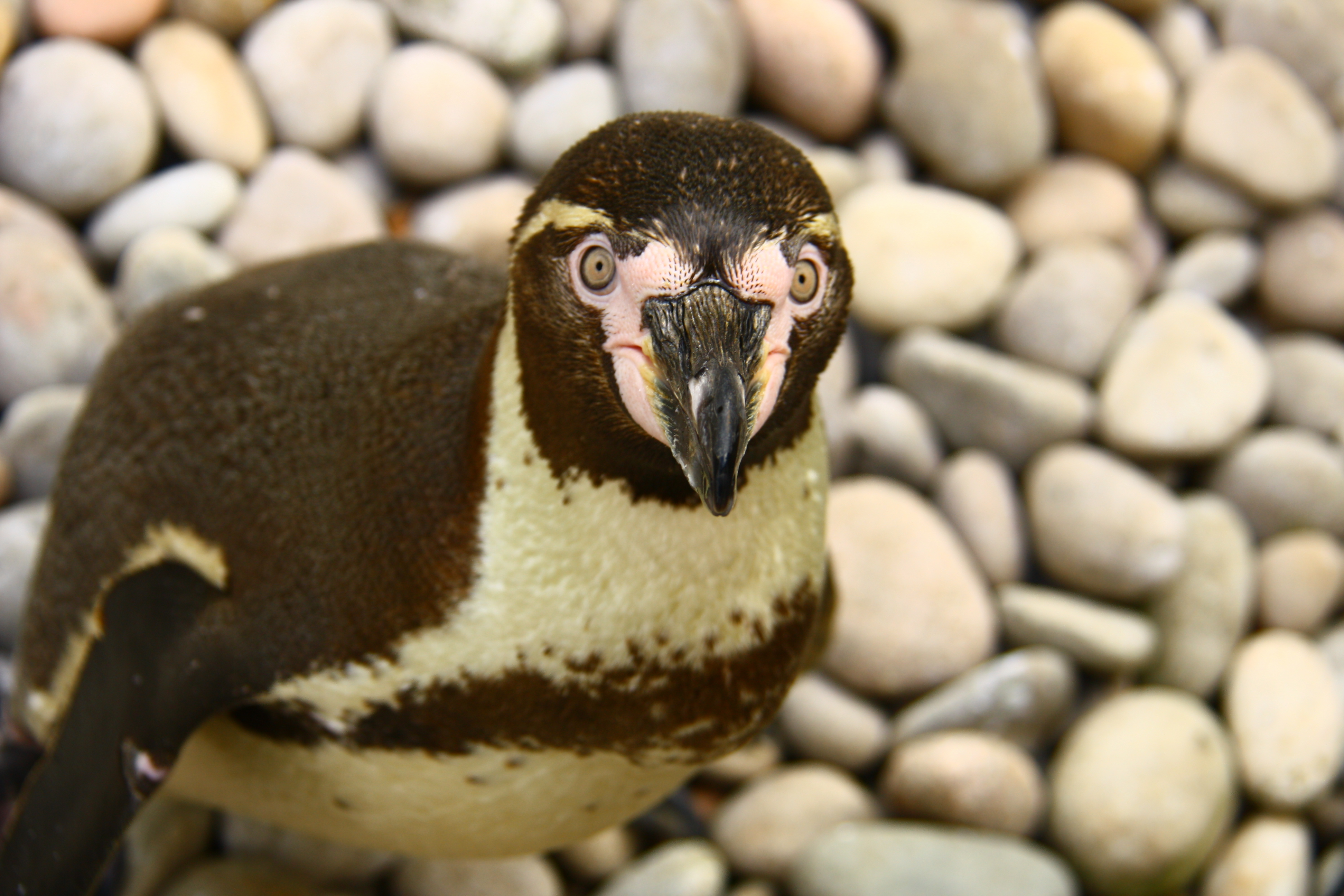
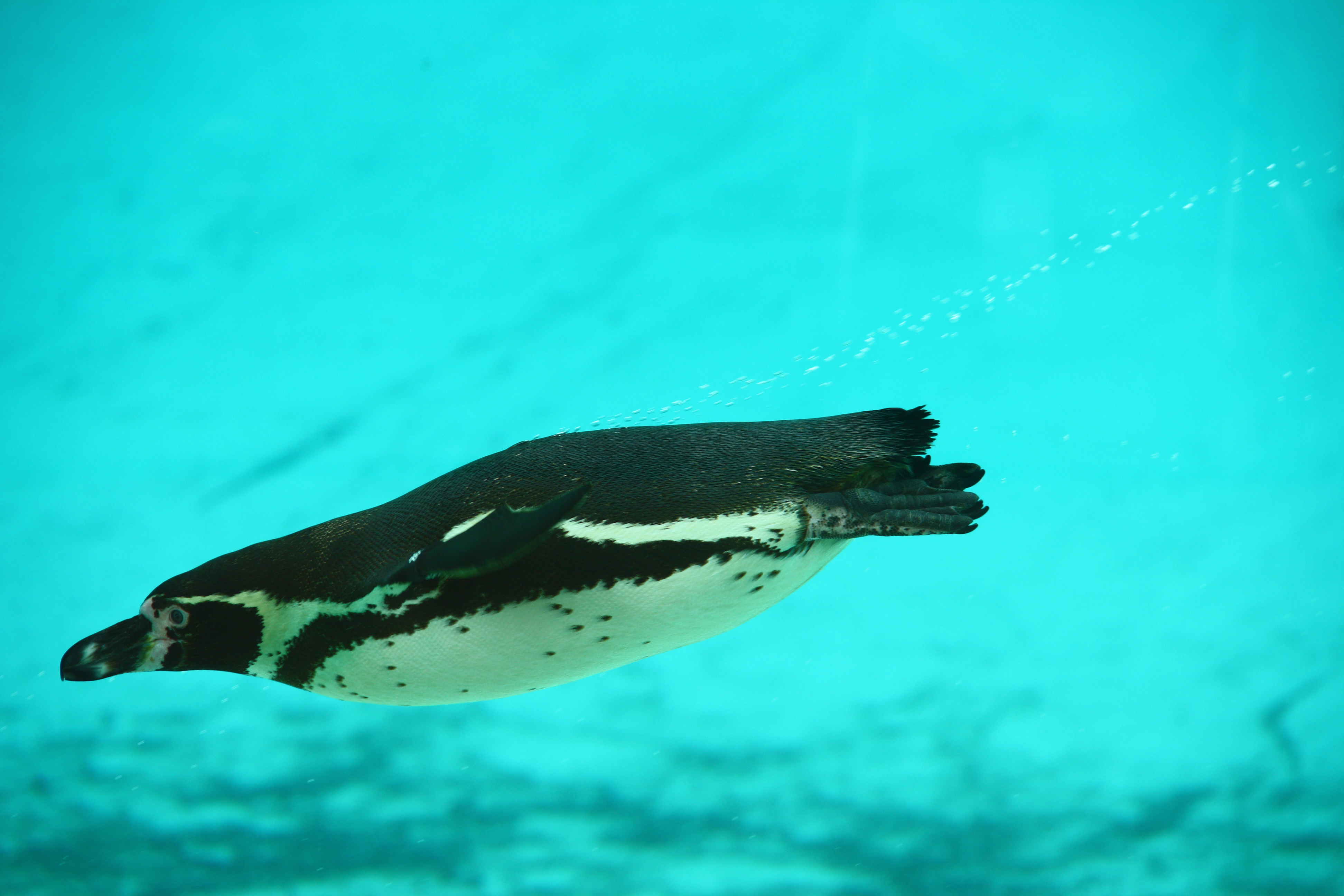
ZSL: Penguins and other lesser birds

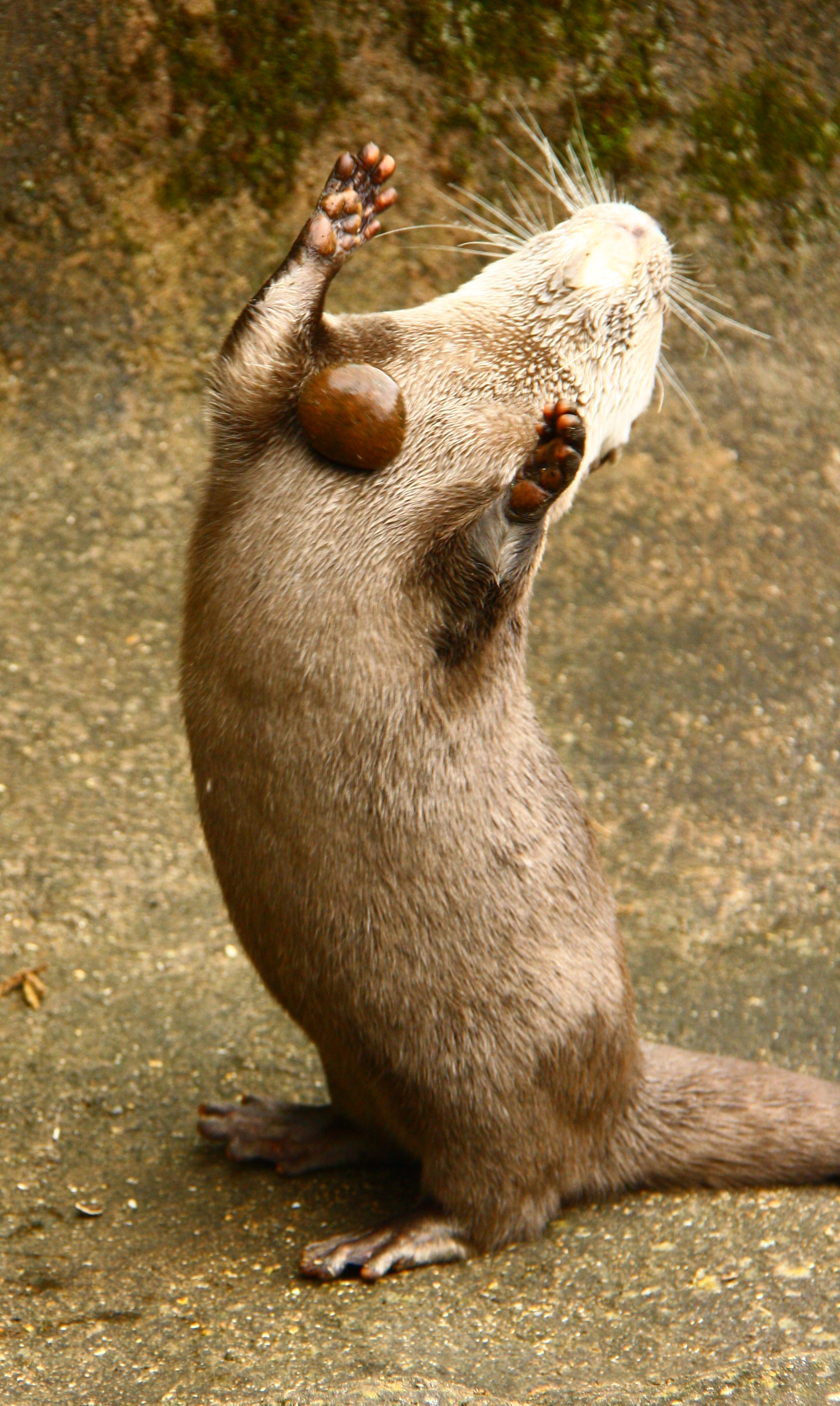
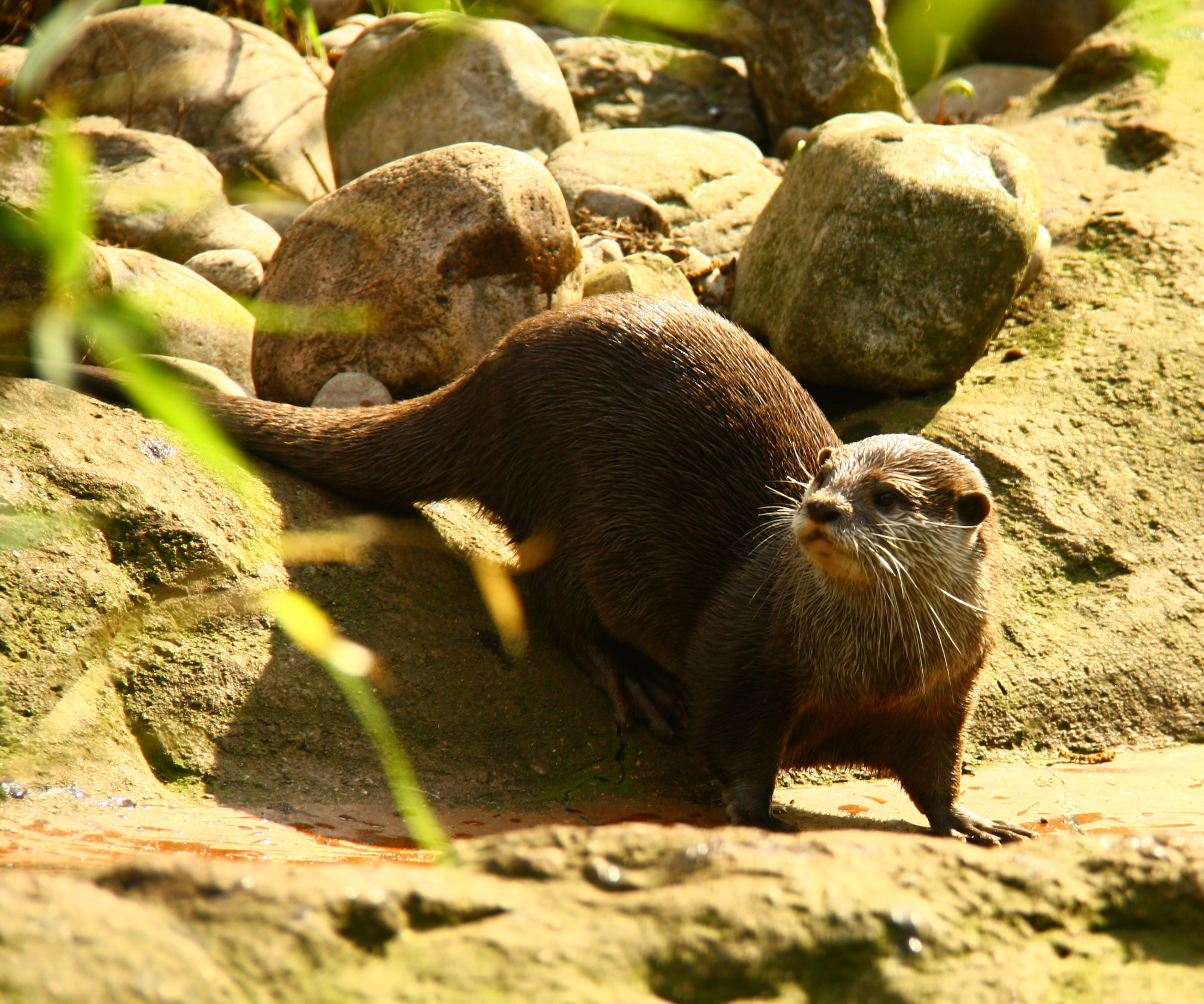
So, even though other birds can’t really hold a candle to the mighty penguin, there are some pretty cool ones out there.  Flamingos are ace, for example.  And there are lots of other awesome ones at London Zoo.  Can’t remember their names, sorry.  What do you think I am, a walking ornithology guide?

zoo110 zoo060 zoo009 zoo004 zoo132 zoo059 zoo113 zoo007

Bazaar and Beautiful

My first trip to Istanbul was with my dad in September 2005.  We arrived during Ramadan and spent our first evening wandering around the food stalls that lined Sultanahmet Square and the Hippodrome.  The local residents had started queuing well before sundown in order to be first to enjoy the array of delights: stuffed aubergines, lamb kebabs and baklavaas well as the more touristy fare of popcorn, turkish delight and toffee apples.  There were fairy lights, crafts stalls, live music and a really friendly, festive atmosphere.  The obelisk in the Hippodrome was dramatically illuminated and both Aya Sofya and Sultan Ahmed Mosque, situated at either end of the square, were covered in lights and set off in all their splendour.  I decided immediately that I loved the city.

OLYMPUS DIGITAL CAMERA

There are too many wonderful sights in Istanbul to list them all, but I’ll mention just a few.  First, Topkapı Palace.  Built in the 15th century, the palace was the royal residence of the Ottoman Sultans for 400 years.  Converted into a museum in the early 20th century, it now contains various holy relics of the Muslim world, Islamic calligraphic manuscripts and murals, and a host of Ottoman treasures and jewellery.  Passing though the Imperial Gate and the Court of the Janissaries, you reach the impressive Gate of Salutation that leads you IMG_0961into the palace itself.  The complex is vast, with hundreds of rooms, grassed courtyards and fountains.  Aside from the Treasury, with its stunning array of sceptres, jewel-encrusted daggers, and random piles of ‘spare’ giant rubies and emeralds, the Imperial Harem was the highlight.  Home to the Sultan’s mother, his concubines, eunuchs, wives, children and servants, the labyrinth of passageways, secret doors and terraced rooms is a gateway to a completely unfamiliar time and culture.  The Imperial Sofa (throne room) and crown prince’s apartment – where he was kept in isolation in a gilded cage – are opulent and colourful, yet have a real sense of foreboding.  The feeling soon dissipates, however, as you exit to the İftar Pavilion with its beautiful view over the Golden Horn.  With the sun beating down, I could have happily stayed there for the rest of the day.

IMG_0952

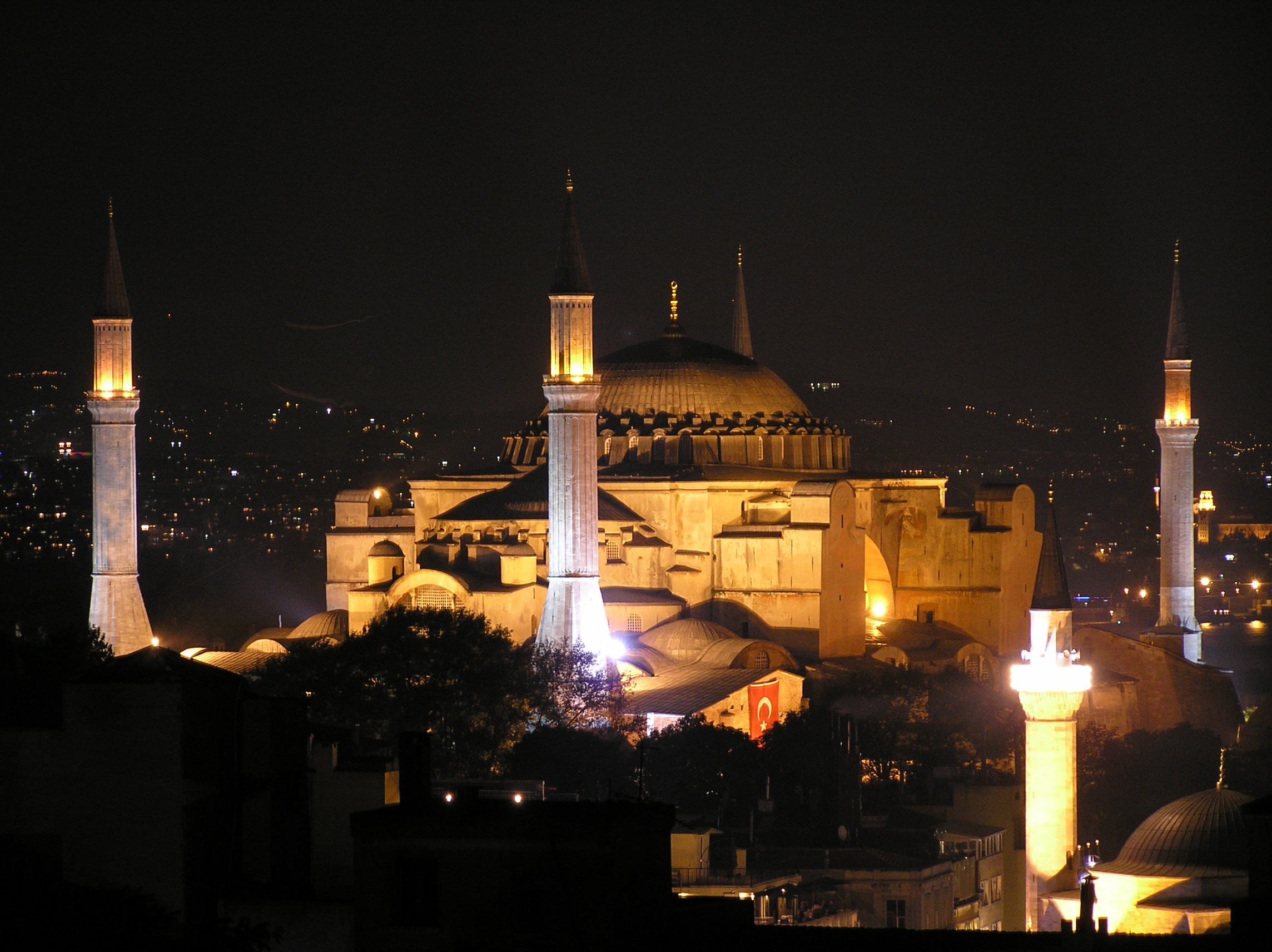
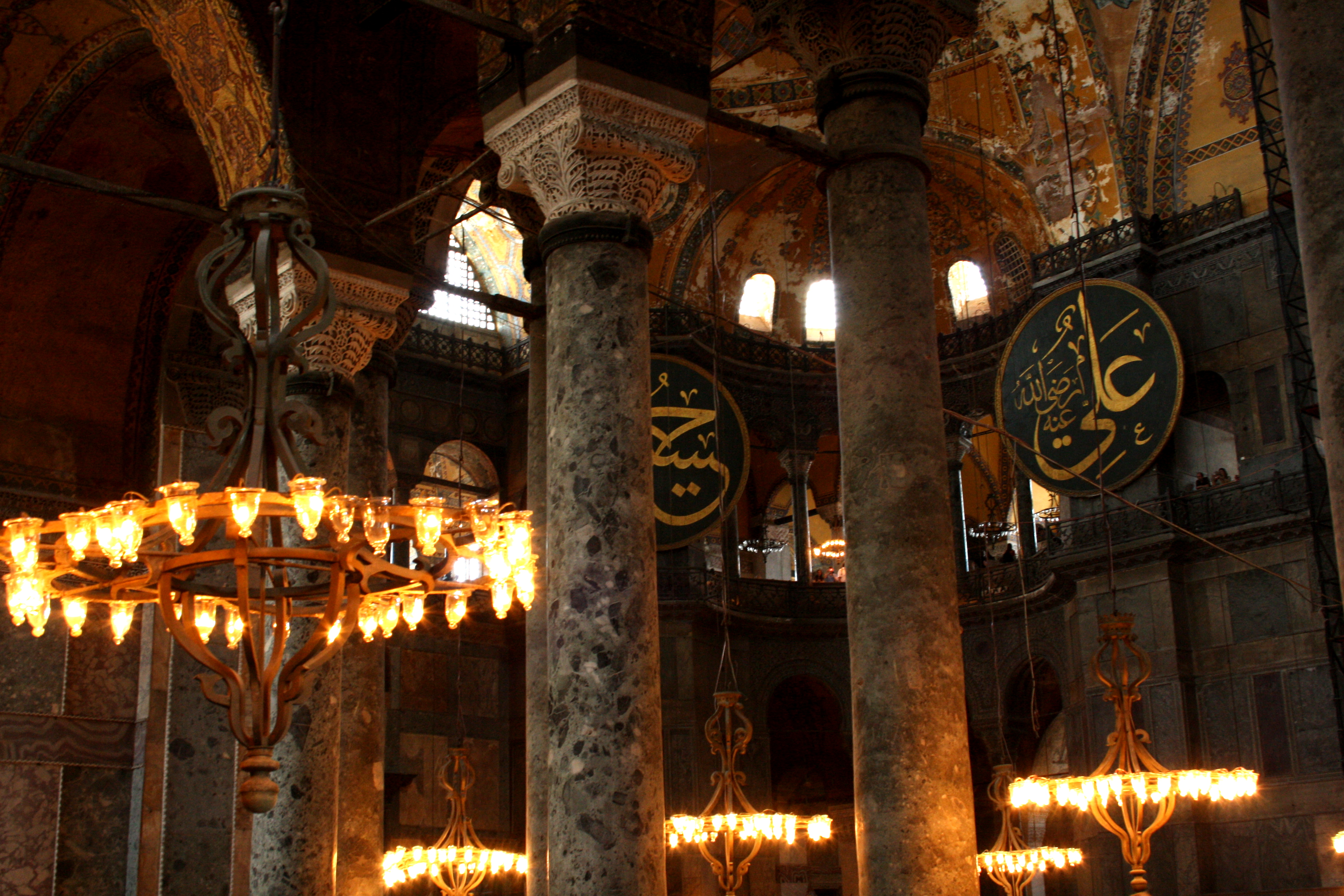
But then I’d have missed seeing what has become my favourite building in the world: Aya Sofya.  The original building was constructed in only five years, opening in 537 under the Roman Emperor Justinianos.  It was used as a church for 916 years (being the world’s largest cathedral for most of that time) and then, following the conquest of Istanbul by Fatih Sultan Mehmed, the building was converted into a mosque.  It was used as a mosque for almost 500 years and then in 1935 under the order of Atatürk (the first President of the Republic of Turkey) it was converted into a museum.  I can’t describe how amazing this building is.  Standing in the centre, looking up at the domed basilica, takes your breath away.  Golded mosaics and gigantic boards of calligraphy adorn the interior, and the exterior – with its four tall minarets and salmon walls –is equally impressive.  I must have taken about 100 photos!

IMG_0933

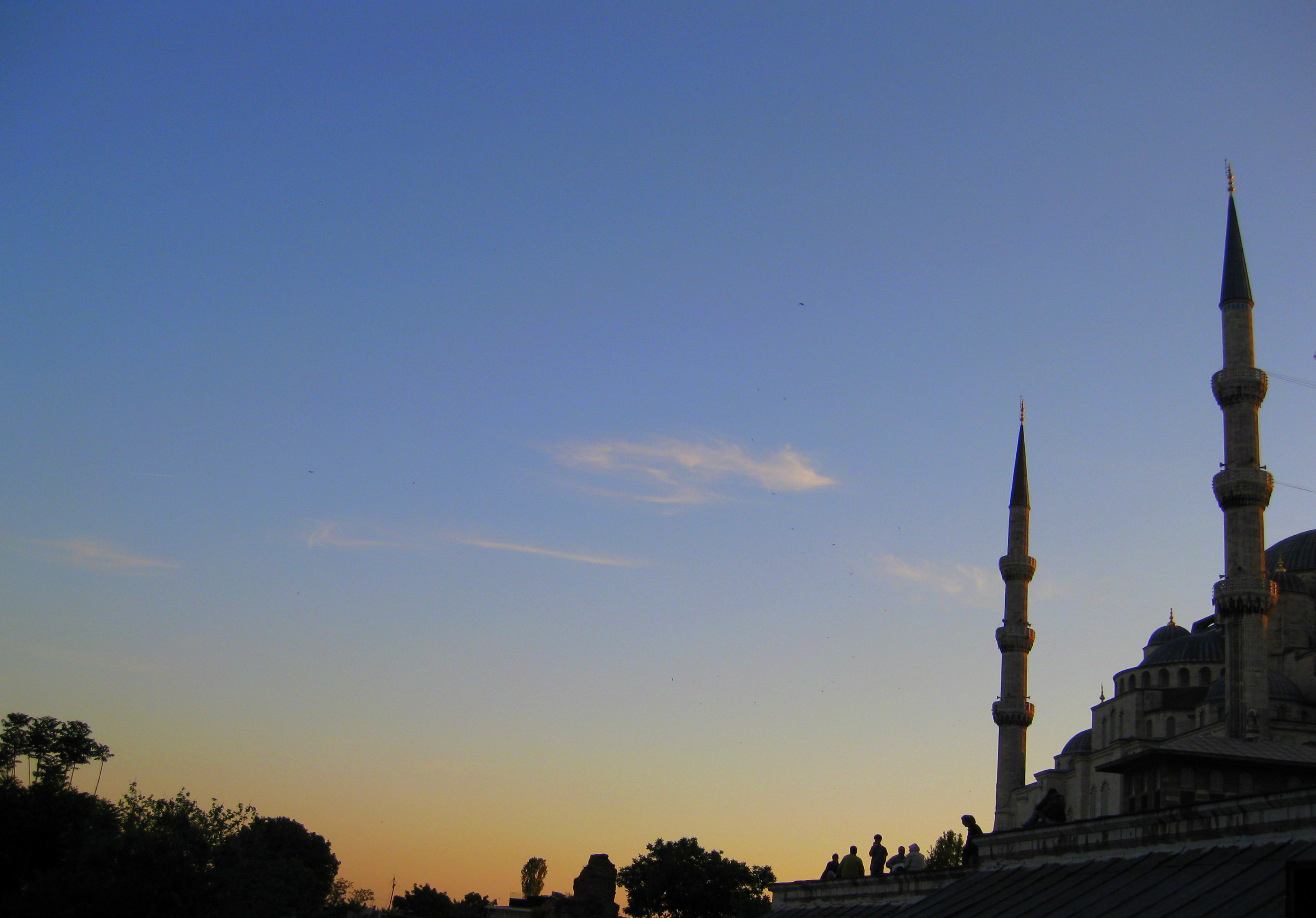
Whilst nothing could top it, Istanbul is not short of other fantastic architecture.  Both Sultan Ahmed Mosque (better known as the Blue Mosque) and Süleymaniye Mosque are remarkable and still working places of worship.  With your shoes off and head covered (if you’re a lady), it’s easy to see why the buildings evoke such a sense of wonder and majesty in OLYMPUS DIGITAL CAMERAtheir congregation. On my second visit with Paul and his family in 2009, we sat for some time on the Blue Mosque’s courtyard steps just as dusk was approaching, admiring how the stunning golden light lit the nine domes.  The Grand Bazaar is also spectacular.  One of the largest and oldest covered markets in the world, with 60+ covered streets and over 3,000 shops: it is very easy to get lost!  My first proper experience of haggling (if you don’t count the time in Tunisia when my dad tried to swap me for camels) was semi-successful – I definitely talked the shop-owner down, but don’t really think I came away with a bargain.  Still, the glass lamp is in our bedroom to this day and looks lovely.

Just two more buildings I have to mention… the Church of St. Saviour in Chora, which my dad and I sought out, and Dolmabahçe Palace on the Bosphorus strait, which we visited on my second trip.  Now a museum, St. Saviour’s is considered to be one of the most beautiful surviving examples of a Byzantine church and is covered in exquisite mosaics.  It was well worth the taxi trip, though the walk back took us through one of the poorest neighbourhoods and it was difficult to witness barefoot children searching for metal scraps to sell.  A reminder that outside the tourist centre Istanbul unfortunately still has areas of real poverty.  The glamorous Dolmabahçe was built in the 19th century as the administrative centre of the late Ottoman Empire and has the world’s largest crystal chandelier.  I’d seen it from a boat on our first trip and so was glad to have the opportunity to go inside.  Patrolled by the palace guard and accessible only via guided tour, it is a strikingly lavish building reminiscent of Versailles in France.

IMG_0901

Since I’ve mentioned the boat trip, I would definitely recommend taking a tour from Emınönü port around the Sea of Mamara and up the Bosphorus to the mouth of the Black Sea.  Our trip lasted about 4 hours, I think, taking us past watchtowers, bridges and lighthouses, and providing time to wander around Rumeli fort at the furthest point along the river.  Oh, and you should go up Galata Tower in the Karaköy quarter too.  And to the Spice Market.  And eat lots of Anatolian casserole.  And, and, and

Istanbul 019Dusk at Sultan Ahmed Mosque

feet

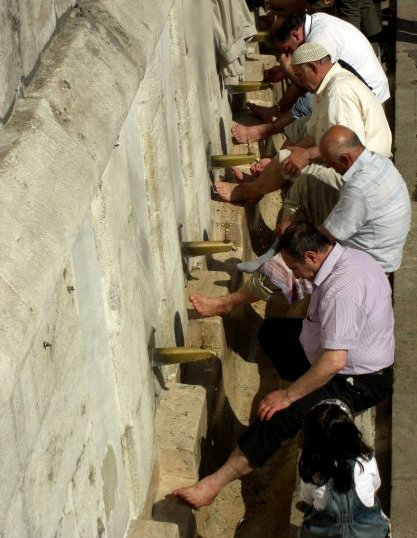
Cleansing

Istanbul100

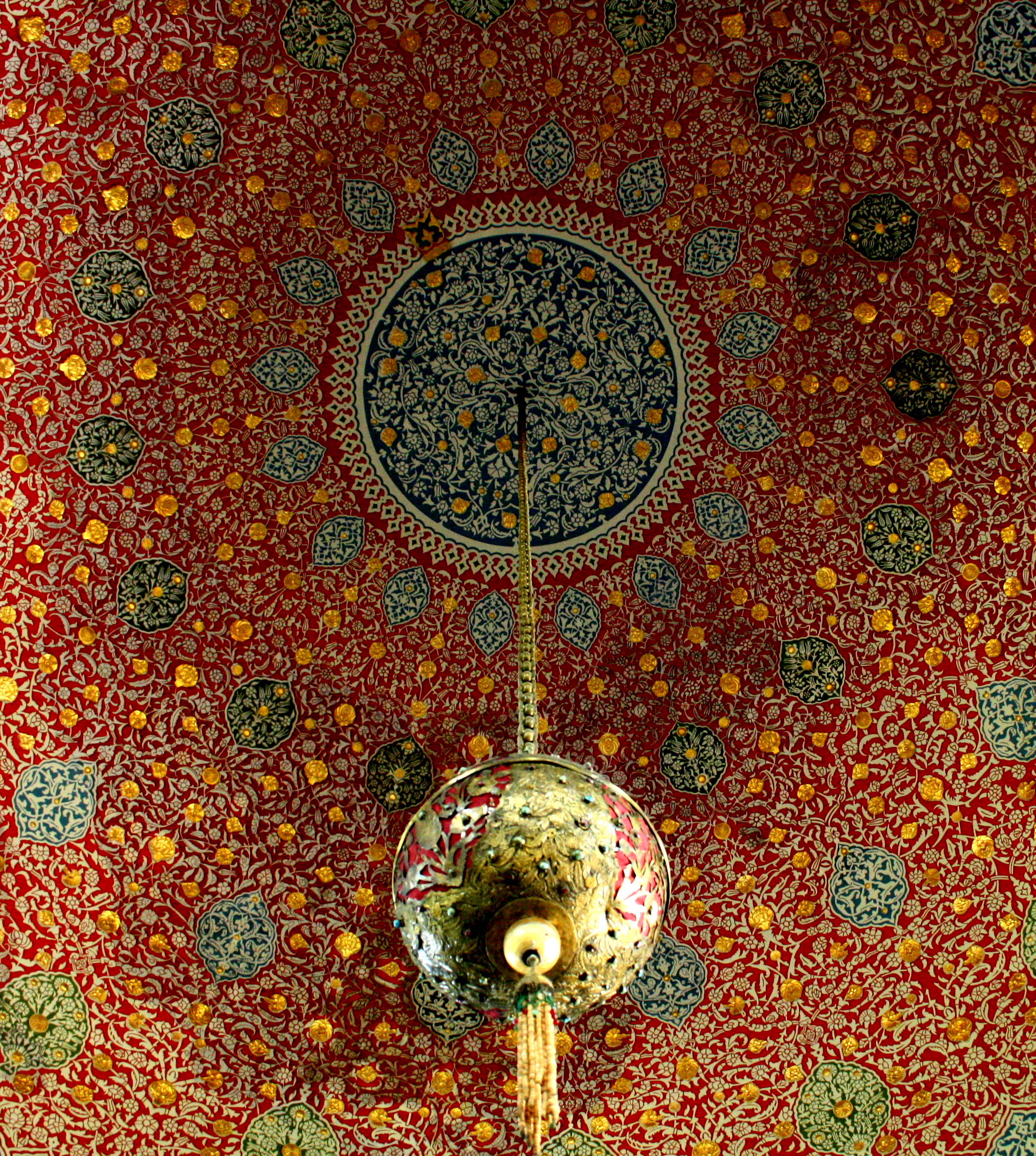
To Be Enthroned

OLYMPUS DIGITAL CAMERARooftops of the Old City

An Introduction to Botany

There is a flower that bees prefer,
And butterflies desire;
To gain the purple democrat
The humming-birds aspire.

And whatsoever insect pass,
A honey bear away
Proportioned to his several dearth
And her capacity.

Her face is rounder than the moon,
And ruddier than the gown
Of orchis in the pasture,
Or rhododendron worn.

She doth not wait for June;
Before the world is green
Her sturdy little countenance
Against the wind is seen,

Contending with the grass,
Near kinsman to herself,
For privilege of sod and sun,
Sweet litigants for life.

And when the hills are full,
And newer fashions blow,
Doth not retract a single spice
For pang of jealousy.

Her public be the noon,
Her providence the sun,
Her progress by the bee proclaimed
In sovereign, swerveless tune.

The bravest of the host,
Surrendering the last,
Nor even of defeat aware
When cancelled by the Frost.

                                                – Emily Dickinson

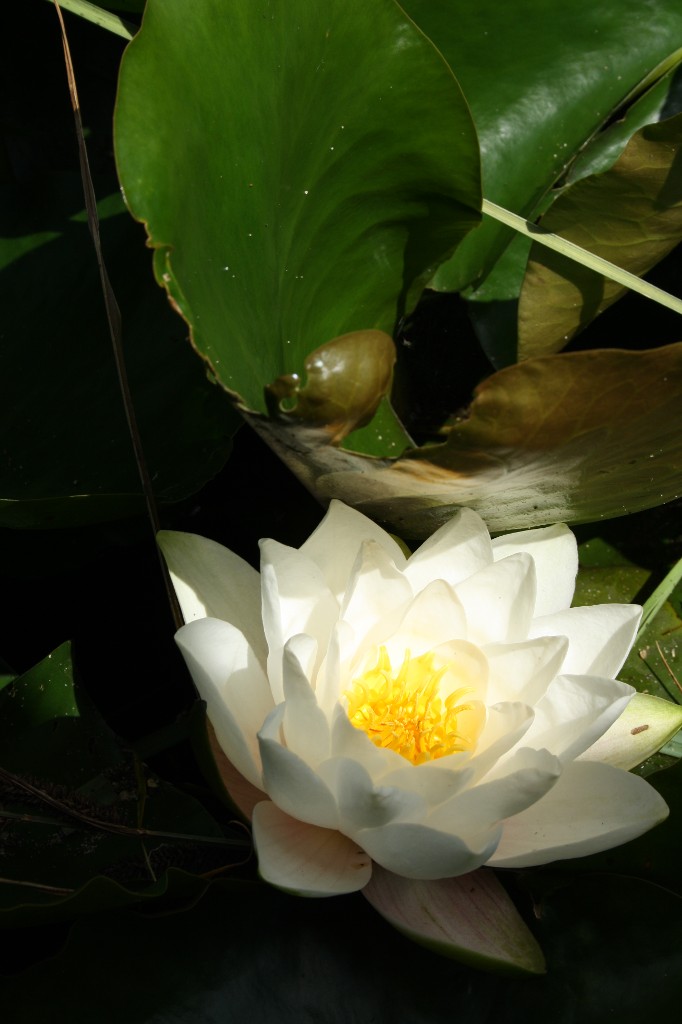
IMG_1301My Lily (London Wetland Centre, Barnes: 2009)

IMG_0995

Perfect White (Chelsea Physic Garden: 2011)

IMG_0708

Gathering Dew (Kew Gardens: 2013)

IMG_3334

Delicacy Made Real (Canterbury: 2010)

IMG_6754

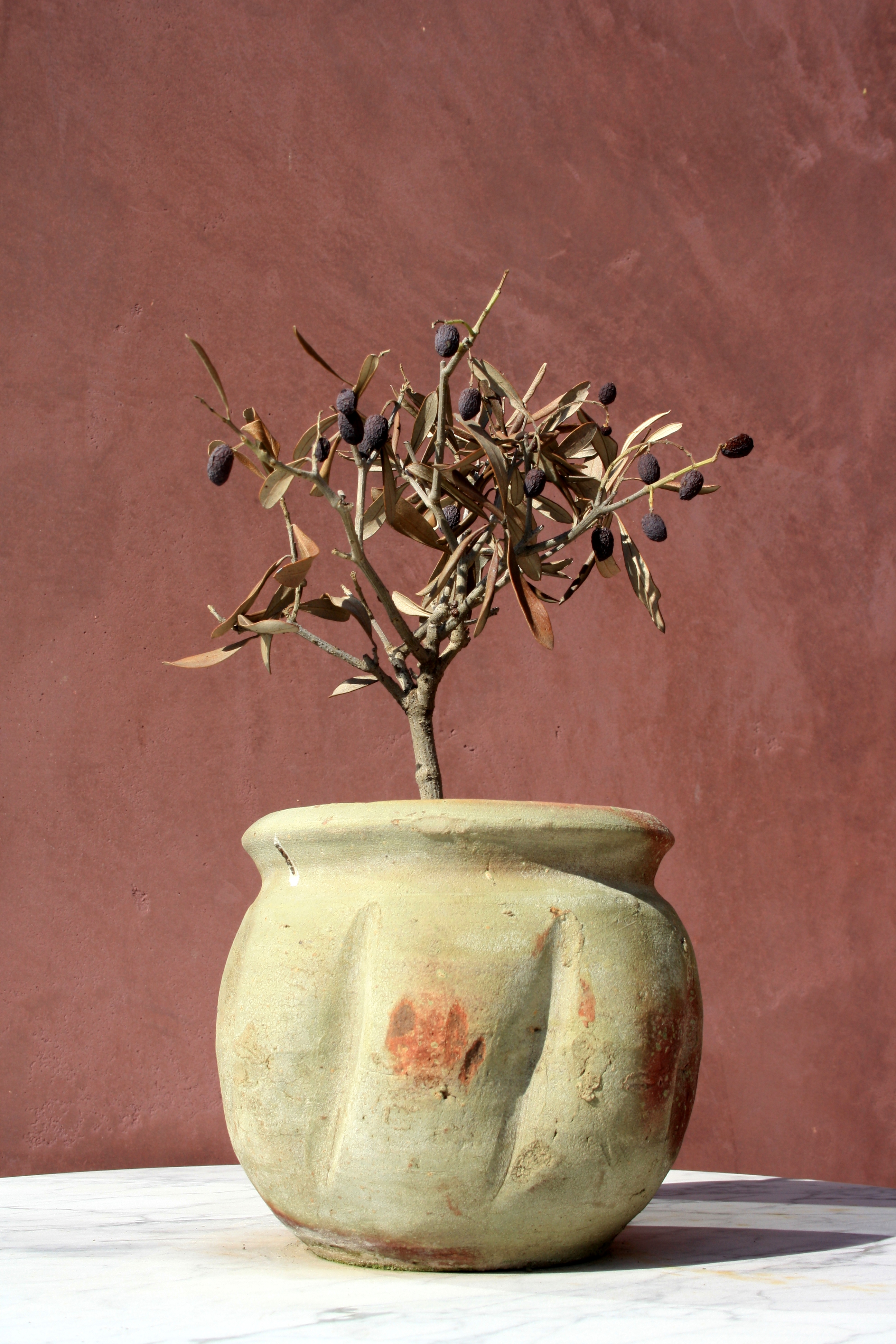
Still Life (Begur, Spain: 2011)

IMG_0710

On Purple (Kew Gardens: 2013)

cactus

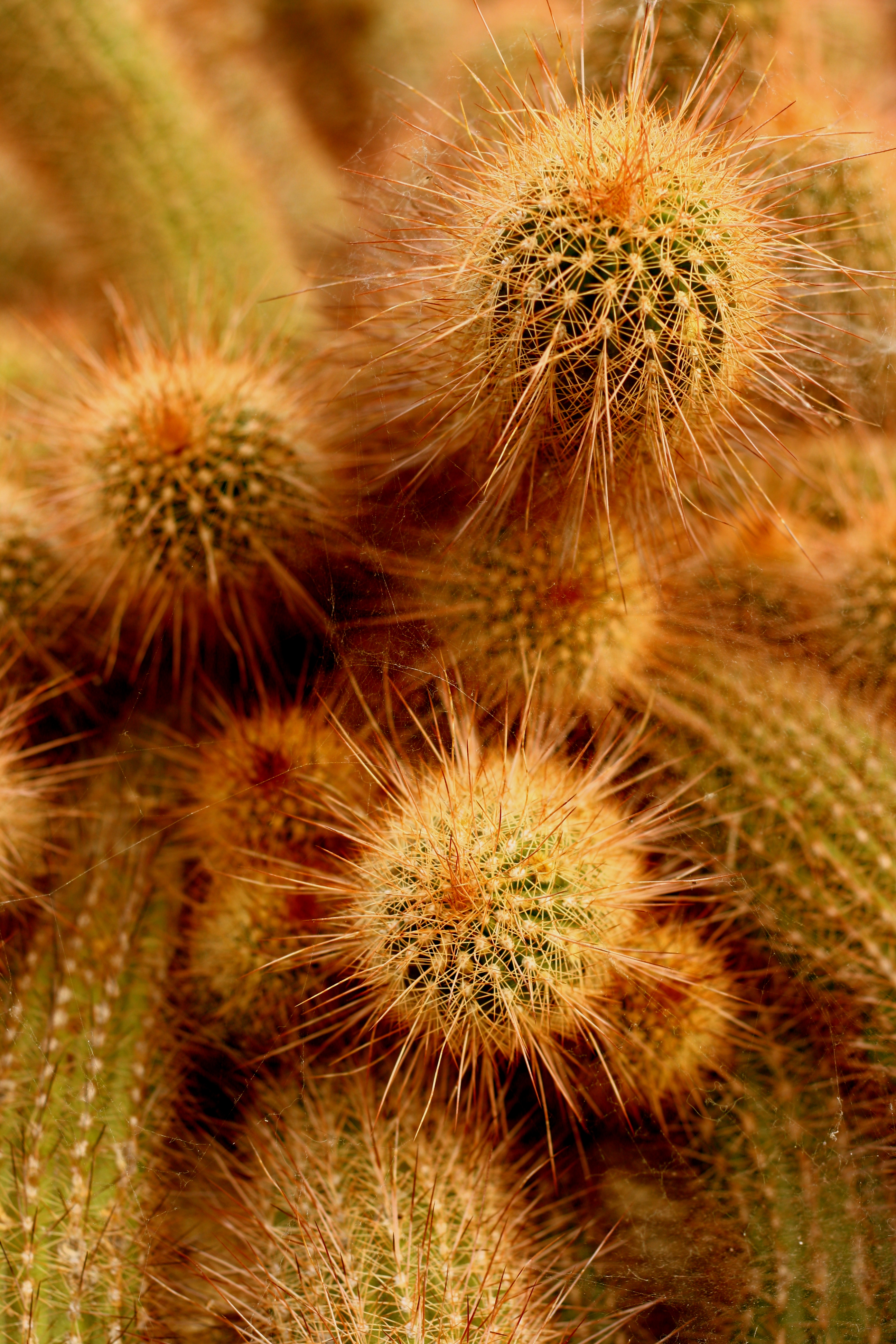
Spikes (Kew Gardens: 2013)

IMG_4999

Springtime (Dulwich: 2011)