Category Archives: Travel

Bohemian Rhapsody

People usually refer to Prague’s history dating back to the 9th century, but it has been a city of note for much longer than that: the capital of Bohemia since 1300 BC and an influential city during the reign of Augustus Caesar. But Prague really flourished during the 14th century reign of Charles IV. As King of Bohemia and the Holy Roman Emperor, he transformed Prague into an imperial capital and the third largest city in Europe (after Rome and Constantinople). Charles did many great things (more on that later), but his son, King Wenceslaus IV, was not nearly so good for the city. Under his rule, almost the entire Jewish population died under orders of the city clergy, who burnt the Jewish quarter to the ground. Prague survived this dark period, however, to became the capital of European culture under King Rudolf II, whose court was full of artists, scientists, musicians, astrologers and magicians.

A little more history and then I’m done, honest…. As we know, World War I ended with the defeat of the Austro-Hungarian Empire and the creation of Czechoslovakia. But this new country would not survive the century. The Velvet Revolution in 1989 put an end to communist rule and created a parliamentary republic, and then in 1993, after the split from Slovakia, Prague became the capital of the new Czech Republic.

Which brings us to present day (well, 2007 actually), when an intrepid traveller (yours truly) visited this glorious city on what has become widely known as a “mini-break”. Now, I need to make clear right away that this entry will – unusually – dispense with lengthy descriptions of food and omit rave reviews of restaurants… I know, I know you’re disappointed. As great as Prague was – in so many ways – my meals were, truthfully, uniformly bad. Ok, I retract that already; I’ve just remembered the amazing patisserie. And the hotdogs. But otherwise, I’m afraid I was not a fan of the dumplings and soups and failed to sample a guláš or stuffed palačinky from which I could accurately determine the meat. So I would not recommend the city as a great gastronomic destination.

OLYMPUS DIGITAL CAMERA

However, please do visit for the wonderful sights. The city sits astride the Vltava River, with the Hradčany district (castle area) on one side and Staré Město (Old Town) on the other. Spanning the water is the majestic Charles Bridge. Charles IV personally laid the first foundation stone for this bridge and we know this was on the 9th of July 1357 at 5:31 because the palindromic number 135797531 is carved into the bridge tower, the royal astrologists and numerologists having determined this to be the best time to start construction.

Whilst we’re talking about Charles, the king also founded the city’s university, now the oldest standing in Central Europe, and the impressive St. Vitus Cathedral. The cathedral stands in one of the many courtyards of the castle, perched on a hill overlooking the city. Interesting factoid: the Guinness Book of Records lists Prague Castle as the largest ancient castle in the world, occupying as it does almost seventy thousand square metres. The vast rampart contains elements of practically every architectural style of the last millennium: it started life as a Romanesque palace, before morphing into a Gothic fortress; and after being damaged almost entirely by fire in the 16th century, it was reconstructed with new renaissance buildings under the Habsburgs, before finally undergoing renovation in the 20th century in order to become the seat of government for the new republic. Try to time your visit with the changing of the guard at the entrance gates, before wandering around the different museums and ecclesiastical buildings to your heart’s content.

OLYMPUS DIGITAL CAMERA

All that said, and as dramatic as the castle inarguably is, I personally preferred spending time in Staré Město, with its remarkable Old Town Square. The plaza contains the Church of Our Lady before Tyn and the City Hall with its beautiful astronomical clock. Large crowds gather to witness the hourly “Walk of the Apostles”, a parade of Jesus’ companions, a skeletal death figure and other sculptures striking the clock. Installed in 1410, it is the oldest astronomical clock still working. This part of town is also home to the Old-New Synagogue and Jewish Cemetery. I’m not usually a fan of visiting cemeteries (with some notable exceptions: Glasgow’s Necropolis, for instance, and Nunhead’s cemetery in South East London), but this is worth a visit. Over ten thousand gravestones with carefully chiselled Hebrew script protrude haphazardly from the earth.

Whilst visiting the city, you won’t regret the 45-minute trip out to Hrad Karlstejn. The 14th century castle was originally built as a treasury to hold the crown jewels and relics of the Holy Roman Empire. It was initiated by Charles IV (him again!) and, as with Prague castle, is an eclectic mix of styles, ranging through the different Gothic periods (high, late and neo), renaissance and beyond. You can take a guided tour of the Imperial Palace, Hall of Knights, Chapel of St. Nicholas, the Royal Bedroom, and Audience Hall. But to be honest, the interior isn’t all that impressive, it’s the exterior – enjoyed best on the winding path through the kitsch German market – that people come to see.
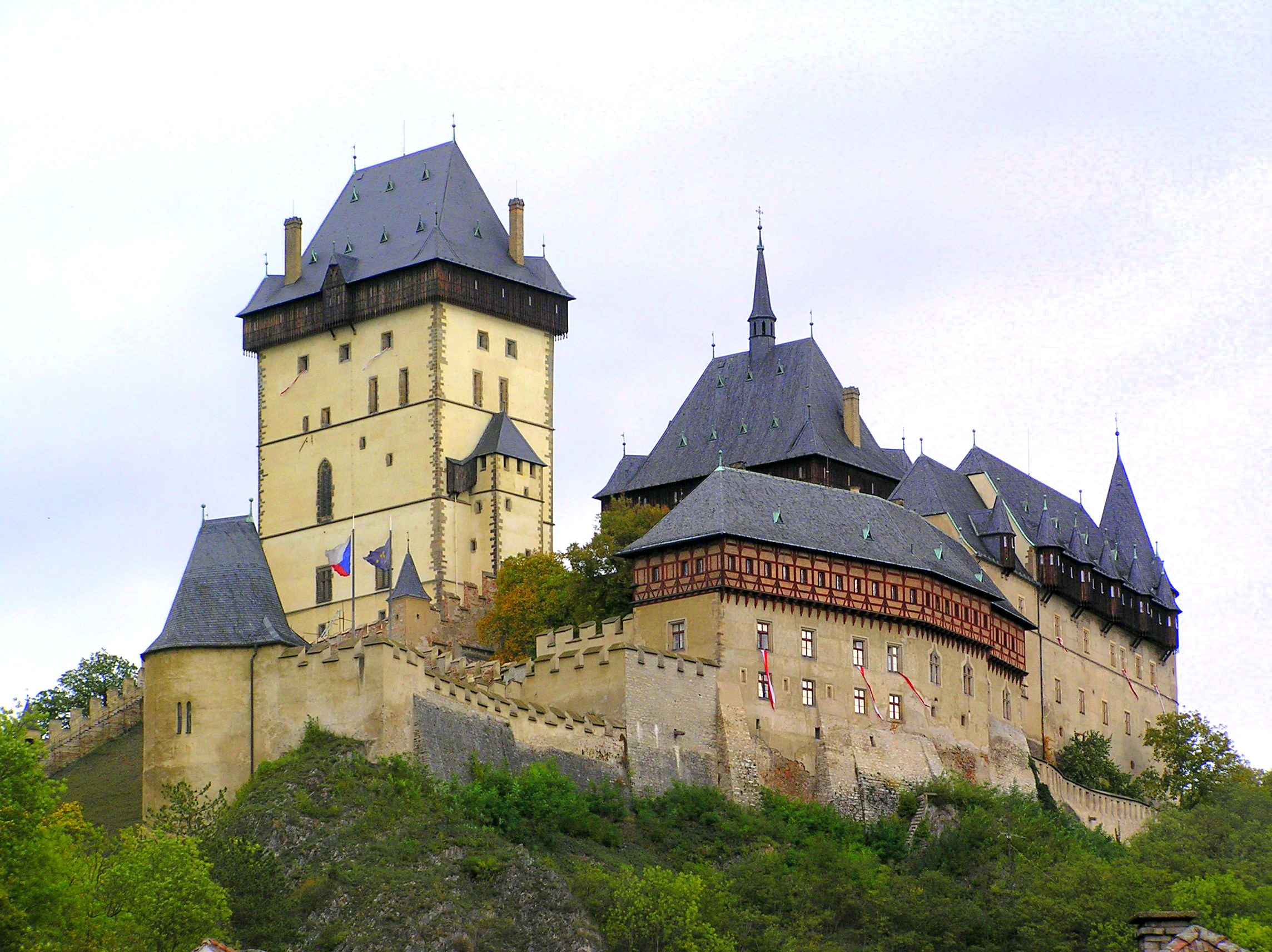
OLYMPUS DIGITAL CAMERA

So, my visit to Prague taught me two things: 1) I can enjoy a holiday without being pre-occupied by thinking of where to go for my next meal; and 2) I don’t always need to be surrounded by my favoured and more exotic Mediterranean and Moorish architectural styles to feel that I’m on holiday.
Italia Due: Sicilia

Pan4

Buongiorno. Mi chiamo Vix. Piacere! Abito a Londra con mio ragazzo si chiama Paolo. Lavoro in un ufficio. Ho 33 anni. Ho una sorella più si chiama Jennifer e mio nipote si chiama Noah. 

I’m learning Italian. Some of that may not be right. Anyway, on with the blog…

I have an email saved for posterity that still reduces me to tears of laughter whenever I read it. In the message, my friend Nick lists all the possible places in Europe you can fly to from Edinburgh, going into an incredible amount of detail about times and connections. It’s about two pages long! And this is before we’ve even discussed where we might want to go on holiday. He even suggests – the delirium really taking hold now – that we have the option to pay for a taxi from Edinburgh to Liverpool (an extortionate fare) for a flight in the early hours of the morning…to Liechtenstein, if memory serves. Someone was really in need of a break! After Paul calmly suggested in reply that we might want to pause and compile a short-list of destinations – places, y’know, we might actually want to visit – some semblance of sanity returned.

By way of further explanation, we needed to depart from Scotland because Nick was performing at the comedy festival over August and some of us were visiting him on the final weekend…but I now forget why we couldn’t have just come back to London before flying out. We couldn’t. Just go with it.

sicily1

IMG_4598

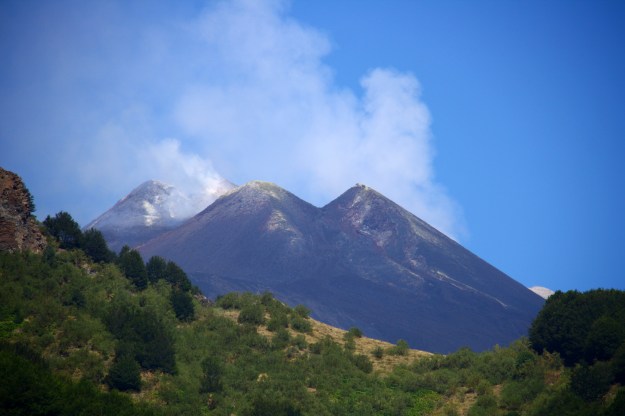
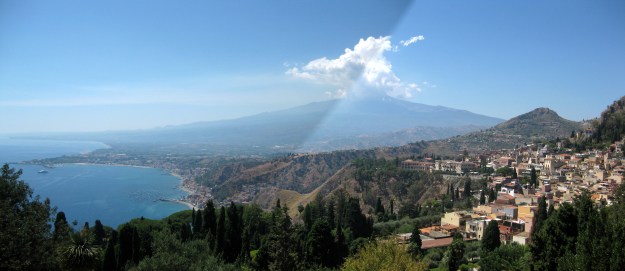
The research fever having subsided, we eventually settled on Sicily, with Laura and Rob finding a great villa in the hills above Taormina, a small town on the east coast of the island. It’s a very well-heeled little place, with plenty of good restaurants and designer shops, a beautiful central piazza, and nice little coves reached by aerial tramway. Tourists tend to visit the town on day trips, primarily to see the Teatro Greco – an impressive ruin with stunning views of the Ionian coastline through crumbling archways – but we found it a great base for a longer stay. The villa was beautiful, with a decent-sized pool, outdoor space for enjoying Laura’s famous aubergine parmigiana, and great views of Mount Etna in the distance. It was a half-hour walk from our villa into town, via a series of steep stone stairways: pleasant but sometimes hard work in the heat. Understandable then, that we tended to need a gelato (or two) at the bottom…and that we invariably hailed a taxi home in the evenings. We did however brave the walk in the opposite direction one evening to Castelmola, a tiny village at the top of the hill. The hamlet has an oversized Duomo and a precipitously perched castle. The walk, I quickly decided, was foolish, as every muscle in my legs protested, but luckily the charming cobbled streets were worth the effort and the bar atop the tower in the main square provided liquid medication.

IMG_4673

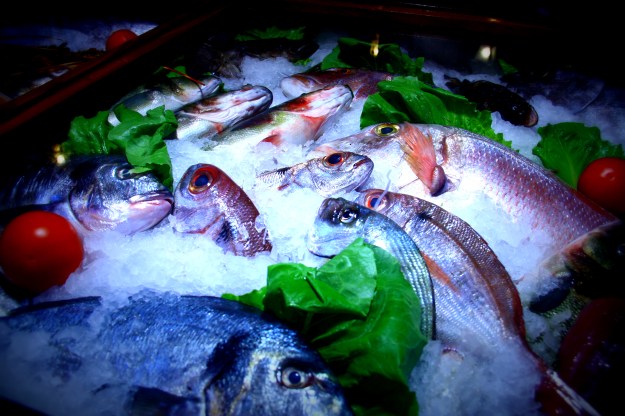
The weather was fabulous. Hot and sunny every day of the trip. Plenty of opportunity for sunbathing and swimming, at the aforementioned coves in Taormina and at Giardini Naxos, a short bus ride away, and nearby Isola Bella. The unwavering sun also allowed us to eat al fresco every evening, at great places like A’Zammara and Trattoria La Botte, where we had great shellfish and grilled squid (“sea monsters”, according to Nick), delicious arancini and plenty of pasta.

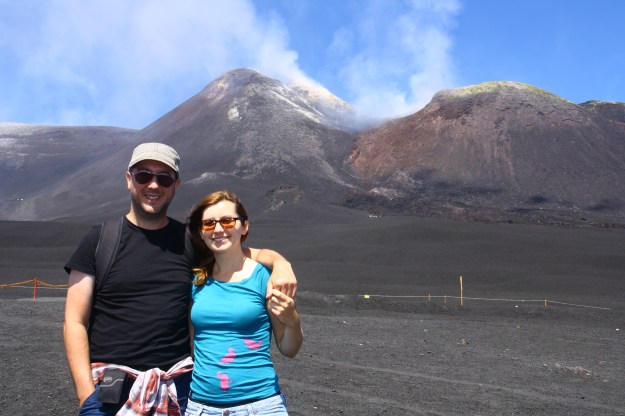
IMG_9853Despite the great setting, we were able – luckily – to pull ourselves away for some amazing sightseeing. The trip up Mount Etna was the highlight for me. And all the more so because our little hire cars survived the journey! Having been forced to unload all of our luggage half way up the hill to our villa on the first night and push the cars, fearful all the while of the increasingly strong smell of burning rubber, we were not at all confident in their ability to make it anywhere, let alone up a 10,890 ft active volcano. But make it they did. Obviously not all the way up…there were cable cars and 4x4s involved too…but we were still quietly proud of them. The mountain itself is breaktaking. In Greek Mythology, the deadly monster Typhon was trapped under it by Zeus, and it certainly looks worthy of the attention of the gods: an imposing, stark, black moonscape with steaming vents and a towering peak that regularly spews forth angry, dark smoke from its depths. Gorgeous!

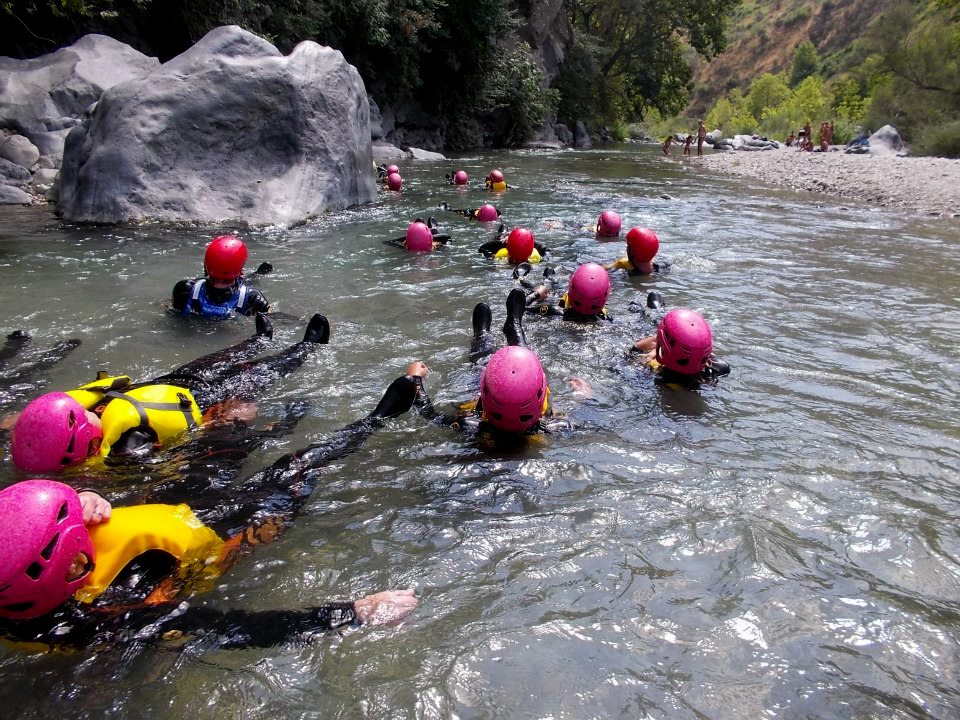
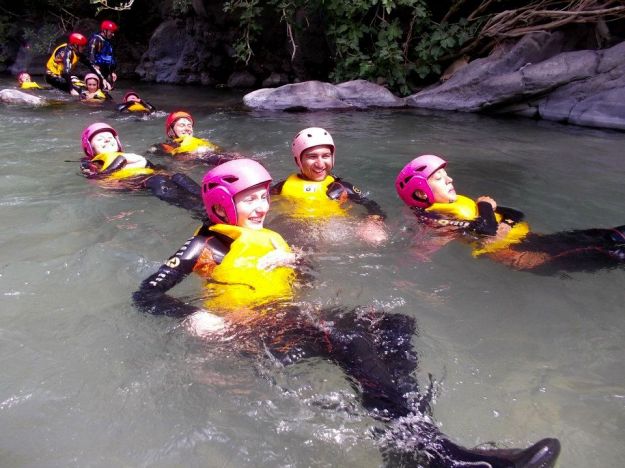
Another trip saw us kitted out in wetsuits and helmets, body rafting through the frigid waters of the Alcantara Gorge. Many people, having seen the photos on our return, teased that this was no more scary than sitting in a bubble bath, but let me tell you that my bruised butt was testimony otherwise. It was a lot of fun, despite the bumps and panicked submersions. And the cafe at the gorge made the best arancini of the holiday.
gorge4gorge3

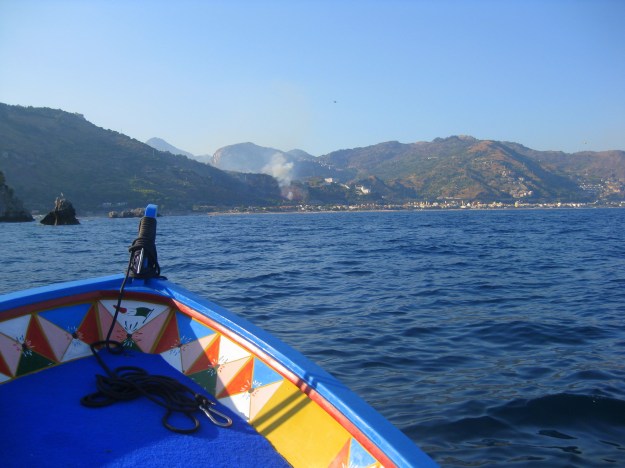
On the final day, Paolo and I took a boat trip to the Aeolian Islands, a volcanic archipelago in the Tyrrhenian Sea north of Sicily. The overcrowded boat wasn’t the most relaxing way to travel, but the spectacular scenery quickly made you forget your sweaty companions. First we sailed past Vulcano, the chimney to the Roman god Vulcan’s workshop; a cute little place with less than five-hundred inhabitants and the perfect backdrop for a refreshing swim.

Next was the well-to-do Lipari, the largest of the islands – with a population of around 12,000 – and studded with beautiful villas. IMG_4611According to Greek mythology, it was home of Aeolus, god of winds, who gave Ulysses a bag of winds to assist him during his ten-year odyssey around the eastern Mediterranean Sea. The longest stop was on Panarea, considered the most stunning of the islands. We pulled into a little harbour and, after a giant bowl of prawns, walked up and around the picturesque town taking dozens of photos of the contrasting white-washed houses against the dark black sand and turquoise sea. I could have stayed there for much longer…but wouldn’t have wanted to miss the pièce de résistance: Stromboli. Still active, Stomboli – which takes up most of the surface of the island – is the only volcano in Europe that permanently erupts. After a walk around the island, observing with note the ominous warning signs about tsunamis (basically, you should run up – not down – the mountain!), we re-boarded the boat at sunset to circumnavigate the island, waiting for the lava to flow. Having almost given up hope, we were eventually treated to an exciting firework-burst of orange and a simultaneous lightning storm…nature at it’s most terrifyingly beautiful.

Grazie, in Sicilia. Ci ritorneremo!

IMG_4219

IMG_4353

IMG_9631

IMG_9566

IMG_9697

IMG_9663


Lobstering in P-Town

Our American mini-odyssey ended with a few days on windswept Cape Cod. Very much peak season inland, with the maples attracting tourists from far and wide, it was decidedly off-season at the coast, with most places ready to shut down completely for the winter. In fact, we were told repeatedly that certain shops and restaurants had been closed since Labor Day weekend at the beginning of September! I’m sure, therefore, that we didn’t experience the area at its best and would like one day to return in the summer, but there was a certain charm in walking across the dunes in the drizzle and passing ice-cream shops desperate for their last bit of trade. It felt like being at the British seaside…particularly when we were tucking into a cream tea in Sandwich.

Our time on Martha’s Vineyard – the affluent island a short ferry ride south of the cape – was definitely the quietest part of the trip. We’d driven to Woods Hole for our crossing to Vineyard Haven and then spent a day pootling round plush Edgartown, the clay cliffs at Aquinnah and Oak Bluffs, where we stayed in a grand but rickety B&B next to the gingerbread cottages of a Methodist religious community. Apparently a favoured vacation spot of the Obamas, as well as other past presidents and celebrities, we found the ghost town quite eerie at this time of year. After one drink in a spit-and-sawdust bar and a fish supper, we retired early to the inn to watch the Red Sox battle to win the World Series. Having never really understood baseball, we got quite into it once the rules were explained by a friendly American couple, and were pleased to learn on our return to England that the Sox had eventually been victorious over the St Louis Cardinals. Boston Strong!

While we weren’t overawed by the Vineyard, come rain or shine you can’t help but love Provincetown! Home to artists and writers, amazing pubs, beautiful homes, a delightful harbour and beach, and some of the best seafood restaurants on the east coast, the little town is such a great place to hang out. It’s famous mainly for being two things: the location of the signing of the Mayflower Compact in 1620, the first governing document of the colonists arriving from England; and a popular gay holiday destination, with its population swelling from 3,000 to close to 60,000 in the summer.

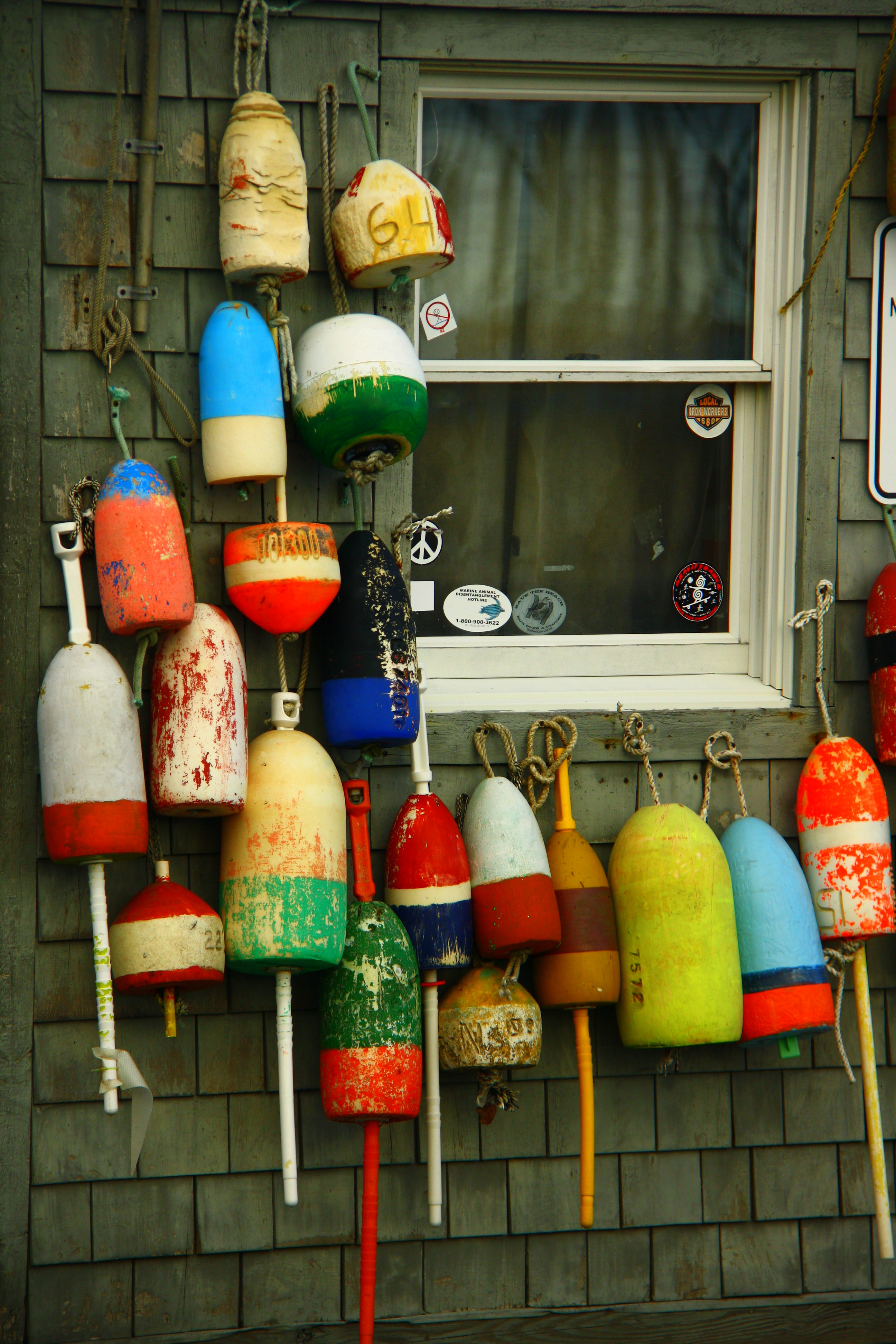
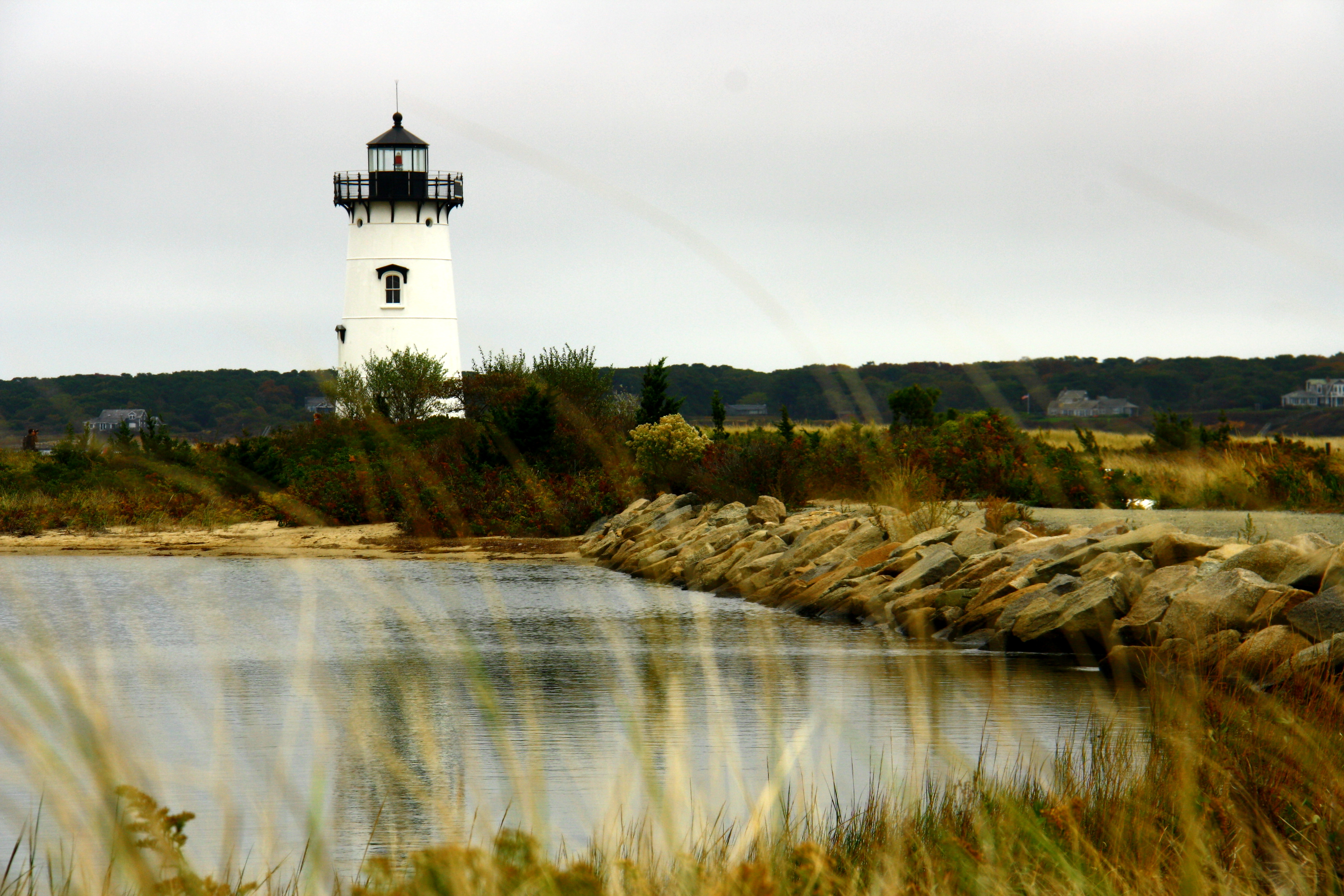
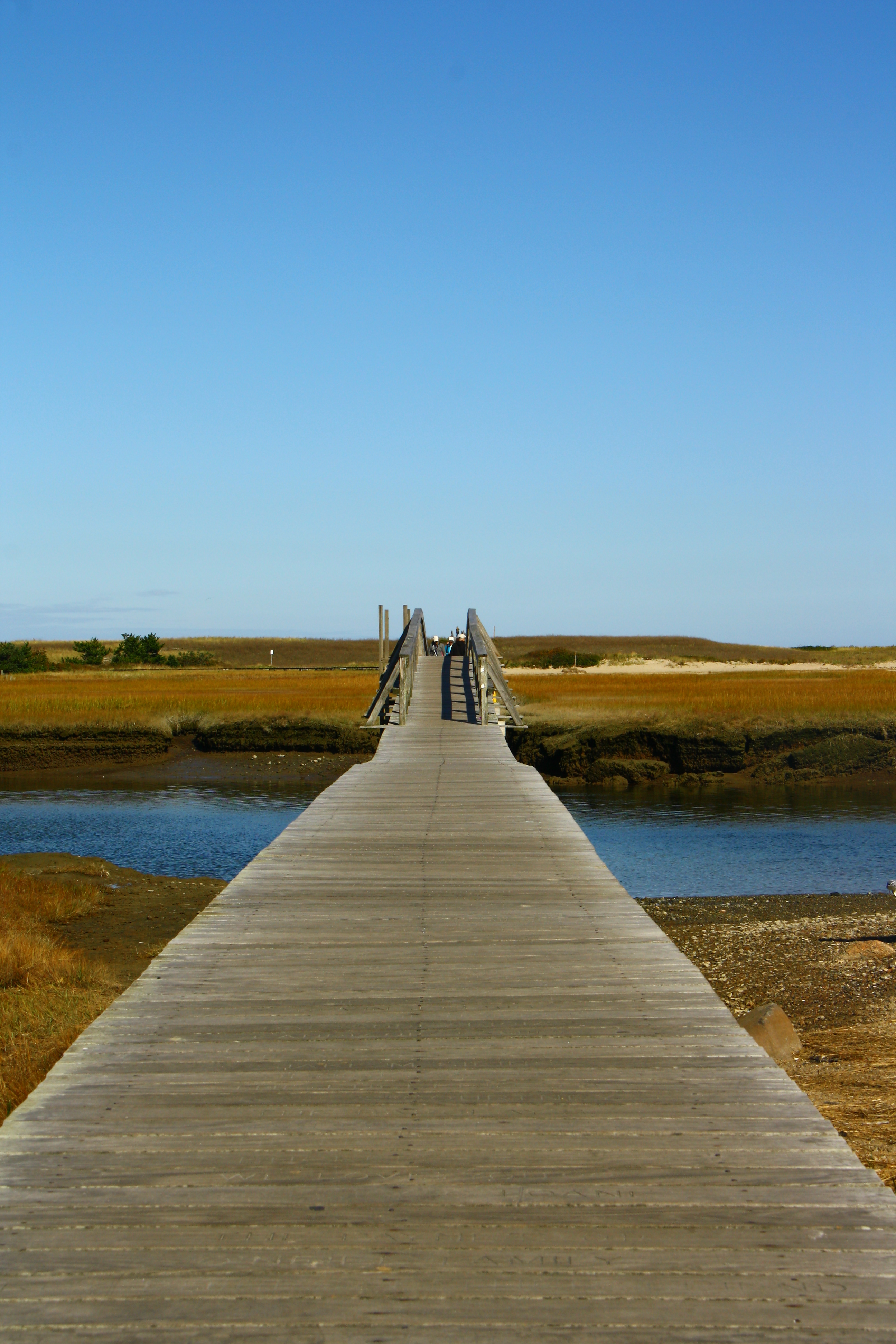
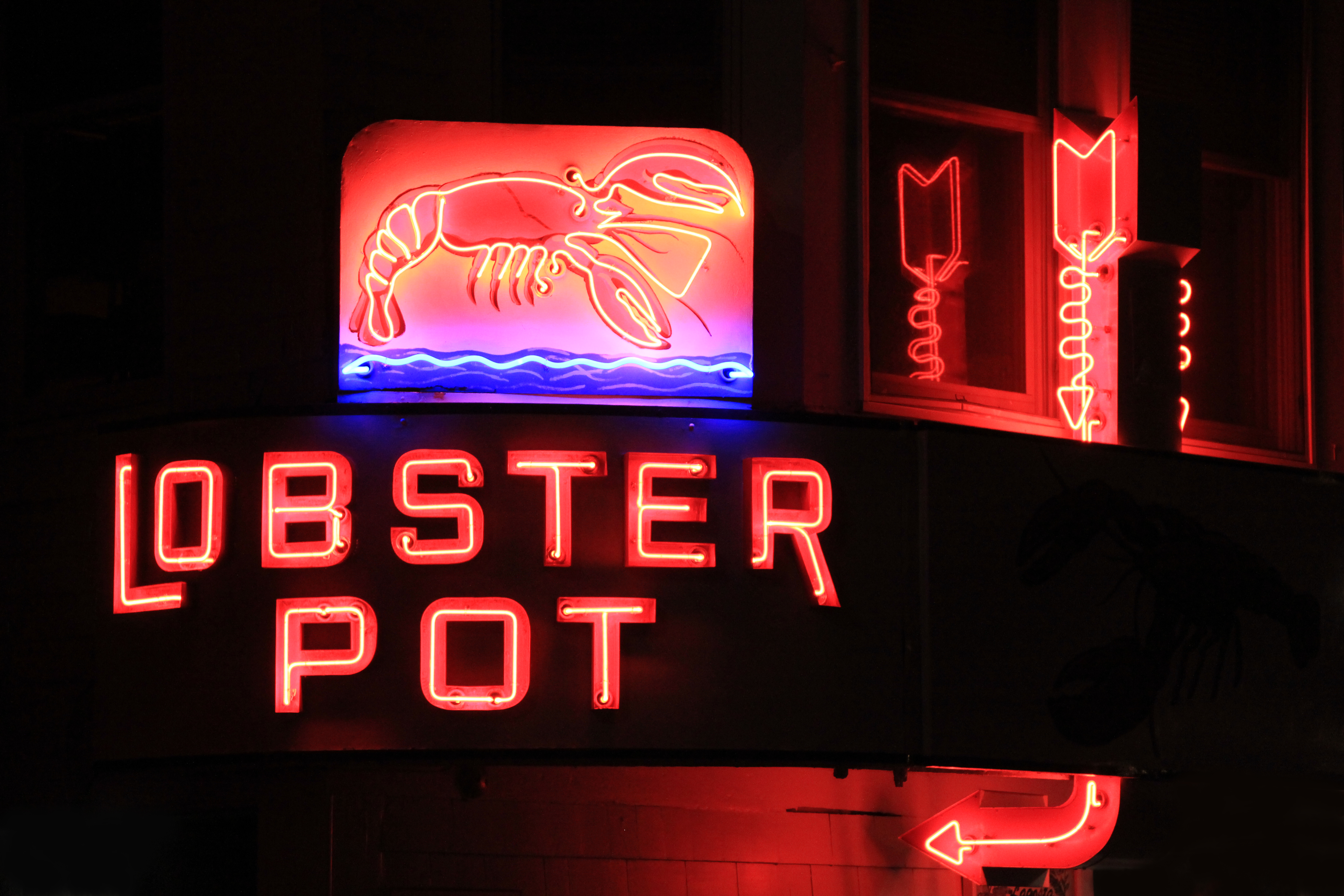
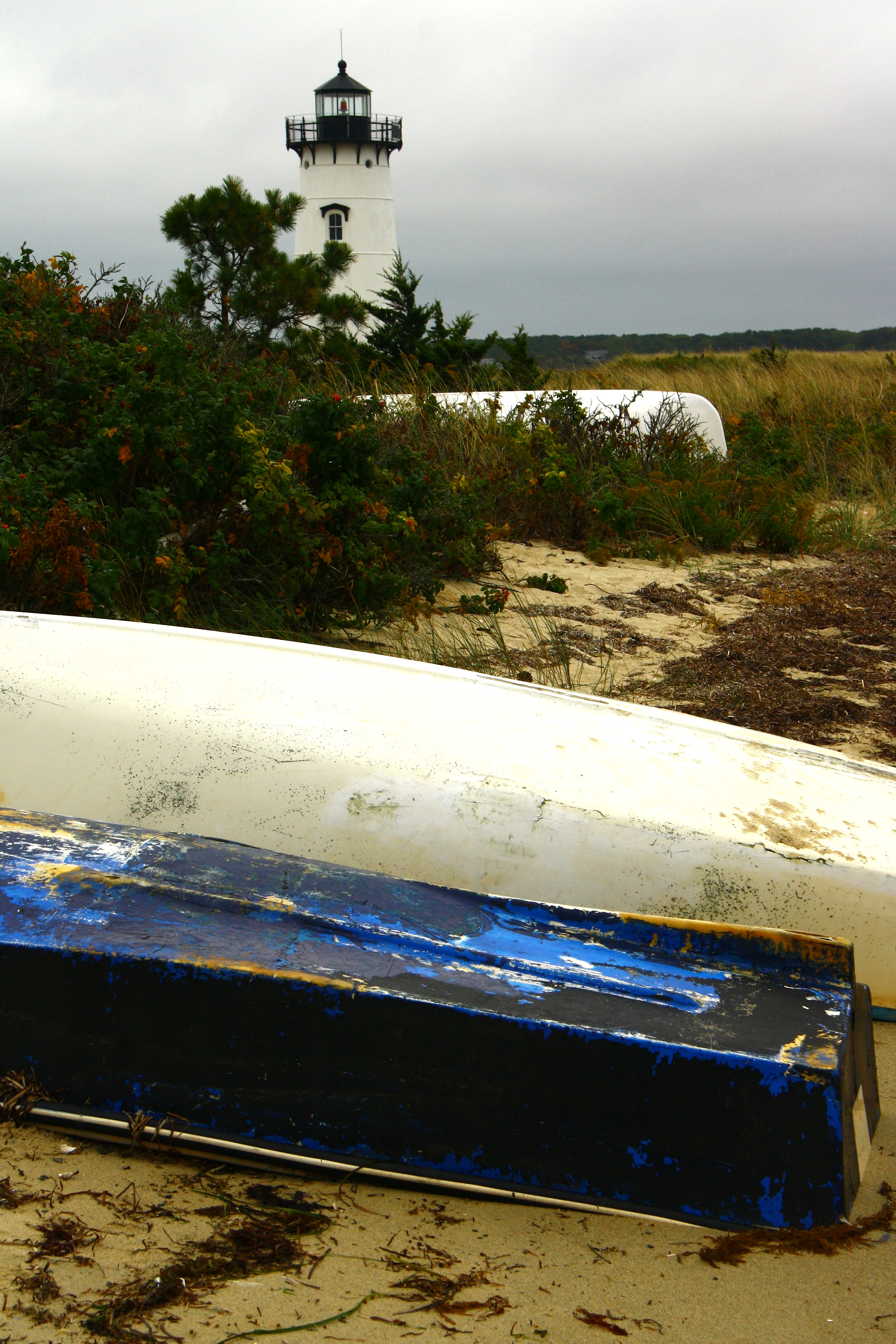
This is a thriving community that still manages to enchant on a chilly October day. We stayed in a lovely boutique hotel called 8 Dyer and enjoyed walking the streets, popping into little shops and galleries, racking up ideas for decorating our new flat. Think Whitstable, but multiply by ten. After driving around the National Seashore Park (First Landing Pilgrim’s Point, Herring Cove Beach and Race Point, with their little boardwalks and lighthouses), it was great to return to P-Town in order to sample the great food. Lunch one day at Lobster Pot, a New England institution where I enjoyed clam chowder, pan roasted lobster in sherry sauce and cod morney; dinner at The Mews, a sweet waterfront restaurant; and finally a great meal at the Squealing Pig where we shared Wellfleet oysters and a delicious pulled pork burger. My mouth is watering at the memory!

I’d recommend P-Town in a heartbeat. And I’d also recommend a diet when you get back!

IMG_5740Buoys without Girls

IMG_5797Light My Way

IMG_5739Dusky Water Coloured Memories

IMG_5782Bleak House

IMG_5699Long Walk to Nowhere [Credit: Paul Adnitt]

IMG_0746Enter for Pleasure

IMG_5805Strewn

IMG_0725Oh, I Do Like to Be Beside the Seaside

IMG_5822Martha’s Sunset

IMG_5791God Love the U.S.A.

Fall in New England

I’ll pick up from where I left you last, waving forlornly as the train pulled out of New York’s Penn Station on its journey to Boston. Despite the upset of having to leave The Big Apple (see previous post), I was excited about the next leg of the trip. It began in style with a comfortable and sunny four-hour ride through Connecticut and Rhode Island into Massachusetts, all the while watching the colours of the trees become more impressive and the people outside become more warmly dressed.

IMG_0658

My dad was waiting to greet us at Back Bay station when we arrived, having flown in a couple of days earlier. He’d already visited nearby Salem and was excited to show us round the sights of Boston. After checking into our guest house on fashionable Newbury Street, we orientated ourselves to the city with a Duck Tour. Londoners will be familiar with the set-up: a trip on land and water aboard a replica WWII style amphibious landing vehicle, complete with an enthusiastic guide – this time dressed as one of the Minute Men. The tour takes you past the golden-domed State House to Bunker Hill, along Boston Common and Copley Square, past Quincy Market and the towering Prudential Tower – and splashes down in the Charles River, where we enjoyed a sunset ride around the bay.

print2The next couple of days in Boston flew by. The city is actually quite compact and easy to walk around, so we felt the amount of time we had there was just about right. Enough time to stroll down Commonwealth Avenue, take in the grandeur of the homes on Beacon Hill, lunch at Quincy Market (clam chowder and a Boston Barker chilli dog), visit the stunning Trinity Church with its William Morris stained glass, and pop into the spacious library. We also visited the Isabella Stewart Gardner Museum with its new annex designed by Renzo Piano. The museum is pretty bonkers: Venetian architecture packed full of an eclectic mix of art, jewellery and furniture, with works by Botticelli, Titian, Rembrandt and Raphael haphazardly hung on walls. Isabella was a patron of the arts and travelled the world collecting pieces. She had the building commissioned specifically to house all her works and created an endowment fund to support the museum after her death, stipulating that the layout of the permanent collection could not be altered. It’s a fascinating place to spend a couple of hours.

IMG_5090And – of course – we walked the Freedom Trail, a two and a half mile brick-lined route – not yellow brick unfortunately – that takes you to sixteen historically significant sites, including Faneuil Hall (where in 1764 Americans first protested against the Sugar Act and the Stamp Act, setting the doctrine that would become known as “no taxation without representation”), the Old State House (scene of the 1770 massacre that galvanised public opposition to British authority) and the Old South Meeting House (scene of the heated debate in 1773 that led to the Boston Tea Party). The city is steeped in American revolutionary history and its people are clearly proud of it. These are the haunts of Samuel Adams, John Adams (no relation), Paul Revere, John Hancock and the many other men (and women – there were some important women too!) who were so influential in making the US what it is today. I felt annoyed with myself for not having watched the Paul Giamatti mini-series that my dad had lent us, as I’m sure I’d have had a much greater appreciation of the sights with more background on the conflict. Luckily my dad – the human version of Johnny 5 – was on hand to regurgitate facts and fill the gaps in our knowledge. I wish I could keep him in my pocket, so I’d have him to hand wherever I go.

IMG_5186Boston is also famous, of course, for being one of the foremost seats of learning in the world, home of MIT and Harvard (ranked number 1 and 2 in the world respectively).  Well, actually they’re next door in Cambridge, but that’s only about five stops away from Boston on the subway. The Harvard tour, ours delivered by a funny but precocious sophomore named Jess-Lucy, is worth taking. We were shown around the grounds and regaled with stories. Did you know that a student killed on the Titanic, whose mother made a generous donation to the university library, still haunts the book stacks?  Or that there are three lies connected with the John Harvard statue in the main quad?  No?  Well, I recommend an hour with Jess-Lucy, valedictorian of her high school and budding theatre producer.

As always, I need to mention some notable eateries in the city: Island Creek Oyster Bar, where we enjoyed some delicious fish and sampled Boston Cream Pie (a kind of soft cake with a custardy filling and chocolate on top), and Pomodoro in the North End Italian quarter. Two very nice meals!

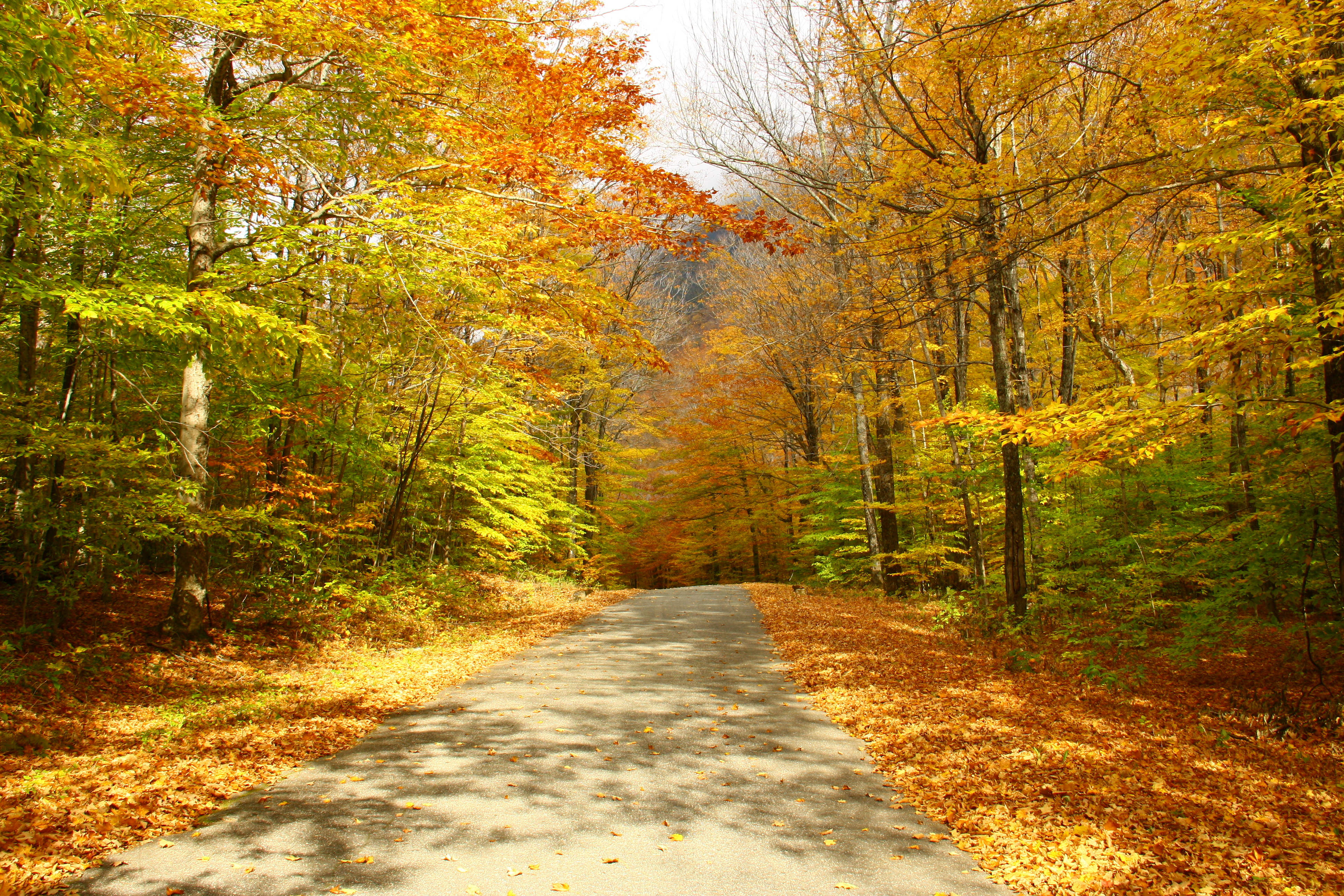
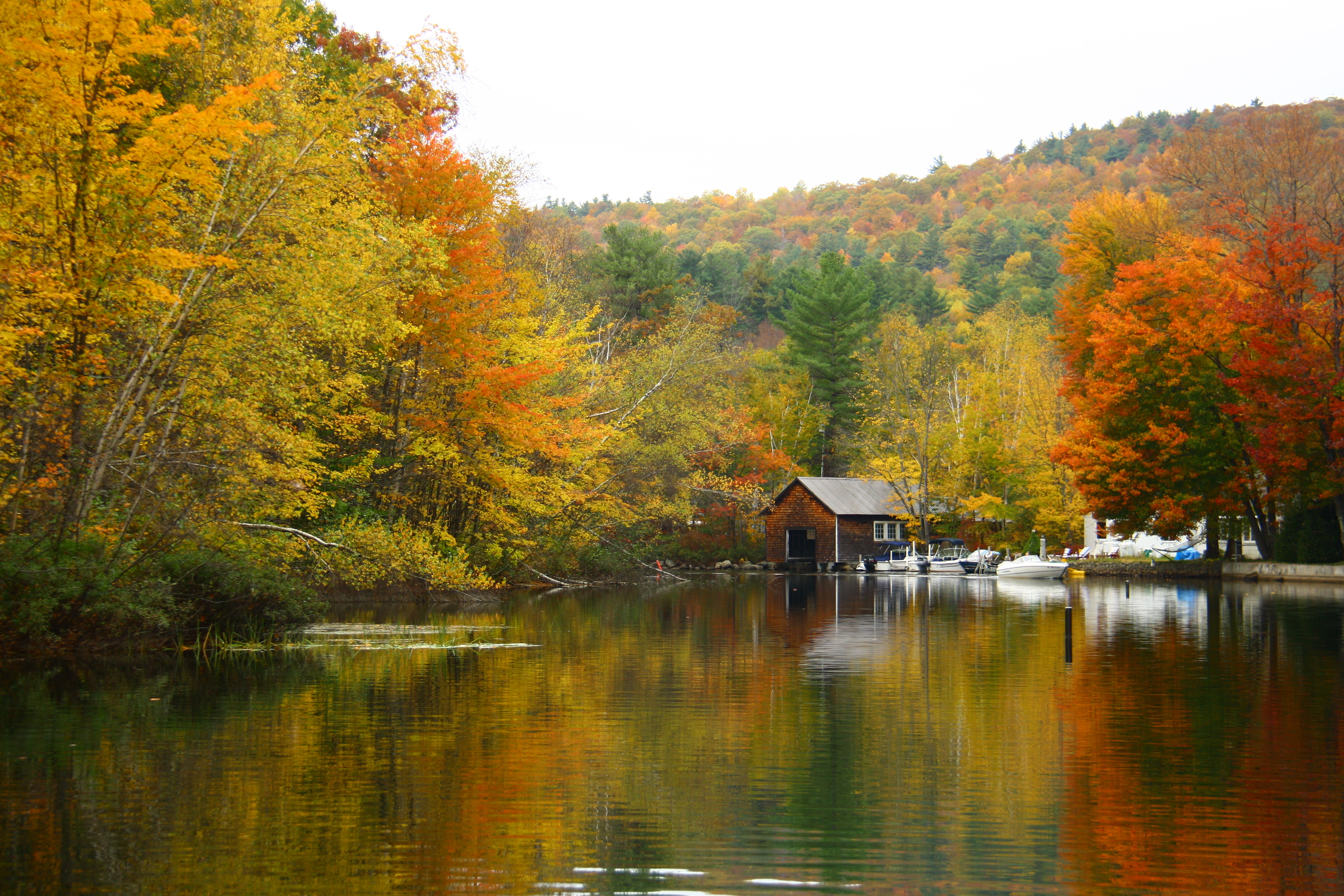
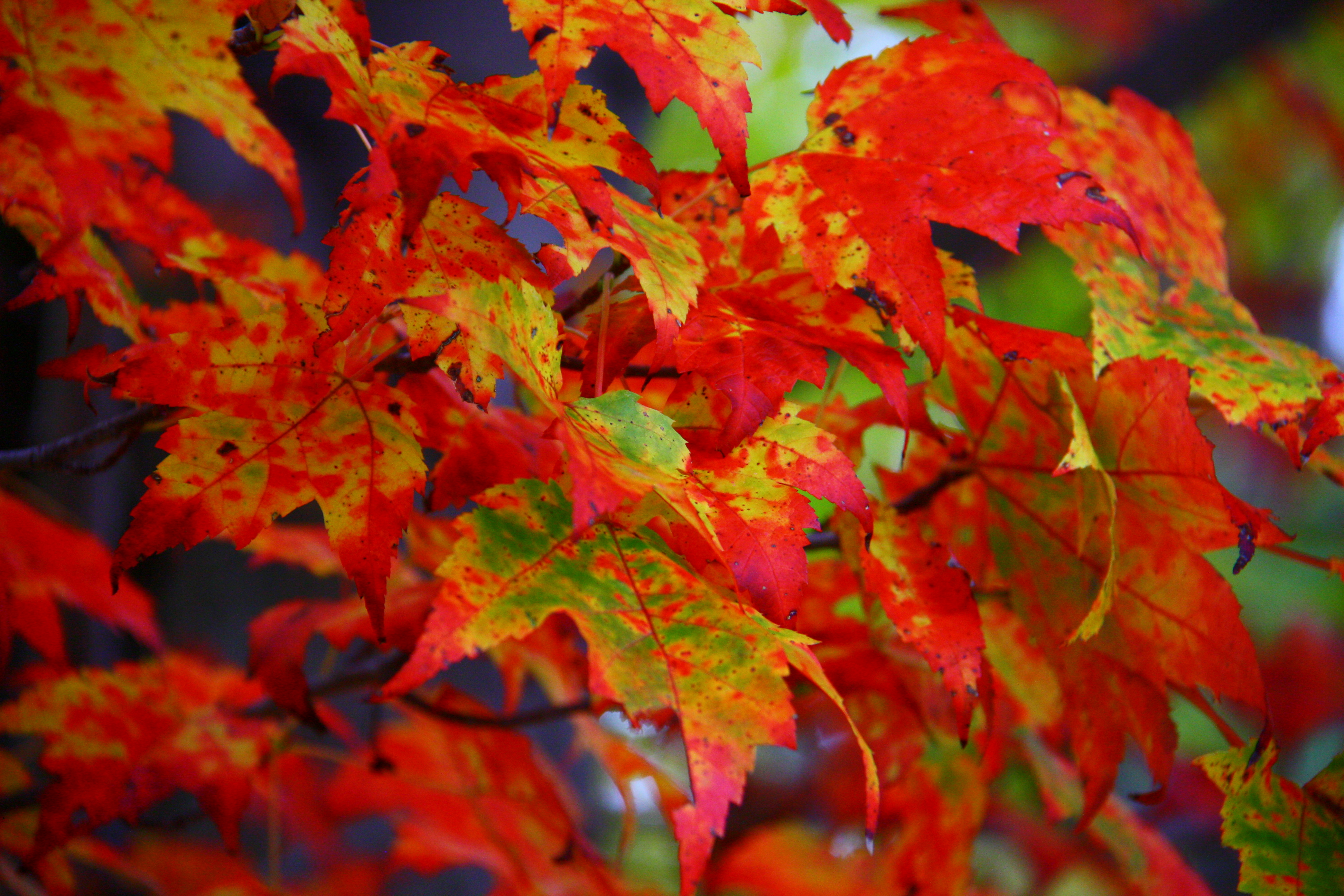
IMG_5495After Boston, we hired a car to drive into New Hampshire, where we stayed three nights in the Spruce Moose Lodge in North Conway.  It was here, in the White Mountain National Forest, that our New England leaf-peeping could really begin. I’m not exaggerating when I say that I have literally hundreds of photos of trees and leaves! I usually relish editing my photos when I get back from holiday, but I was actually starting to go a little square-eyed by the time I finished this time. In my defence, the scenery really is breathtaking and even though we suffered quite a few overcast days, the colours were still incredibly vibrant…demanding to be snapped at every opportunity. Sugar maple, yellow birch, mountain ash, beech, red oak and red maple dominate the landscape and you never fail (to the chagrin of your long-suffering boyfriend) to wonder in awe at the reds, yellows, pinks and greens…and whip out your camera for “just one more”. It’s a good job that I’m so loveable. Or is it that he’s so patient?

IMG_5260We drove along the Kancamagus Highway (or Route 112, to give it its more boring title) through the heart of the forest, stopping at the Swift River, Albany covered bridge, Lower Falls, Rocky Gorge and Sugar Hill overlook.  The road is named after the grandson of the Native Indian chief who united the tribes in the area, although the grandson himself had to move them all north when the white settlers pushed them out. Still, they named a road after him, so no need to complain. The various stops provide amazing vista after amazing vista, with multi-coloured forest as far as the eye can see. But it’s not all leaves. A group of nuns (is there a better collective noun?) provided plenty of amusement, hopping between boulders on the river and giggling into their iPhones. We seemed to follow them around all day, spying them at every beauty spot. I really wanted to see one of them fall in the river, but chided myself for being mean spirited. It would just have been for the comedy value, I assure you!

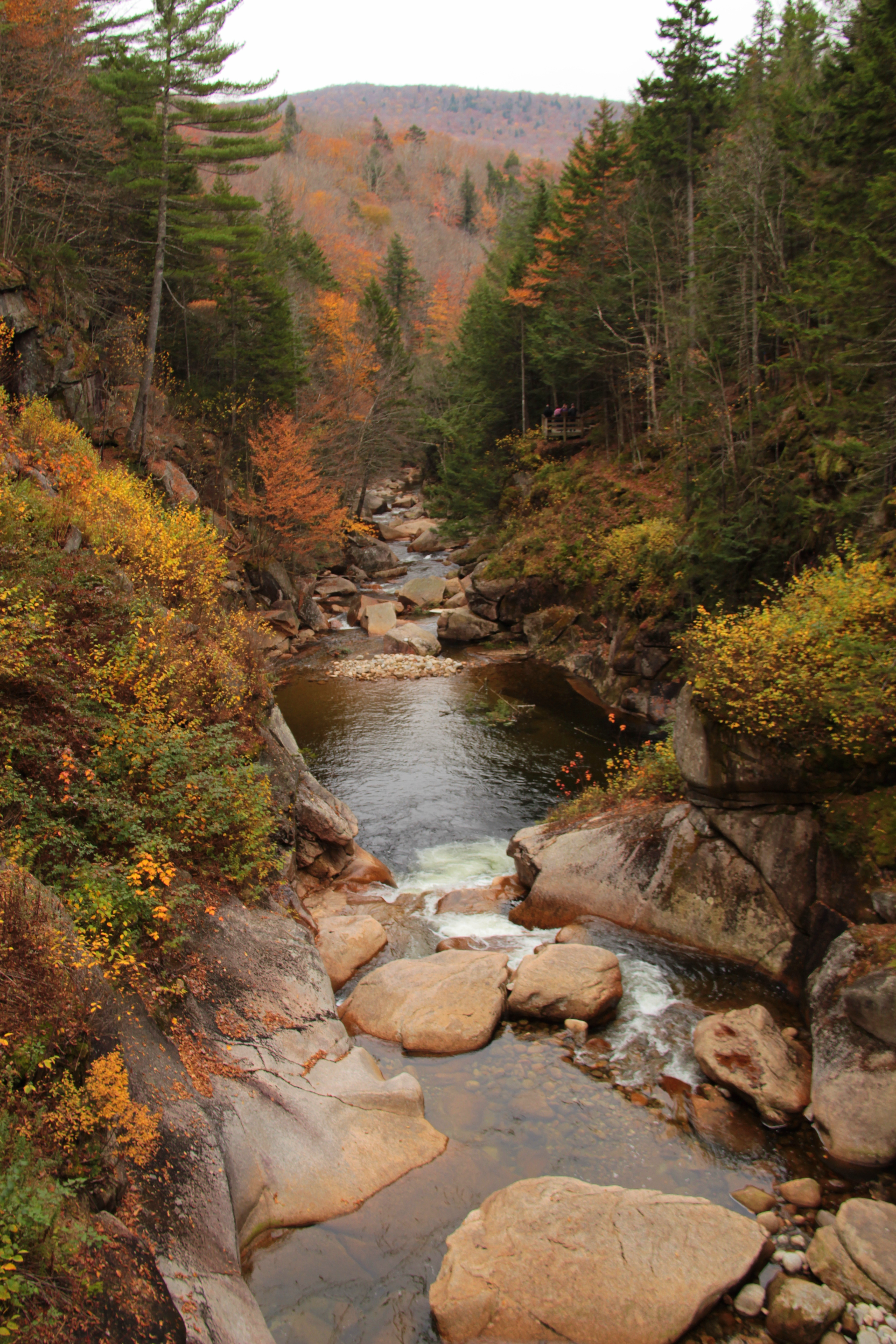
A trip on the world’s first cog railway, up Mount Washington – the highest peak in New England – was pleasant, though the bright sunshine at the base did not prepare us for the thick cloud on top.  At least we enjoyed the views on the way up and down, because you really couldn’t see anything at all at the summit! The drive to Mount Washington, through Crawford Notch, was very pretty, with stops at Silver Cascade and Ripley Falls, where we had a mini-ramble through the forest. Flume Gorge in Franconia Notch State Park was also impressive: a well sign-posted walk through the dramatic scenery, with plenty of chipmunks to spot. Our only disappointment was that, despite eagerly looking out for them at every place marked on the map, we saw neither a moose nor a bear during our stay.

IMG_0603The fourth leg of the holiday was in the lakes region. Saying goodbye to Nellie and Leon at the Spruce Moose, and – more distressingly – bidding farewell to their delicious pumpkin pancakes (see previous post), we headed to the lakes via Lucknow Estate (“Castle in the Clouds”). The arts and crafts house overlooks Lake Winnipesaukee and the views are – again – majestic. This was not, however, the reason for our visit. Paul had spotted that the (2nd) biggest horse in the world can be found there and had gotten very excited! Zeus is a 3000lb, 21 hand Belgian draft horse and is – admittedly – a fine animal. I was just glad that the views made the detour worth it. 

From there we drove to Holderness on Little Squam Lake and went to the Science Centre of New Hampshire. Here we saw amazing birds of prey, mountain foxes, bears, bobcats and deer. Much more thrilling – I would argue – than a horse, no matter how big. From Holderness we joined a boat ride on Squam Lake, shooting location for the film On Golden Pond staring Katharine Hepburn and Henry Fonda (of which the locals are very proud). The lake is the second largest in the region and surrounded by dense forest. Little islands of trees – summer vacation spots for rich New Englanders – provided a rare and exciting opportunity to see nesting American Bald Eagles. Aiming our binoculars in the general direction of the pointing passenger with his dog-eared ornithology guide, we could definitely make them out. A very pleasing day all round!

IMG_5666

Our accommodation was at John and Cindy’s Lake House at Ferry Point in Sanbornton on Lake Winnisquam. The guest house brags that it’s the only B&B in the region to actually sit on the edge of a lake. I don’t know if that’s true, but I would really recommend it if you’re in the area. The rooms were really comfortable, the hosts are lovely and the house has its own jetty and wooden gazebo. Perfect for sunset (and sunrise) strolls…and a good place to spot a beaver collecting sticks. Bonus! John – like all the innkeepers on our trip – was a fantastic cook and we enjoyed a substantial breakfast of eggs rancheros, strawberries and cream, and lemon and poppyseed muffins. Yum! No wonder I’ve come home half a stone heavier.

The next day it was onward to Cape Cod.  Tune in for the next exciting instalment…

IMG_5533

IMG_5416

IMG_5266

IMG_5255


NYC Streets

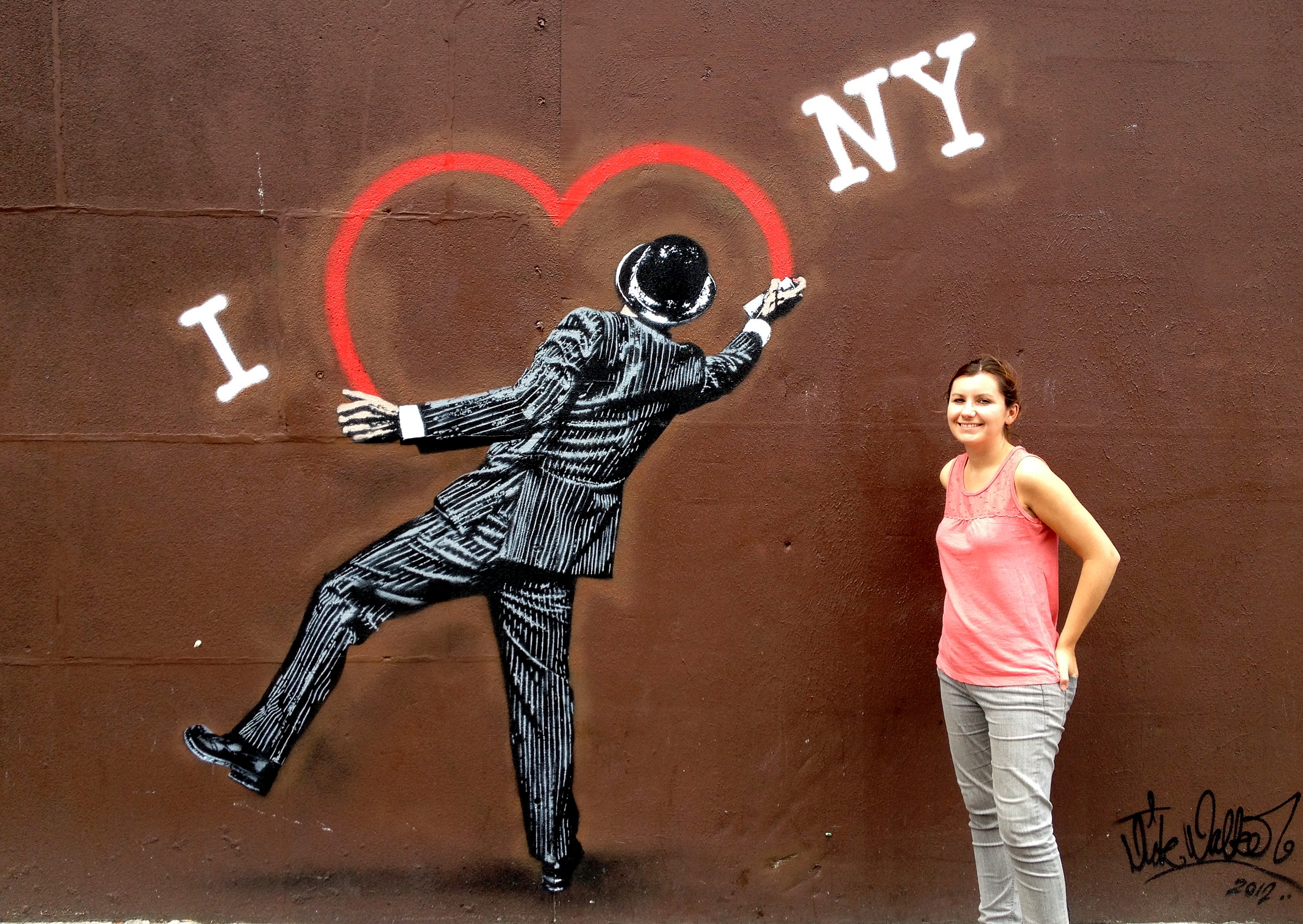
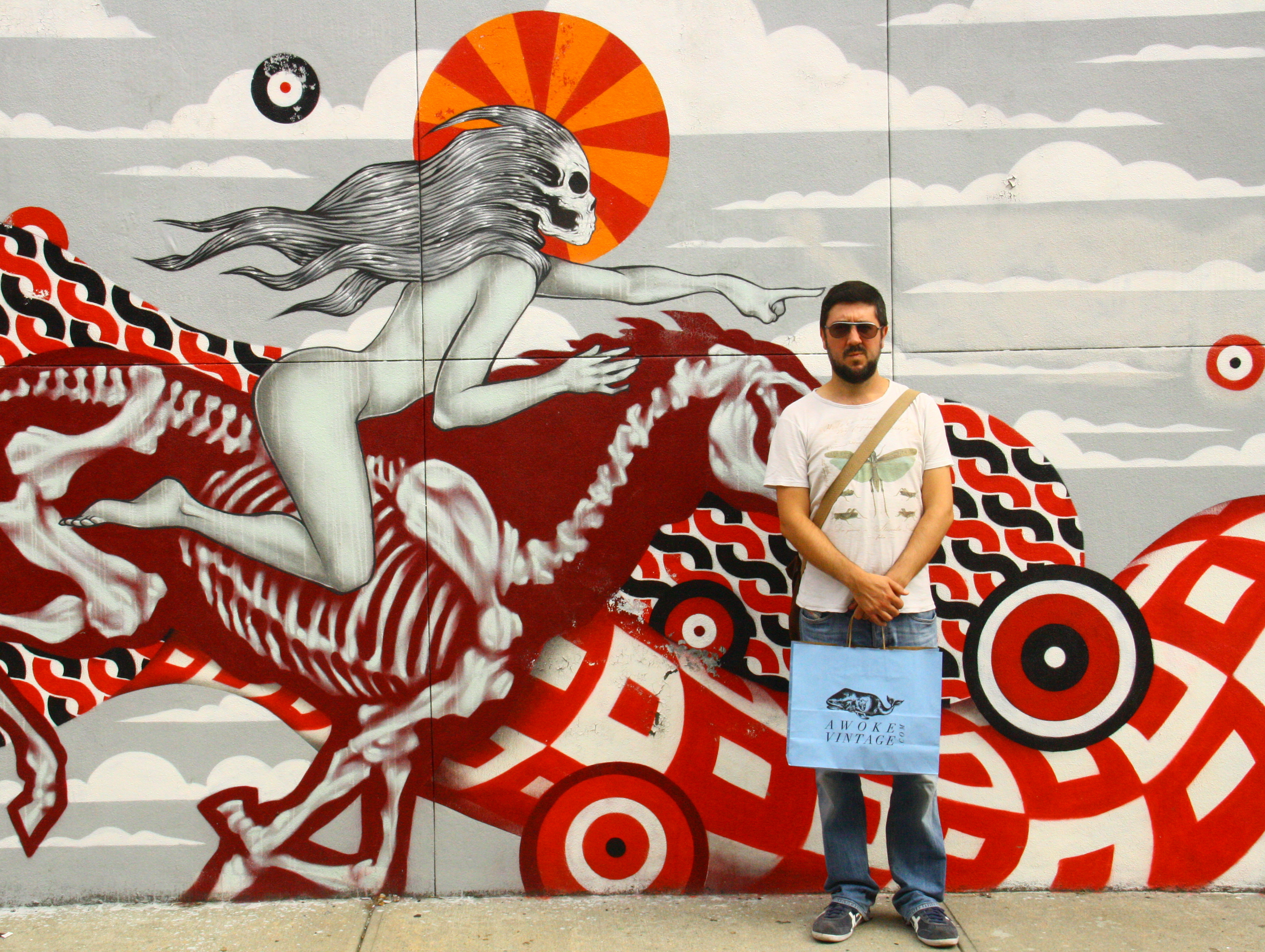
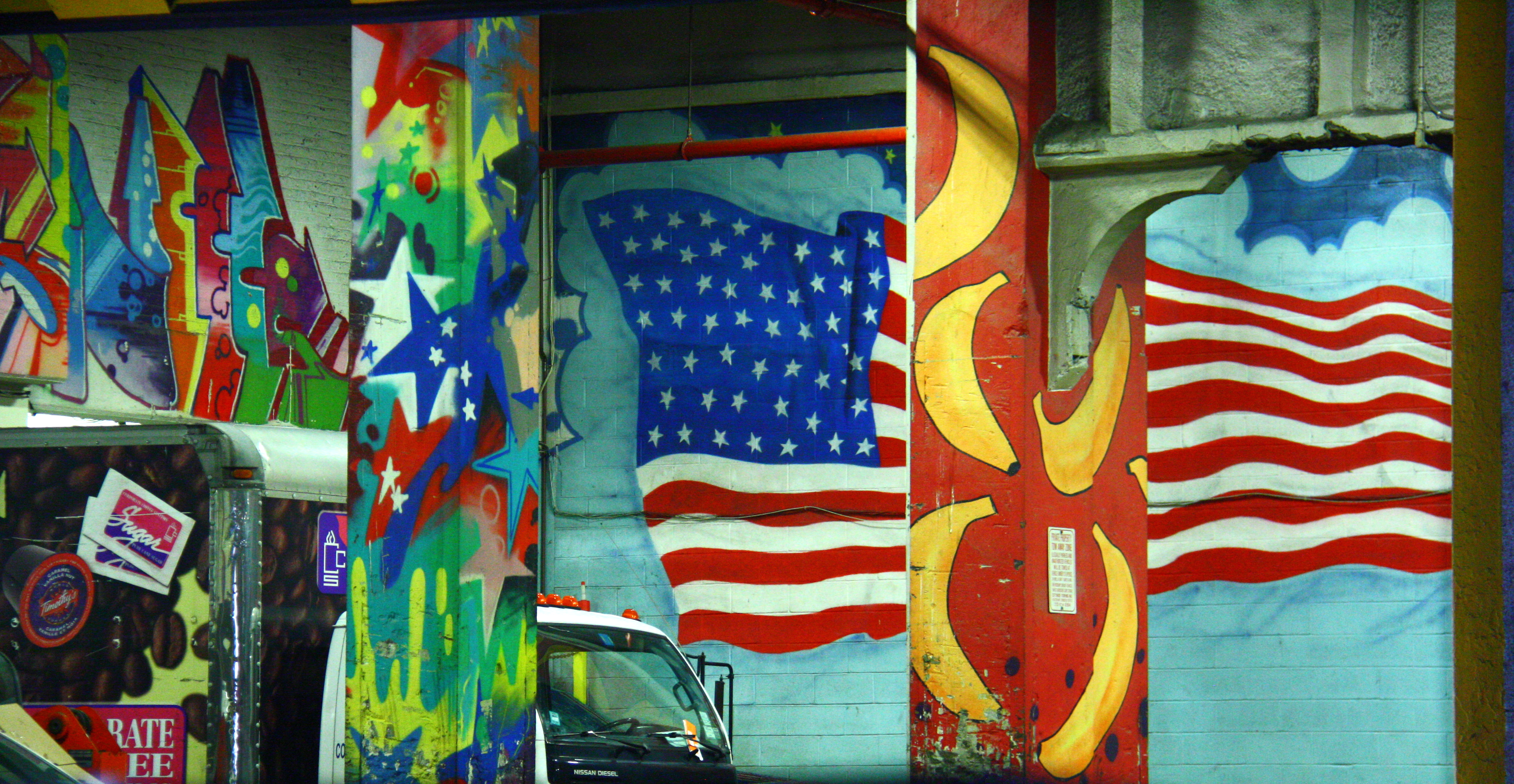
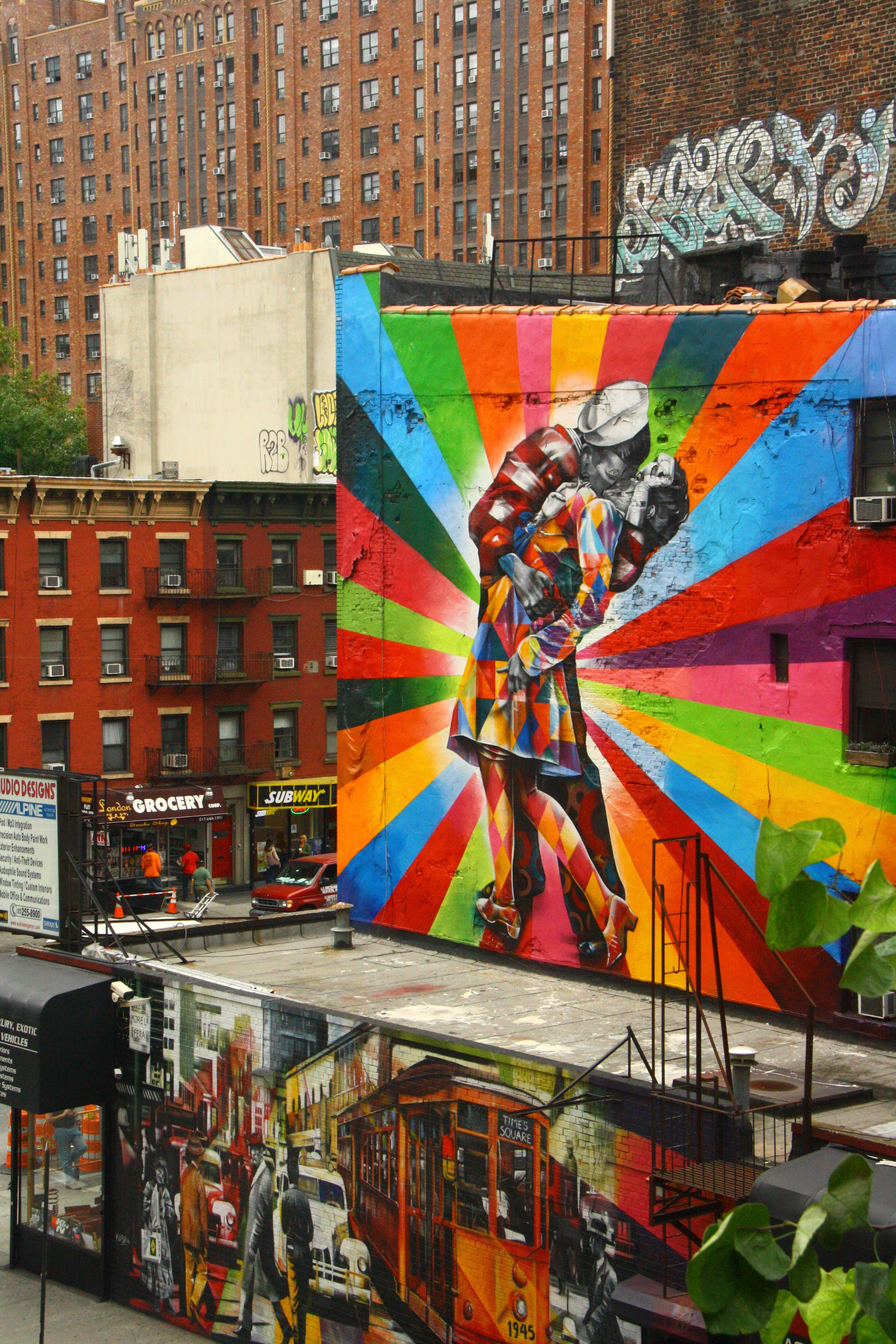
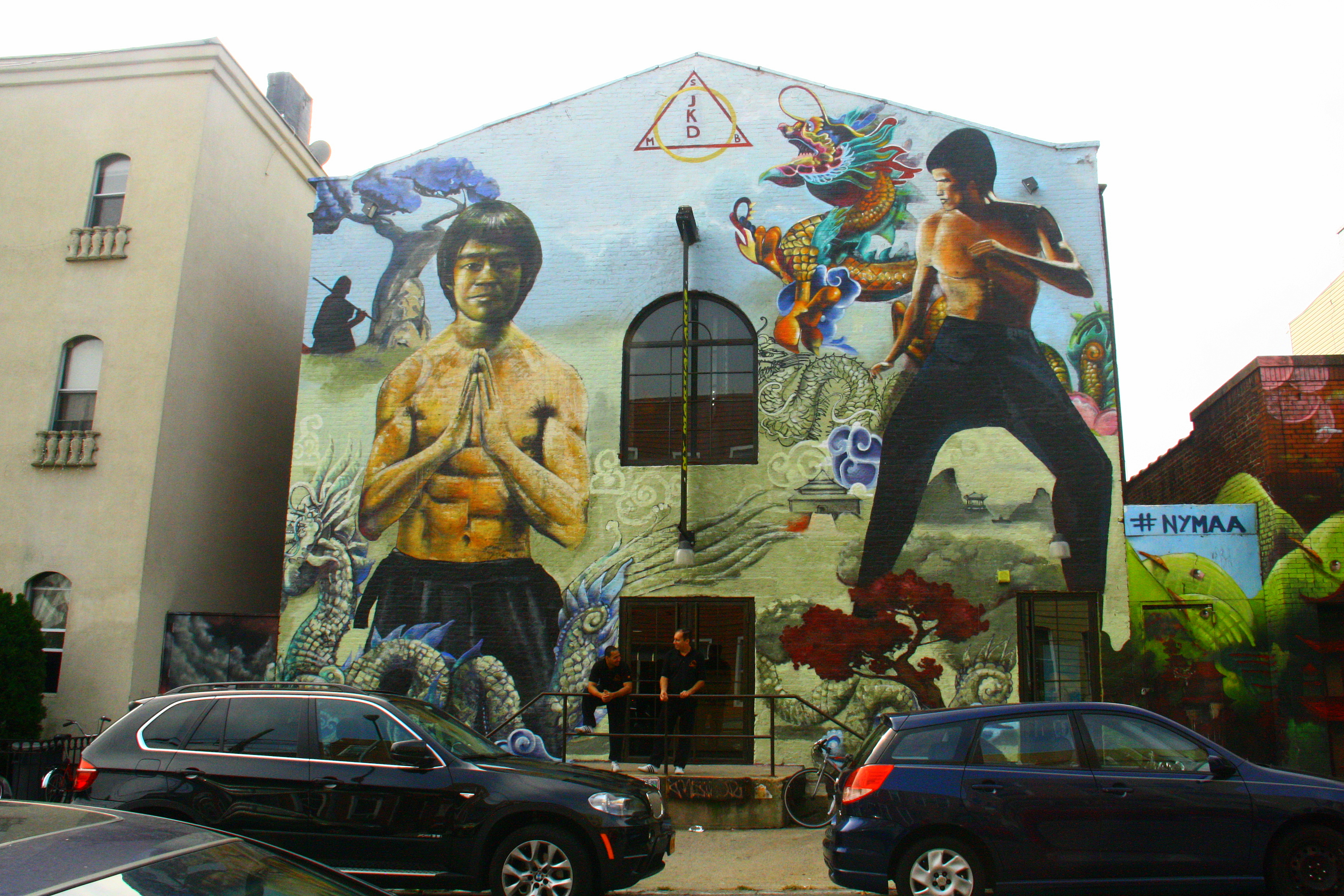
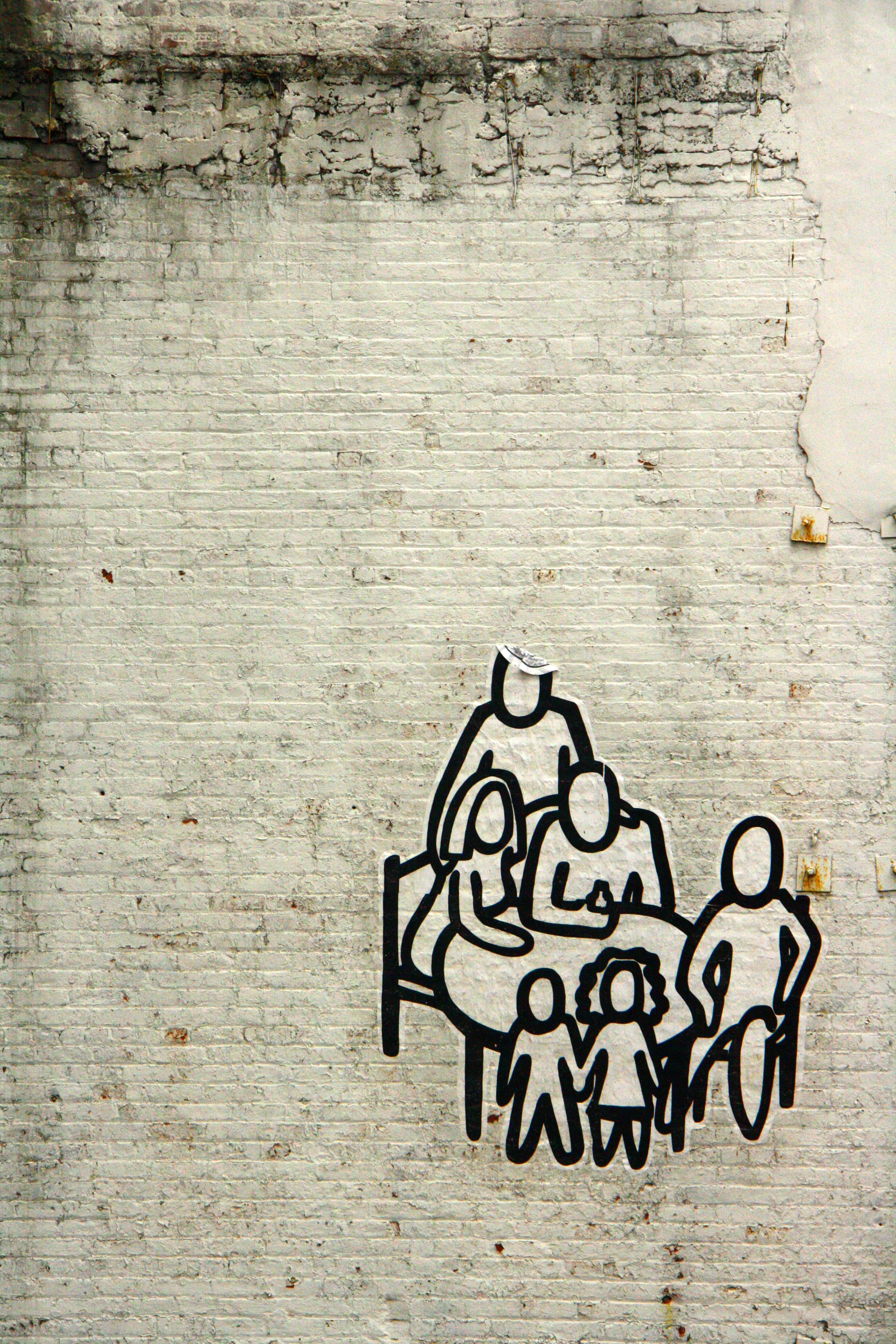
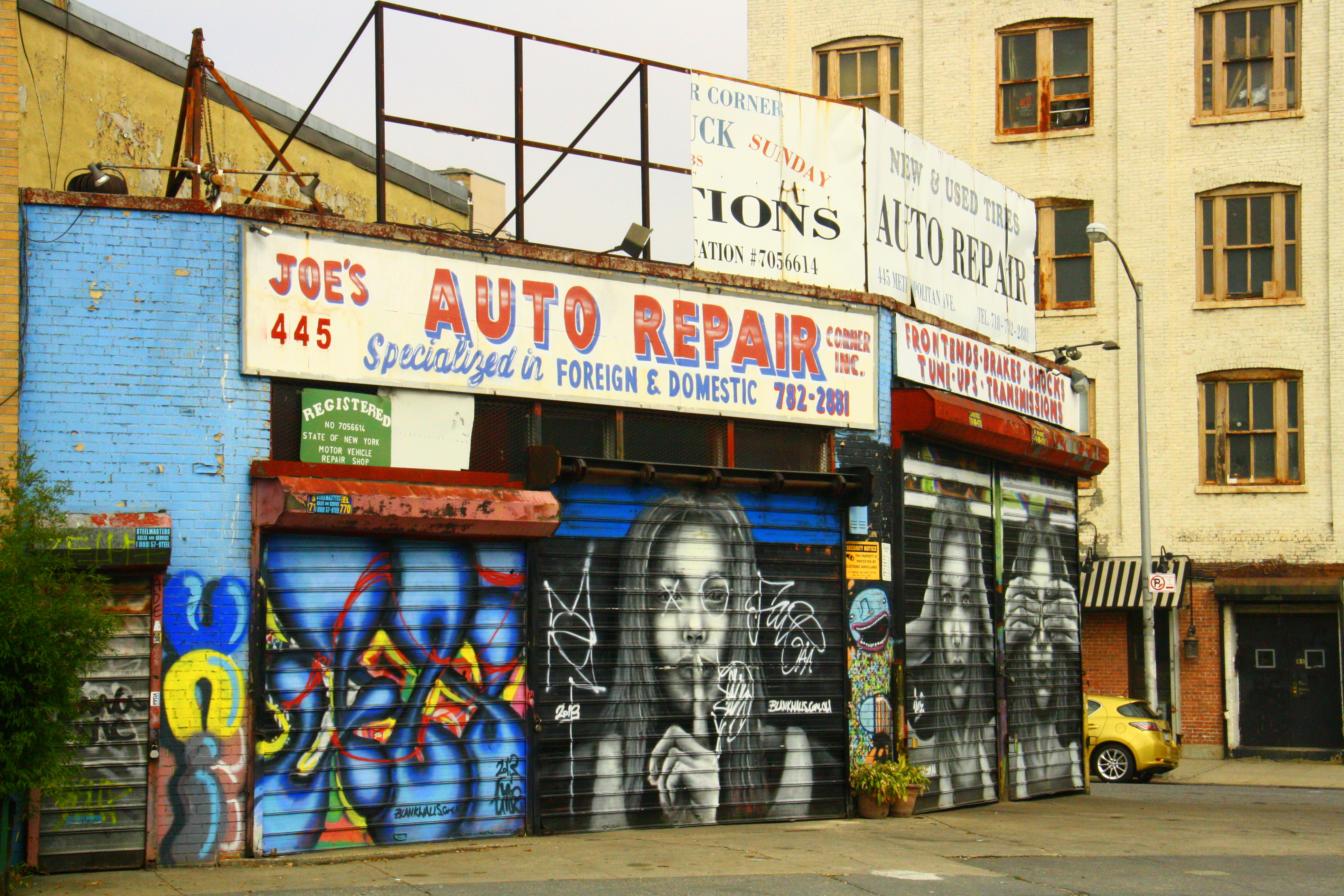
It would be a travesty to fail to post some of my pictures of Street Art in New York. Sorry to those who continue to think this is just obnoxious graffiti. You’re wrong.  But sorry anyway.

So, here are some snaps taken mainly around Williamsburg, the Lower East Side and Meatpacking District:

IMG_3263Yes, I Do

IMG_4873Family Portrait

IMG_4729See no, hear no, speak no

IMG_4725Brooklyn, Baby!

IMG_4716Here’s Looking At You

IMG_3241Jim-Jiminy

IMG_4848

At Least I Know I’m Free

IMG_4897Taking the High Line

IMG_3254Tenement Roots

IMG_4734Sacred Warrior

IMG_4720To Flea or Not to Flea

IMG_4735What’s Up Pussy Cat?

IMG_4708Sci-fi Stylee

So Good They Named It Twice

Yes, it’s finally time I wrote about my favourite city in the world. The Big Apple. The Empire State. The City That Never Sleeps!  The place that’s so good they named it twice…

OLYMPUS DIGITAL CAMERA

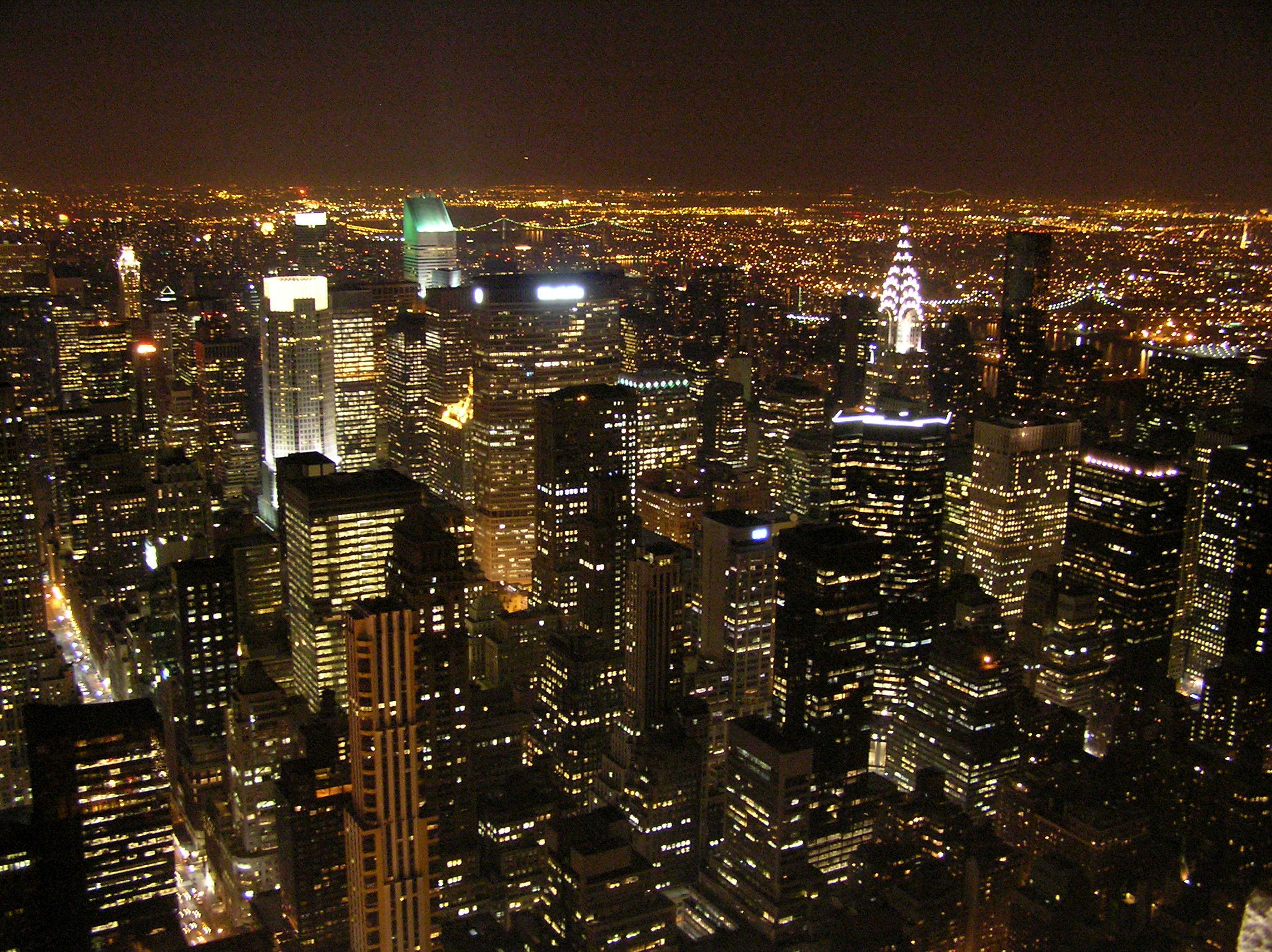
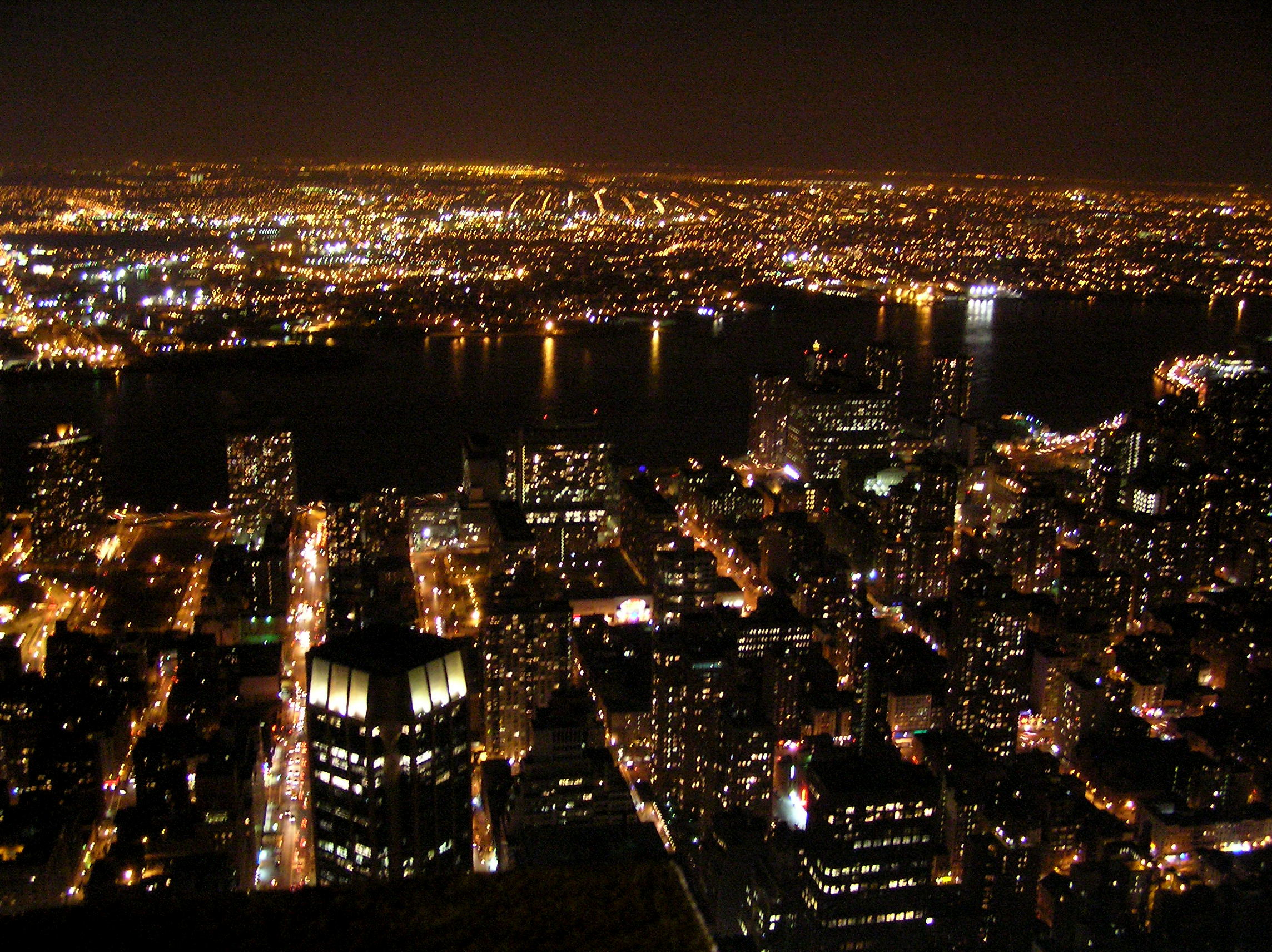
This is New York, the concrete jungle where – according to those great poets of our age – dreams are made. Well, I wholeheartedly agree with Mister Beyoncé. This is a city that takes hold of you from the moment you enter, craning in awe at the sublimely impressive skyline, and refuses to let go. And it lingers in the mind long after you’re back in low-rise suburbia. This is a city of contrasts – glitz and grit; light and dark; manicured and defaced; arrogant and humble; unknowable and intimate; incredibly big and yet, in many ways, incredibly small. This is a city where you can put down roots in distinct communities or can lose yourself in the bustle and energy of Manhattan. This is a city where you can immerse yourself completely in art and culture, haute cuisine and haute couture; experience stunning architecture and sights of great historical significance. Or you can sit with a beer (or blueberry lemonade, depending on your want) and people-watch contentedly for days on end. This is my home from home. Or, at least, it would be…if I had a spare half a million to buy a Brooklyn loft apartment.

Did I mention that I love it?

IMG_4661

So, where to begin? At the start of October, I guess, which is when I embarked on my most recent trip across the Atlantic. This return to New York was a wonderful treat, initiated and financed by my (almost) mother-in-law, who turned 60 in July and who wanted to celebrate in style. Actually, it was a double-celebration, with my (almost) brother-in-law having turned 40 in the same year. When you have a combined age of 100, you deserve to make merry abroad!

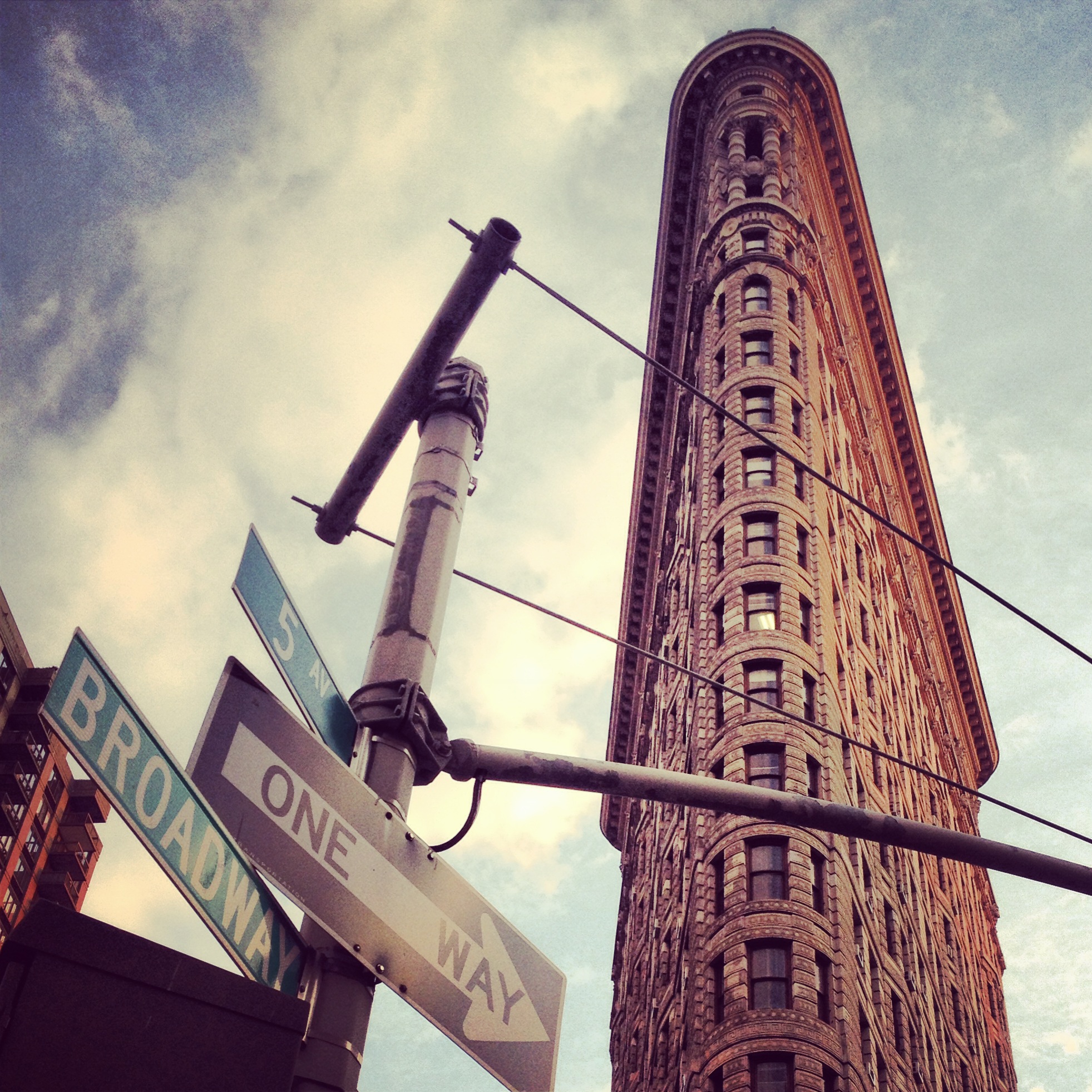
IMG_3103So, after a seven-hour flight (don’t bother with Man of Steel, but do check out Alpha Papa), the five of us arrived in the Flatiron District and settled into our stunning apartment on Park Avenue, home of a nervous art dealer. Why nervous? Because Air BnB, the popular letting site we were using, had recently been getting a lot of publicity…what with it being illegal to sub-let in the state and all. This we learnt upon arrival, having not heard the fuss beforehand. Our host told us very clearly not to bring attention to ourselves or “hog the lift” (a pastime I reluctantly agreed to forgo)…but otherwise we proceeded to enjoy our stay without drama. If you’d like to sign an online petition against the state law, there are plenty to choose from!

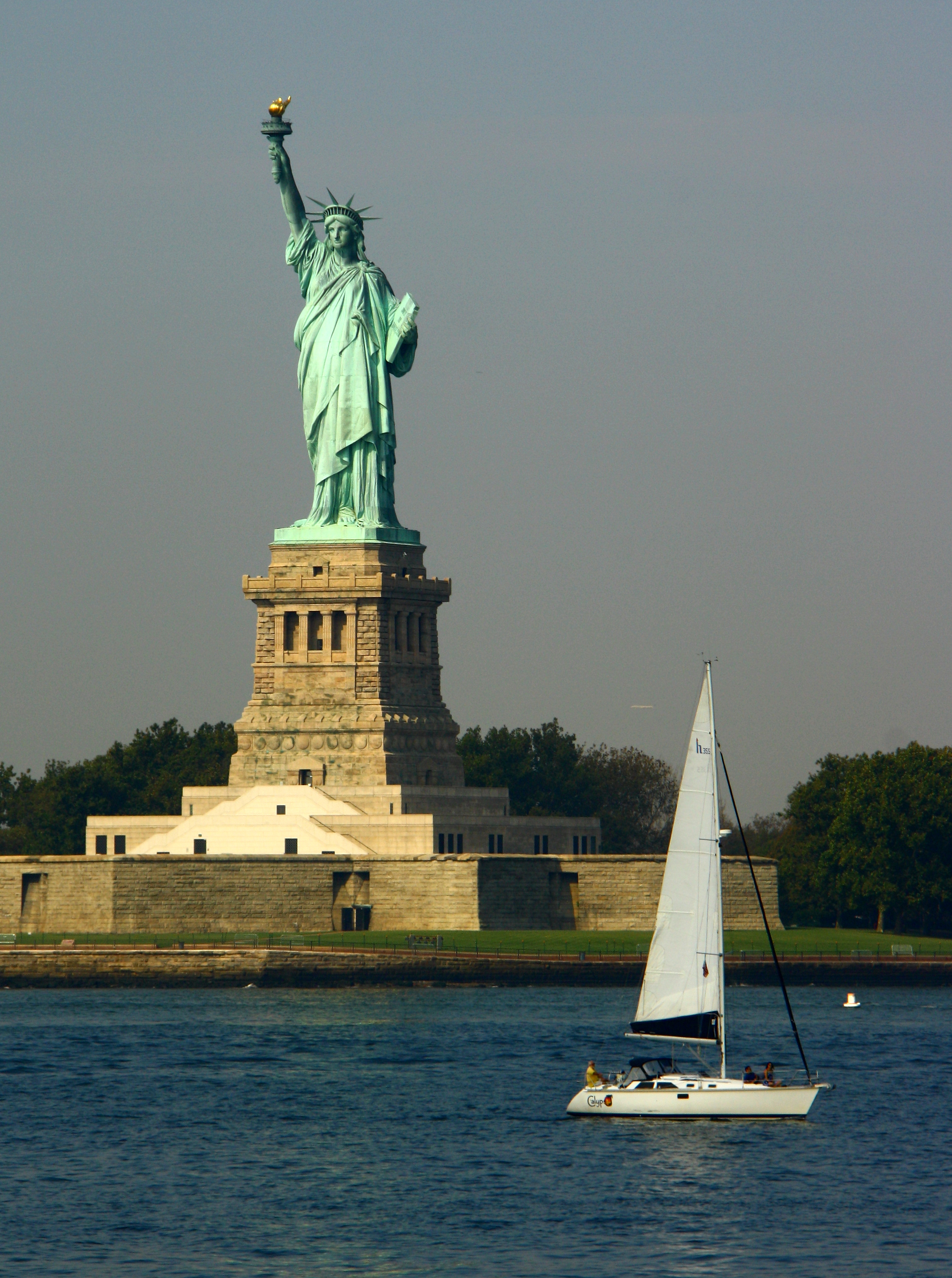
The first morning saw three of our party embark on a helicopter ride over Manhattan: the aforementioned birthday girl’s belated present. Not having joined them myself, I can’t comment further, but all returned with big beams on their faces: job well done. Apparently the views of the skyscrapers, as you fly past Central Park, over the Hudson and up to Harlem are as spectacular as you’d imagine. Next, we enjoyed a sunny trip on the Staten Island ferry, skirting the Statue of Liberty (bigger than you think it’ll be) and snapping pictures of the soaring financial district behind us. This free excursion is a real must when you’re in the city and provides respite from the busy streets.

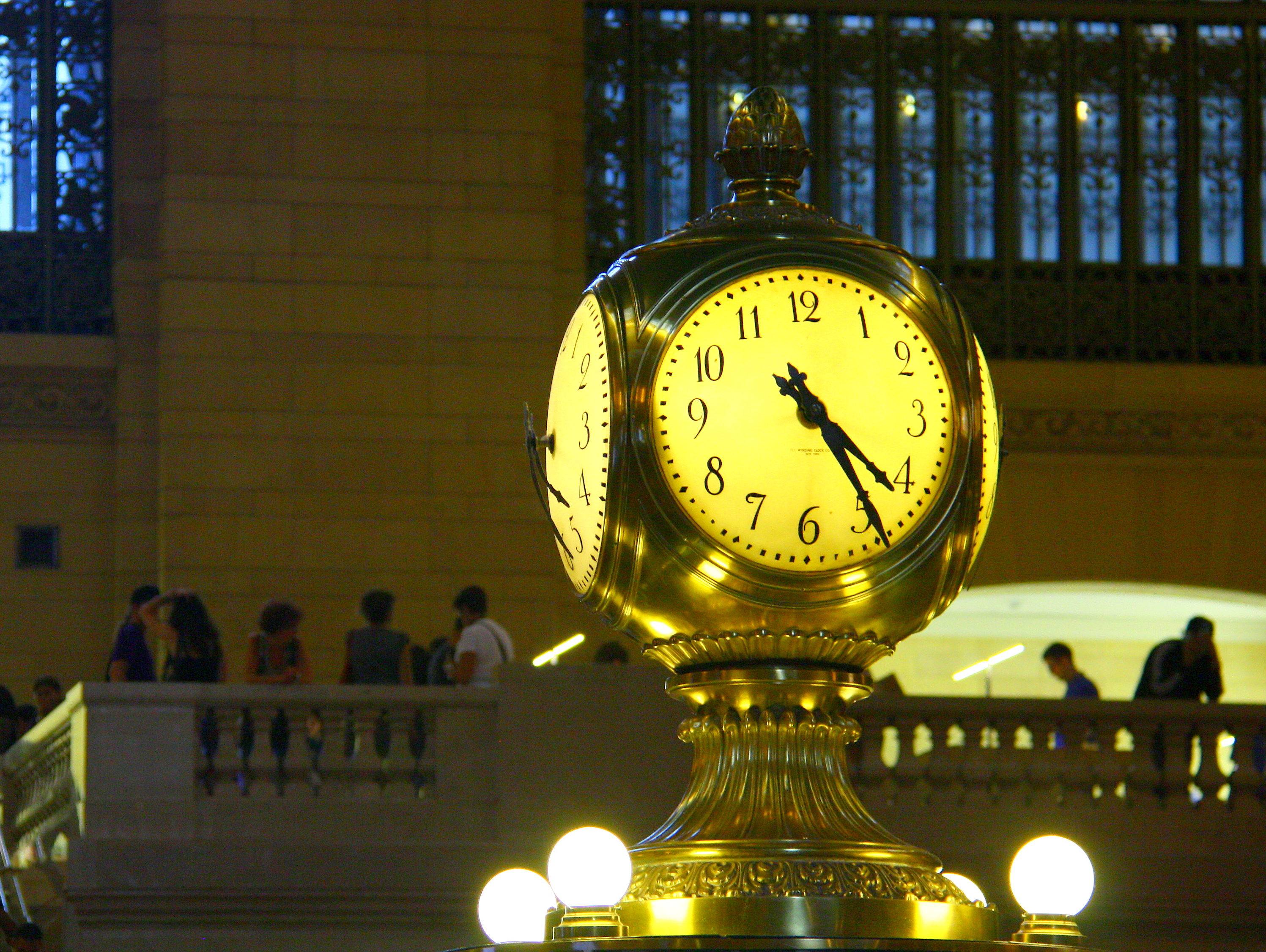
IMG_4669Having got our fill of the skyline (for now), and after an aborted attempt to push through the crowds, in what was now uncomfortable heat, to see the base of Freedom Tower (still surrounded by hoardings), we decided lunch was in order. Pizza, lobster rolls and burgers from South Street Seaport food market was just what we needed. It’s a great strip, in the midst of renovated warehouses, the old gangster haunts along the eastern waterfront. Plus, eating street food is so much cheaper than going indoors in New York! The afternoon then seemed to fly by, with short stops at St. Patrick’s cathedral and Grand Central Station being all we could manage to fit in. The latter is an incredible building – the largest commuter train terminal in the world, with a cavernous concourse, its famous meeting-point opal clock, Tiffany glass and astronomical ceiling.  No wonder it’s repeatedly voted one of the premier visitor destinations in the States.  I failed, unfortunately, to recreate the famous 1934 print, but could have stood looking at the light-strewn concourse for a long, long time.

IMG_4778

We ate at Little Owl in Greenwich Village that evening.  I’d heard great things about the restaurant and it’s consistently in the top five New York restaurants on TripAdvisor, so I was quite excited. It’s fair to say that not everyone was blown away by the food; it definitely depended on what you ordered. But the ambience and service made it a lovely experience nonetheless. And my food was delicious: their signature gravy sliders followed by whole seabass with lobster risotto. Yum, yum. Greenwich Village itself is a great place to go out on an evening, with lots of cool little bars, restaurants and jazz clubs. We ended up in one of the quintessential New York basement bars, the style of which has been appropriated by practically every new bar and restaurant to open in London in the last two years. Bare brick walls: tick. Shabby pendant lights: tick. Chipped, white metro tiles: tick. Lots of bequiffed 20-somethings drinking craft beer: tick.  Don’t get me wrong, I’m a sucker for it.  I’d happily always drink in such places…and in fact, as I describe it, I realise it’s pretty much how I plan to decorate our kitchen.

OLYMPUS DIGITAL CAMERA

Day 2 saw our group go in different directions.  Paul and I headed into Williamsburg, having turned green with envy on hearing tales from our friends Jennifer and Fred’s recent stay in this hip Brooklyn borough. We completely fell in love with the area! If we moved to New York (it might happen…it might), we’d definitely live here. Cool cafes, vintage clothes shops, street art, record shops, bars…bars…bars…

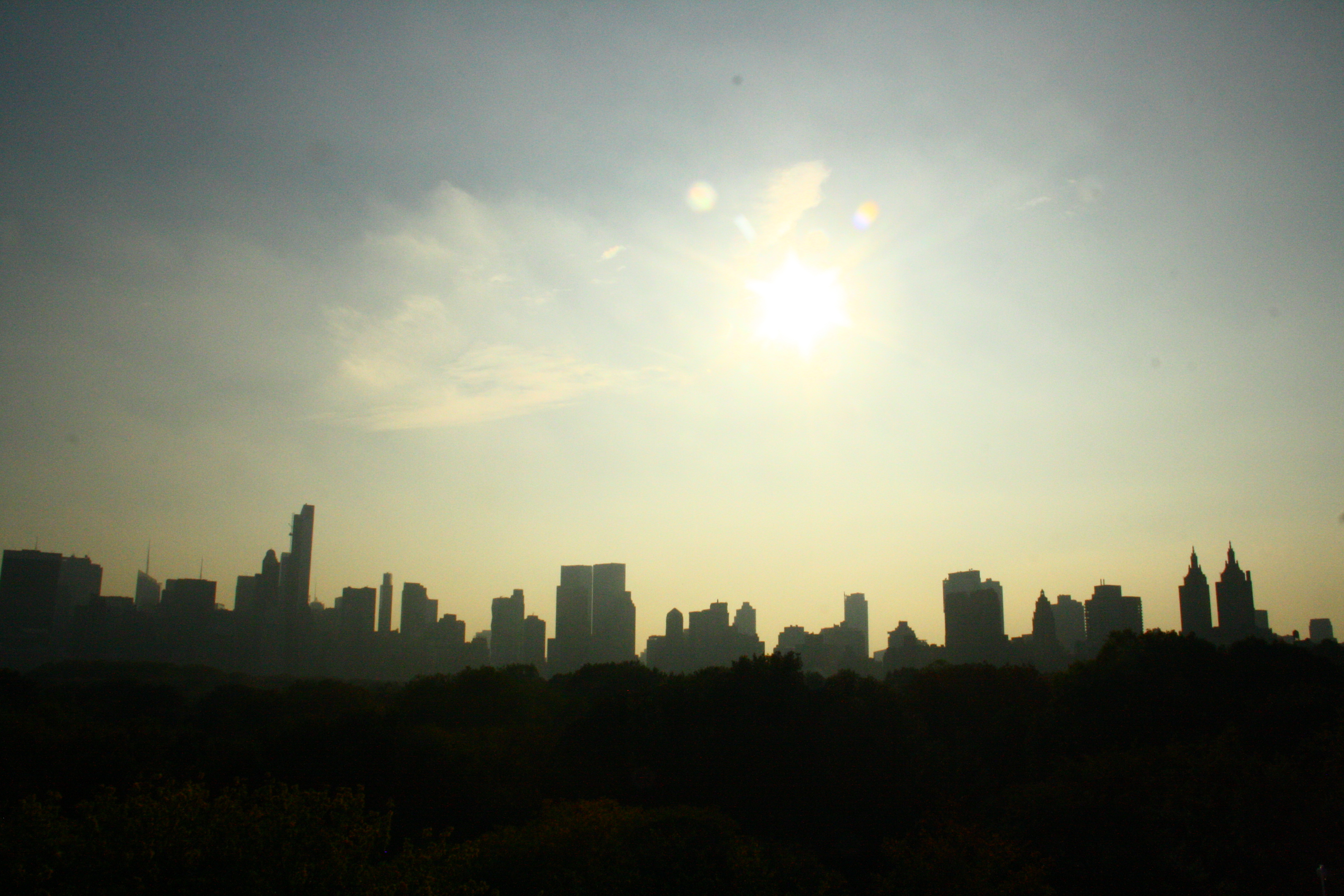
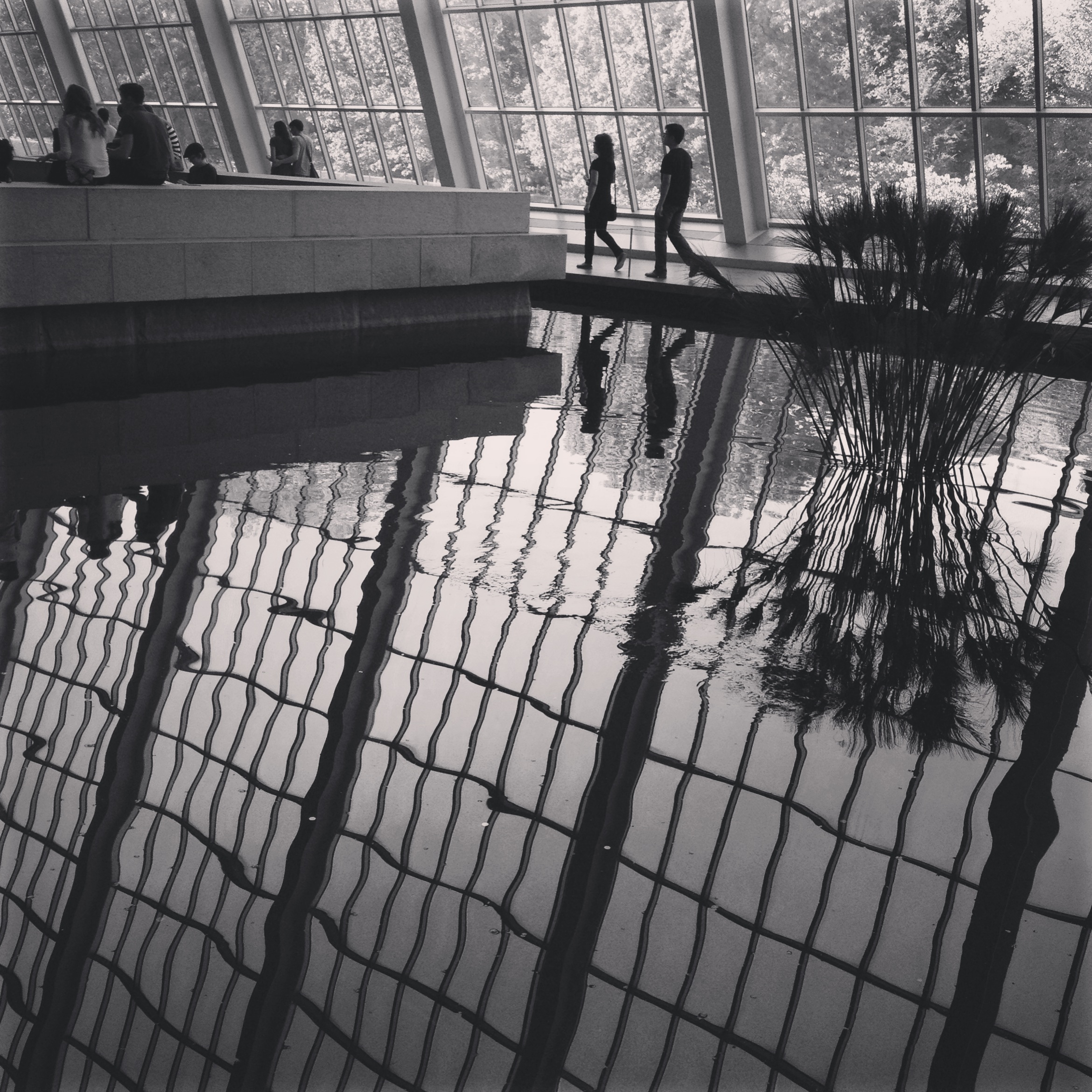
IMG_3145We spent ages walking around, buying odds and ends, then sought out the best murals, had lunch at the Smorgasburg food market at East River State Park (fried chicken and waffles) and a drink at a nearby bar (craft beer for him; blueberry lemonade for me). We could have spent days there. But, conscious of the long list of things still to fit in, and embracing the city of contrasts, we spend the remainder of the day at the Metropolitan Museum of Art…and its rooftop bar. The views across Central Park, as the sun was setting, were beautiful.  Aahh, it’s making me smile just thinking about it. We didn’t have time this trip to do Central Park properly, but I’ve walked through it previously – taking in the lake, statues, woodlands, Strawberry Fields and other points of interest – and it’s an amazing space. Next time…

OLYMPUS DIGITAL CAMERAAfter a couple of days of brilliant sunshine, the storm the forecasters had been threatening since our arrival finally came on day 3.  Undeterred – nothing can deter me from sight-seeing – we spent nearly the whole day at MoMA. My first time. Utterly fantastic! The American Modern exhibition was great and the permanent collection even more so. I had to be physically restrained from buying everything in the shop, but did manage to get away with a funky candlestick and a print of Andrew Wyeth’s Christina’s World. Sunday evening had been earmarked for the ‘fancy’ meal, so I’d booked us in to Colicchio & Sons in the Meatpacking District. Very nice it was too. Not white table cloth fancy, but definitely a treat and – again – the wine and service were exemplary. We all had the five-course tasting menu: canapés and fino, salmon, little neck clams with bucatini, beef short ribs, and peanut butter and caramelised banana torte for me. I felt decidedly stuffed afterwards!

IMG_4703

We were back in the Meatpacking District early the next day for Chelsea Market and the Highline: a walk along a disused railway track, pimped up and planted with shrubs. It had turned grey and cool, so we didn’t see it at its best, but I’d say it’s definitely worth spending a couple of hours on. Paul and I then jumped on the subway to have a walk around the Lower East Side, with its old tenement buildings and street art, before re-joining the gang at the Rockefeller Centre for the ‘Top of the Rock’ experience.

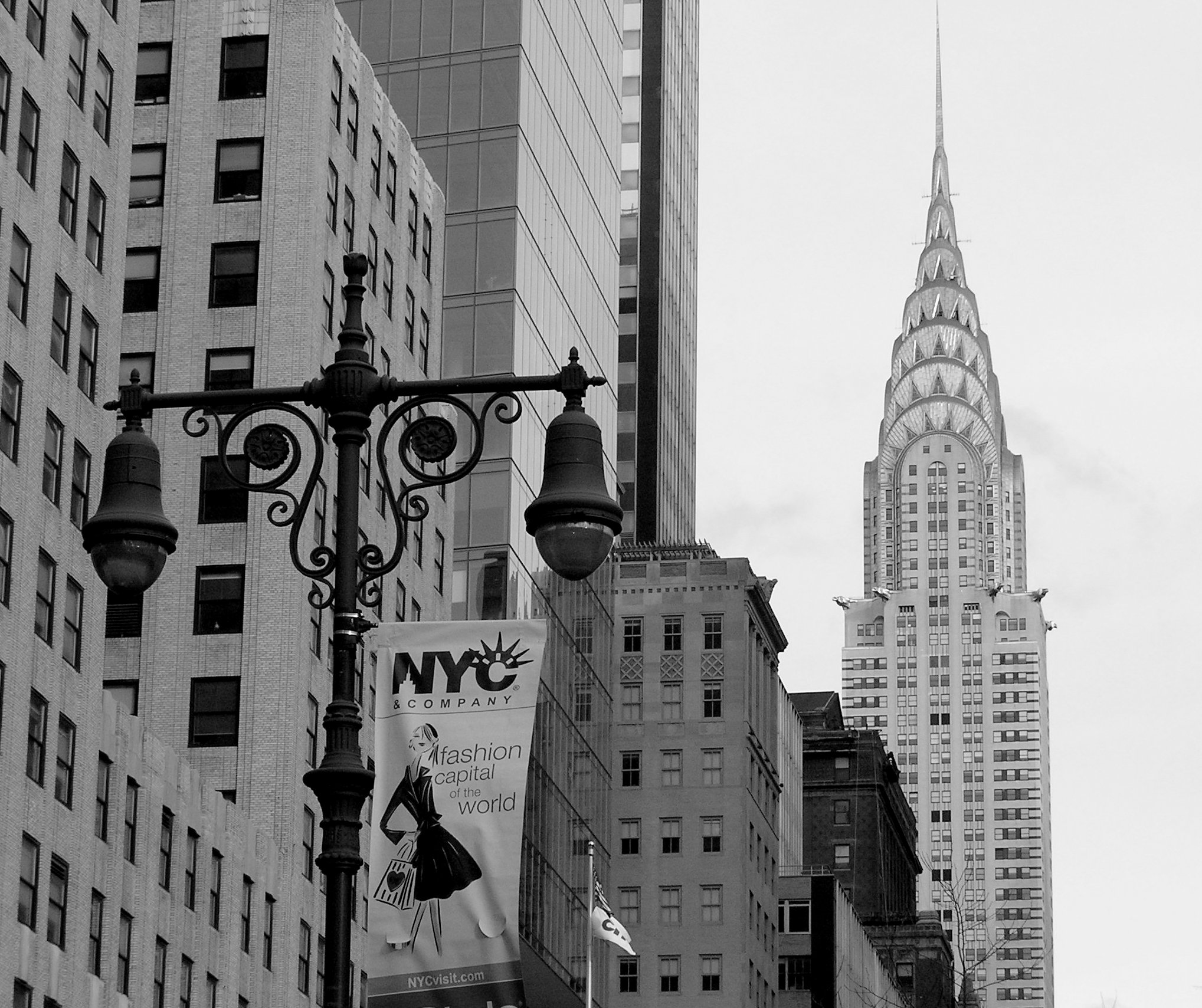
IMG_4648The art deco GE Building at the centre of the Rockefeller plaza is 850 feet (70 stories) tall and yet – in a city with close to 6,000 high-rise buildings, 97 of which are over 600ft – is only the 13th tallest in New York. If you want properly tall, try the Trump Tower (927ft), Chrysler (1,046ft), Empire State (1,250ft)…or the daddy: Freedom Tower at a whopping 1,776ft (104 stories).  Freedom (or, to give it its official name: One World Trade Centre) is the tallest building in the US and the 4th tallest in the world. Wowser! Anyway, back to Rockefeller, where – despite its comparatively diminutive size – you can enjoy views from its observation deck that are probably the best urban landscapes you’re ever likely to see. As you circumnavigate the roof, you can pretty much see the whole of Manhattan, with Central Park stretching out in front of you to the north and the looming Empire State Building dominating the skyline to the south. You can even see the Statue of Liberty, way in the distance.  Having been up GE on a previous visit, it was actually more impressive to see with menacing storm clouds gathering, turning the sky slowly blacker and blacker. All you’d have needed was a bat symbol and you’d have been in Gotham. The presence of lightning rods atop every building does, however, sober the mind, so I believe we were wise to hotfoot it down before testing our luck.

IMG_3359

Turns out we’d saved the best ‘til last in terms of our gastronomic choices. The food at David Chang’s Momofuku Ssäm Bar on 2nd Avenue was truly exceptional. I’d been desperately keen to go there after seeing the Korean-American chef on Treme (by far my favourite current TV show) and thinking his food looked delicious. I wasn’t wrong. Our starters of apple kimchi, soft shell crab and raw mackerel were very tasty, but it was the rotisserie duck centrepiece that stole the show: stuffed with sausage meat under the skin then roasted on a spit, with confit legs and sides of homemade chive pancakes, ssäm sauce, bibb lettuce and mint. Seriously, one of the nicest meals I’ve ever had. I know I’ve probably said that a few times in relation to great food in far-flung places, but you’ve gotta believe me on this one: I can’t recommend it enough.

So, that was the end of our short – but very sweet – stay in NYC.  But not the end of our holiday…The next day saw us eating leftover duck on the train from Penn Station to Boston, Massachusetts, where we were to start our New England journey with my dad. I’ll tell you about that another day…

OLYMPUS DIGITAL CAMERA

OLYMPUS DIGITAL CAMERA

OLYMPUS DIGITAL CAMERA

OLYMPUS DIGITAL CAMERA

Pumpkin Season

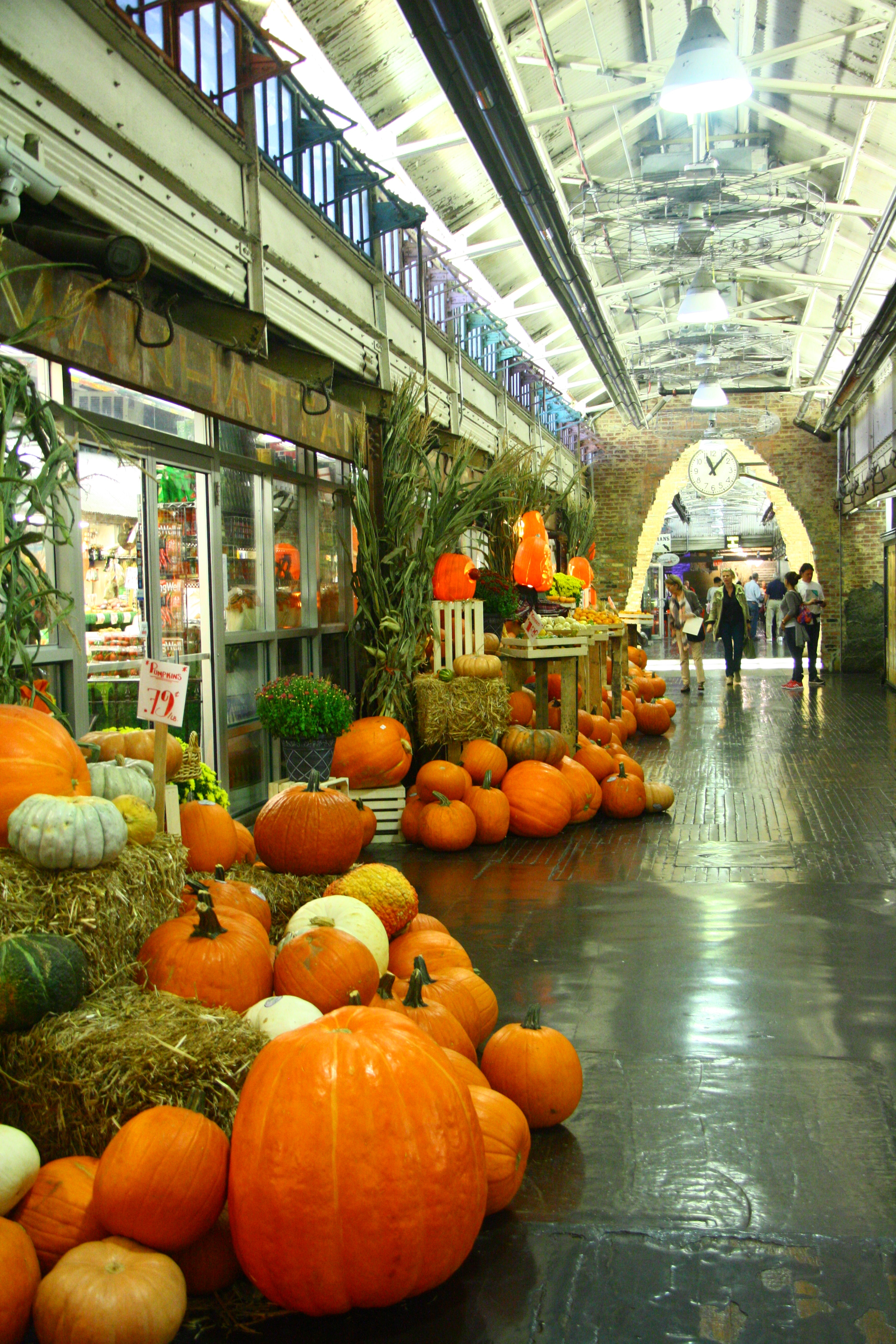
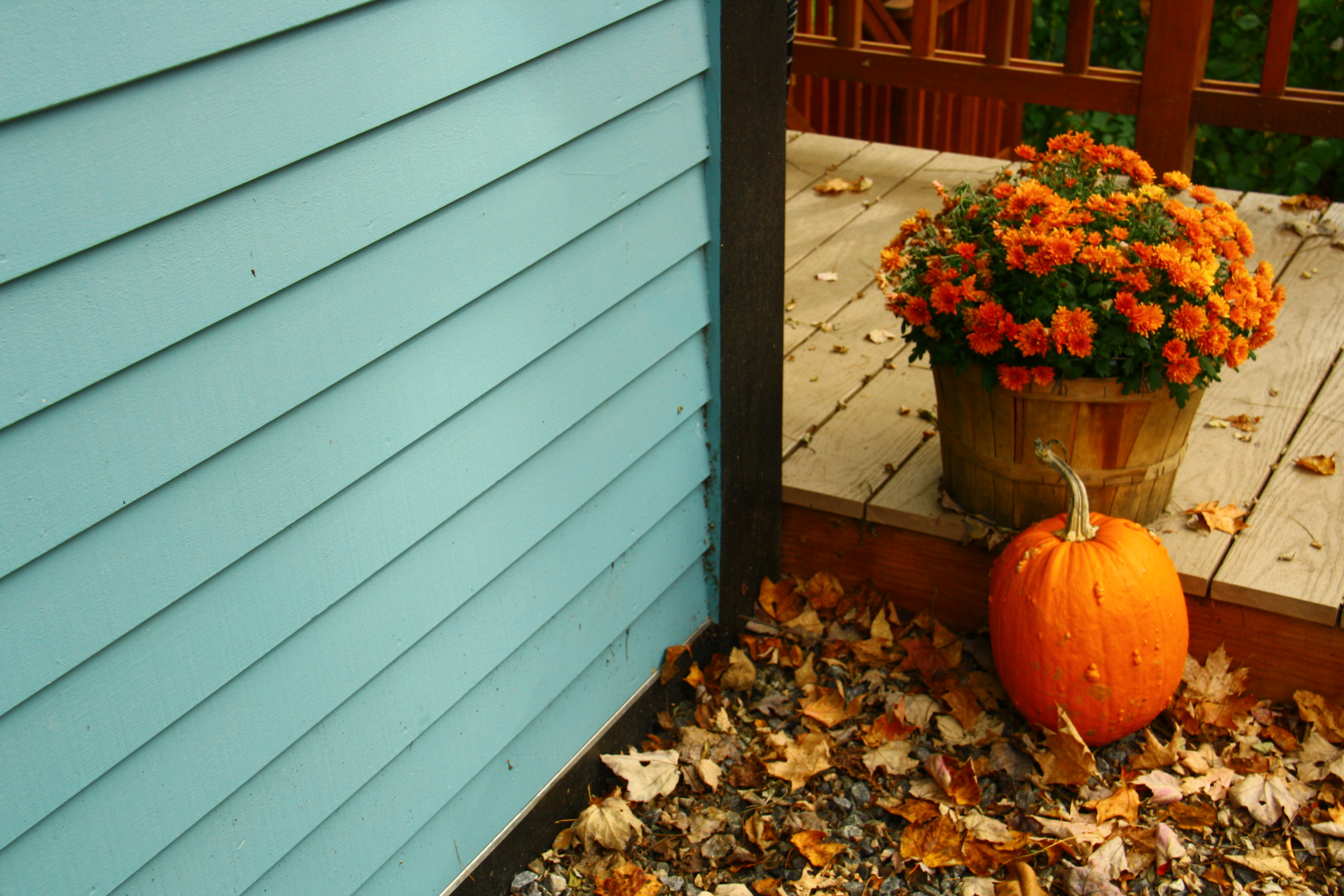
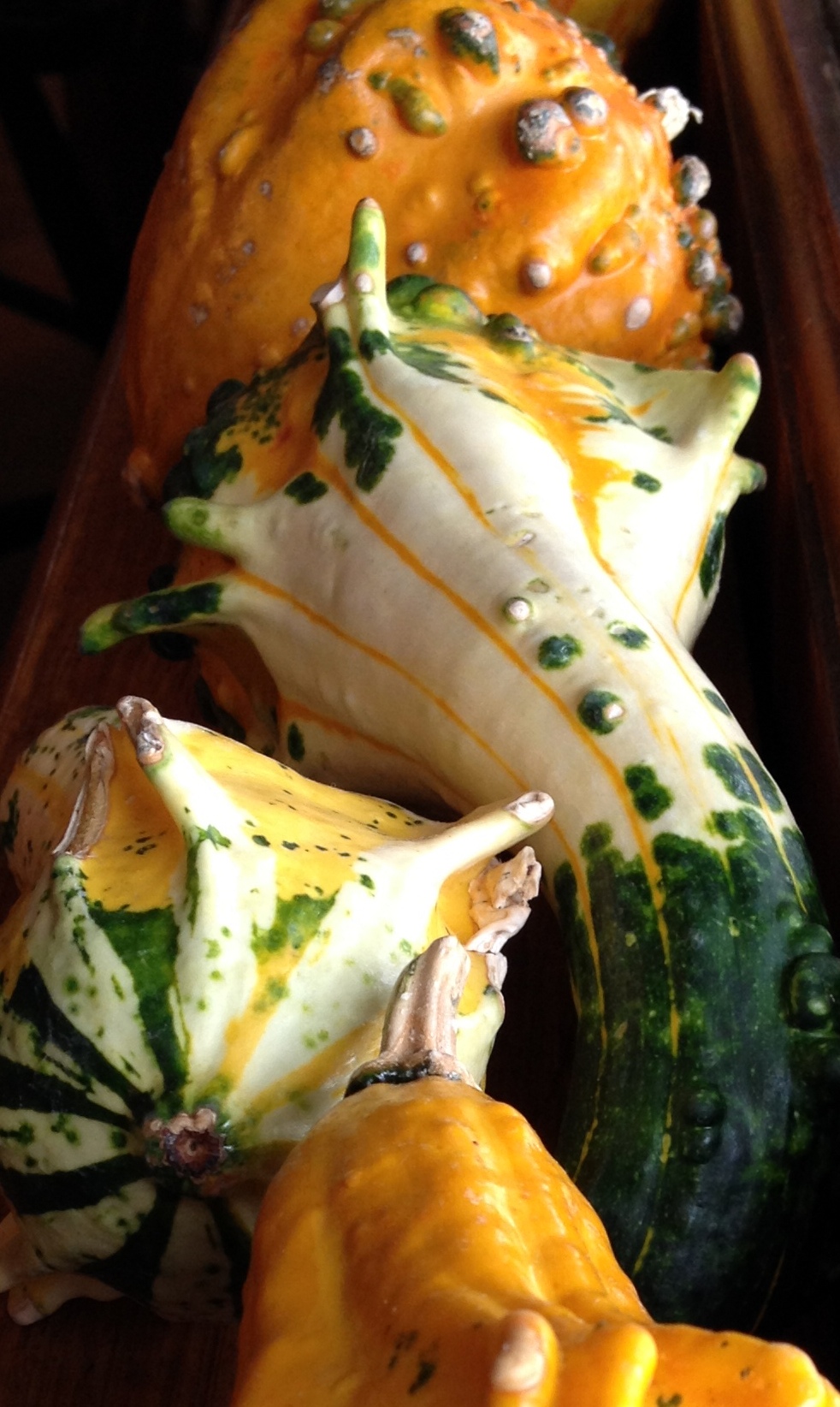
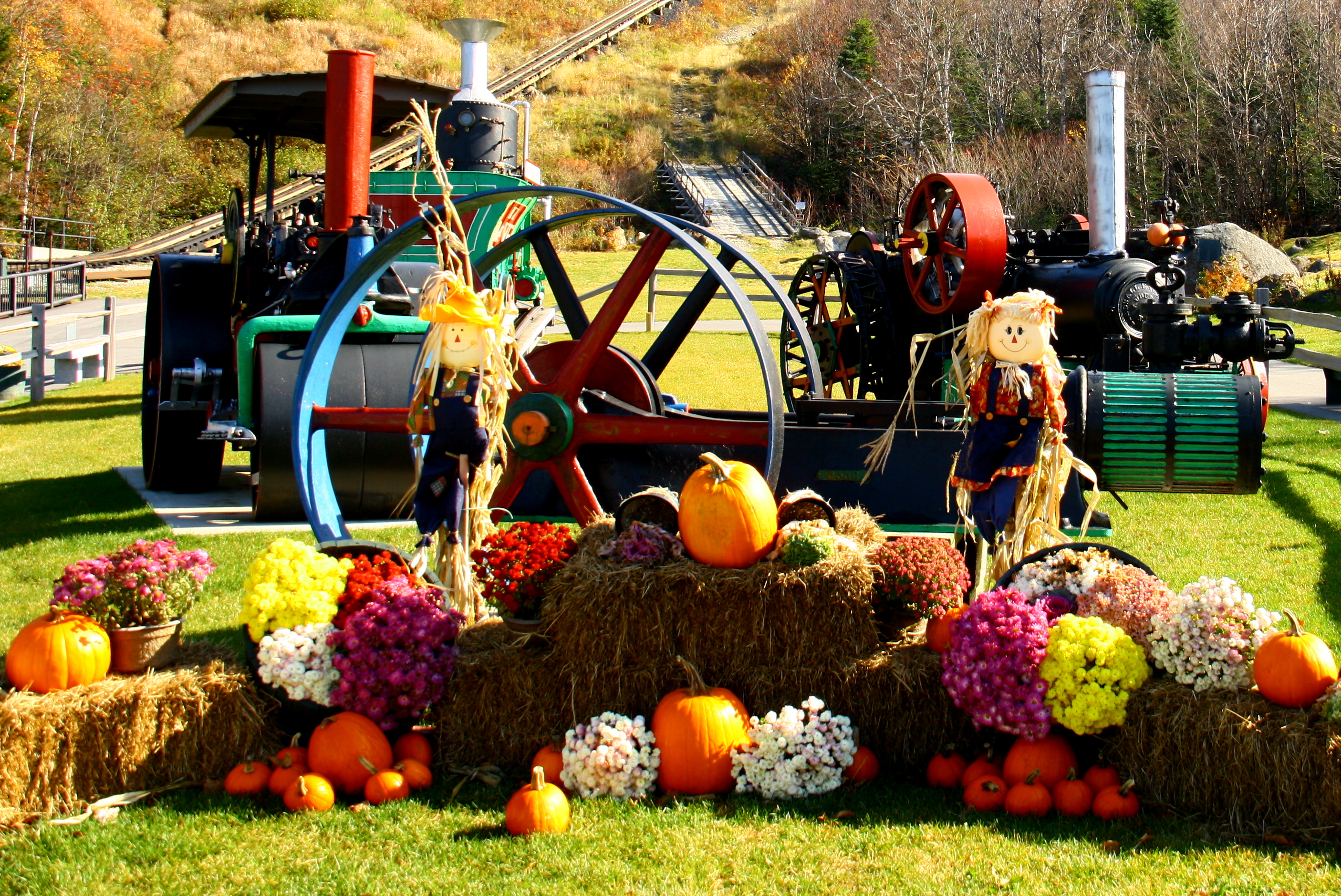
Having recently returned from New England, where Halloween is not considered a date in the calendar but a month-long season necessitating copious decorating the likes of which rivals Christmas in Blackpool, I thought a ‘festive’ post celebrating the king of squashes was in order. Did you know that a pumpkin is a fruit, not a vegetable? No, me neither. But I have a better appreciation having experienced its liberal use in every dish eaten over the last fortnight – only a small exaggeration, I assure you, as we enjoyed pumpkin pie, pumpkin bread, pumpkin muffins… pumpkin pancakes… pumpkin soup…

Here are some of my snaps from the States. Happy trick-or-treating!

IMG_5610

IMG_4813

IMG_4828

IMG_4827

IMG_0802

IMG_5606

IMG_3483

IMG_4825

IMG_5712

IMG_5238

[Photo of pumpkin scarecrow courtesy of Robert Wood (aka my dad]

A Street Prawn Named Bob

In August this year, in the middle of a pan-European heat wave, we embarked on what is fast attaining the status of a tradition: our annual villa holiday.  Eight friends; one week; no rules!  Wait…no, I think that’s the tagline of a film I saw recently.  Scrap that.  Anyway, our destination this year was Cascais, a small town on the Estoril Coast, a half-hour train ride from Lisbon.
IMG_2776Once a small fishing village, and latterly home to members of the Hungarian, Spanish and Italian royal families exiled after World War II, Cascais is now a popular holiday destination for both foreign tourists and locals.  It has a pretty harbour, plenty of fish restaurants and small coves for sunbathing and swimming.  We spent a few hours on the first day on the beach near the Farol de Santa Marta lighthouse and a similar length of time on Praia da Rainha on the last day, but the coves were busy and the Atlantic sea cold, so we actually preferred hanging out around the villa pool. We did, however, enjoy a day on Praia do Guincho, a surfing beach about 5km from Cascais.  Making camp by the dunes at the back of the long stretch of sand, we spent the day relaxing, eating, reading, investigating the giant beached jellyfish, and catching rays.  Rob donned his wetsuit and braved the waves, but despite being initially quite gung-ho, I chickened out when I saw the size of the swell.  The rest of us had a go at body-boarding, finding it much easier to catch a wave than on our last attempt in Devon, but mainly kept our distance from the pounding waves and aquaplaned in the shallows.  We returned to the villa with red, wind-beaten cheeks, salty hair and big grins on our faces!

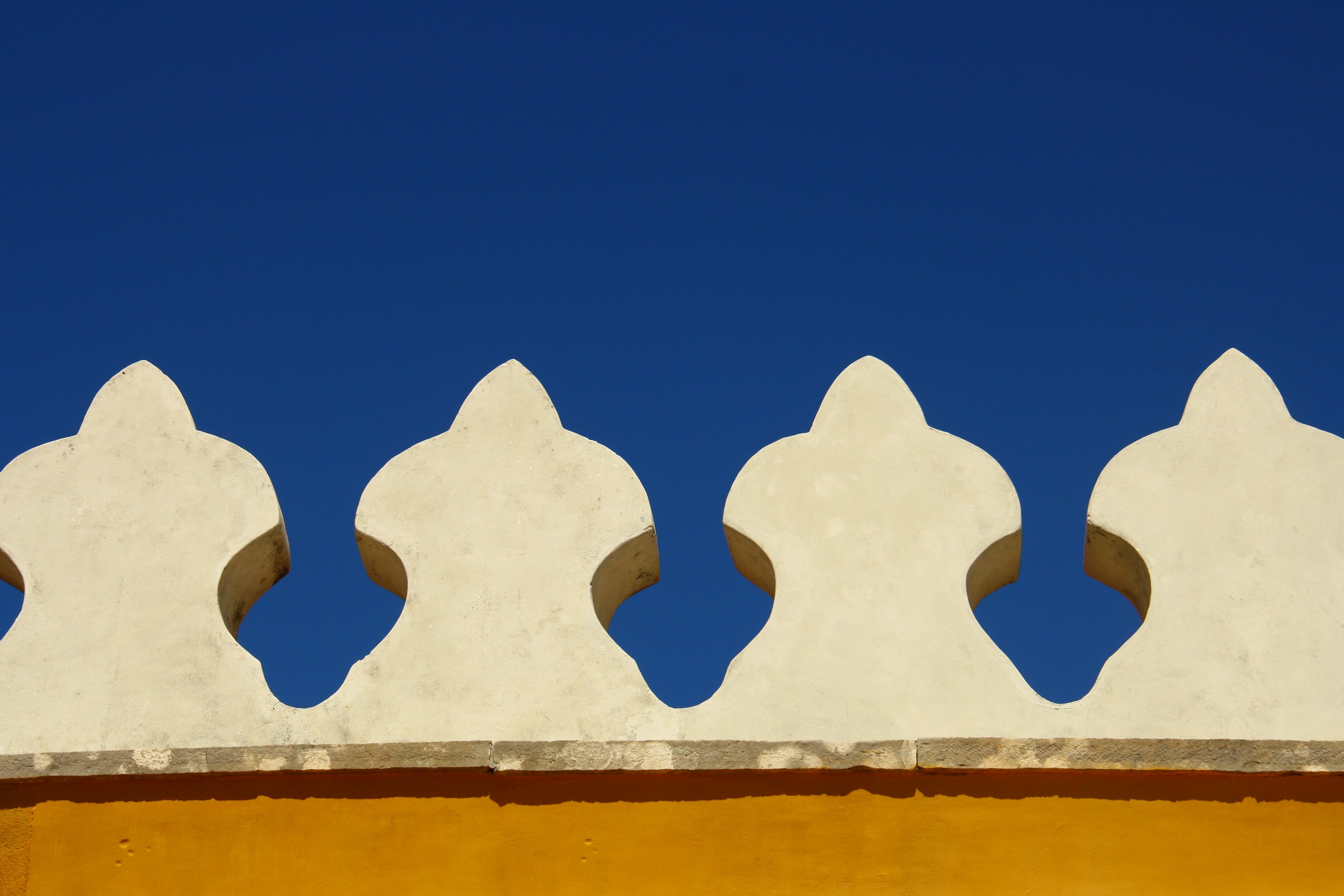
IMG_4404Sintra proved to be a highlight of the trip.  We travelled by taxi as always, since the taxis in Portugal are incredibly cheap and incredibly prompt (seemingly anticipating our calls, we’d find them already waiting for us by the time we got to the end of the driveway). The drivers in our group were pleased they hadn’t had to navigate the winding roads up through the nature park, and by the time we reached the Pena National Palace we were up in the clouds. Pena is considered to be one of the best examples of 19th-century Romanticism in the world.  A UNESCO World Heritage Site and boasting a small but impressive chapel from the middle ages, the palace began life as a small sanctuary for monks but was transformed into a summer residence for the Portuguese royal family by King Ferdinand in the 19th century.  The brightly-coloured palace, with its various arches, terraces and courtyards is really interesting to look around.  And the nearby Castelo dos Mouros, an 8th century Moorish castle, is in some ways even more remarkable, enjoying panoramic views over the area.  After a respectable amount of walking up and around the turrets, we worked our way down through the park to the town for a late lunch at Tasca do Xico, where we shared a range of local dishes and our first pastel de nata pastry of the trip (many more would follow!).

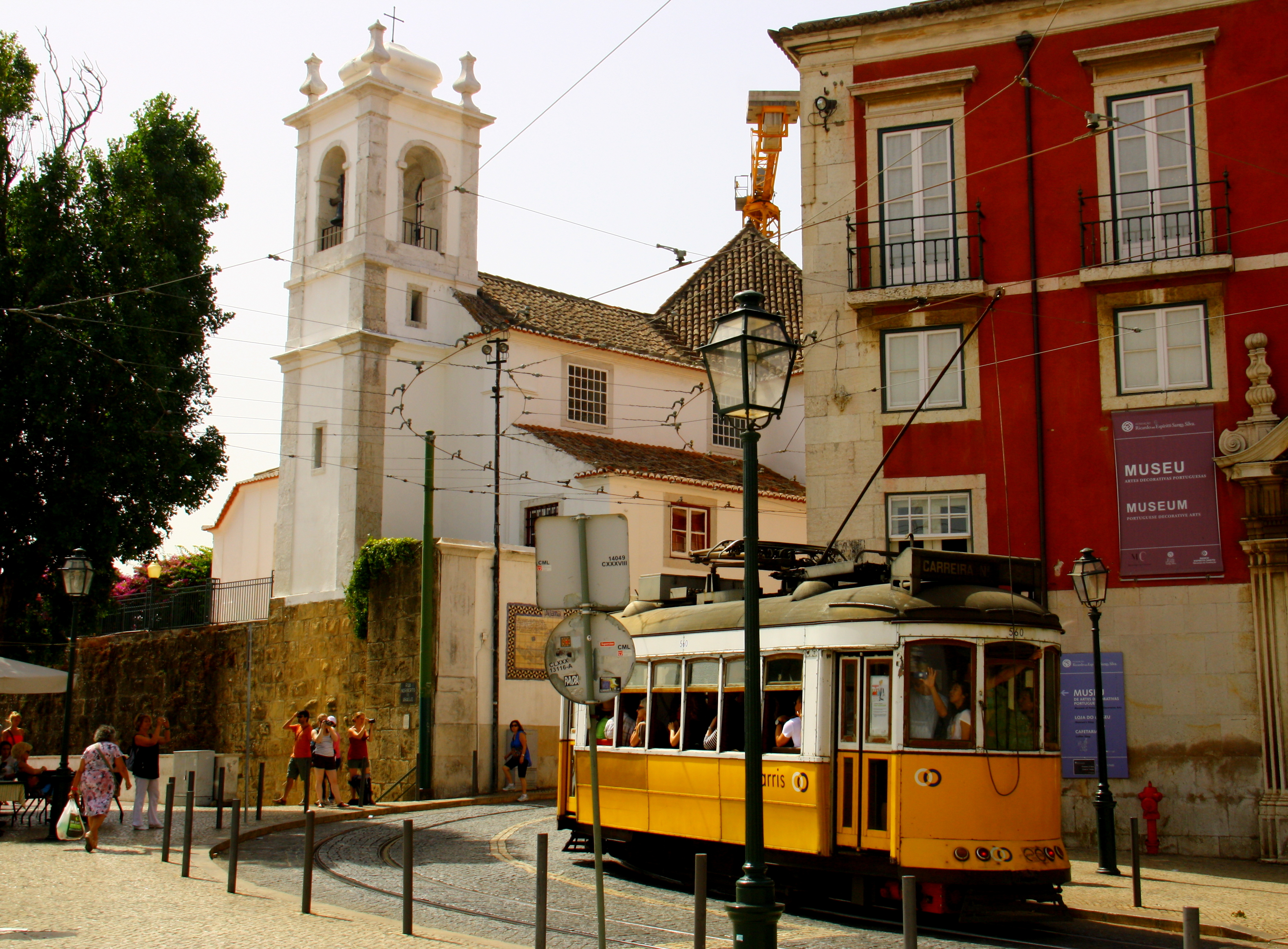
IMG_4387Of course, we also visited Lisbon, the oldest city in Western Europe and the de facto capital of Portugal (having never been officially confirmed as such: good pub quiz factoid).  I think the city has a lot to recommend it; unfortunately, we chose the hottest day of the trip, making sight-seeing a bit of a chore.  I had to kerb my usual instincts to pound the streets, particularly after a near-fainting episode at lunchtime, brought on – no doubt – by the attempt to drink Albariño whilst dehydrated.  We still managed to fit plenty in though, including a trip on the distinctive yellow N28 tram to the old district of Alfama.  Up on the hill, we visited the Castelo de São Jorge, another Moorish castle commanding views over the city and Tagus river below.  Dozens of majestic peacocks, some featured in my recent ‘Cocks & ‘Hens post, wandered the grounds and we also saw some beautiful birds of prey.  From the top of the turrets, you can see down the river to Cristo-Rei (Christ is King), a large statue on the opposite bank that’s modelled on Christ the Redeemer in Rio.  It was erected after World War II, as a reminder that the city managed to escape the worst effects of the conflict.

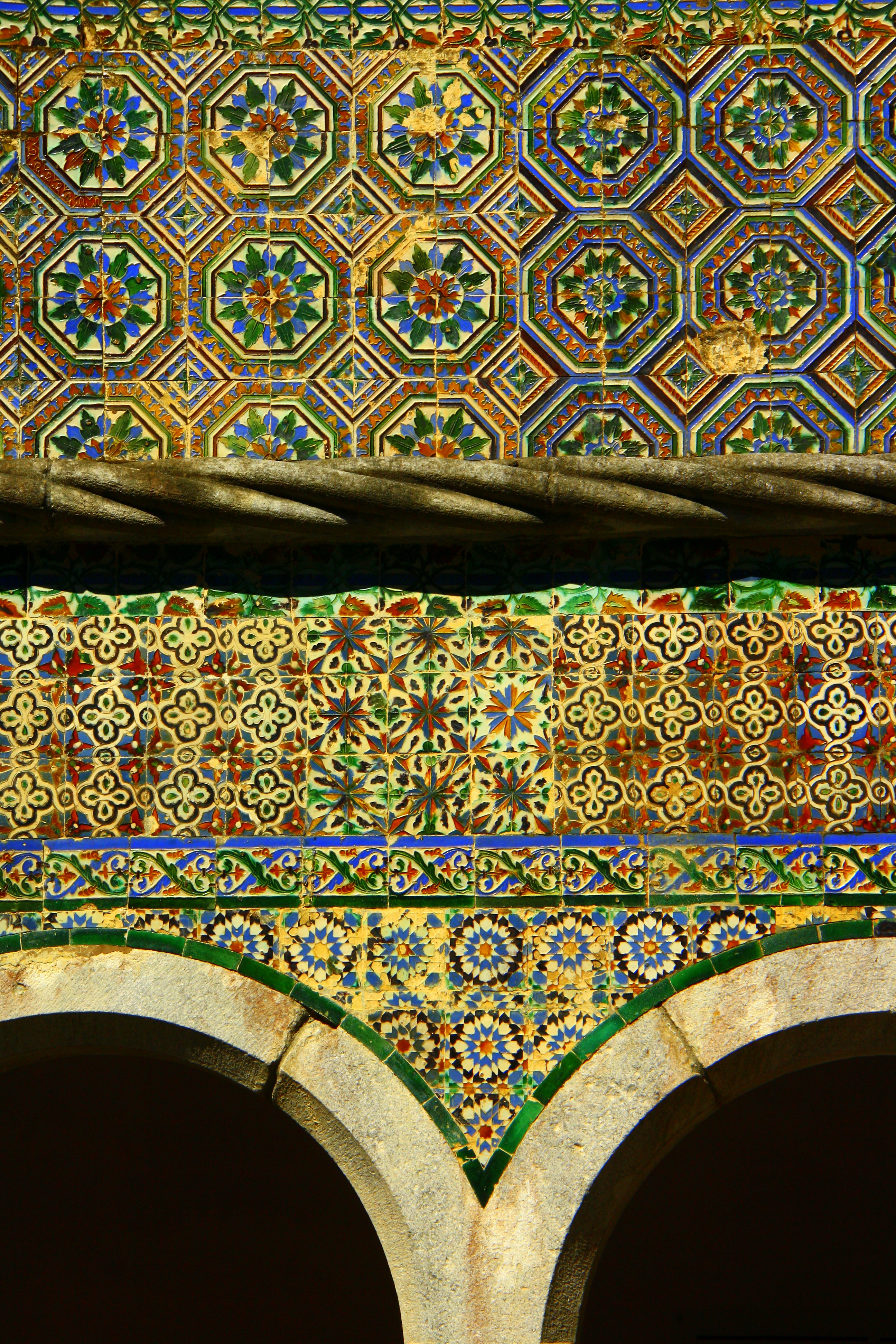
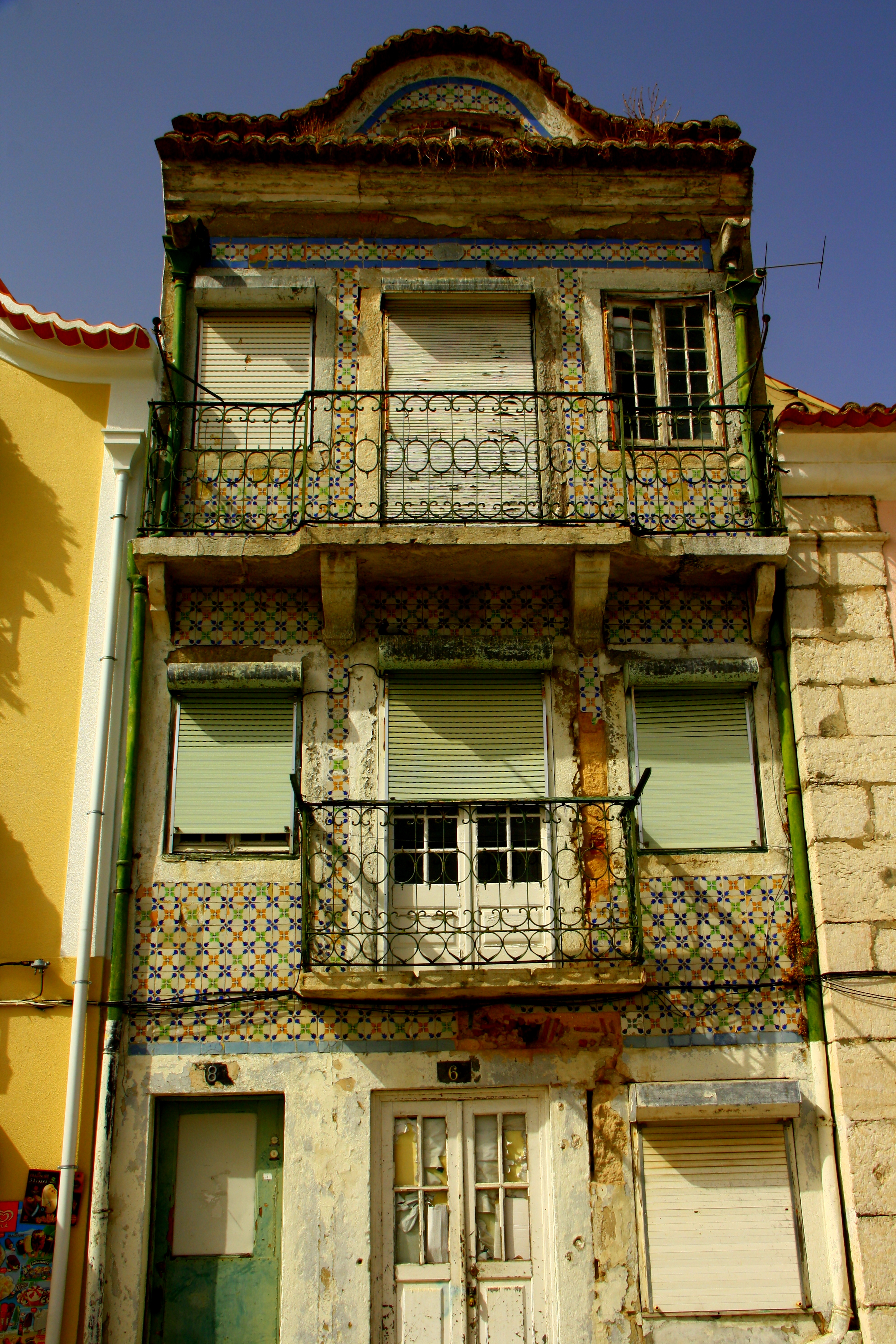
IMG_4593In the afternoon, after succumbing and buying a gorgeous handmade tile at a little shop near the cathedral, we jumped on a train to Belém, famous as the place from which many of the great Portuguese explorers set off on their voyages.  In particular, it is the point from which Vasco da Gama departed for India and Pedro Álvares Cabral left for Brazil in the 15th century.  The tall and very impressive Padrão dos Descobrimentos (Monument to the Discoveries) can be found on the bank of the Tagus, adorned with 33 figures (monarchs, explorers, cartographers, artists, and missionaries) from the Portuguese age of exploration.  We also visited the stunning gothic church in Jerónimos Monastery, walked through the Praça do Império gardens and popped in briefly to the modern art gallery at Centro Cultural, where you can see one of Salvador Dalí’s lobster phones and works by Warhol.  Phew, I’m feeling faint again just rehearsing all that back!

IMG_2789The night after, we returned to Lisbon to eat in 100 Maneiras in Bairro Alto.  Chris – owner of Number 22 (one of the best restaurants in London) – had recommended it, so we knew we were on safe ground.  There’s only one choice: the 10-course tasting menu.  Forgive me for being boring, but the food was so delicious and unusual, I have to list the courses: we started with a clothesline of dehydrated codfish (literally; complete with little pegs); then moved on to octopus nuggets; an oyster, kiwi and passion fruit cocktail; salmon sashimi with a basil sorbet; foie gras lasagne; fresh water fish with a chlorophyll and lime risotto; raspberry Poncha with lime meringue; pigeon in ras el hanout and coconut in a beetroot sauce; watermelon soup with goats cheese and caramelized figs; and finally a deconstructed nata with coffee toffee dust.  I’m unlikely to ever have a more interesting meal, unless I make it to The Fat Duck.  We had an amazingly haughty sommelier, who looked at Mim with utter disdain when she tried to order a glass of red wine too early in the night and who walked away completely when Steph ordered a peach juice, but he was very funny and all the waiters made it a really relaxed affair.  I’d really recommend it, if you’re in the city.  It was late by the time we left the restaurant, so we didn’t have time to explore the fado bars of Bairro Alto before the last train back, but popped into a bar for the largest and strongest tequila-based cocktail ever, and subsequently felt rather worse-for-wear the next day!

IMG_4476

Despite eating out in some lovely restaurants and enjoying the sights, the best part of the holiday was definitely the communal barbeques in the villa.  Thanks to Jumbo, the super-sized supermarket in the centre of Cascais, we got lots of great value meat and seafood (including a 2kg bag of fresh prawns for under €10) and cooked up a feast twice during the trip.  With Rob and Laura on ‘Team Charcoal’ and Paul on ‘Team Gas’, we ate royally – pork kebabs, steak, the aforementioned prawns, mounds of pesto pasta salad (courtesy of Nick, of course), heirloom tomatoes, grilled asparagus and other roasted veg.  Yum, yum, yum!  Sat out late with candles under the lemon and bougainvillea trees, drinking wine and laughing (lots) with a great bunch of friends, I felt incredibly fortunate.  Incidentally, the house – Birre Villa – was great; definitely the best one we’ve stayed in on this type of holiday.  A fantastic trip!

IMG_4411[Credit: Photos of Sunset at Praia da Rainha & Funicular to Bairro Alto courtsey of Becka Tudor]

Cœur des Alpes

Last month, Paul and I travelled to Basel for a friend’s wedding. In an effort to save money, we’d put our plans for a long-haul trip on hold and decided to extend our time in Switzerland instead. The wedding was lovely; a really relaxed affair with great live music and delicious food. We had canapés and champagne in a courtyard in the old part of town, accompanied by New Orleans-style jazz; second-lined down to the river for a boat trip on the Rhine; and finally danced ‘til 4am at a very funky dockside art exhibition centre. The bride and groom even got behind the mic and decks – respectively – to entertain us. Great fun!

IMG_2233After nursing our hangovers, we spent some time the following day exploring Basel, climbing to the top of Münster cathedral for views over the city, walking through the botanic gardens and Altstadt, and eating sausage by the river. We even managed to fit it seeing Andy Murray win the Wimbeldon final, which added an extra layer of excitement to the day! But soon it was time to move on to our next destination. Hiring a car, we travelled down the country to Gruyères in the Fribourg region. Yes, that’s where the cheese comes from!  Incidentally, it’s one of my favouritesif you were ever looking for an edible present for me. The little town is straight out of a film set; so quintessentially Swiss. Little chocolate and cheese shops line the main street, waitresses serve tourists fondue and raclette – even in the height of summer (and yes, of course I had some) – and the imposing hilltop château looks designed by Disney. After looking around the castle, and enjoying a bizarre and comical audio-guide narrative from the ‘court jester’, we continued onward to Montreux.

IMG_3667

When planning the trip, we’d quickly discovered that we’d be in the country at the same time as the famous Montreux Jazz Festival.  This year, the festival was showcasing Prince, Gregory Porter, Bobby Womack, Of Monsters and Men, Bonnie Raitt, Valerie June, Kraftwerk and many othersfrustratingly, we couldn’t afford any tickets, but that’s not important. There was plenty of free music in the park and along the riverfront, plus after-show gigs and jamming sessions to enjoy.  Since we’d quickly discovered how ludicrously expensive restaurants in Switzerland are, it was also a godsend to eat at the festival’s food stalls. Good food to choose from too: burgers with gorgonzola fondue, tartiflette, gaufres We saw some great music, and some not so great – the orchestra playing nothing but Depeche Mode covers was a low point; the Avishai Cohen Quartet a high.

IMG_3712

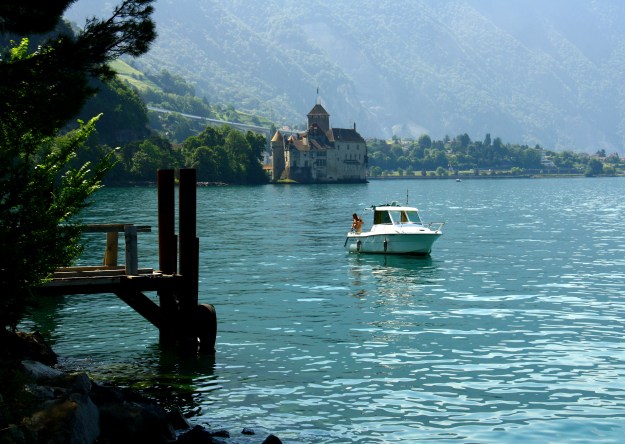
Montreux is set on the eastern edge of beautiful Lake Geneva and we were staying in a local’s home (found on Air BnB, to which I’m a complete convert) with a large terrace overlooking the lake and town. As well as listening to music, we spent a day visiting Château de Chillon – a chocolate-box castle about an hour’s walk east along the lakeside – and Vevey, where the sculpture of the giant fork in the lake that adorns many a postcard can be found. While we weren’t overly impressed with Vevey, I’d definitely recommend Château de Chillon. It is such a photogenic building and has a really interesting history (and a far superior audio-guideyes, we do keep score). Dating back possibly as far as 1005, though it is not clear exactly when it was built, the castle was home to the Counts of Savoy as well as many others over the years. But although it changed hands frequently, it was never invaded due to its strategic position on an island rock. It is also the star of various books and poems, most notably Bryron’s The Prisoner of Chillon, and his graffiti can be found in the cave stores under the castle. Now open for tours, it is listed as Switzerland’s most visited historic landmark. A word of warning though – we discovered two things on the journey from Chillon to Vevey: 1) it is not clear how you pay for bus tickets; and 2) the Swiss bus inspectors are scary SAS-looking guys who travel in packs and look like they’d be happy to shoot you if you gave them even the flimsiest of causes.

IMG_3730

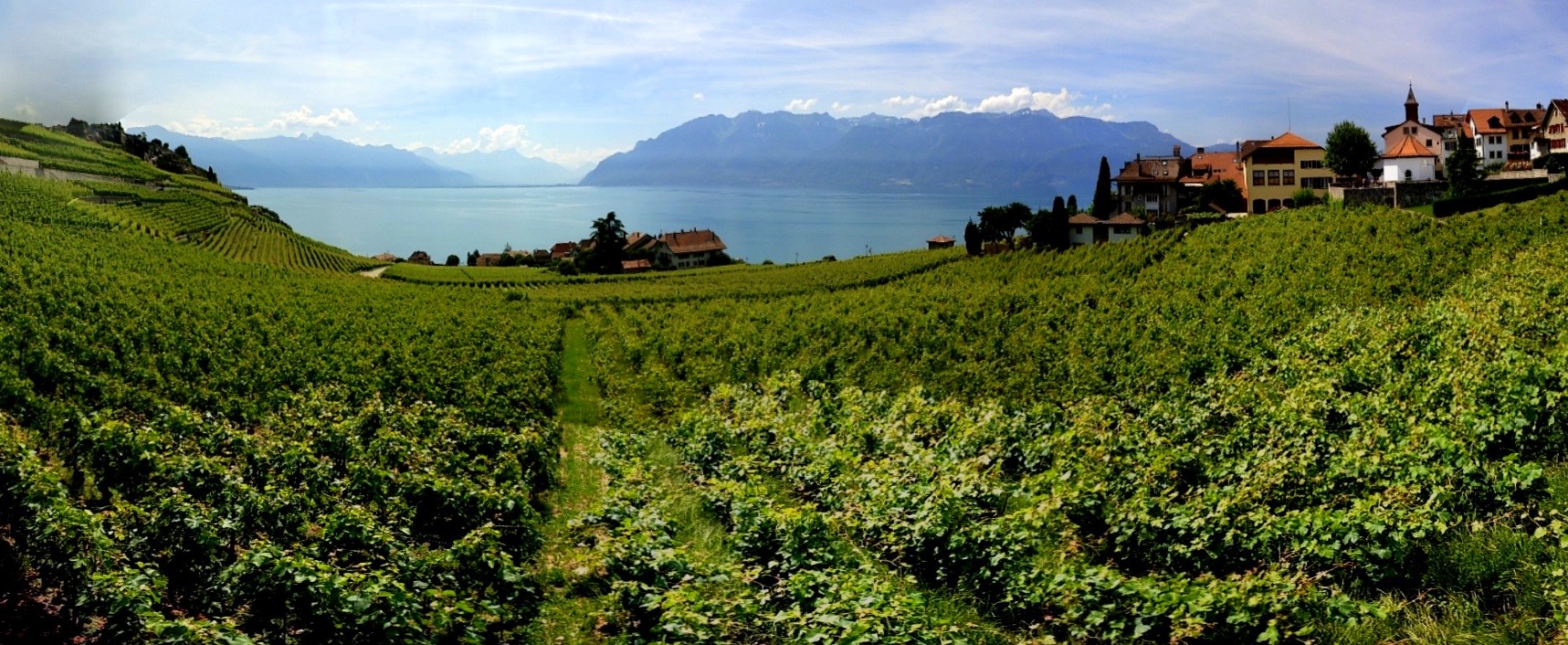
The following day, we caught a local train to Chexbres in the Lavaux wine region and walked through the vineyards to Saint-Saphorin, looping back round via Riyaz. It was about 35°C and the ‘gentle stroll’ felt nothing but by the end, but the area is stunning and the little French-speaking villages very quaint. After rehydrating and having a lunch of tuna carpaccio and saffron coley in the village of Cully (yum!), we drove to Château d’Aigle for another castle tour. The thunderstorm that had threatened for days finally arrived when we were inside the walls – very atmospheric, but resulting in an extremely soggy run back to the car.

IMG_2258

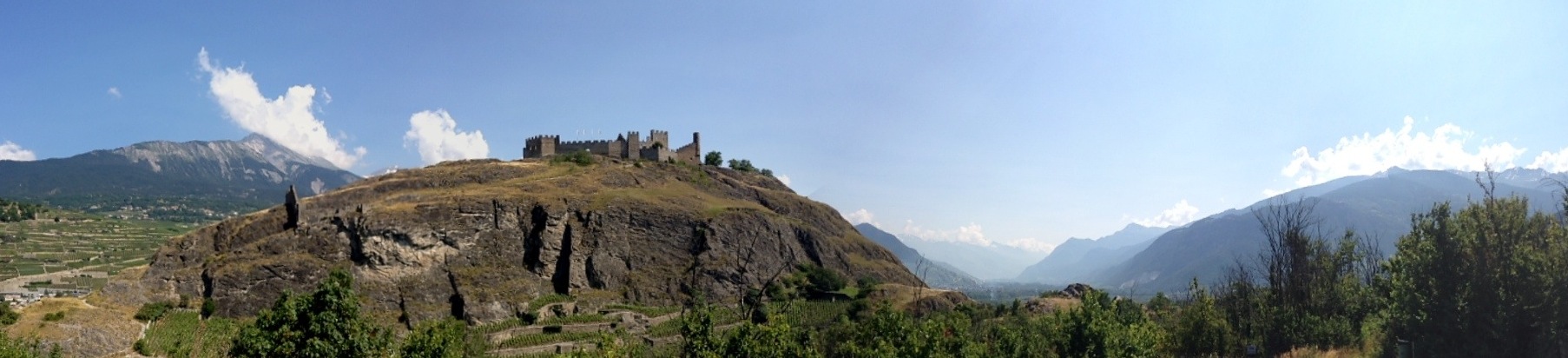
Bidding farewell to Lake Geneva, we travelled next to Sion – a medieval cobbled town famous for its two imposing hills, with the remains of Château de Tourbillon atop one and the Basilique de Valère opposite.  Our stay here was short and it would have been nice to have had longer, as the town has lots of nice little restaurants and the setting is lovely.  We did have time to follow the suggested route around town and up to Valère for views across the valley and a wander round the church. And time for a baguette from a little Italian deli. But we missed the birds of prey show at the fort, unfortunately, because it was time to get back on the road: destination Täsch. It is from this little transport hub that you board a train to Zermatt, cars not being permitted in town.

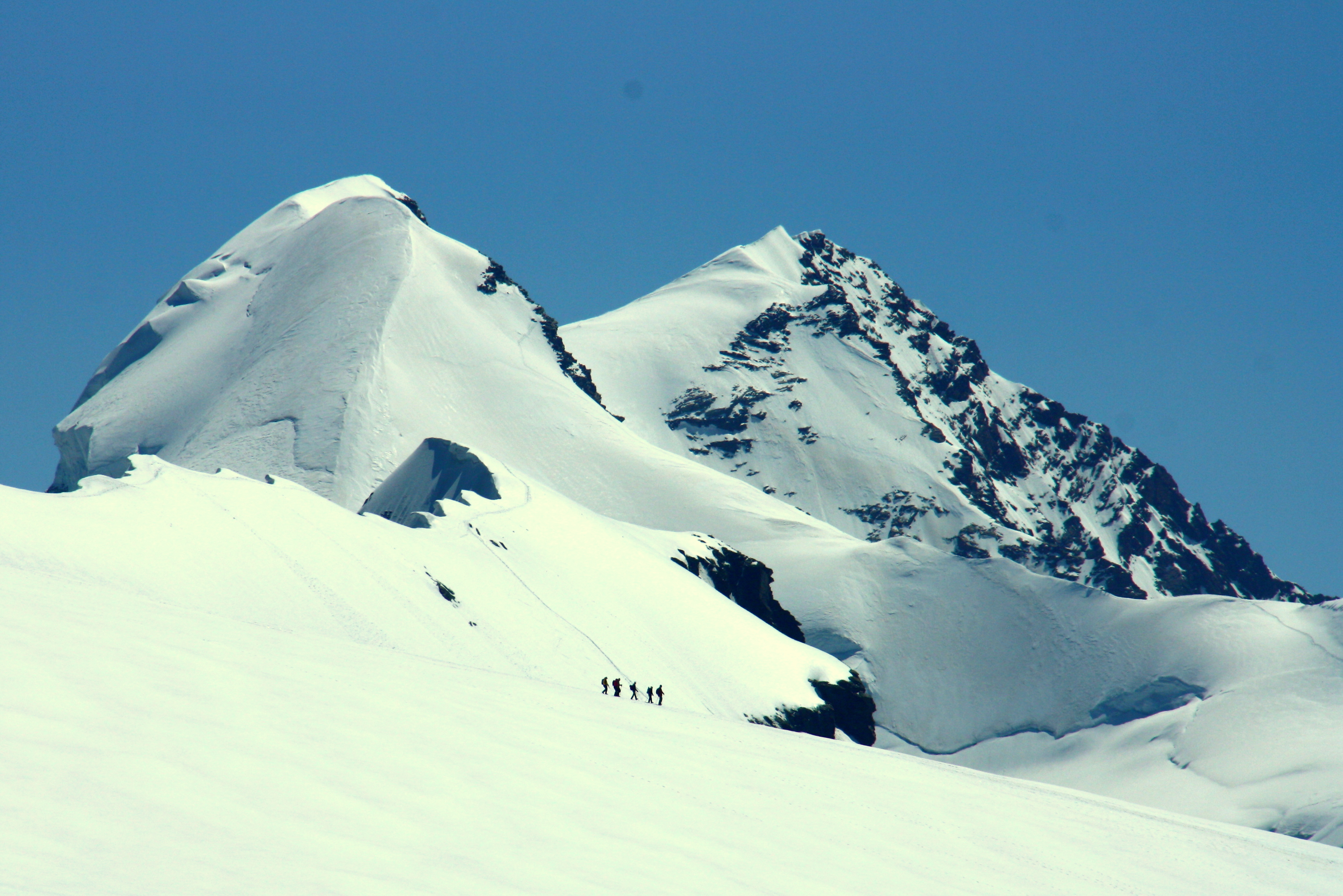
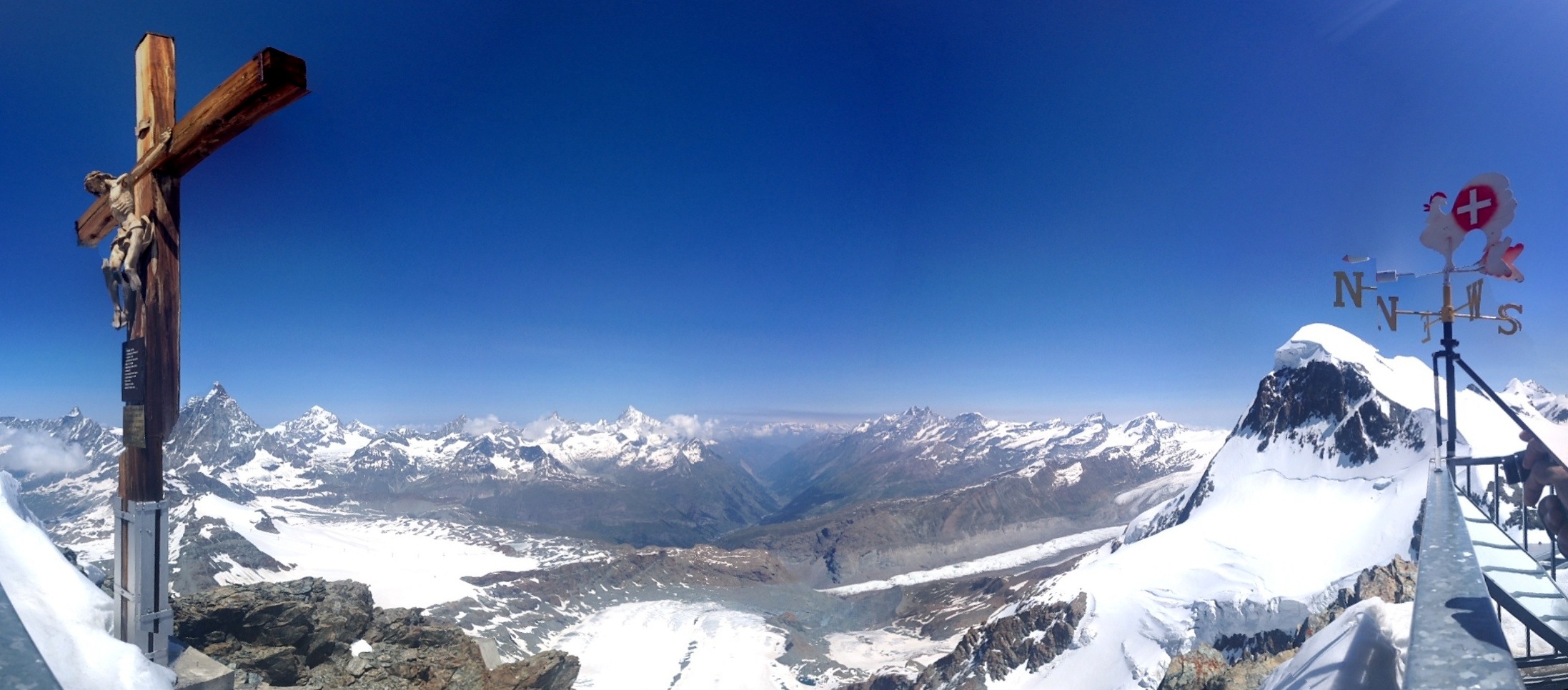
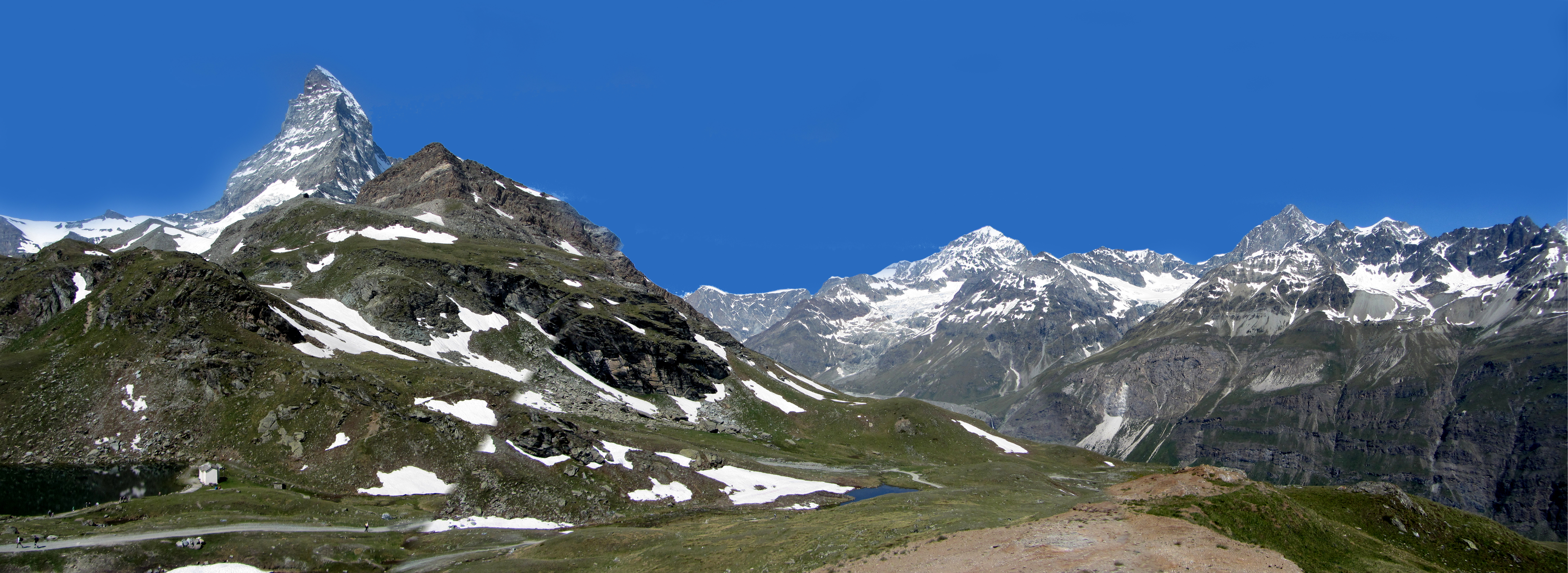
IMG_2344Our time in Zermatt was easily my favourite part of the holiday.  A charming ski resort at the foot of the Matterhorn, it’s almost as popular in the summer as winter due to the many hiking trails and sporting activities to be found in the region. And, anyway, there was still snow to be found in July and plenty of determined skiers and snowboarders ascending the slopes!  We stayed in Cœur des Alpes (“heart of the alps”), an amazing boutique hotel with its own spa and jacuzzi deck.  Very luxurious! But as well as chilling out in the pool with glasses of wine, we took a very exciting trip high up into the alps. You can buy (for a hefty price) a return ticket from the cable car station in Zermatt (1620m above sea level) all the way to Klein Matterhorn (3883m a.s.l. or 12,739ft!). That’s seriously high, I can tell you.  Along the way, you get out at Furi, Schwarzsee and Trockener Steg, the views getting more stunning (and the cable car ride more precarious) at each stage. The final leg, between Trockener Steg and the glacier at Klein Matterhorn, is actually petrifying; there are no struts supporting the cable for most of the near vertical ascent! Luckily, the 360° panorama of the snow-capped alps, stretching as far as the eye can see, is more than worth both the price and the white-knuckle trip. It was -3°C at the top, but the sun kept us feeling reasonably warm and able to stand admiring the view for a long time. You’re also able to take a lift (how and who built these things, I just don’t know!) down into the glacier, where tunnels have been hollowed out and ice sculptures built. It’s even colder down there and my toes were soon numb. Having not wanted to fill our suitcase with coats and thermals just for one day of our trip, we instead simply layered up with t/shirts, cardigans and socks. It workedkind of!
IMG_4021

In Zermatt we decided to abuse the wallet and ate in some great restaurants: the best-cooked rack of lamb I’d ever had at Le Gitan Grill, accompanied by creamy potato dauphinoise that was replenished at an alarming rate, and fresh trout from the local river at Alphenblick. A fabulous way to end our time in Swtizerland! The second half of our holiday would take us into northern Italy, but that’s for another time

Panorama shots of Switzerland

IMG_2283Lavaux wine region

IMG_2239Gruyères

IMG_2302Château de Tourbillon, Sion

IMG_2383

Atop Klein Matterhorn

IMG_2366Matterhorn and the mighty alps

IMG_2391High above Zermatt

X - Matterhorn panoramaSnow capped beauties

HK08

With the shock arrival of the sun and the ensuing Decent British SummerTM, I haven’t written a blog in a while, choosing instead to drink Pimms, hang bunting, build castles out of sand and enjoy other such fitting pursuits.  I’ve missed regaling you with stories of my travels though, so today I turned on my computer and dredged my brain for memories of Hong Kong.

OLYMPUS DIGITAL CAMERAHK, or Xiānggǎng in Mandarin, means “fragrant harbour” – there you go: your first good factoid!  It’s situated in the South China Sea and divided into three main areas: Kowloon Peninsula, Hong Kong Island and the New Territories.  When I visited with my dad in 2008, we stayed in upper Kowloon and caught the metro and ferry back-and-forth to the island each day, which I think is the best way round to do it.  I liked the city immediately – a blend of east-meets-west that calls to mind New York as much as it does any Asian capitals, probably more so.  The city is a great place to wander around, though it’s crucial to make regular stops at street stalls selling dim sum, watch groups of elderly Chinese men play checkers, and take plenty of photos across the harbour.

OLYMPUS DIGITAL CAMERAYou can board a converted Routemaster bus-come-city-tram and travel through the streets, forever staring skyward at the incredibly tall buildings: the International Commerce Centre (ICC), HSBC headquarters, Central Plaza and the Bank of China being some of the tallest.  The red buses are a fitting reminder of the city-state’s history, since – apart from a brief period under Japanese control – Hong Kong was, as you know, part of the British Empire from the mid-1800s until 1997.  It adopted many features of the British education and judiciary systems and became a thriving capitalist economy.  Now once again part of the People’s Republic of China (it is one of the two Special Administrative Regions, along with Macau), it has remained resolutely different from mainland China, both politically and culturally, and enjoys a great deal of autonomy.
I’ve mentioned some of the skyscrapers.  Hong Kong is one of the most densely populated places on earth, increasing in size under British rule from a population of 7,450 to nearly 6.5 million in ‘97.  As a result, it is known for being the world’s most ‘vertical city’, covered as it is with over a thousand high-rise residential buildings, lofty hotels and soaring financial institutions.  Despite this, it ranks as one of the top places to live in terms of life expectancy, IQ scores, quality of life and economic freedom.  So, they’re clearly doing something right on their small patch of land!

OLYMPUS DIGITAL CAMERA

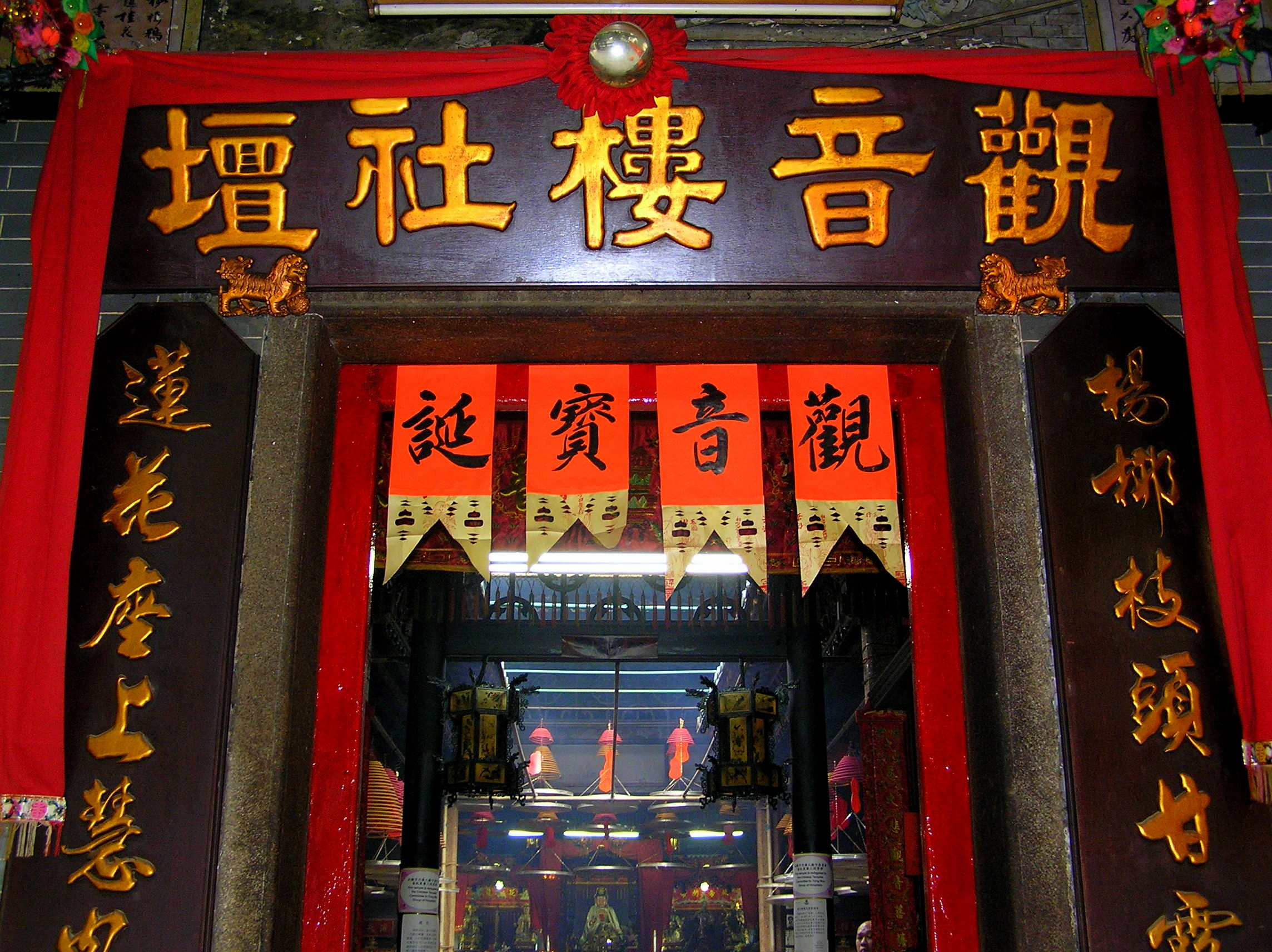
There is, however, plenty of traditional Chinese culture in which to immerse yourself and lots of interesting eastern touches.  Feng sui is taken very seriously, with expert architects employed on major construction projects to ensure proper orientation and avoid bad luck.  Ba gua mirrors are used to ward off evil spirits and the city is peppered with Tin Hau temples.  Tin Hau is the HK name for the Cantonese goddess Mazu, protector of fishermen.  It makes sense that there’d be over sixty temples dedicated to her in a city with such strong connections to the sea.  Further evidence of this affinity can be found down at Victoria Harbour, where impressive junk boats set sail regularly, though this is now mainly for the benefit of tourists.

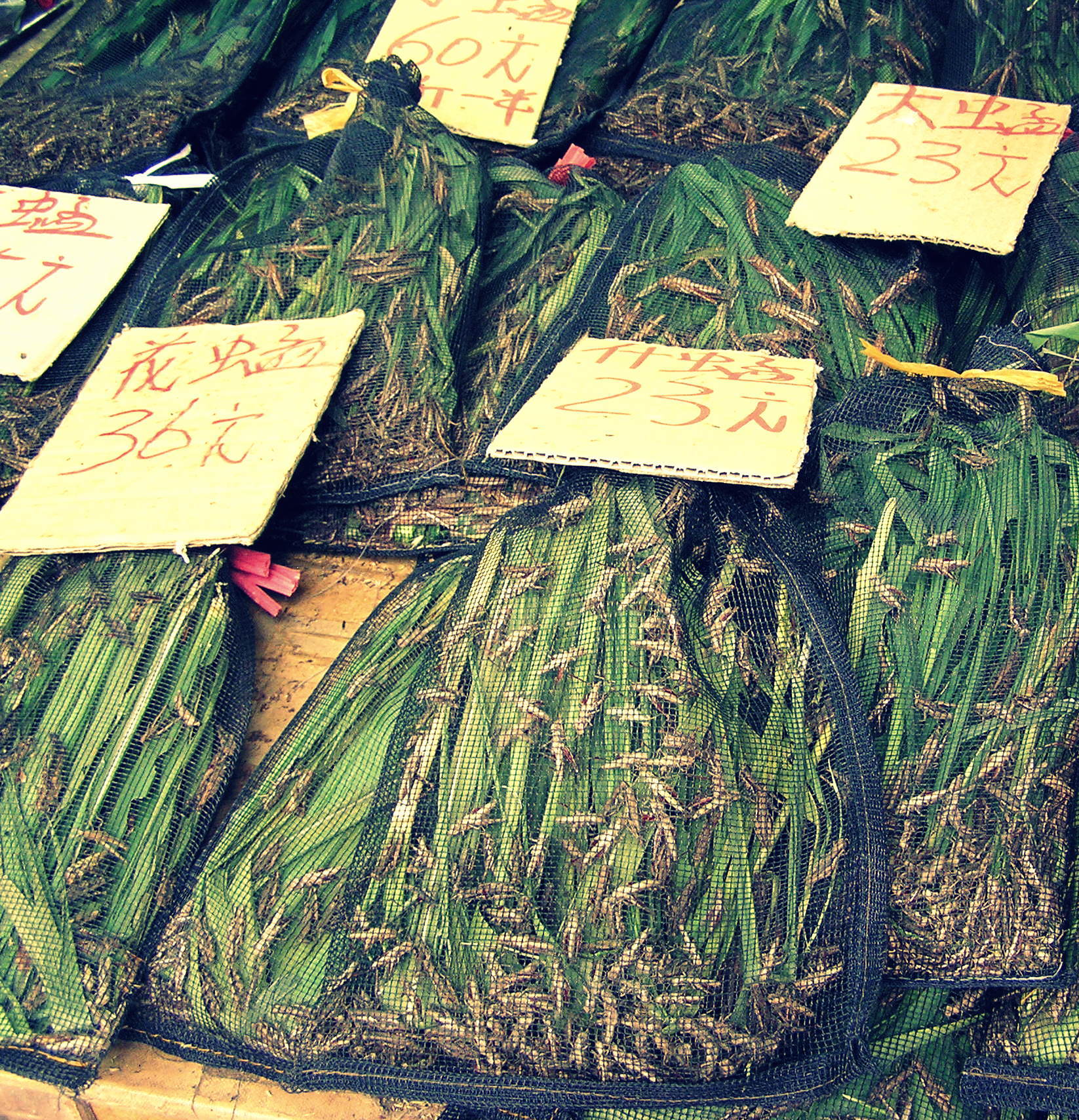
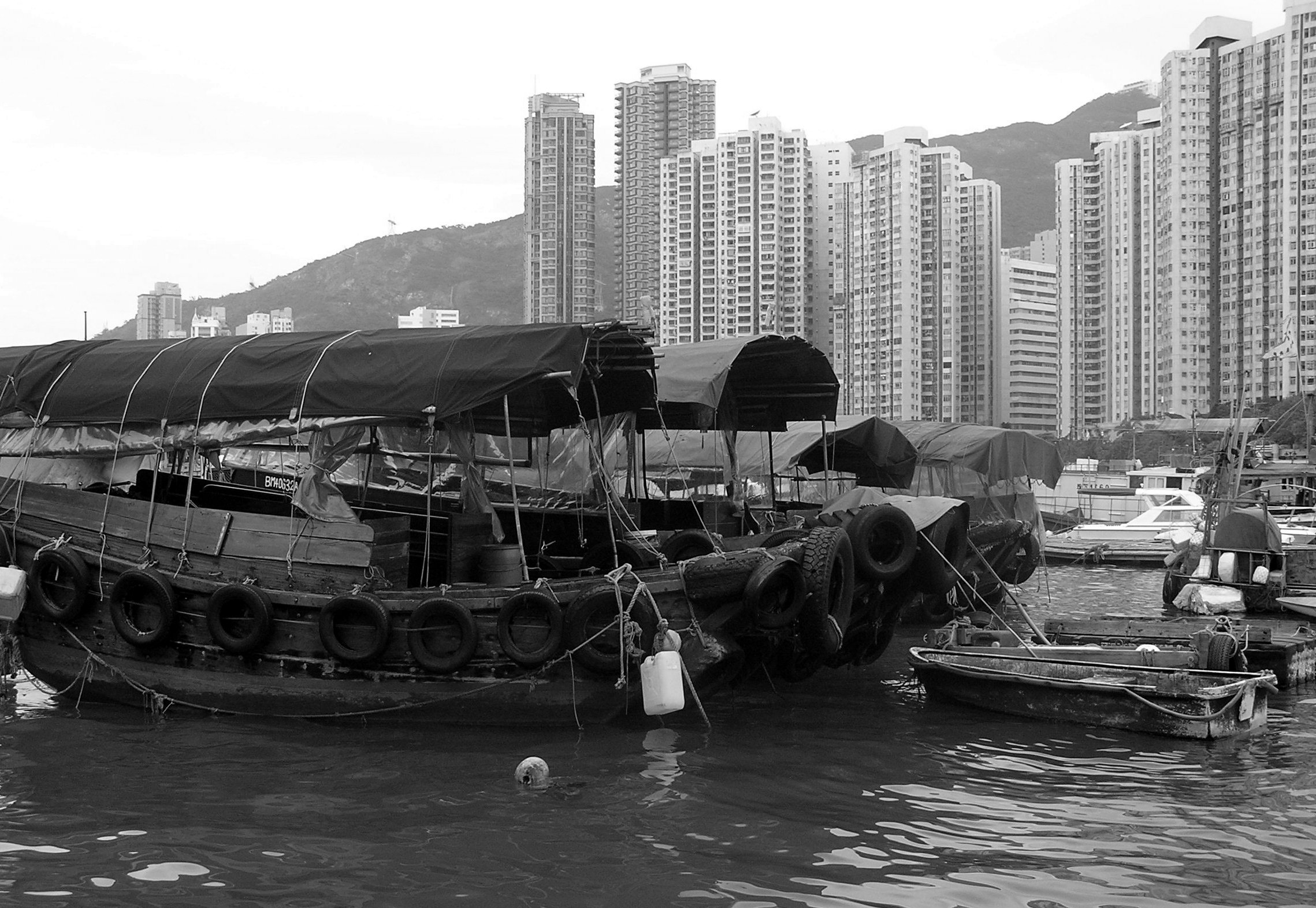
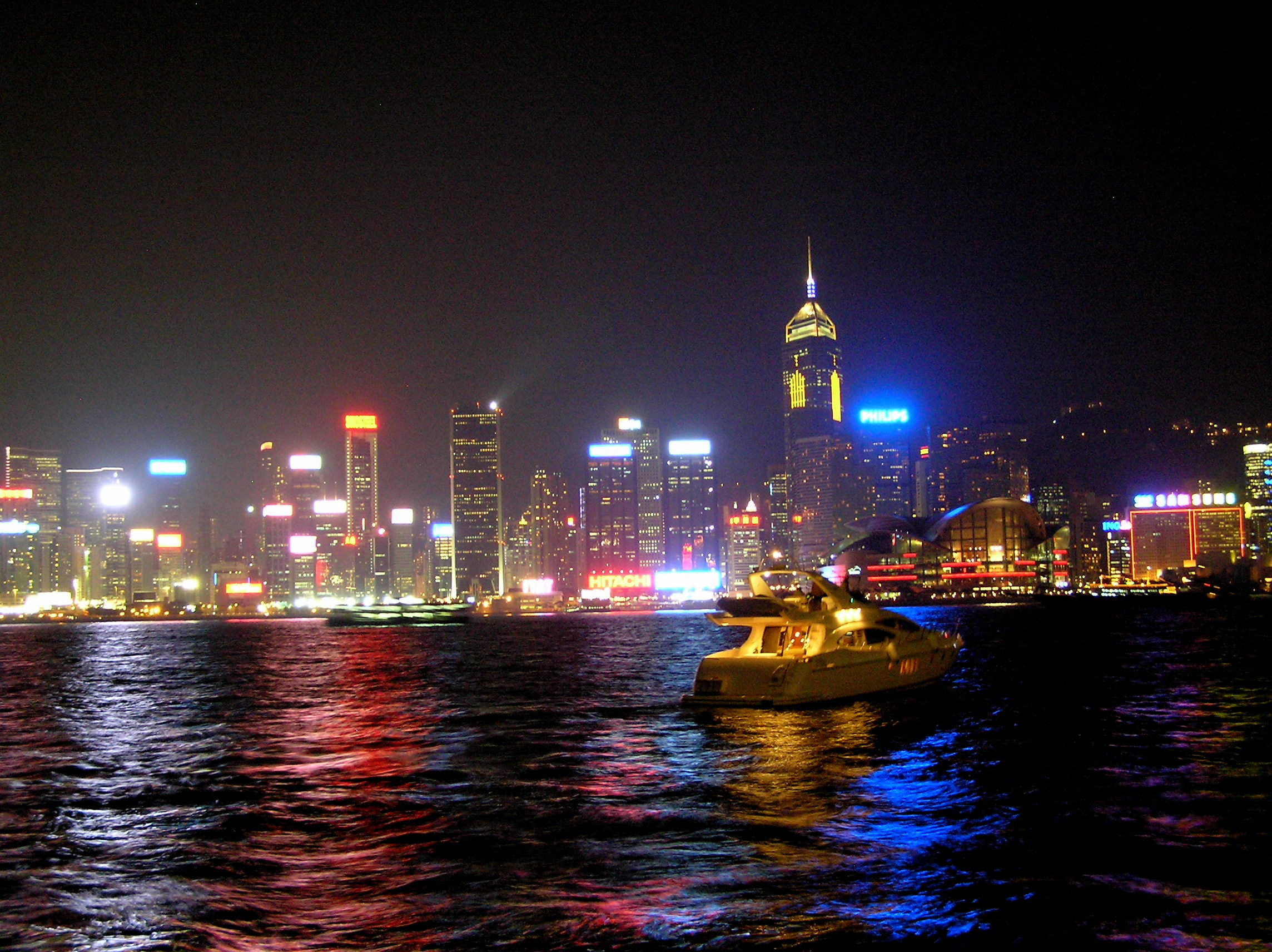
OLYMPUS DIGITAL CAMERAA climb to the top of Victoria Peak (well, I say climbno actual walking is required, just an ascent up a series of escalators and a funicular) is well worth the trip.  The views are spectacular and – again – serve to remind just how much is packed into the state’s 426 sq miles.  I’d also recommend a trip to Aberdeen, with its floating village and houseboats of the Tanka people, and Stanley Bay on the south of the island.  Finally, no visit would be complete without a trip through Kowloon’s markets.  Bird markets, fish markets, clothes markets, flowers marketsthe list goes on.  The night markets are particularly fun, bustling with people trying to buy all manner of weird-and-wonderful produce alongside merchants flashing the latest technological gadgets.  The bright neon signs heralding hot pot and noodles make it even more atmospheric. And then head down to the waterfront for ‘A Symphony of Lights’, the laser, pyrotechnic and multimedia show that kicks off at 8pm every night.  One of the best places to stand and watch is along the Avenue of Stars on Tsim Sha Tsui waterfront.  Incidentally, you can get great seafood there too!

So that’s a brief tour of HK.  Now back to the beer garden with my shades

OLYMPUS DIGITAL CAMERA

#Bright City Lights

OLYMPUS DIGITAL CAMERAA Choice of Abode

OLYMPUS DIGITAL CAMERAFeathery Friends

OLYMPUS DIGITAL CAMERAPyros Are Go

OLYMPUS DIGITAL CAMERAGoddess Worship