Category Archives: Travel

Pura Vida!

In the indigenous Bribri-Cabécar tradition, spirits make a person sick for violating the established norms or because society has lost its balance. Well, I’m not sure what specific conventions I may have inadvertently infringed, but I certainly felt I was being punished when the dreaded second line materialised on my Covid test less than 48 hours after returning from Costa Rica.

In the various tribal traditions of the rainforest, healers used to dress in animal pelts, carrying carved wooden sticks in the shape of the aiding spirits of alligators, snakes, monkeys and birds. The shaman put tobacco (and other, ahem, plant-based substances) into nasal inhalers; and the healing rites were accompanied with musical interludes from ocarinas, maracas and drums. Mujer chamán, or female healers, would cover themselves in elaborate body paint, evoking the skin of jaguars and reptiles, and dance in earmuffs and thongs.

I tried all of this, of course. But in the end it was the Paxlovid anti-virals, couriered over from Guy’s Hospital, that saw me right. At the time of writing, I have had my first decent night’s sleep since our return from Central America, and writing this blog post feels like a minor victory. Sure, there are plenty more useful things I could be doing with my Sunday, now I’m able. Help my husband with the backlog of washing, for instance. Or get on the phone to Virgin Media to argue against their extortionate £11 price hike (is TiVo really worth it?!). But I’ve chosen to indulge my desire to sift and edit holiday photos. Surprise, surprise. Or at least to make a dent in the process!

So, where to start? Well, controversially maybe, I’ve decided to start at the beginning. Which was the capital city, San José. But I’m not going to dwell there long, because I’m sorry to say I didn’t like San José all that much. There were some nice parts, and true to form I enjoyed perusing the brightly-coloured murals around the university neighbourhood and old railway. We also really loved both the Pre-Colombian Gold Museum, housed in a brutalist subterranean building next to the diminutive opera house, and the Museo del Jade, which happily happened to have a Salvador Dalí exhibition alongside the world’s largest collection of green mineral. Both collections feature a fascinating and bewildering range of erotic statues, glittering ornaments and cultural artefacts; and you can while away hours in their cool embrace. But, in general, I found the capital uninteresting and a little unloved. Which was a shame.

Before leaving for the Caribbean wetlands, we did however enjoy a noteworthy meal at Jaguar Negro, a predominantly Mexican cantina, where I celebrated my birthday with seared tuna steak, shrimp risotto and cortezas de cerdo (giant pork crackling!), washed down with a tequila and ginger cocktail. Not much to complain at there.
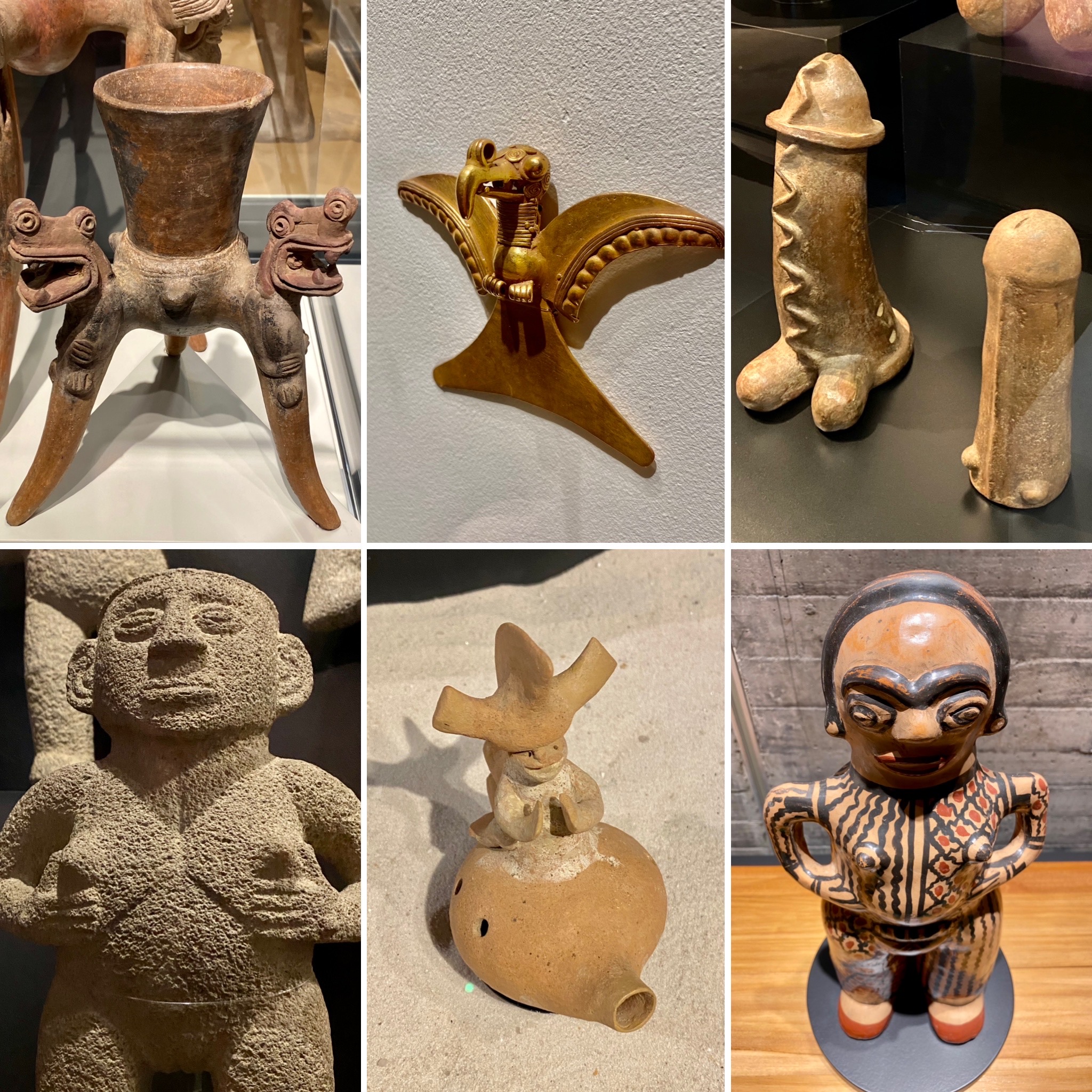
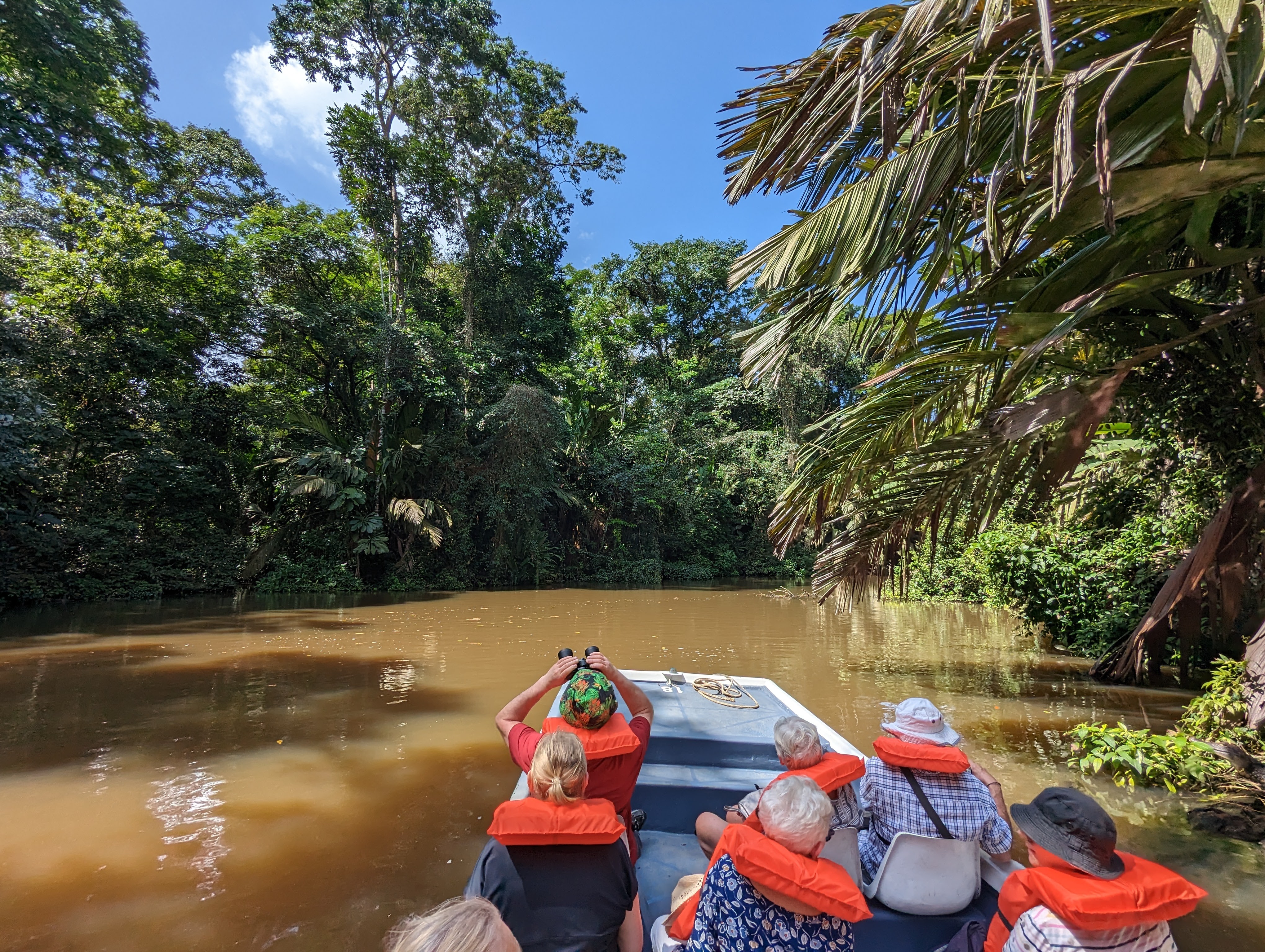
The next morning, though, we were up early to head east to Limón province and start the holiday proper. After a hearty breakfast of gallo pinto (rice & beans, a staple we would come to know intimately throughout our stay), we made our way to La Pavona (an approximate 3 hour journey) to board a motorised passenger boat to Tortuguero. With our luggage safely stored on a different vessel – and with assurances we’d see it at the other end – we sat back and enjoyed the 90 minute ride through scenic mangroves and rivers, watching for wildlife and gently sweating in the 80%+ humidity.

Parque Nacional Tortuguero is one of Costa Rica’s 34 national parks, a staggering number for a country that’s slightly smaller in size than the state of West Virginia (or about the same size as Denmark). It’s a popular area for seeing sea turtles hatching, but you need to visit in the wet season for that; we were there instead to see the abundance of wetland fauna and to experience a genuine “jungle cruise”.

Our home for the next two nights was Laguna Lodge, a basic but charming hotel with sprawling grounds and a great situation – the Caribbean coast easily walkable on one side and an al fresco bar overlooking the titular lagoon on the other. After a short mosey round the local village – where we gaped in awe at a 40ft parade of leaf-cutter ants – and an essential watermelon daiquiri, we felt justified spending the rest of the day relaxing by the pool, as Montezuma oropendolas (a type of weaverbird) and bright yellow kiskadees sang out from the surrounding trees.

The main event, of course, was the next day’s boat safari along the canals and waterways. Fortified with a salad of papaya, melon and cassava (yum!), we let our guide navigate us through the stunningly lush verdant green river habitats, fringed with palms, wild mango, crabwood, fig and breadnut trees. The protected park comprises 19,000 hectares of rainforest, beach, mangroves and lagoon, with over 300 species of bird, 100 different reptiles, and around 60 species of mammals. We obviously only saw a small part of it, but were surprised at the range and volume of critters to be seen. I’ve pasted some of my favourite snaps of the wildlife below.

Our chaperone, though quiet and somewhat humourless, was clearly incredibly knowledgeable, with an uncanny ability to spot even the tiniest flash of colour, indicating the presence of a lizard, warbler or other rare delight. I loved every second of the trip, gleefully taking in the reserve’s wonders, learning about conservation efforts, and snapping away with my camera. It was disappointing to head back to the hotel’s private dock three hours later, but I consoled myself by immediately getting out my dorky ornithology guide and contentedly ticking things off whilst munching an empanada and sipping ‘toad water’ (agua de sapo, a sludgy but delicious mix of sugar cane, limes and ginger).

After another swim, we got out our binoculars to explore the grounds of the hotel, including a ‘tamed’ area of rainforest in which we almost got lost in what looked suspiciously like a raptor cage from Isla Nublar. Amazonian kingfishers, yellow-throated heroes, and grey cowled wood rails were added to the tally. Later that evening, we were also lucky enough to spot some red-eyed leaf frogs in moist vegetation near our chalet. See my upcoming dedicated frog post for photos!

I’m going to stop there for now, and pick up the story another time. Leaving you with the image of us bouncing away on a boat taxi the next morning, the sun beating down mercilessly on Paul’s encroaching bald patch, joyfully spotting caimans, vultures and iguanas along the marshy banks.
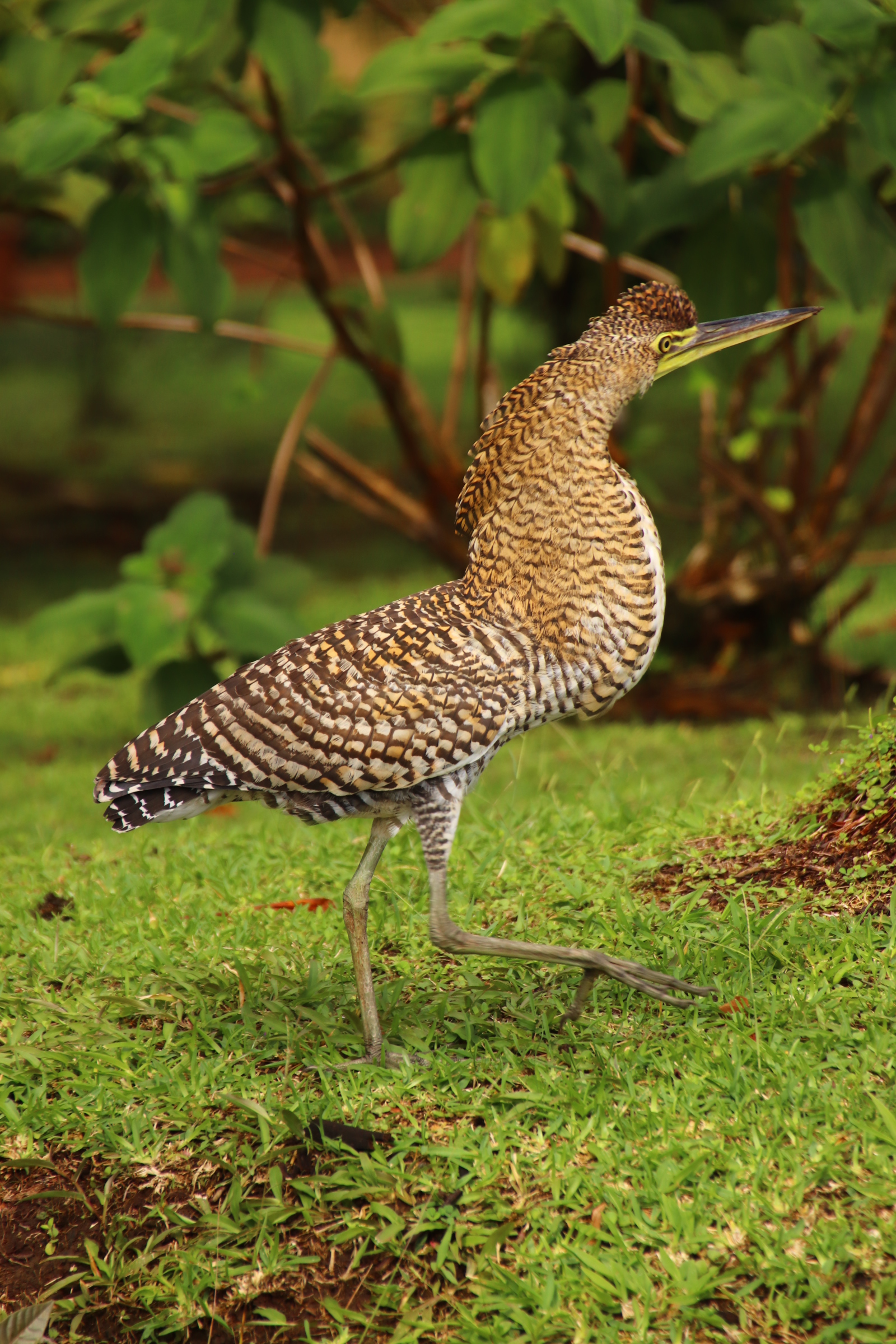
Pinnated bittern

Howler monkey
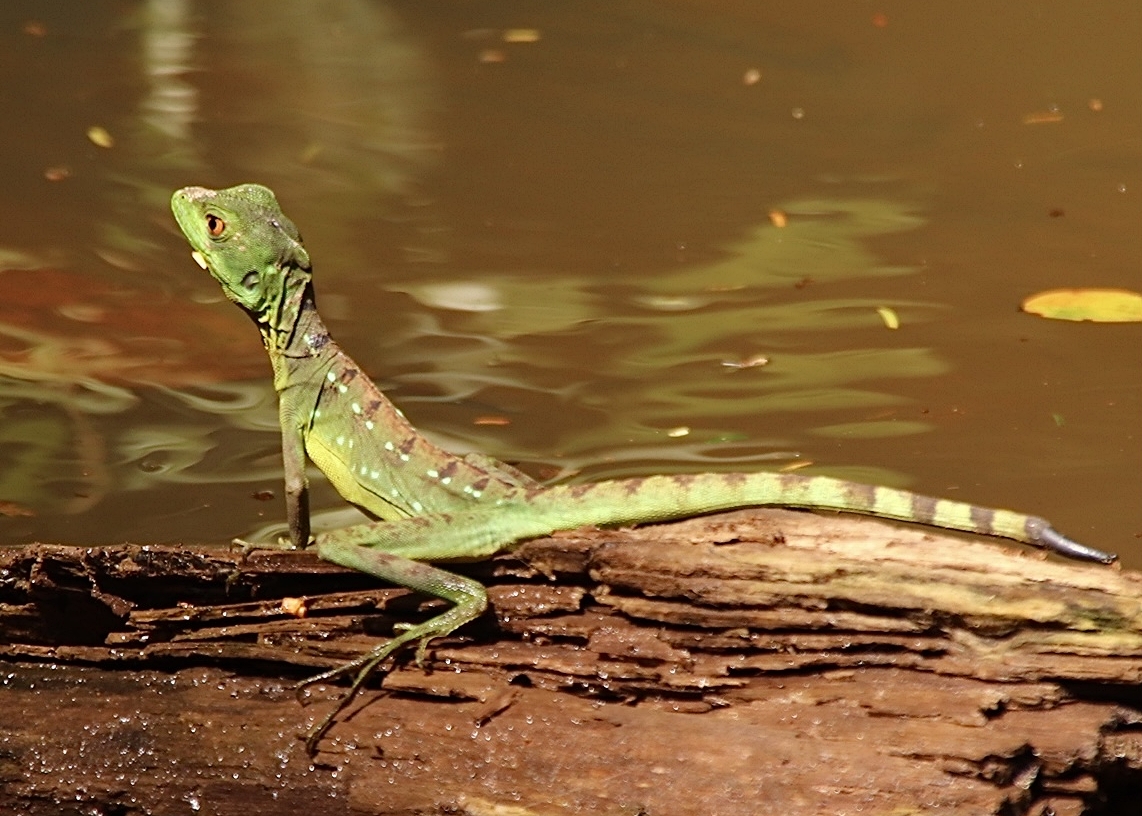
Jesus Christ Basilisk

Little blue heron
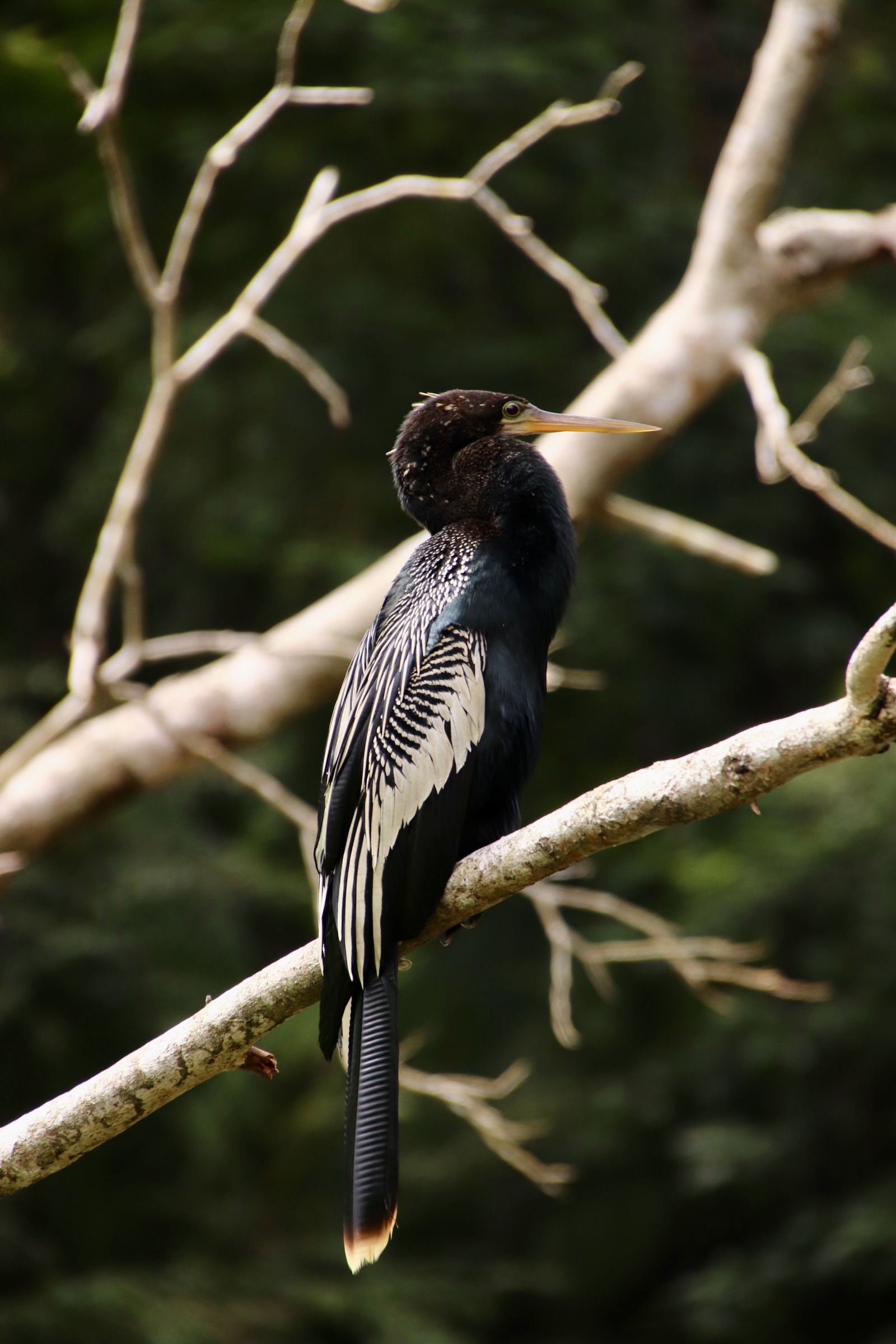
Neotropical cormorant

Caiman

Anhinga

Plumed basilisk
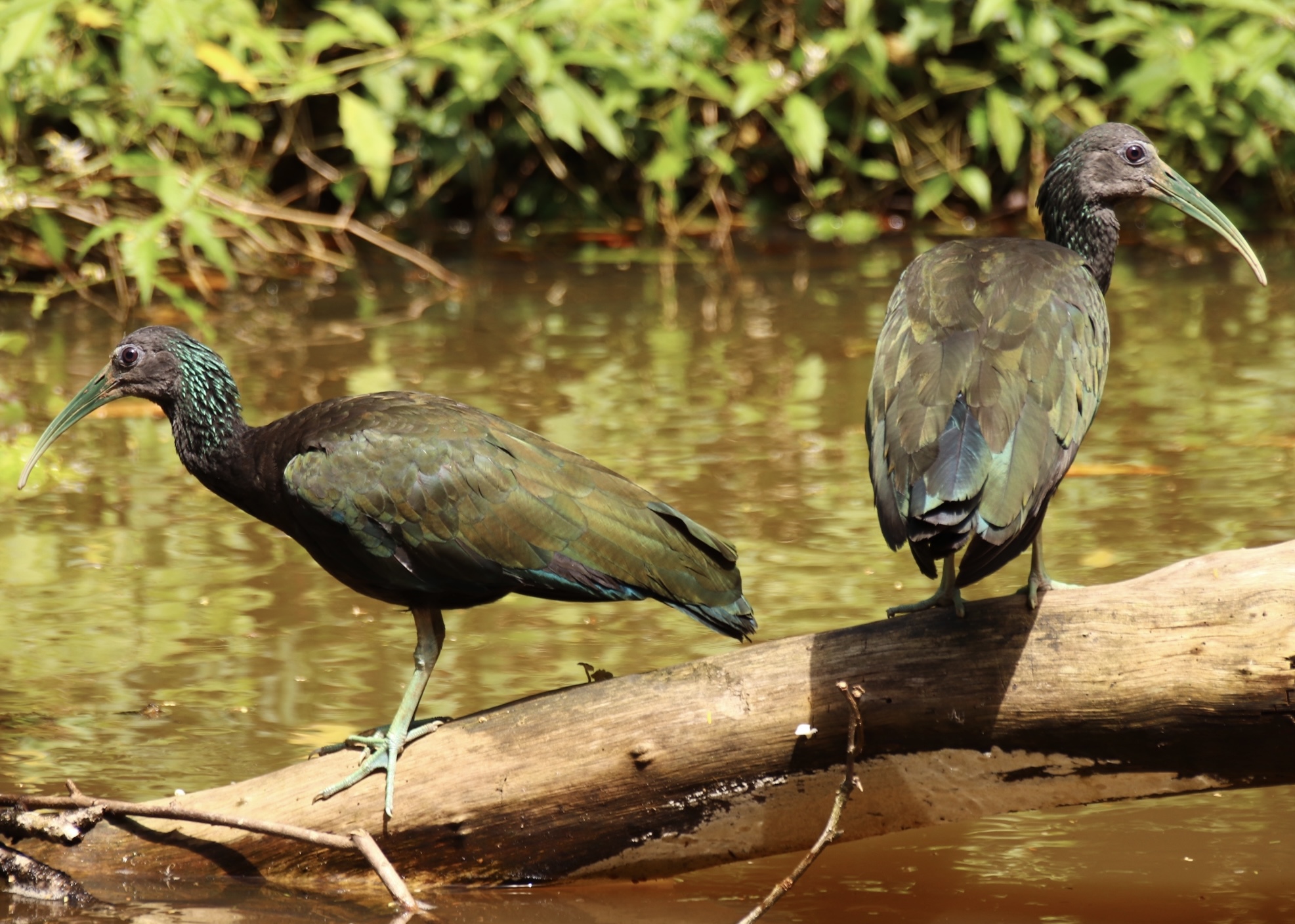
Green ibis (credit: Paul Adnitt)
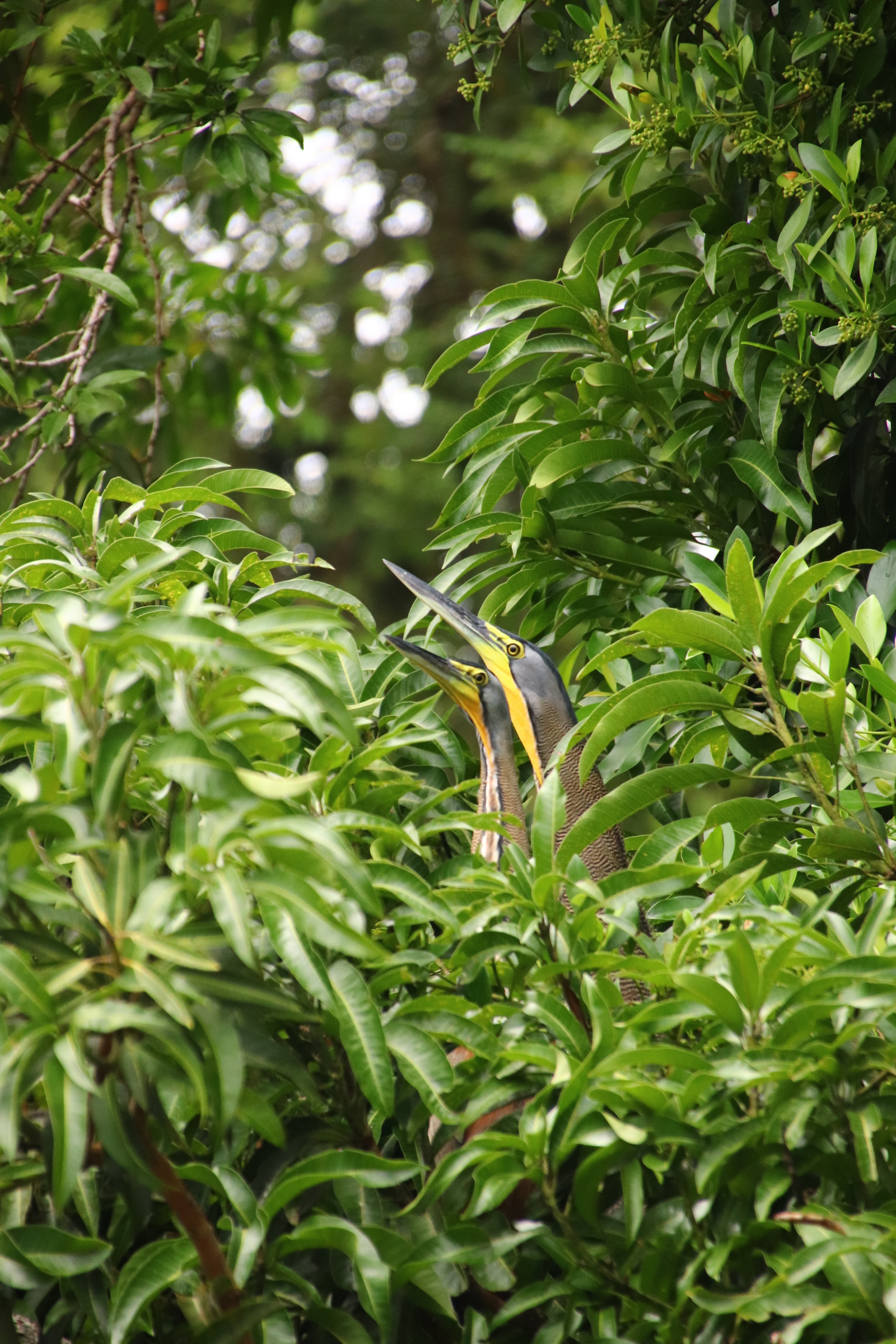
Bare-throated tiger herons
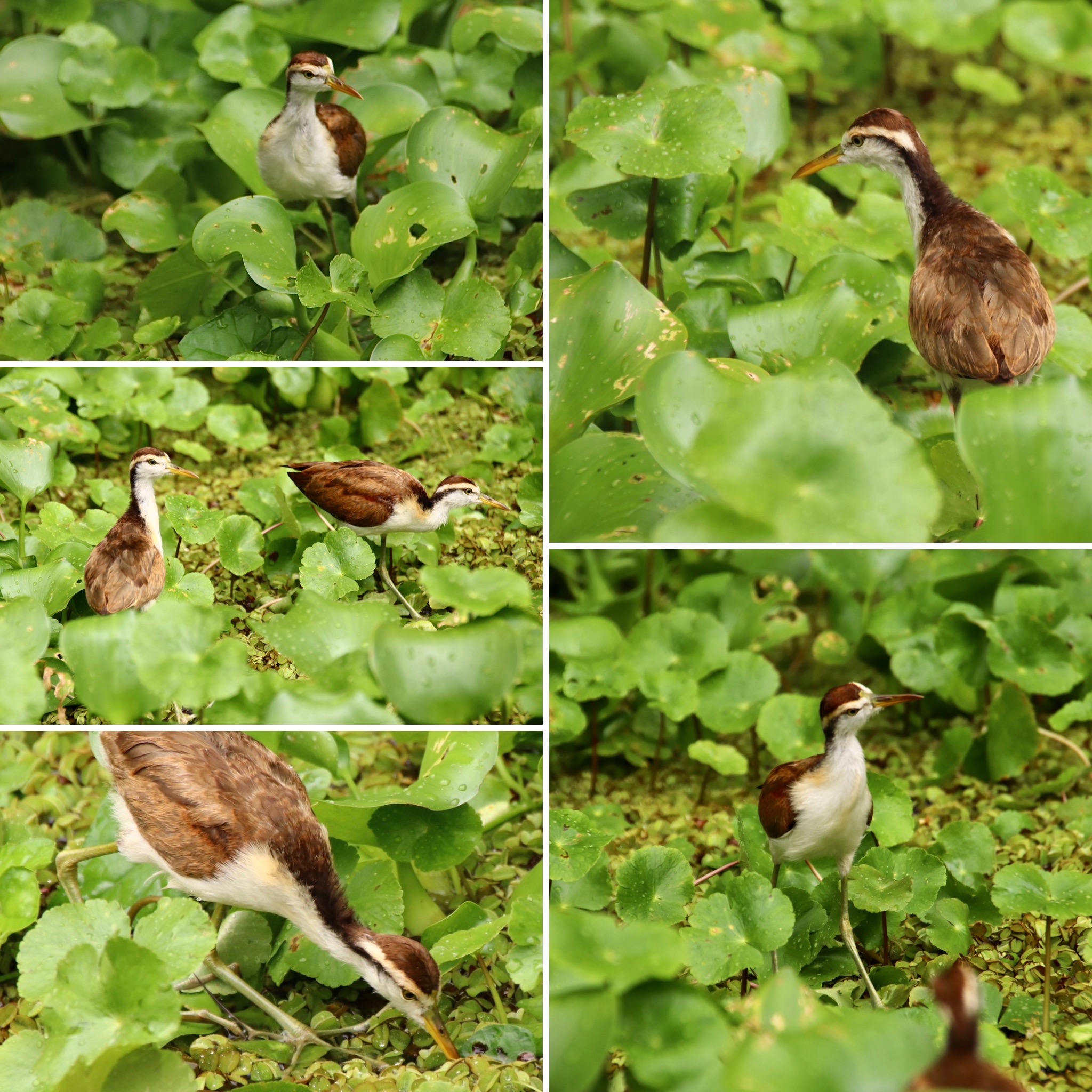
Northern jacana chicks

Montezuma oropendola
Bandits and Anarchists

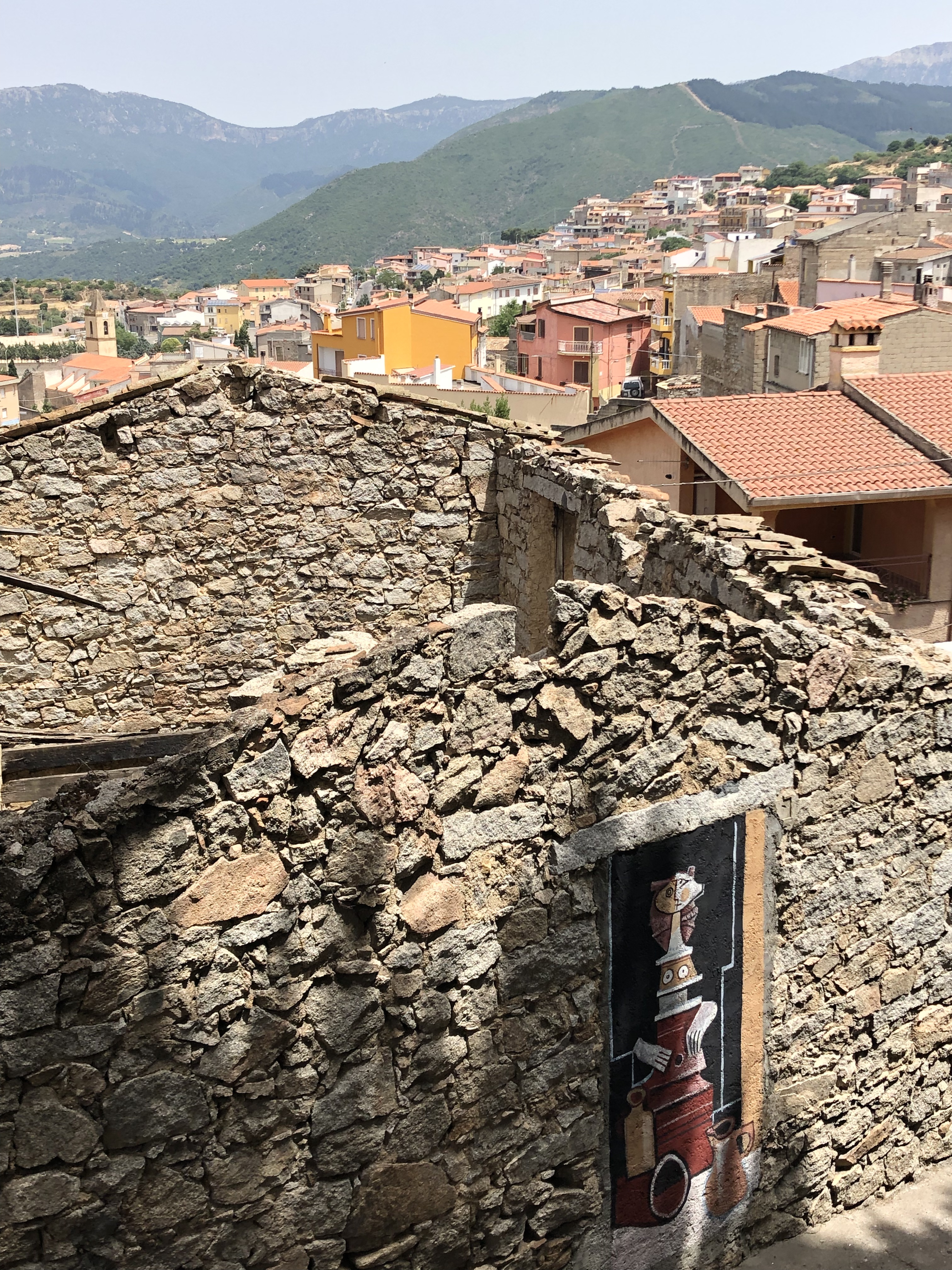
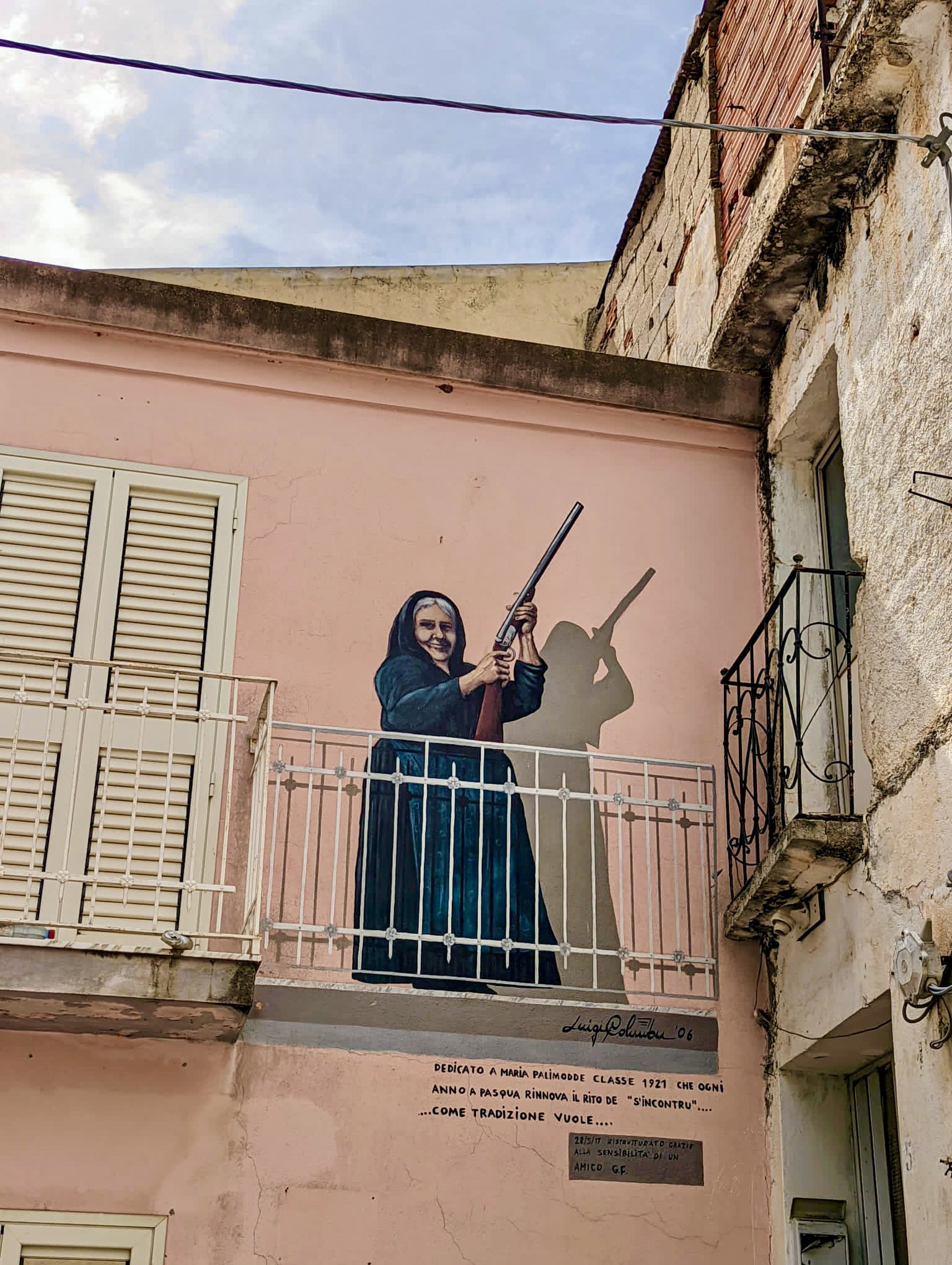
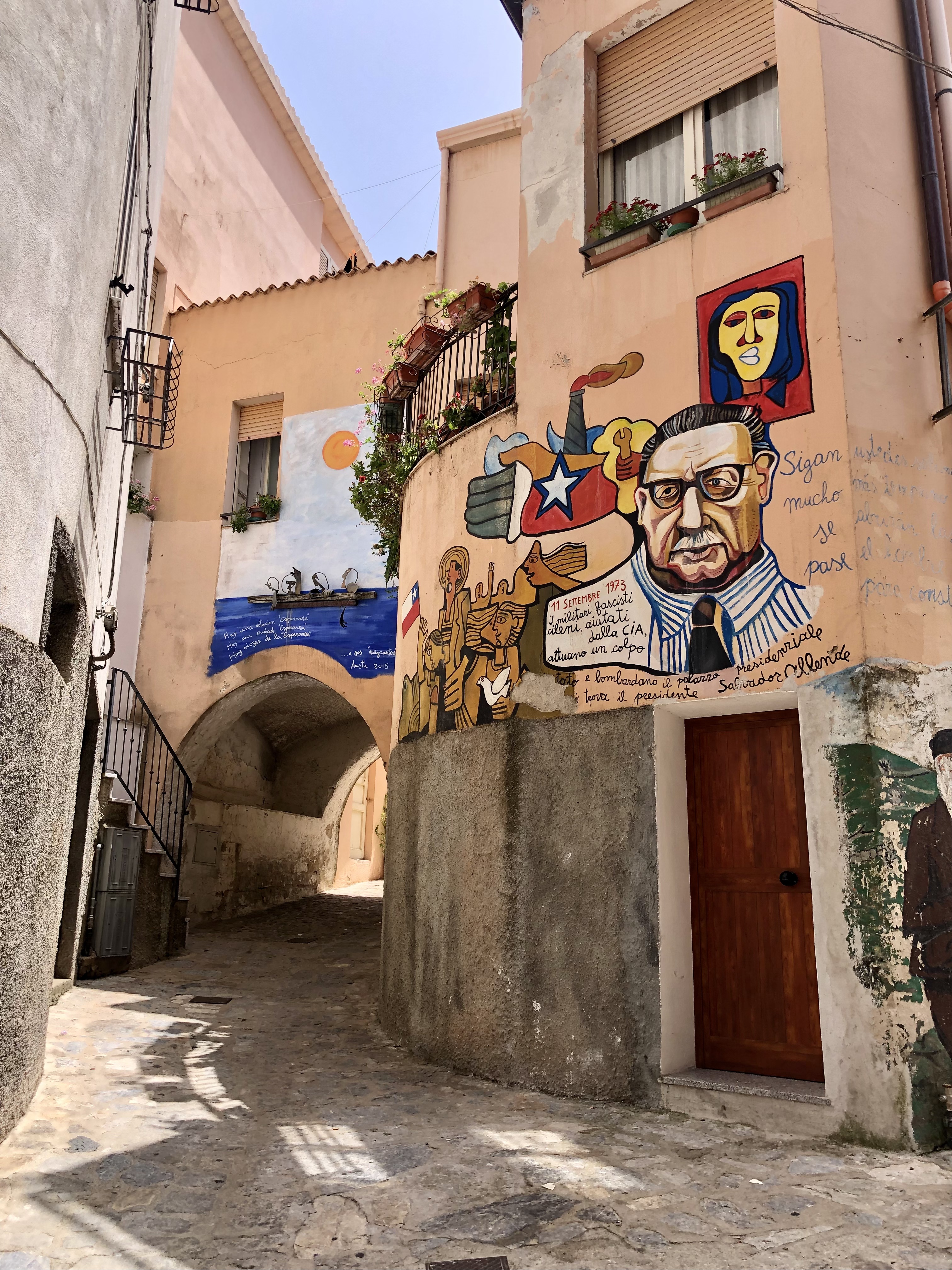
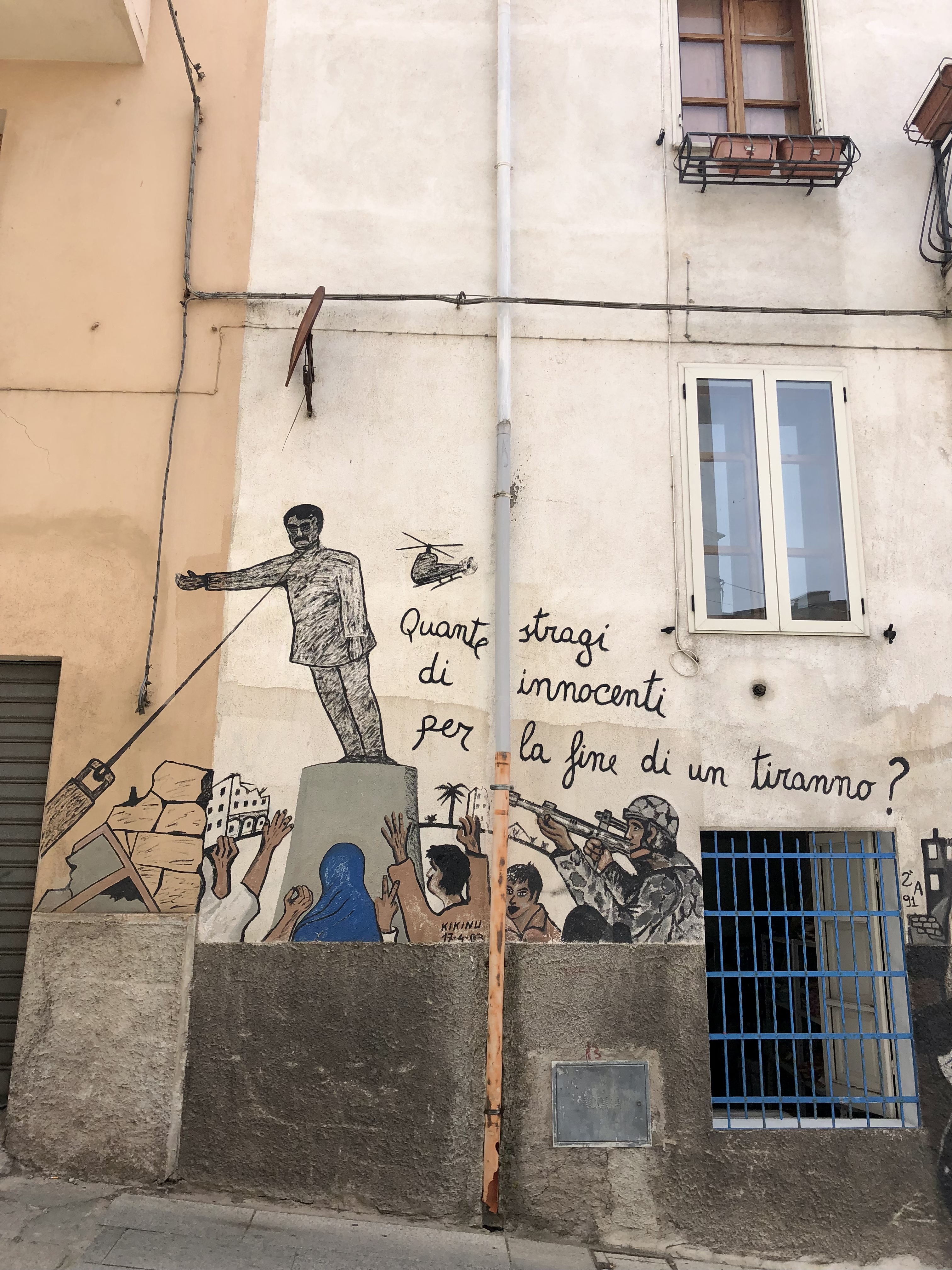
Whilst on holiday in Sardinia earlier this year, I spent a day in the fascinating town of Orgosolo. For many hundreds of years, this bandit town – hidden high in the hills of the Nuoro region – was a place to hide the kidnapped and elude the authorities. It would have remained an isolated and ignored hamlet, were it not for its inhabitants’ spirit of resistance and the artistic flair of a local teacher.

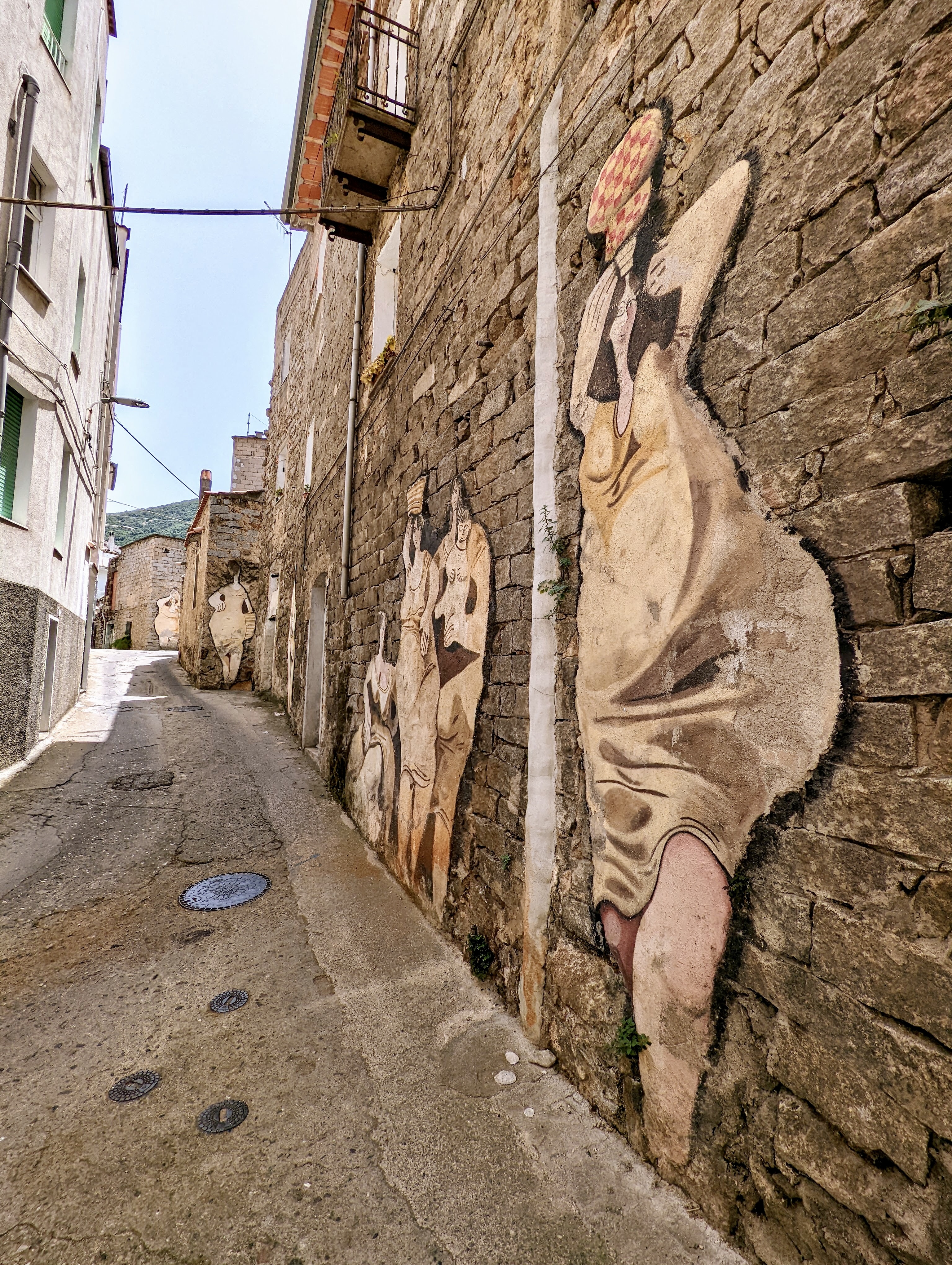
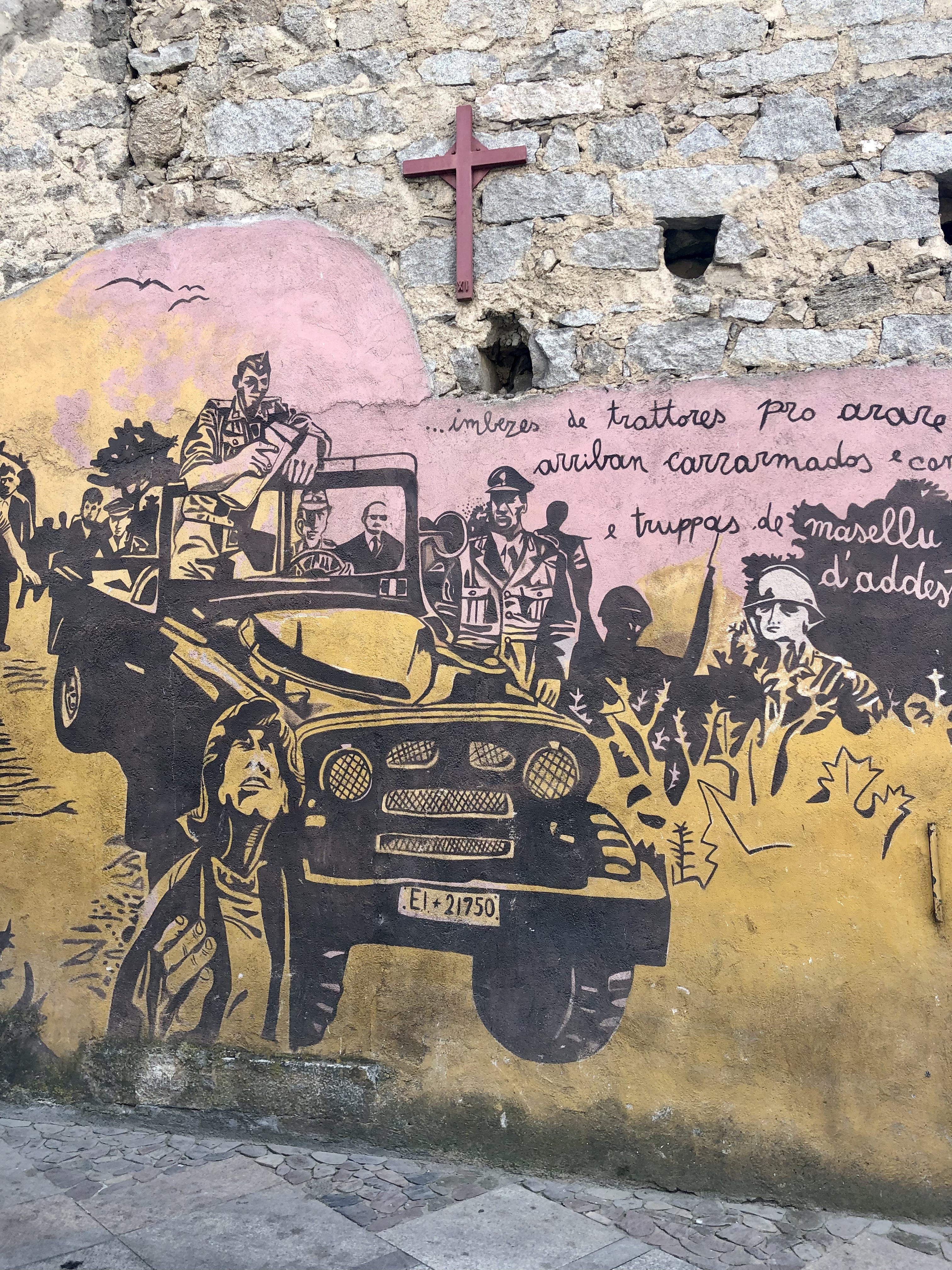
In the late ’60s, having successfully resisted the military’s plan to create a base on common land used by shepherds, a group of local political anarchists created a mural in the town commemorating the event. Francesco Del Casino, a local art teacher and communist, worked with disadvantaged youths to turn this isolated piece of art into a trend. Throughout the ’70s and ’80s, huge cubist graphics were created throughout the town – on walls and gates, window shutters and rocks – recounting a host of global social injustices, from Vietnam to Gaza, or calling for Sardinian independence.

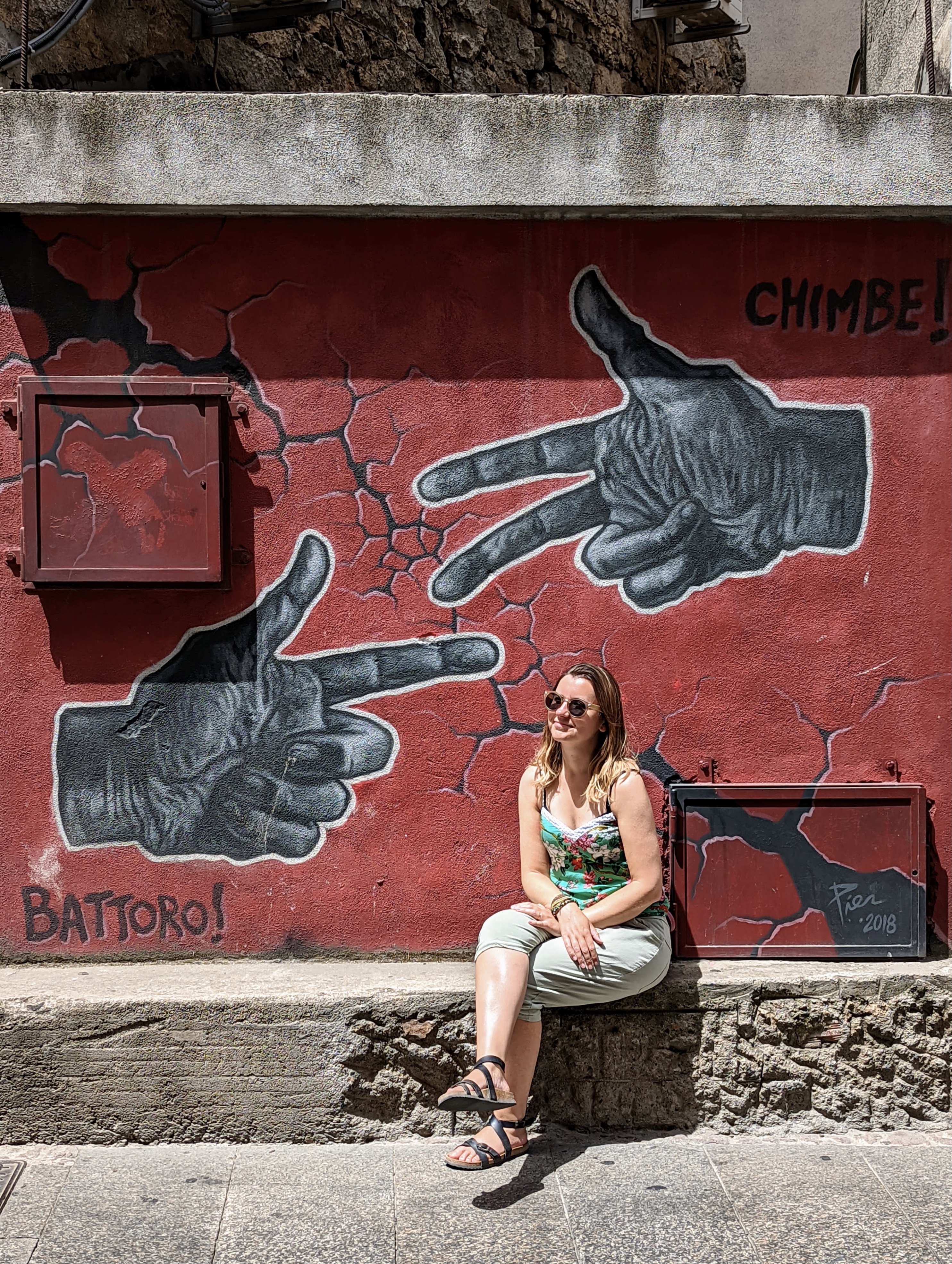
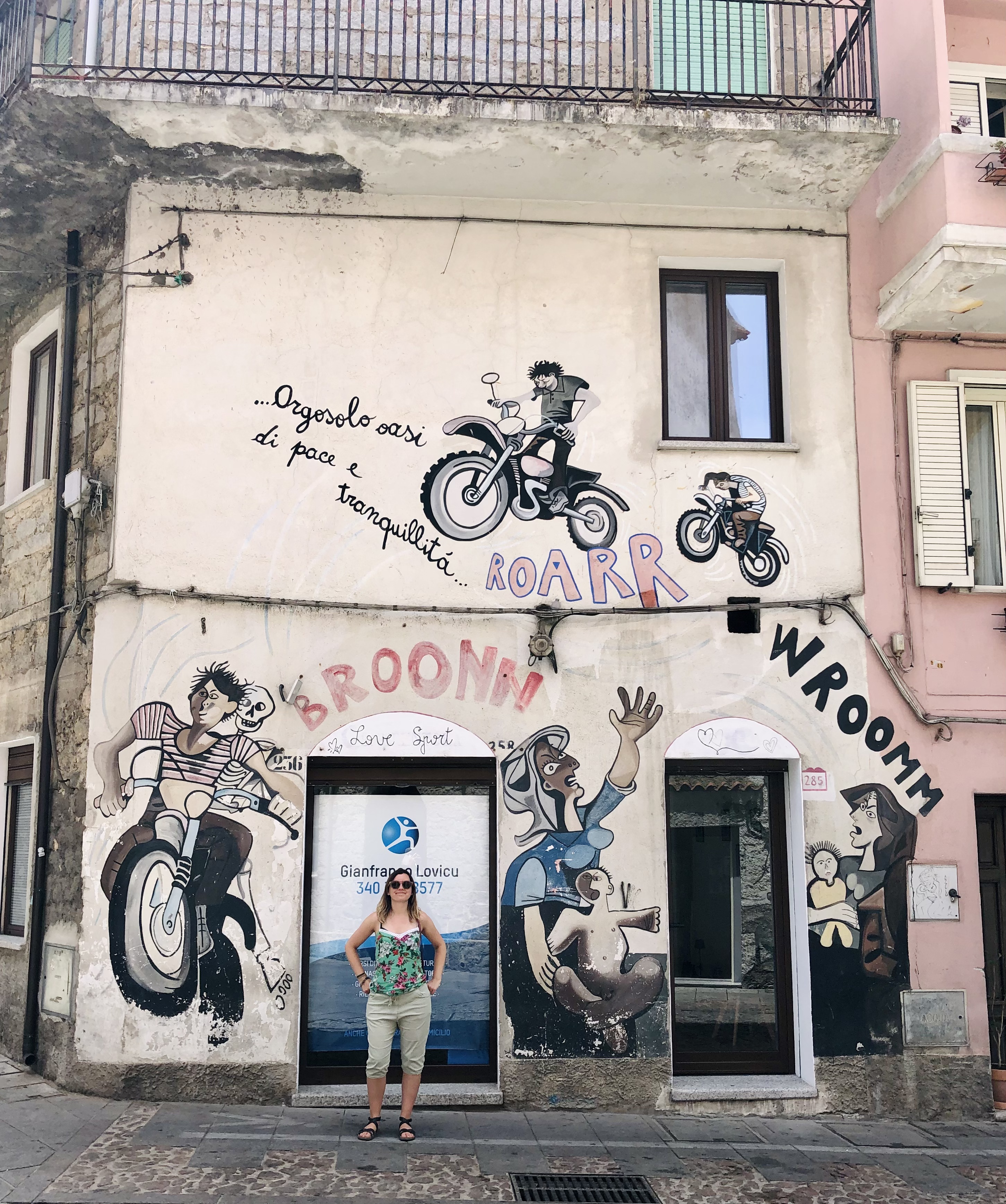
The brightly coloured paintings and frescoes have been well-preserved, and artists now travel from across the globe to contribute to the spectacle. Some tell the story of the province’s customs and traditions, the rural way of life; others continue the anti-establishment, socio-political themes of the early works.

To see every mural (there are ~150) would take several hours, but you can pick up a map in the small central town square that helps you navigate the main streets and includes informative descriptions of over 70 works. Here are photos of a few of my favourites…

A Tale of Two Cities

I’ve been very lax on here of late, so now trying to rectify that. First off, a summary of two much-needed post-Covid mini-breaks.

Palma

Believing all attempts to leave the country to be thwarted in perpetuity, it was a pleasant surprise to find ourselves sitting in departure gate 23 at Gatwick airport last October. Fully vaxed, with the paperwork to prove it, we were headed to Mallorca for four days of sunshine. Like a tiny child on Christmas morning, eyes wide with awe and wonder, I gave a little whoop as we taxied down the runway. And then, suddenly airborne, almost two years of fear, boredom and frustration behind us, I breathed a sigh of contentment, settling back with book and podcast for an uneventful flight to the diminutive Balearic isle.

The holiday was magical. I remain resolute in my desire to never take such things for granted again. Palm trees, seafood, sand, sea, ice-creams…the smell of salt and suncream in my hair, which is my absolute favourite smell in the world. Everything was perfect. Sure, we were bound to see it through rose-tinted (sun)glasses after such an unprecedented enforced absence, but Palma proved a genuinely great location for our first escape.

The city itself is a great size for gentle evening promenading (our favourite pandemic pastime). The imposing Gothic Santa María cathedral, majestic harbour, maze of Arab inflected streets, delicious tapas bars, boutique shops and fish markets provide plenty of distractions without overwhelming a card-carrying sightseeing over-strategist such as myself. I didn’t feel the need to overfill our days, or rush from pillar to post. Happy instead to rest, absorb and indulge.

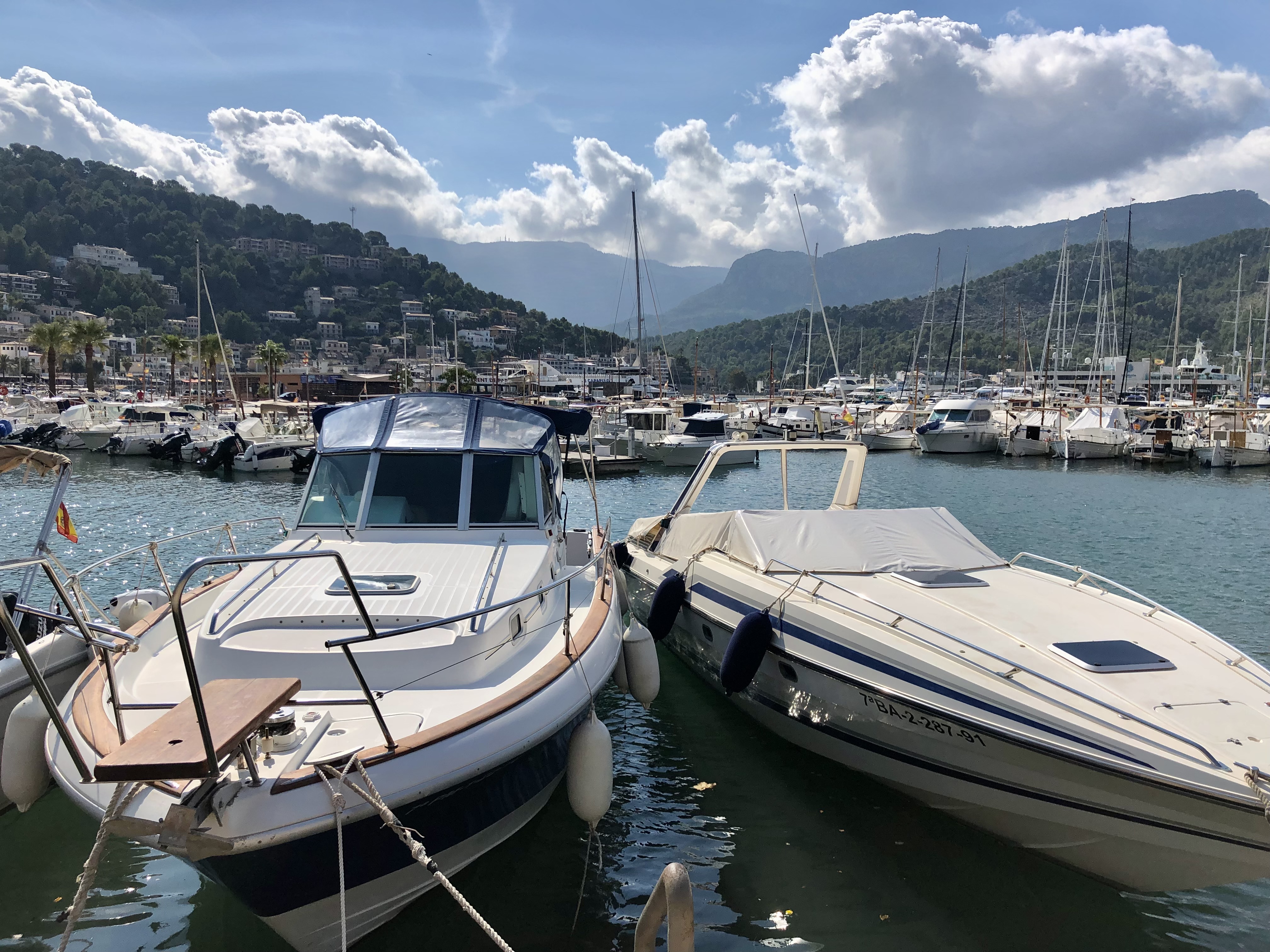
Nearby Playa de Illetes and Cala Major provided swimming and tanning opportunities, and a day trip to Port de Sóller should be on everyone’s list. A beautiful marina, sandy bay and estuary await, at the end of a diverting trip through the hilly interior of the island. And as the wooden tram trundled home through olive and citrus groves, I reminded myself how stupidly lucky I am.

Of course, I can’t finish without listing some restaurants of note: La Bodeguilla being our undisputed favourite (prawn carpaccio; Mallorcan black suckling pig; polpo with iberico and slow cooked egg…we’re planning a return visit mainly to eat there again!). Aromata, Arume Sake bar, and La Rosa were also great, but I’d advocate for the mouth-watering chuletón steak at the unassuming El Patxi in Santa Catalina over those. Que viva España!

Madrid

Little effort having been required to reignite my passion for European jaunts, I found myself united with one of my favourite travel buddies (my dad!) in spring of this year for a trip to the Spanish capital. Quite the contrast to Palma, the sprawling metropolis is crammed with sights and this hapless tourist was unable to resist sliding back into bad old habits. Armed with guide book, map and refillable water bottle, I marched us in erratic zigzags across the city, attempting to tick off all the attractions in a familiar fit of holiday mania.

Luckily, my far more sensible companion had some (limited) success in reigning me in, forcing the odd pause for pintxos, obligatory ice-creams, and breakfast churros. Still, if you are planning to tackle Madrid I would suggest focusing on fewer locations and allowing time for relaxation. Especially given its size demands regular metro trips, which can eat into your time considerably. Having said all that, there weren’t many things we saw that I wouldn’t recommend…so it’s really a case of being more ruthless in your choices.

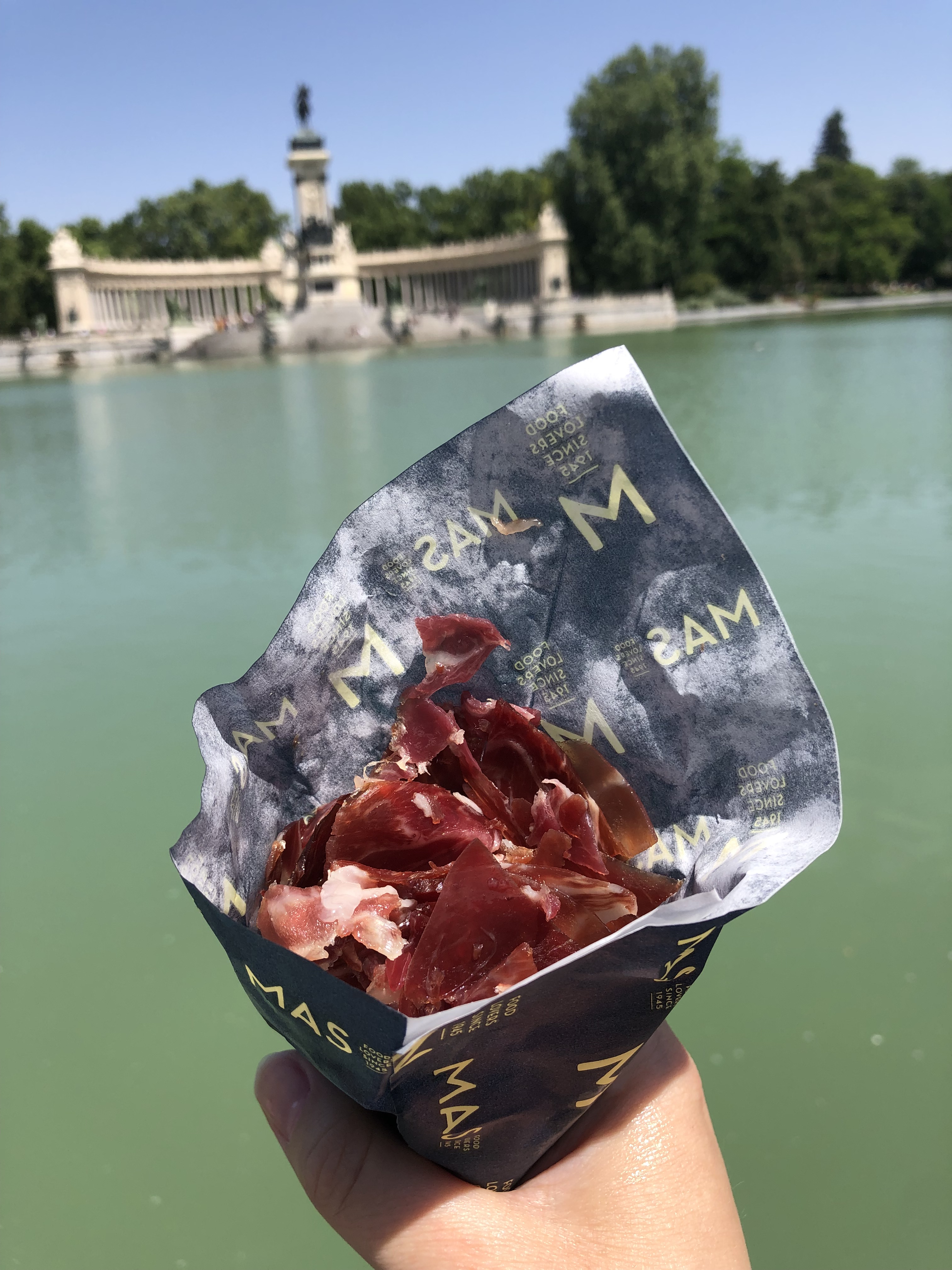
Our first day took in Parque de El Retiro, quite possibly the prettiest and most varied city park I’ve visited. With its central boating lake, rose gardens, “crystal palace” (Palacio de Cristal), wooded picnic spots, fountains and only-known public statue of Satan, there’s enough here alone to occupy half a day. The fact that we also crammed in Plaza Major (one of the handsome central squares), Palacio Real de Madrid (official residence of the Spanish royal family), Mercado de San Miguel, and Catedral de la Almudena (a twentieth century Catholic church built on the site of a medieval mosque) is testament to my aforementioned over-enthusiasm and explains why our feet were throbbing for days.

We weren’t done there though. Before dinner we also squeezed in a visit to Museo Nacional Centro de Arte Reina Sofía, the excellent modern art and sculpture gallery. Once a hospital, the building is worth visiting on its own merits, with its airy central courtyard and modern glass annex (plus a cafe serving excellent vermouth!). Many make the pilgrimage to ogle Picasso’s admittedly impressive Guernica, but I actually preferred discovering new works by Dalí, Juan Gris, Picabia, and – my favourite piece – Miró’s Hombre Con Pipa. Well worth having on your itinerary.

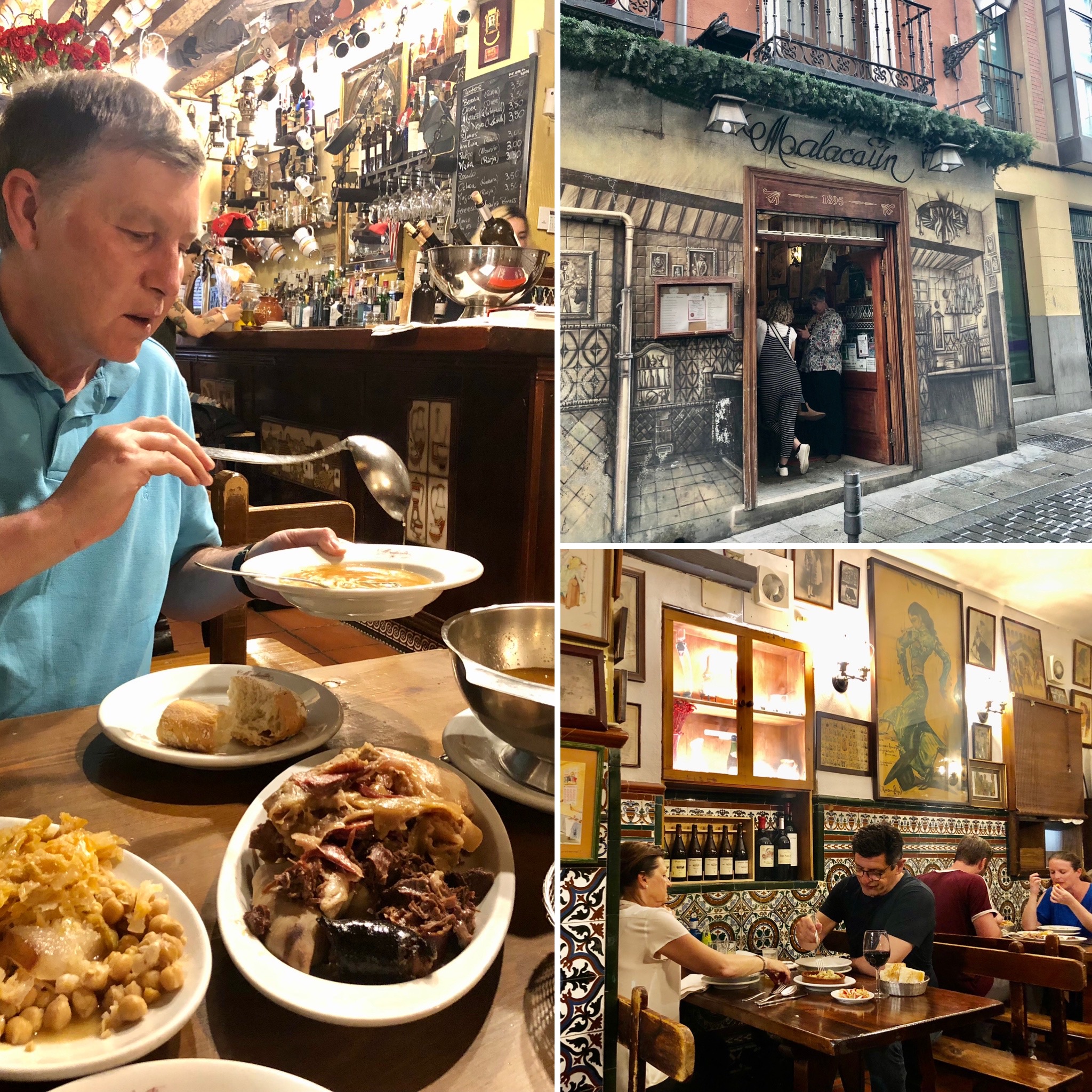
Dinner, when it finally came, was at the really excellent Malacatín, where we enjoyed traditional cocido madrileño. Open for more than 125 years, and one of the original twelve ‘centennial taverns’, the restaurant is protected for preserving the cultural heritage of the city. The stew consists of broth, chickpeas, cabbage, and a selection of meats (pork belly, morcilla, jamón serrano, beef shank) and is absolutely delicious.

After an aborted attempt to visit the hilltop city of Toledo, through which I fostered a deep and ineliminable hatred of Atocha train station, the following day was spent at the botanical gardens, Museo del Prado, Calle de las Huertas (the neighborhood of Spanish writers), Plaza de Oriente, and Puerta del Sol (the busiest public square in the city and site of the wild bear and strawberry tree statue, Madrid’s famous coat of arms).

Large and imposing, the two-hundred-year-old Prado is not one of my favourite galleries. The dark and dour works of Goya, El Greco and Velázquez are not my thing. However, I wouldn’t have missed seeing Hieronymus Bosch’s staggeringly bonkers and stunningly beautiful Garden of Earthly Delights, nor the macabre and haunting Triumph of Death by Pieter Bruegel. As for the rest, my dad managed to google a list of highlights, and we amused ourselves by proclaiming “nothing to see here” as we passed by unfeatured masterpieces. Cocktails on the roof of Palacio de Cibeles rounded off the day.

Armed with our passports, having navigated 3 miles of subterranean passageways and sacrificed a few goats, we were finally allowed on a train to Toledo the next day. Perched atop a gorge overlooking the Río Tajo, Toledo was known as the ‘city of three cultures’ in the Middle Ages, a place where Christian, Muslim and Jewish communities peacefully co-existed. Sephardic synagogues, Visigothic and Roman ruins, a grand Gothic cathedral, and several interesting museums and galleries are packed into the small walled city. You need a whole day to do it justice, allowing time for tapas on one of the lantern-strewn medieval streets.

Amongst the highlights, I’d recommend Monasterio San Juan de los Reyes, with its peaceful cloisters and remarkable chapel. And save some time for walking the city walls and taking in the views over the Tagus river and countryside.

Our trip ended with a tasty meal of clams, scrambled hake, and baby lamb chops at La Castela. There you have it: two very different cities, with the common through-line of delectable Spanish cuisine. A not at all displeasing way to get back in the saddle.

Norfolk: Boats

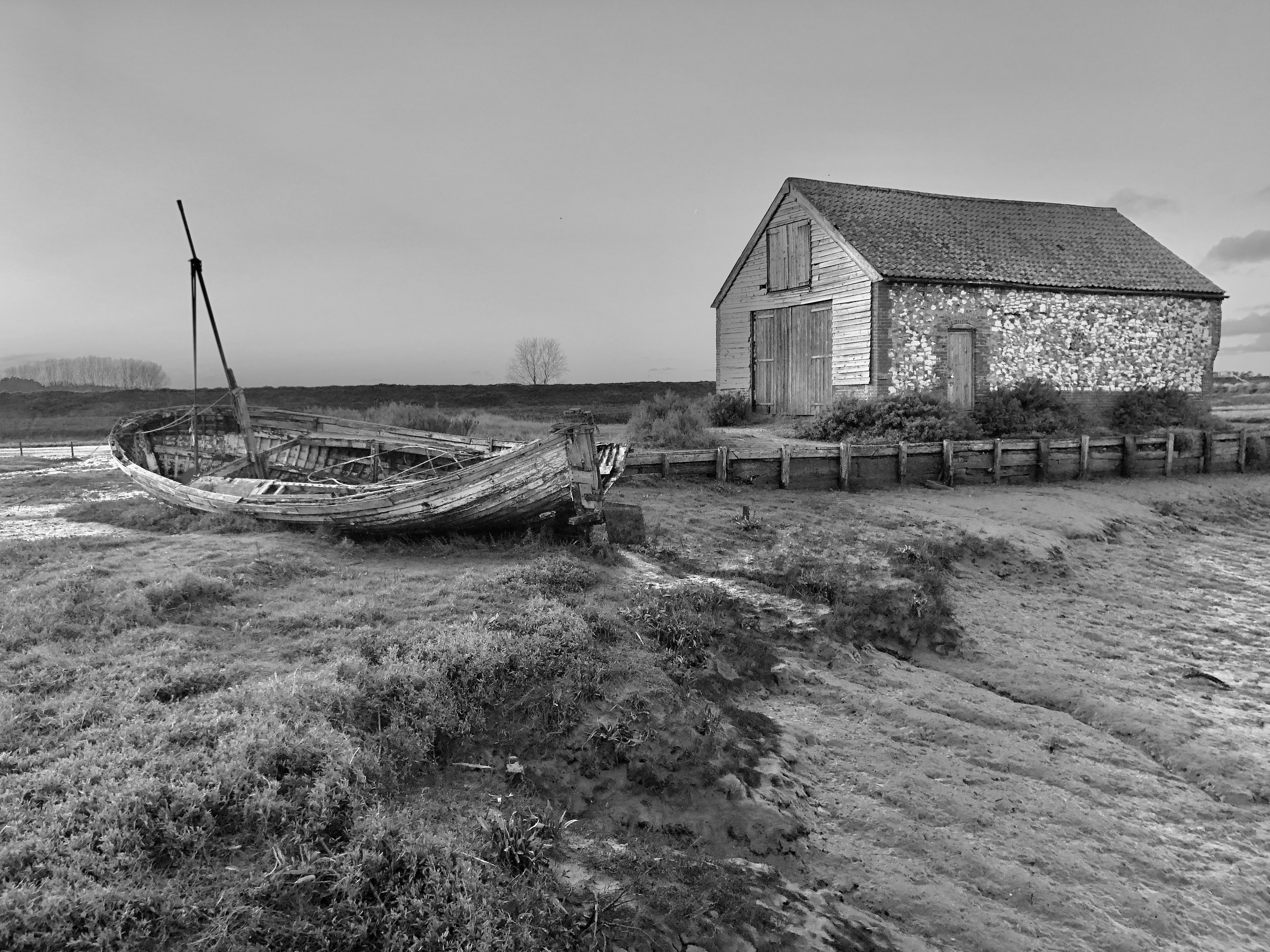
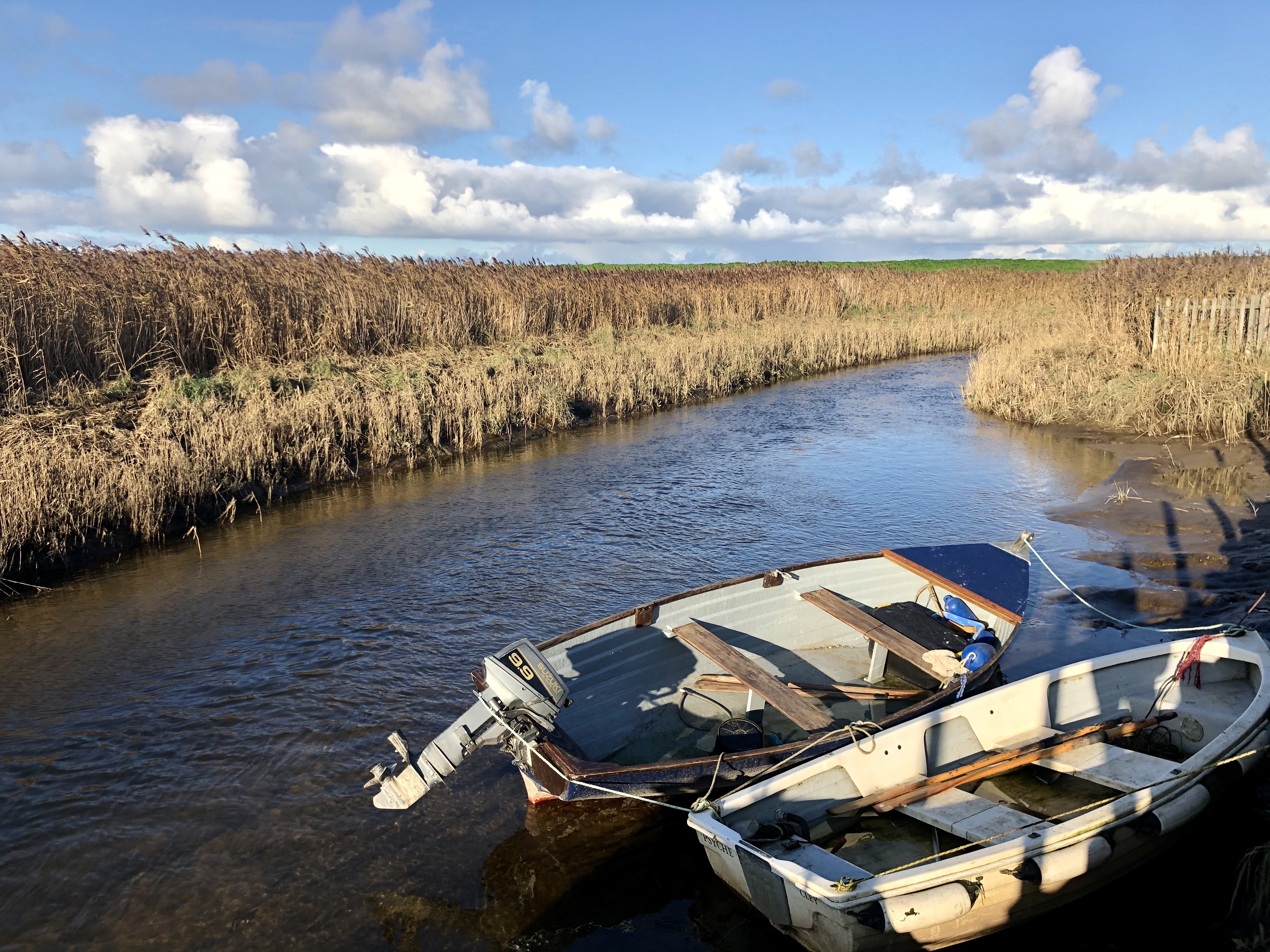
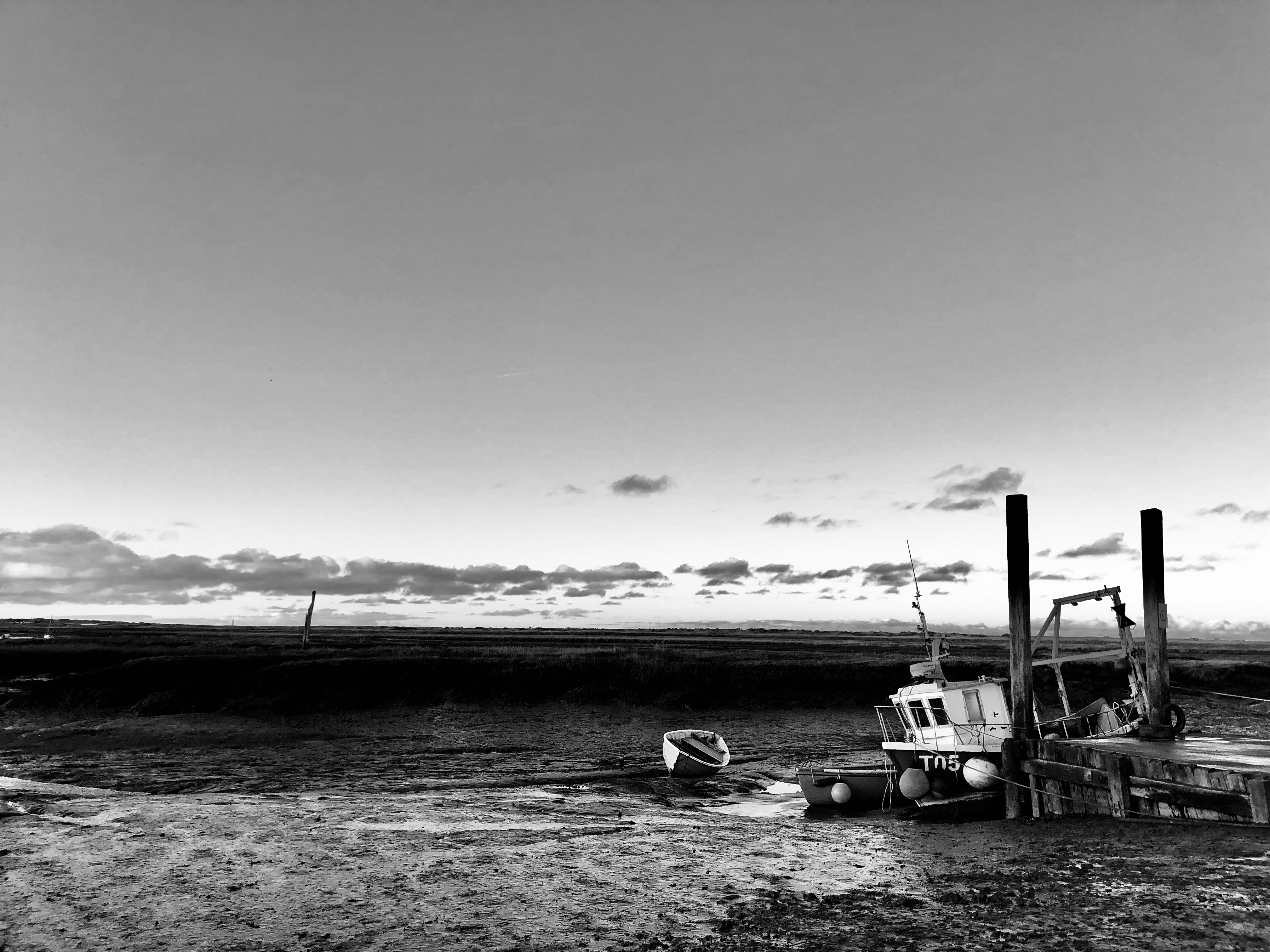
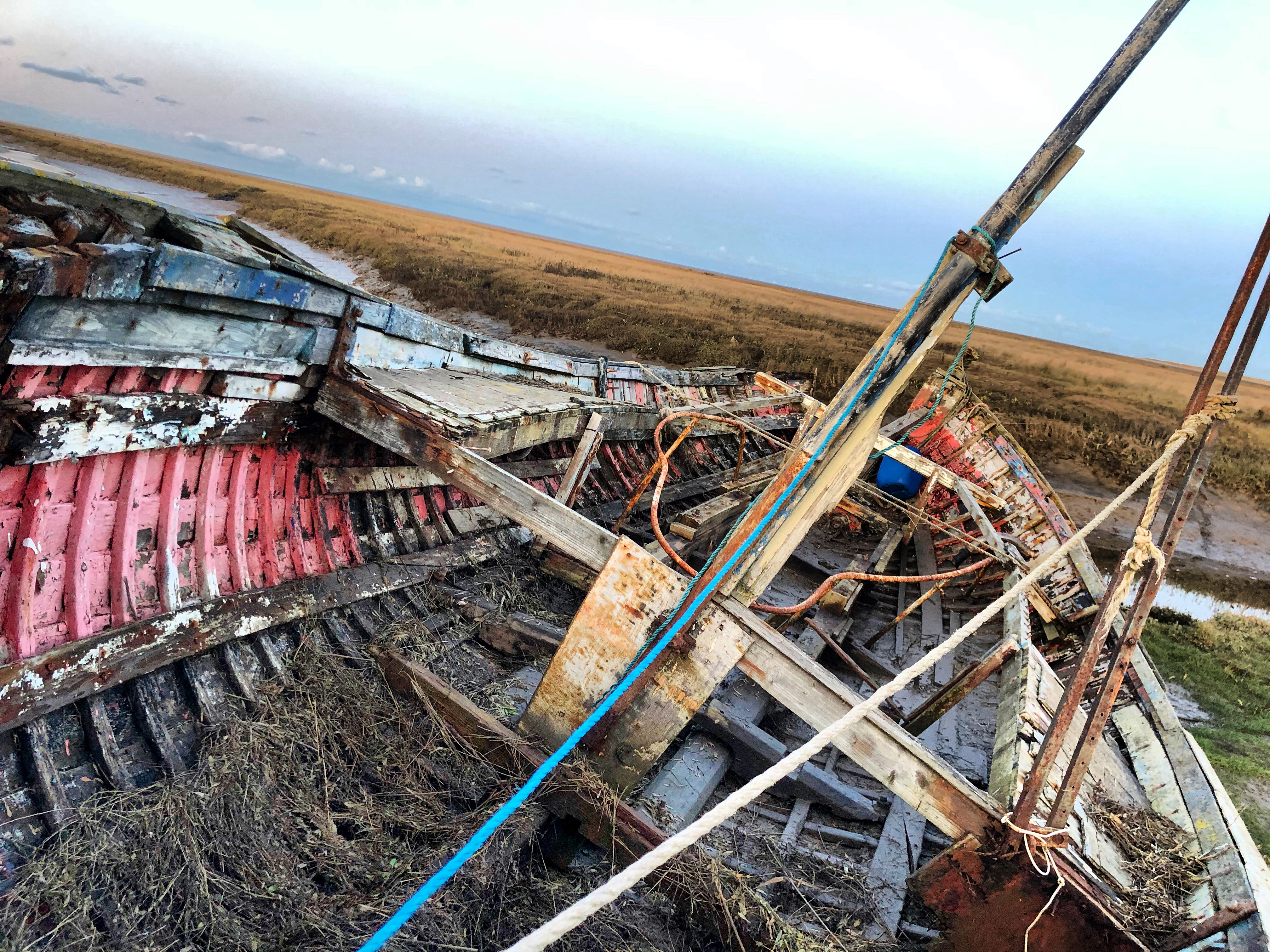
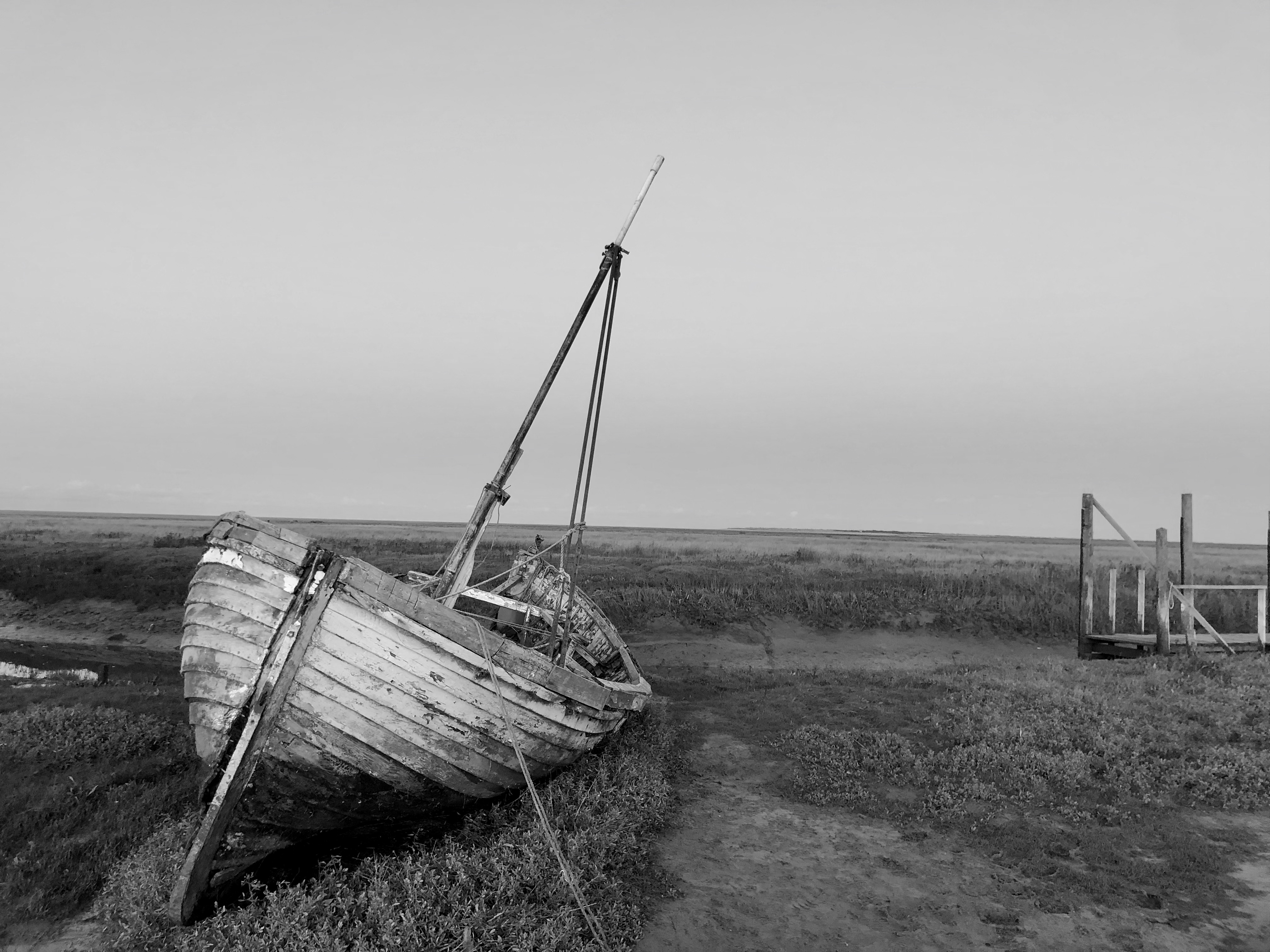
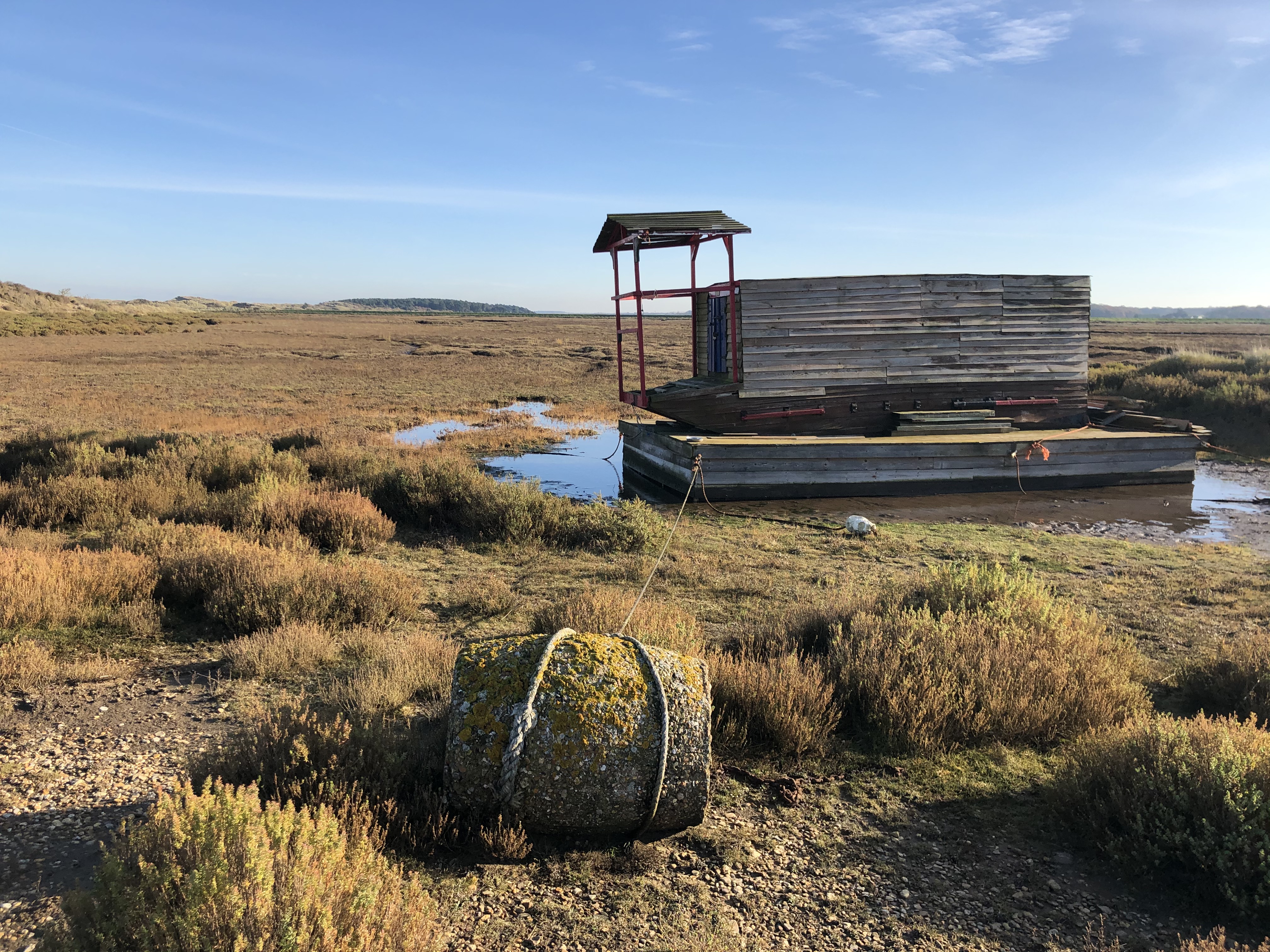
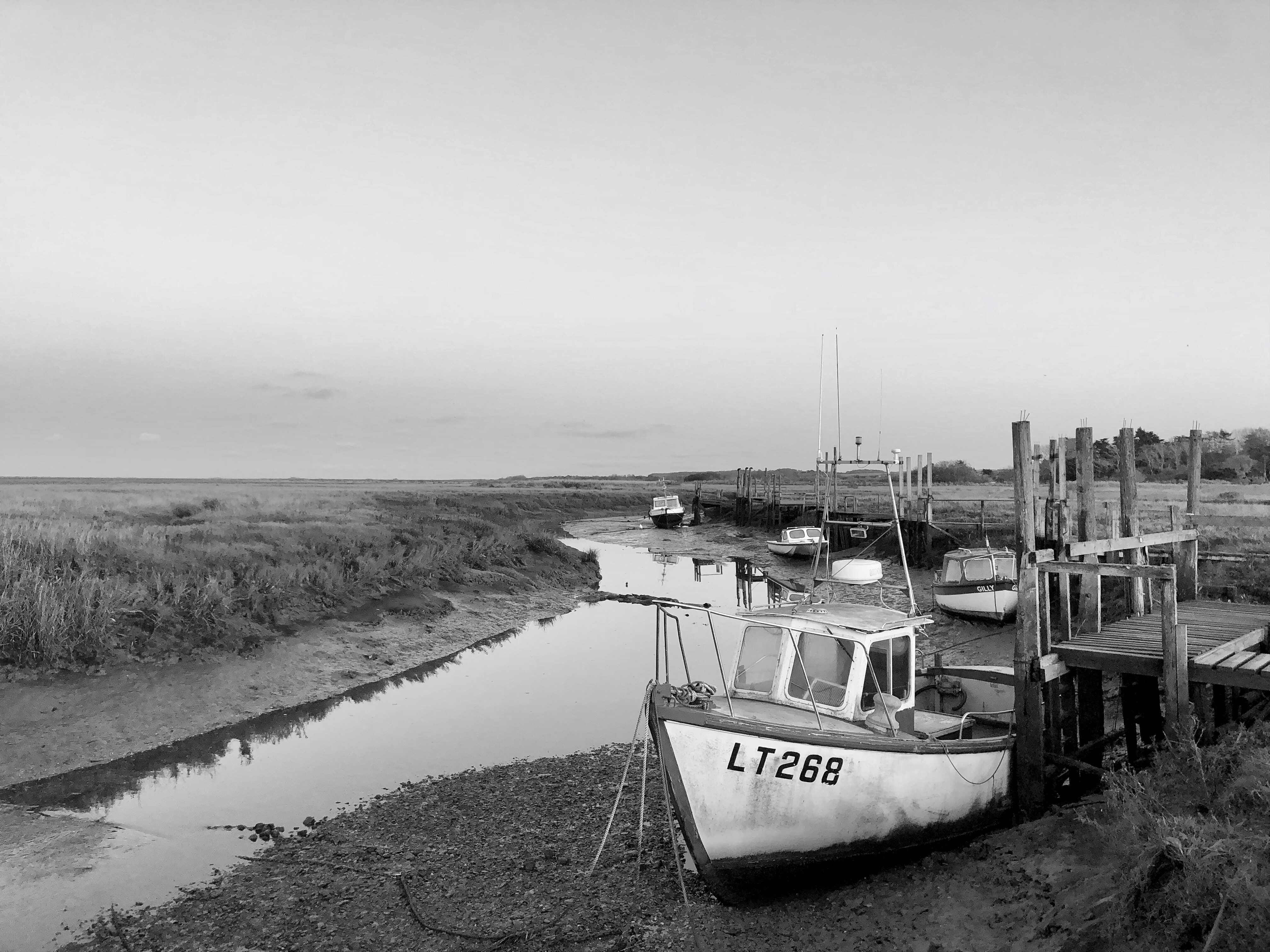
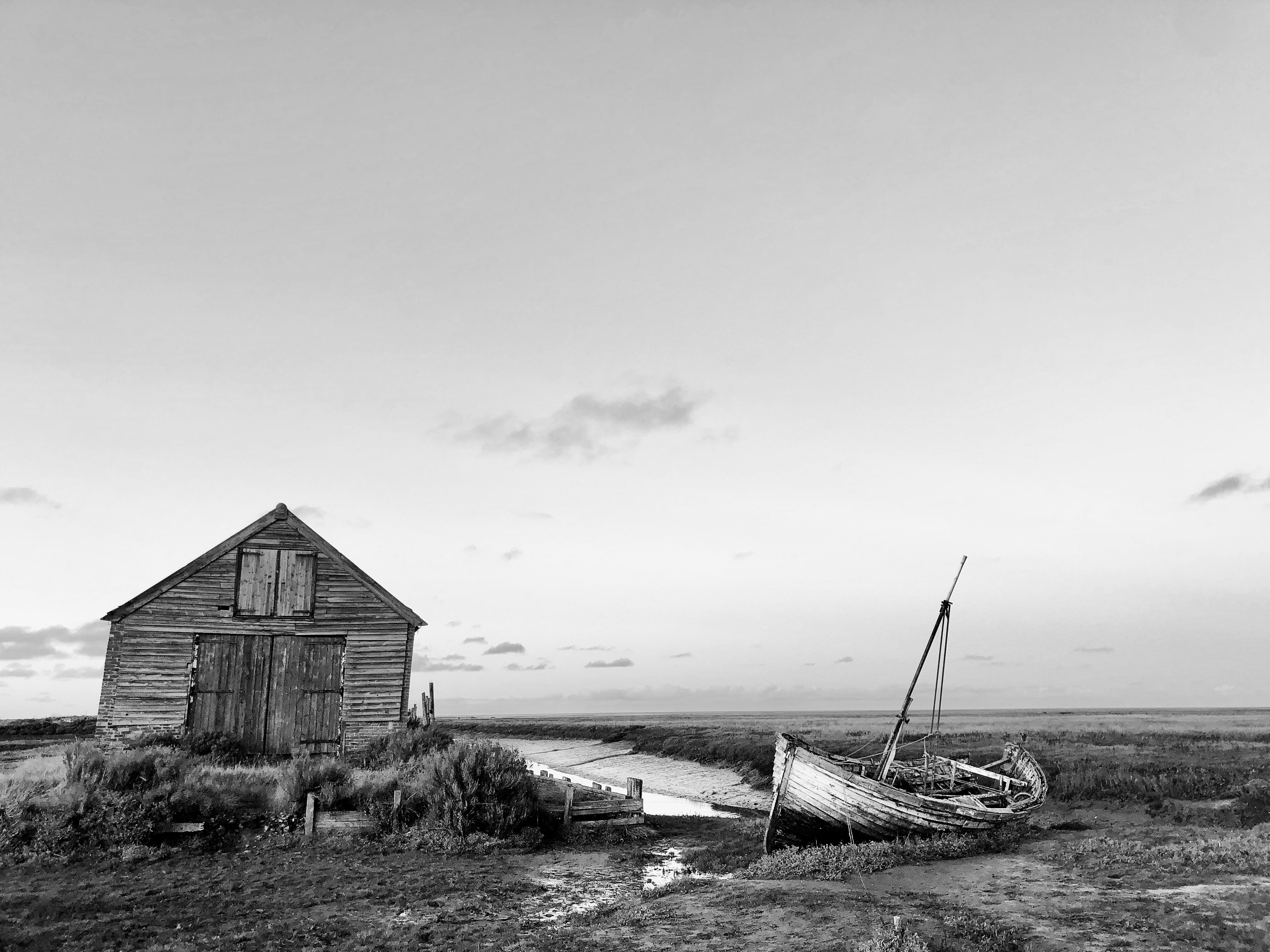
Playing with different light and camera settings on the North Norfolk Coast… It’s hard to take a bad photo when you have this to work with! Looking back at these pictures from autumn 2019 has inevitably made me wistful. 17 days to go before Lockdown 3.0 starts to ease…fingers crossed for nice spring weather and plenty of options for day trips.

Norfolk20190018

Norfolk20190041

Norfolk20190128

Norfolk20190020

Norfolk20190090_1

Norfolk20190057

Norfolk20190271

Norfolk20190370

Norfolk20190032

Norfolk20190098

Buddhist Mountain Retreat

EE-Koyasan-010-trial

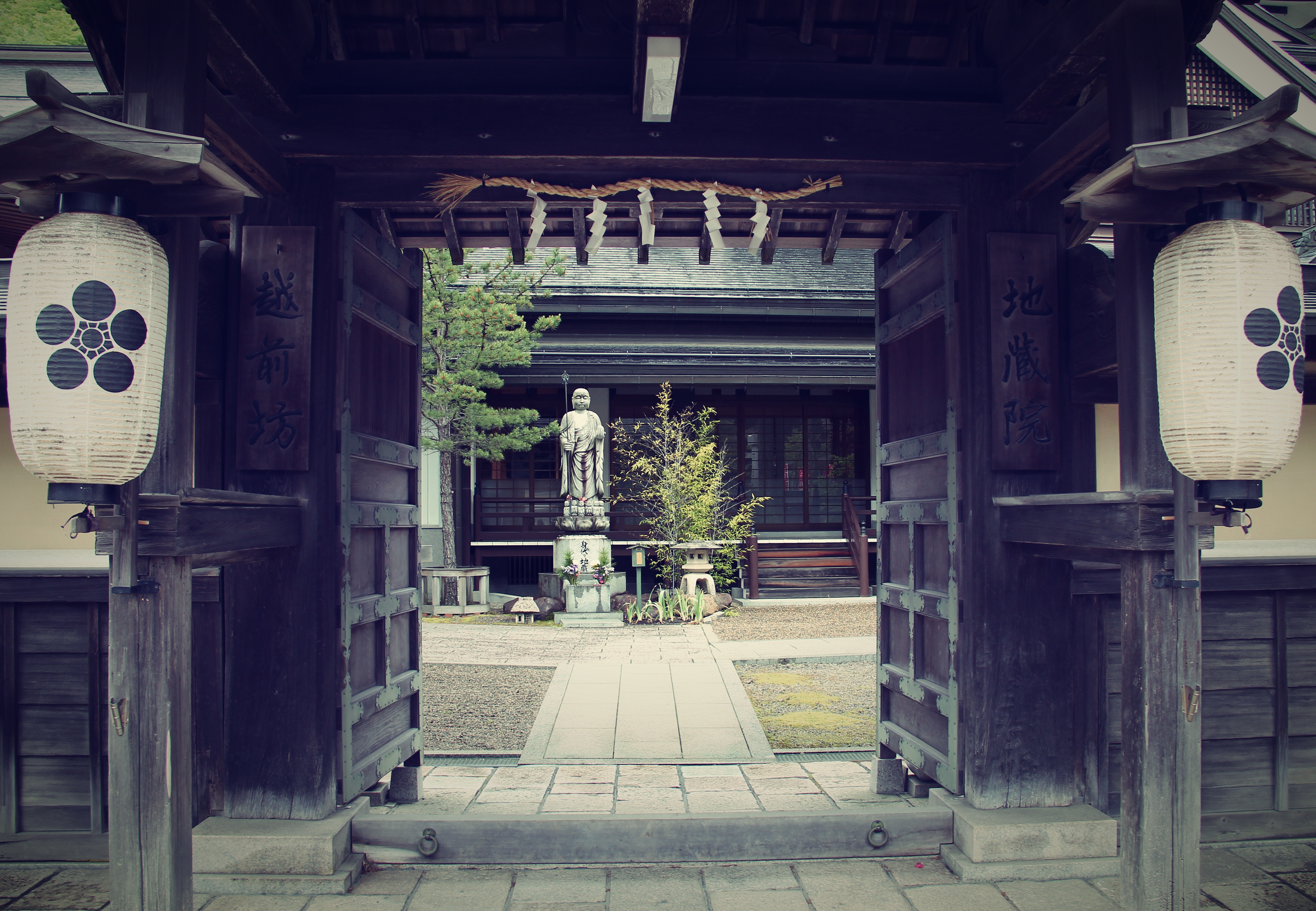
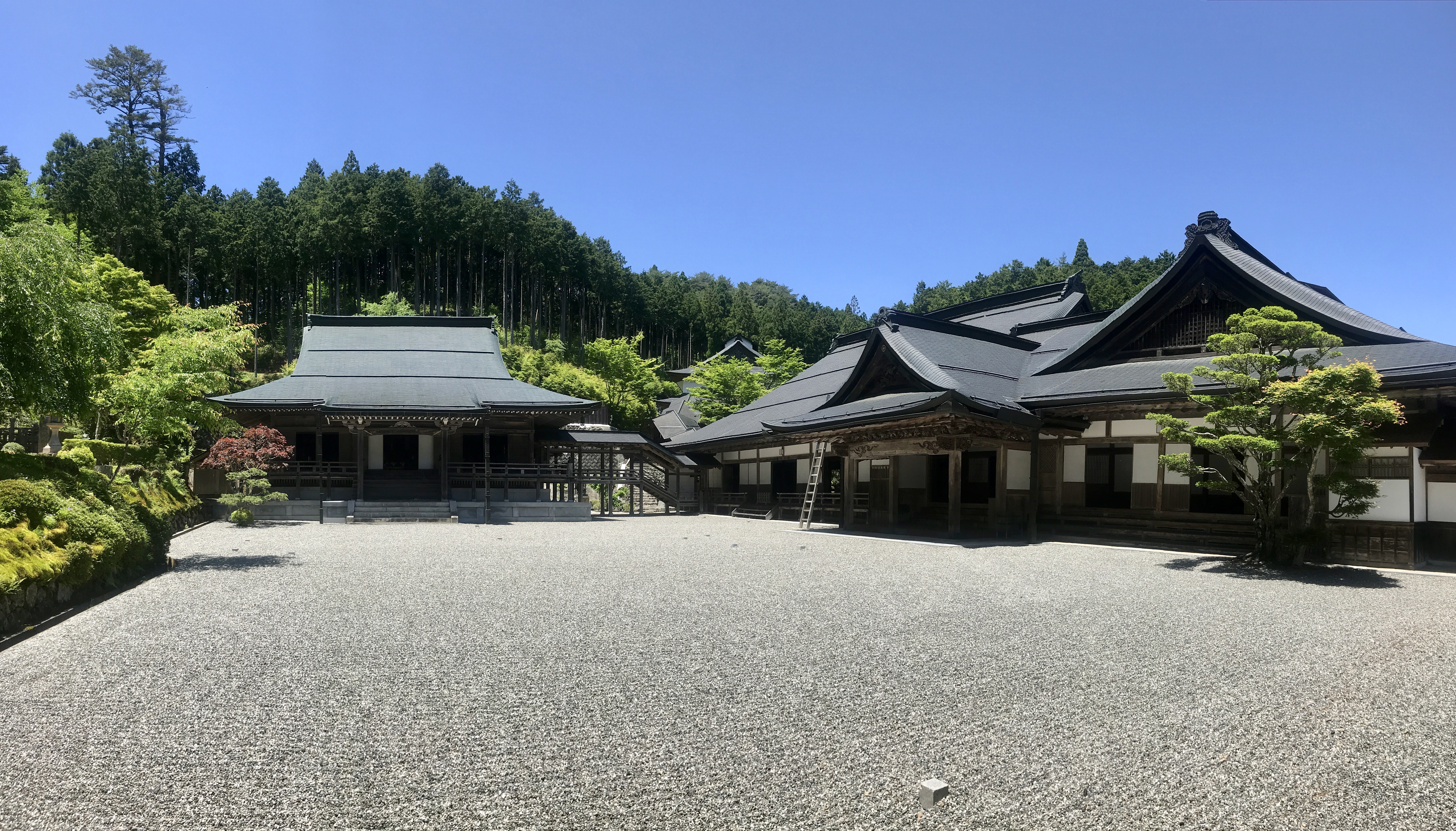
Located in the Wakayama Prefecture, about 60km south of Osaka, Kōya-san is home to an active monastic community established over twelve centuries ago for the study and practice of Esoteric Buddhism. The priest Kukai (posthumously known as Kobo Daishi) founded the monastery deep in the mountains, far away from worldly distractions, so that Buddhist monks could practice their faith in peace and tranquillity. After the hustle and bustle of Tokyo and Kyoto, it was therefore a perfect place for Paul and I to relax for a couple of days.

Don’t let the distance put you off. Yes, it takes three separate train rides and (surely) one of the steepest funiculars in the world to reach, but the journey isn’t stressful (travelling in Japan is a dream)…and trust me, the effort will be rewarded. Kōya-san truly is a secluded sanctuary, nestled away in a highland valley between eight mountains (often likened to the eight petals of a lotus flower) and with one of the most stunning collection of buildings you’ll find in the whole country. It’s film-set like perfection is a living postcard for Japan.

EE-Koyasan-030 (11)

I loved the place instantaneously…despite the incessant grey drizzle that greeted us. And was super excited to check in to Eko-in, our temple lodgings for the night.

Dosho, one of Kobo Daishi’s disciples, built Eko-in 1,100 years ago as a place for calm reflection. ‘Eko’ meaning “bless the light”. I felt more relaxed straight away, as one of the resident monks guided us to our traditional washitsu room, complete with tatami flooring and fusuma sliding doors, where green tea and nibbles were waiting for us. The space was only around 10 square metres, and would be where we ate, slept and relaxed for the next 36 hours; the monks changing our furniture around according to the time of day. The only snag: communal bathrooms and toilets were a fair walk down the hall…a good job we would be abstaining from alcohol for the duration!

After fortifying ourselves with the sweet sesame buns, and refusing to let the rain hold us back, we borrowed a couple of ubiquitous large, translucent brollies from the monks and set out to explore the hillside retreat. Kōya-san is only 4km east-to-west and 2km north-to-south, so easily navigable on foot and perfectly do-able in such a short break.

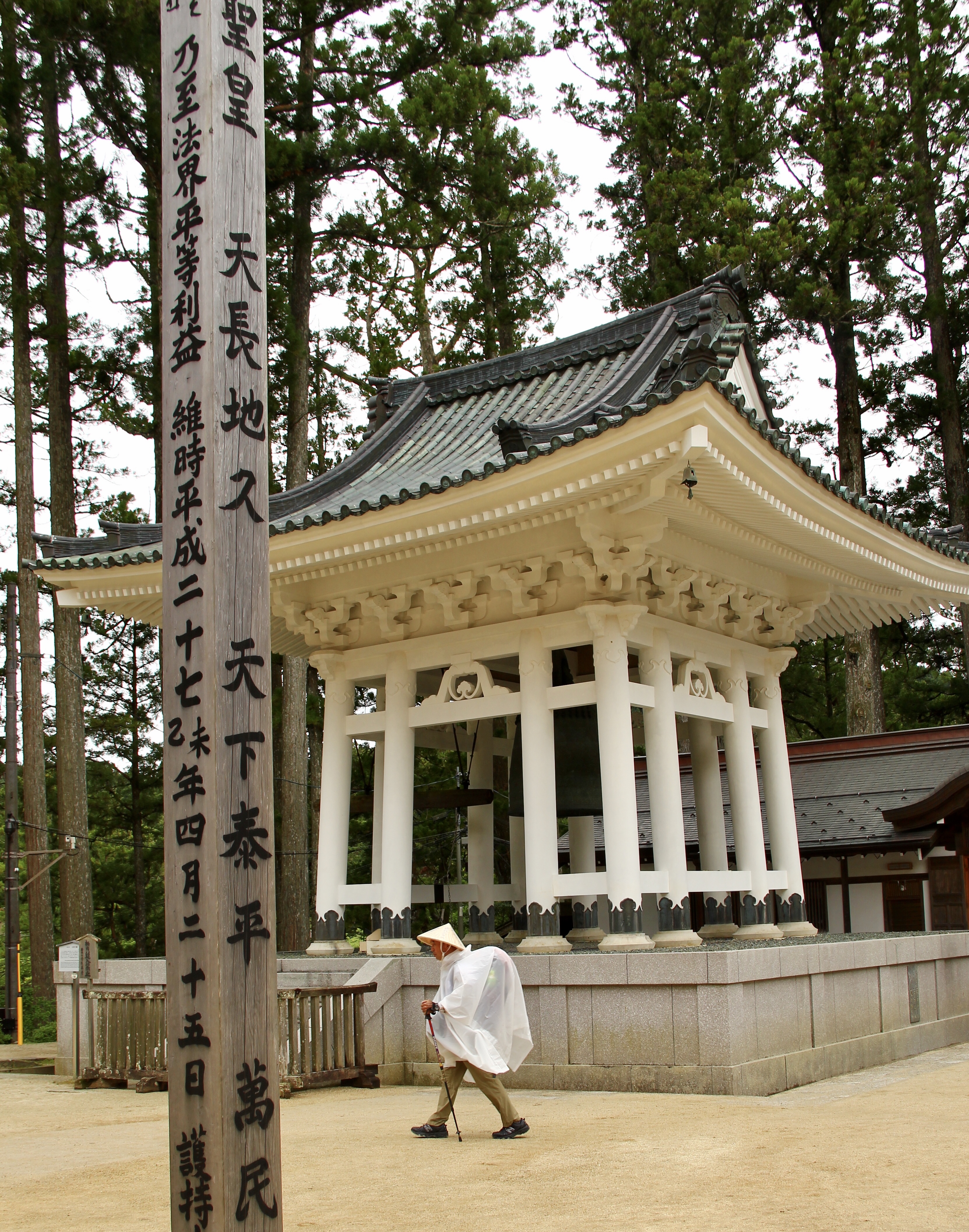
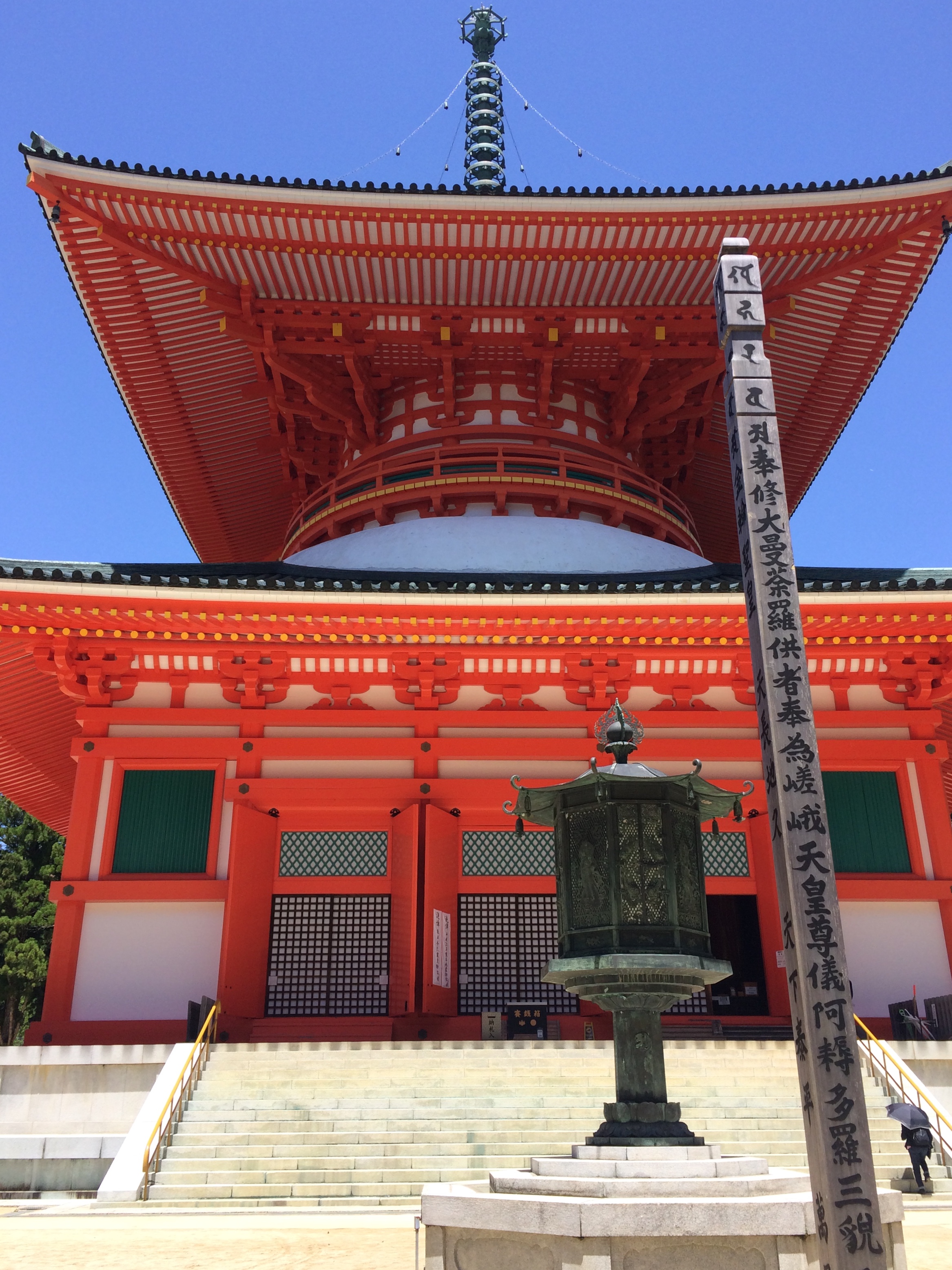
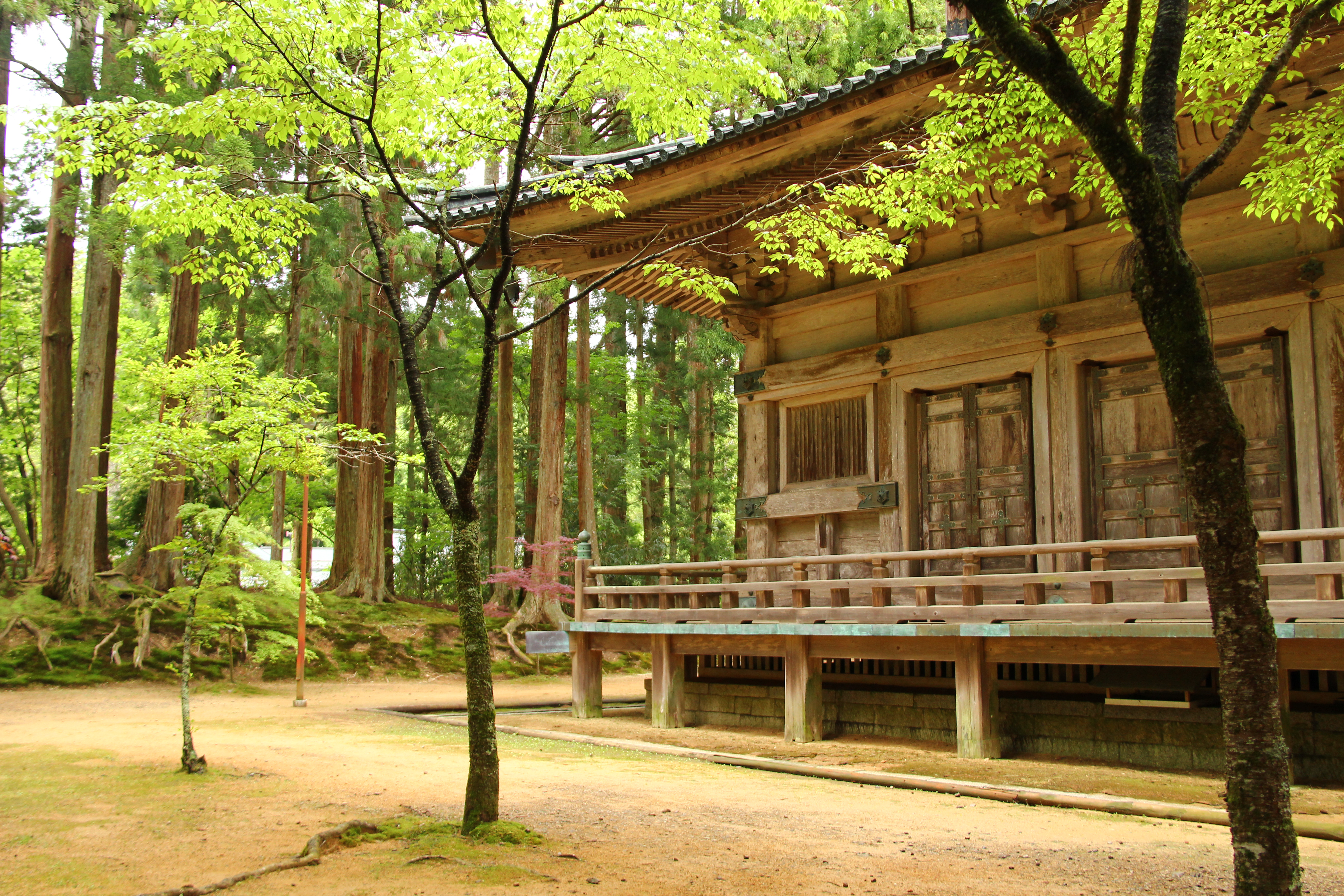
We headed first to Dai Garan, the second most important area of Kōya-san after the cemetery (more on which later): ‘Dai’ meaning great and ‘Garan’ deriving from the Sanskrit for a quiet and secluded place (you see a theme developing, I hope). The area is made up of four main buildings: the Konpon Daito (Great Pagoda), Kondo (Golden Hall), Fudodo (the oldest extant building in Kōya-san, now designated a national treasure) and the Miedo (Portrait Hall). Now, a confession: we did return to this beautiful place the following day, when the sun was out and there wasn’t a cloud in the sky, so I’m cheating and posting mainly photos from that second day.

EE-Koyasan-014

EE-Koyasan-098

EE-Koyasan-031

Kobo Daishi is said to have planned the Great Pagoda as the centre of the whole monastic complex. It took seventy years to build – ultimately having to be completed by his disciple Shinzen – and, at almost 50m high, it’s a magnificent construction. The Konpon has, though, been destroyed by lightning strikes and fire five separate times, so the structure you see today is far from original. Eventually, when sense prevailed (and the appropriate building materials became available), it was re-constructed in ferroconcrete with wooden overlays, to try to avoid the problem happening again. Fingers crossed!

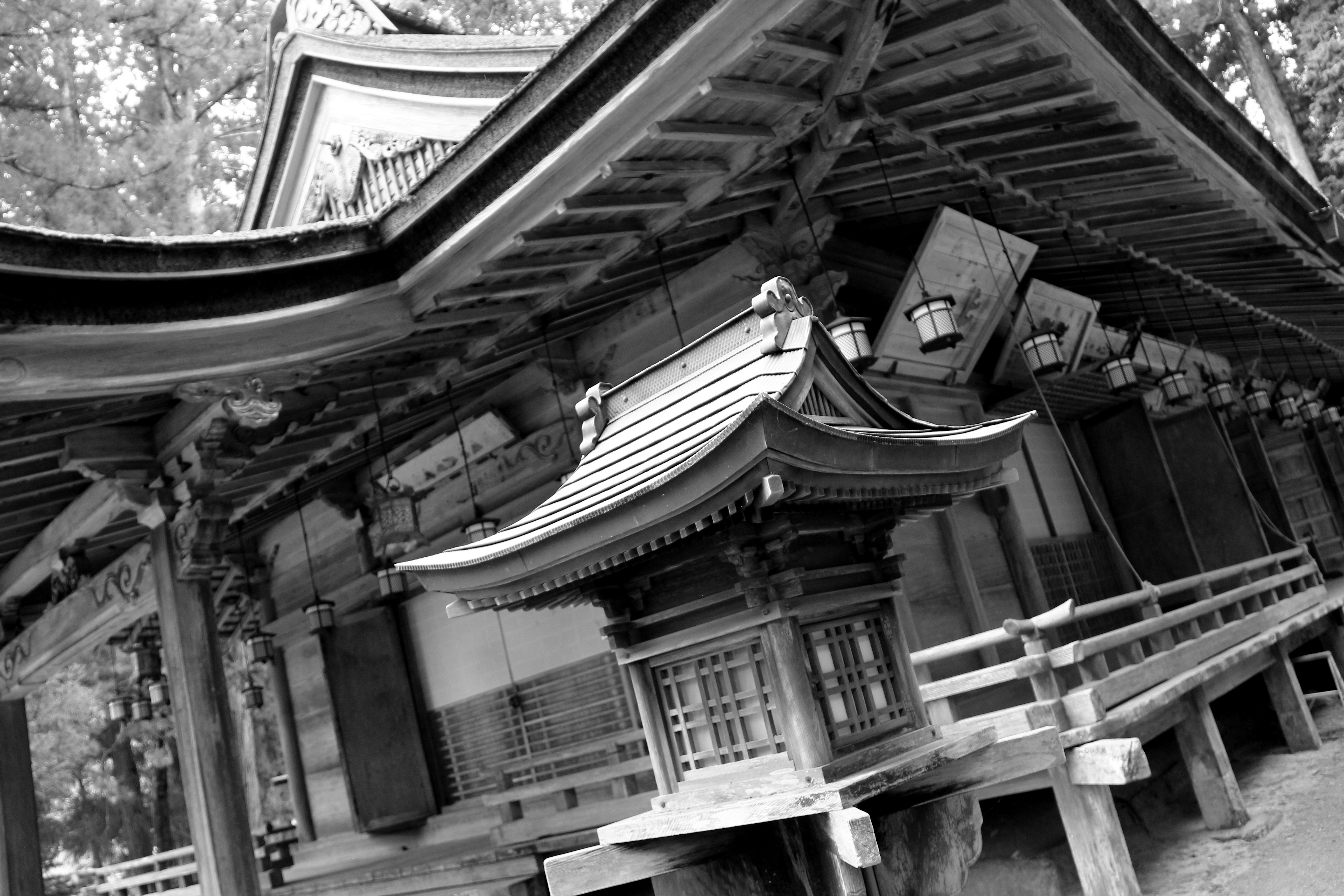
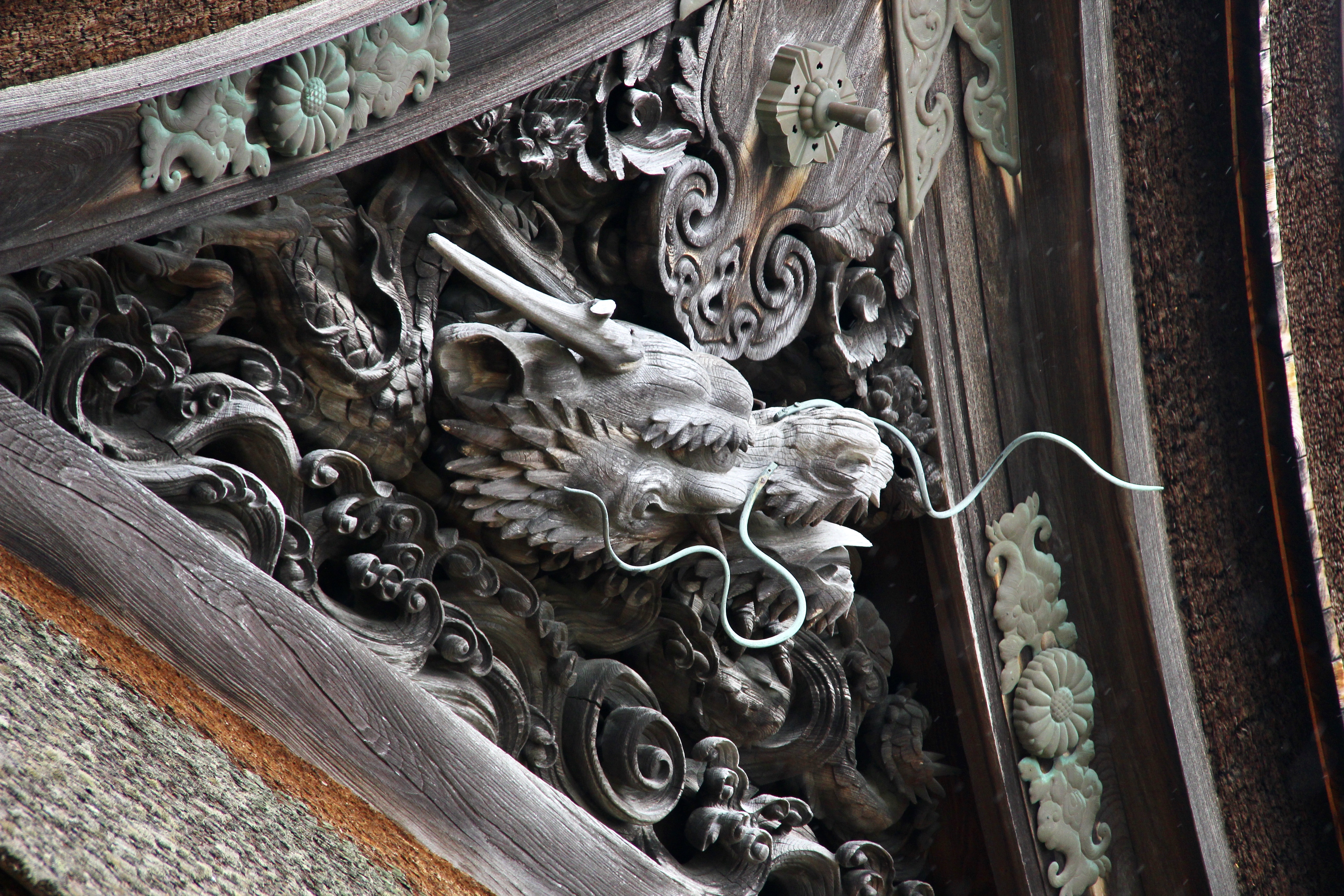
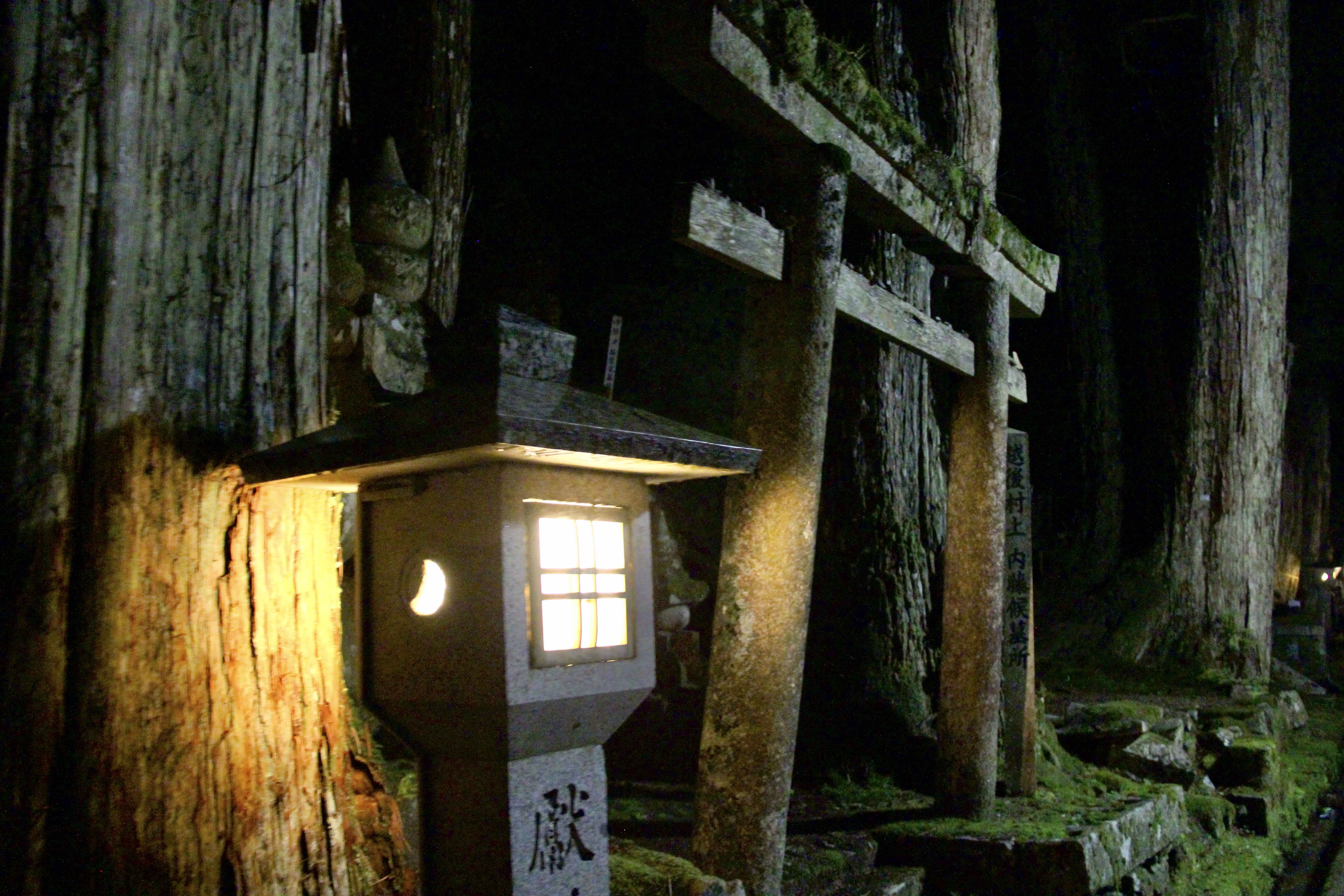
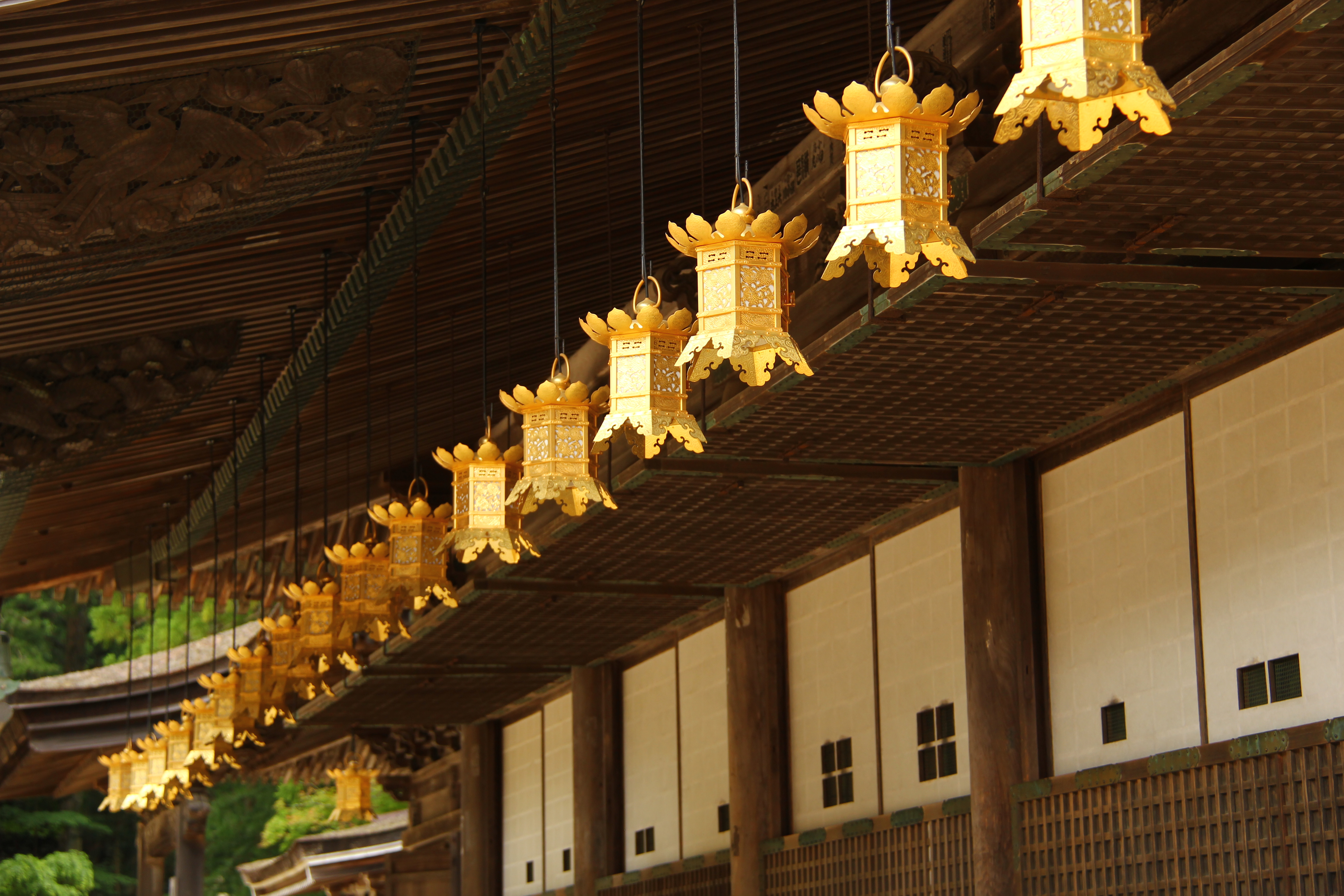
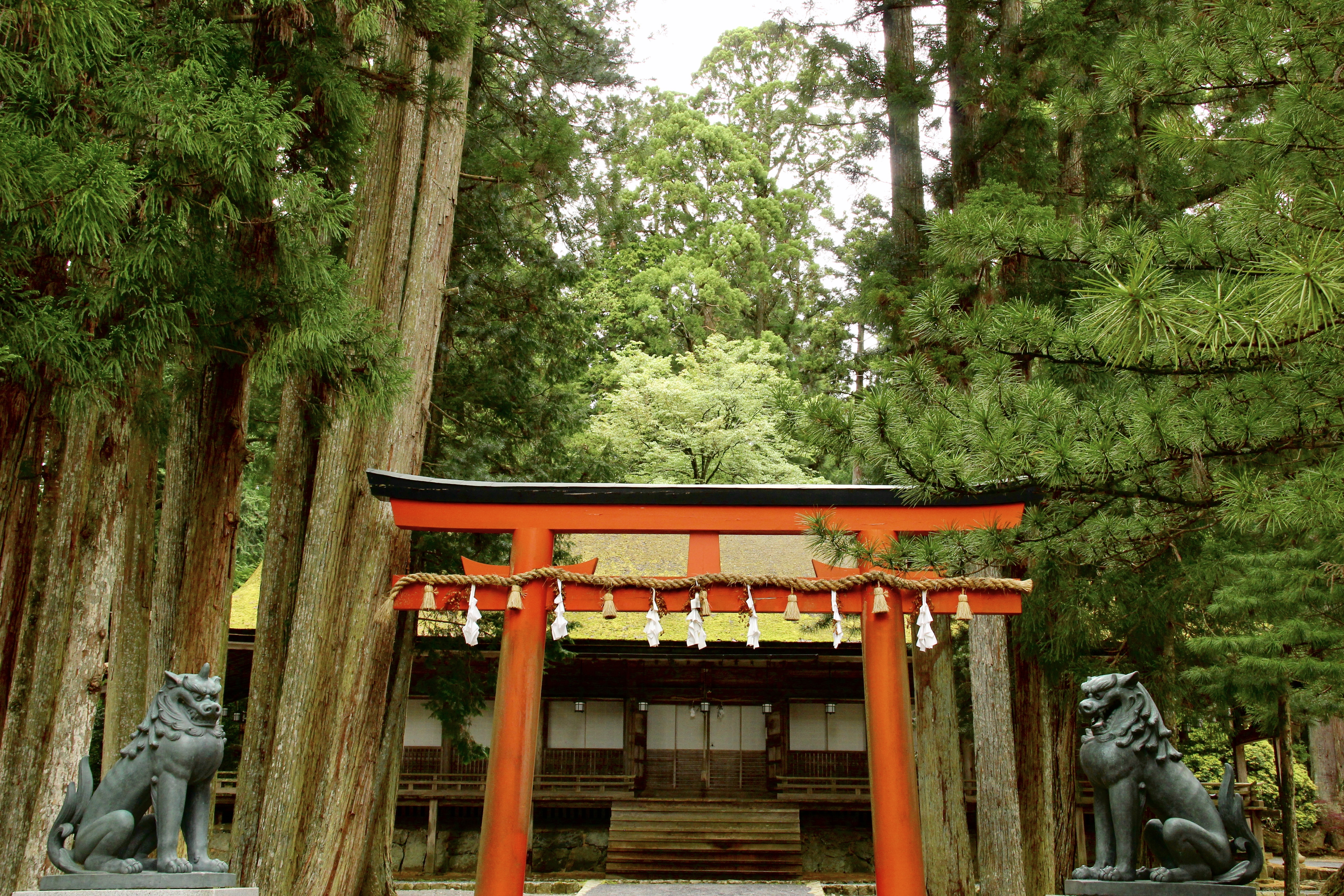
The whole area is quite magical, with moss covered torii gates, dragon guardians, and ancient wooden halls bedecked with lanterns. You’re also more likely to see pilgrims (passing through on the Kii Mountain route) than you are tourists, which is very pleasant indeed.

EE-Koyasan-036

EE-Koyasan-043

EE-Koyasan-037

Given we were close, we also visited Rokkaku Kyozo, a hexagonal sutra repository that houses a complete copy of the Buddhist scriptures in gold ink; as well as Kongobuji temple, the headquarters of Shingon Buddhism. I think this latter temple might have my favourite rock garden in Japan (a close call: lots of strong contenders). It certainly holds the prize for being biggest, at over 2,000 square metres; the 140 pieces of granite having been dragged to Mount Kōya from Shikoku and the white sand all the way from Kyoto. The resulting rock formations in Banryutei garden are designed to resemble dragons emerging from a sea of clouds. Enchanting. It’s always so tempting to sneakily create new patterns in the sand…but the stern-faced gardeners were unlikely to have found this amusing.

The temple also has one of my favourite interiors: the intricately painted sliding doors in the Yanagi-No-Ma (Willow Room) and in front of the Buddha hall depict the four seasons, as well as cranes, rivers and the surrounding landscape, all in beautiful lacquer.

EE-Koyasan-094

EE-Koyasan-016

EE-Koyasan-020

Back at Eko-in, we changed out of wet clothes and attended a meditation with Moshi, one of the resident monks. There are 117 temples in Koyasan, 52 of which are set up as lodgings; and the main reason to stay in one is to take part in the various ceremonies, rituals and meditations alongside the monks. This afternoon’s session was a Ajikan meditation: contemplation of the Sanskrit letter “A”, which is drawn on the image of the moon. The letter “A” represents the Cosmic Sun Buddha, Dainichi Nyorai, and the purpose of the meditation is to make the practitioner and the Sun Buddha become one. Posture is extremely important: you need to sit with your legs crossed and ideally your knees touching the ground, your thumbs touching and your hands making a circle. You must thrust out your stomach and hold it in tension, whilst at the same time relaxing all other parts of your body, and your eyes should be neither open nor closed, in order to watch both the external and internal world at the same time. It’s bloody difficult.

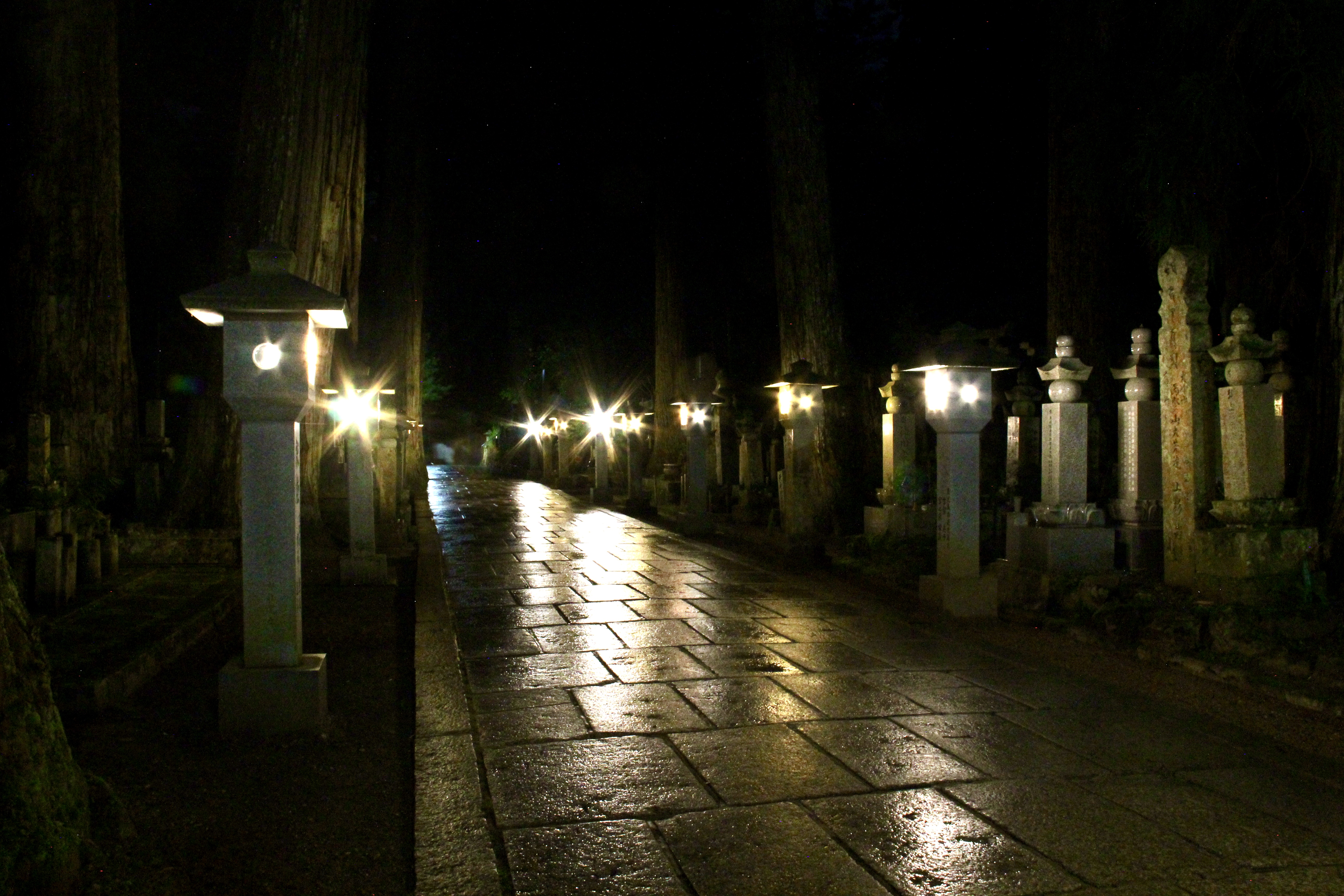
Back in our washitsu room, we enjoyed a traditional Buddhist vegetarian dinner (Shojin-Ryori – see my blog 29 Seasons of Tofu for a full account of this delicious meal) before heading out with Moshi for a nighttime tour of Okunoin, the largest cemetery in Japan. There are more than 200,000 graves in Okunoin, and walking through it in the dark is an atmospheric – if not downright spooky – experience. There are no dead in the cemetery, it is said: only waiting spirits. And Kobo Daishi himself has not passed on; he took himself into the woods on the mountainside towards the end of his life and is there still to this day, meditating for eternity behind a closed gate. The community’s head monk takes him a meal every day and is the only one allowed to go through the gate (I’m not able to confirm, but I suspect this monk is quite portly). But one day – so the apocalyptic prophecy goes – Kobo Daishi will finish his meditation, and it is then that all the souls “resting” in the graves will rise up.

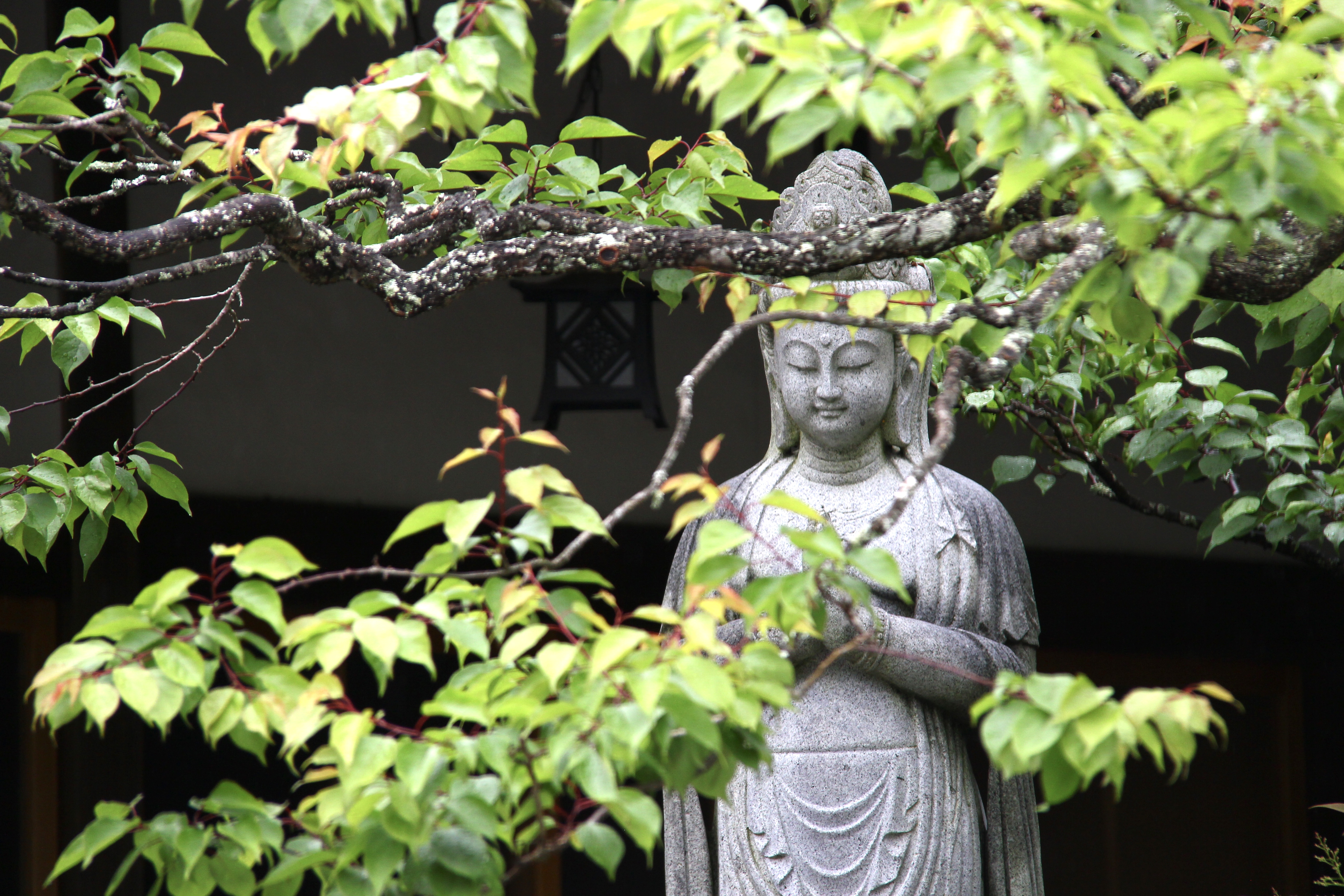
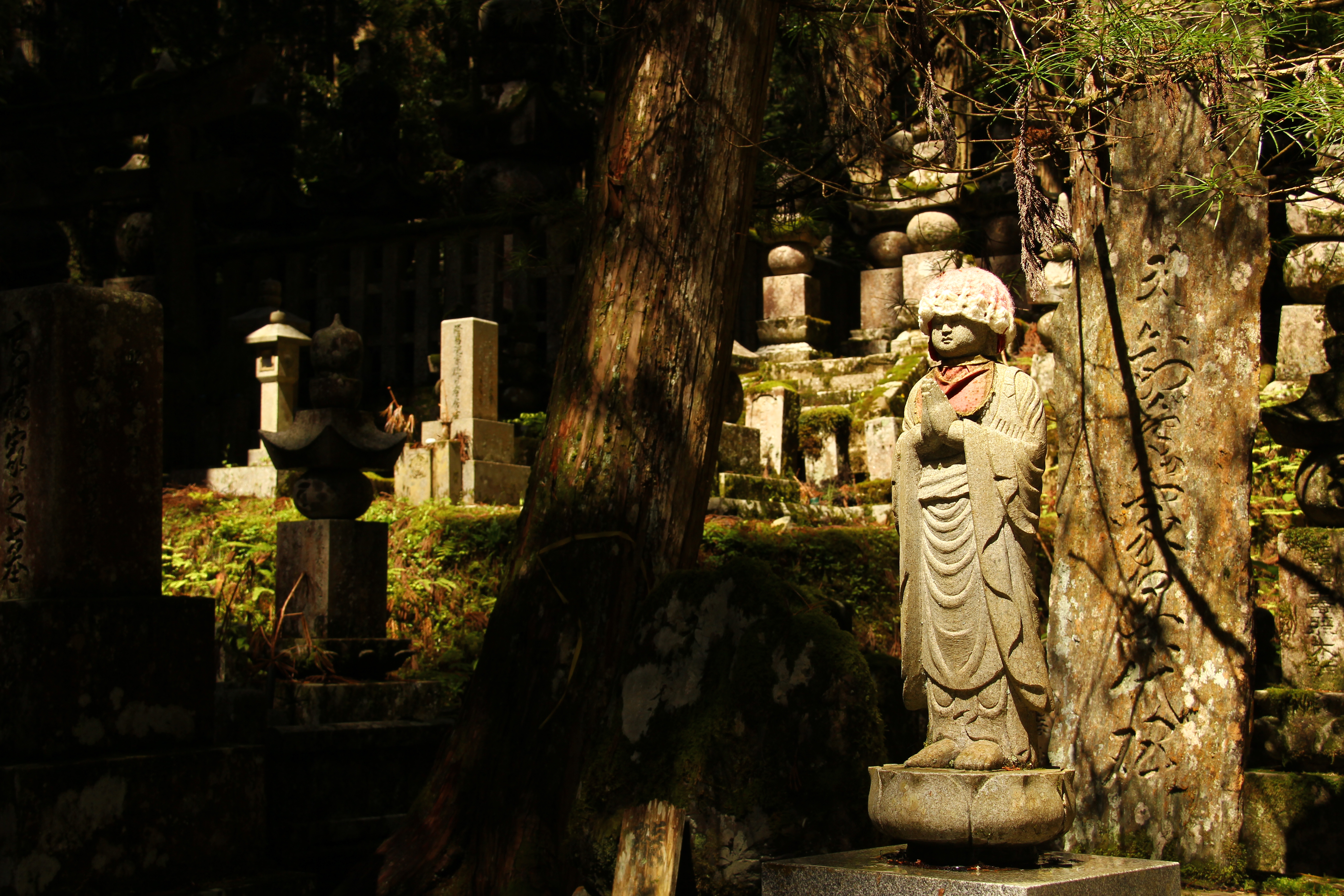
Moshi guided us along rain-shimmering trails, past tall cedar trees and moss covered tombs, stone lanterns casting their glow and lighting our way. He pointed out the five pillars of Buddhism in structural form (earth, space, wind, fire and water) which sit alongside our consciousness; and explained how Shintoism and Buddhism have come together in Japan, which is why you often find Shinto shrines within temple complexes. We were also told to note the numerous depictions of Jizō Buddha, the guardian of youth and patron deity of deceased children and aborted fetuses. He’s usually represented as a small, cheery looking dude, and worshippers tend to knit little hats and clothes to adorn his statues. I later learned, however, that Jizō is also regarded as the Bodhisattva of hell-beings…so felt a little less warmly towards him after that.

EE-Koyasan-052

EE-Koyasan-053

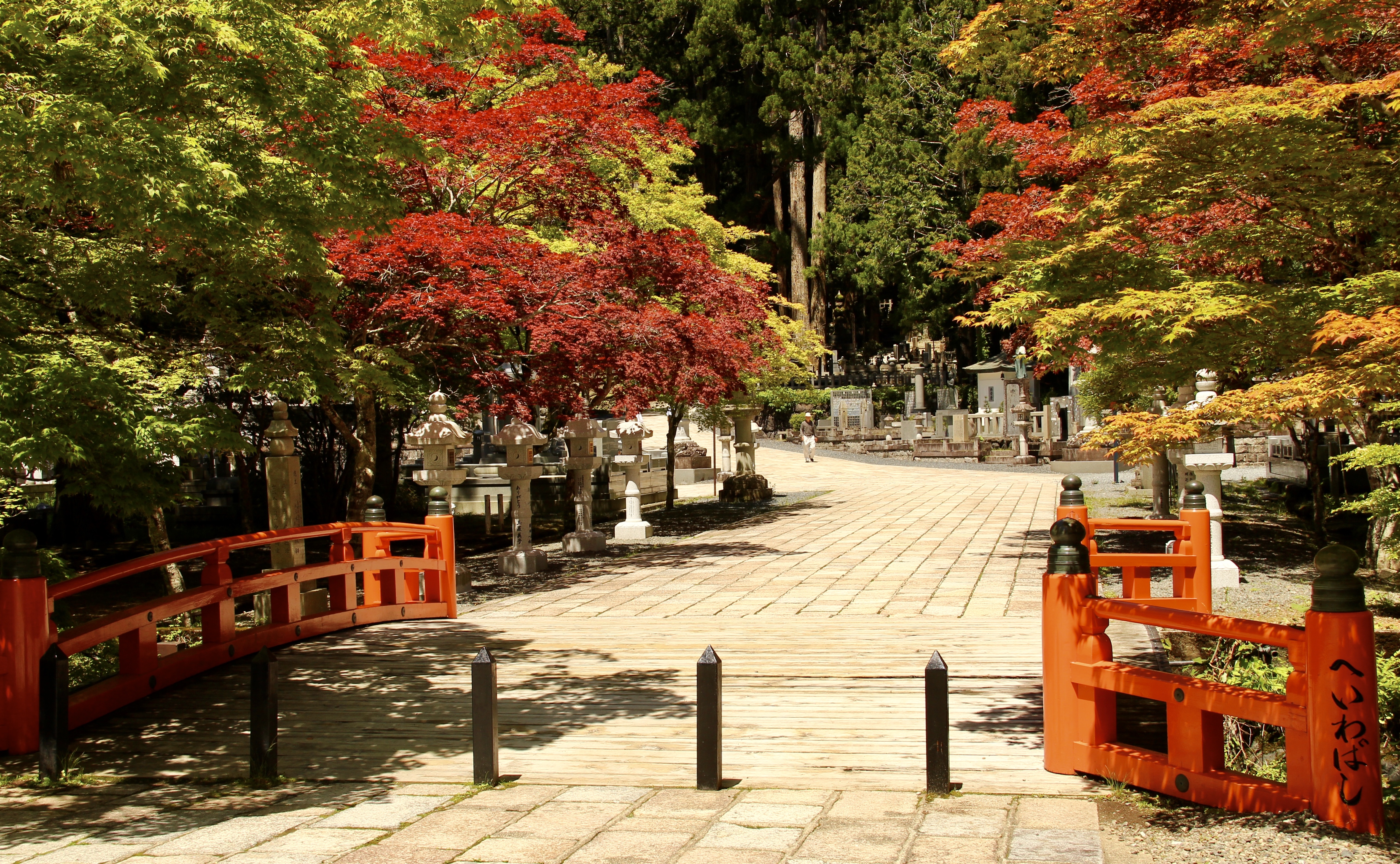
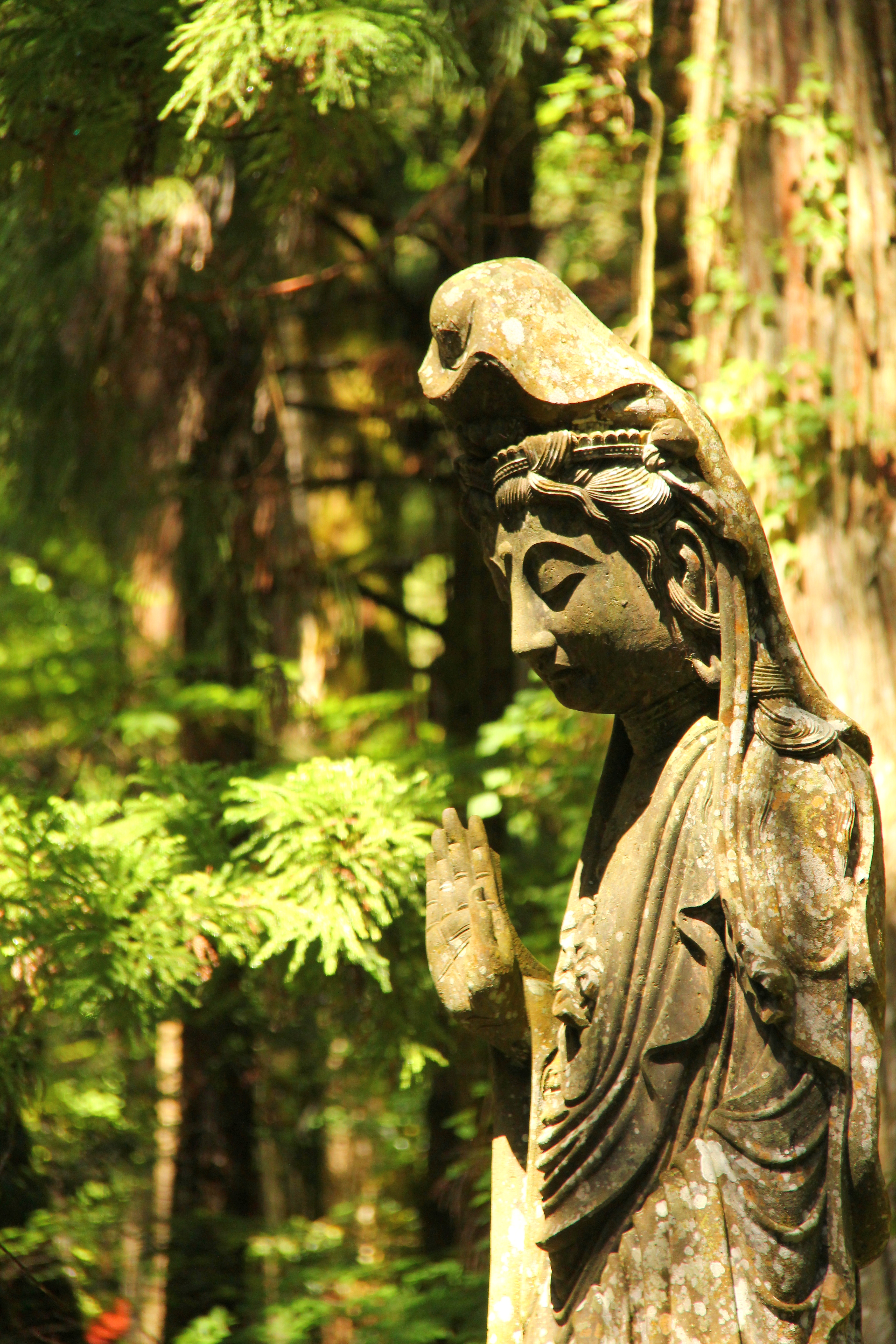
We followed the path through the forest and up to Kukai Mausoleum, a very sacred place where no food can be consumed and no photos taken. Once you cross the Gobyo no Hashi bridge, we were told, you have entered a higher level of the sacred. At this point, you must throw water over one of the Buddha statues lining the route, cleansing yourself for the journey ahead. Preferable, we quickly decided, to the original ritual of bathing in the freezing mountain stream.

The mausoleum is a stunningly beautiful hall, flanked by the Toro-do lantern pavilion. Legend has it that some of the gold lanterns have been burning continuously for 1,000 years. Around the back is a giant lantern with gold lotus flowers. This is the innermost sanctum, where the gate behind which Kobo Daishi meditates can be found. Moshi paused here to recite a sutra, and whilst he chanted I stared around is awe, thinking myself very privileged to see such a special place.

Making our own way back to Eko-in, we lost the crowd and took time to absorb the place, wandering the dark trails alone. Maybe a little too contemplative, since we only just made it back to the temple in time for the 9pm curfew, apologising to the waiting monks for our tardiness. Slinking back to our room and dressing in traditional yukata, we hung out playing card games for a while, but – knowing we’d be up at 6:10am for morning meditation – hit the hay quite quickly.

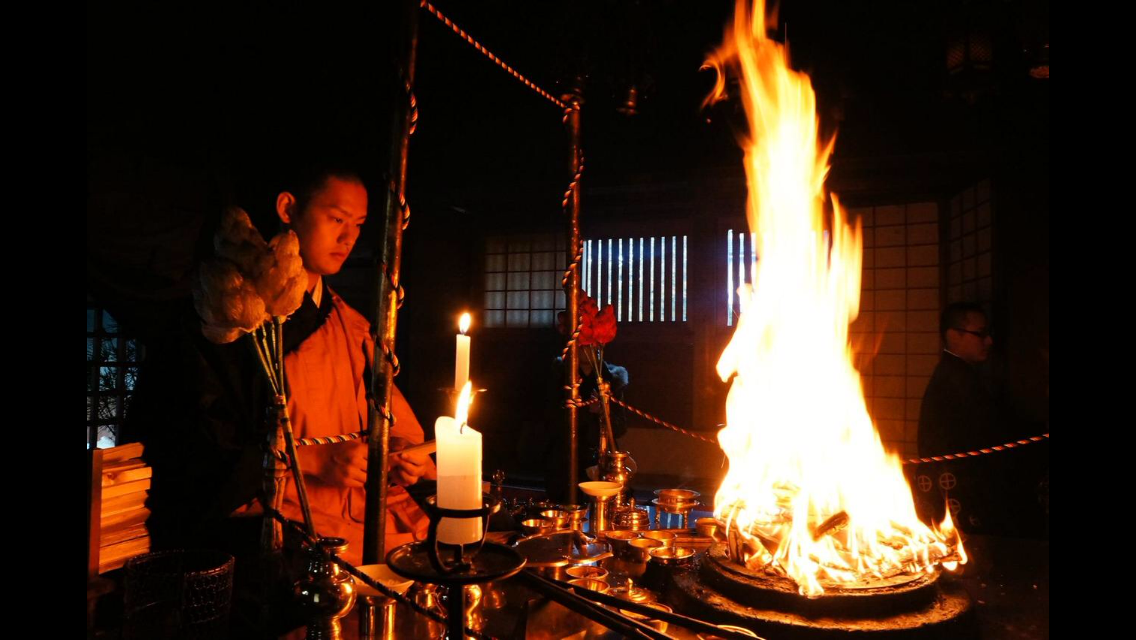
Waking to the sounds of monks chanting in the main temple hall, we joined our fellow lodgers for the first of the day’s ceremonies. I can’t pretend to know what this one was about, but there was cymbal clashing, repetition of a low, humming mantra, and an iron pot was hit several times; then we were invited to light incense and quietly shuffle in a circle around the hall, bowing to Buddha. Moving on to a second temple building, we were next invited to join the Gomakito (Homa fire ritual).

EE-Koyasan-002

This ceremony is unique to Vajrayana and Esoteric Buddhism and is considered one of the most cognitively powerful. It is performed by consecrated priests and acharyas (religious instructors) for the benefit of either individuals, the state at large, or indeed all sentient beings. The fire is believed to have a powerful cleansing effect, both spiritually and psychologically; the ritual destroys negative energies, detrimental thoughts and desires, and bestows blessings. We were told to write a prayer/wish on a wooden stick, which was later thrown into the fire, along with seeds tossed by our acharya. He also splashed the flames with liquid, fanned the fire and rubbed (what looked like) rosary beads, whilst other monks chanted and banged a taiko drum. At the ritual’s climax, we were invited to waft smoke from the fire onto parts of our body that might be in pain. It was certainly dramatic…and incredibly smoky!

Our futons had been removed while we were gone, so with no chance to returning to sleep we had a quick dip in the public baths (Paul reporting that the men were much more reserved than the women) and then revisited the cemetery. It was great to experience it in a whole new light – and a particularly glorious, blue skied light at that. A completely different atmosphere to the preceding evening.

Having exhausted the delights of Okunoin, we caught a local bus up to the imposing Daimon gate at the edge of town, walking back through the village to revisit Dai Garan and stop for a casual lunch of katsu and donburi. Just time for a quick kimono purchase, from an elderly lady on the main drag, before catching the funicular back to the station. Onward to Osaka…

EE-Koyasan-076

EE-Koyasan-074

EE-Koyasan-077

EE-Koyasan-073

EE-Koyasan-089

EE-Koyasan-082

EE-Koyasan-075

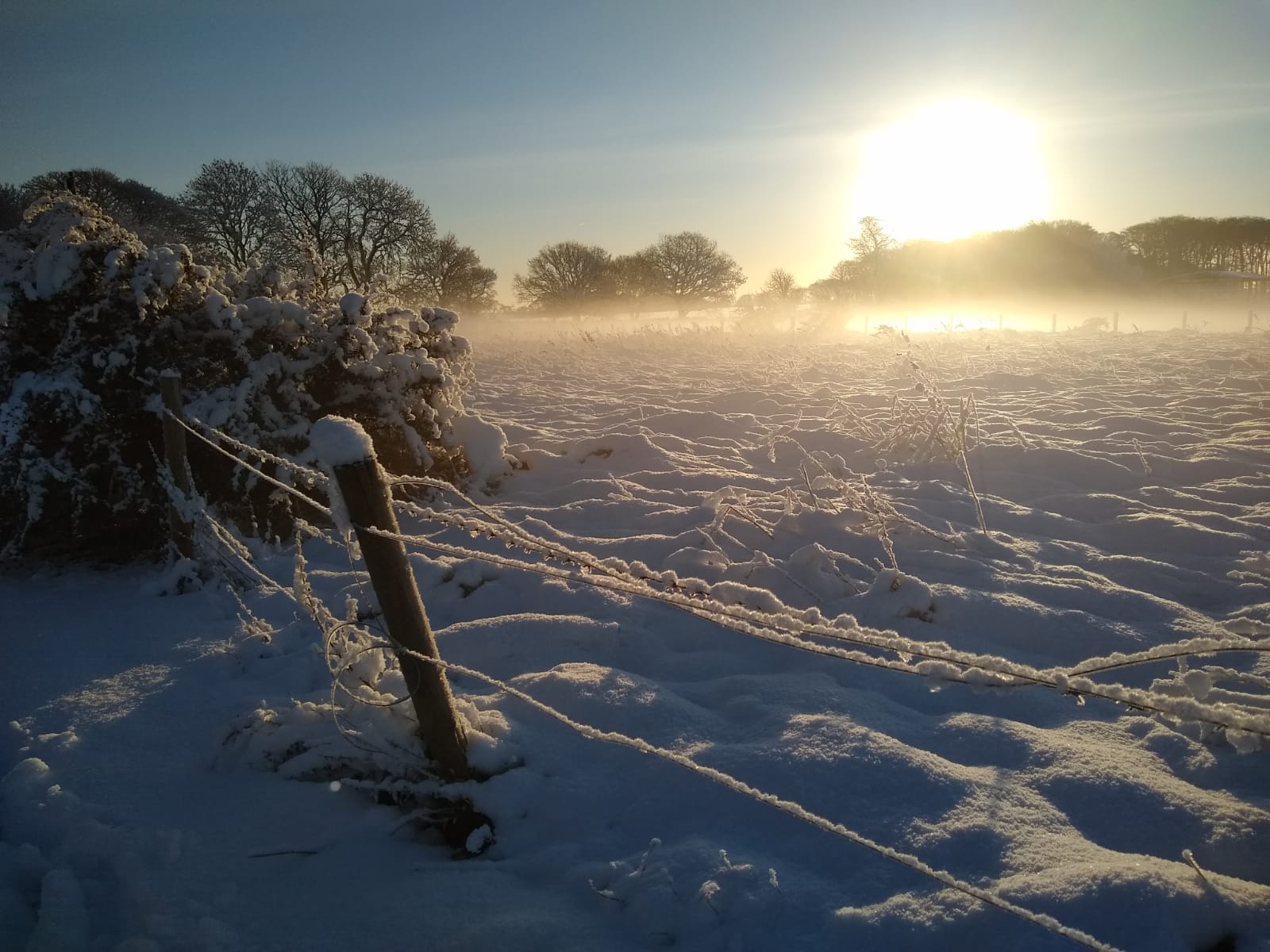
Boreas

It sifts from leaden sieves,

It powders all the wood,

It fills with alabaster wool

The wrinkles of the road.

It makes an even face,

Of mountain and of plain, —

Unbroken forehead from the east

Unto the east again.

It reaches to the fence,

It wraps it, rail by rail,

Till it is lost in fleeces;

It flings a crystal veil

On stump and stack and stem, —

The summer’s empty room,

Acres of seams where harvests were,

Recordless, but for them.

It ruffles wrists of posts,

As ankles of a queen, —

Then stills its artisans like ghosts,

Denying they have been.

– Emily Dickenson

AGQK0167

Bramhope Paddocks (Credit: Robert Wood)

678dfd78-1efe-4361-a0fb-292b29ba7ae6

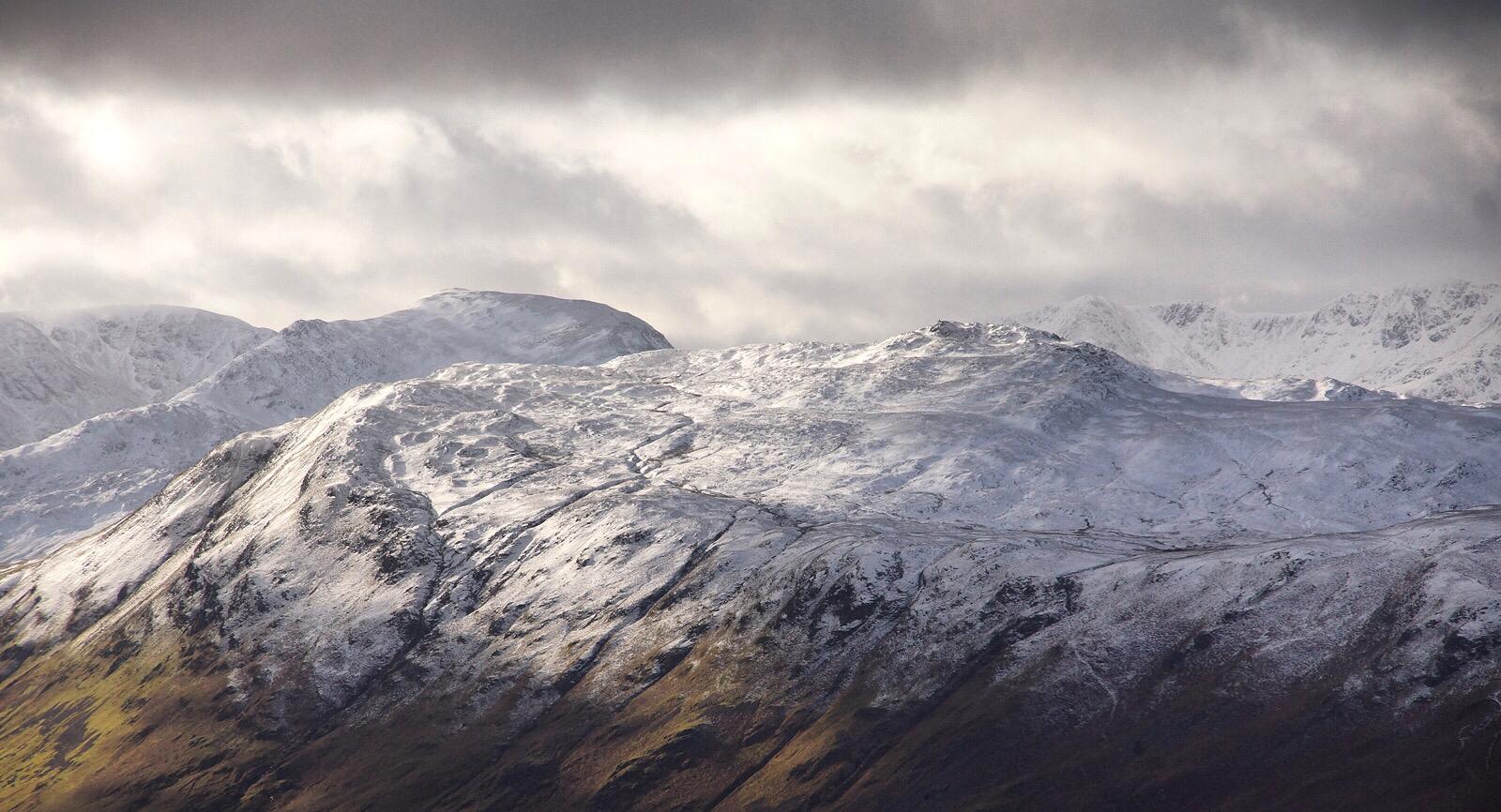
Swineside Knott and Sheffield Pike (Credit: Dave Adnitt)

DSCF2375

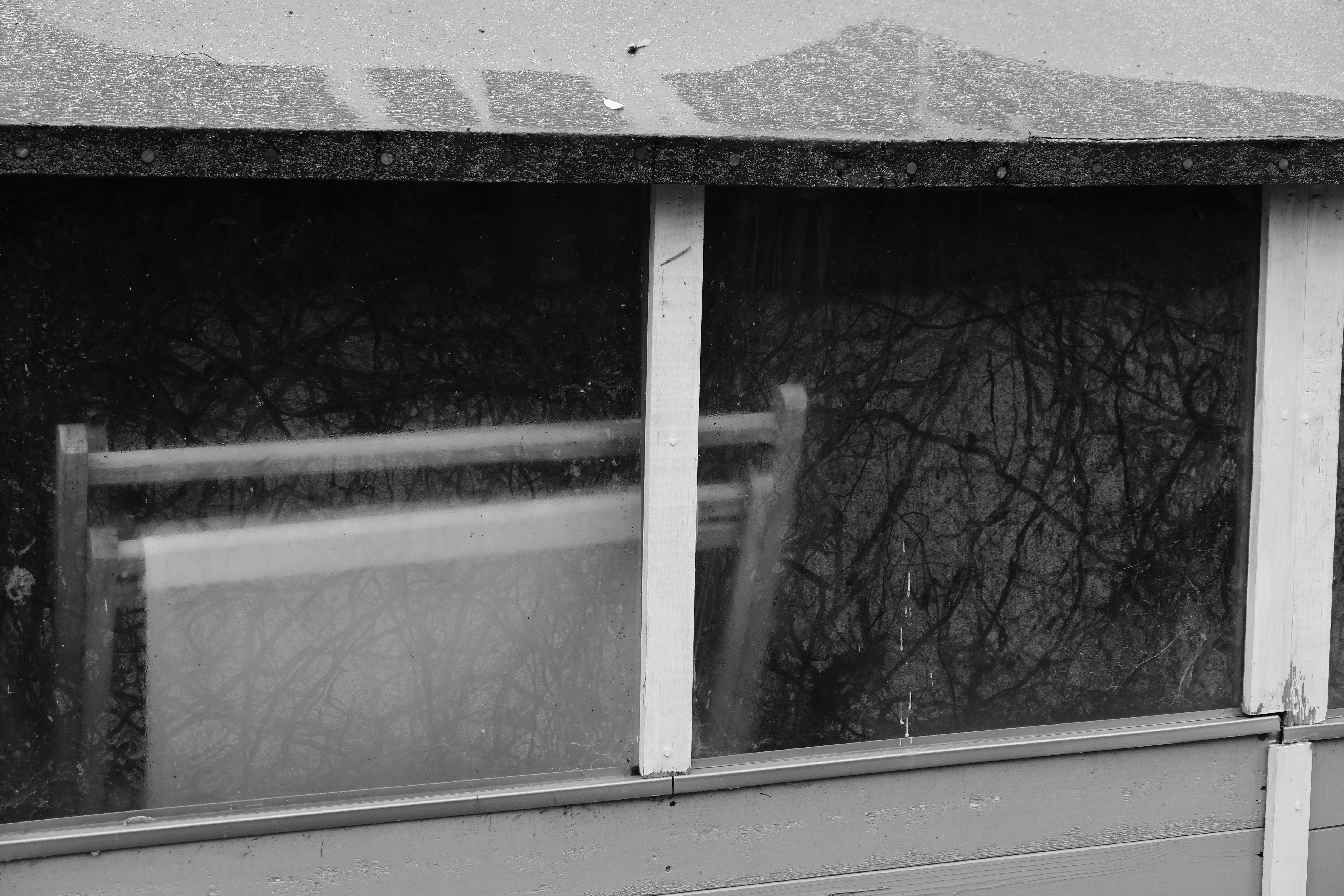
Gloomy Norwood Shed

IVAC3363

Misty Waterfowl (Credit: Dave Adnitt)

DSCF2414

Holly Bush

DSCF2389

Wombling in Wimbledon

DSCF2378

Incessant Grey

DSCF2550

Crystals in the Palace

20fdd198-305c-4c0e-99e6-31c2c92c67ad

Blencathra (Credit: Dave Adnitt)

VHTW6692

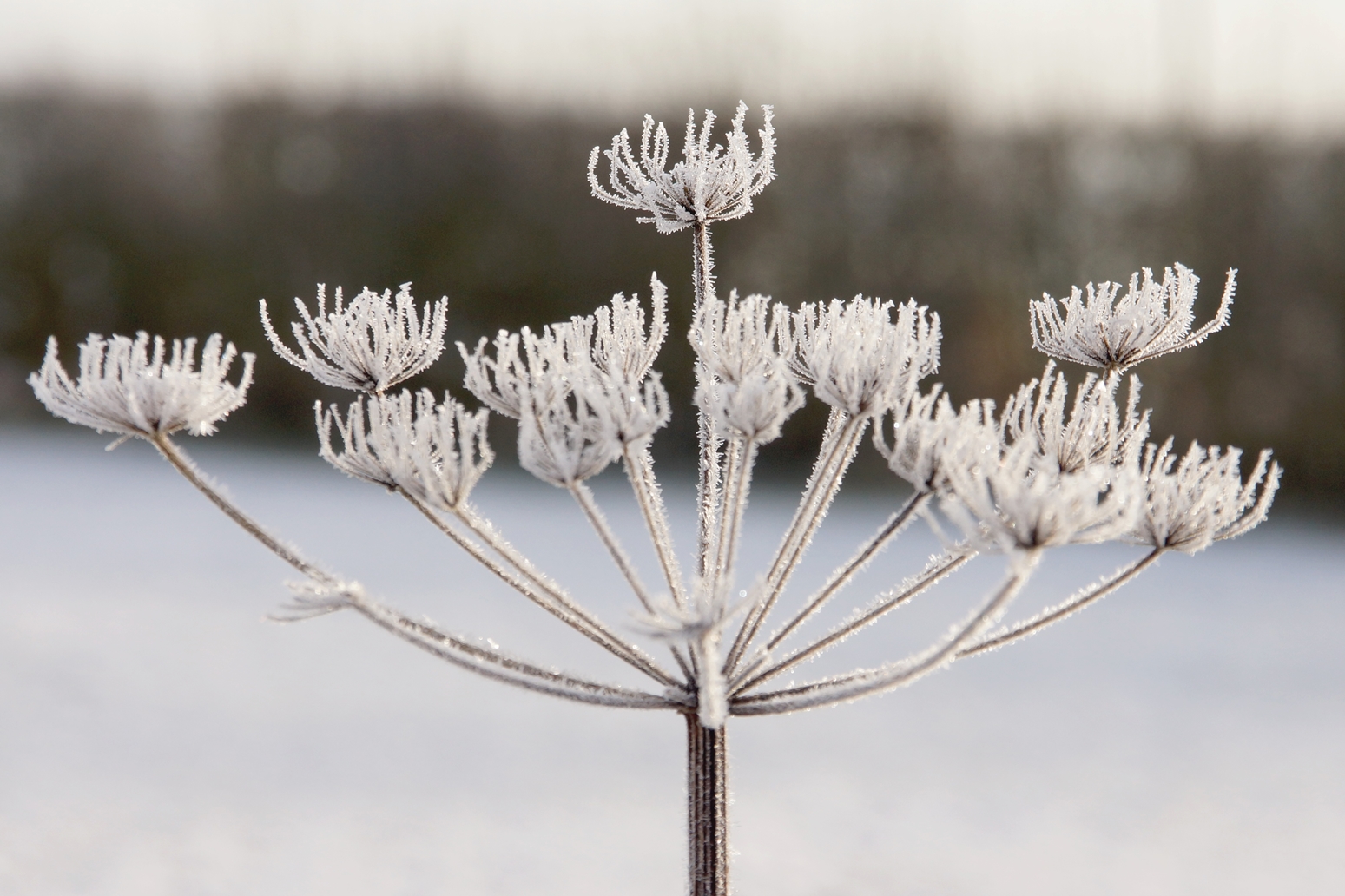
Delicate Frost (Credit: Dave Adnitt)

Chōkoku

Reminiscing on far-flung places again today, as I sit shivering in my slipper socks. Hakone was the last stop on our tour of Honshu and, to be honest, a little disappointing on the whole. A tourist trap, with the distinct air of faded-glory. People flock there to tour the National Park in an effort to catch a glimpse of Mount Fuji. But it’s often shrouded in cloud. We didn’t see it. And I wouldn’t bother with the boat trip across Lake Ashi or the sulphur springs at Owakudani Valley (a hole in the ground with a giant gift shop). The kuro-tamago (“black eggs”) you’re encouraged to taste at the springs are…well, they’re like eggs…with black shells. And they smell of sulphur.

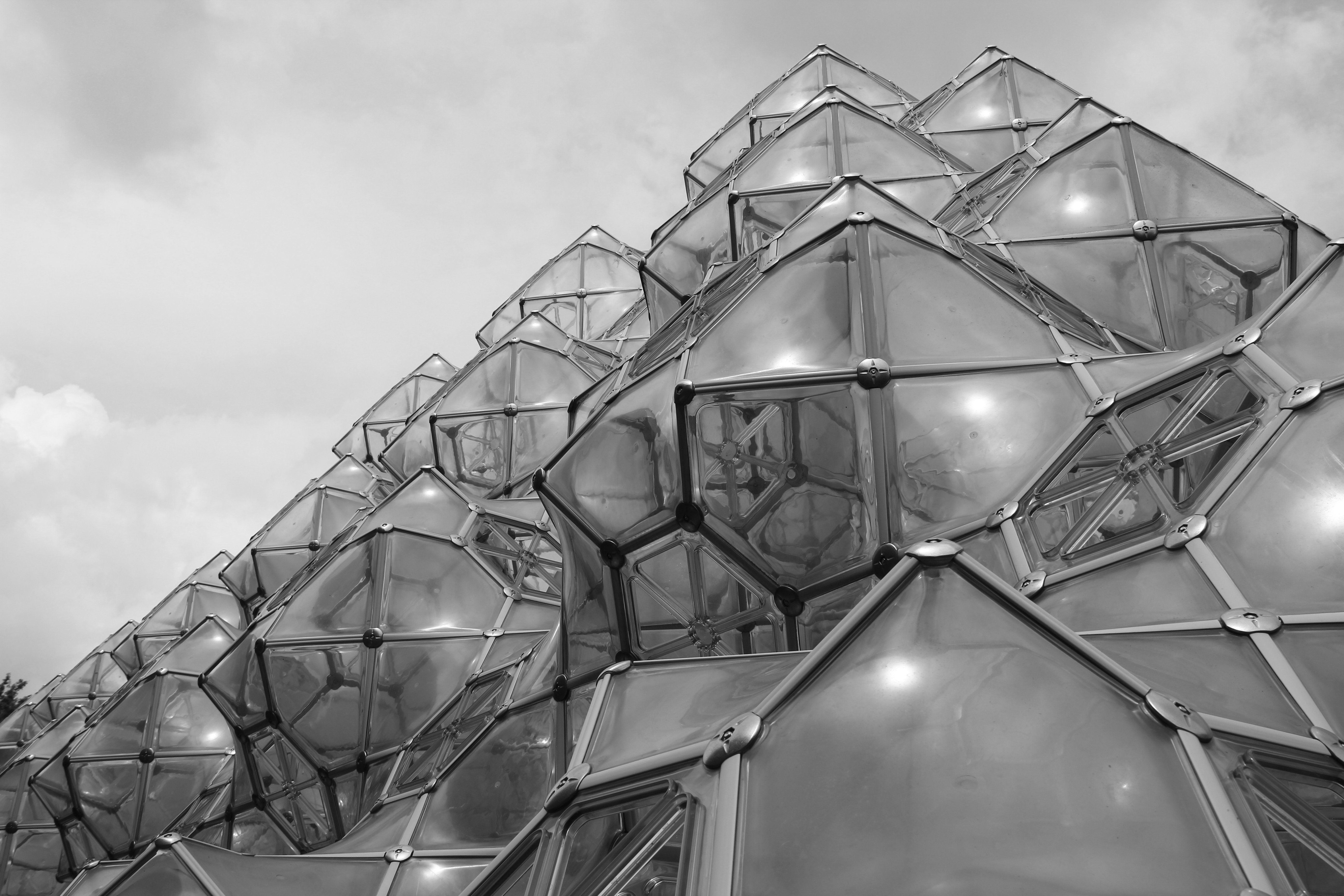
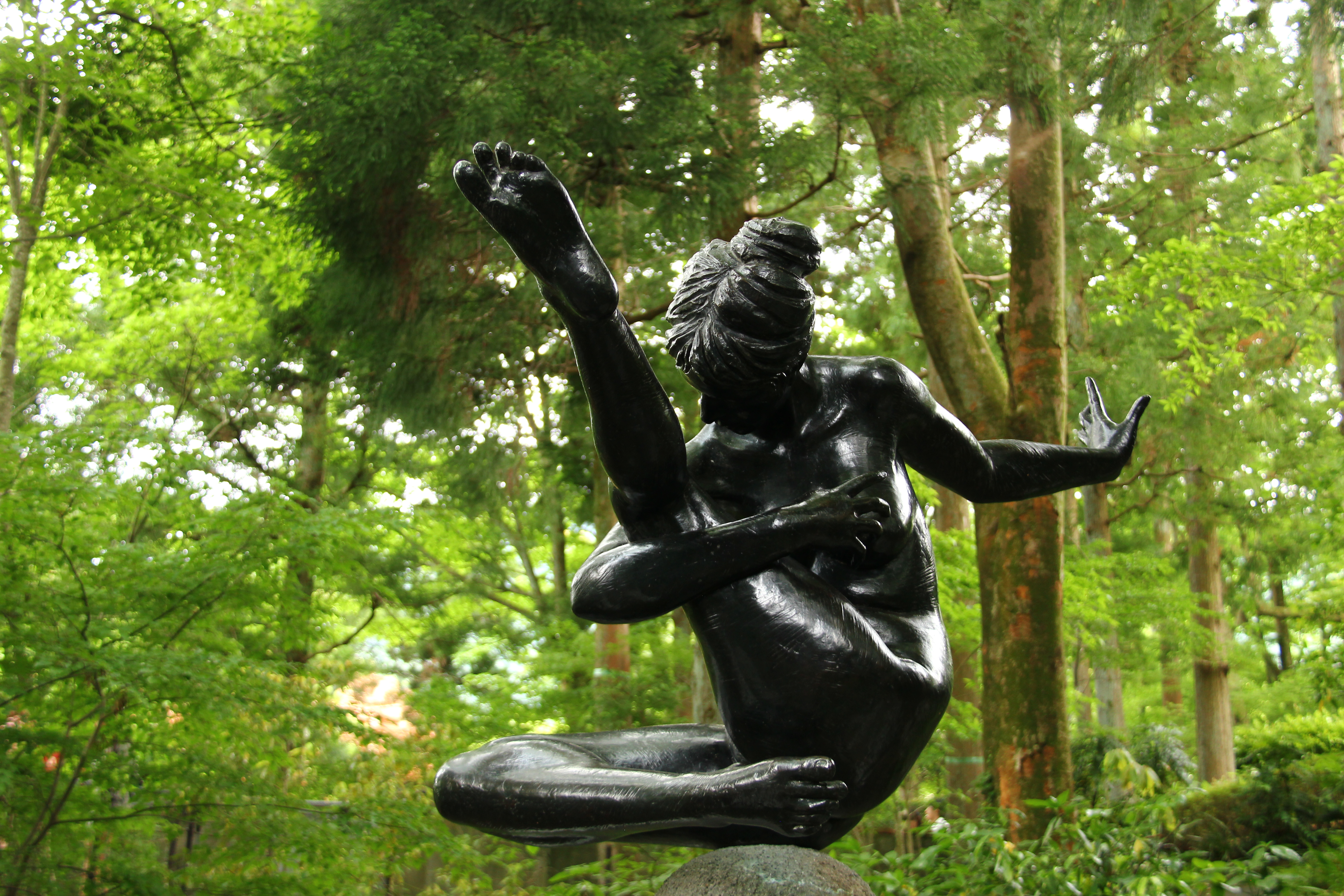
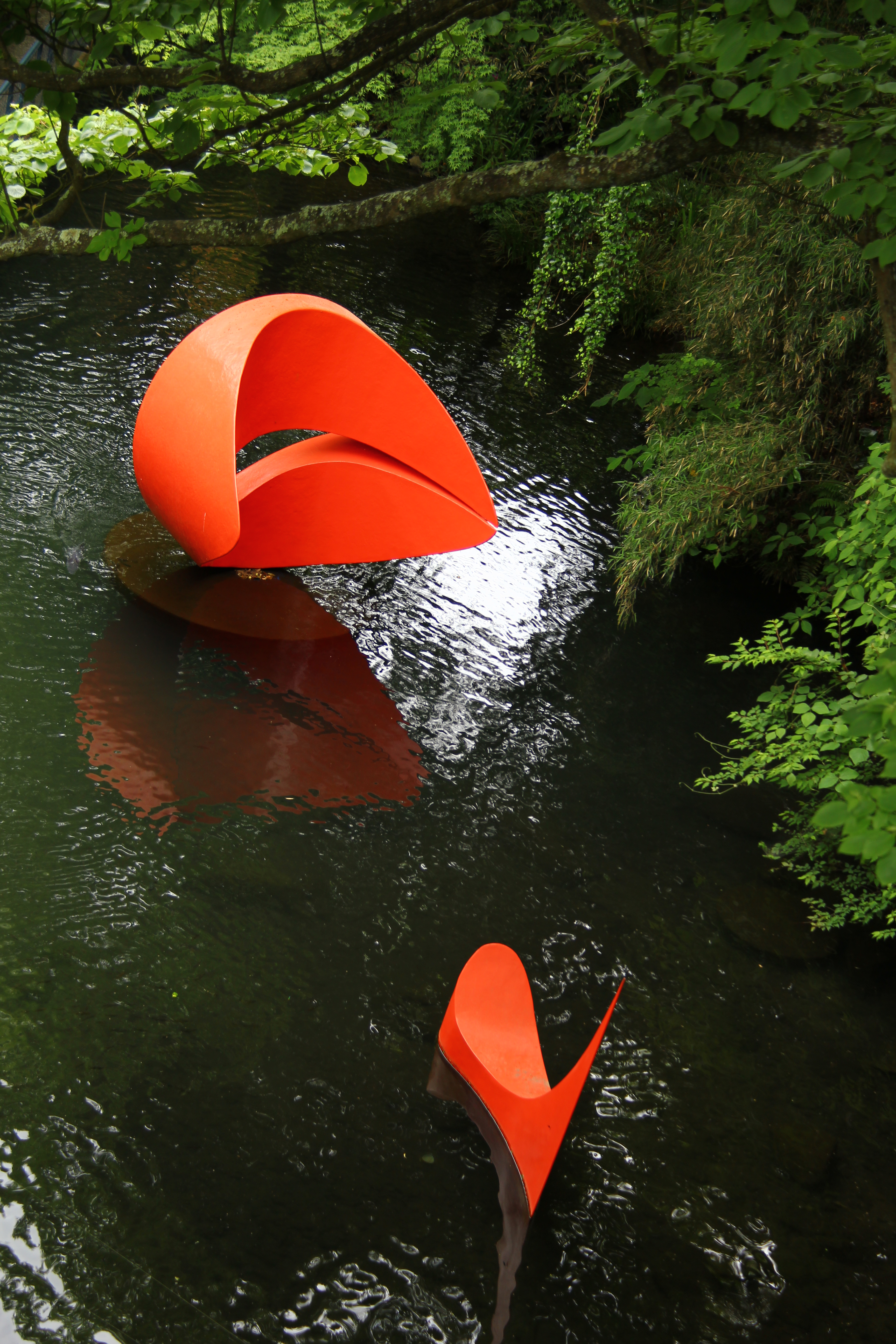
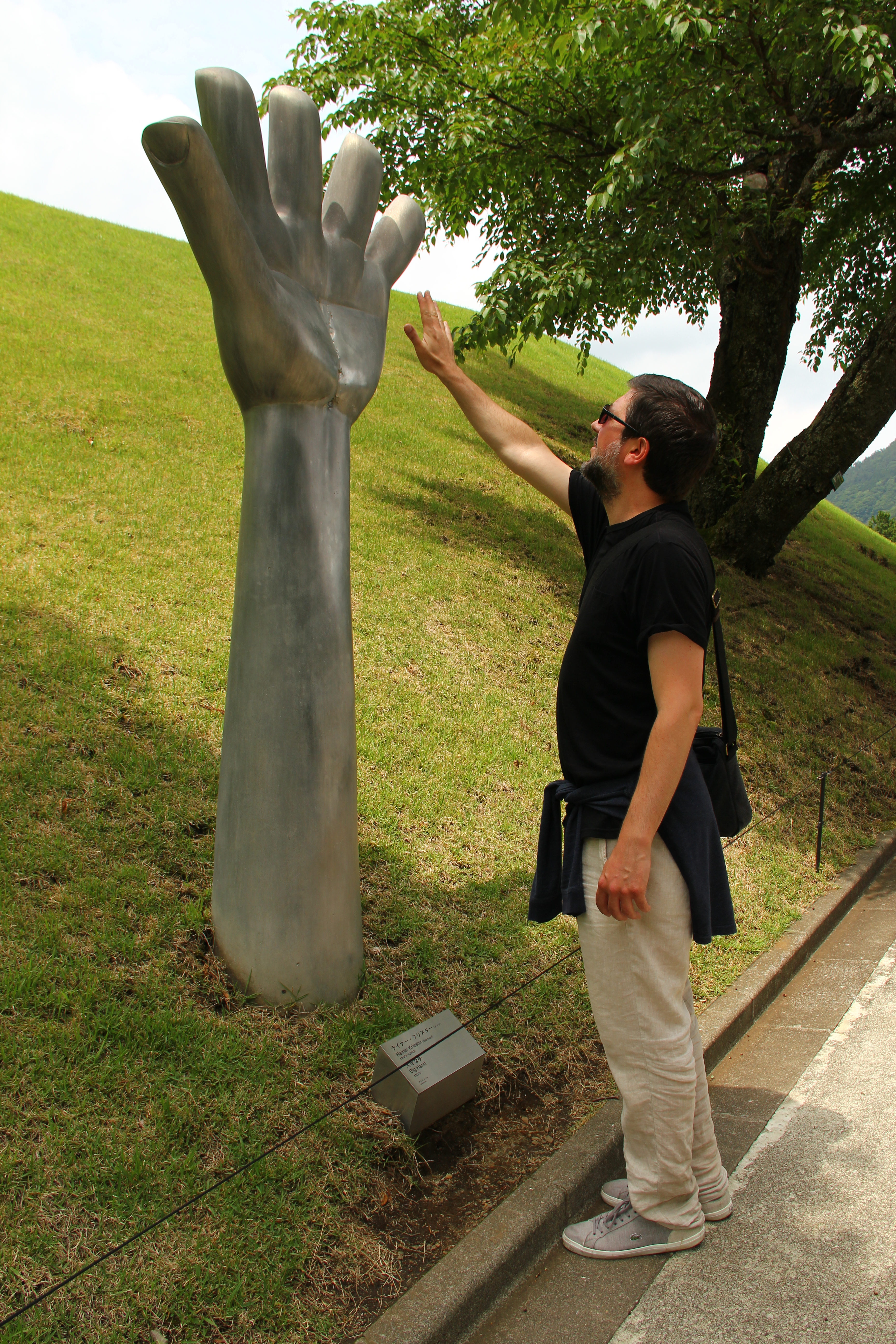
So I wouldn’t recommend a visit to Hakone then? Well…that’s tricky. Because there were nuggets of real interest. The Pola Museum of Art, for example, where we took in a fantastic exhibition by Emile Galle. And the Gora Grill by chef Nobuyuki Matsuhisa (of ‘Nobu’ fame). But it was the absolutely stunning Open-Air Museum in Ninotaira that truly saved our stay there…in spectacular fashion!
Opened in 1969 , the OAM was the first alfresco art museum in Japan and the park now houses around 120 works spread over 70,000 square metres. You can spend most of the day there and it made me quite giddy with excitement. Here are a few snaps, which really don’t do justice to the place but hopefully give a sense of its magnificence…

868247EE-63F6-4CFD-8834-6DAA09A91D5C

Ryoji Goto, Intersecting Space Construction (1978)

HH-Hakone-129

Takashi Mine, Primavera (1972)

HH-Hakone-145

Peter Jon Pearce, Curved Space (1979-1994)

HH-Hakone-074

Arnaldo Pomodoro, Sfera con Sfera (1978-80)

HH-Hakone-136

Yuki Shintani, Alba (1972)

HH-Hakone-144

Marta Pan, Floating Sculpture 3 (1969)

HH-Hakone-114

Masamichi Yamamoto, Dream of Ancient Times (1980)

HH-Hakone-065

Tarō Okamoto, L’Homme Végétal (1971)

HH-Hakone-081

Antony Gormley, Close (1993)

HH-Hakone-147

Rainer Kriester, Big Hand (1973)

HH-Hakone-069

Hakone OAM

4F703AAA-BEBB-4524-9324-AA194DA5C794

Yves Klein, Blue Venus – S41 (1962)

HH-Hakone-127

Shin Yamamoto, [Hey!] (1992)

HH-Hakone-078

Giuliano Vangi, Grande Racconto (2004)

HH-Hakone-089

Carl Miles, Man and Pegasus (1949)

HH-Hakone-084

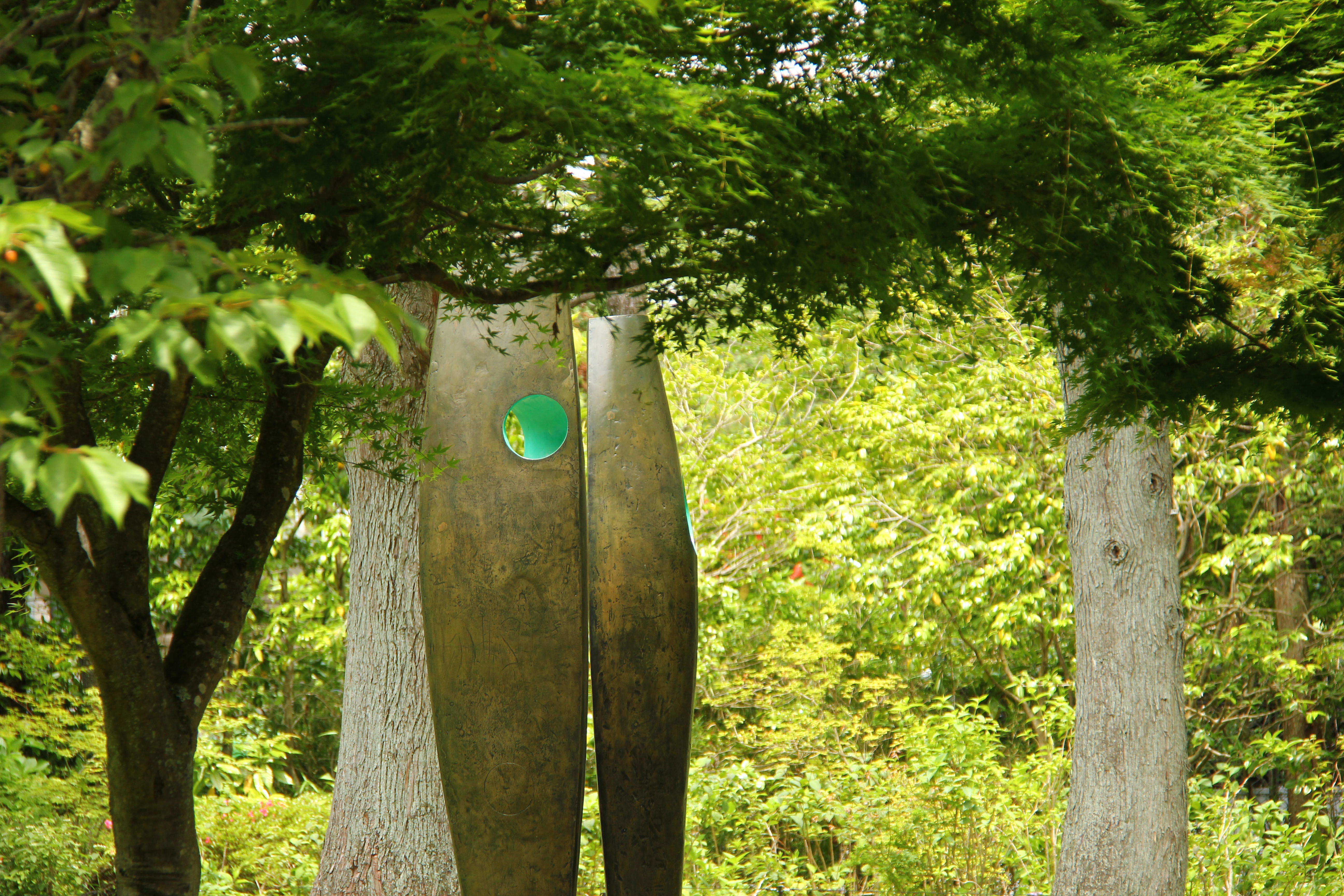
Barbara Hepworth, Two Figures (1968)

18AA506D-CD26-4945-9DB8-1FBA0022B02D

Santiago de Santiago Hernández, Unidos (1986)

HH-Hakone-139

Tarao Yazaki, Religious Mendicant (1971)

HH-Hakone-125

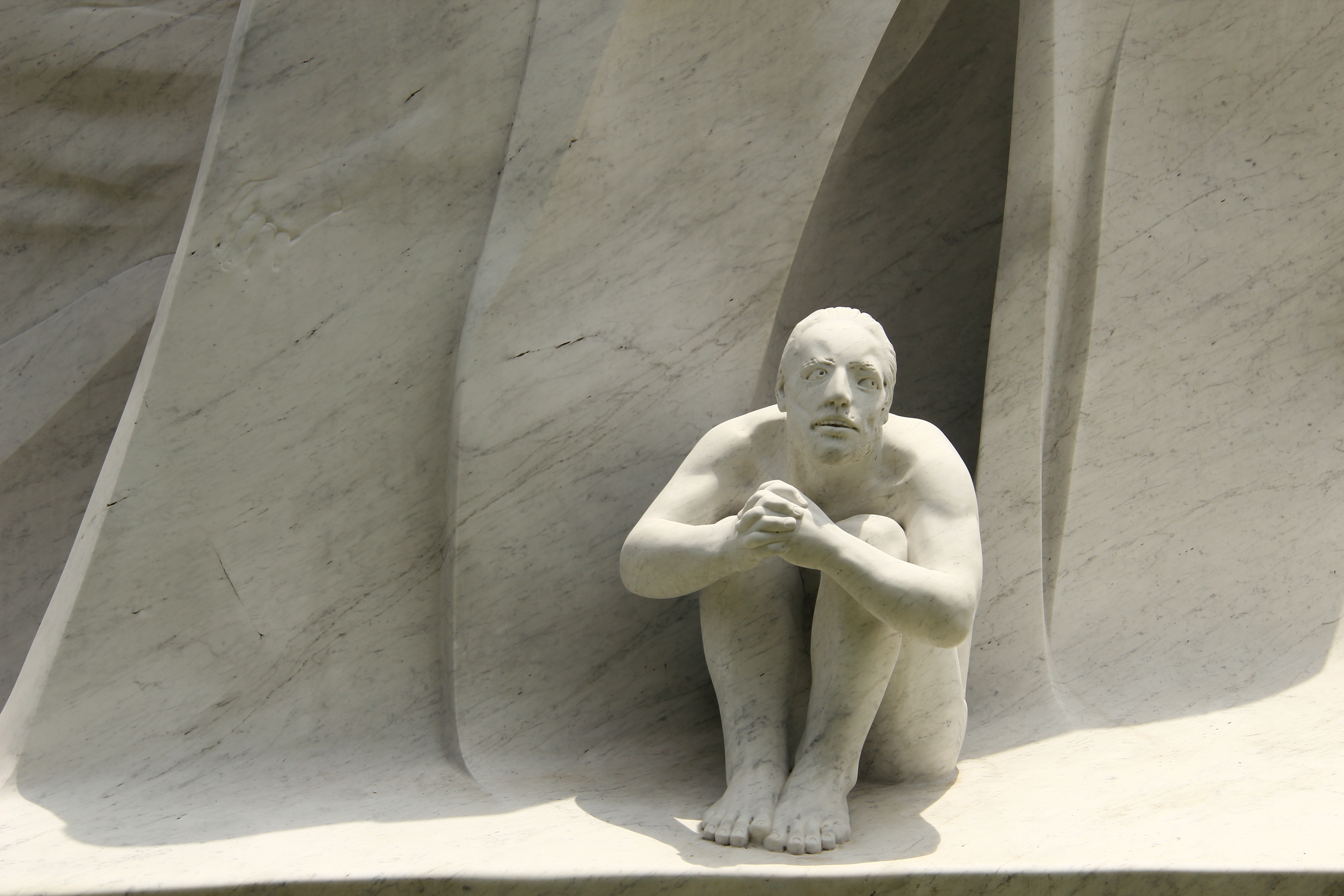
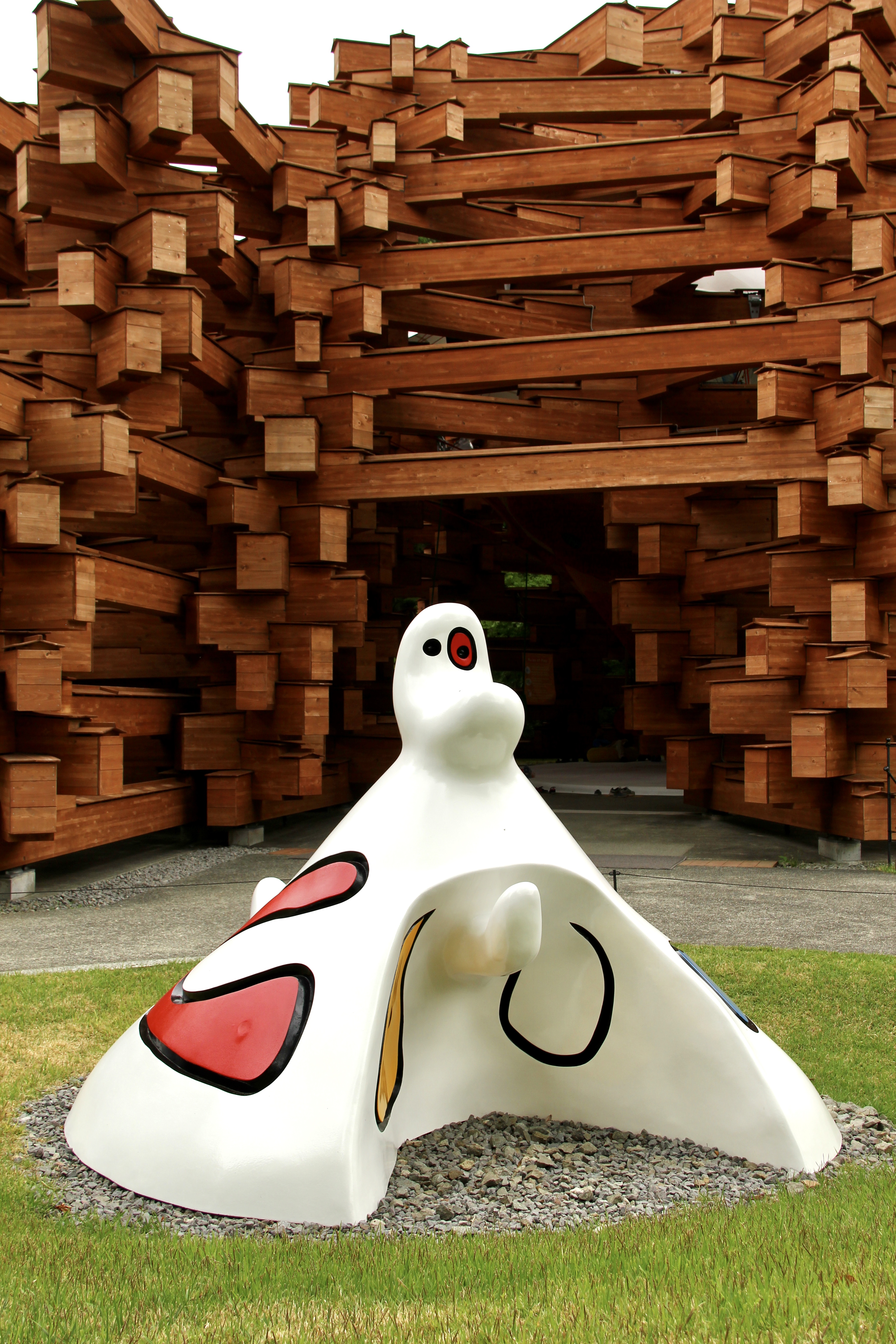
Joan Miró, Personnage (1972)

HH-Hakone-104

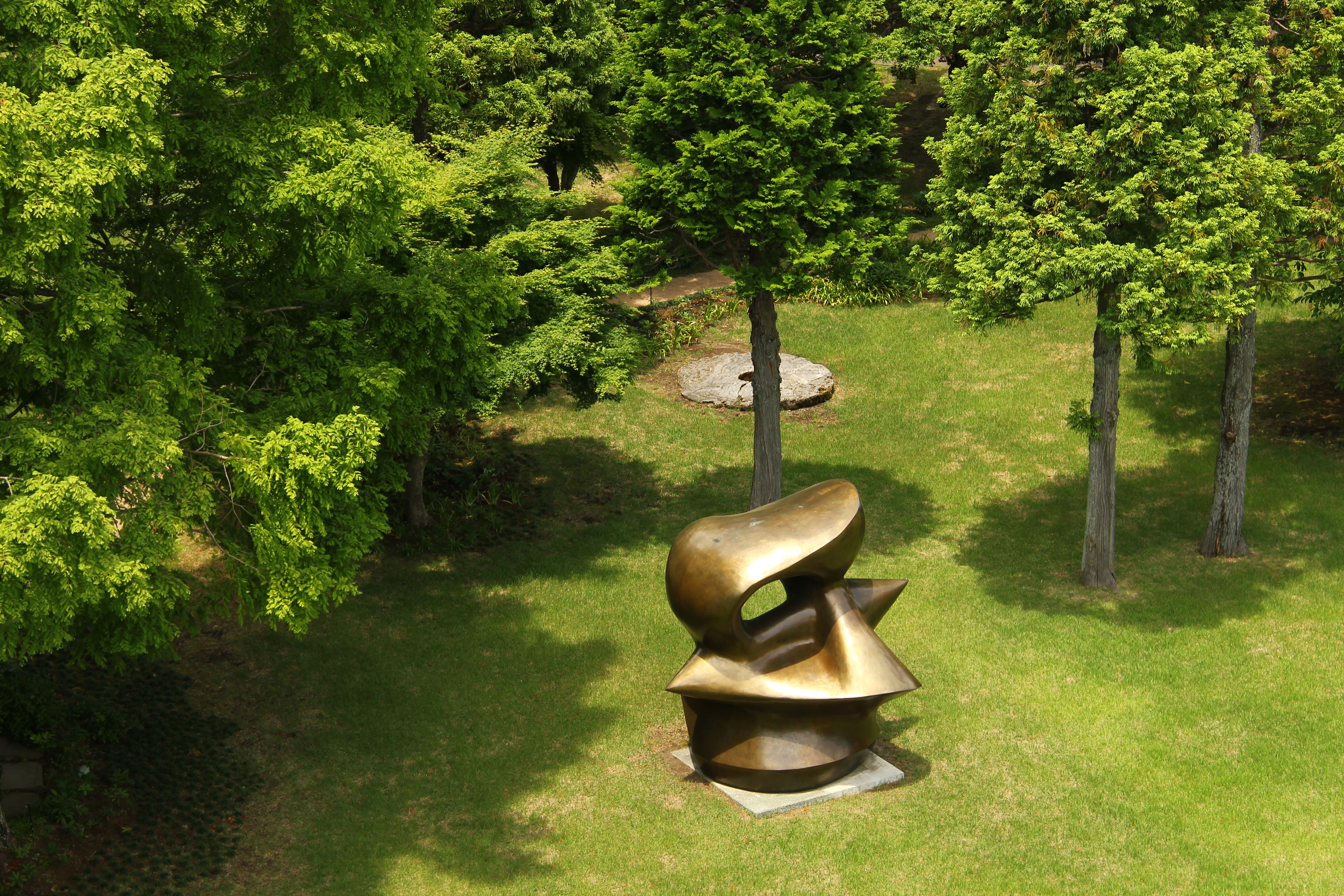
Henry Moore, Large Spindle Piece (1968)

Jam First

Day 1: Polzeath & Port Issac

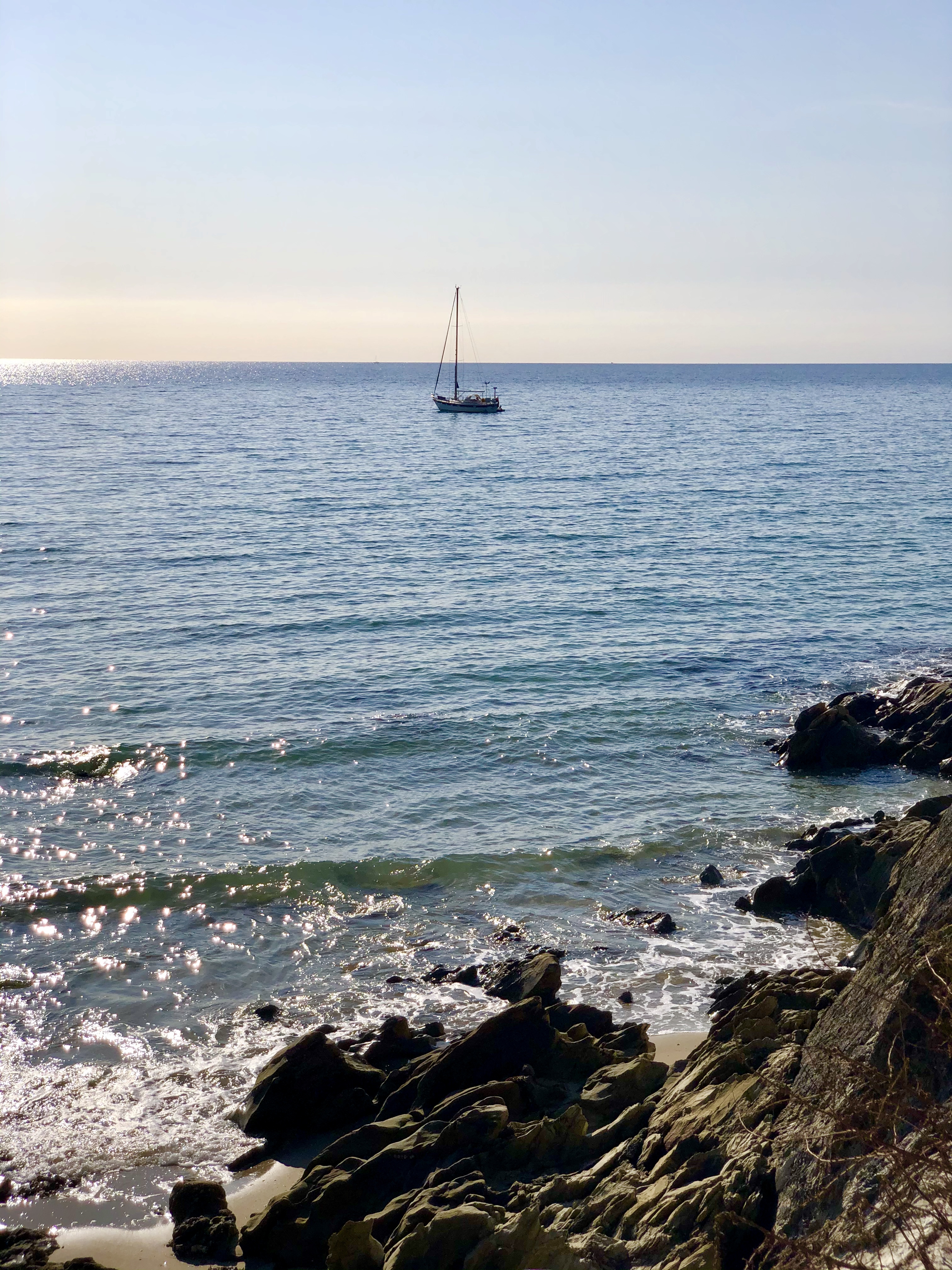
After a 6 hour drive from south London, we arrived in Cornwall and – knowing we couldn’t check into our accommodation for a little while – headed to Polzeath beach. A couple of hours chilling on the sand, watching the surfers, searching rock pools for crabs, reading, and eating Cornish ice-cream was just what the doctor ordered. 

We’d started…

Cornwall-020

Surfer’s Paradise

Cornwall-018

End of a Hard Day’s Work

Our first two nights were spent in the tiny fishing village of Port Isaac, with a delicious meal on the first evening at Nathan Outlaw’s Fish Kitchen. Highlights from the seven-course tasting menu included: raw scallop with ginger, cured monkfish with coconut, and whole Dover Sole. Delicious. It was a chilly walk uphill to our flat afterwards, past the harbour and precariously-perched cottages, but probably necessary to work off the baked cheesecake.

Cornwall-027

Pretty in Pink

Day 2: Tintagel & Padstow

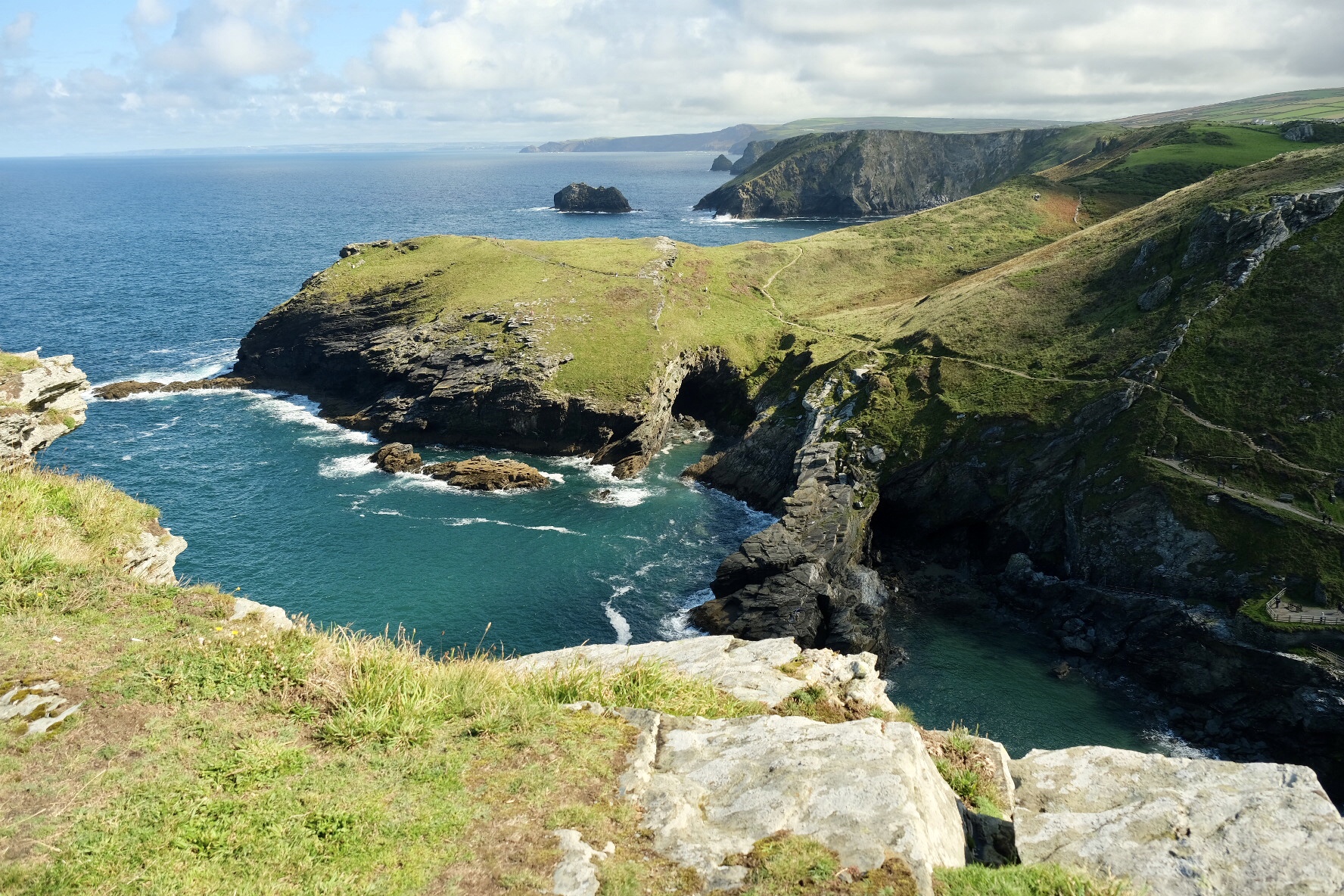
We were gifted a gloriously sunny day for exploring Tintagel Castle and its picturesque cove. Crossing the natural chasm between clifftops on the newly-built Castle Bridge, you can’t help but gawp in awe at the stunning coastline. The bridge itself is an impressive structure – two cantilevers that stretch towards, but don’t quite meet, each other, leaving a four centimetre gap in the centre (representing, we were told, the transition from present to past). Paved with Cornish slate, to sympathetically blend with the landscape, it unites the two halves of the castle complex for the first time in over 500 years. But would, I imagine, be bloody scary in high winds!

Cornwall-056

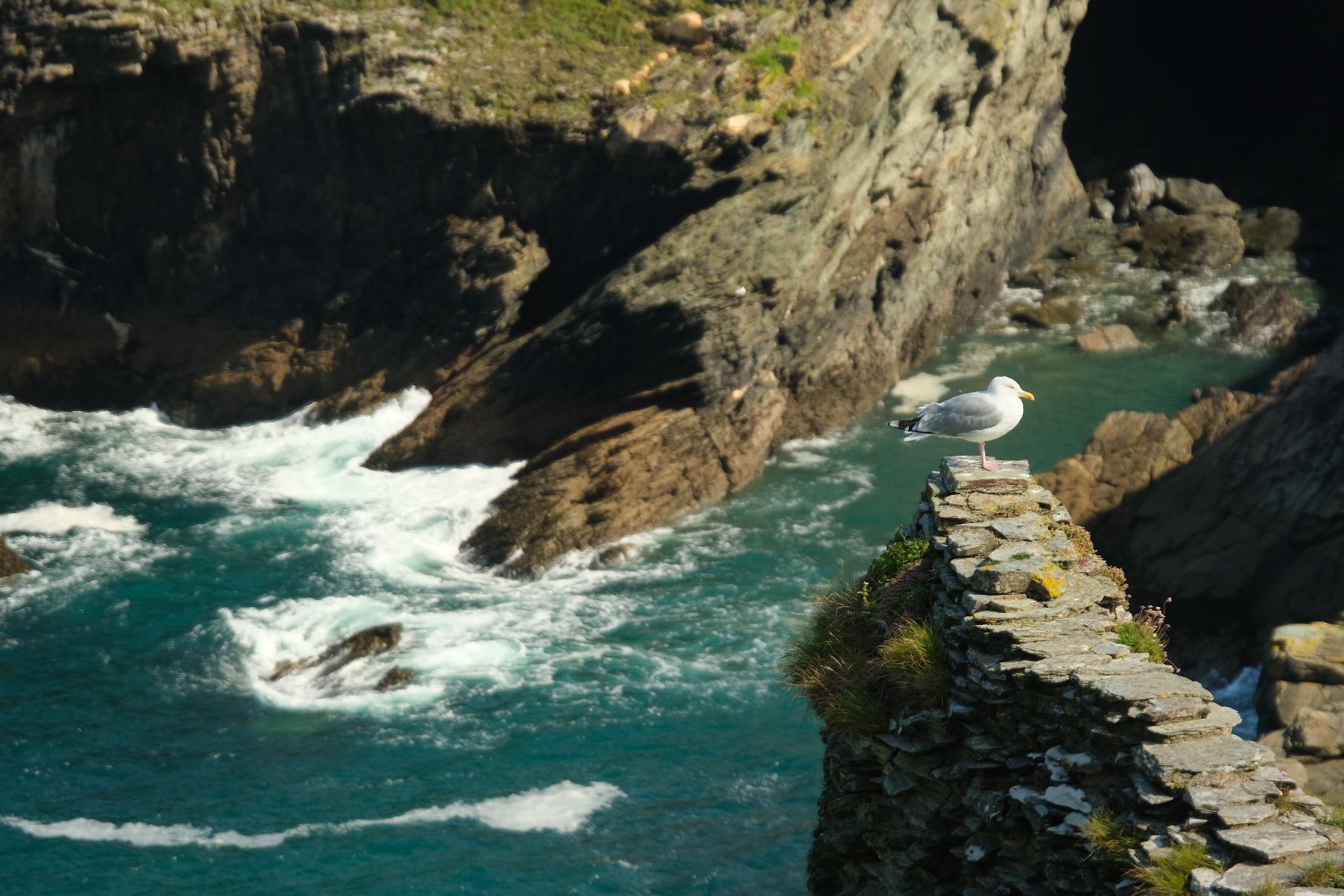
Gull Poised

Medieval ruins and Arthurian tales await on the far side. And it’s an enjoyable amble across the island, taking the clearly-marked (and now strictly one-way – thanks Covid!) clifftop paths, weaving through the remains of the 13th century fortress. A couple of factoids for you: the tourist site is part of the Prince of Wales’ estate; and is understood to be where Uther Pendragon and Igraine (the Duchess of Cornwall) conceived the boy who would one day pull Excalibur from the stone and acquire himself a Round Table.

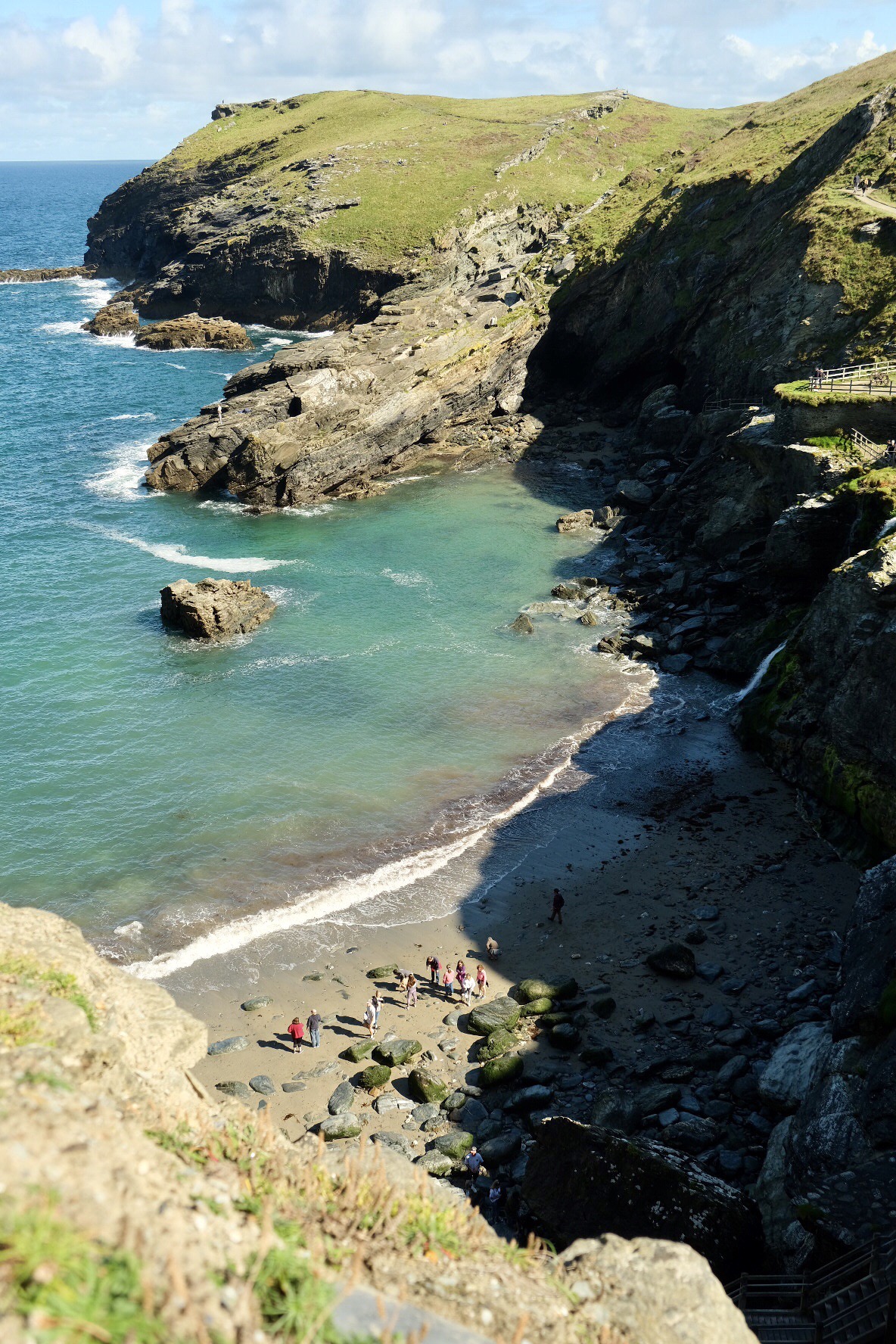
Cornwall-080Haven of Delights

But back to those views…turquoise waters, rugged shorelines, and cliffs stretching into the distance in both directions; seagulls screeching, waves crashing, and the odd seal to be spotted frolicking in the surf. Wow. And worth the ticket price alone to descend to Tintagel Haven (the aforementioned golden-sanded cove) where at low tide you can walk through ‘Merlin’s Cave’, a 300 meter tunnel beneath the island, and wonder at the slender waterfall cascading onto the beach.

Cornwall-039

North Cornwall Coast

Cornwall-083

Bridge to the Past

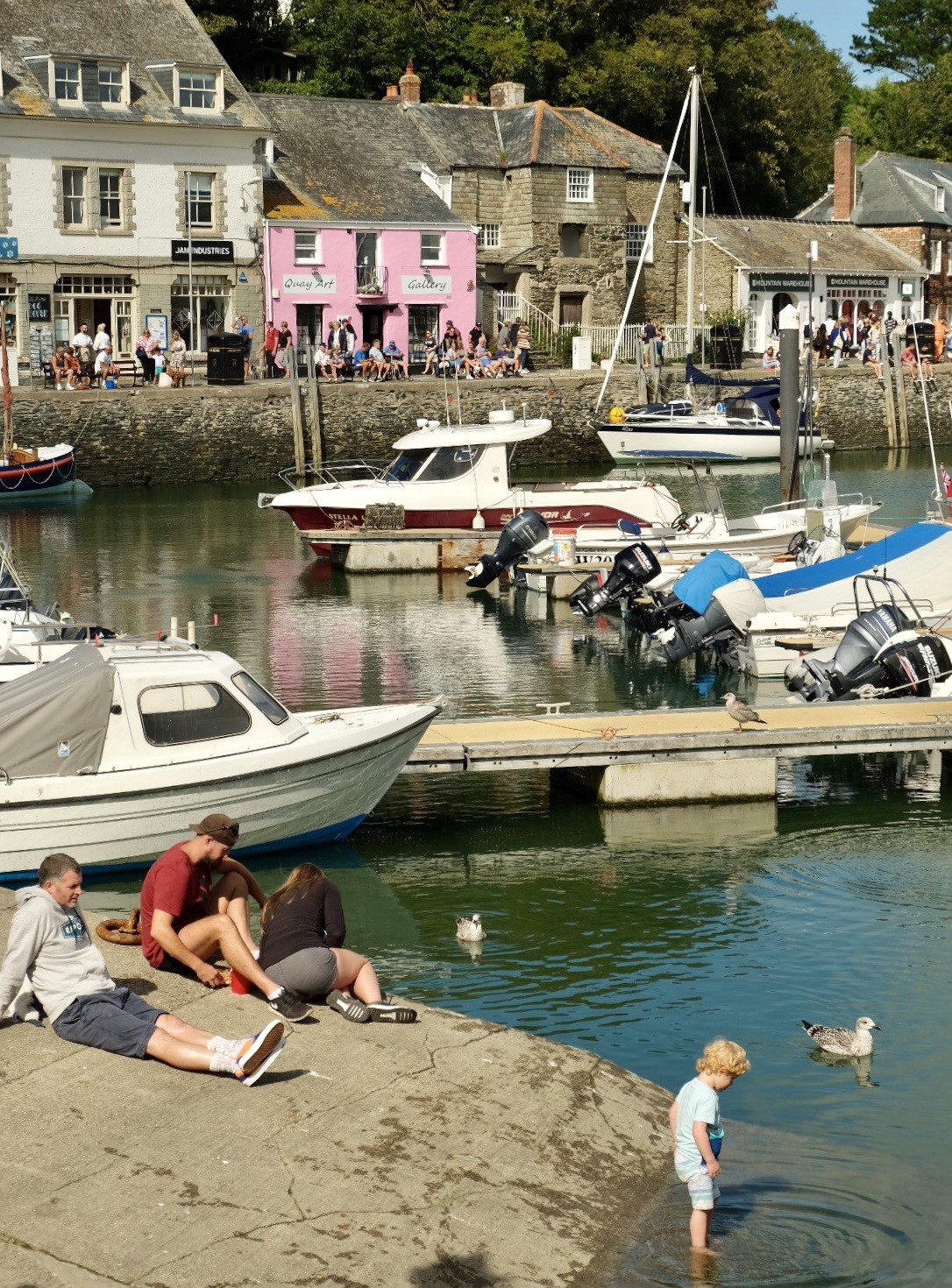
After an obligatory Cornish pasty (I went off-piste with a delicious lamb and mint combo), we headed down the coast to Padstow. The little town has been a foodie destination for decades, but apart from seeking out a good-quality cream tea, we didn’t have time to fit in a Stein or Ainsworth on this trip. A pause here to settle a long-standing dispute about scones: jam first, always. Glad that’s sorted.

Cornwall-084Paddlin’

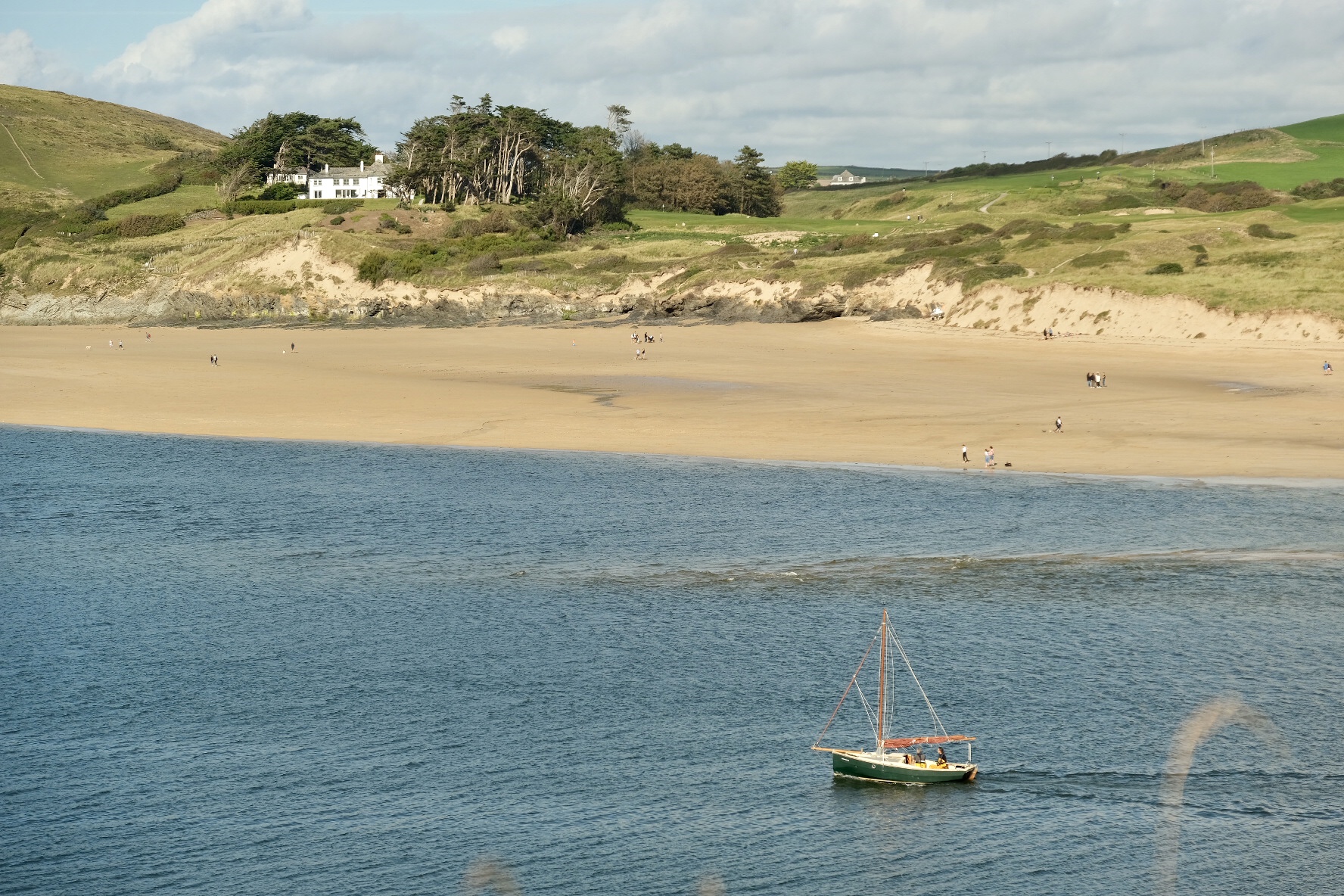
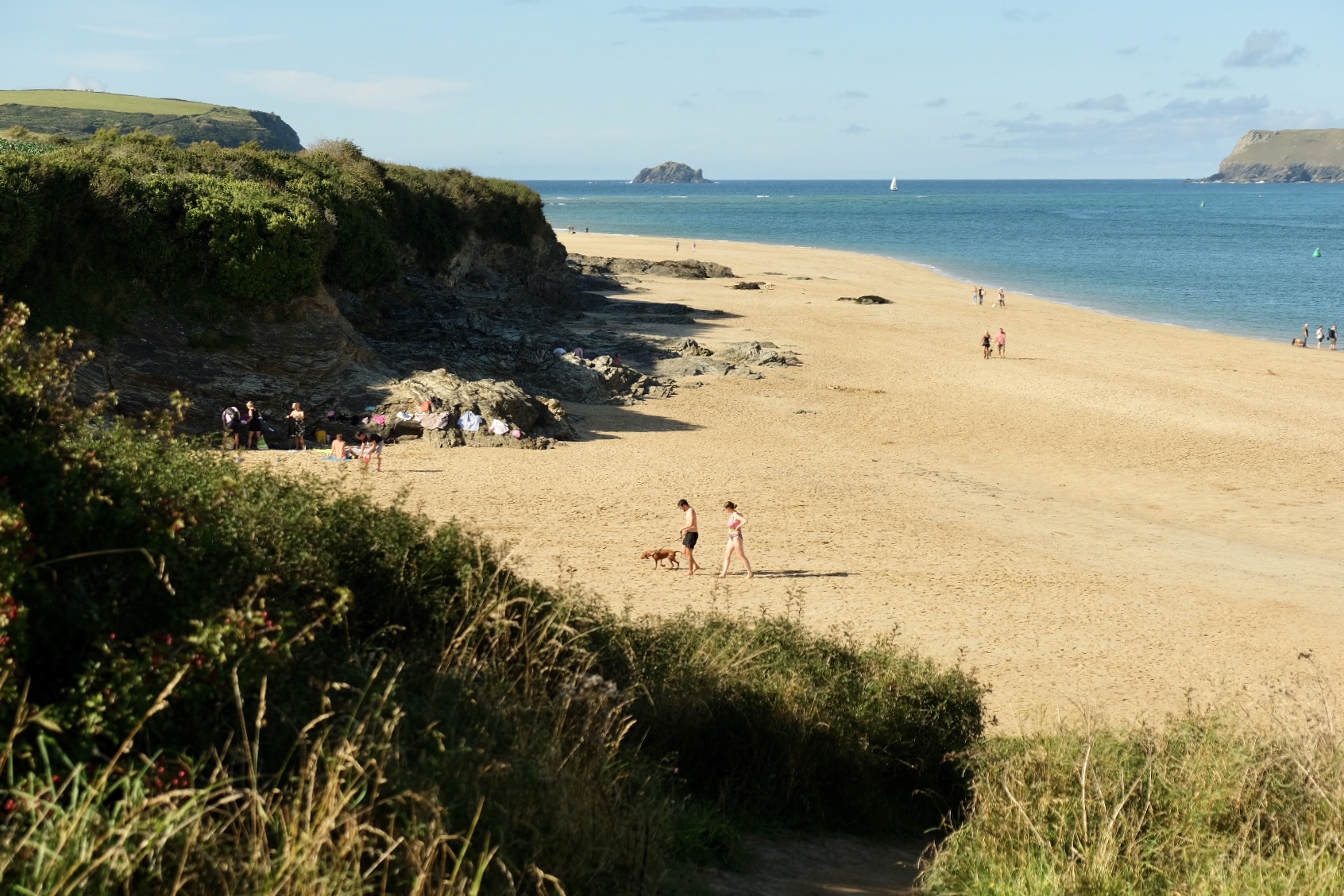
We had a quick mosey around the shops and art galleries, before walking to St George’s Cove, just over half a mile from the harbour. And from there, taking advantage of the low tide, sauntered all the way from St Saviour’s Point to Harbour Cove and neighbouring Hawker’s Cove at the mouth of the Camel Estuary. It is here where the sand forms the infamous Doom Bar, the curse of ships for many a century (and from which the local ale gets its name). I am just full of useful information!

Cornwall-090

Robinson Crusoe

Cornwall-094

Dog Walker’s Dream

Day 3: Camel Valley

The second of our three homestays for the week was close to Porthscatho on the beautiful Roseland Peninsula. Amazing destination, but the least said about this bridging day the better. After an ill-advised attempt to visit the beach at Trebarwith (it was raining and the tide was in, covering every inch of sand), it took us over an hour to get back into Port Isaac for an oyster lunch (the tourist traffic having inexplicably quadrupled). I can’t even eat oysters, so the journey was even more painful.

Cornwall-115 Fresh from the Sea

Finally en route to the south coast, we made a stop mid-way at Camel Valley vineyard, intending for the non-drivers to enjoy a tasting and the drivers to take in the view and purchase some bottles from the shop. All good in theory. Expect the handbrake on bro-in-law’s car failed and the vehicle ended up amongst the vines, having rolled down a steep incline and smashed through a fence on its way. Oops. 

After a local farmer pulled it out with his Landover, we dusted off the grapes and waved goodbye as it was towed off to a Cornish car graveyard. Not a great day.

Day 4: Minack Theatre and Porthcurno

Whilst our holiday mates dealt with their insurance company, Paul and I drove to the far tip of the county (just 4 miles from Land’s End) to meet up with friends Rob and Laura. The Minack Theatre had been strongly recommended by a few people before the trip, so we were eager to see what the fuss was about. Another fantastically hot and sunny day greeted us, and – since we’d arrived a little early – we had a stroll along the cliffs to Porthchapel Beach. The sea was a vibrant aquamarine, there wasn’t a cloud in the sky, and it was such a peaceful spot that I could have happily have stayed there forever.

Cornwall-128

The Perfect Cove

But then I’d have missed Minack, which was as great as everyone had claimed. An open-air amphitheatre, built completely by hand by Rowena Cade – a rich eccentric – and her gardener Billy in the 1930s, the theatre is quite the spectacle. Perched on a granite outcrop, the seats and stage where chiselled by hand, the sand for cement having been hauled up a man-made stone staircase from the beach below. Dotted with sub-tropical plants, the ocean-view terraces are surely the best seats in any theatre.

Cornwall-151

Exit, Pursued by a Bear

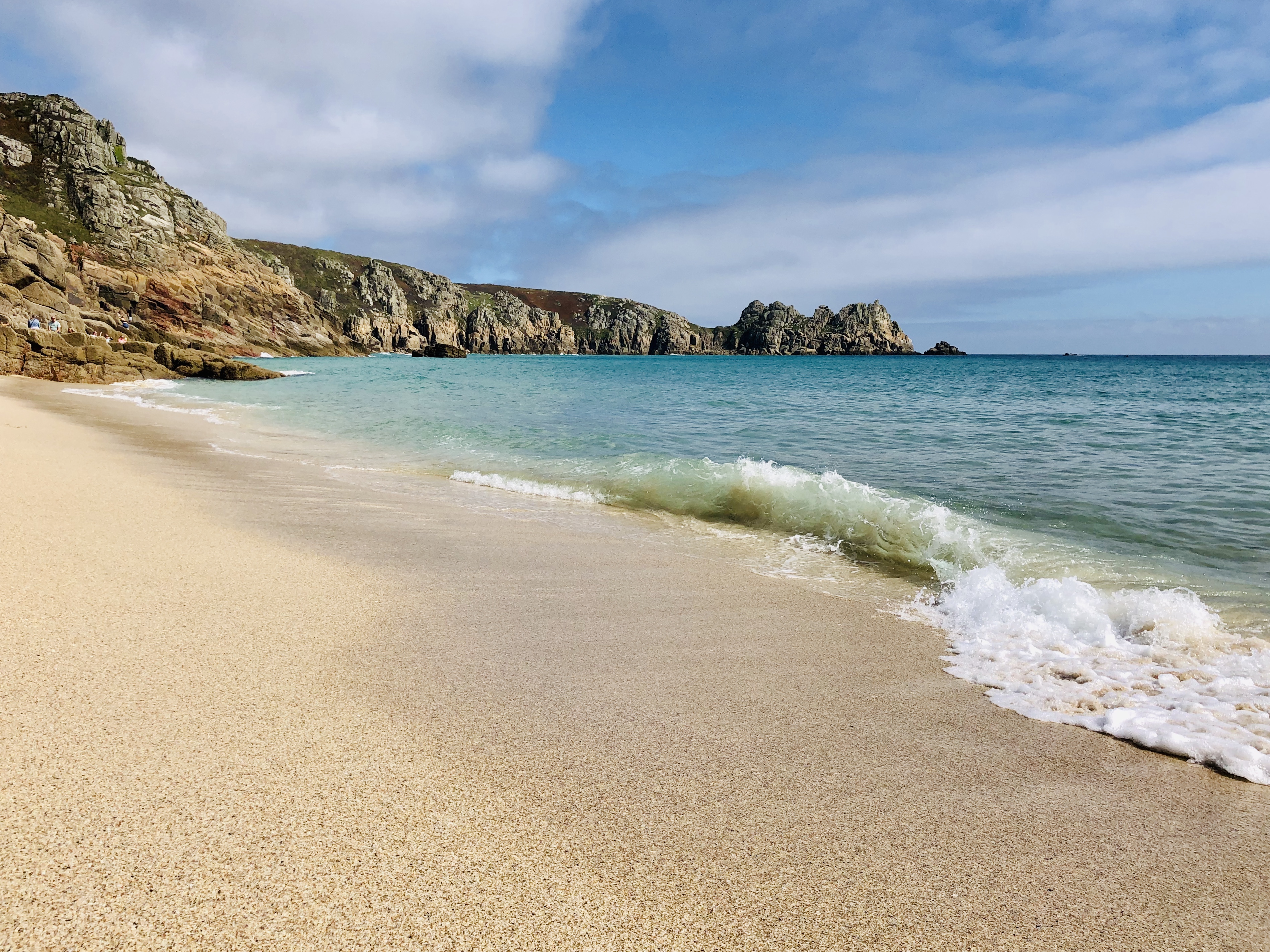
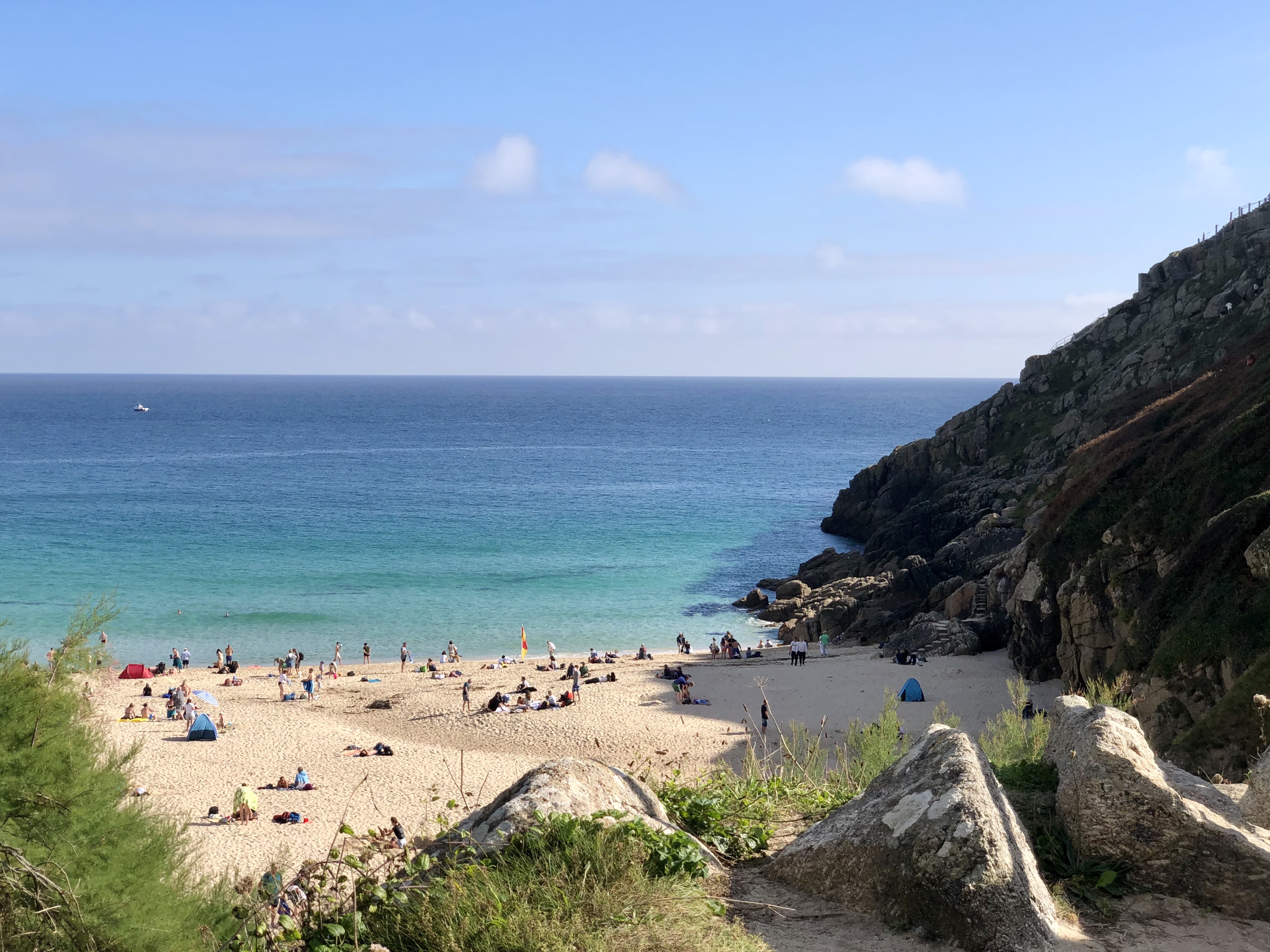
Nearby Porthcurno Beach is always found on lists of Cornwall’s best beaches. Often somewhat disingenuously labelled a “hidden gem”, when in reality everyone is quite clear where to find it! We had a really lovely, chilled out afternoon on the sand, eating crab sandwiches and ice-creams, reading and watching Harvey (their dog) frolic in the waves. I even donned Rob’s rash vest and braved the sea myself…absolutely bloody freezing, but fantastic once you were immersed.

Cornwall-167Crystal Clear

Cornwall-178

“Hidden Gem”

Fish and chips on a clifftop bench back at the Peninsula rounded off a pretty memorable day. You don’t even need to worry about gulls nicking your chips in Cornwall; they’re much more refined than their Kentish cousins!
Day 5: St Mawes and Heligan

Wednesday dawned grey and, surprisingly, a little chilly. Ditching plans for the beach, we instead drove to Kastel Lannvowsedh – one of King Henry VIII’s seaside fortresses – in nearby St Mawes. Not particularly exciting, but the village itself is worth a visit. Situated at the southern end of the Peninsula, looking across the Fal Estuary towards Fraggle Rock lighthouse (yes, the Fraggle Rock!), the small village has a charming harbour, a decent selection of boutique shops and delis, good pasties, and – on a sunny day – plenty of seafront terraces for enjoying your cream tea.

Buoyed by the promise of afternoon sun, our next destination was the much-lauded Lost Gardens of Heligan near Mevagissey. Very glad, in retrospect, to have slotted this into the schedule. A restored Victorian Pleasure Garden, the eclectic mix of alpine ravines, ancient woodland, hothouses, sub-tropical jungle, kitchen gardens and farmland pasture are a delight to explore. Having taken several dozen photos there, I decided it deserved a post of its own, so click on the link above to take a gander.

Cornwall-269a

Seafood Nirvana

And the clouds did indeed clear, providing perfect conditions for the walk and leading to a glorious harbourside sunset later that evening. Which we enjoyed from local fish restaurant The Watch House, where we tucked into grilled tiger prawns from the plancha, crispy squid and possibly the best lemon sole with caper butter I’ve ever eaten.

Day 6: Porthcurnick and St Just

Luckily, Chris and Ching’s final morning was hot and bright, with endless blue sky. And so – packing our picnic blankets, sun-cream and flip flops – we descended on Porthcurnick Beach. Another of the picture-perfect coves we’d travelled so far to discover. The beach has become famous for its café (The Hidden Hut), from which we purchased a very tasty crab and fennel chowder at lunchtime. More swimming, reading and lounging ensued, as boats bobbed on the calm waters, and I spent a long while contemplating how very fortunate I am.

Cornwall-274

Charmed Life

Before journeying to our final stop, Paul and I called in at the very attractive Saint-Just-in-Roseland, a chapel and gardens perched beside a tidal creek ten minutes from Portscatho. Described by John Betjeman as “to many people the most beautiful churchyard on earth”, the much-visited 6th century Celtic shrine is really quite bewitching. Local legend has it that Joseph of Arimathea brought his boy nephew, Jesus, to Cornwall, landing in this spot. But you don’t have to believe that to enjoy the alluring trail around jumbled, lop-sided gravestones and ogle at the splintered rowing boats strewn across the creek.

Cornwall-286

Bless-ed Aspect

Cornwall-294

Waiting for the Tide

Arriving in Fowey late afternoon, we checked in to our fisherman’s cottage and quickly headed to the estuary to witness the golden rays dipping below the horizon. Heavenly! We fell in love with the town immediately. Only helped by the amazing choice of restaurants. Dinner was at the superlative Appleton’s on Fore Street, where we devoured tempura’d anchovies, sardella, octopus with n’duja and monk’s beard, squid ink linguine, beef with wild garlic, and bee pollen cake. In snatched moments over the coming days, the RightMove app was scoured for affordable properties on the esplanade.

Cornwall-311a

Gluttony

Day 7: Polruan and Fowey

A short ride on the petite “ferry” to Bodinnick the next morning saw us on a 7km National Trust walk around the tributary to Polruan, passing the small hamlet of Pont and taking in the gorgeous views across to Fowey from the opposite bank. With slightly aching legs, we congratulated ourselves with moules marinière at Lugger Inn (a must!) and an amble around the delightful streets of Polruan (another potential option for our seaside relocation project).

Back on the other side, an ice-cream at dinky Readymoney Cove was followed by a happy hour or two browsing the independent shops of Fowey: a variety of of nautical and aquatic wrapping paper getting purchased.

Cornwall-301

Colours at Dusk

Day 8: Lerryn and Par Sands

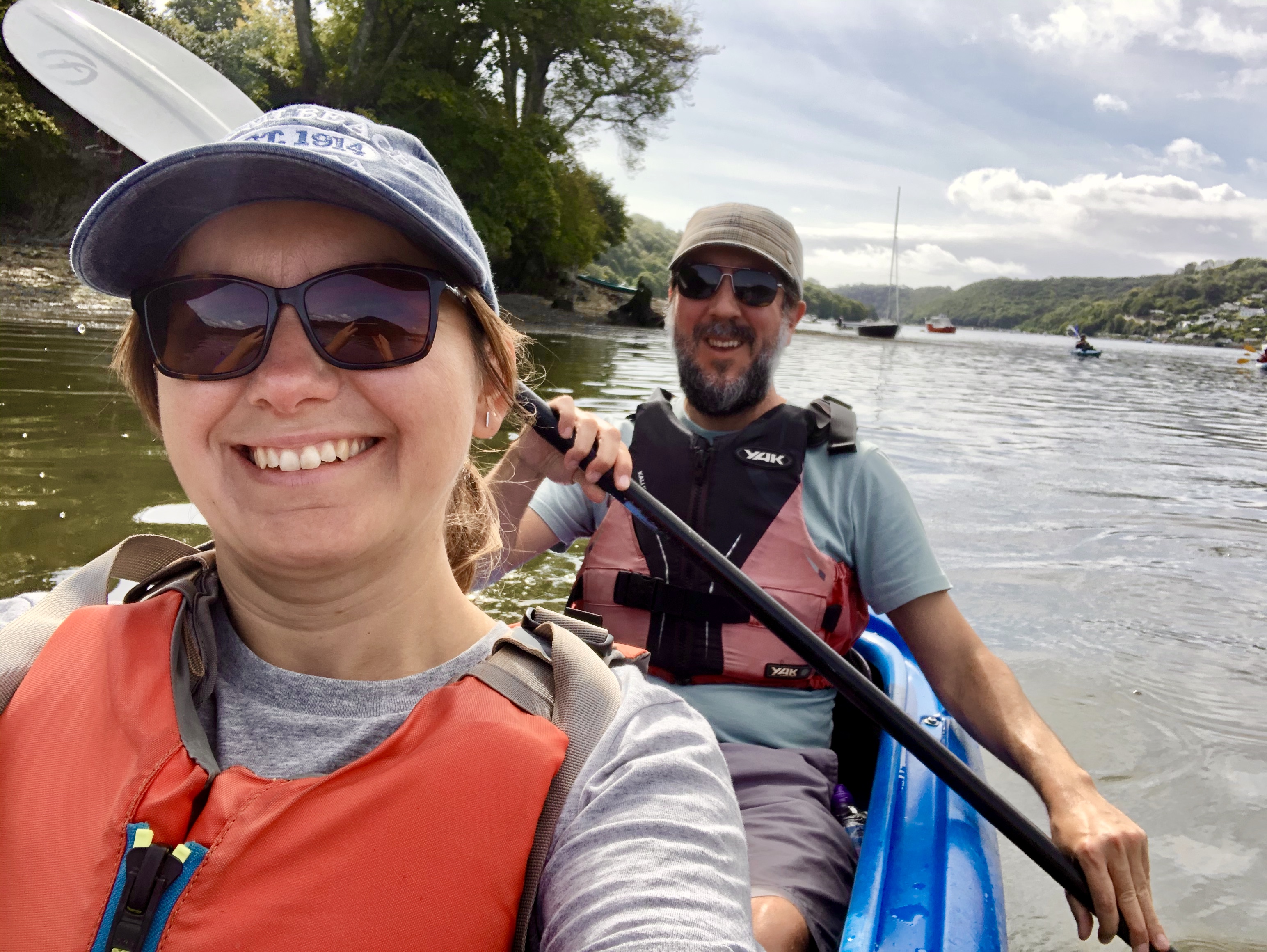
The next morning we arrived at Golant at high tide to join our guided kayaking trip on the river. Having learned how enjoyable sculling can be on a previous trip to New Orleans, I’d pre-booked the excursion weeks before and arrived brimming with excited anticipation. Despite his world-weary demeanour, the guide was informative and helpful with suggestions for improving technique. We paddled into “Wind in the Willows” Creek (Kenneth Grahame having holidayed frequently in the area and chosen it as the setting for his story), along to the picturesque village of Lerryn (where we stopped for lunch) and then looped back past the quaint quaysides and private jetties that dot the banks.

Cornwall-331Mole and Ratty
Cornwall-333

Pulling My Weight

The latter part of the afternoon was spent relaxing in the dunes at nearby Par Sands. A contradiction of a beach, with pretty countryside in one direction but an unattractive china clay works in the other. Positioning ourselves correctly, we stayed until the evening light began to glint on the surf, then headed to dinner at Fitzroy. Wow! My lobster was huge and juicy, and the sea buckthorn meringue a revelation. Such a shame this place closes for the winter months, otherwise I’d have booked a second trip to Fowey immediately!

Cornwall-350

Dreaming of Returning

God’s Own County

“I won’t know for sure if Malhamdale is the finest place there is until I have died and seen heaven (assuming they let me at least have a glance), but until that day comes, it will certainly do” – Bill Bryson

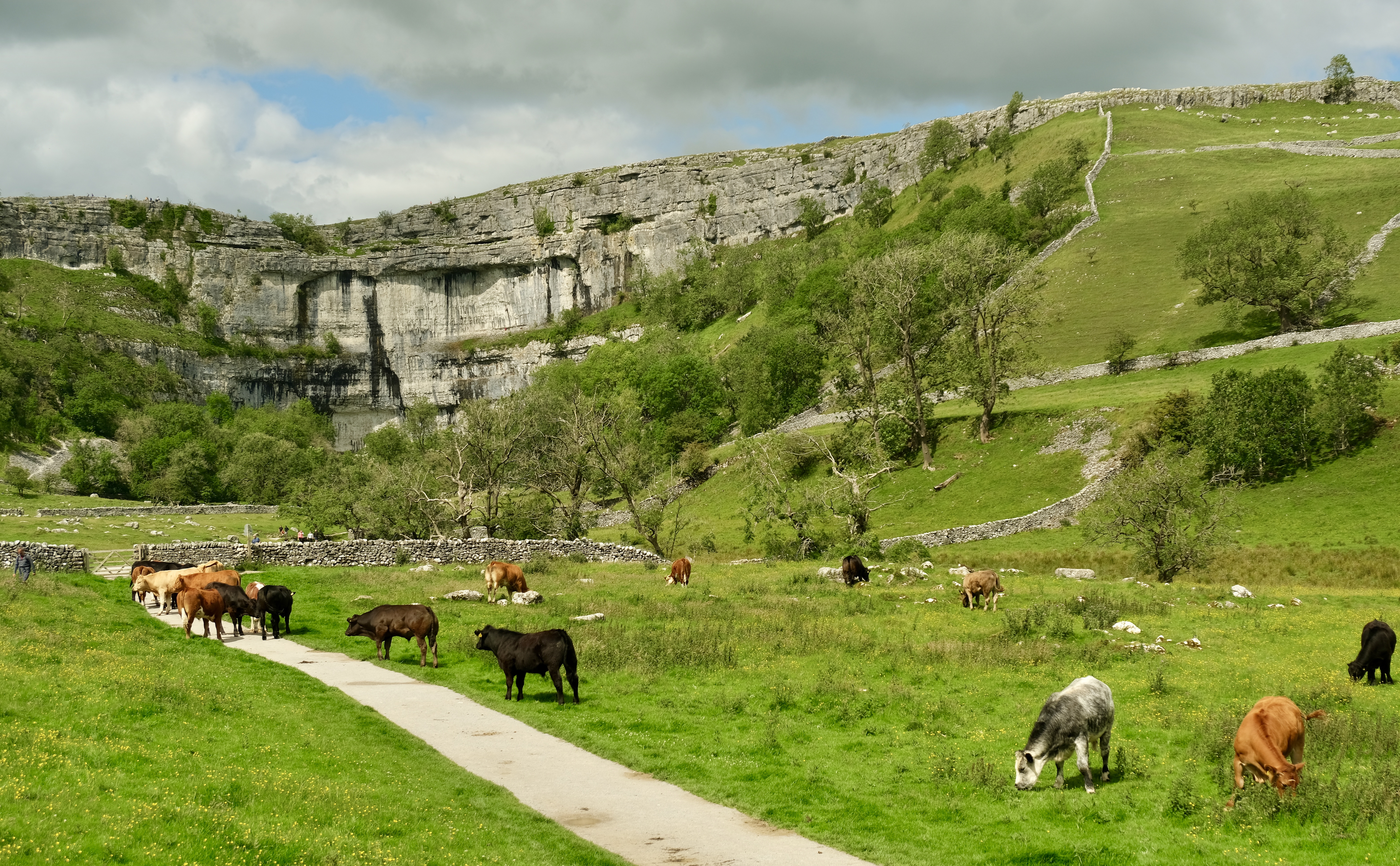
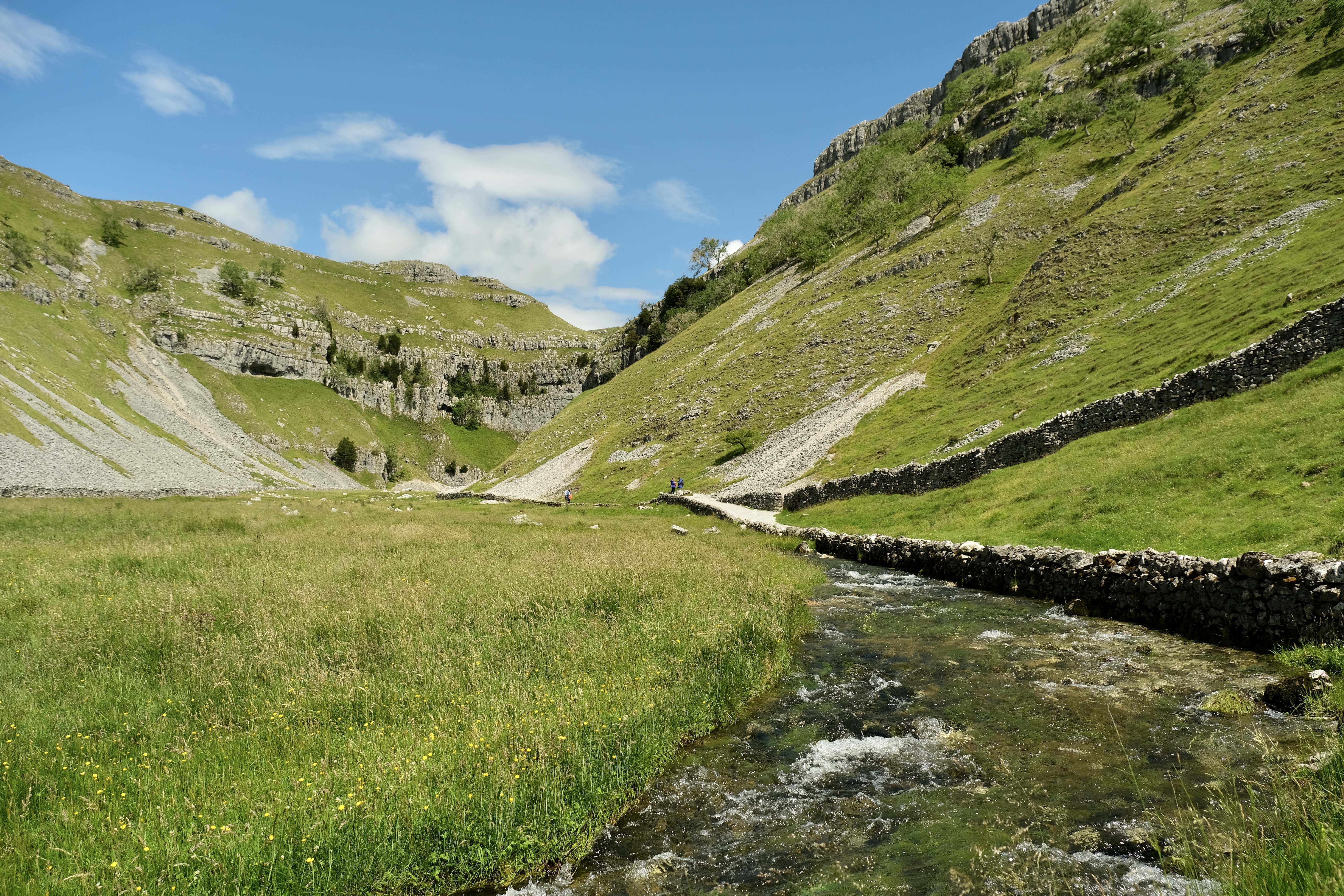
On our recent road trip, visiting family in Yorkshire and Cumbria post-lockdown, we wanted to take advantage of having the car and see more of the Dales. Malhamdale was the natural choice. Our outing took in Janet’s Foss (‘foss’ being the old Norse for waterfall); Gordale Scar, a huge gorge with accompanying babbling brook; quintessential sheep farms; and finally Malham Cove, a huge natural limestone cliff that was once a spectacular prehistoric waterfall.

For over a million years, Malham has been repeatedly covered by giant sheets of ice, and the glaciers ground away the rock and carried away large chunks of the landscape. Each time the glaciers melted, floods of water then further eroded the face of the Cove, leaving us with the stunning natural beauty spot of today. No wonder tourists flooded (see what I did there?) to the site as soon as Covid restrictions were lifted. Luckily, there were very few people to spoil the view on the Monday we visited. Perfect for practising some landscape photography.

Malham8

Malham4

Malham6

Malham1

Malham10

Malham5

Malham2

malham7

Paul waterfall

Final photo Credit: Paul Adnitt

Tarn and Country

GLORY on glory greets our wondering sight

As we wind down these slopes; mountain and plain

Robed in rich sunshine, and the distant main

Lacing the sky with silver; and yon height,

So lately left in clouds, distinct and bright.

Anon the mist enwraps us; then again

Burst into view lakes, pastures, fields of grain,

And rocky passes, with their torrents white.

So on the head, perchance, and highest bent

Of thine endeavor, Heaven may stint the dower

Of rich reward long hoped; but thine ascent

Was full of pleasures, and the teaching hour

Of disappointment hath a kindly voice,

That moves the spirit inly to rejoice.

– Henry Alford

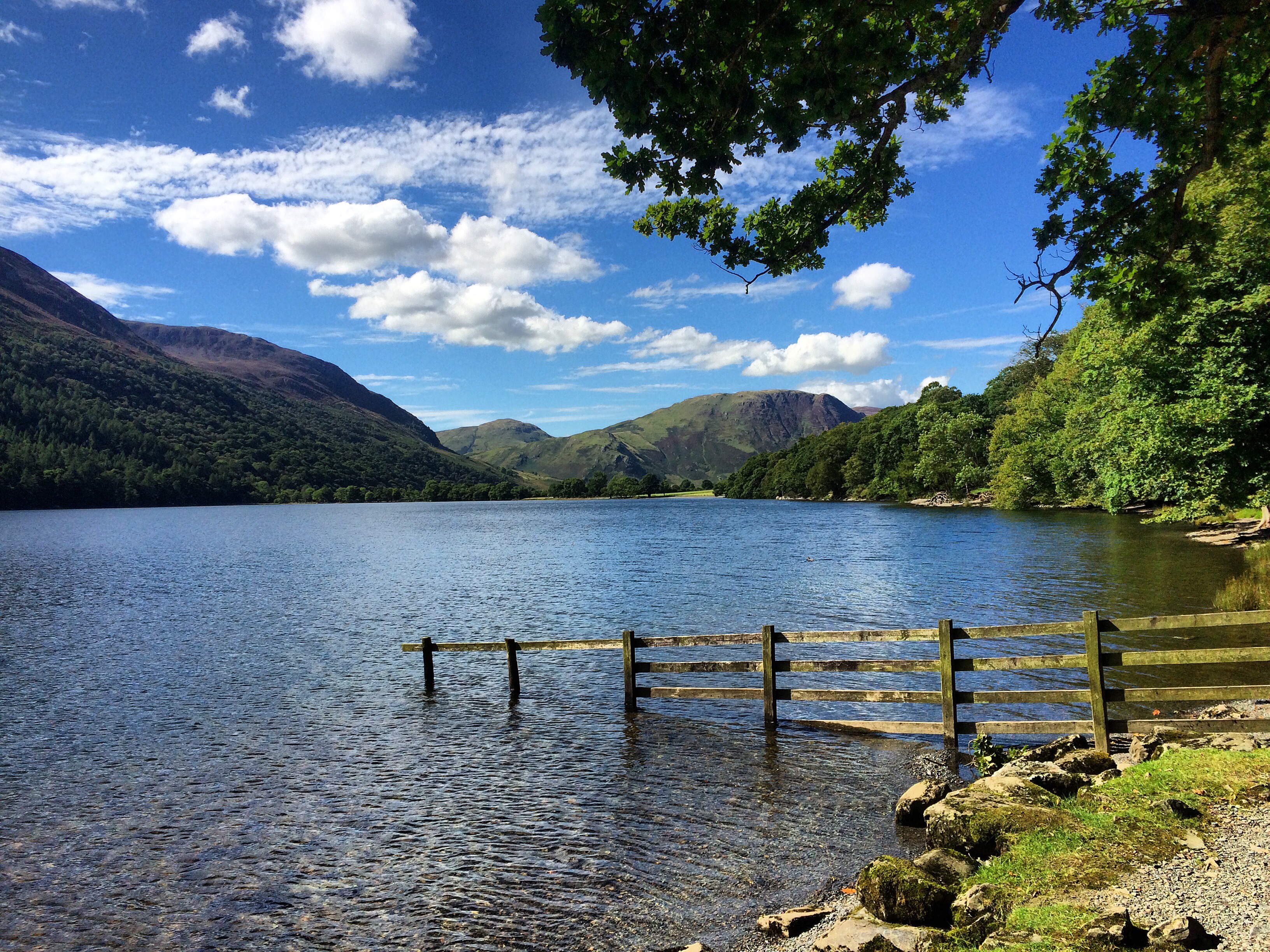
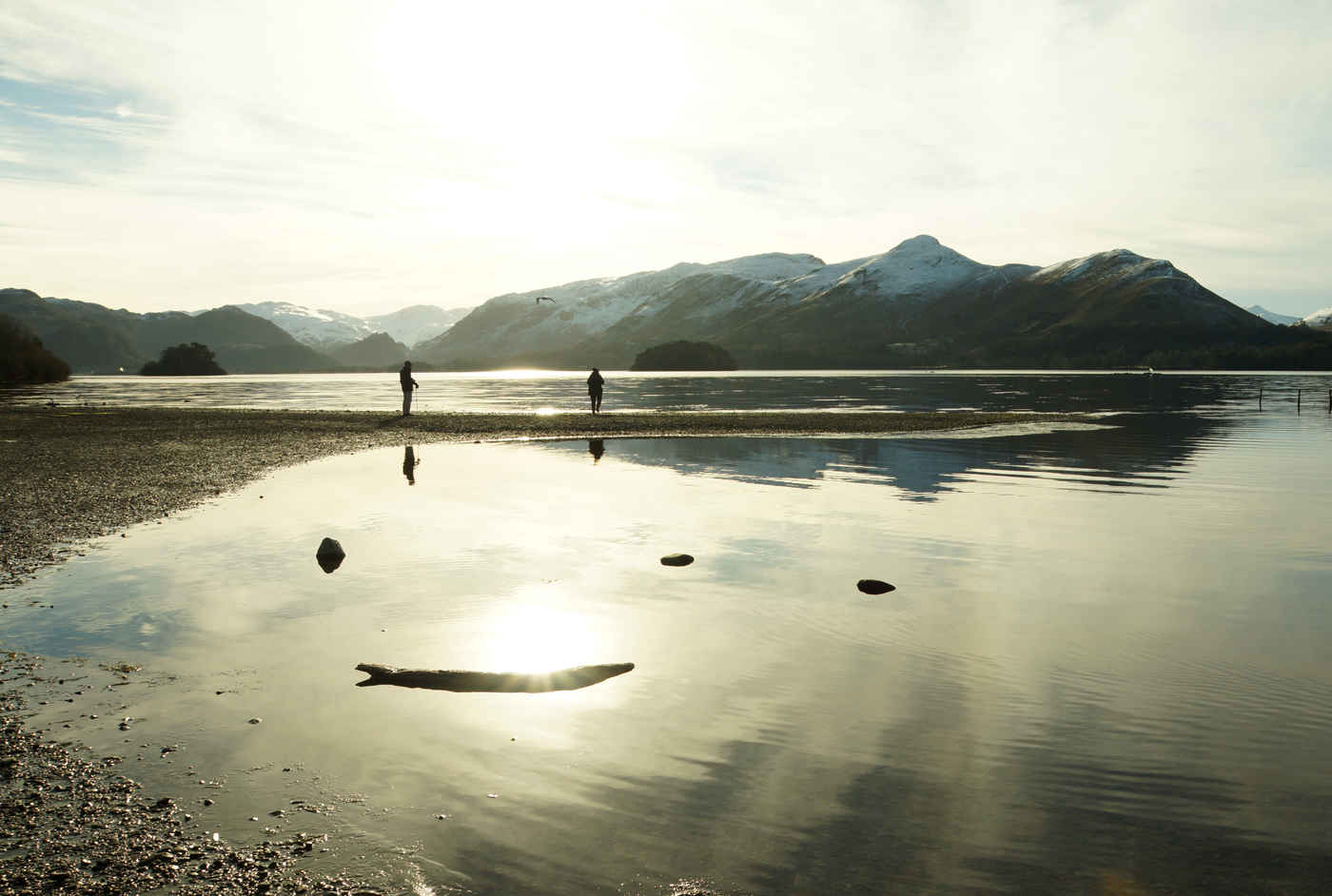
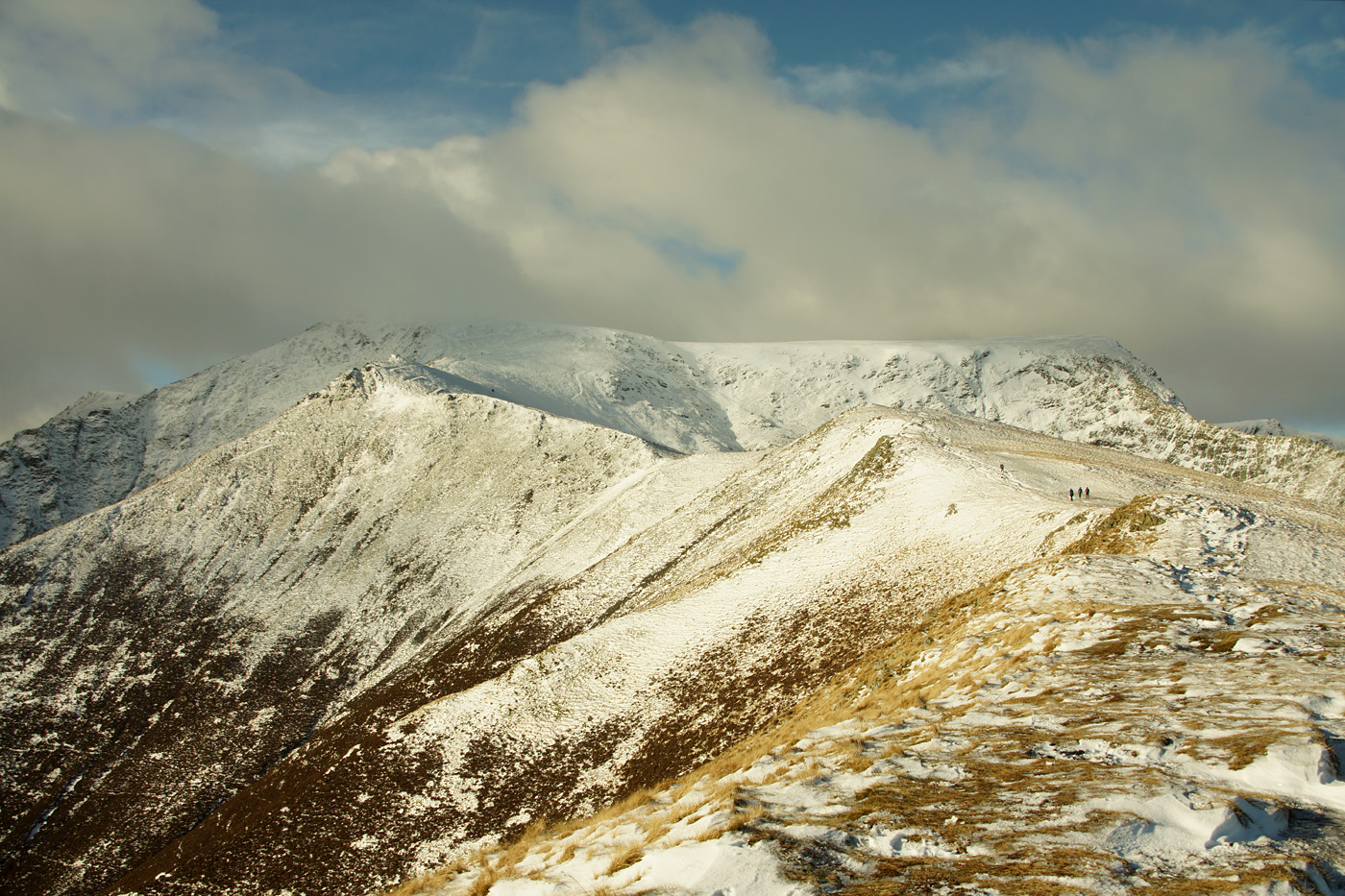
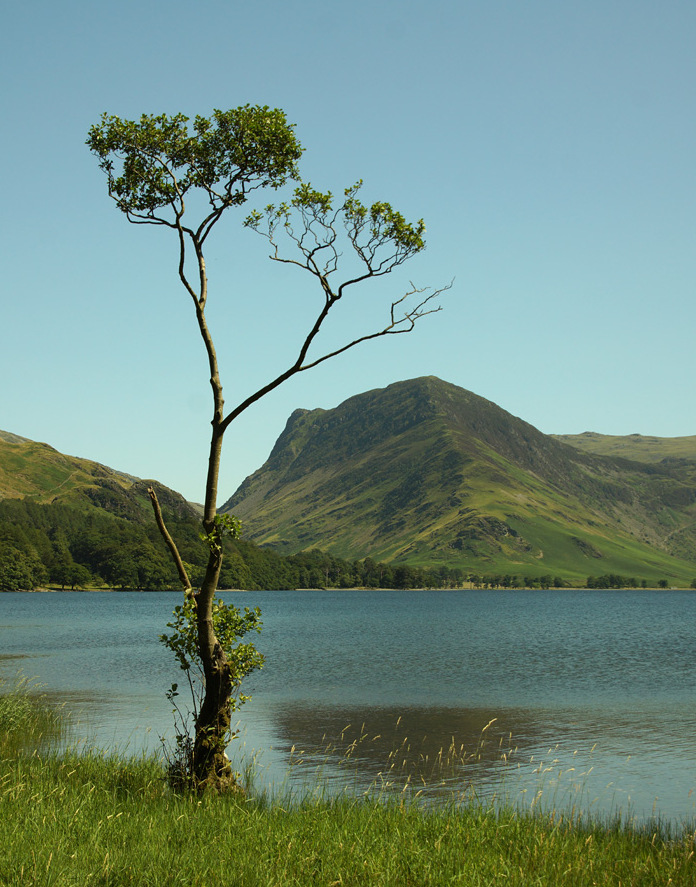
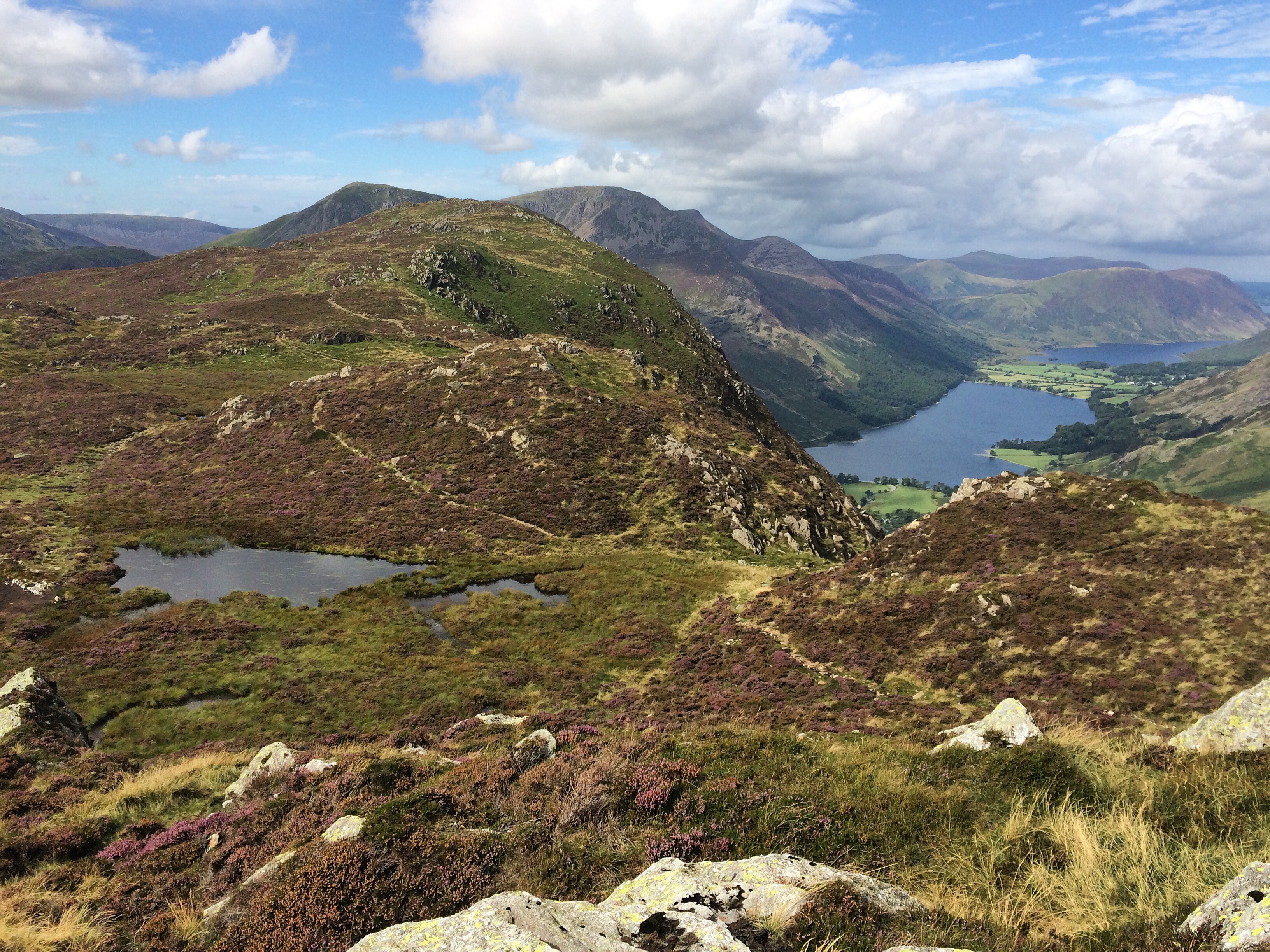
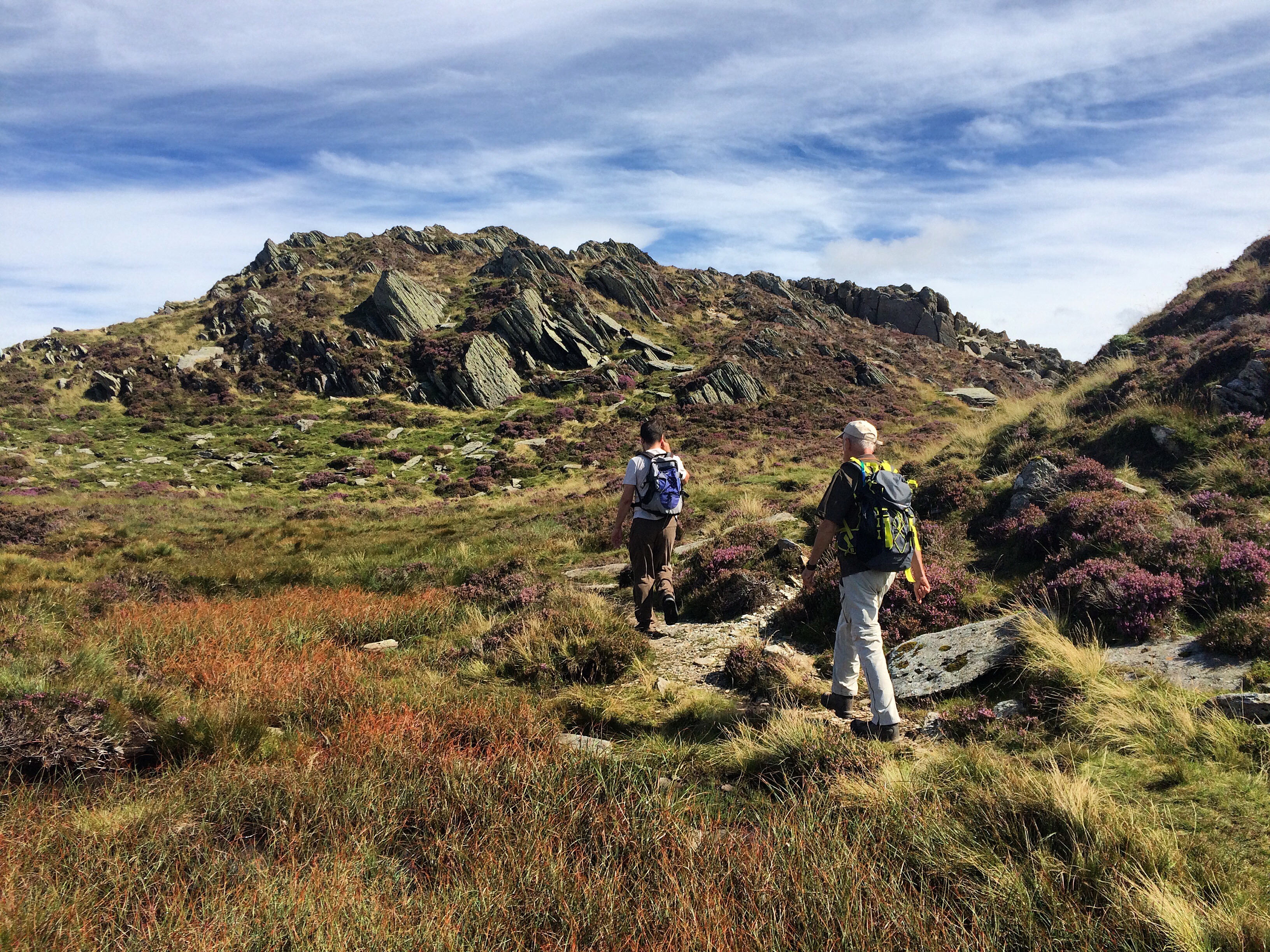
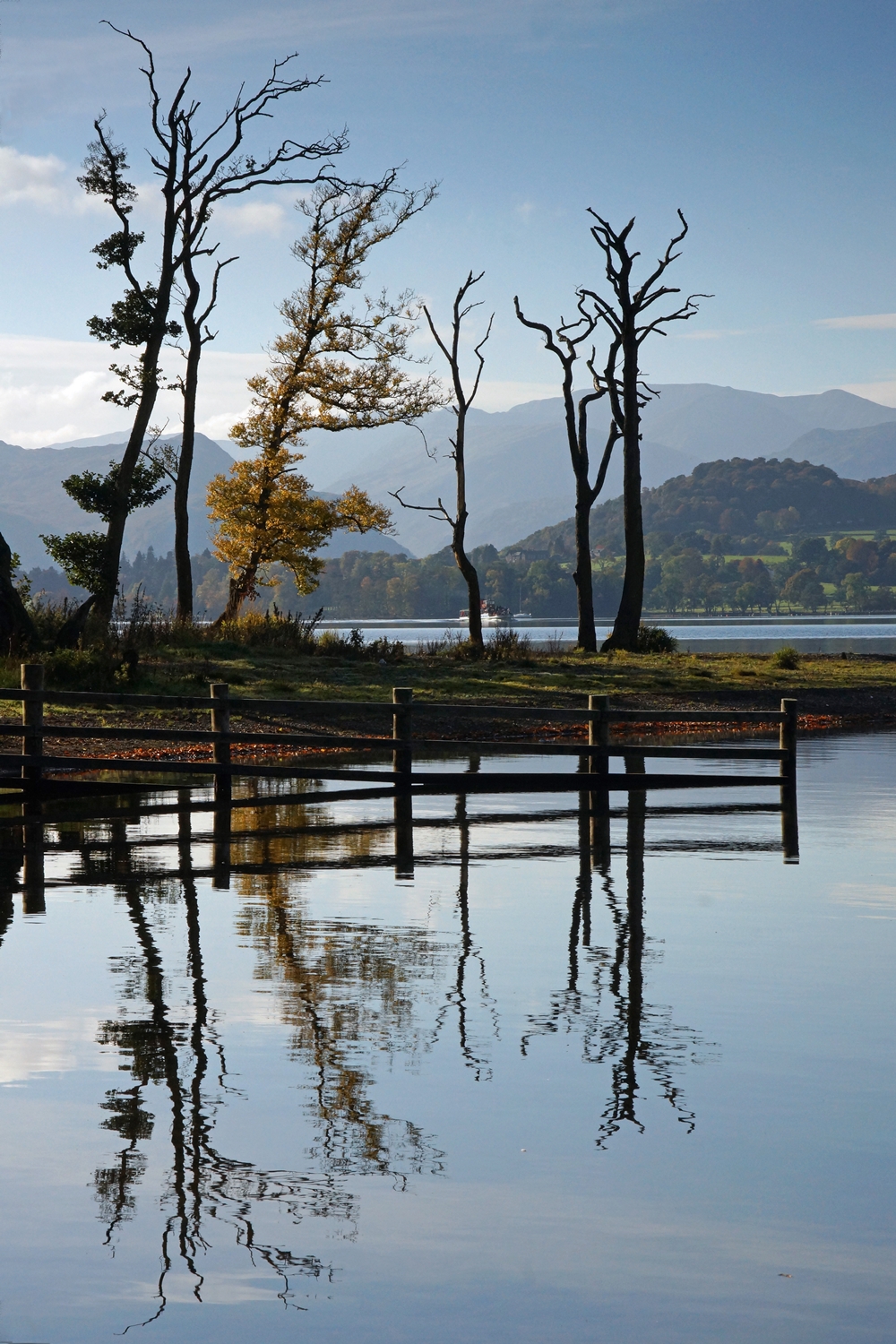
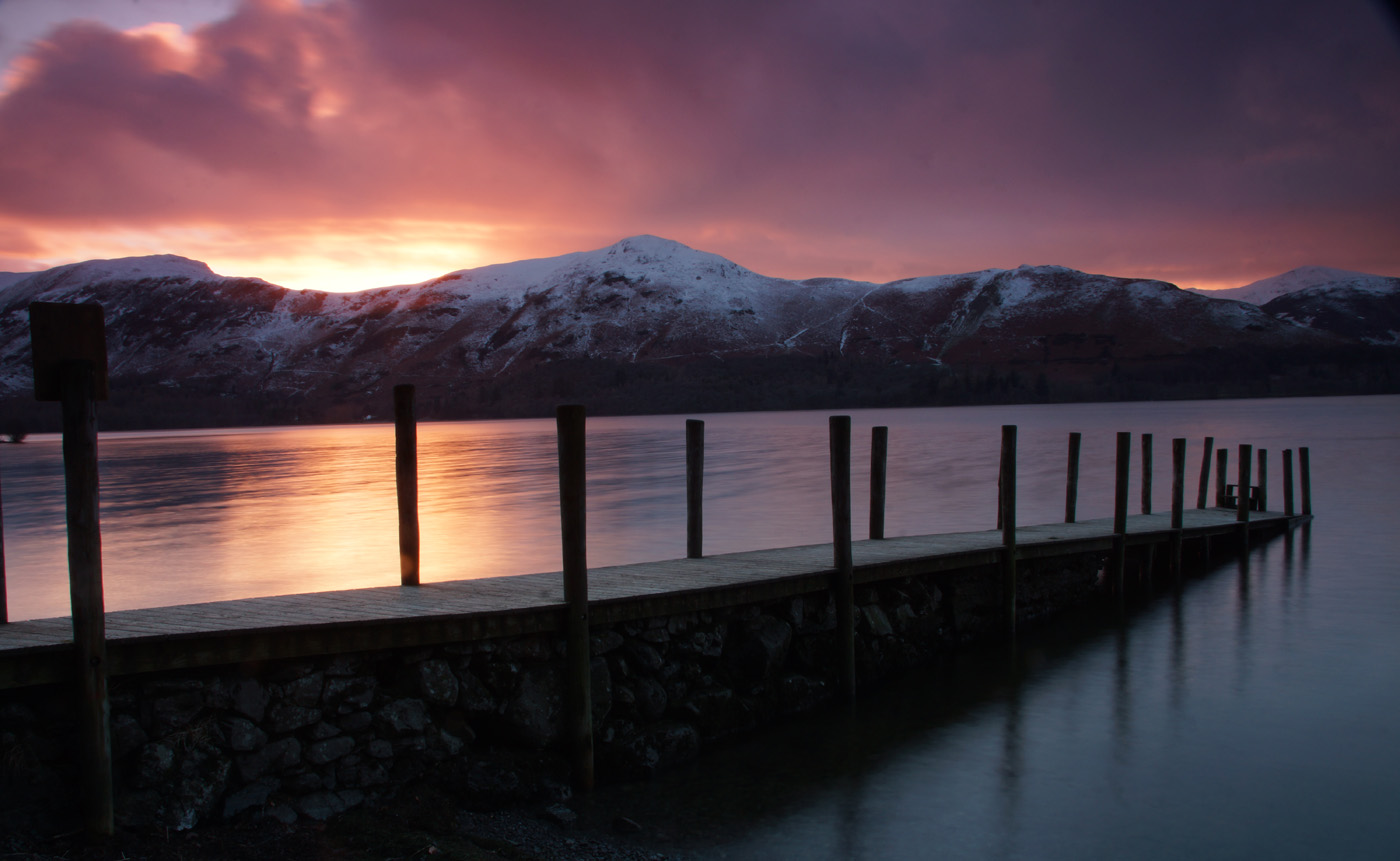
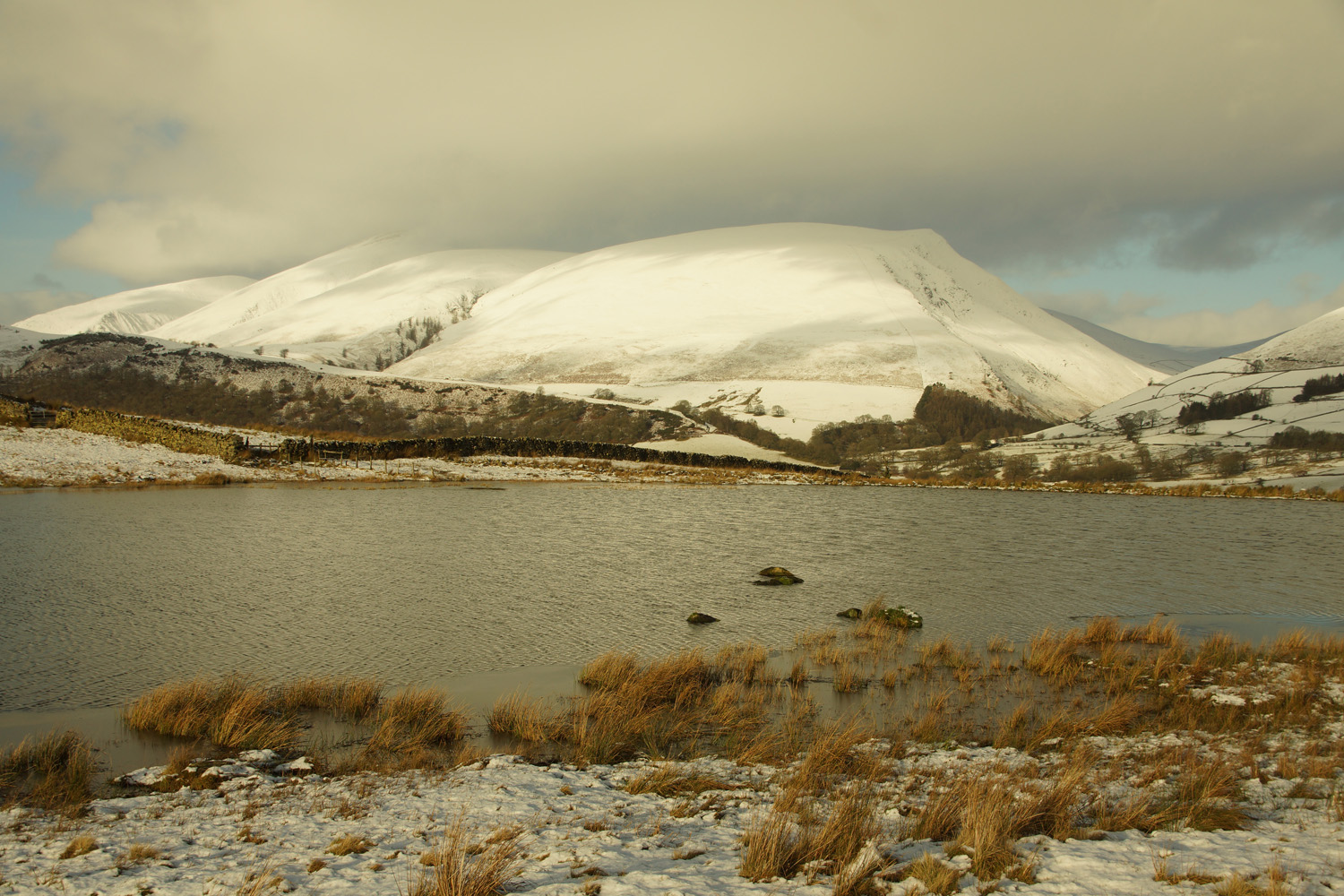
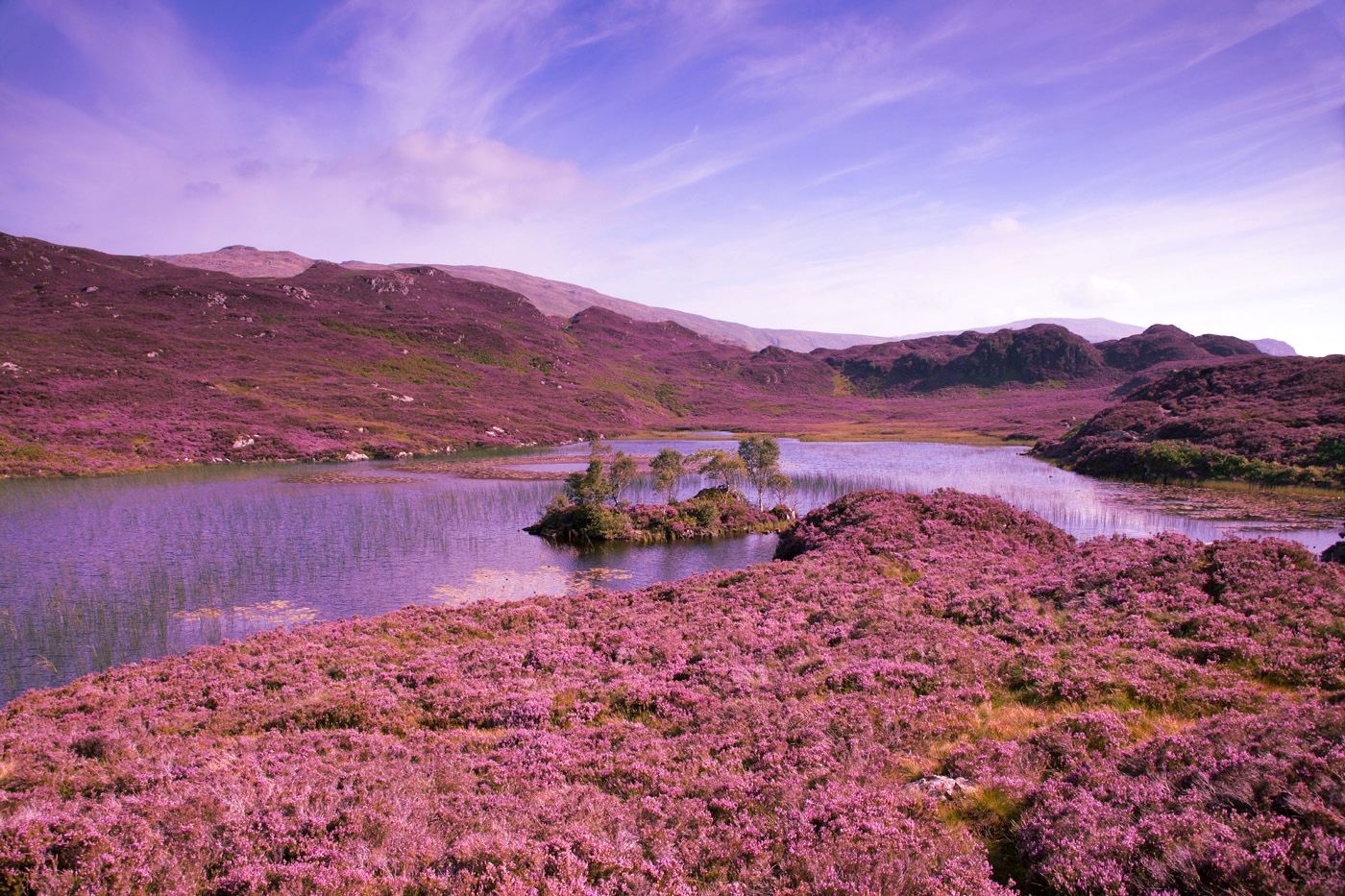
My father-in-law moved to Cumbria a few years ago, which means lots of long walks around glistening lakes and over craggy fells whenever we visit. The good thing about photography is that it gives you an excuse to rest and get your breath back, as your much fitter relative strides purposefully ahead. You can pretend to be admiring the handsome Herdwick sheep, for example, or be intent on capturing the dappled sunlight on a rock…anything to slow down the pace and save face.

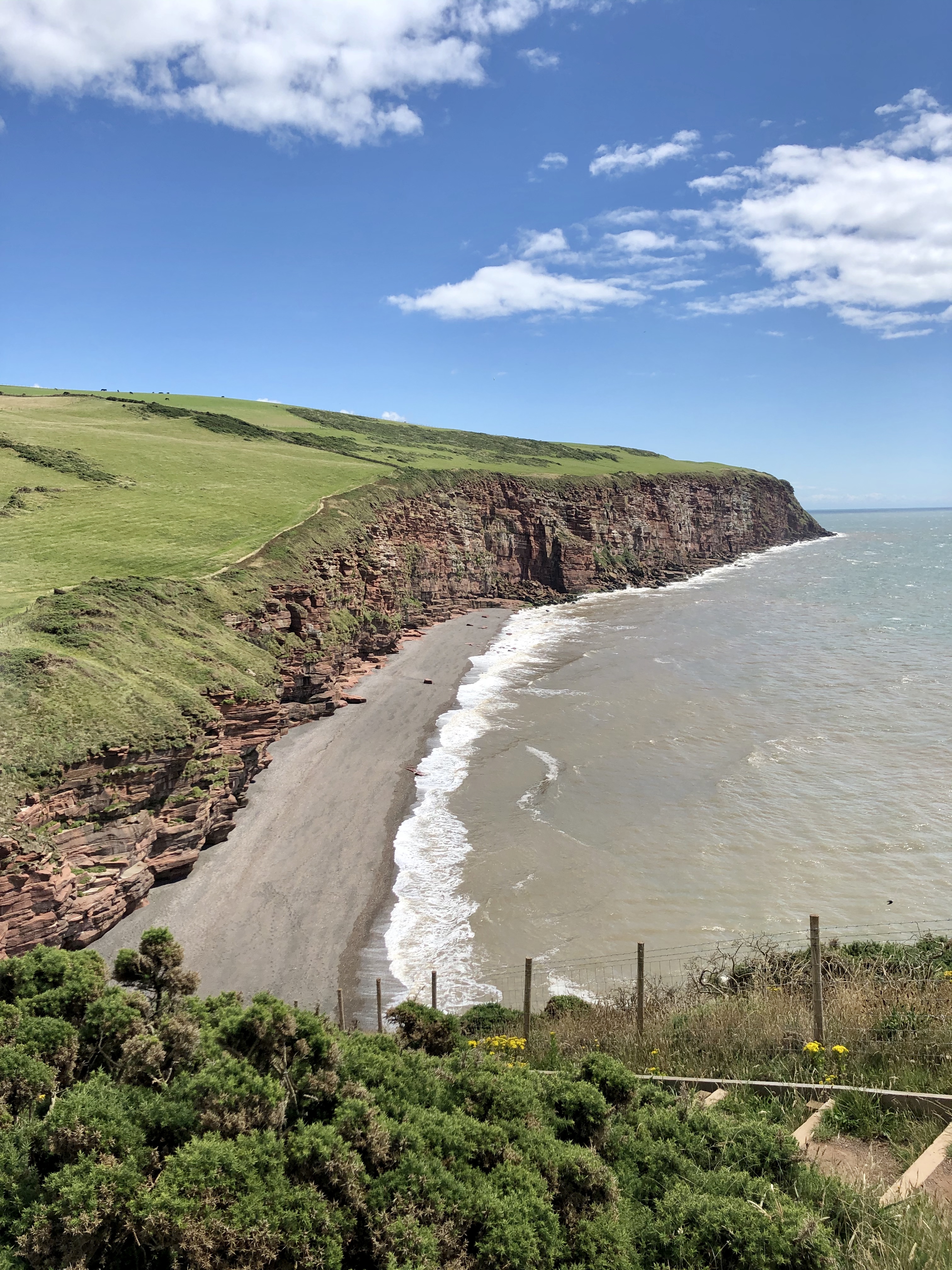
The Lake District is stunning. We have spent happy times inland: clambering over slate at Honister to reach the stunning views over Buttermere; slipping and sliding on damp rocks to reach Aira Force; eating fish & chips from the viewpoint above Derwentwater; slogging over miles of moorland on Askham Fell, sleet pounding our faces and wind whipping in our ears….ok, that last one was less fun. But you get the idea. And on our last visit, we made it out to the west coast for a sunny walk along the cliffs between Whitehaven and St Bees. Lighthouses, cormorants, pebble coves, and an ice-cream at the end to boot: glorious!

There are also places nearby perfect for extended stays. A few Christmases ago, in a frankly inspired move, Paul and I tagged on a night in Cartmel (of sticky toffee pudding fame), where we ate (and slept) in the amazing L’Enclume. Not something we can afford to do often, but a real treat. I’d really recommend.

And we have plenty more to do. Hoping, for instance, to re-book to see the baby alpacas at Bassenthwaite distillery (a victim of Covid); to build up the stamina to take the (easy) route up Blencathra; and to explore some of the lesser-known tarns and waters.

This is my first tandem blog post. A collaboration with the aforementioned – and very talented – FIL. Except…well, it’s kinda become a guest blog with just a few of my own photos thrown in. Dave is a much better landscape photographer than I am!

IMG_3938

Buttermere

DSC07877a copy

 Scafell range from Styhead (Credit: Dave Adnitt)

IMG_5125

Moor Divock

DSC09970R

Catbells (Credit: Dave Adnitt)

DSC09008R

Blencathra summit from Scales Fell (Credit: Dave Adnitt)

ITUO7767

Lone Birch (Credit: Dave Adnitt)

IMG_3867

Fleetwith Pike

DSC00897 (2resized)

Tarn Hows (Credit: Dave Adnitt)

IMG_3972

Ashness boat landing, Derwentwater

IMG_0658

Ullswater

DSC09062R

Haweswater (Credit: Dave Adnitt)

IMG_0642

St Bees Head

DSC08966ar

North western fells (Credit: Dave Adnitt)

IMG_0625

Whitehaven

DSC08912 (2)r

Lowther Estate (Credit: Dave Adnitt)

DSC08812R

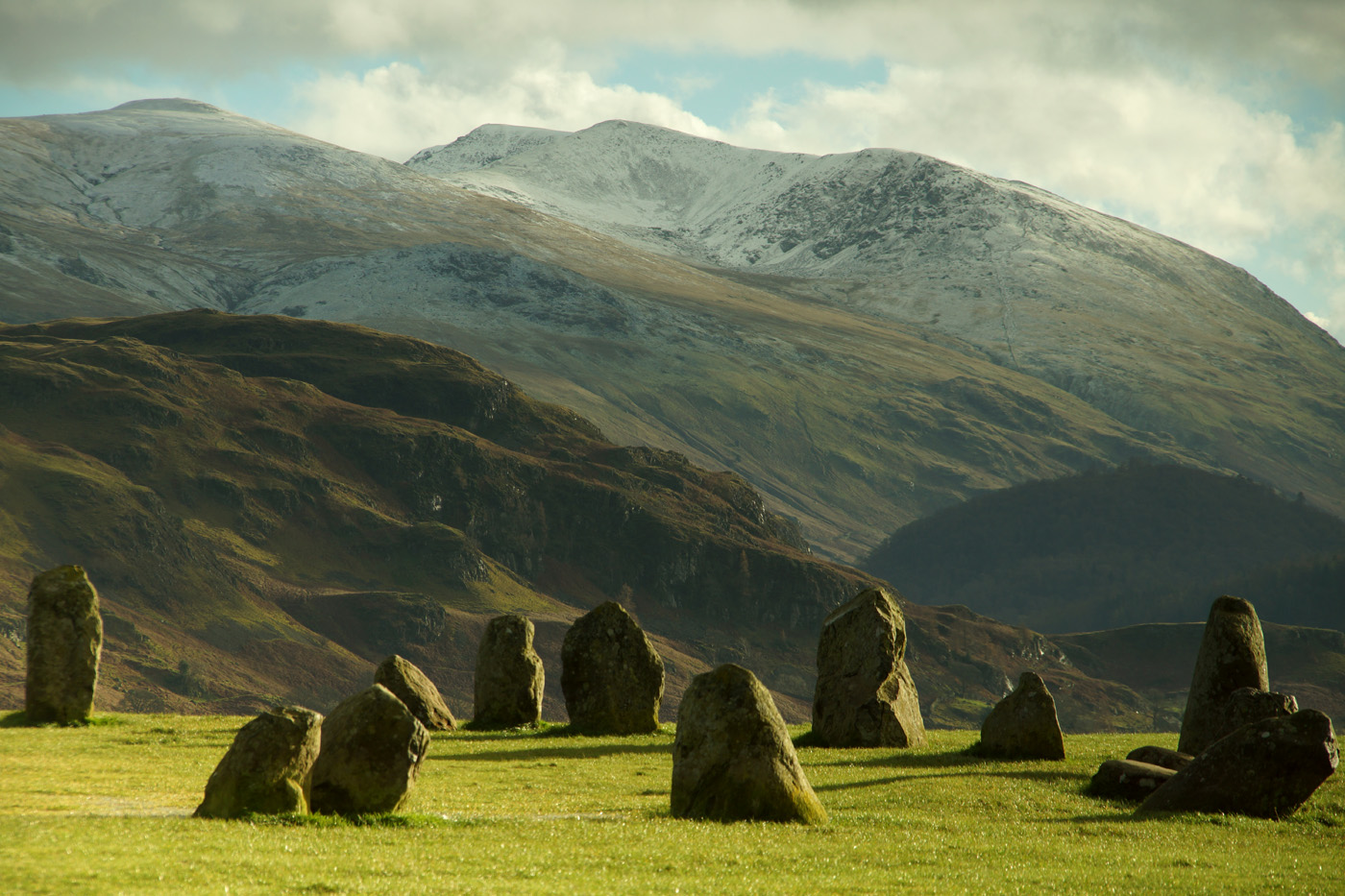
Castlerigg Stone Circle (Credit: Dave Adnitt)

IMG_3940

Honister Pass

DSC07056Lr

Pooley Bridge (Credit: Dave Adnitt)

DSC01280R

Skiddaw (Credit: Dave Adnitt)

IMG_3908

Buttermere Pano

DSC09058R

Sunset at Derwentwater (Credit: Dave Adnitt)

DSC01270R

 Lonscale Fell and Skiddaw from Tewet Tarn (Credit: Dave Adnitt)

DSC06380R

Dock Tarn over Borrowdale (Credit: Dave Adnitt)