I'm Vix, a 40-something year-old Yorkshire girl now living in London. I wish I could say here that my interests include tandem skydiving and extreme oyster-shucking, but they're actually the more prosaic usual suspects: photography (amateur); cinema (anything from art house to blockbuster); eating out (tapas being my favourite); and comedy (watching, not performing). This is my first foray into blogging. Hope you like it!
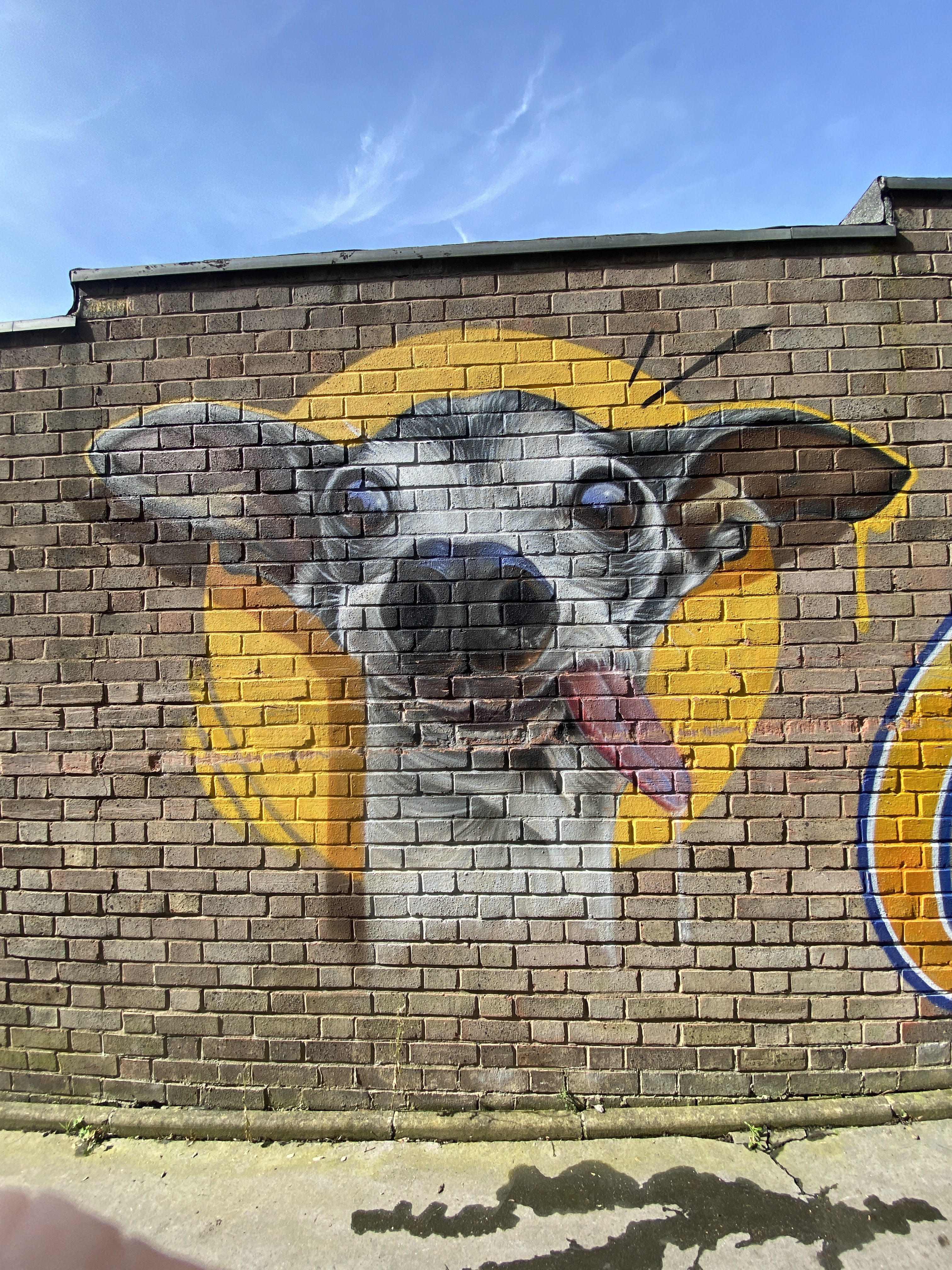
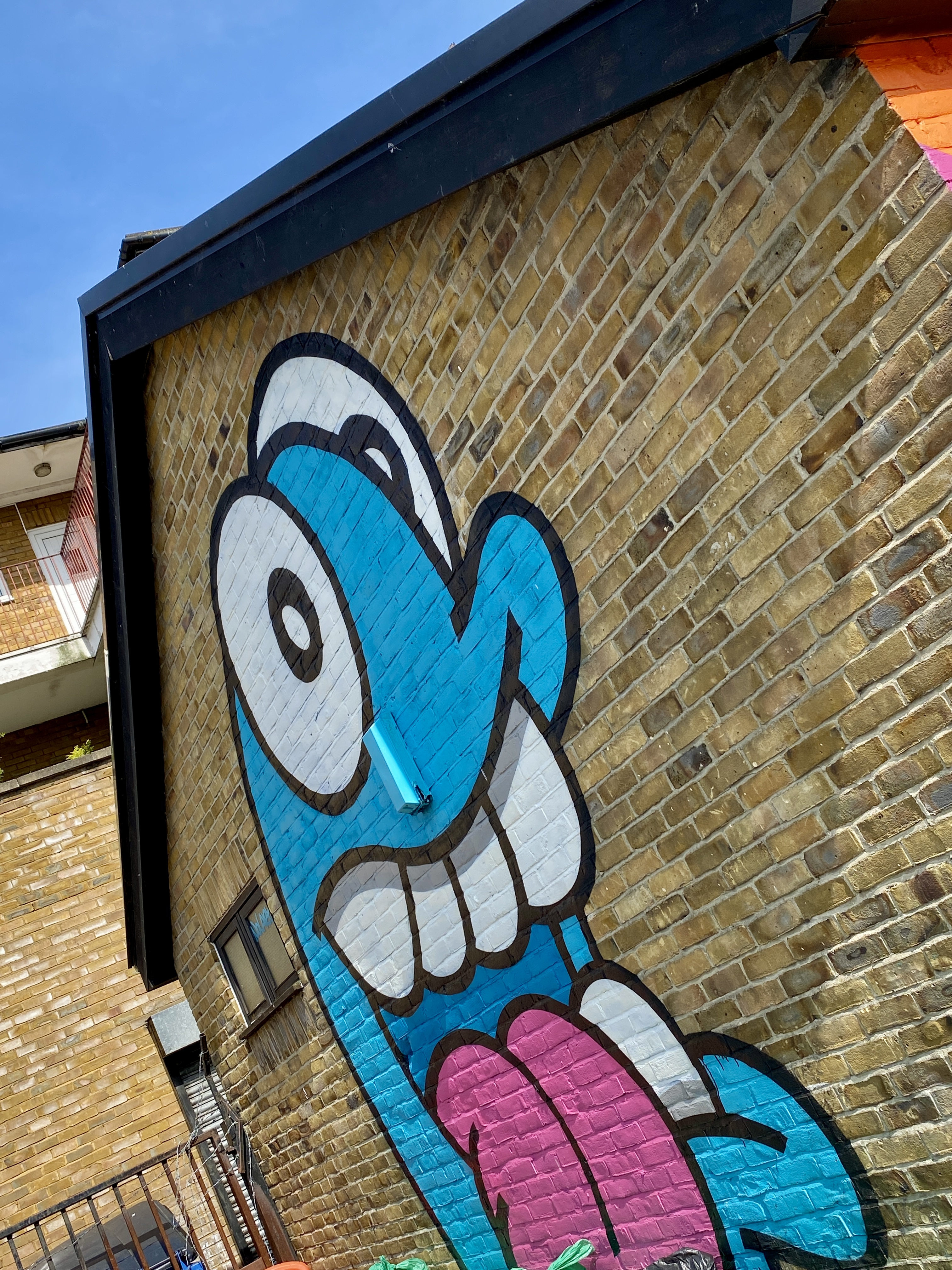
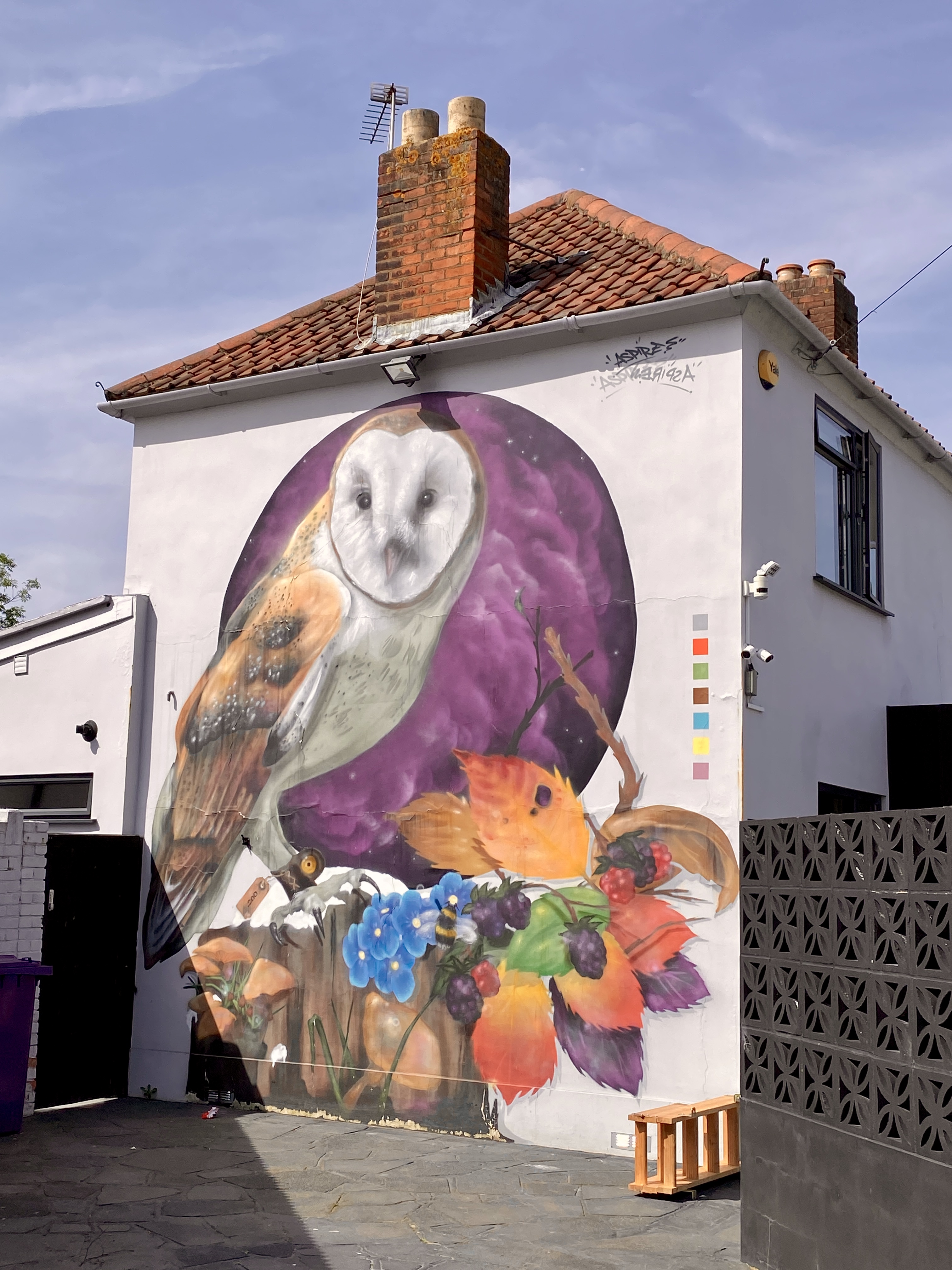
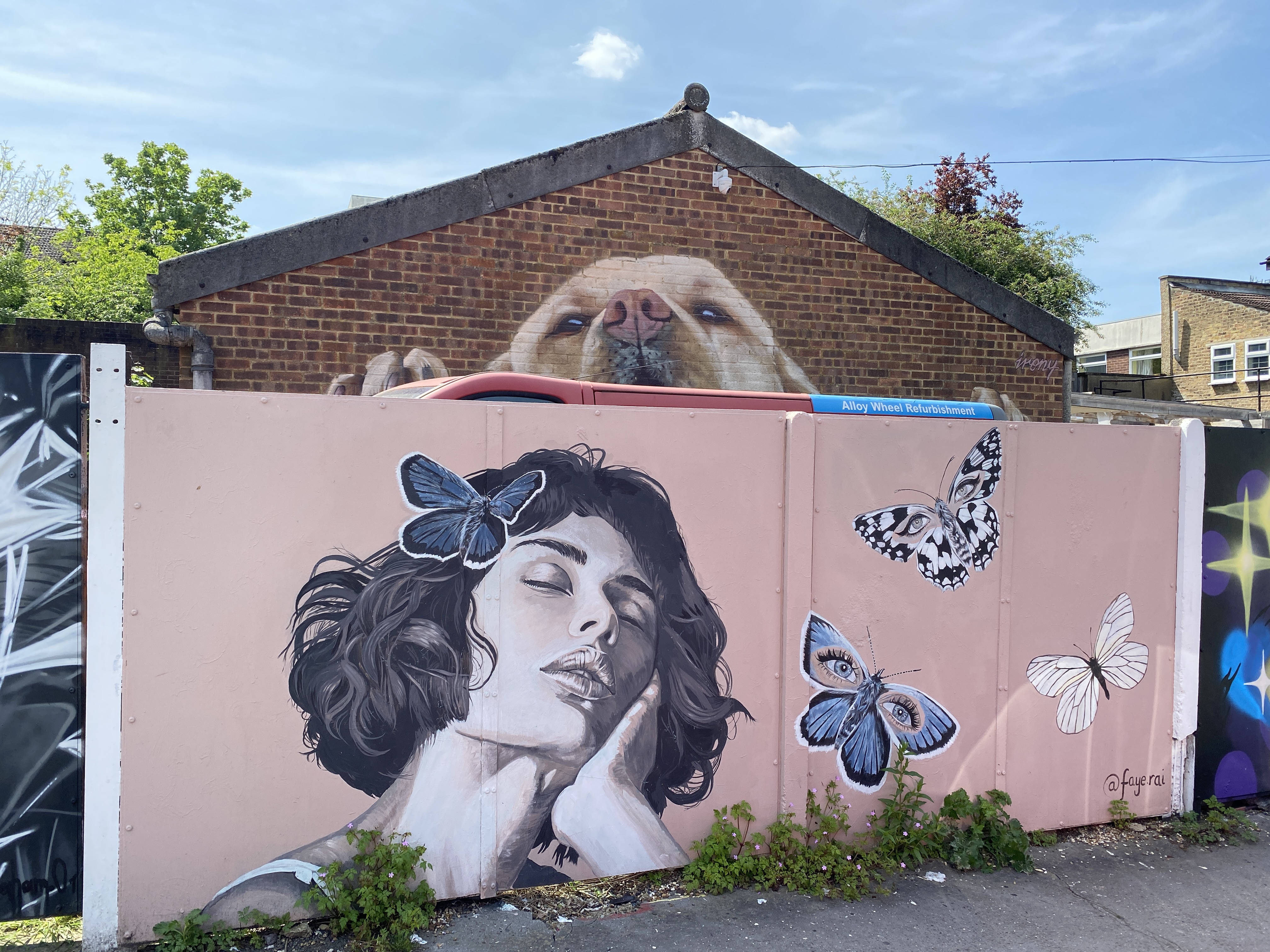
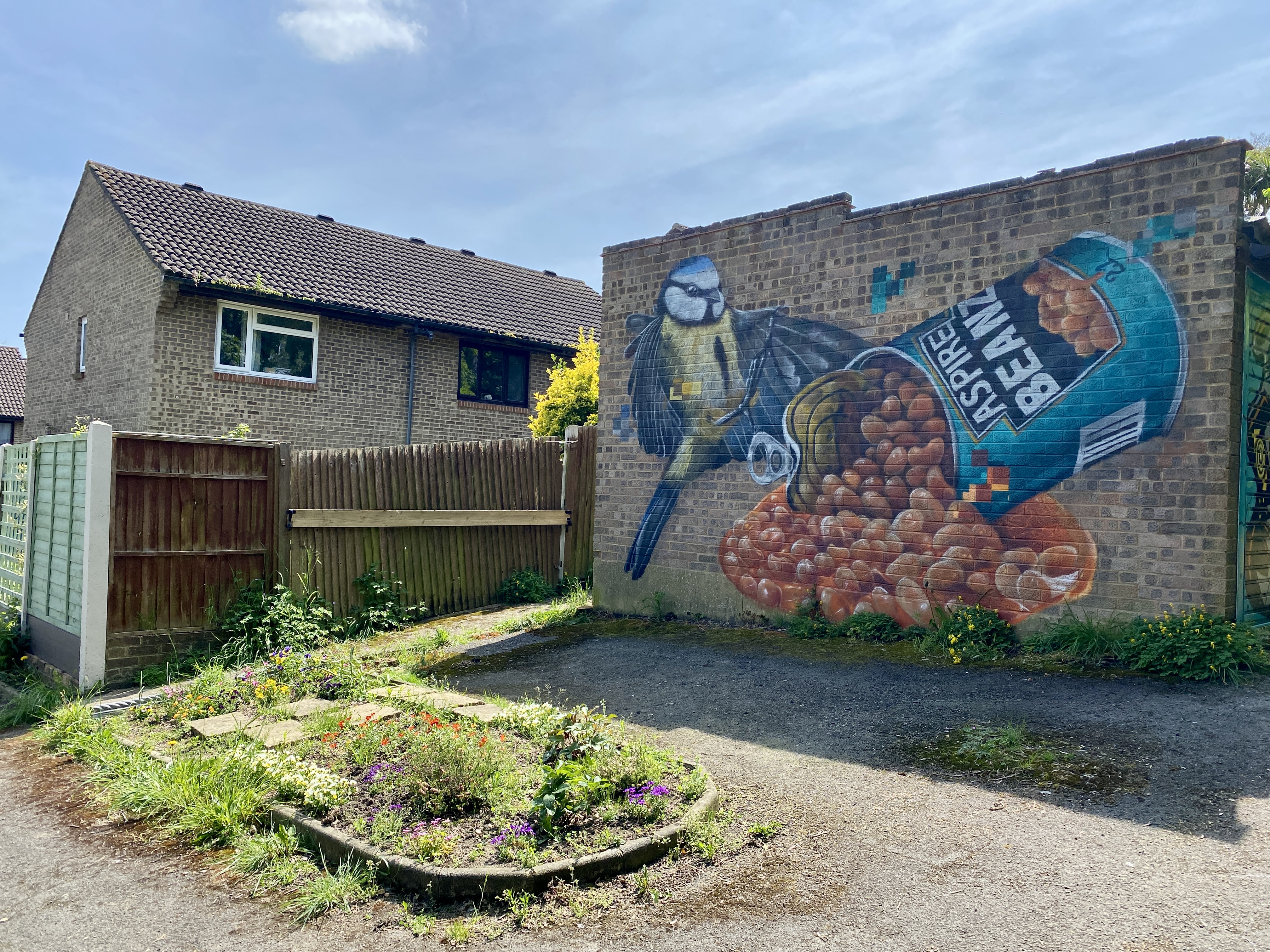
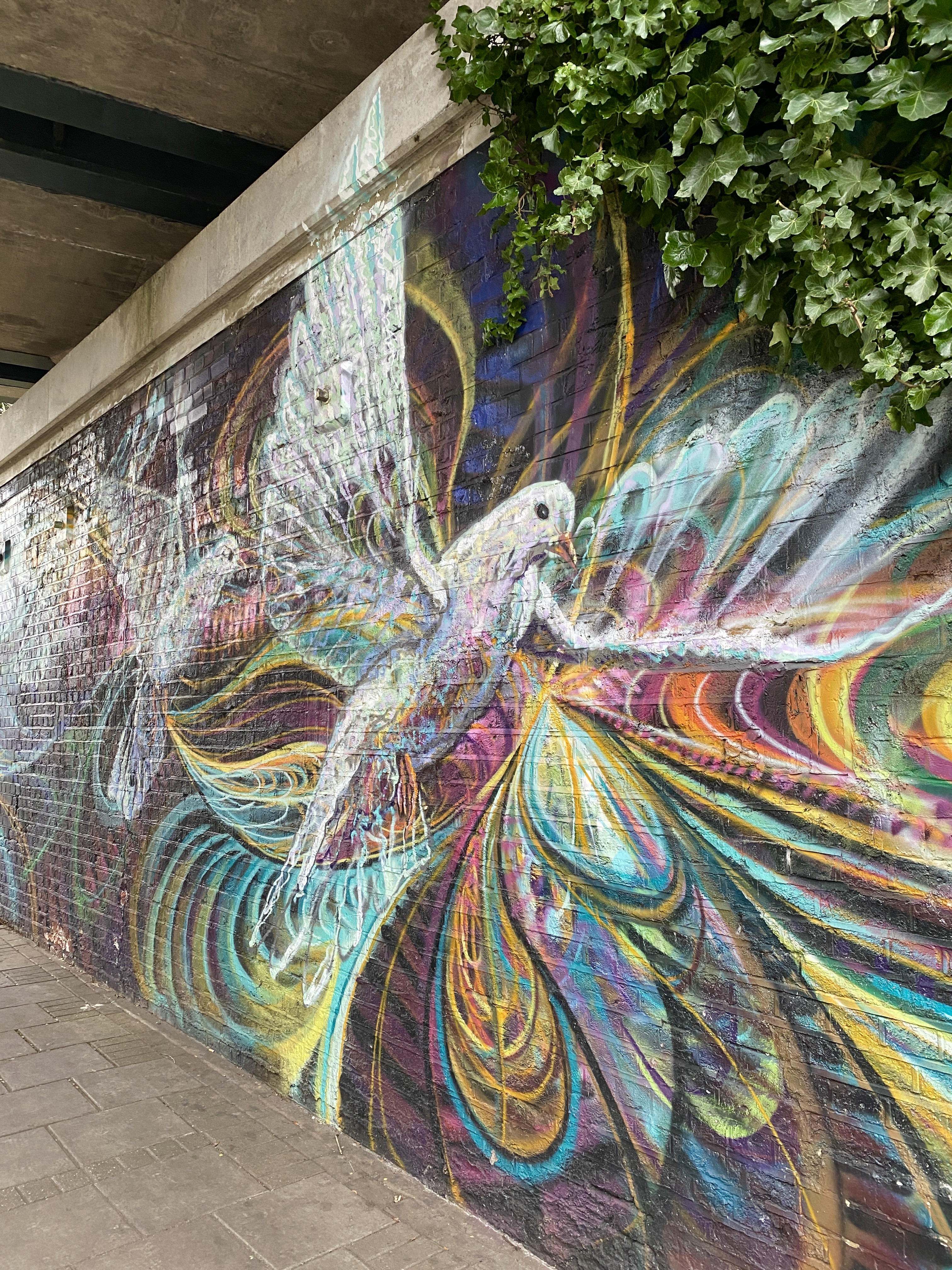
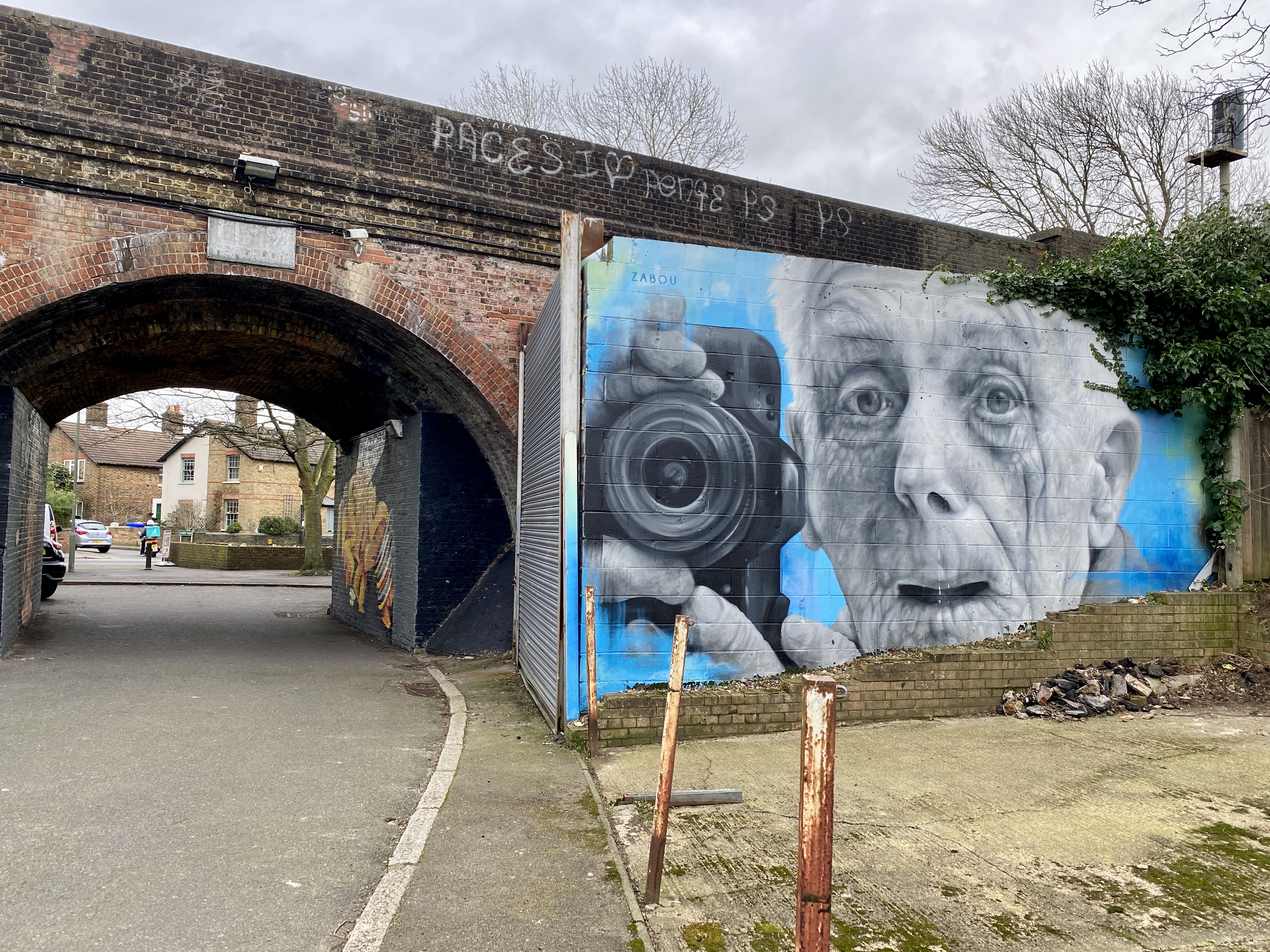
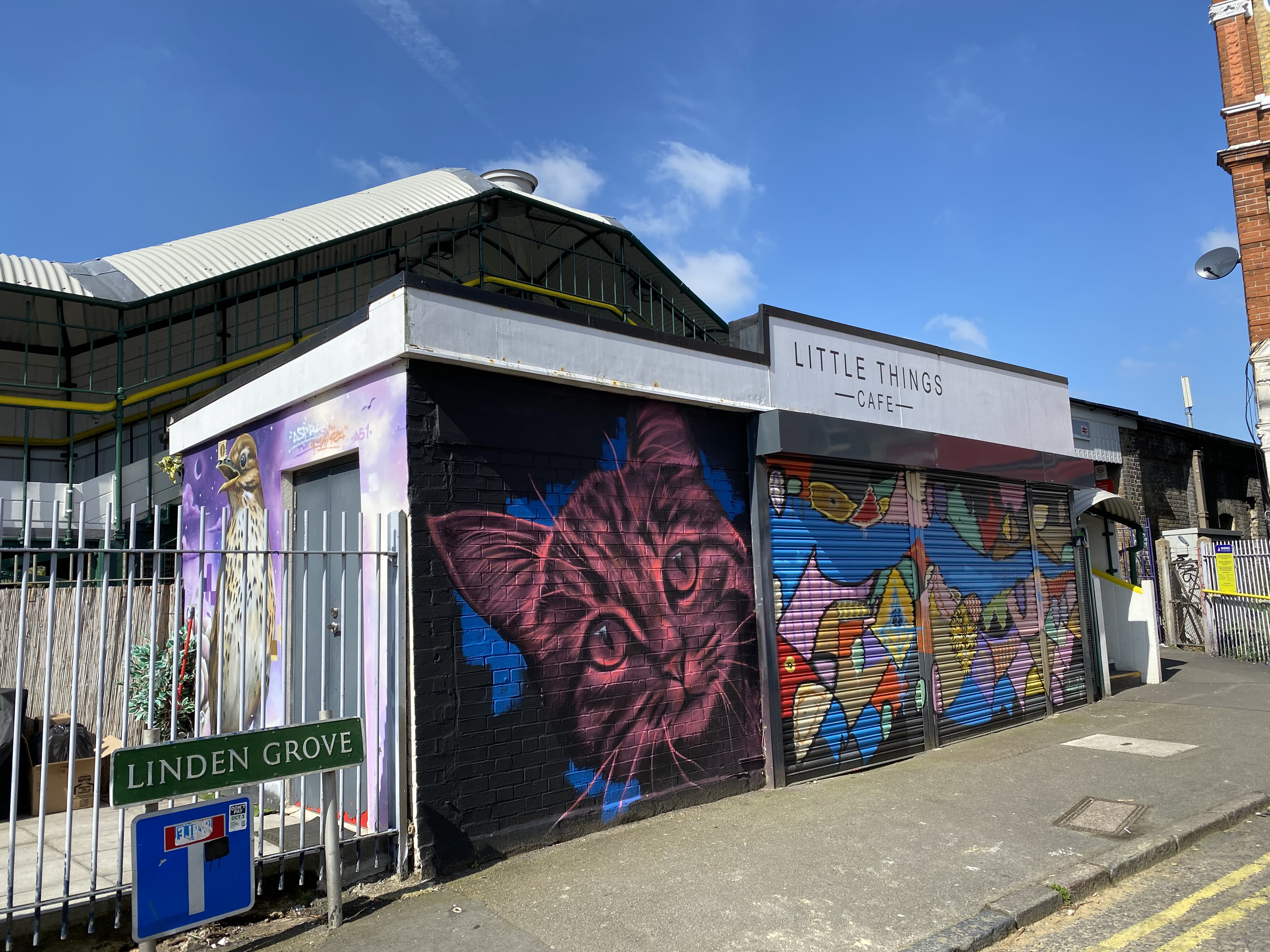
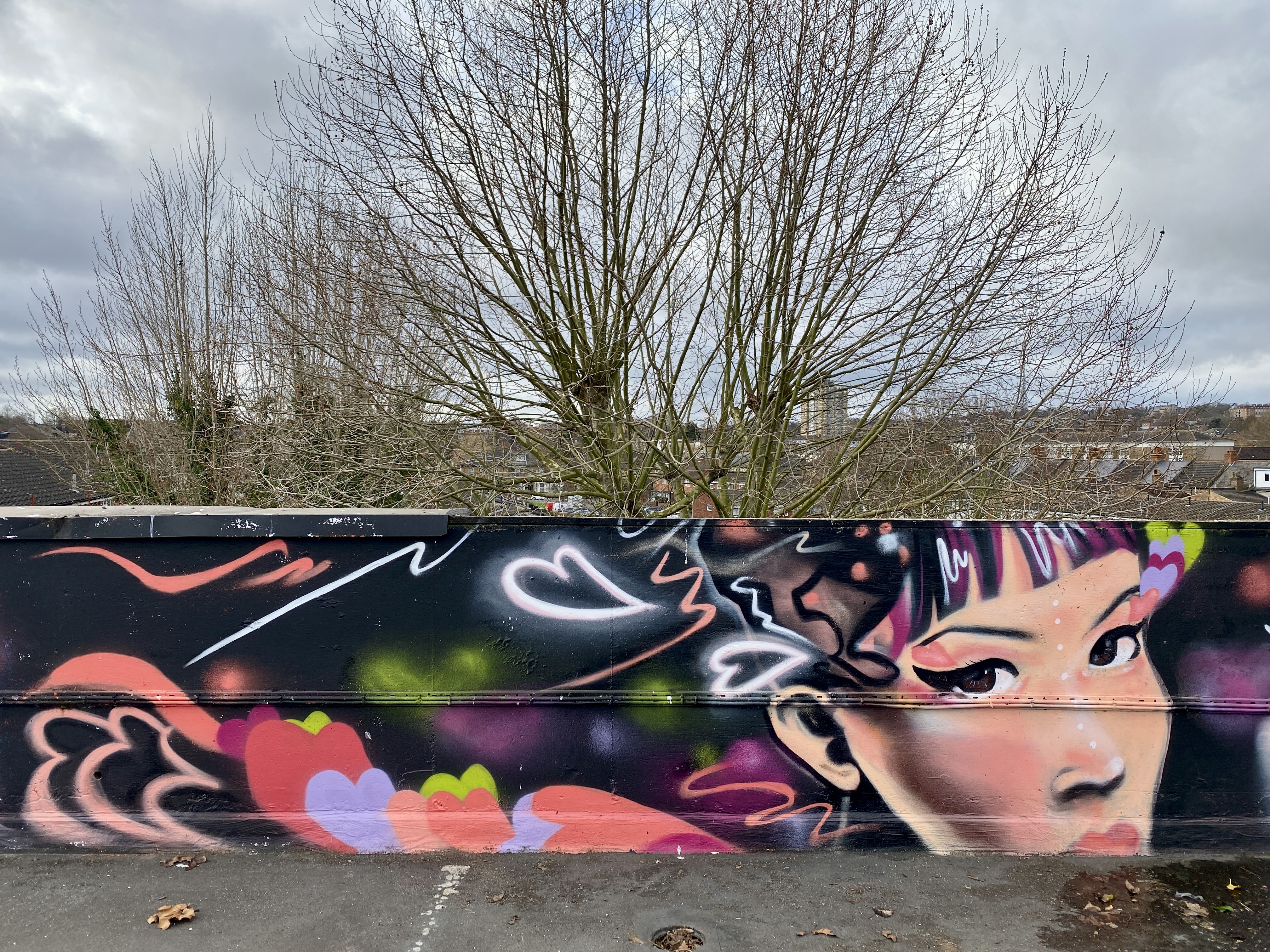
As threatened, here’s another set of snaps from a recent walk around the neighbourhood, traversing the length-and-breadth of Penge and as far as Anerley and the borders of Beckenham. Shops, garages, car parks, alleyways, hoardings…nowhere escapes the spray can in our enclave of south-east London.
Seriously considering handing over the front of our house. These pieces bring me so much joy!
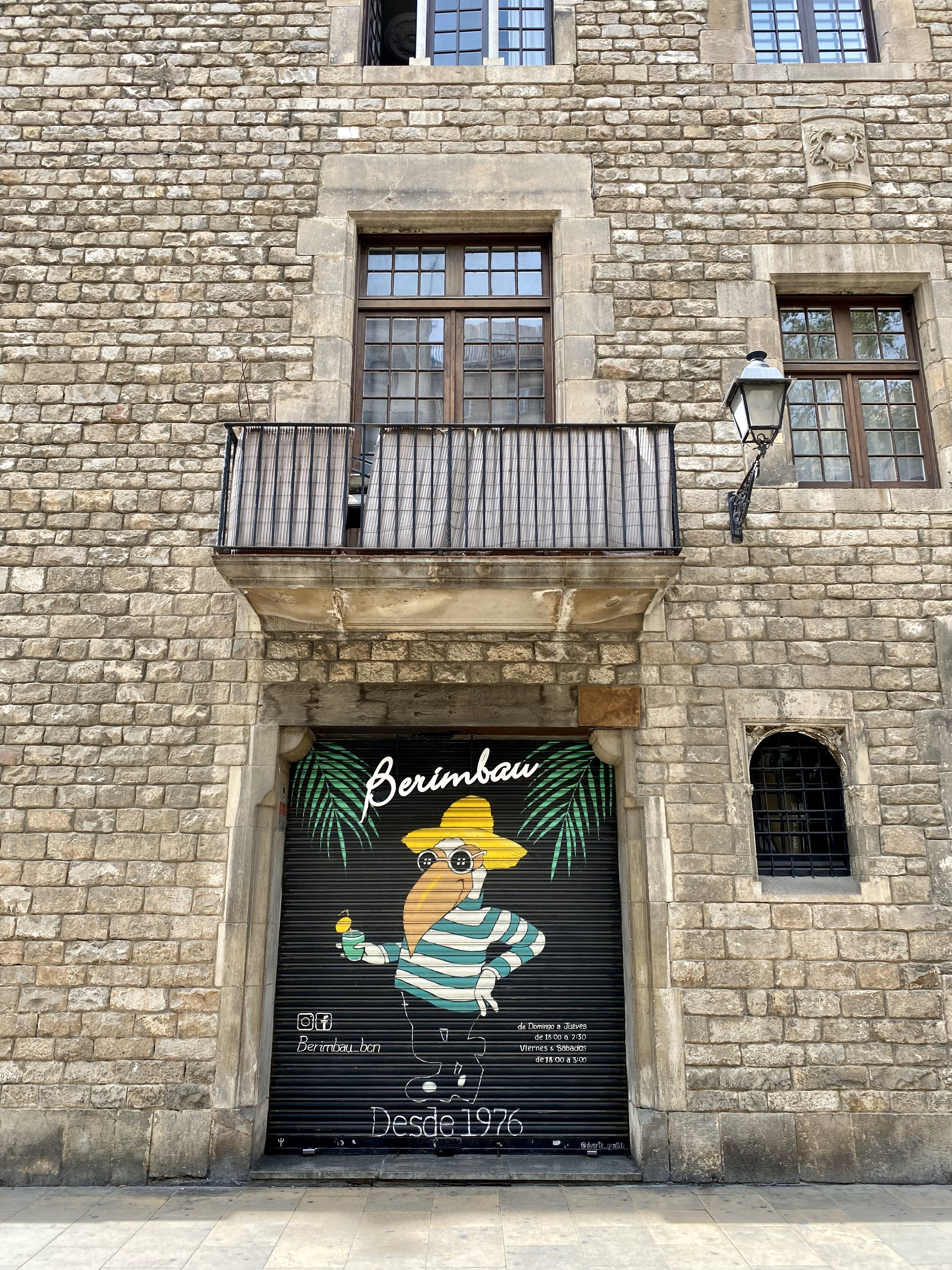
Nine months of enjoying Penge’s vibrant street art scene, and I’m still discovering new works all the time. These shots are from a recent amble. I found so many good ‘uns that there’ll be another post hot on this one’s heels…
As well as enjoying the murals, I’ve been making regular use of Alexandra Rec as part of my new jogging route, and taking the short train journey to my favourite reading spot in Brockwell Park’s walled garden. The last couple of months have been focused on taking more time for relaxation, mindfulness and quiet. Trying to be present. Trying to avoid the incessant noise and the tyranny of choice that comes with every decision. It’s a work-in-progress. But turning my phone off and strolling the streets with my camera is part of this renewed effort – and I couldn’t think of a better place to do it…
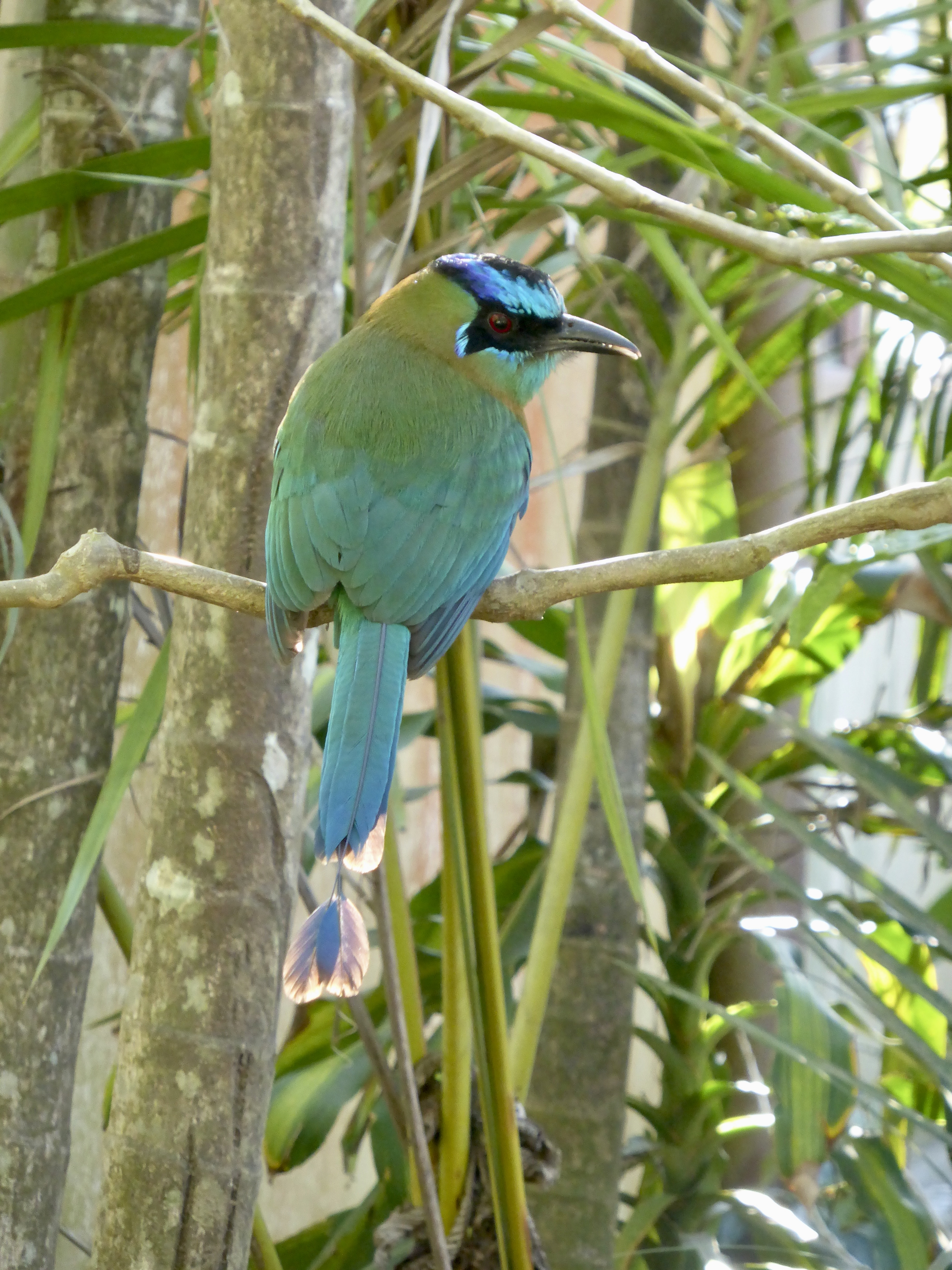
I mentioned this amazing bird in one of my previous blogs, but don’t think I did it justice. Some keen twitchers make dozens and dozens of trips to Costa Rica, spending many thousands of pounds, in search of this elusive wonder.
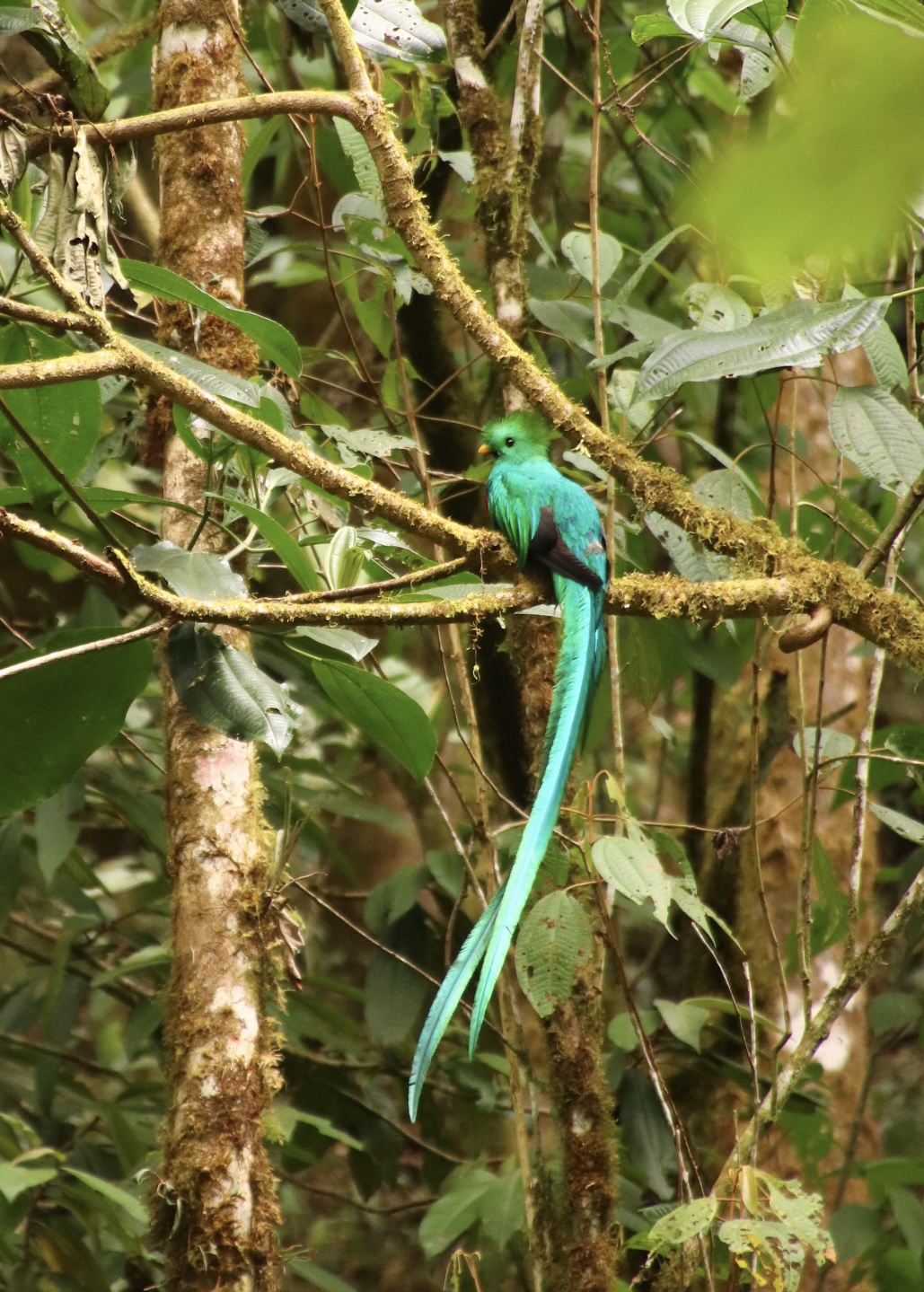
Belonging to the ‘trogan’ family, and considered sacred by Mesoamerican civilizations, the male Resplendent Quetzal (to give him his full title) has a shimmering plumage of metallic blues, greens, and reds, a crest of golden-green feathers and – during breeding season – elongated upper tail feathers that form a long, flowing train. It was thought to be the spirit guide of the Mayan prince and hero Tecún Umán, who fought against the Spanish conquest. According to legend, the prince was killed as he fought the conquistador Pedro de Alvarado and, as he lay dying, a bird flew down and landed on his chest, dipping its feathers in his blood. This is supposedly how the quetzal acquired its red breast and belly feathers.
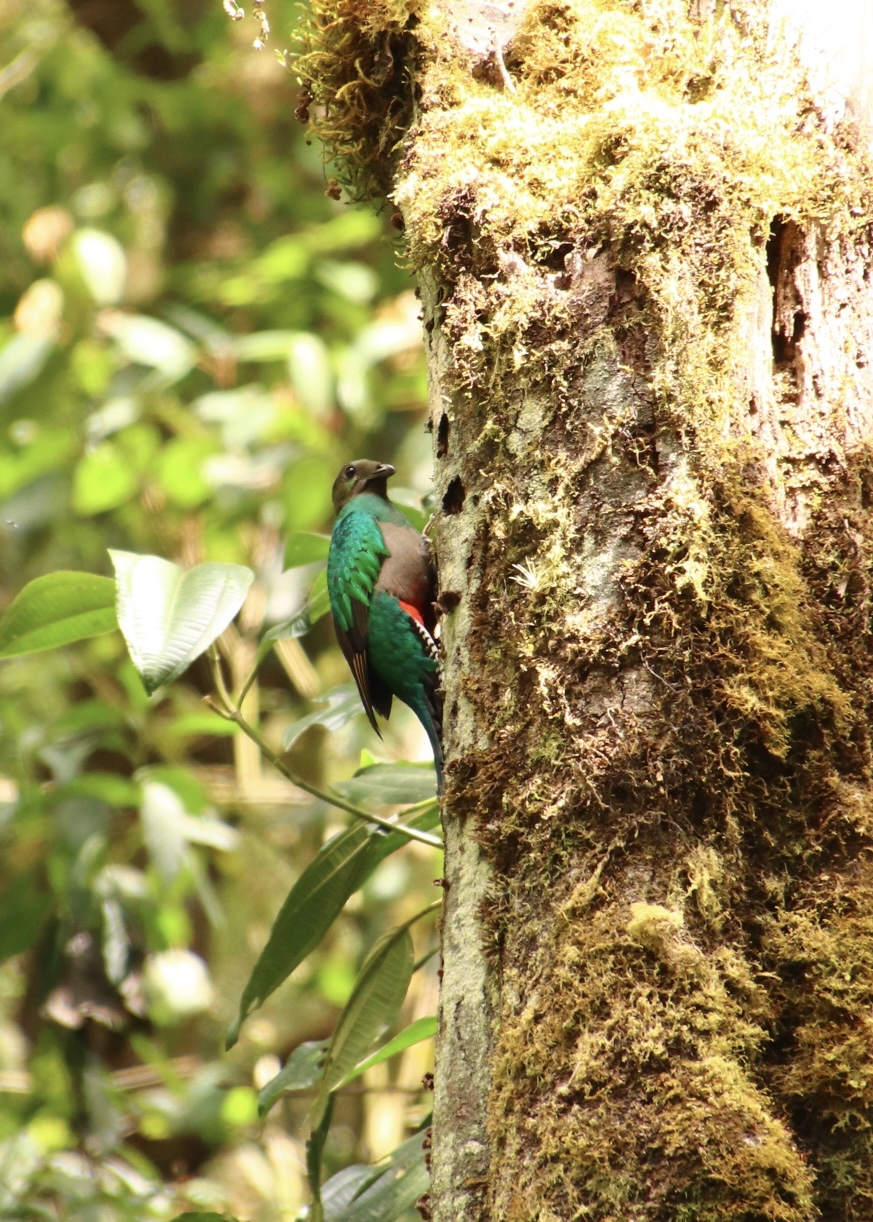
It is truly stunning; and we were so so lucky to see it up close on our trip. I’ve posted below a few of my (literally hundreds of) snaps of a mating pair building their nest.
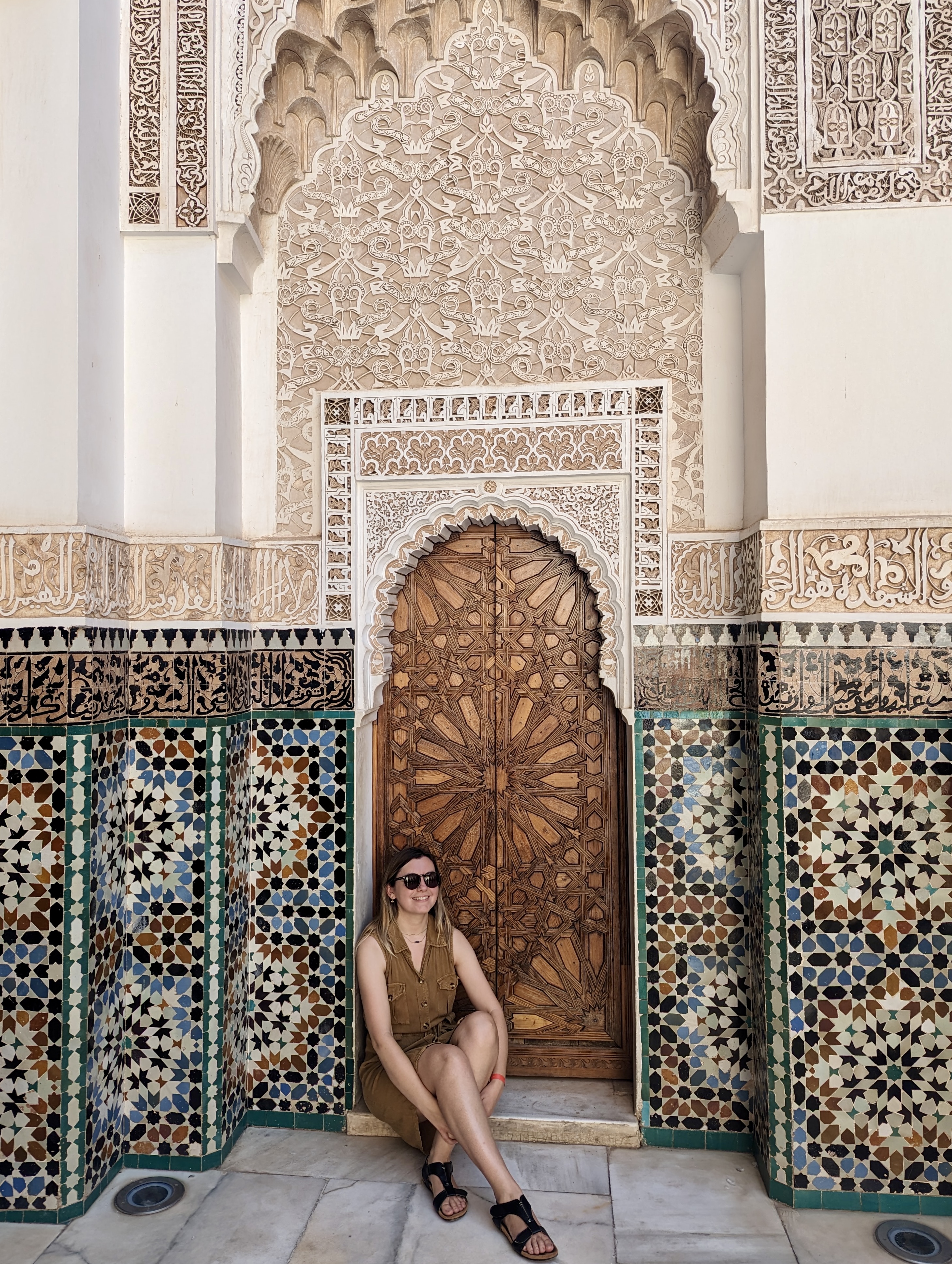
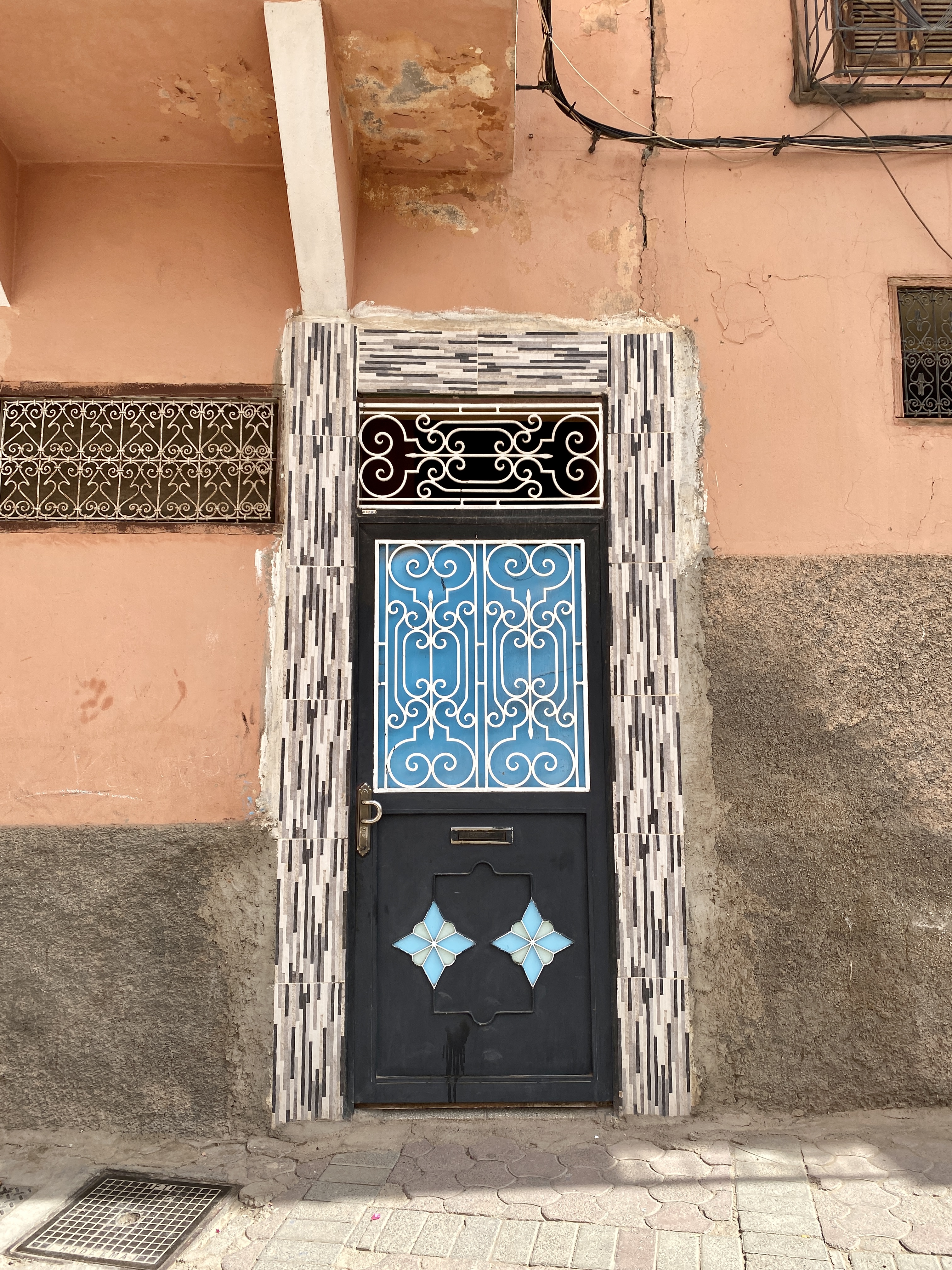
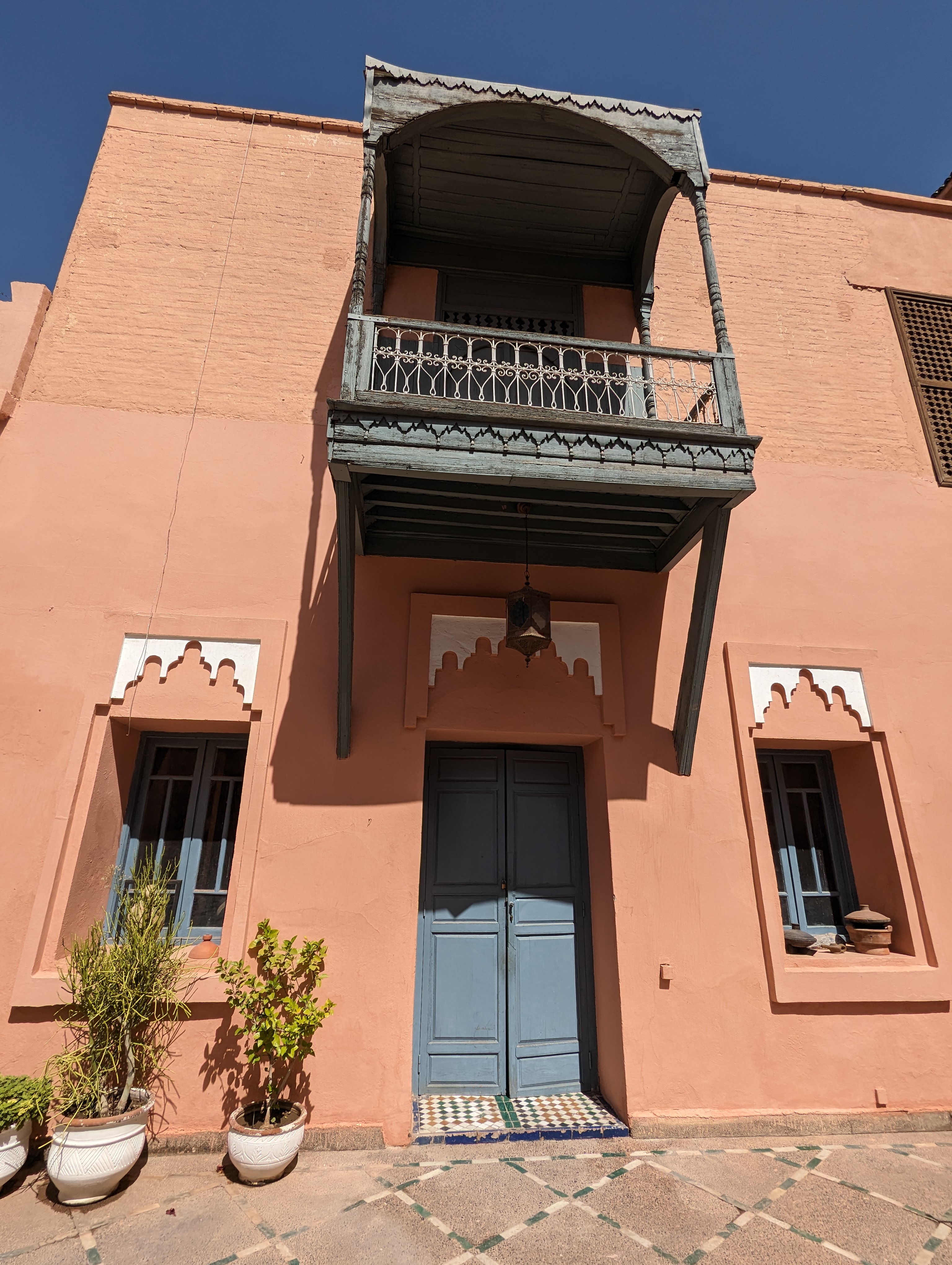
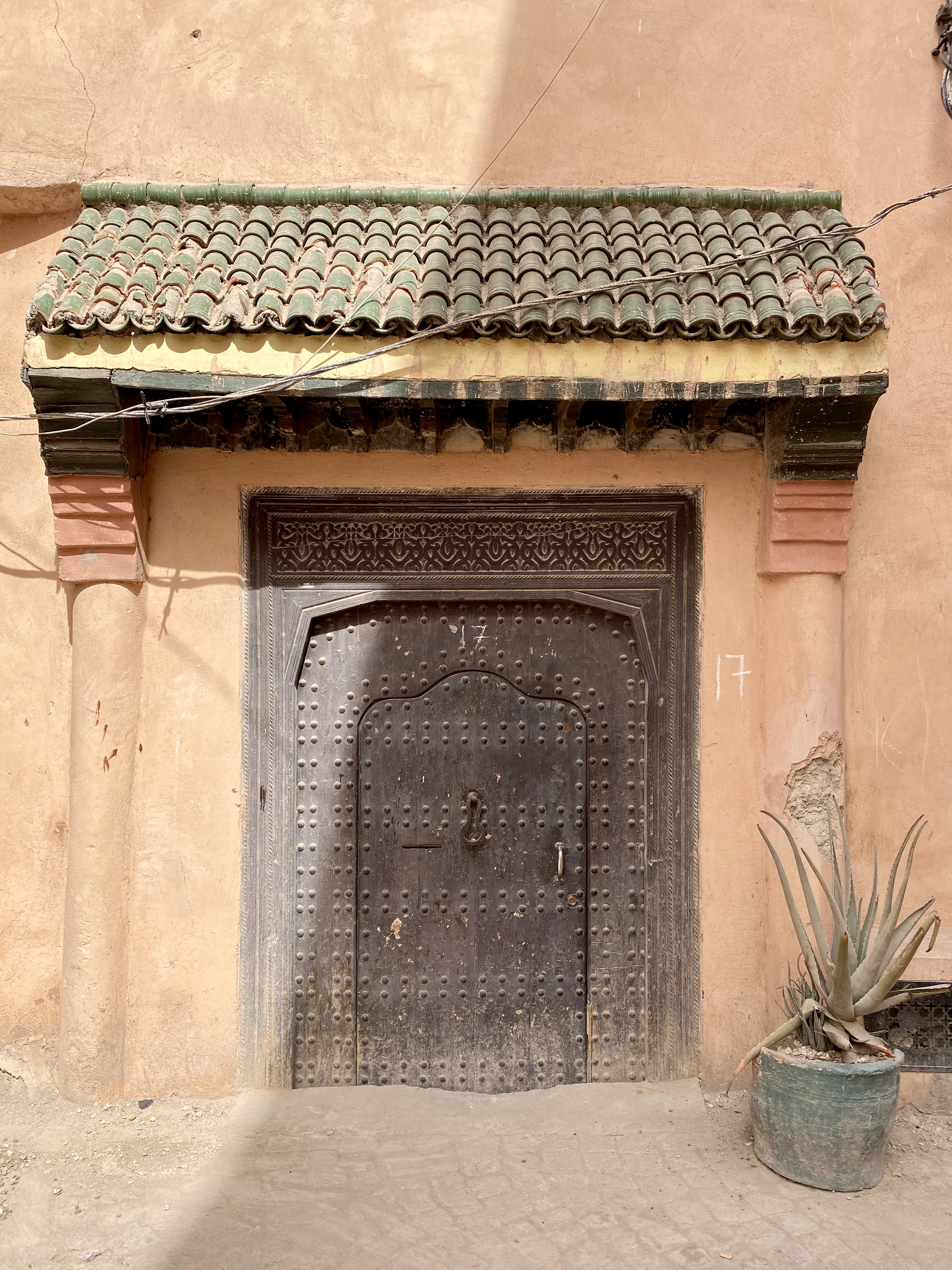
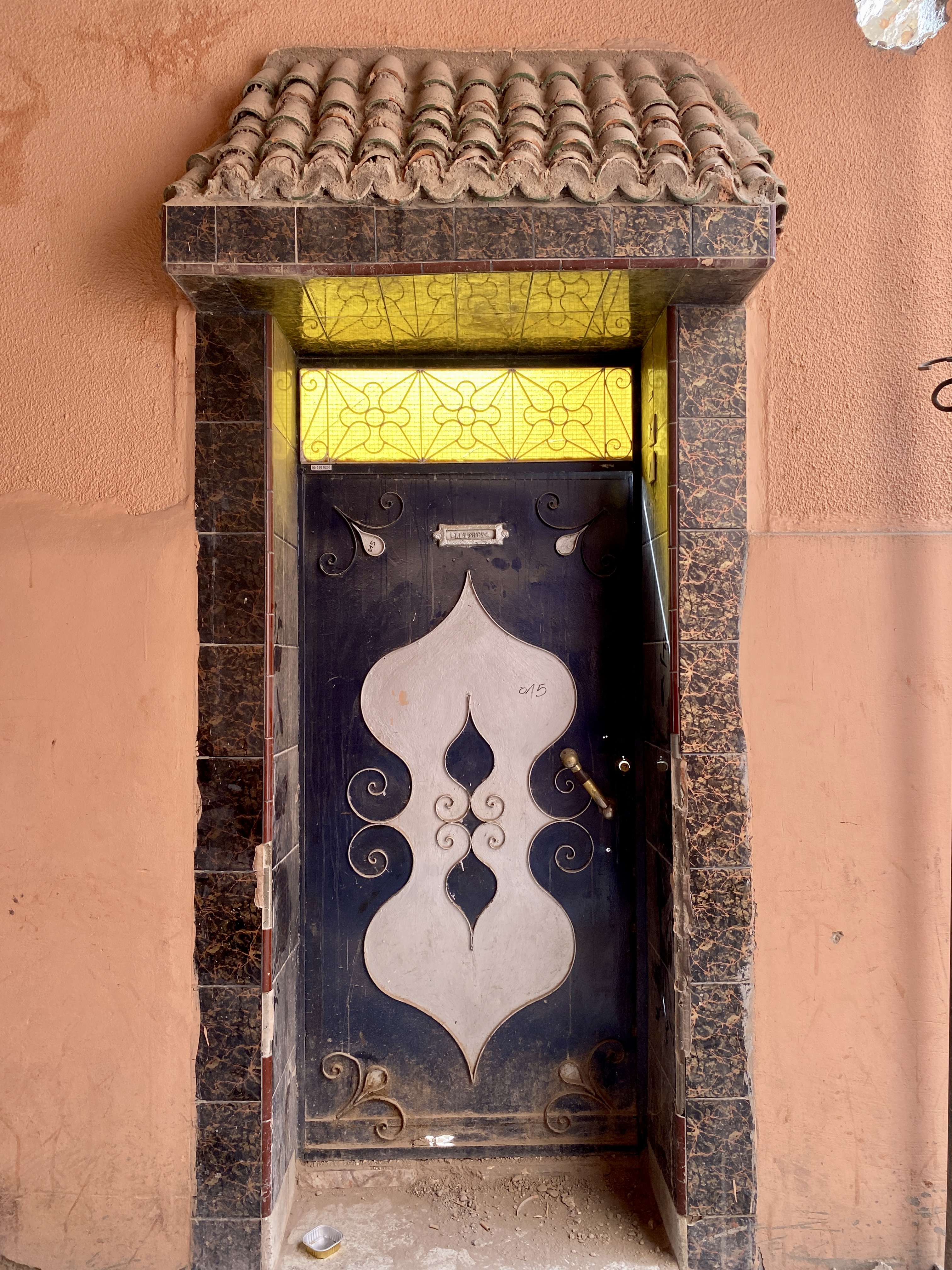
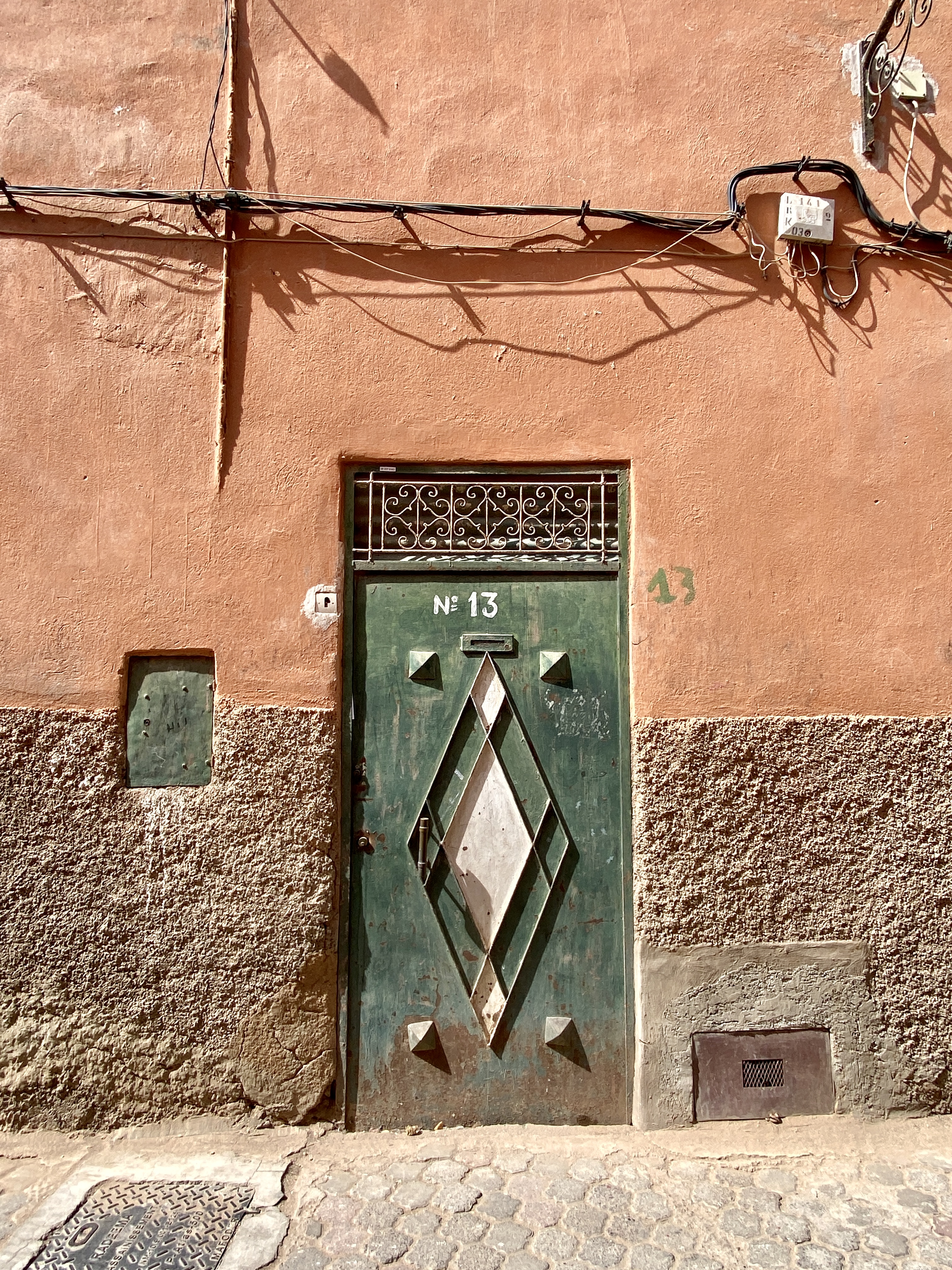
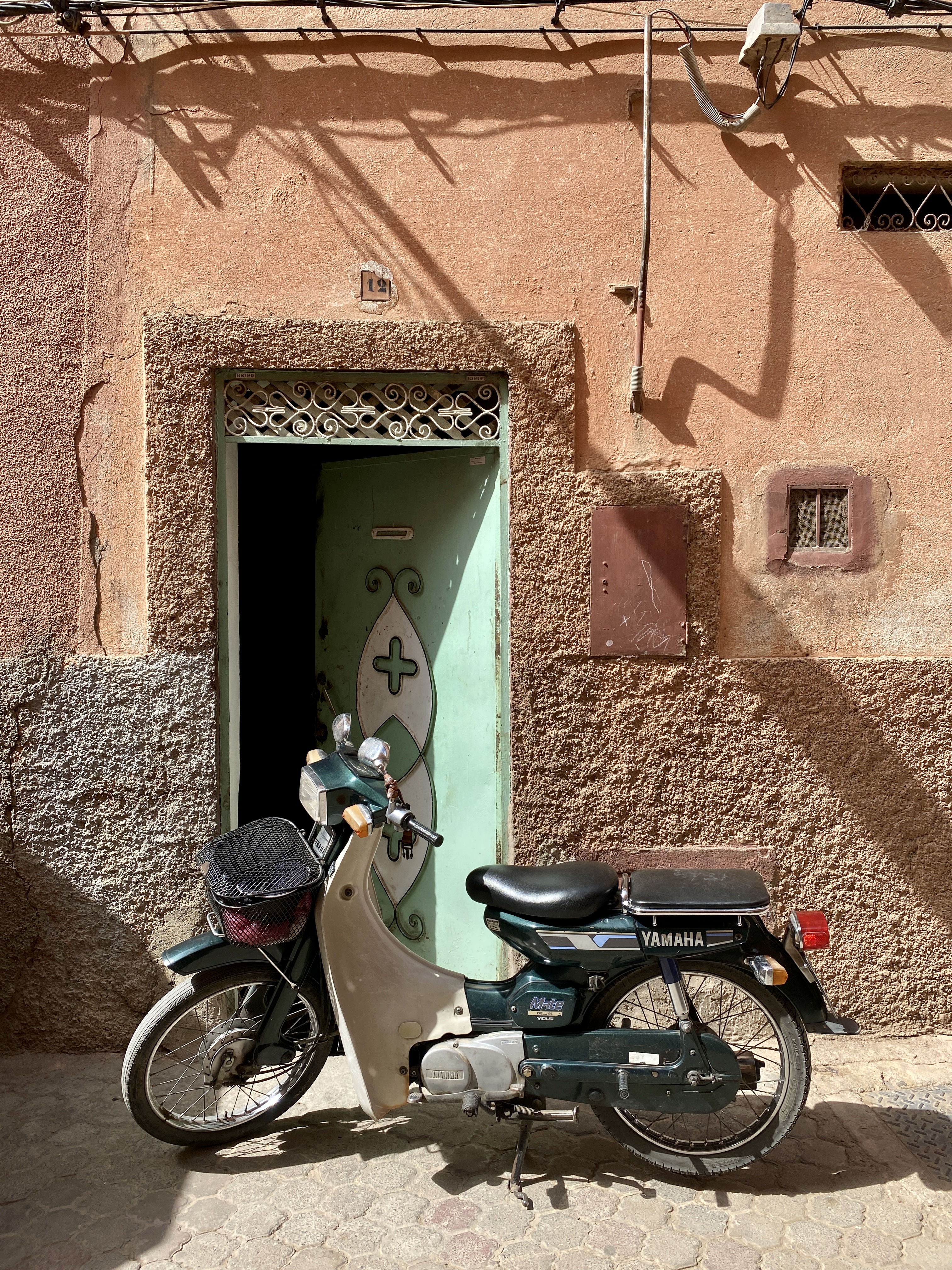
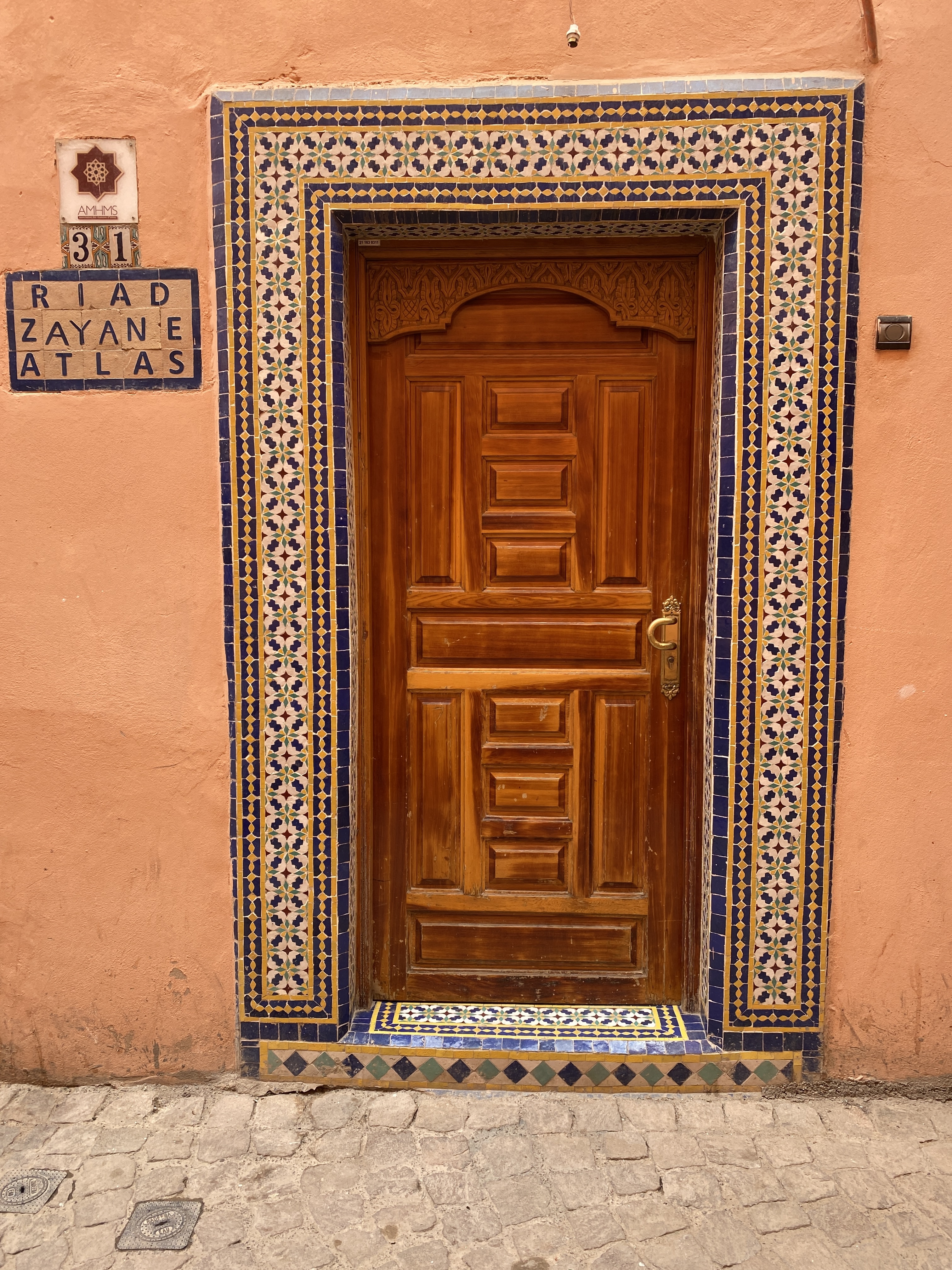
It’s been a while since I posted a good collection of doors, but luckily my trip to Marrakech supplied an embarrassment of riches. Unfortunately, our break coincided with the 6.8 magnitude earthquake that struck Morocco’s Al Haouz province and destroyed several buildings in the capital itself. We were uncomfortable about making the trip but the insurance wouldn’t have paid out and we reasoned, in the end, that tourist income was very much still needed. And I’m glad we went. The city is so friendly and vibrant, the food delicious, and the architecture and culture mesmerising.
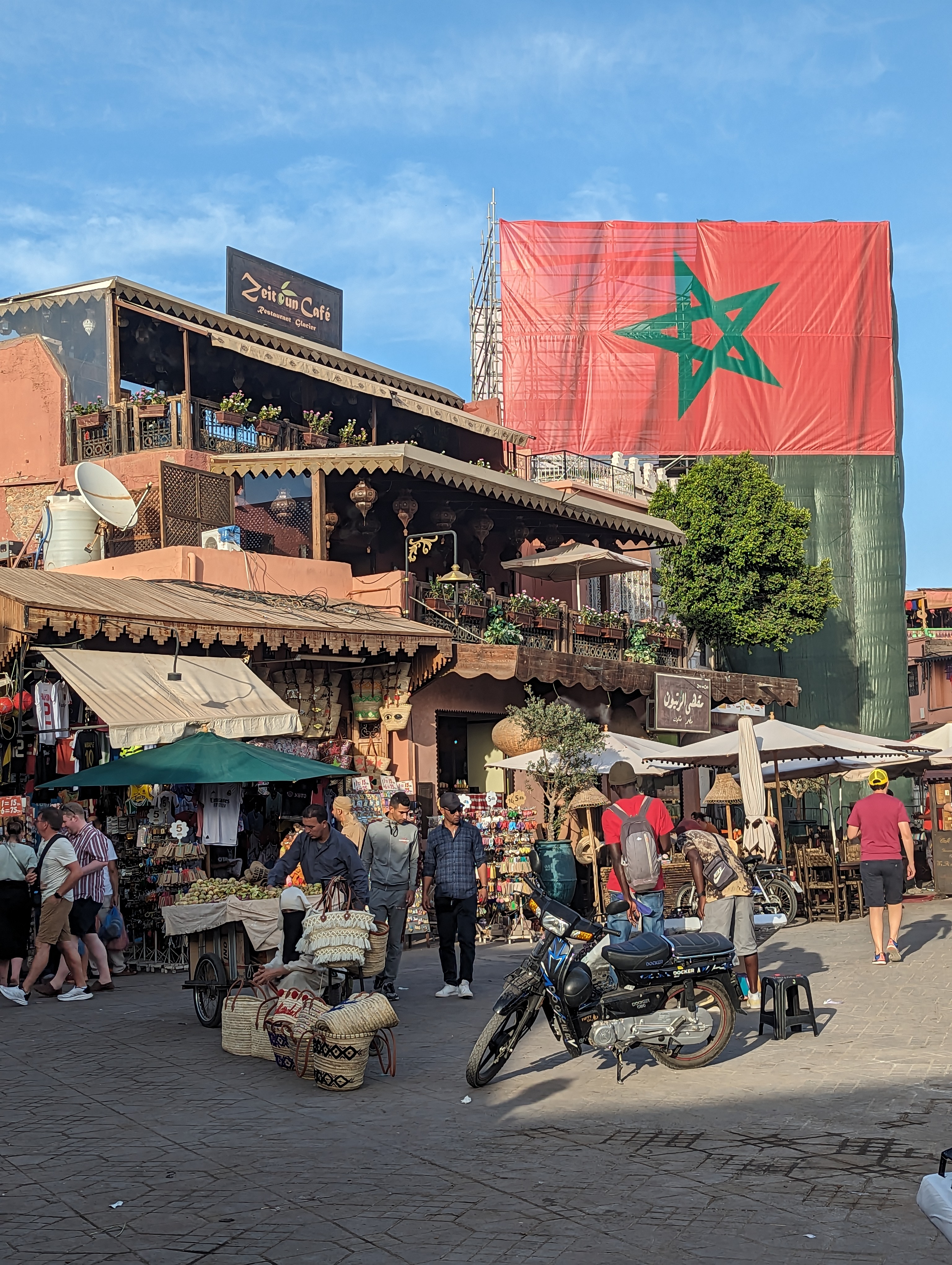
Thankfully, Marrakech escaped largely unscathed. But the clean up effort meant several of the key buildings and tourist haunts were closed. We did however manage to see the Koutoubia, with its 12th-century 250ft-high minaret – a prototype for the Giralda in Seville – and its surrounding gardens; as well as the beautiful Ali Ben Youssef Madrasa, a stunning Quranic learning centre. Founded in the 14th century under the Merinids, and exquisitely decorated in the Saadian era, the Madrasa is somehow at once bustling and vibrant yet peaceful and serene. The tiles and ornate plasterwork are some of the most impressive I’ve seen. Hours were spent navigating the medina and the labyrinth of souks, with their multitude of spice stalls, centuries-old leather tanneries, colourful stalls of pottery and woven goods, and exotic, inviting smells. I could have filled my suitcase with lanterns, carpets, silver jewellery, brass and wooden carvings….if I knew how to haggle, that is. My ingrained English sensibilities protected my bank balance.
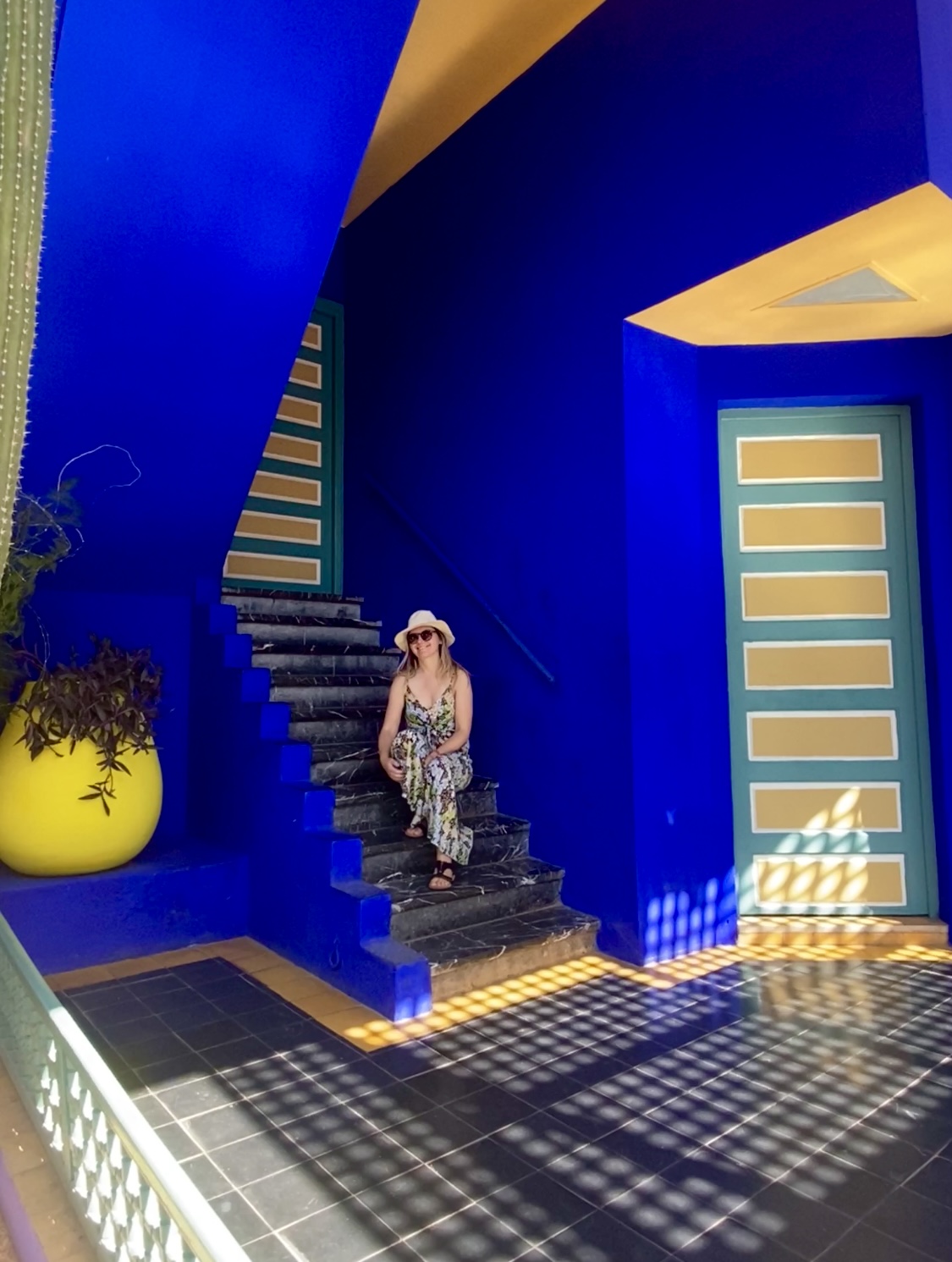
Where else would I recommend? The Musée de Marrakech exhibits a collection of Moroccan art within the salons of the Mnebhi Palace and is certainly worth perusing. And the imposing 12th century stone gate Bab Agnaou, the main public entrance to the royal kasbah, should be visited. One of my favourite places was found outside the old city though – the electric-blue art deco studio of Jardin Majorelle. Bought by fashion designer Yves Saint Laurent in 1980 in order to preserve the original vision of landscape painter Jacques Majorelle, the gardens are a kind of trippy, psychedelic desert mirage containing 300 plant species from five continents. The tranquil (if expensive) courtyard cafe provides respite from the throngs of visitors.
Definitely see all those things (and more, if you’re lucky enough to go when Bahia Palace and the Saadian Tombs are open), but do leave time for some mint tea and b’stilla (a type of sweet meat pie) overlooking Djemaa El Fna – the city’s main square. Go there as the sun begins to set. Snake charmers, dancers, and an array of stalls selling tagine, mechoui (roast lamb), makouda (spiced potato cakes) and zaalouk (aubergine stew) all set up at sundown. And the square becomes even more noisy and full of life.
Here are a few of my favourite photos from the trip – the all-important doors intermingled with some other snaps of the city…
After a stressful 6 months, we finally moved into our new pad: a little terraced house in glorious Pengé-a-la-mer (or Penge, for the uninitiated). We already love it here – it’s got such a great community vibe, our neighbours are great, and we’re a stone’s throw from the dinosaurs in Crystal Palace Park (who wouldn’t covet that!). There’s a well-stocked deli, lots of craft beer bars, proper high street Christmas lights, corner shops where we know the owners’ names, parakeets in the trees, and a weekly food market. Of course, there are downsides too….but I struggle to think of them right now.
The best thing is that Penge is the street art capital of the world*. Over 1,150 artworks have been placed around SE20 over the last seven years, and at any one time there are over 400 to see. It takes 4-5 hours to get round them all! I’m in heaven.
I’ll be making regular photo dumps of the new ‘hood over the coming year, starting with these beauties…
Costa Rica’s rich biodiversity is not limited to its larger creatures; it’s also home to a dazzling array of tiny jewels of the skies – the hummingbirds. Known for their iridescent plumage and rapid wingbeats, these avian wonders are a delightful sight to behold.
During my journey through Costa Rica, I had the incredible opportunity to witness these miniature marvels in various locations, each offering a unique glimpse into their enchanting world.
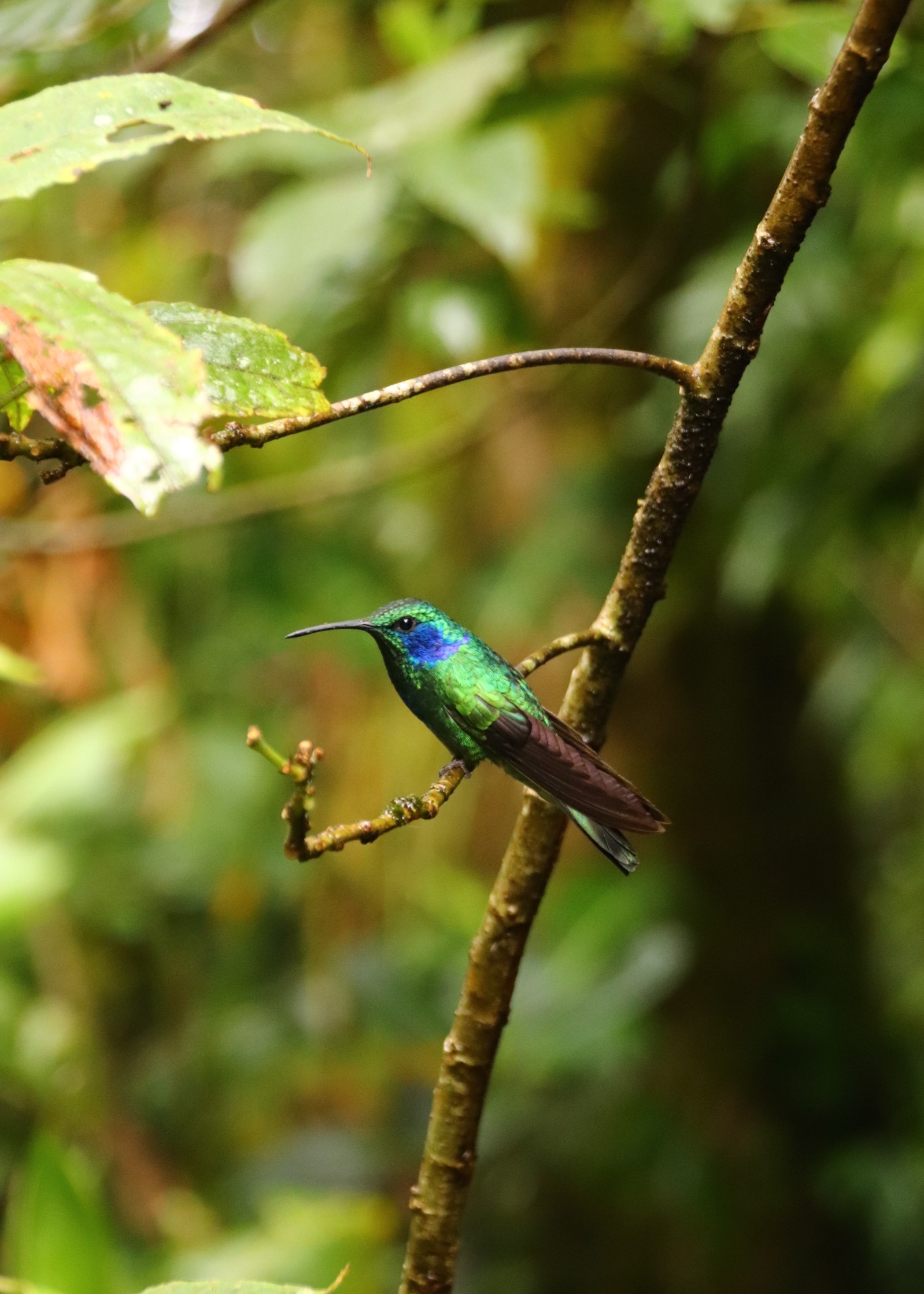
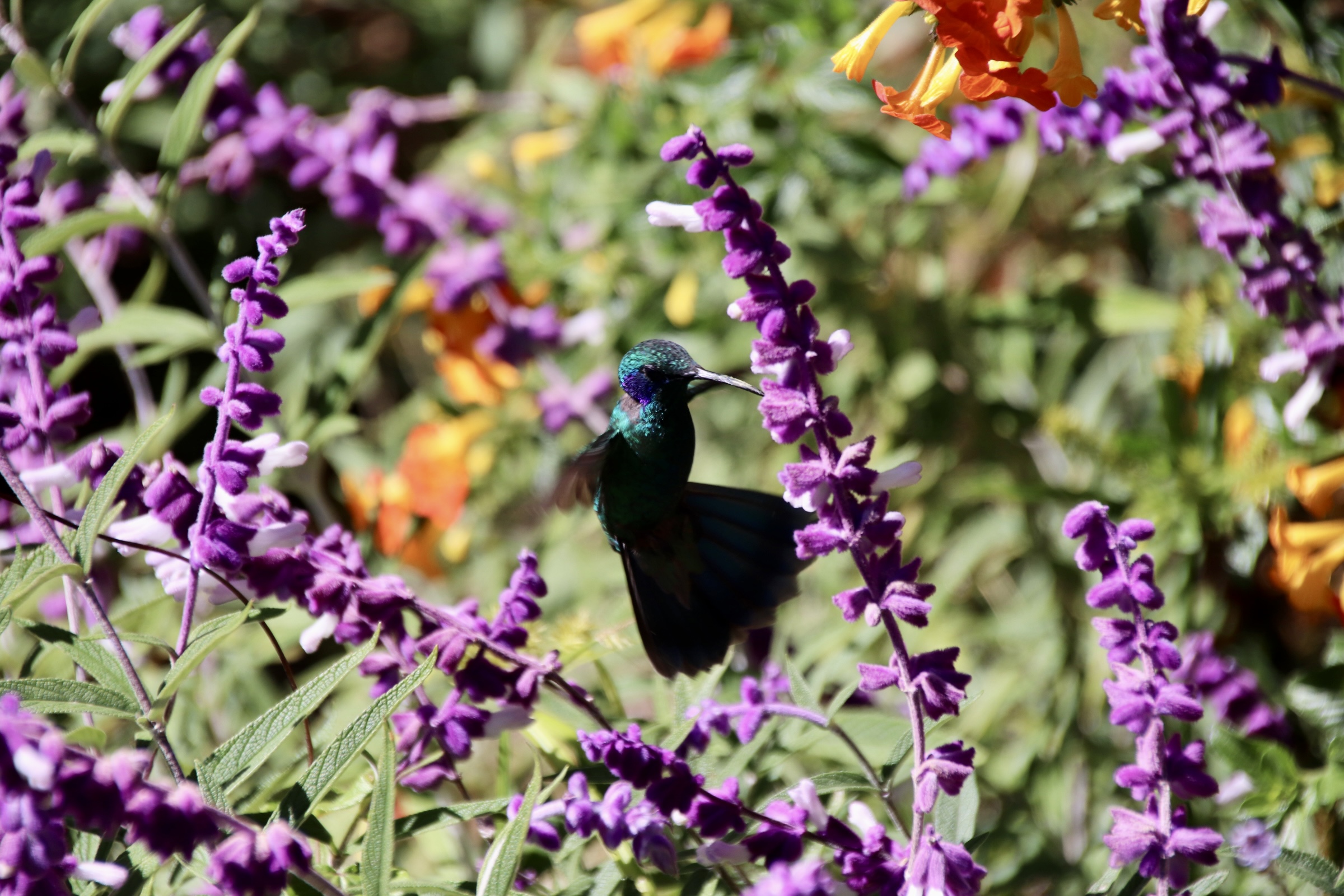
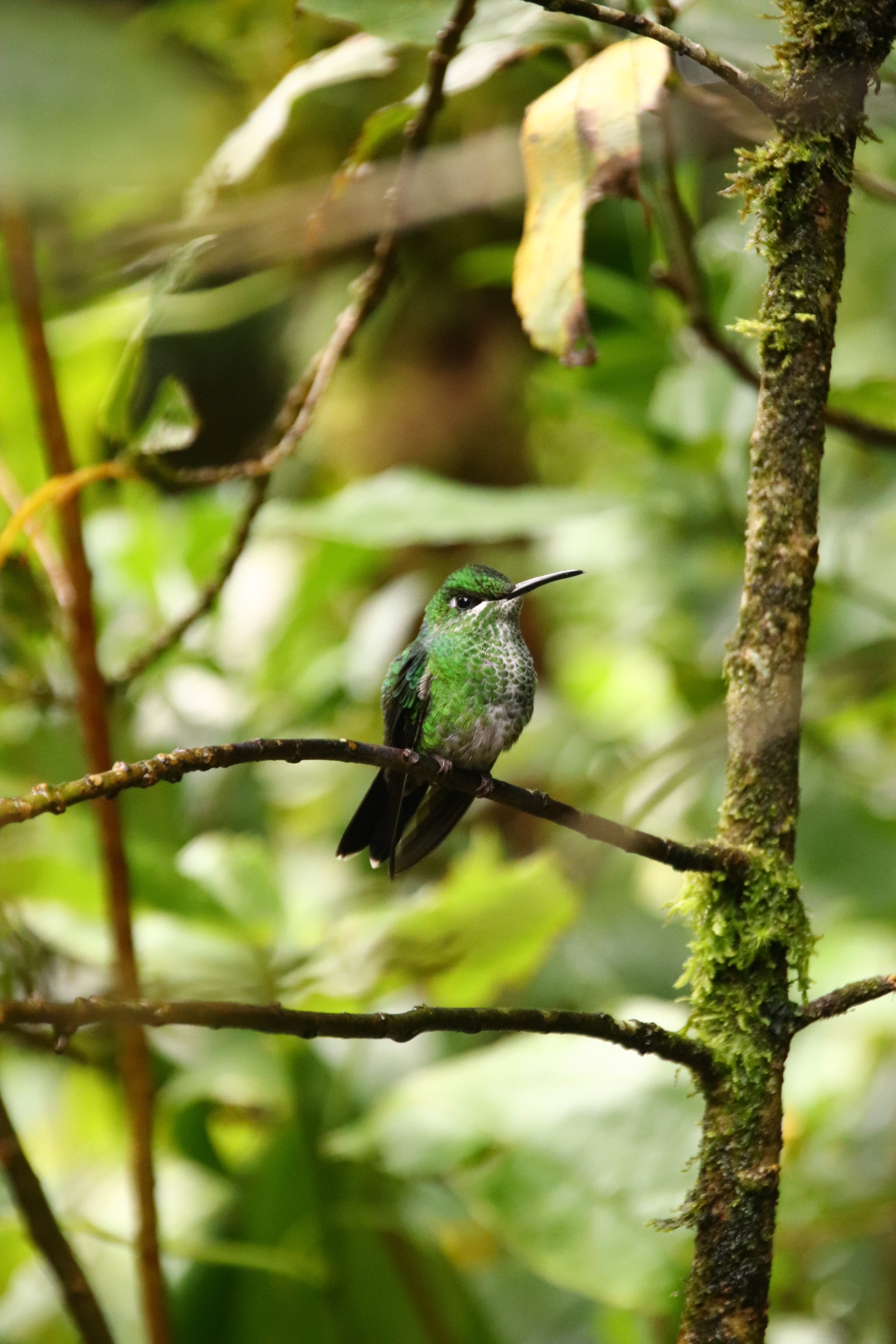
In Monteverde National Park, the Cloud Forest provides a perfect habitat for hummingbirds. But whilst we saw plenty of them in the wild there, it did feel sort-of cheating, since the rangers had hung sugar syrup trays out to attract them. As I stood amidst the lush foliage, I spotted the dazzling Violet-Sabrewing Hummingbird, with its vibrant purple crown that seemed to change hues with every angle. The Green Lesser Violetear, adorned with striking emerald-green feathers, was also a constant visitor to the park’s enticing bird tables, hovering in mid-air as it sipped the syrup.
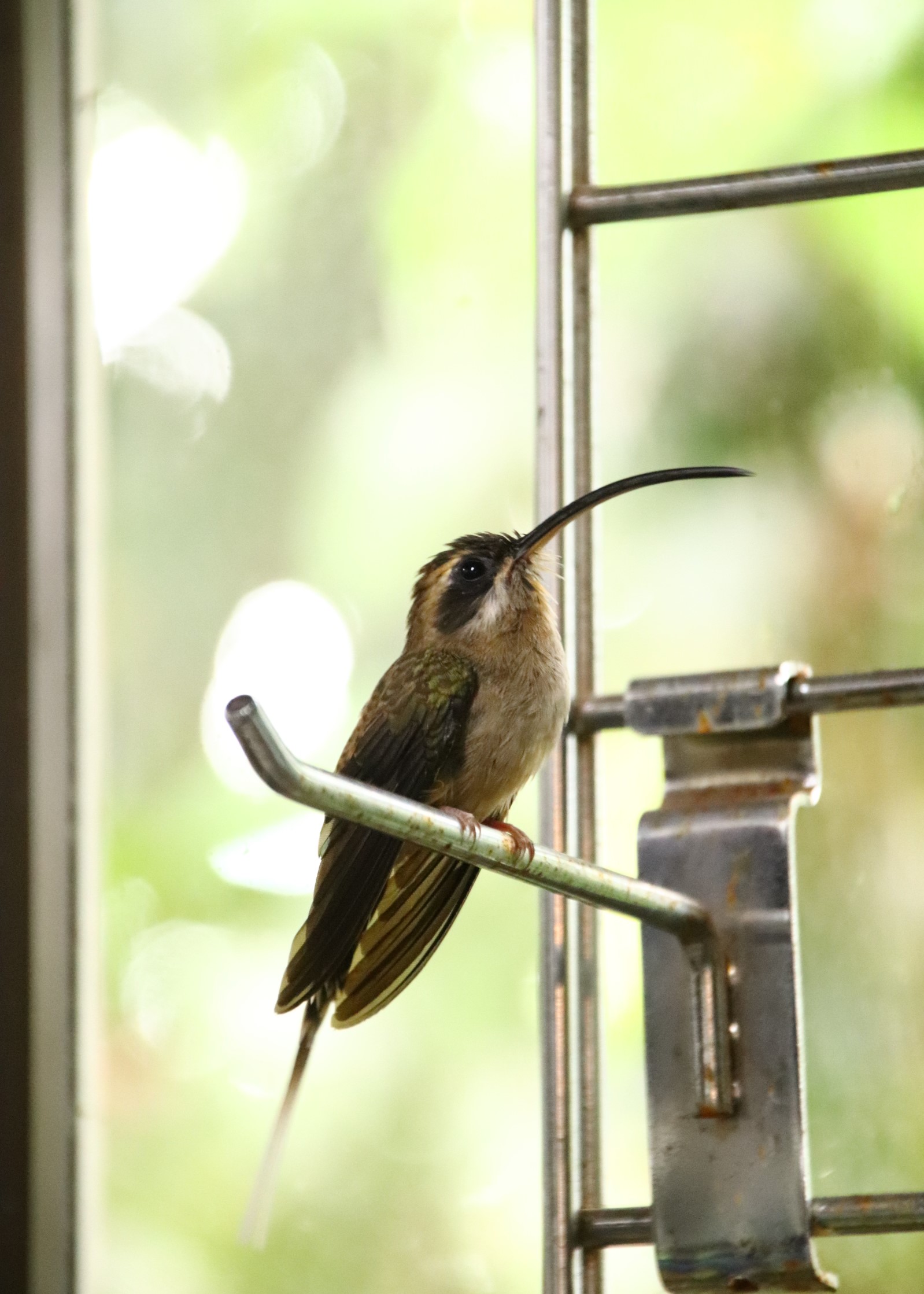
In Sarapiqui, by contrast, I spent a happy 20 minutes watching a Long-Billed Hermit Hummingbird buzz around a shop. Although I felt sorry for it at first, it appeared to have an unimpeded exit, which it repeatedly chose to ignore, so in the end I concluded it must enjoy hanging out with the brightly-coloured towels and plastic beach paraphernalia.
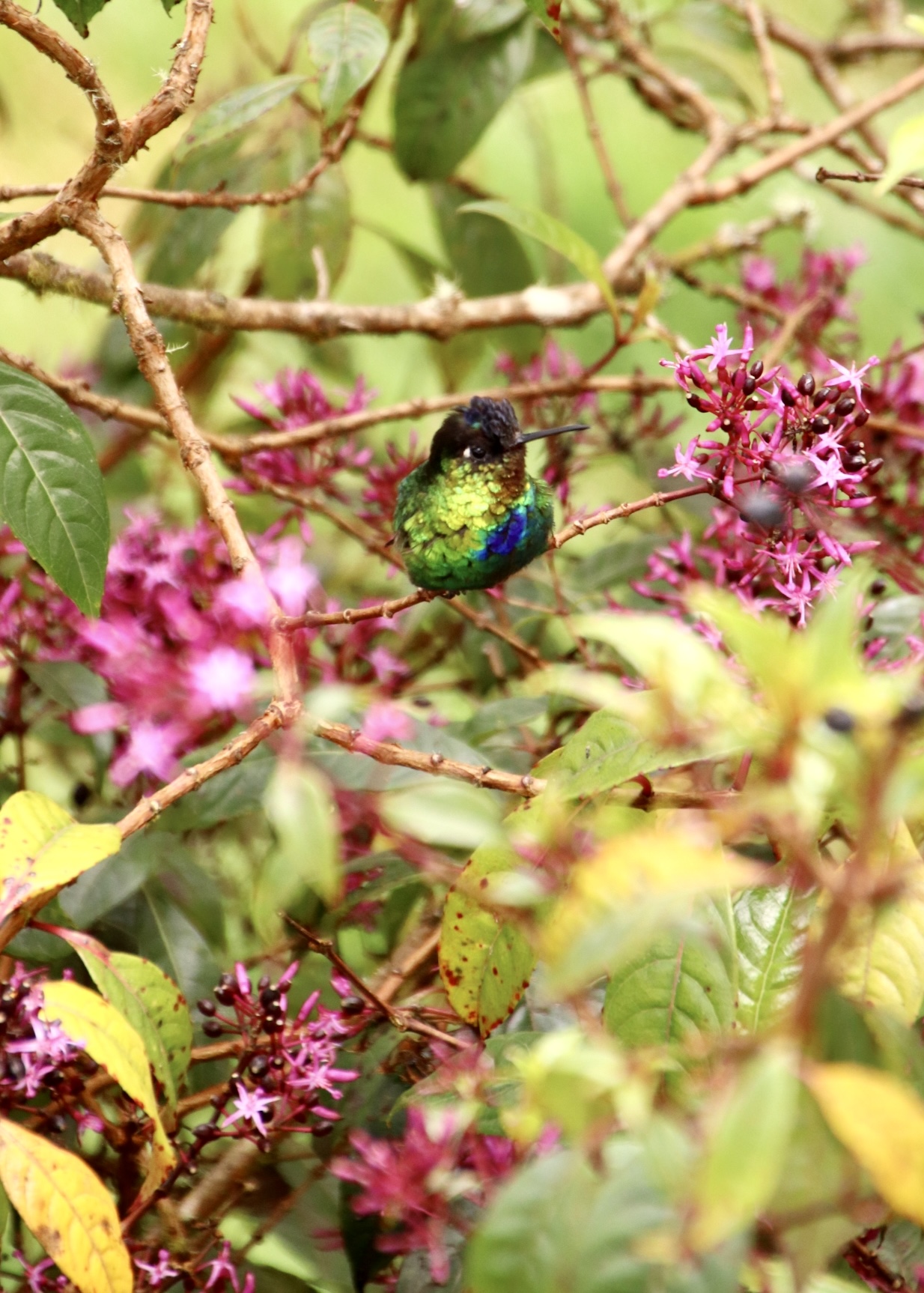
As we ventured into the Talamanca Mountains, Los Quetzales offered yet another hummingbird haven. The Fiery-throated Hummingbird lived up to its name, with its pinkish-red throat contrasting against its shimmering green and blue plumage. It was a true spectacle to witness these tiny birds engage in aerial acrobatics, darting from flower to flower with unmatched agility. I think the Fiery-throat was probably my favourite of the different species we saw.
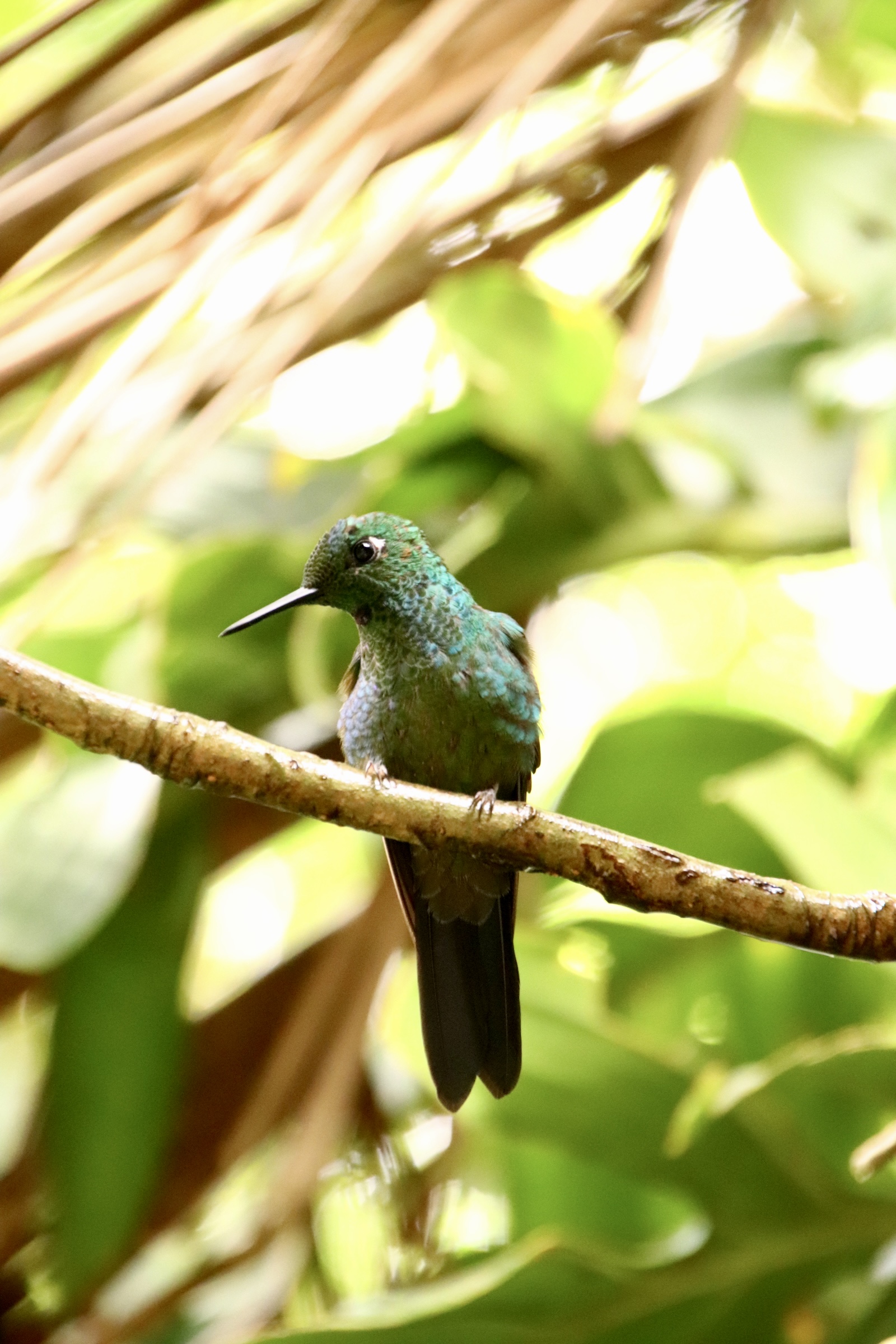
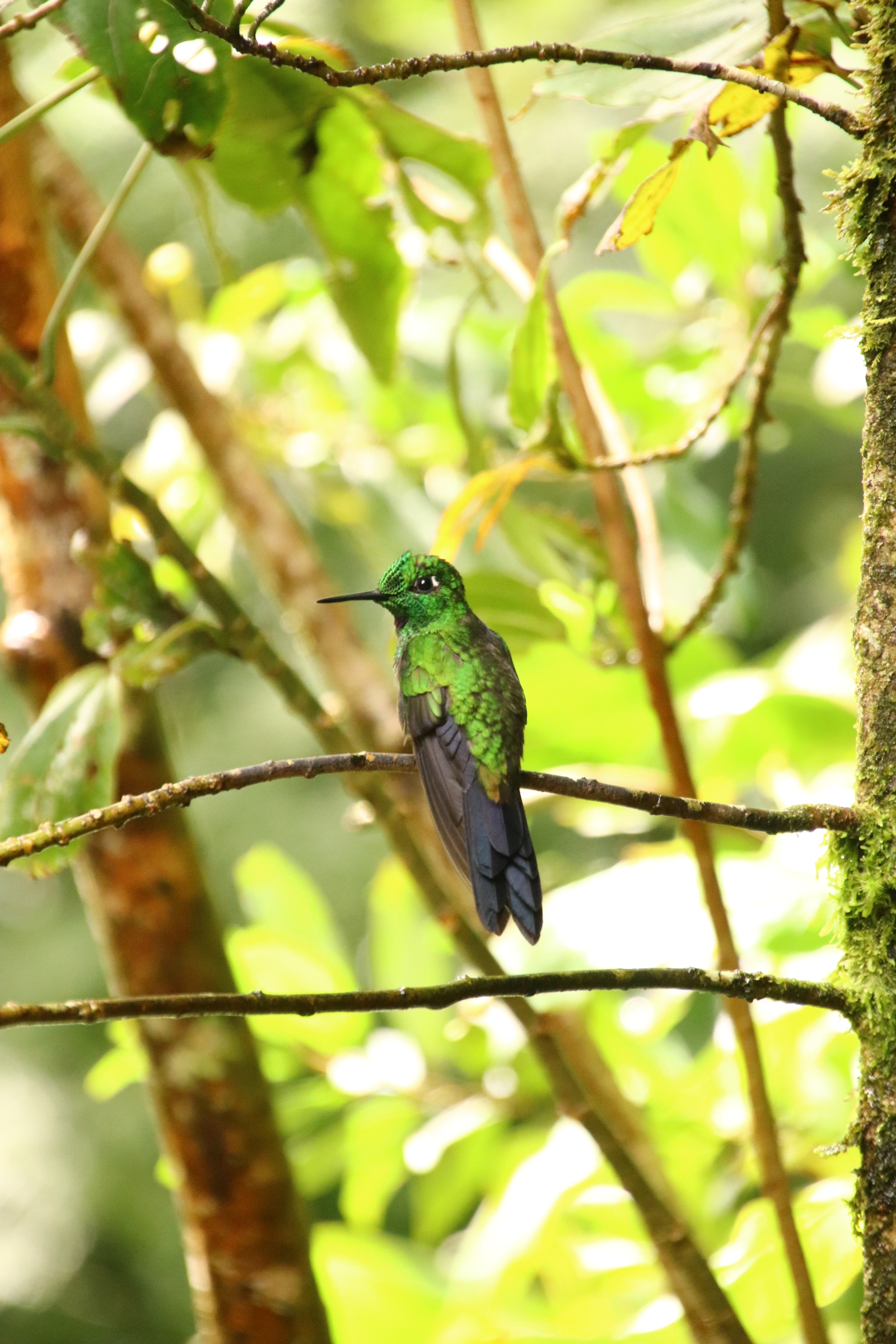
The most remarkable encounter, however, was in San Gerardo de Dota, where the Long-tailed Silky-Flycatcher, Green-Crowned Brilliant, Purple-throated Mountain-Gem and Rufous-Tailed Hummingbird, along with many others, darted amongst the tall trees and flowers surrounding the hotel we were staying in. We were able to get incredibly close to these completely wild creatures, and they created a mesmerizing sight as they zipped from one plant to another, sipping the sweet nectar.
As you’ll know, hummingbirds are highly-specialized nectar feeders, relying on the energy-rich food to sustain their rapid metabolism. Their wingbeats can reach up to 80 times per second (or even more in some species) and this remarkable ability allows them to hover in mid-air, fly backward, and perform incredible aerial manoeuvres.
We even saw a nest with some recently-hatched chicks – though we were careful to keep our distance and leave the mother to do her thing. Hummingbirds build intricate nests made of plant materials, spider silk, and feathers, often secured to the branches of trees or shrubs. The female typically incubates the eggs and cares for the young, while the male defends the territory.
The sheer diversity of hummingbirds in Costa Rica is fantastic. It is home to over 50 different species, making it one of the most varied hummingbird habitats in the world. Each species has its unique charm and left a lasting impression. I really hope they can be enjoyed for generations to come! Hummingbirds face threats from habitat loss, climate change, and a myriad of other human activities. Conservation efforts are crucial to protect their homes and ensure their survival.
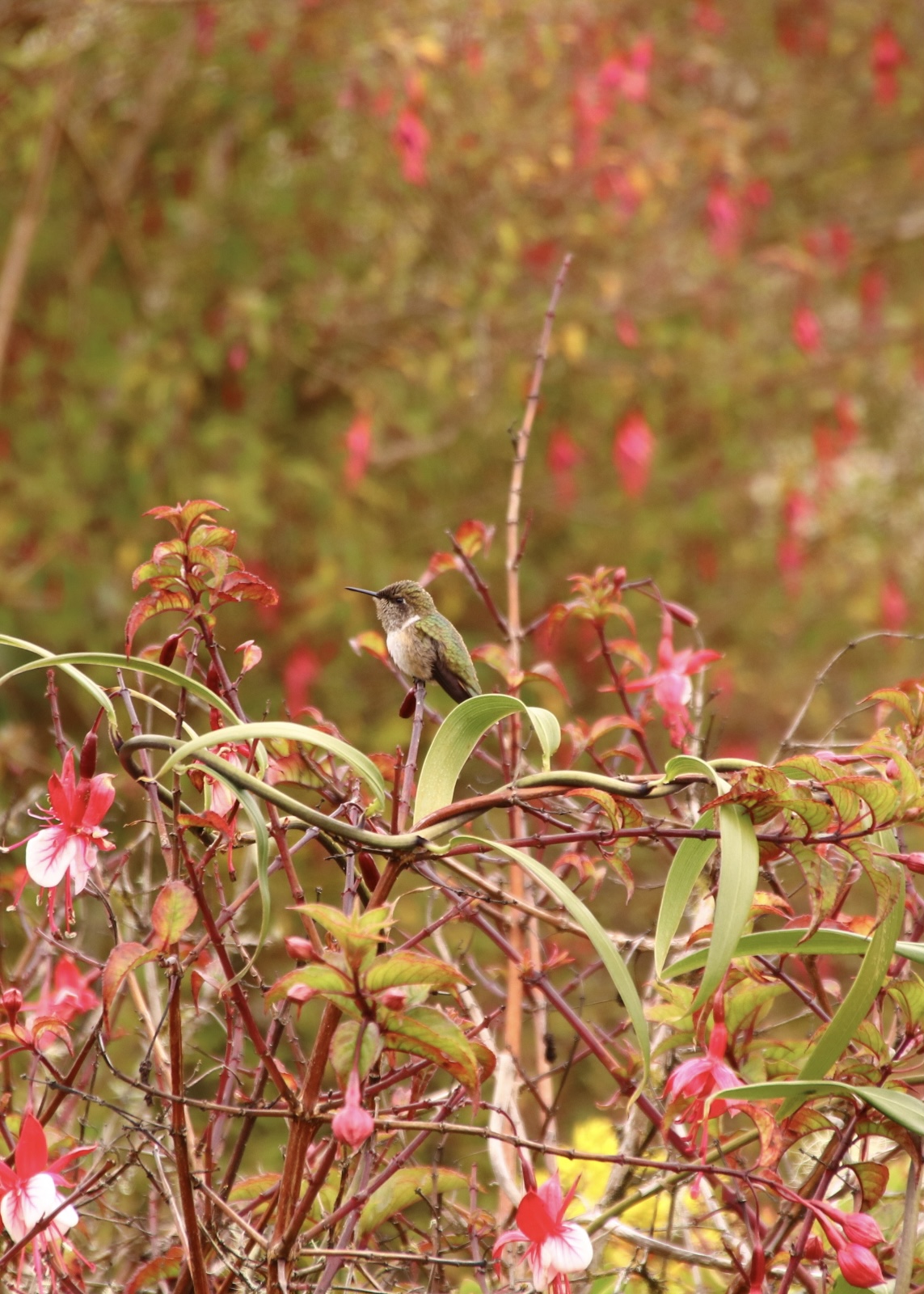
I found it hard to narrow down from my collection… So here are a few more, for good measure:
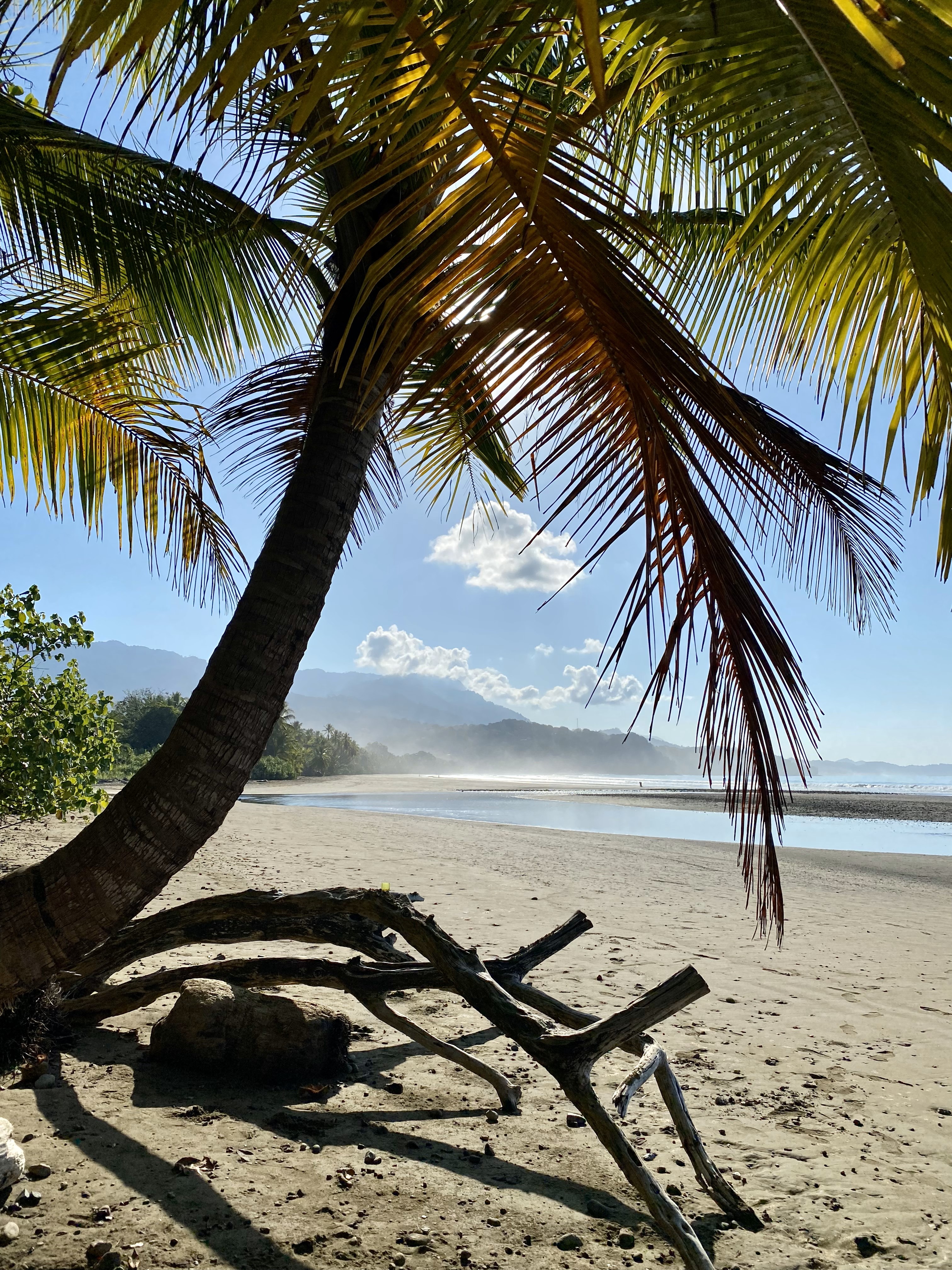
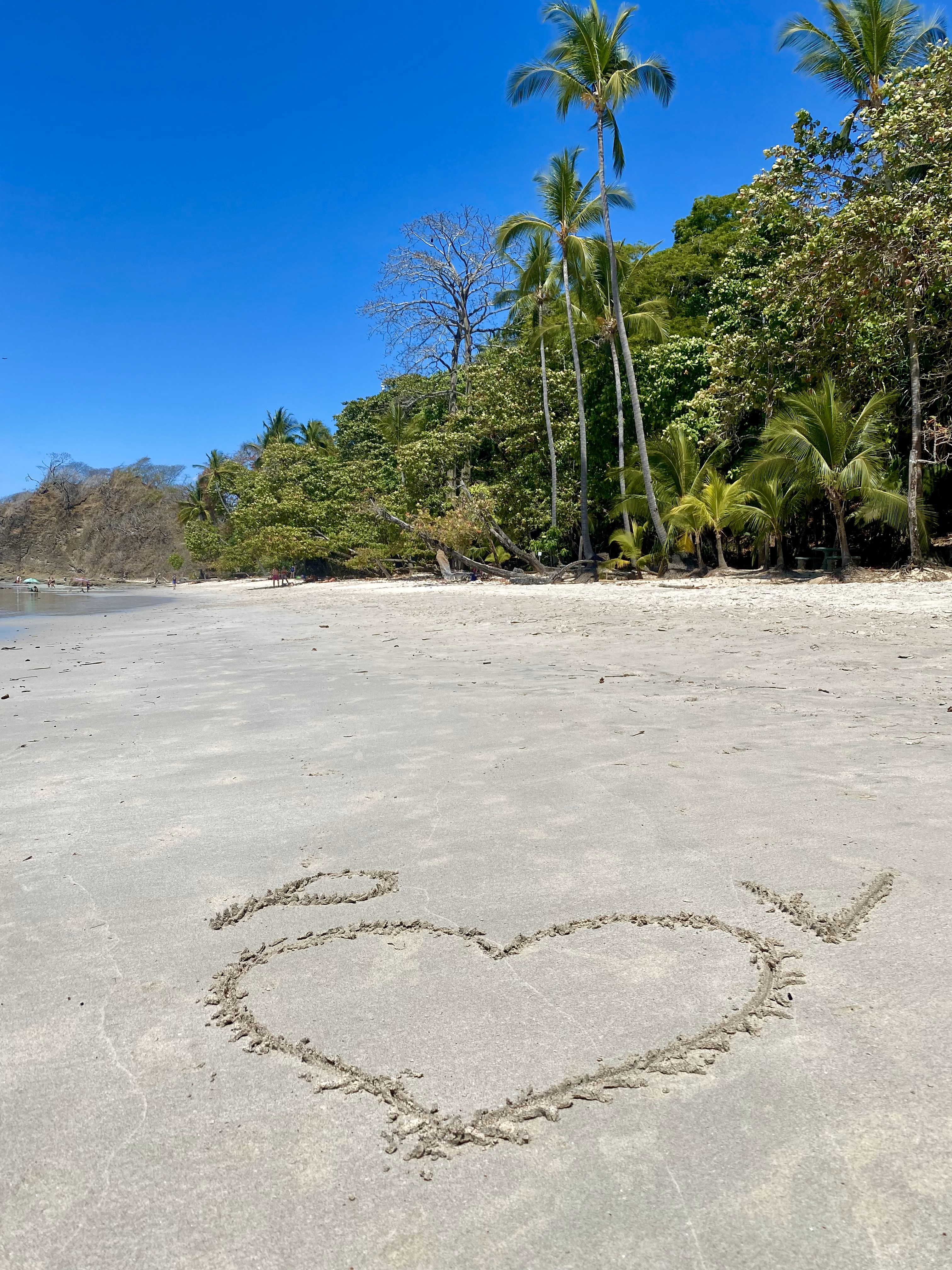
No Costa Rican adventure can be complete without indulging in the tranquillity of its sun-kissed Pacific Coast beaches. Gosh, I sound like a travel agent! But it was really nice to unwind on the golden sands of Punta Leona, on the Gulf of Nicoya, for a couple of days. Cocktail, book, ice-cream: bliss.
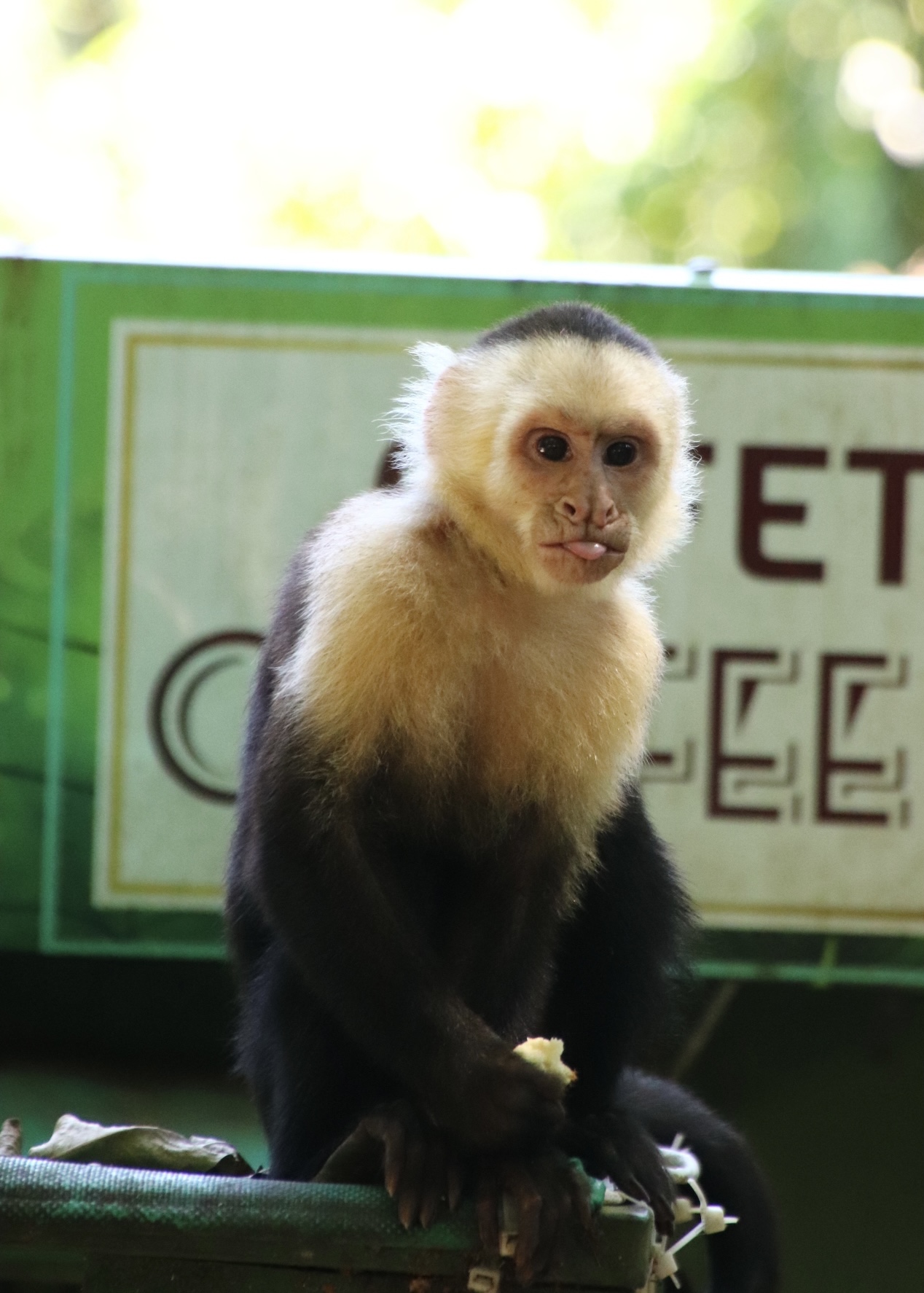
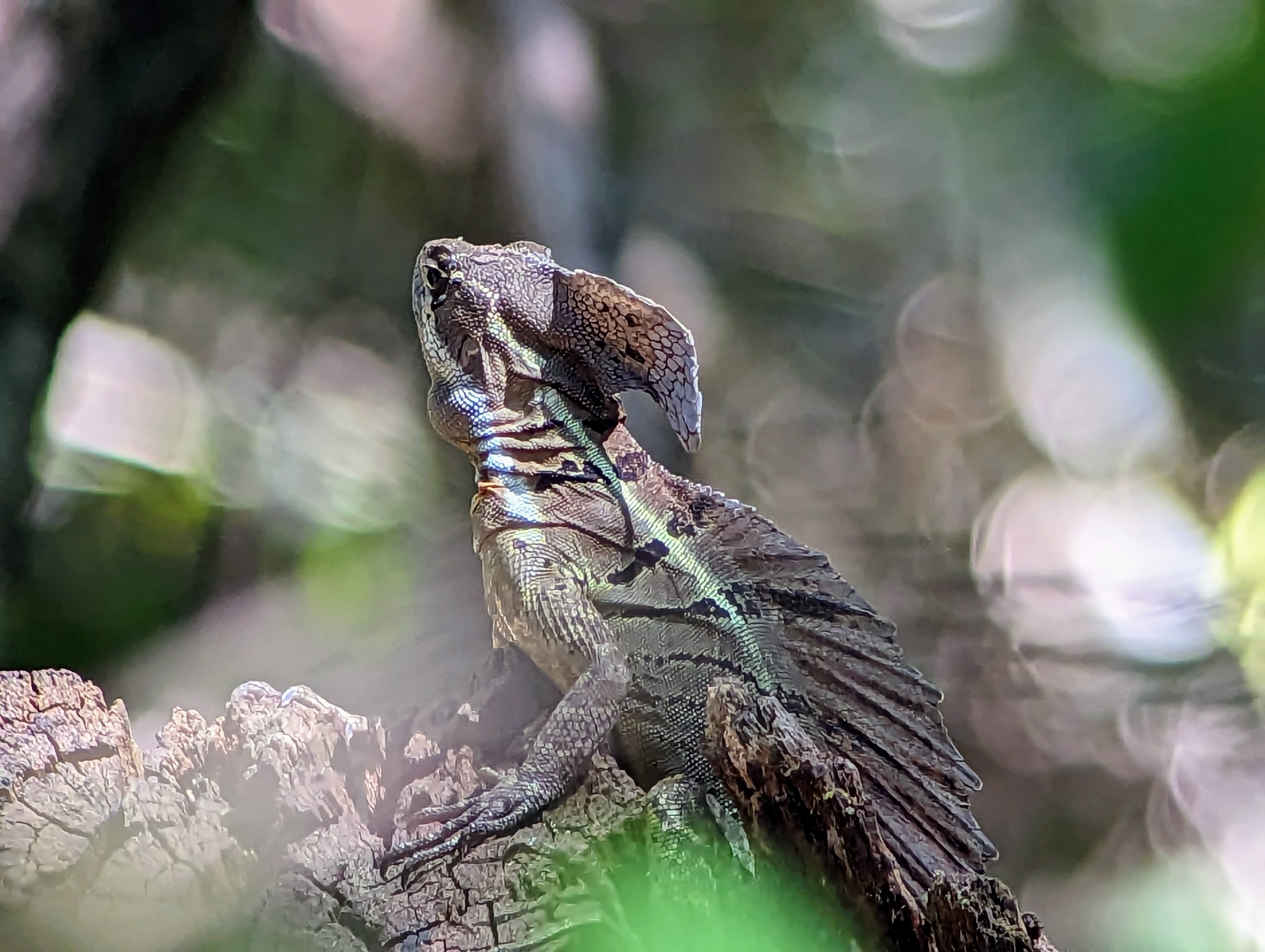
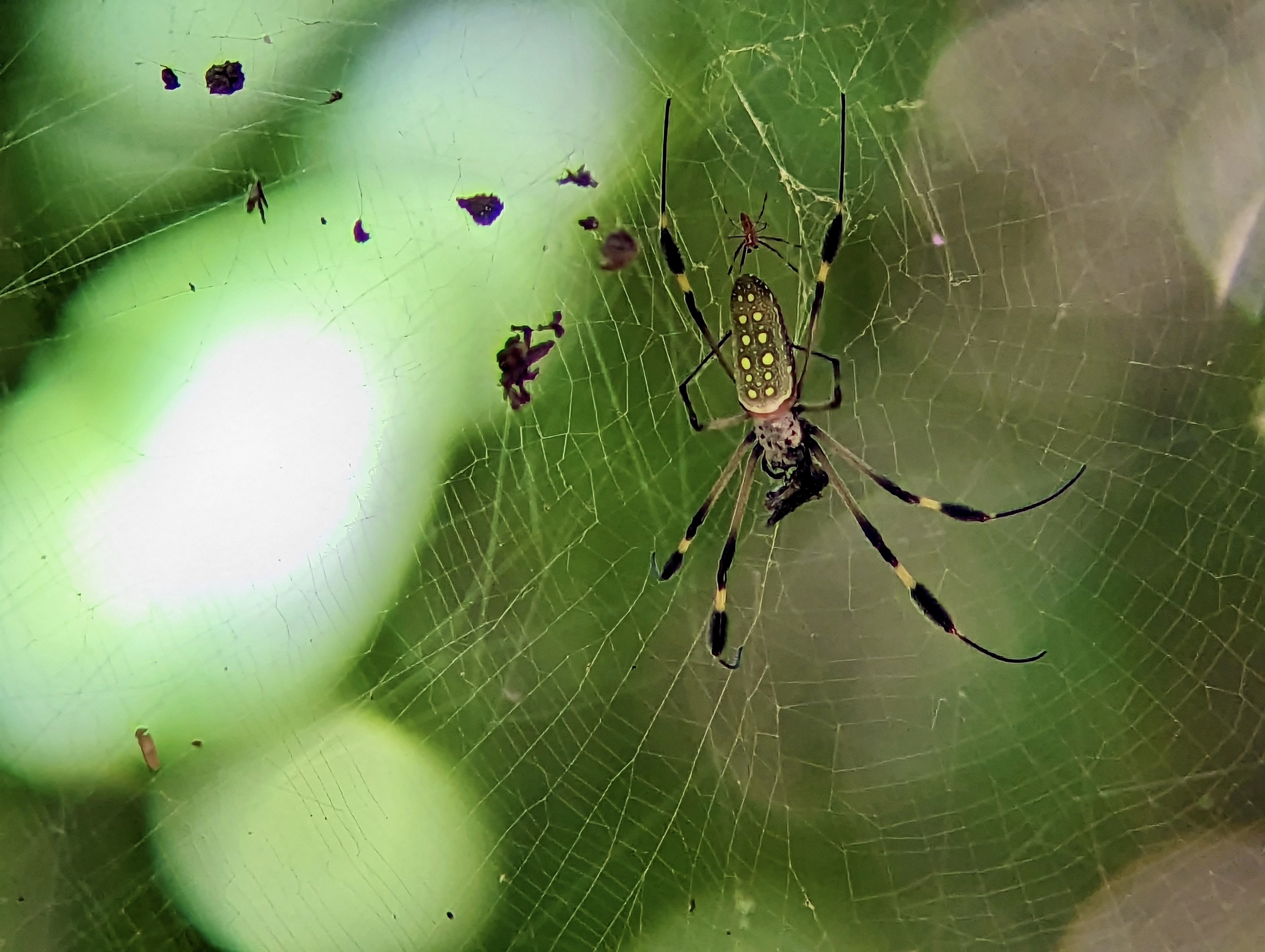
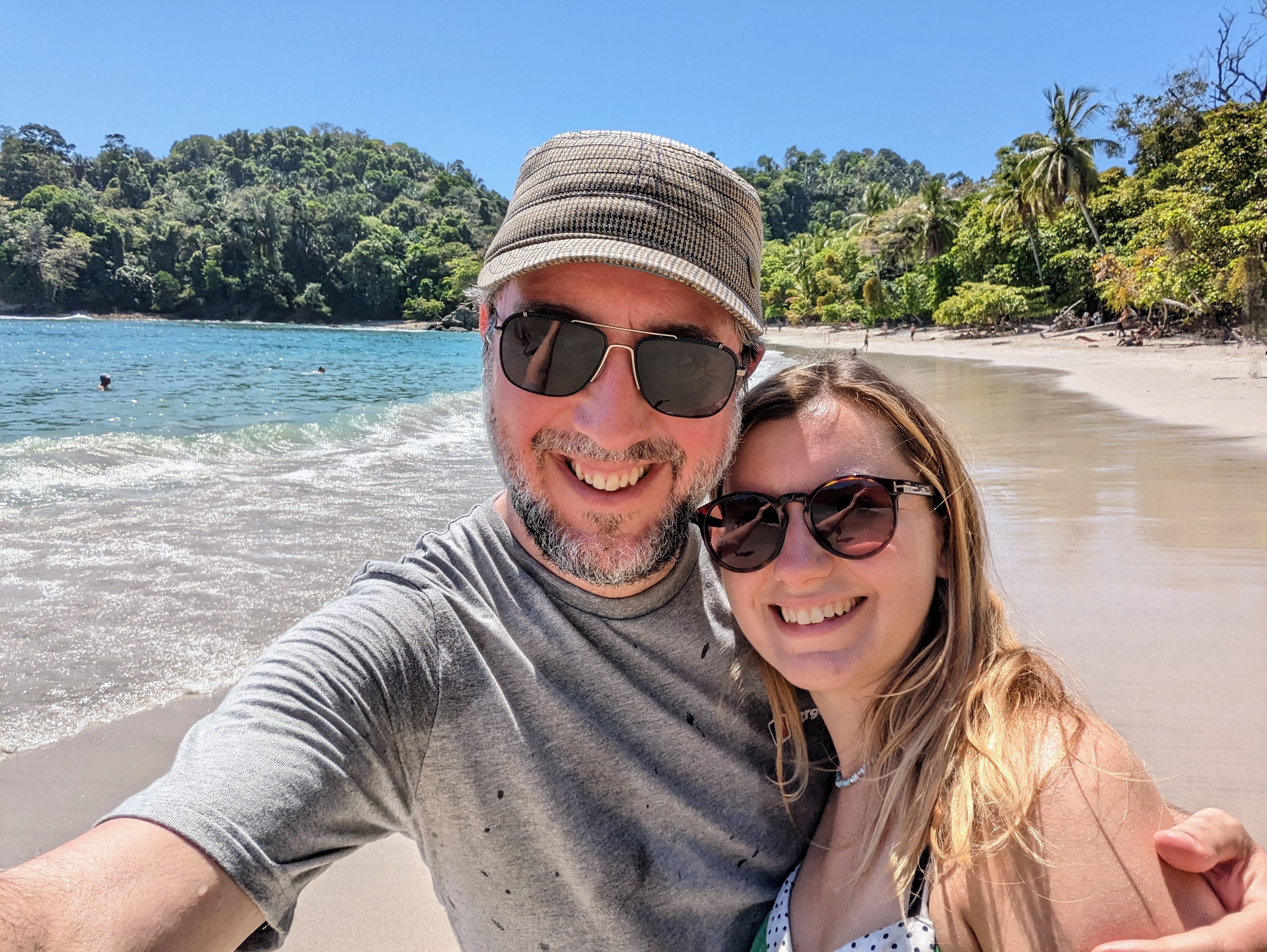
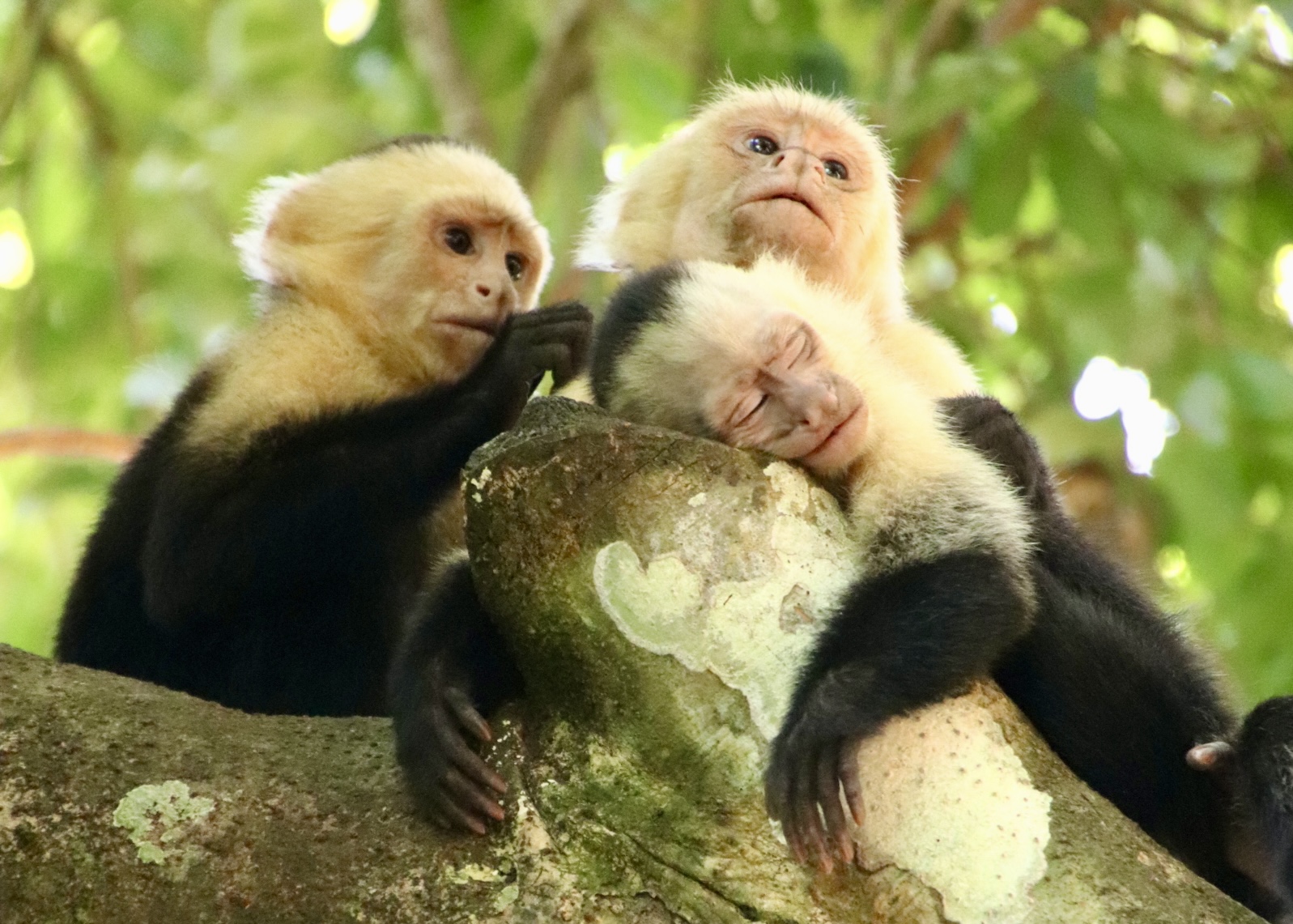
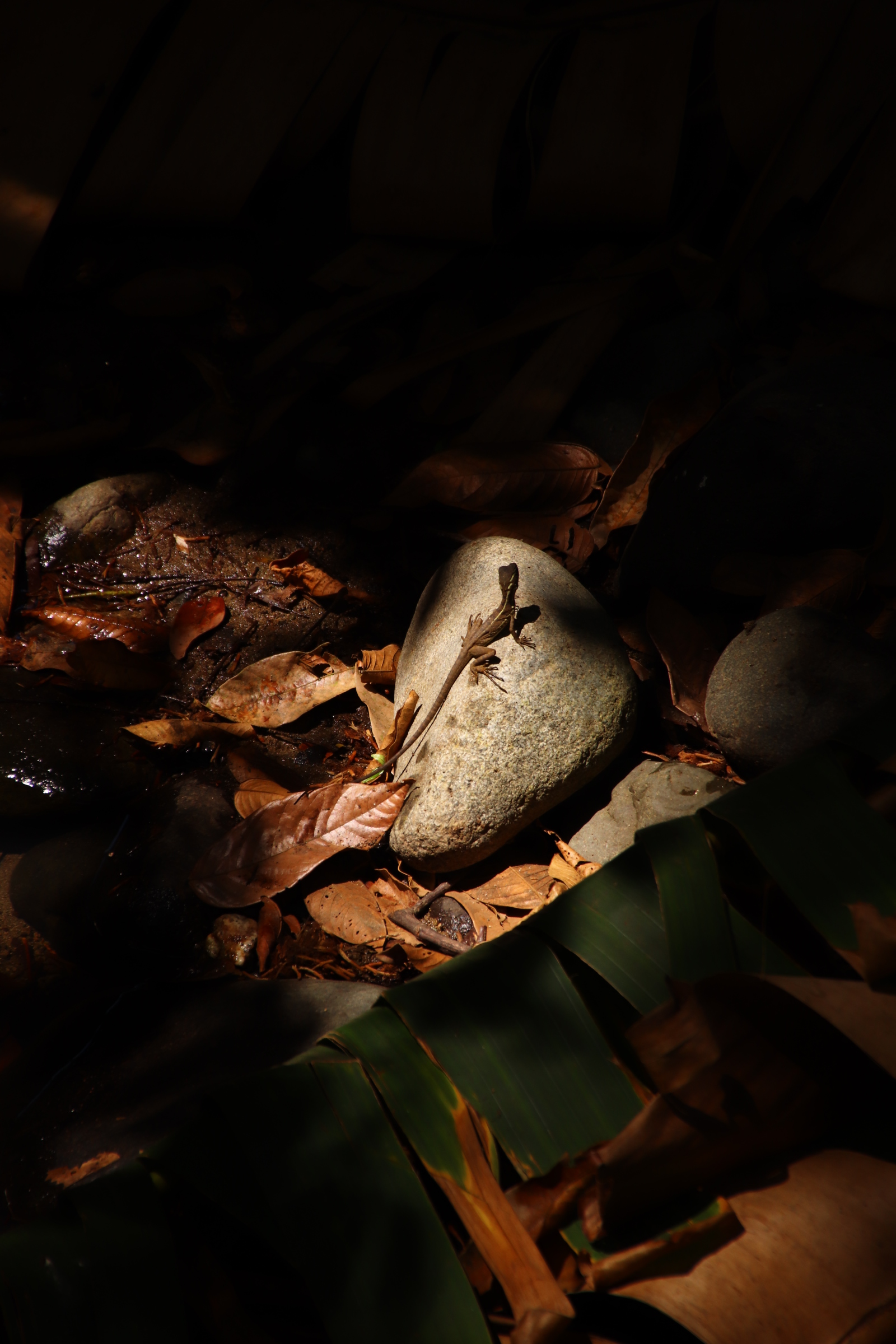
After some proper R&R, we took in two of the most renowned parks in the country. Manuel Antonio, located just a little further down the Pacific Coast, is a natural gem renowned for its breath-taking beauty and abundant wildlife. As you venture into this coastal rainforest, you’re greeted by the park’s most endearing residents – the playful capuchin monkeys. These mischievous creatures are well-known for their entertaining antics, constantly attempting to sneak snacks from visitors or run away with hats and sunglasses. We sat for a while, watching them groom each other and nimbly reach fruit from high branches. Along with the monkeys, the park is also home to three-toed sloths, large green iguanas, and a myriad of bird species. On our particular visit, we also saw some less-striking (but equally impressive) residents: a Broadwing Falcon, a well-camouflaged nightjar, zigzag spiders, brown basilisks and a colony of tent-making bats.
Manuel Antonio was not my favourite though. It’s incredibly popular and so had far more people than we’d been used to seeing. It was also unbearably hot – the sweat poured off us all day, and dehydration threatened. Its crystal-clear waters were, however, glorious. I wish we’d have more time to swim and enjoy the immaculate beaches.
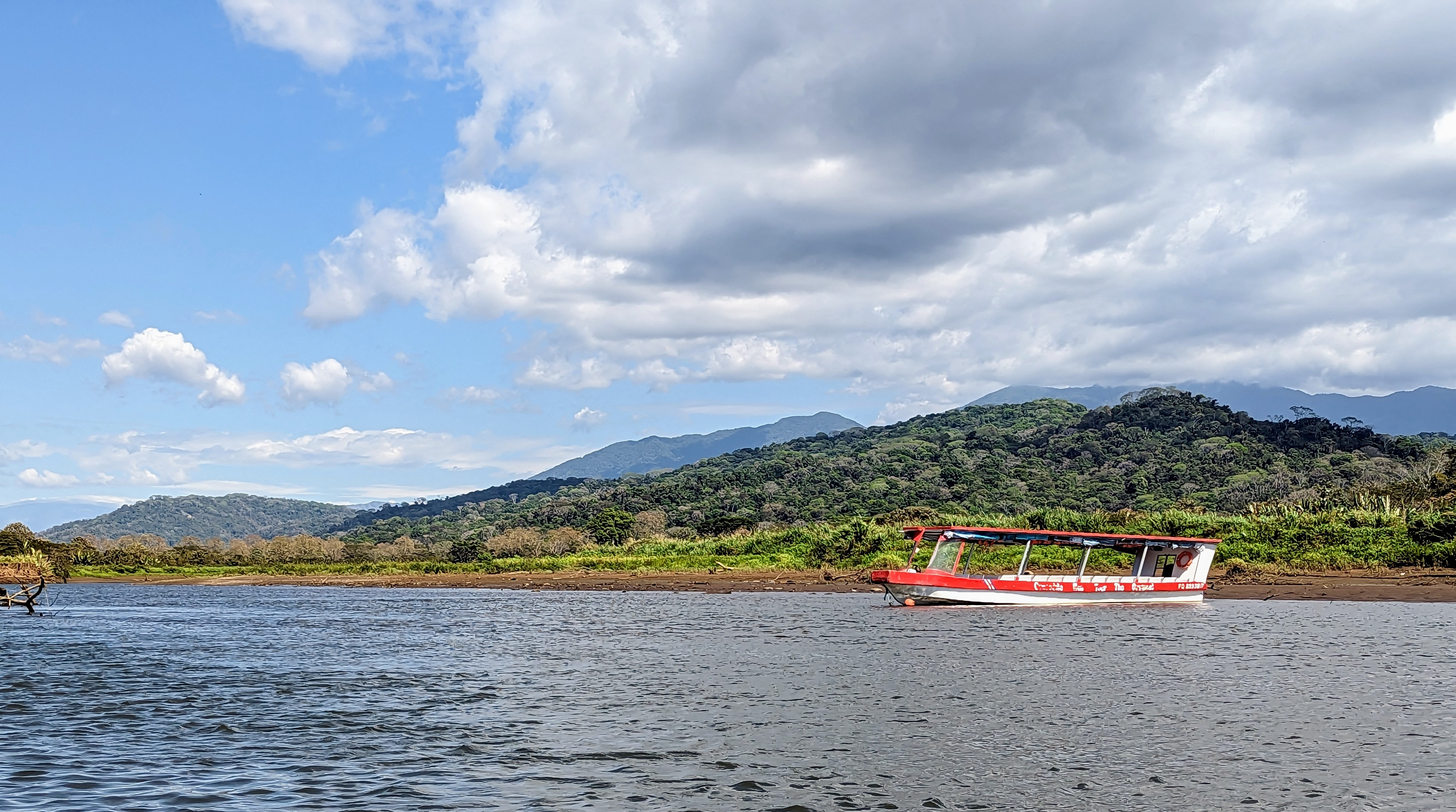
Which brings us neatly and naturally to the question: What was your favourite park then? Thanks for asking. Well, Corcovado of course. Untamed wilderness at its absolute finest. Corcovado is the crown jewel of Costa Rica’s national park system. Accessible only by boat, this remote treasure offers an unrivalled immersion into pristine rainforests and secluded beaches. It is simple stunning. I felt like Indiana Jones…or Bear Grylls…or some do-gooder in Jurassic Park trying to save the diplodocus (but inevitably releasing the raptors to chaotic yet 5-star entertainment effect).
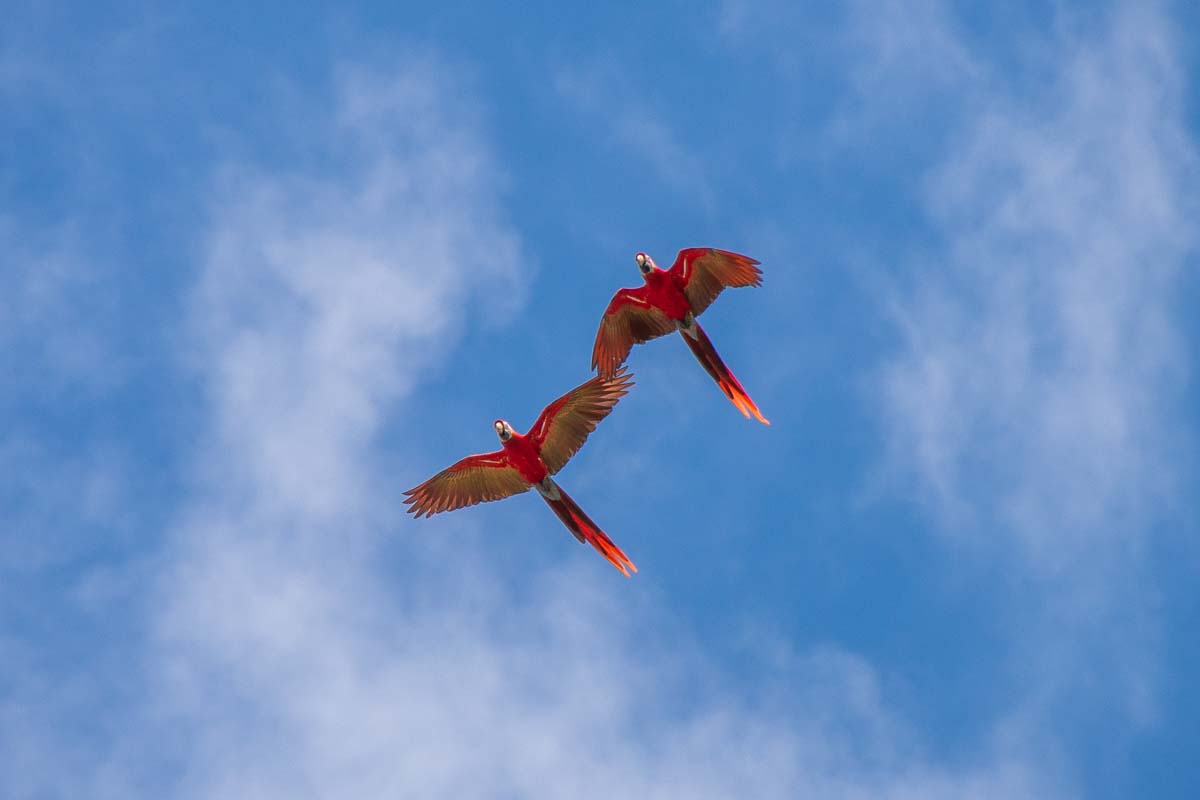
One of the most captivating sights in Corcovado was the presence of vibrant scarlet macaws. With their stunning red, blue, and yellow plumage, these awesome birds added a frequent burst of colour to the lush greenery. I watched in awe as they soared through the canopy or gathered in pairs, displaying their affection with their loud calls and tomfoolery. The macaws’ presence is testament to the park’s successful conservation efforts. And if my habitat was as clean and carefully protected as this, I’d be pretty happy to stay too!
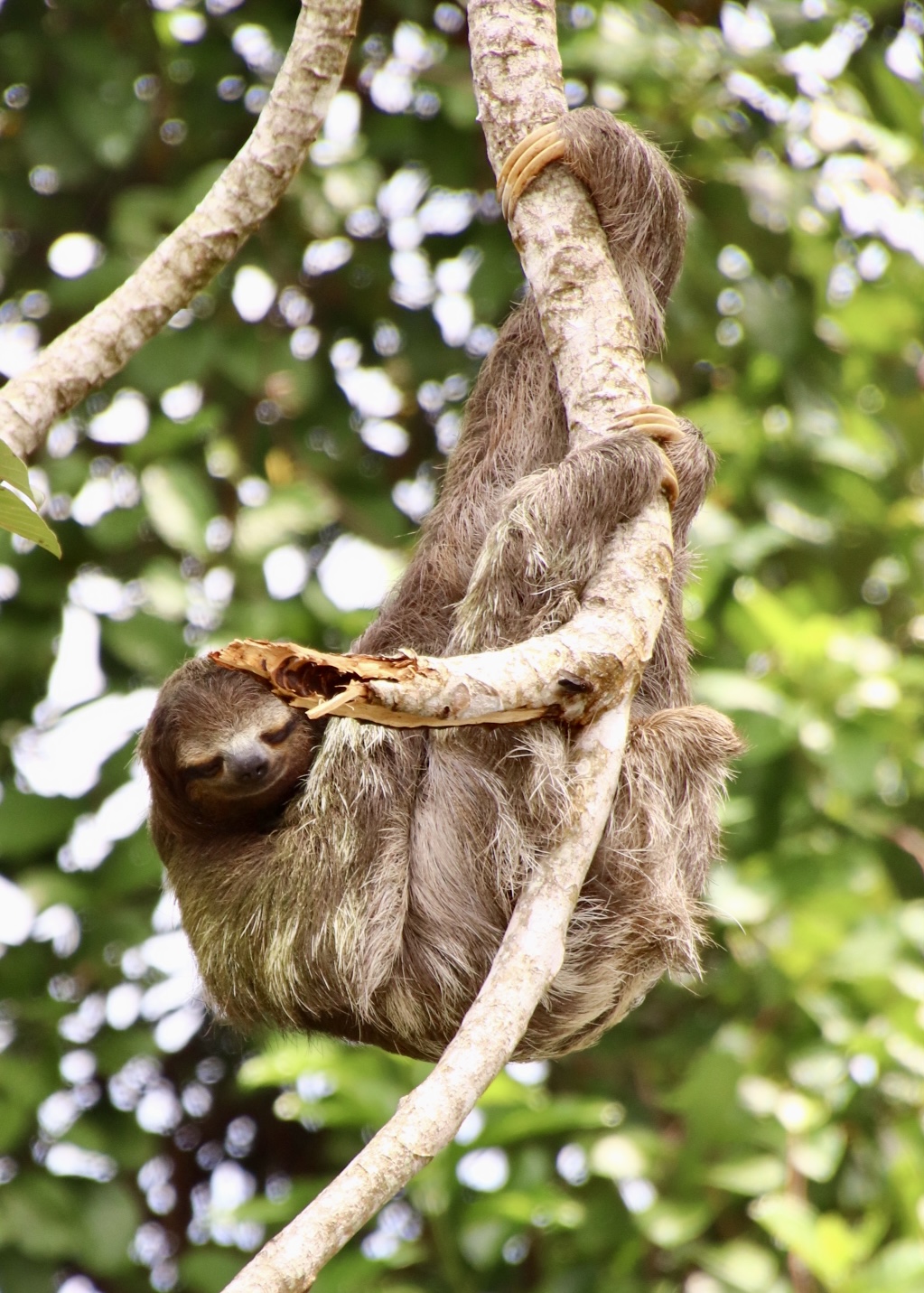
Whilst exploring the dense foliage, creeping under vines and scrambling over branches like Lara Croft (ooh yes, I’ll settle on Lara), I was fortunate enough to spot again the enigmatic sloths high in the trees. It feels like sloths are somewhat the mammal du jour, with children everywhere clutching soft-toy versions and their cute faces adorning t-shirts, mugs and a variety of other merch. But I want to make clear they were mine before they became fashionable! With their slow and deliberate movements, sloths have a unique charm, and speak to the very core of my being. 🙂
After a late lunch of plantain, pineapple, papaya, melon, chicken stew and the ubiquitous gallo pinto, we bid a sad farewell to Corcovado and made our way back on the speedboat. But the surprises continued! Gliding through the sparkling waters, we suddenly found ourselves surrounded by a pod of dolphins. The playful and intelligent creatures danced in the boat’s wake, and we even got to see an infant leaping in the air.
Back from Peninsula de Osa, where the park is located, we spent a day in hippy Dominical, a surfing village with excellent cocktail bars. I was worn out though! After a swim, a piña colada (or three) and a really delicious hibiscus mezcal concoction, it was time for an early night. I slept very very well.
Our last stop was San Gerardo de Dota, nestled in the Talamanca Mountain Range and Los Quetzales National Park. This is one of the lesser-visited parts of the country, but is known for being one of the best places to spot the elusive Resplendent Quetzal (again, part of its name rather than a gushing adjective).
The Resplendent Quetzal, considered one of the most beautiful birds in the world, had a storied place in ancient Mesoamerican mythology and remains a symbol of freedom and beauty. With its iridescent green feathers, crimson chest, and striking tail feathers, the quetzal is a sight to behold and a dream for any bird enthusiast. Some twitchers spend hundreds – thousands! – of pounds on guides to take them through the forest in an attempt to spot the bird. We were fortunate enough to have a rare encounter with these stunning creatures without even really trying.
We were actually on a walk to a local waterfall when we witnessed the remarkable event: a male and female quetzal meticulously building a nest together. The male’s vivid colours shimmered in the dappled sunlight as he diligently searched for the perfect twigs and nesting materials, while the female attended to her house-building duties. Observing this intimate moment left us both with a sense of awe…and me with c.200 photos to edit!
Right, I think I’ve done Costa Rica justice. From the ethereal beauty of Monteverde Cloud Forest, the verdant waterways of Tortuguero, the excitement of Sarapiqui’s rapids…elusive sloths, pristine beaches, volcanoes, dolphins, toucans, and memorable sunsets – this Costa Rican odyssey was an unforgettable journey that will forever stay etched in my heart.
There’ll be some extra posts no doubt focused on specific animals, but for now (and for always): Pura Vida!
A short one today! Situated on the border of the Central and South Pacific regions of Costa Rica, Carara National Park is a unique reserve that’s a Mecca for avian enthusiasts, boasting a spectacular variety of bird species.
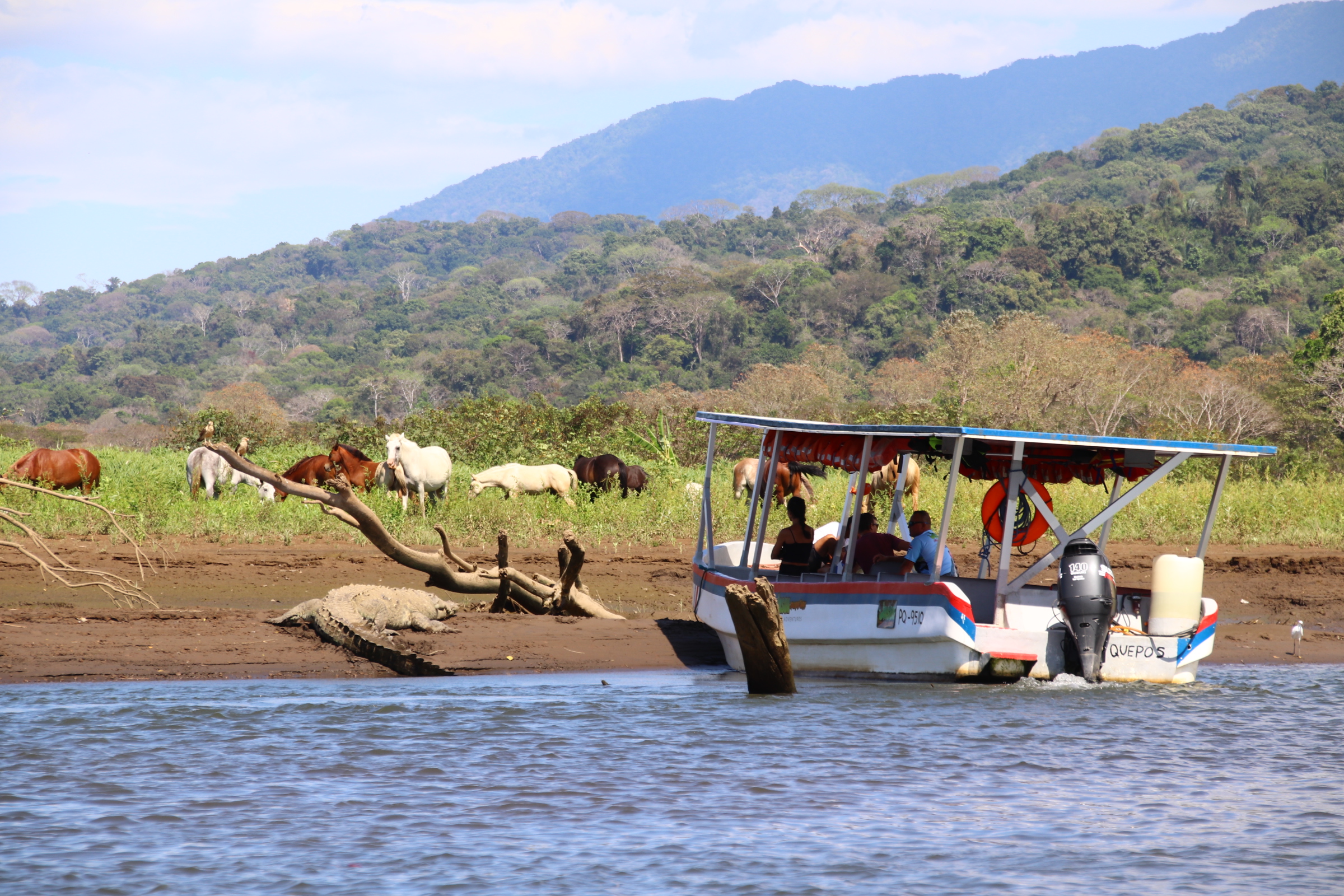
Boarding a small boat to navigate the waterways, I hadn’t appreciated the park is also home to the impressive American crocodiles. One notable – and colossal – croc named Captain Hook stood out due to (yep, you guessed it) the loss of one of its limbs. I felt a tad apprehensive as we passed slowly by the sleeping giant. But the egrets perched on his back seemed pretty non-plussed. Witnessing these ancient reptiles in their natural habitat was quite special.
My eyes were quickly drawn to the skies though, where a symphony of winged wonders greeted us. Perched atop trees and soaring through the skies, we spotted beautiful Ospreys, also known as fish hawks, exhibiting their exceptional fishing skills. With keen eyesight, they hovered above the water before swooping down with talons outstretched to catch their slippery prey. Anhingas, white ibis, mangrove swallows, a variety of egrets and herons, sandpipers, whimbrels and kingfishers were all spotted.
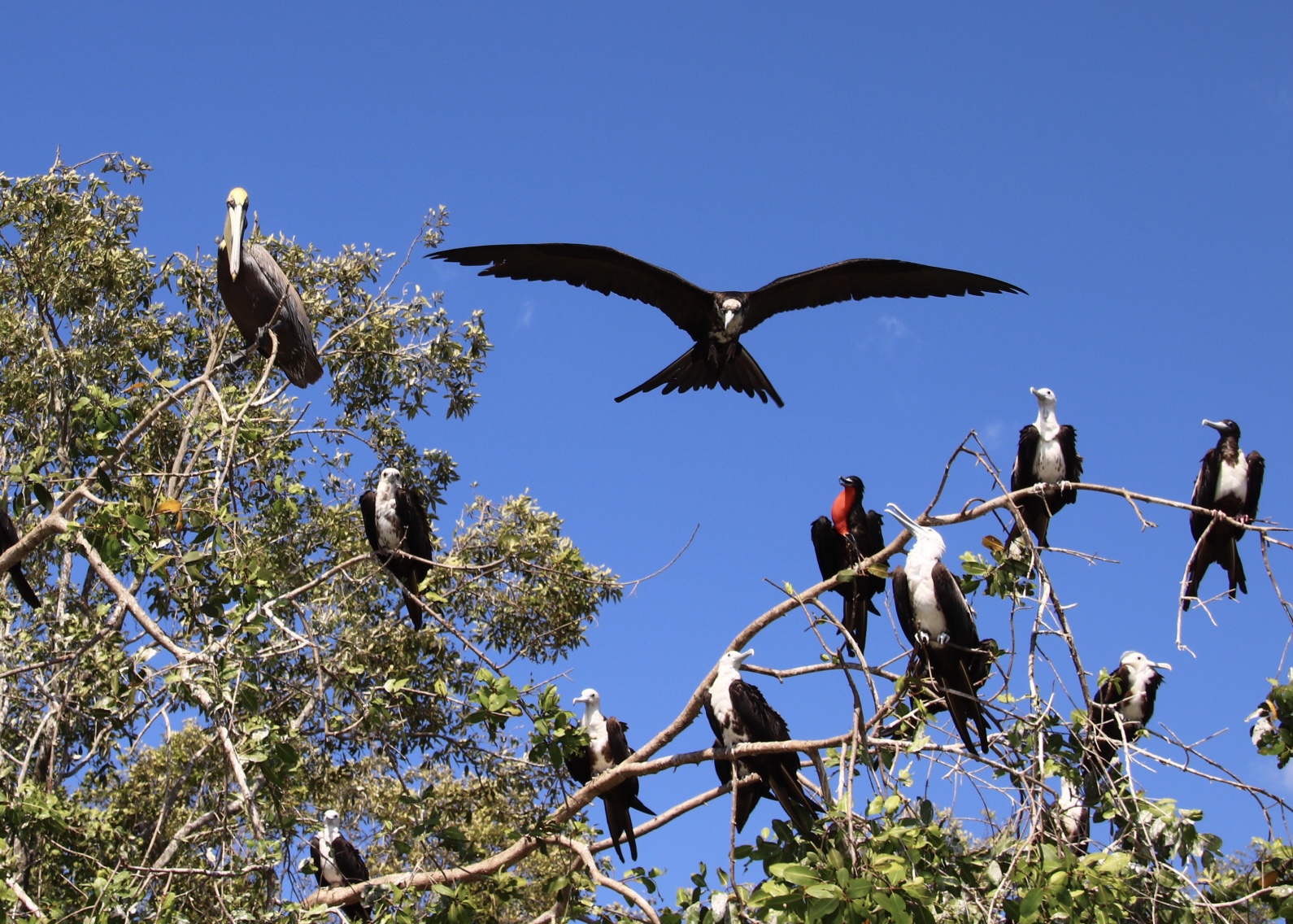
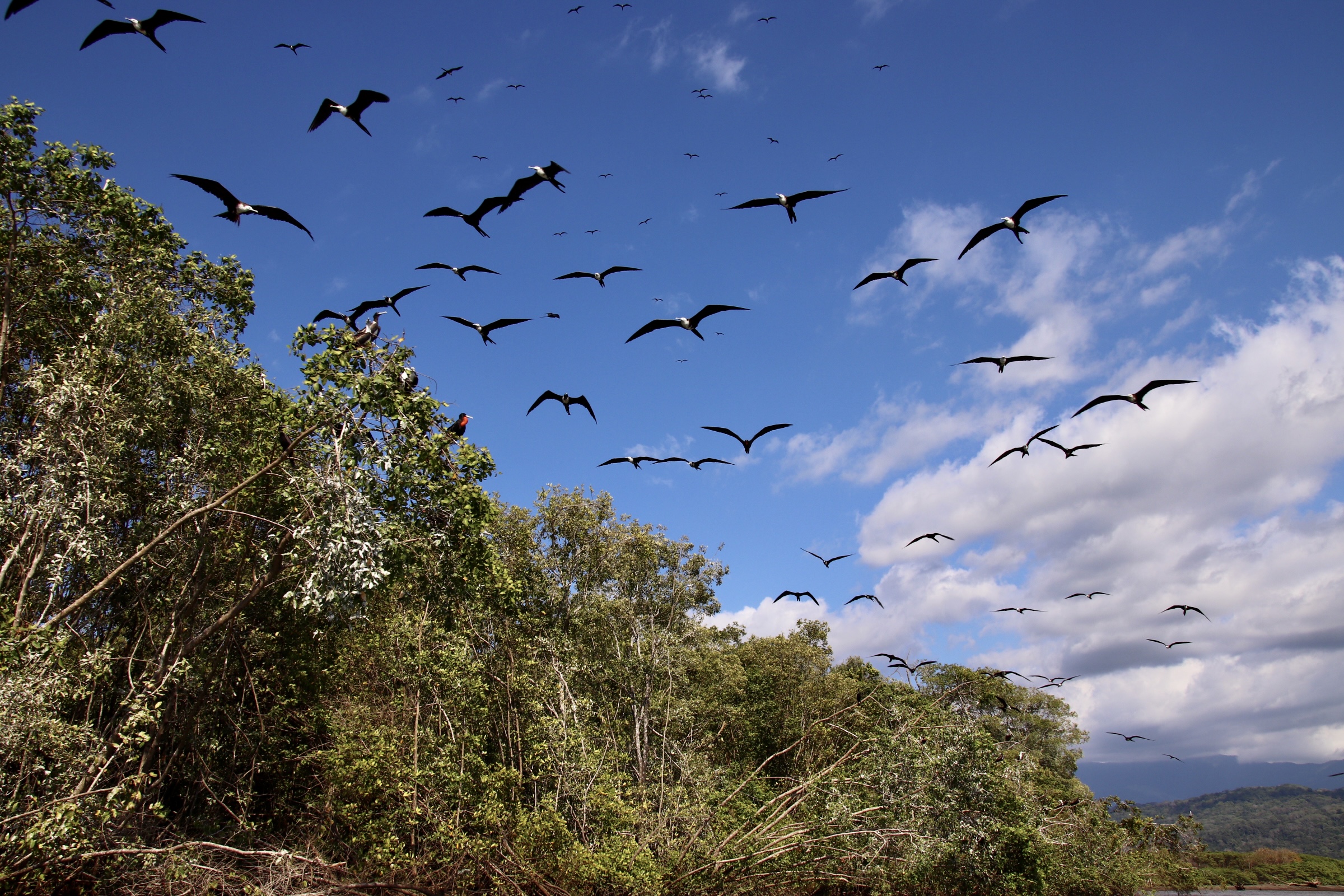
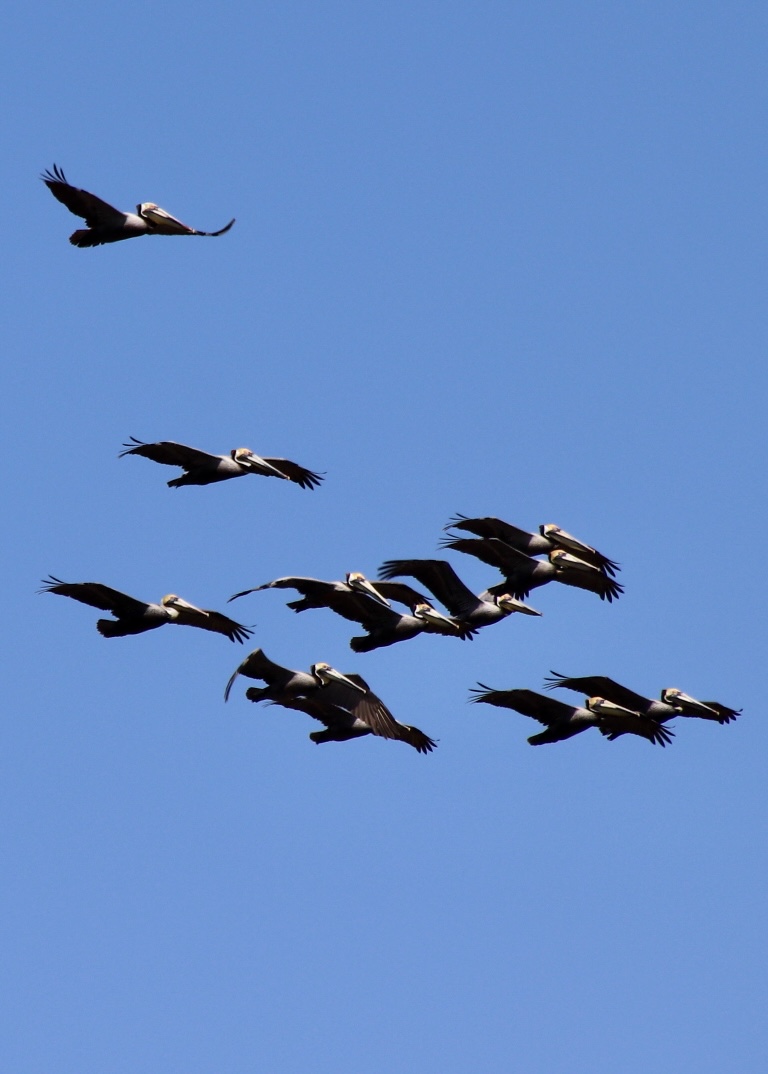
As we continued our exploration, the sky above Carara became a mesmerizing spectacle. Hundreds of Magnificent Frigatebirds (that’s their name, not an effusive adjective) circled overhead, creating a breath-taking aerial ballet. These large seabirds, known for their distinctive forked tails and striking red throat pouches, captivated us with their acrobatic displays. And they shared the coastal vistas with dozens of brown pelicans.
One of the most striking sightings was the elegant Roseate Spoonbill, a captivating wading bird with its pink plumage and distinctively spoon-shaped bill. This majestic bird stood gracefully in the shallow waters, sweeping its bill from side to side in search of its aquatic prey. As avid fans of the board game Wingspan (yes, I’m revealing my not-so-well-hidden dorky side), Paul and I were particularly excited by this one!
We also spotted vultures soaring high above the treetops and picking at bones in the swallows. These efficient scavengers play a crucial role in the ecosystem by cleaning up carrion, making them an essential part of Carara’s natural balance.
Whilst the scenery itself is not as verdant and stunning as some of the other national parks we visited on our trip, I was really pleased we’d visited Carara. The diversity of the bird species is testament to the park’s commitment to preserving its rich biodiversity.
Let’s dive back into our central American adventure! (Or should I say fly back into…)
We’d arrived in Monteverde, I believe, when I’d last paused our story. Nestled in the heart of the Tilarán Mountain Range, Monteverde National Park is often rhapsodically referred to as the ultimate haven for nature enthusiasts. But this is not unwarranted hyperbole. Its cloud forest reserve boasts incredible biodiversity and it is stunningly beautiful.
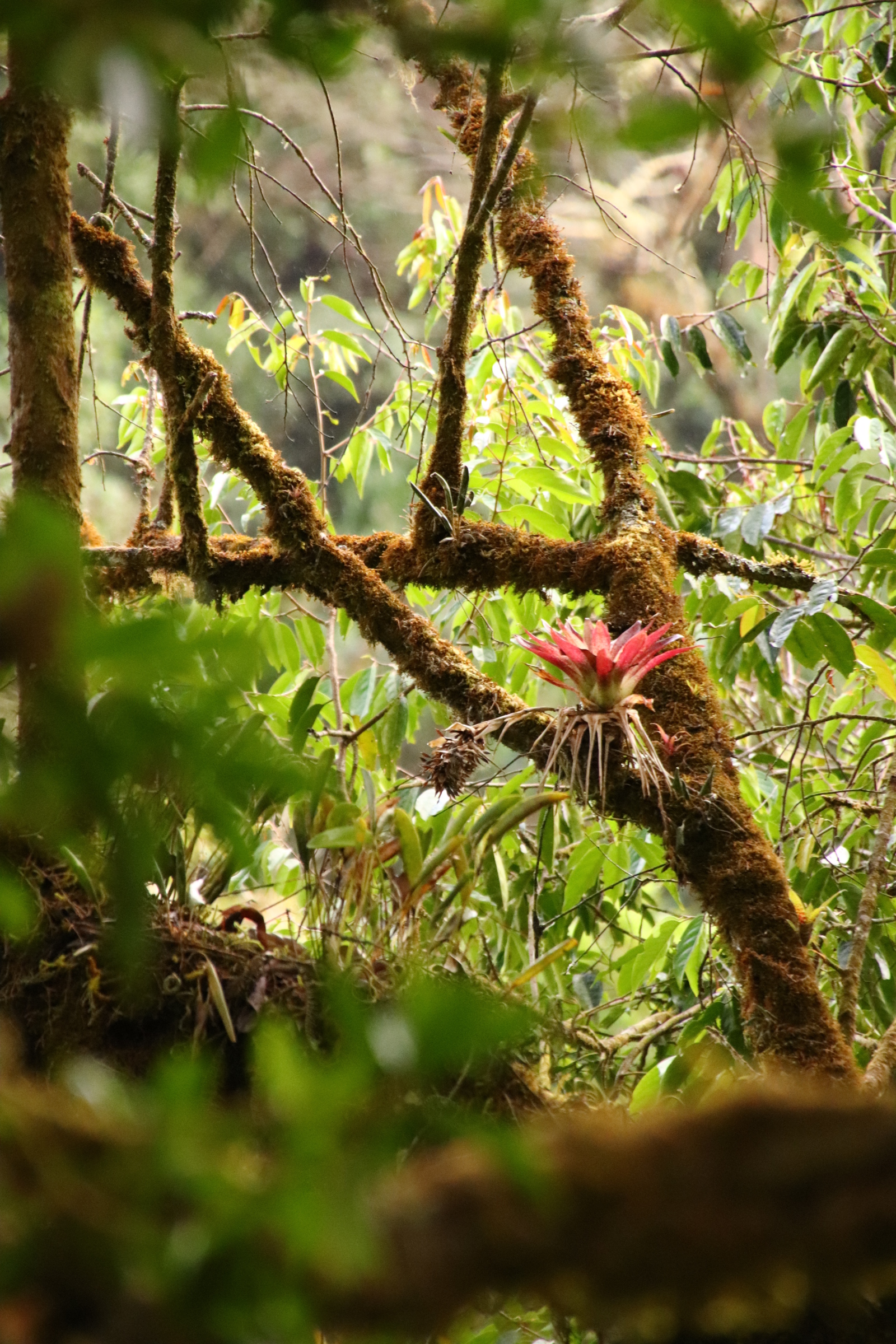
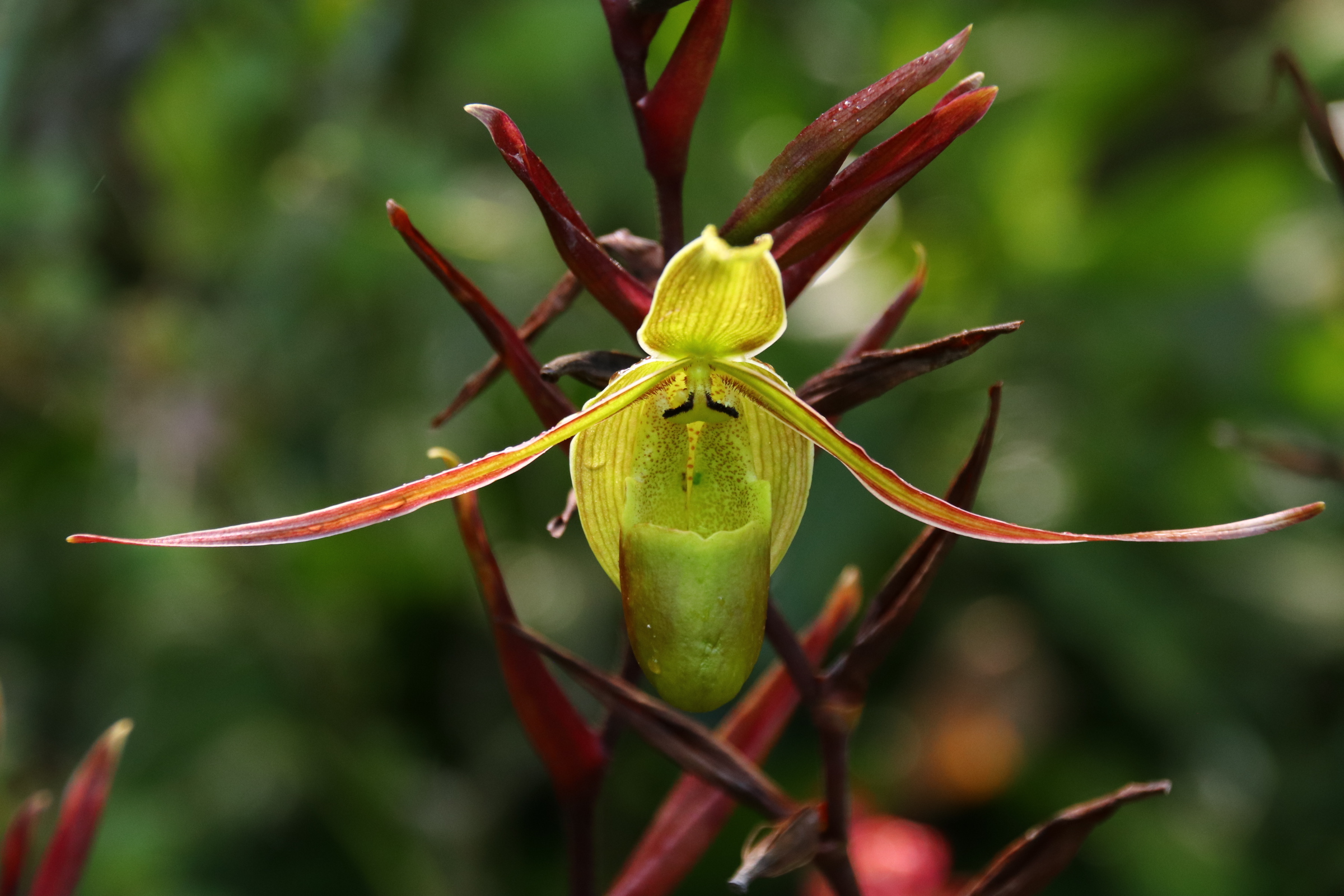
Cloud forests are typically found at higher elevations, usually between 1,000 and 2,500 meters above sea level. The combination of high altitude and the cooling effect of the clouds results in lower temperatures – to be honest, a welcome relief after the cloying heat of the previous week! I was hoping we’d also get fewer mossie bites (though this didn’t prove to be the case). Due to the constant cloud cover, these types of forest experience really high levels of precipitation, often in the form of fog or mist, even during the dry season. The clouds trap moisture, which contributes to the high humidity levels, and this moisture provides a continuous source of water for plants, animals, and numerous micro-organisms. As a result, Monteverde’s forest is home to an incredibly diverse range of plant species, adapted to the moist and cooler conditions. Epiphytes, such as mosses, ferns, and orchids, are particularly common. These grow on the branches and trunks of trees, thriving in the limited sunlight near the forest canopy. The presence of epiphytes adds to the ethereal beauty of the cloud forest, creating a magical atmosphere.
Wandering through the misty trails and treetop walkways provides a surreal perspective of the lush canopy and a chance to spot unique bird species and mammals such as the tapir and jaguar. I say ‘chance’ because we didn’t actually see any of these. Our time in the cloud forest was actually our most animal-lite part of the whole trip. No matter. Monteverde truly does have a mystical sense to it, where the union of clouds and forest created an otherworldly aura, leaving you feeling like you’ve stepped into a real-life fairy tale.
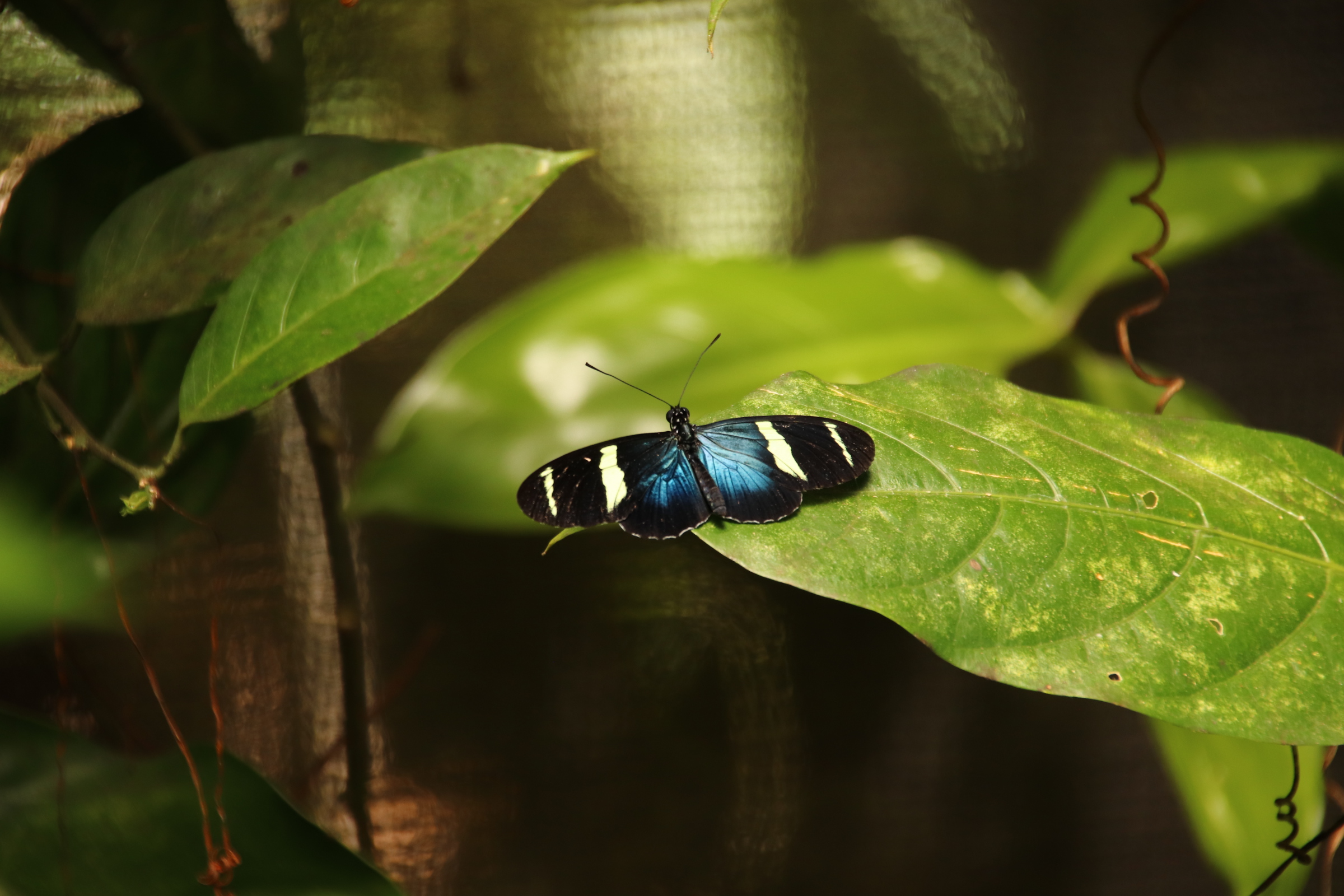
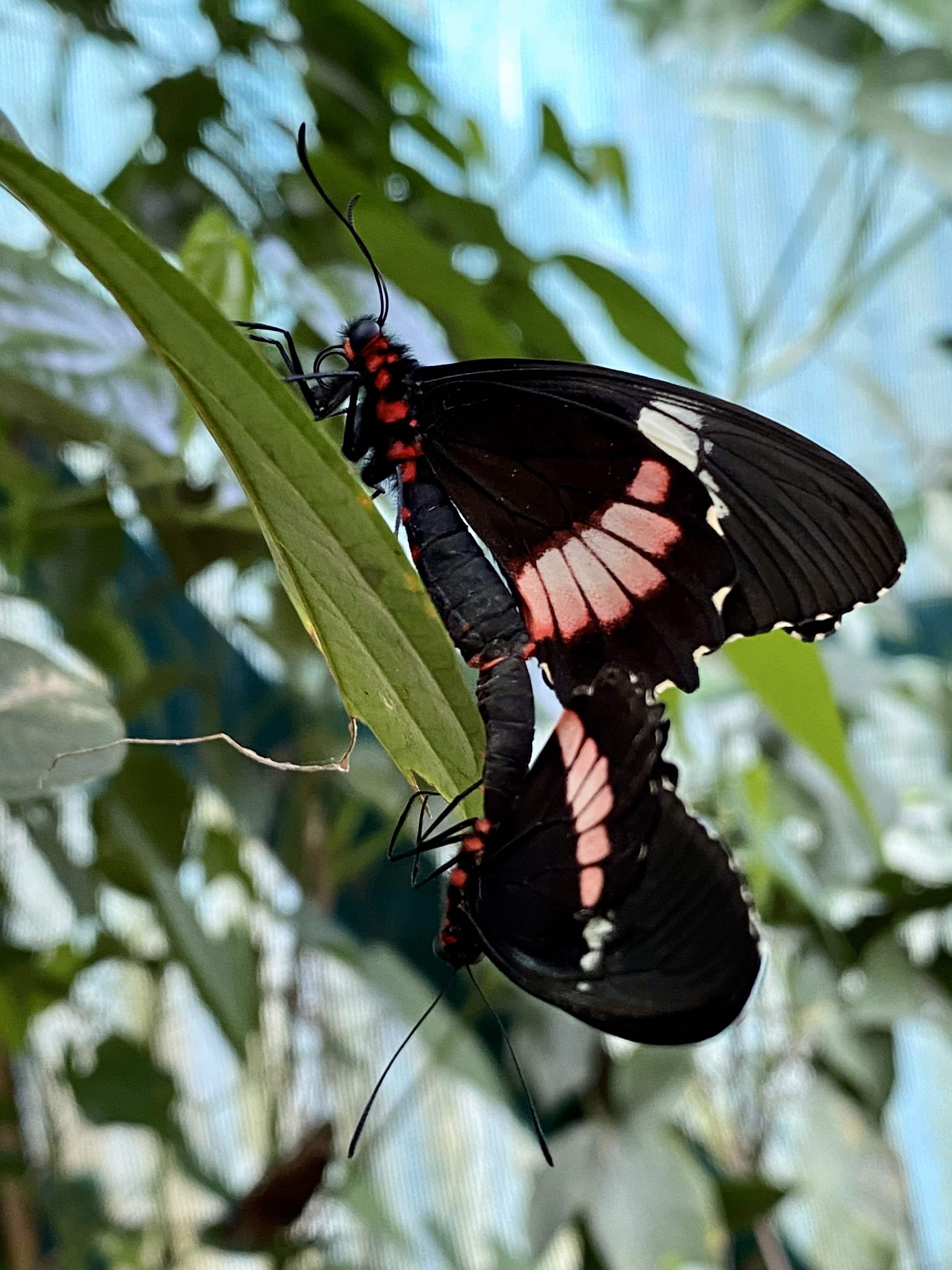
One of the highlights of our visit to the area was however – somewhat surprisingly – exploring Jardin de Mariposas, the local butterfly garden. This enchanting sanctuary showcases the beauty and diversity of Costa Rica’s butterflies across four different habitats. Stepping into the mini-reserve, you’re immediately surrounded by a flurry of colour, as over 30 species of butterflies flit gracefully around you.
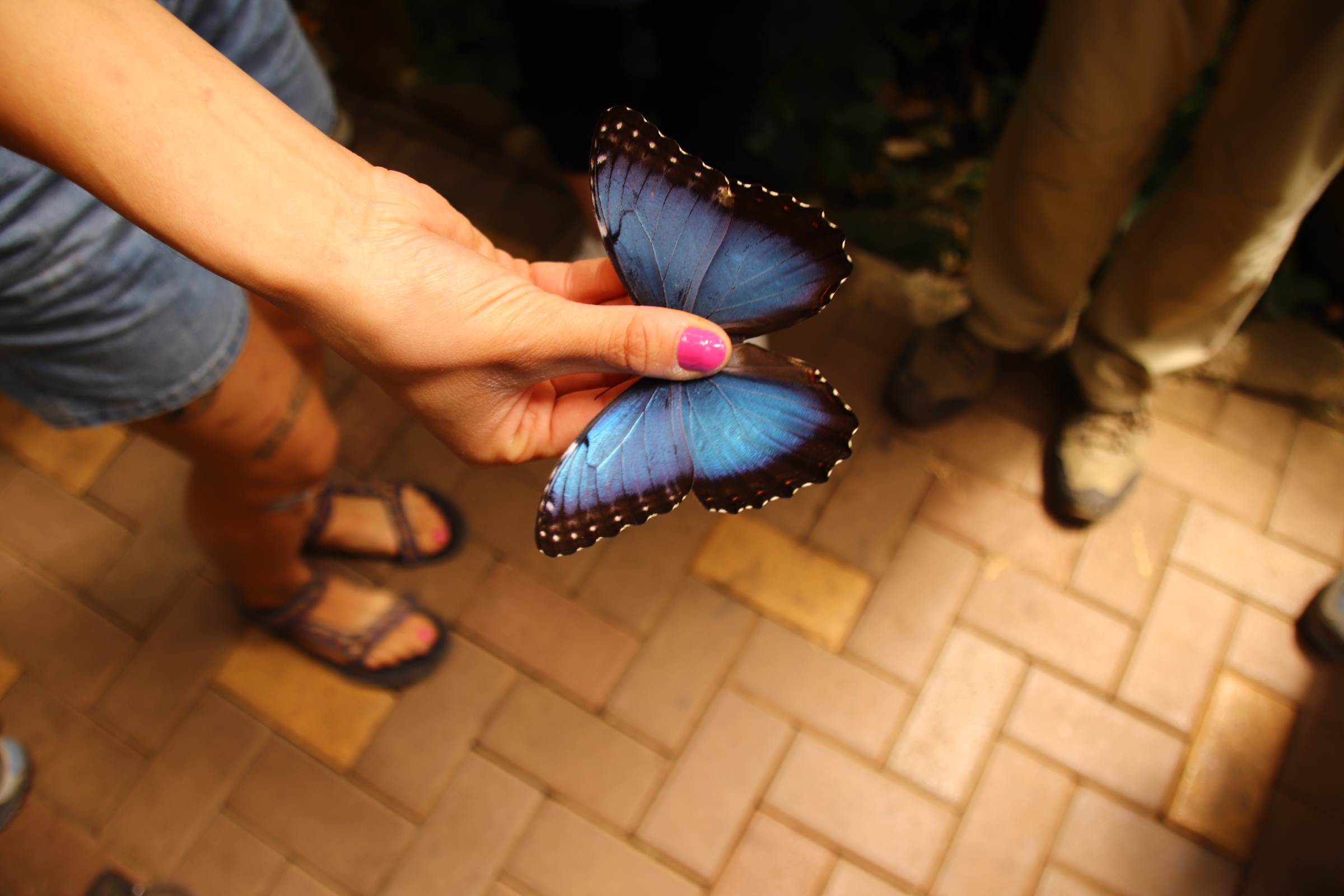
Our very punky and incredibly knowledgeable guide, Emmy, steered us around the centre, pointing out rare specimens and even grabbing them effortlessly from the air to show us up close. Gently, I should add! She grabbed them very gently. The cattleheart, with its delicate pink spots, danced through the air alongside the ethereal glasswing, whose transparent wings make them almost invisible against the foliage. The striking malachite butterflies, adorned with vivid green and black patterns, add a burst of colour. And then, there are the famous blue morpho butterflies, shimmering like sapphires as they glide through the air. Their radiant blue wings reflect the sunlight, captivating everyone’s attention. I’d seen some of these species before, but never in such numbers!
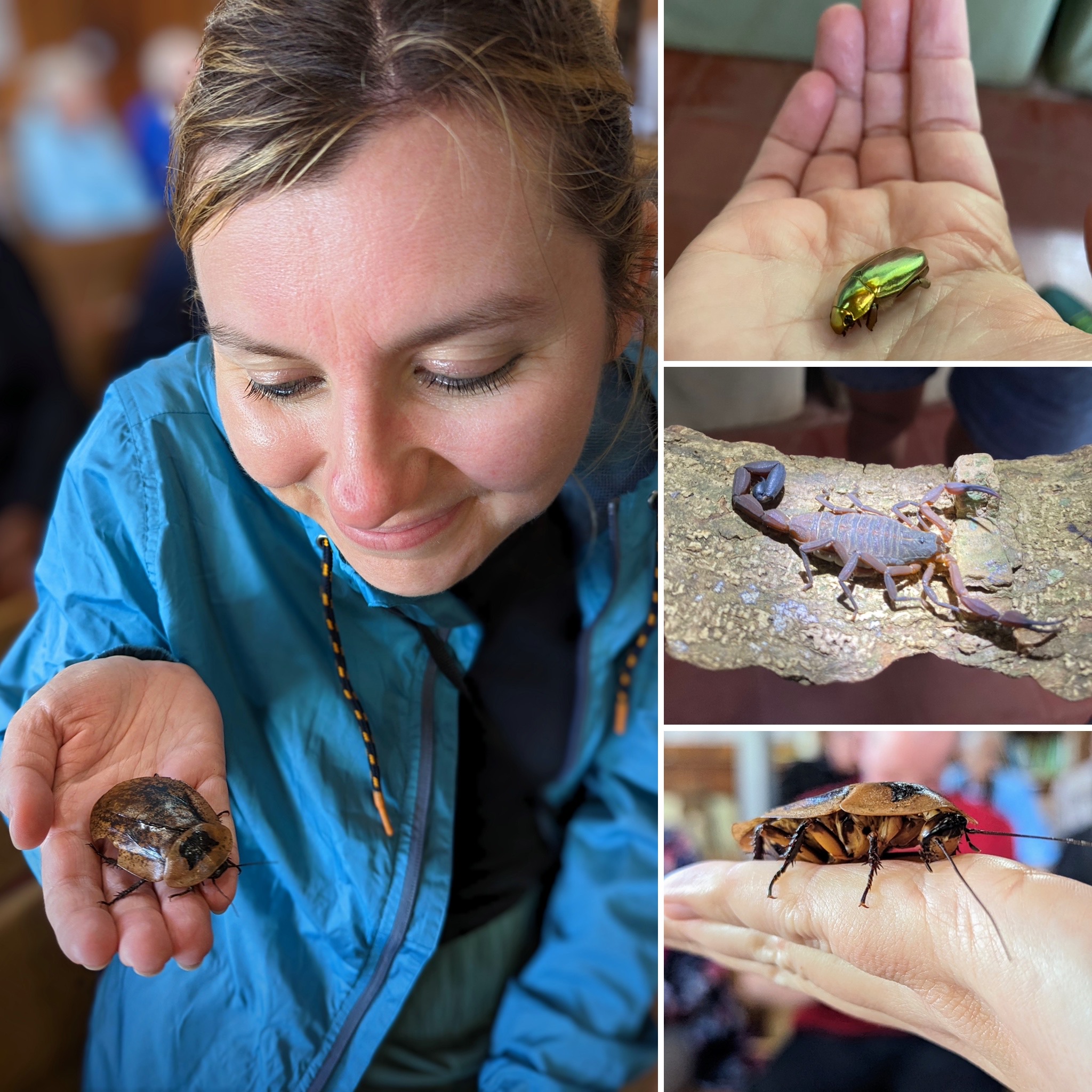
There’s an array of other intriguing creatures in the sanctuary too. From scorpions to millipedes, stick insects to jewel beetles, and even a friendly cockroach named Tiny that I held in my hands, the garden offers a fascinating (and educational) experience about some of the smallest creatures of the rainforest.
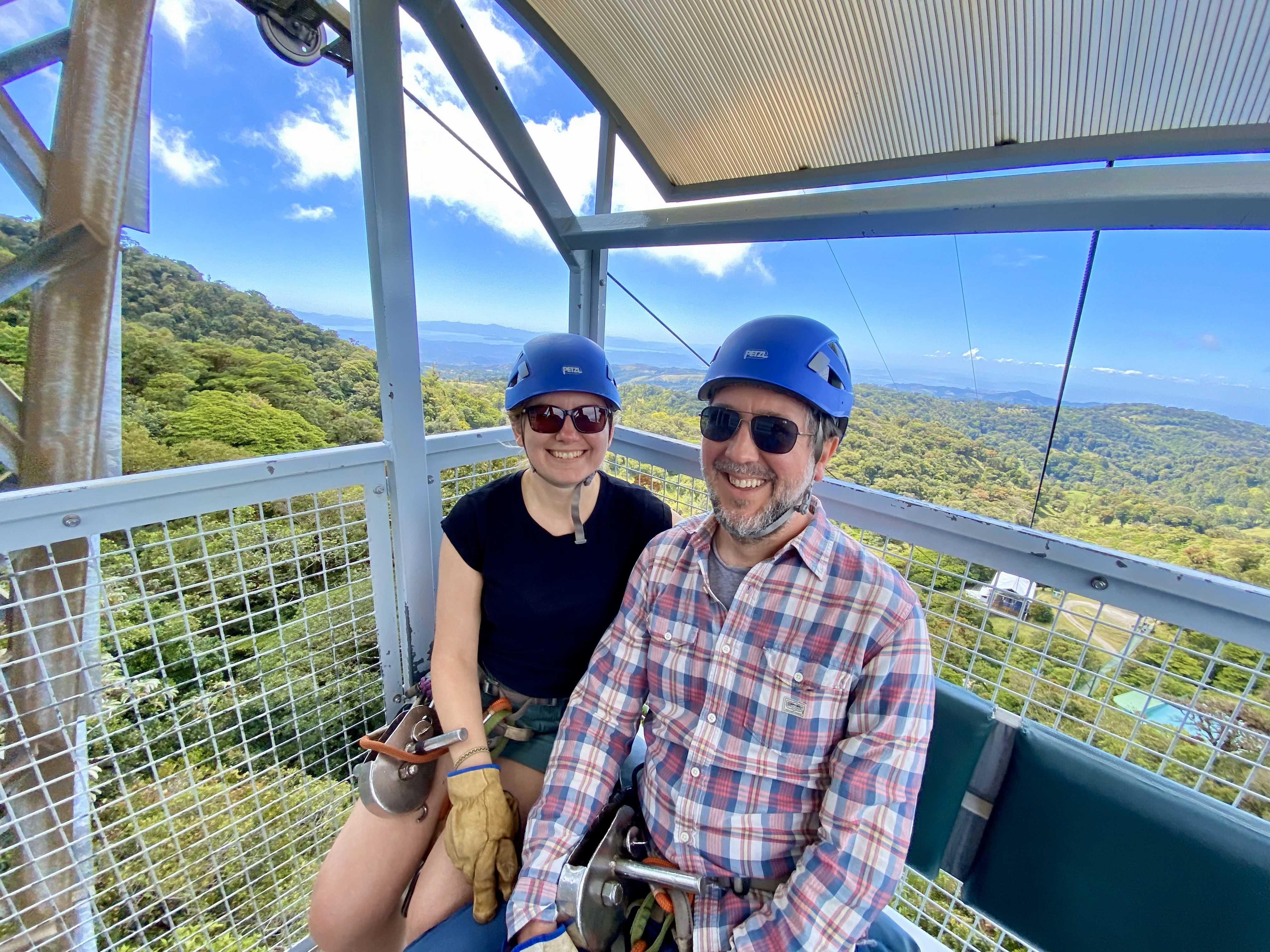
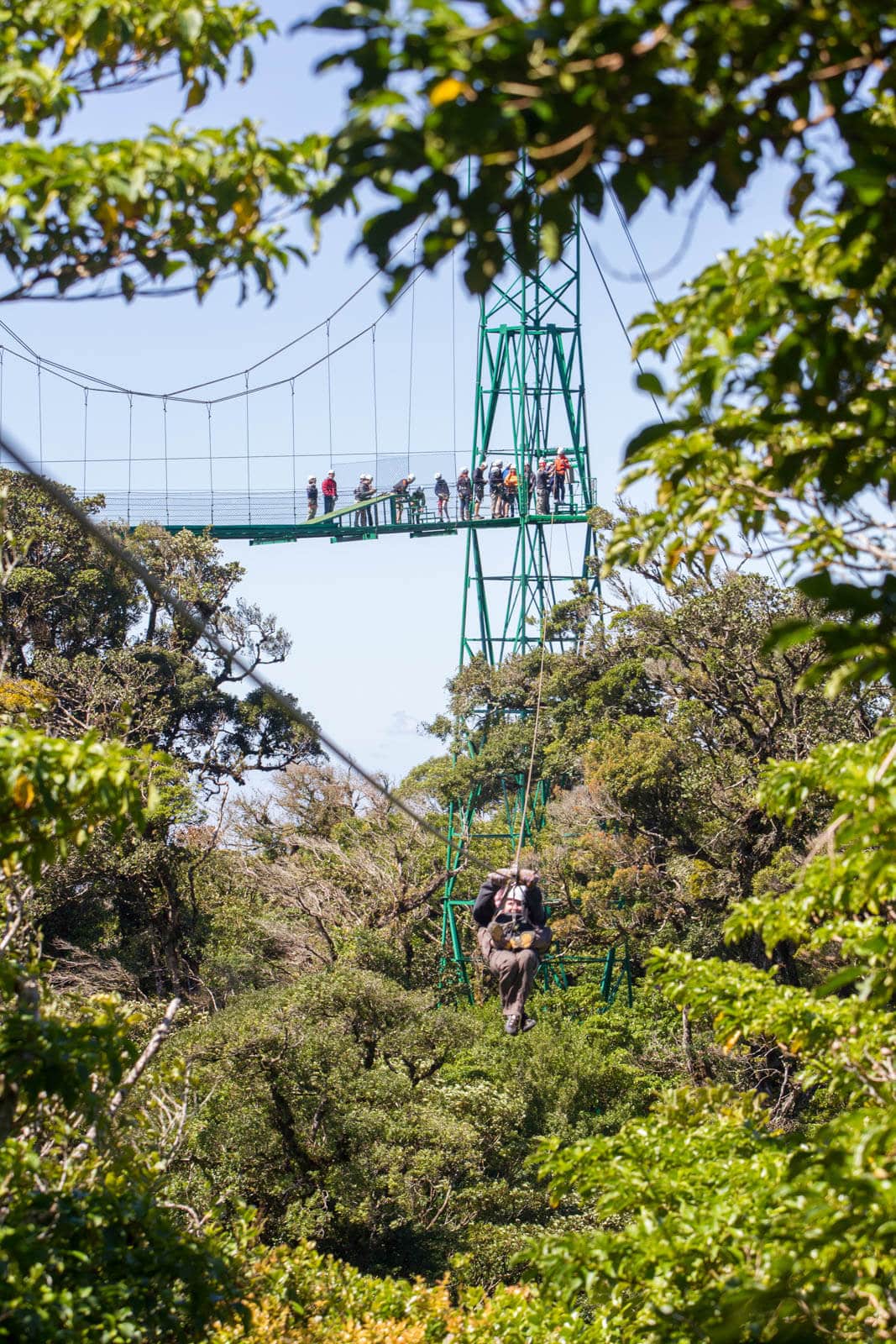
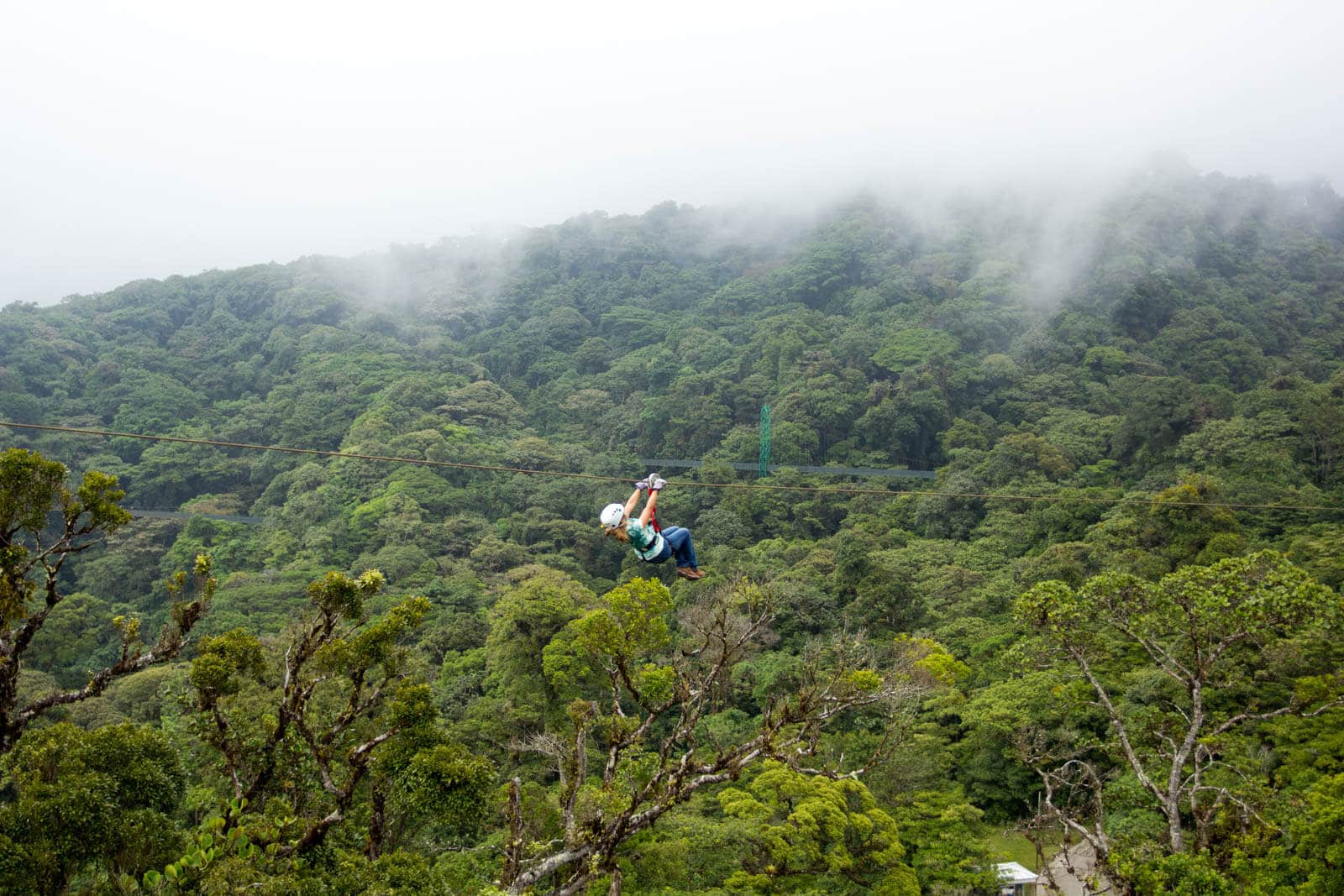
After that gentle, calming experience, I craved another dose of adrenaline. [Disclaimer: I have never “craved a dose of adrenaline” in my life and should stop trying to make myself sound cool on this website!]. We did however fight our nerves to go zip-lining high in the forest. Given it’s the first time I’ve ever tried zip-lining, I’m not qualified to judge, but we were repeatedly told (by those with far more experience) that there’s no better place to experience this than in the cloud forest’s canopy. Zip-lining through the foliage, suspended thousands of feet above the forest floor, was certainly exhilarating. Gliding from platform to platform, I felt like a bird (in the words of Nelly Furtado), getting an up-close view of the vibrant flora below. The rush of the wind against my face, the sheer thrill of the heights, and the captivating vistas made this an unforgettable highlight of the whole trip.
We began our journey to the treetops in an open-air gondola that gradually ascended to the breath-taking height of 1,750 meters above sea level. As we ascended, the landscape unfolded before us, revealing panoramic views across to the majestic Arenal volcano on one side and the glistening waters of the Pacific coast on the other. The sight was nothing short of awe-inspiring, and it set the stage for the adrenaline-pumping adventure that lay ahead. [Disclaimer: no, actually I stand by “adrenaline-pumping adventure”. It was. That’s justified. And I didn’t insinuate that’s a common occurrence for me.]
As we reached the first platform, I must admit I was a bit nervous. The idea of soaring through the forest on a thin cable seemed daunting at first. But with the expert guidance of the Sky Adventures team, my fears soon turned into excitement. With a leap of faith, I embarked on the first zip-line. A tiny scream, and then….freedom! And the unique sensation of gliding on top of the world.
One by one, we soared through a series of six zip-lines, each one offering a different perspective of the cloud forest. The rush and the breathtaking scenery combined to create an experience I will cherish forever.
As if the zip-lining wasn’t enough to get our hearts pounding, at the end of the course there was an unexpected twist – a 5-meter free-fall bungee rope. With my heart pounding, I mustered the courage to take the plunge, and the sensation of free-falling before the bungee rope caught me was an incredible thrill. I’d definitely recommend the experience to anyone – and would happily endorse Sky Adventures, who made us feel safe and secure the whole way round!
…Oh, and we saw a very cute white-nosed coati in the car park afterwards. So this part of the trip wasn’t totally bereft of mammals!





















































 Victoria's Secret Blog